
Tech & Innovation
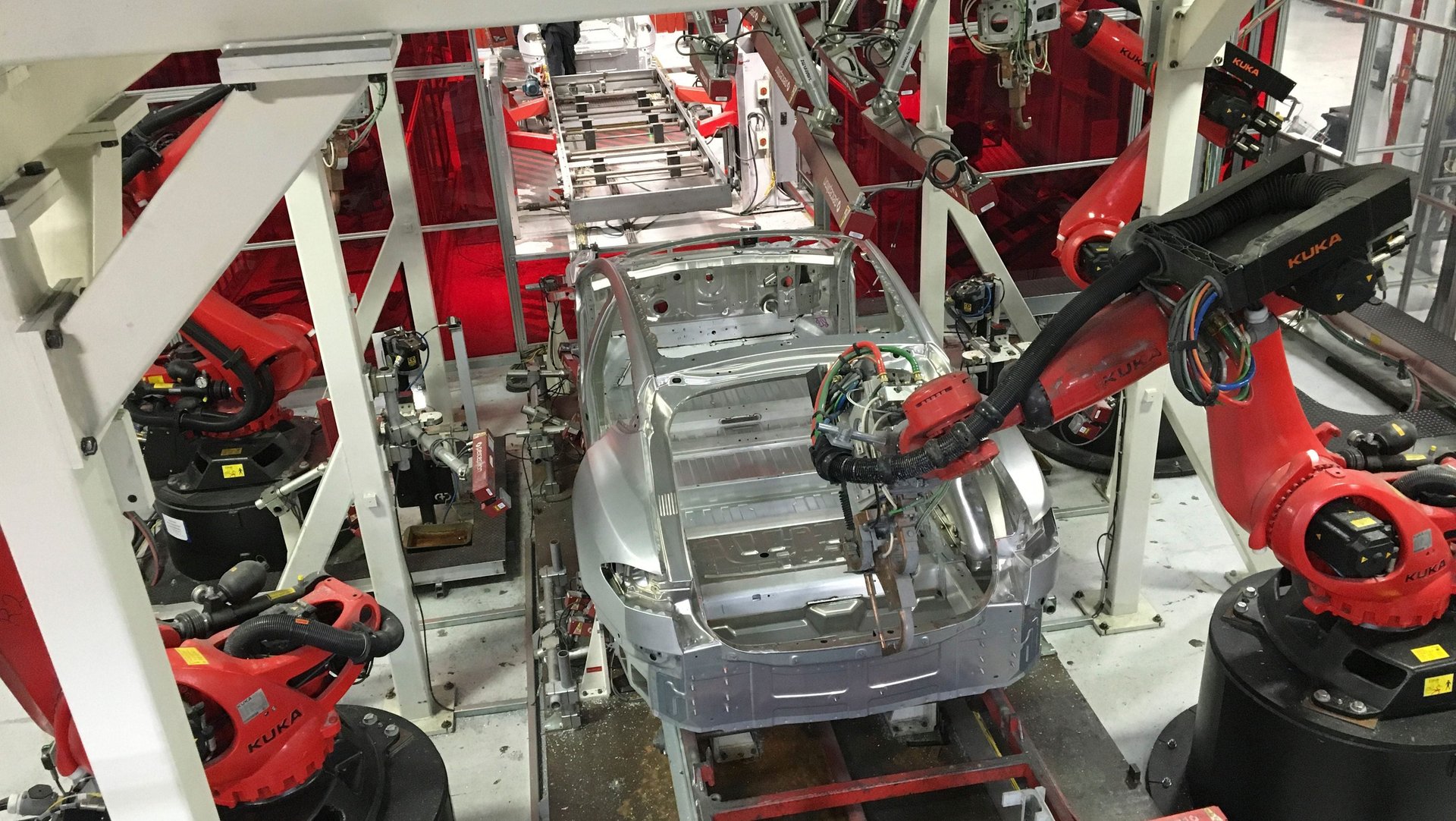
How Tesla “shot itself in the foot” by trying to hyper-automate its factoryIn a more automated future, it’s still vital to appreciate what humans can do better.
Updated June 18, 20243 min read
In a more automated future, it’s still vital to appreciate what humans can do better.
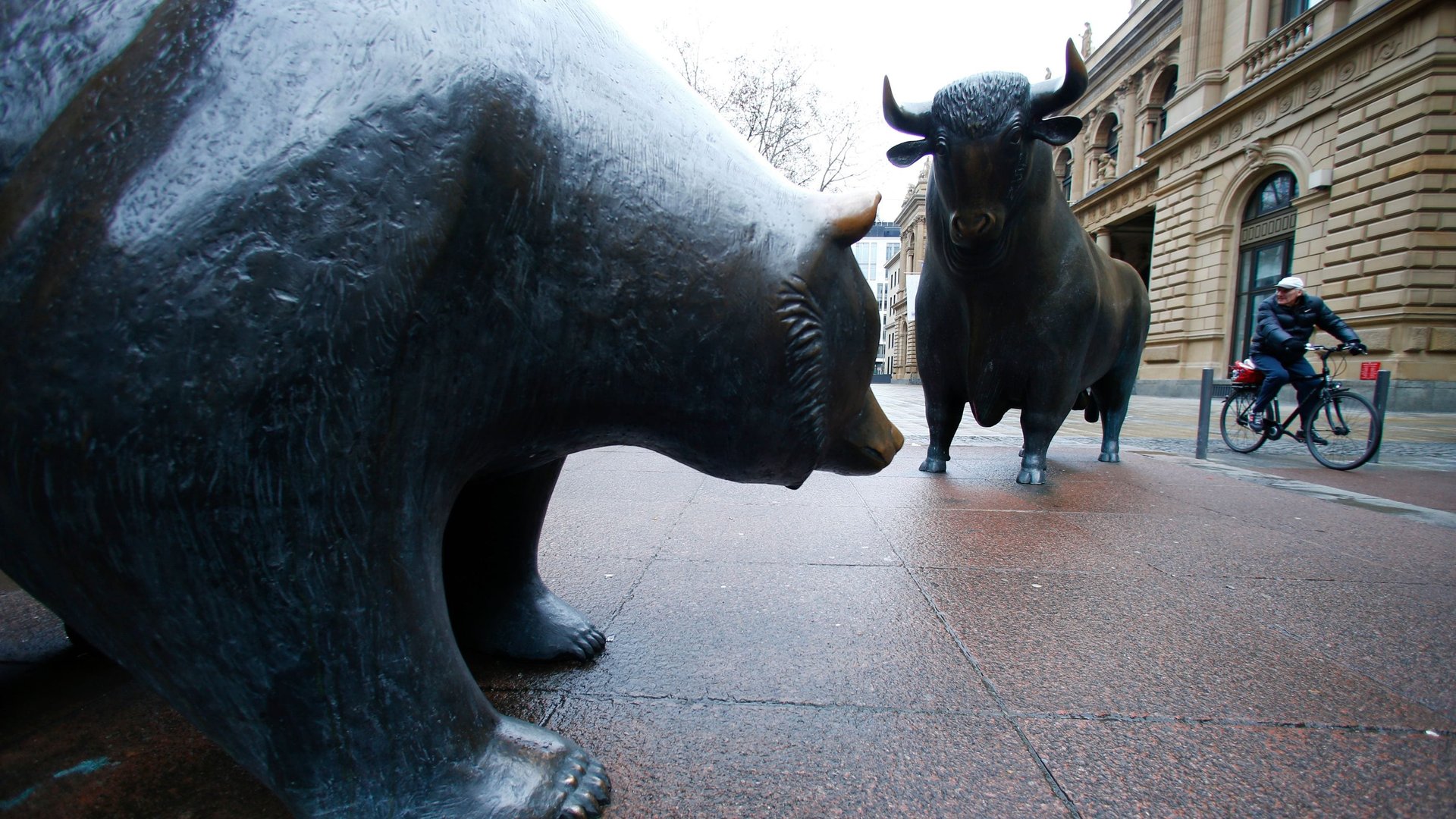
This year has been a rough ride for stock investors. After a nearly perfect 10-year bull market run, stocks are basically flat so far this year and are much more volatile. For investors who have become accustomed to steady gains, seeing the S&P 500 index move more than 1% in a day 31 times so far this year is quite unsettling.

When it comes to debt, the benchmark is the 10-year US Treasury government bond—and its yield sets the cost of borrowing for almost everything around the world.
When it comes to unclaimed property, such as unclaimed bank accounts, uncashed cashiers checks, unused gift cards, utility deposits or various overpayments, we are all equal.

It’s that time of year. Colleges have mailed acceptance letters and parents and students have until May 1 to make a decision. One of the most important factors is cost. And it’s not surprising if you’re looking at your financial aid offer and wondering, “Is this it?”

Our daughter is about to go off to university in the US. And that means college applications have been a big feature in our lives since last year. It also means that “National Decision Day” on May 1, the last day for American teens to commit to a college, will mark the end of this process.

In the past few weeks, Donald Trump has tweeted multiple times about whether the US Postal Service is “Amazon’s delivery boy.”
Today, Spotify is holding its only investor meeting prior to its non-IPO. We don’t know if management will take any questions. If they do, here are the top five questions we’d ask.
Despite the growth of digital music, there are limited opportunities to invest in the market. Pandora, the pioneering online radio firm, has been the only pure-play public streaming company but its troubles have made it mostly a money-losing stock for four years.
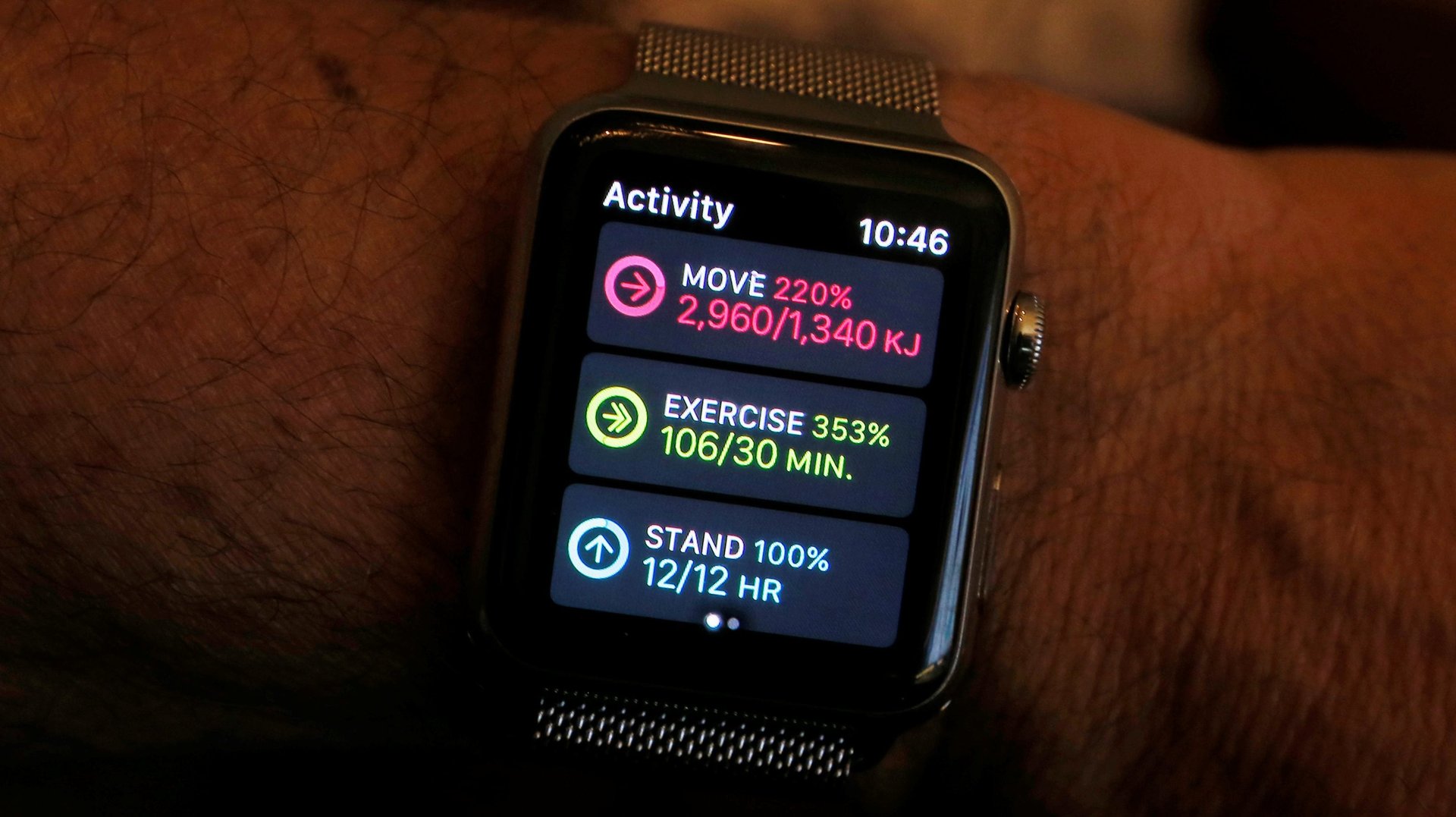
The next stage of the platform wars may be in health.

A recently published report (pdf) by the Roosevelt Institute suggests that the Federal Reserve won’t have the same influence in the next recession because there isn’t enough room to drop interest rates as much as has been required in the past.
We all like to know that, if there’s ever a problem, the people handling a crisis are experienced. Pilots, doctors, kindergarten teachers all have something in common: the best ones have done a lot of tough stuff and have the scars to prove it.
Exchange-traded funds (ETFs) are a fantastic tool because they give investors exposure to many securities at once. But one downside is that you may not know what individual stocks you own within the funds unless you do some research.

As we wrote in our piece earlier this month on what metrics investors should be using to track US inflation, the median price change of the consumer-price index (CPI), a standard way to calculate inflation, is one of the better predictors of near- and longer-term price rises. That was around the time investors sent stocks in a tailspin over fears of faster-rising inflation.

Last week, traders in a popular money-making activity, commonly called “the short vol trade,” had a rude awakening. The XIV—the most popular product to bet on US stocks volatility staying low—lost about 95% of its value, worth around $2 billion, in 15 minutes. It will now be shut down (paywall) by Credit Suisse, leaving investors with big losses.
Over the past two days (Feb. 2 and Feb. 5), the VIX Index—the most popular measure of expected US shares volatility—spiked 177%, the largest two-day increase in its history. By the market open this morning, the VIX spiked another 35%, before fast declining by 55%. Not only that, Credit Suisse has announced the collapse of the most popular inverse exchange-traded product (ETP)—which had bet on volatility staying low—and that it will liquidate the fund (paywall).

Despite having their worst week in two years, US stocks took a further sharp turn downwards yesterday, falling more than 1,000 points and erasing all of 2018’s gains. And the VIX—a key measure of stocks volatility—has doubled since the start of the year.
For a decade, inflation has been—as described by of the world’s foremost economists at the central bank for central banks—“stubbornly low” (pdf).

The US dollar has been declining.
Despite being one of the most watched stocks in the market, Wall Street has a habit of over-estimating the company’s fourth-quarter results. In fact, in every year since 2010, Wall Street has over-estimated Amazon’s revenue performance in the last quarter.

Corporate wallets are bulging and now is the time to spend it, according to new research by BofA Merrill Lynch Global Research. Since 2009, spare cash has overwhelmingly been used for share buybacks, as opposed to dividends, acquisitions, or capital expenditure.
Even though the bears gave the tiniest of roars today (Jan. 30), sending the Standard & Poor’s 500 index down 1% and the Dow Jones Industrials index down 1.4%, this kind of one-day drop is far from a crash or crisis.

While an index might include an equal share of each company or might be weighted based on the market capitalization of each company, a mutual-fund manager attempts to beat market indexes by owning more of the winners and less of the losers than their comparable index.

Anyone looking at any of the standard models will tell you that the US stock market is overvalued.