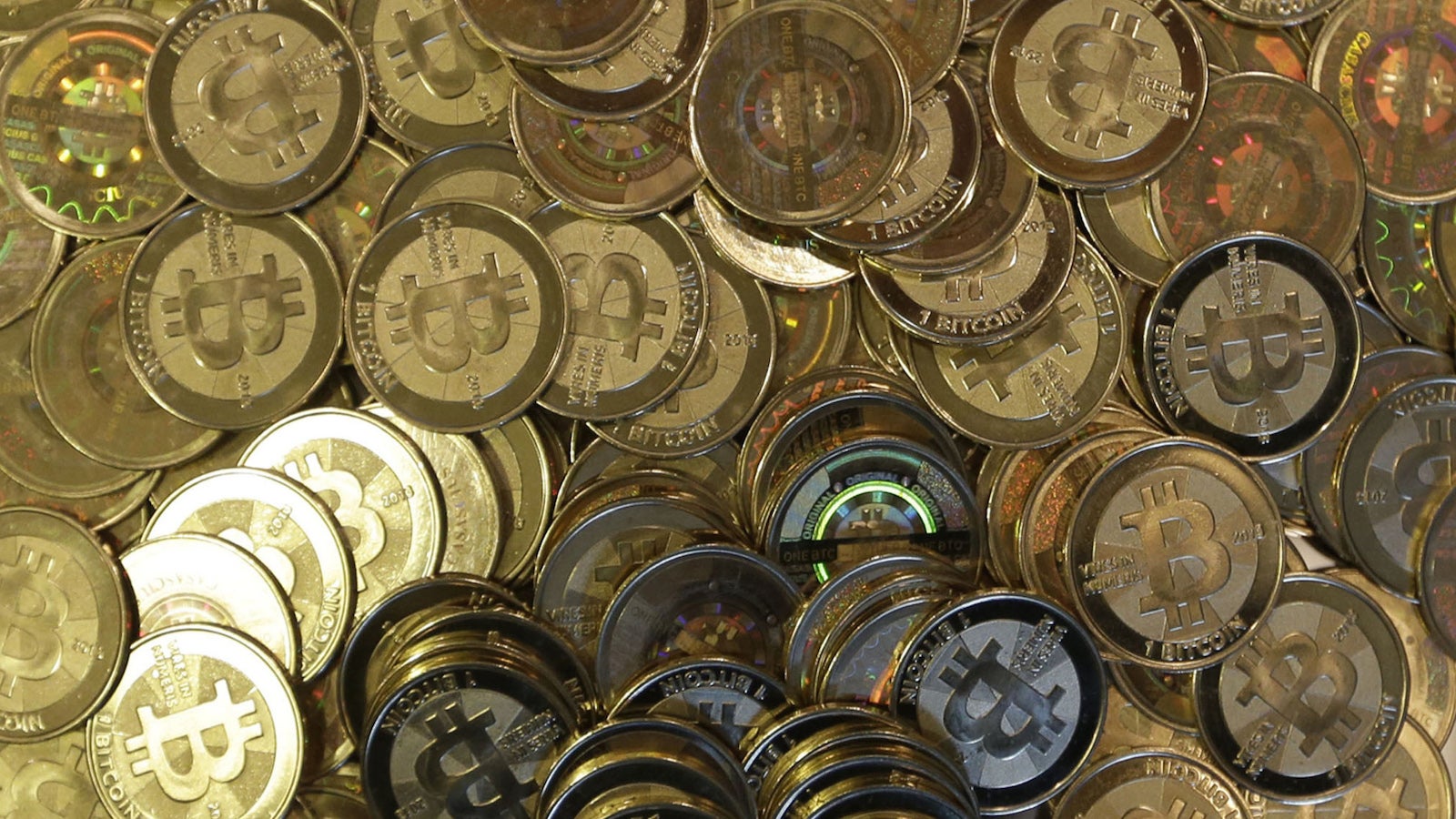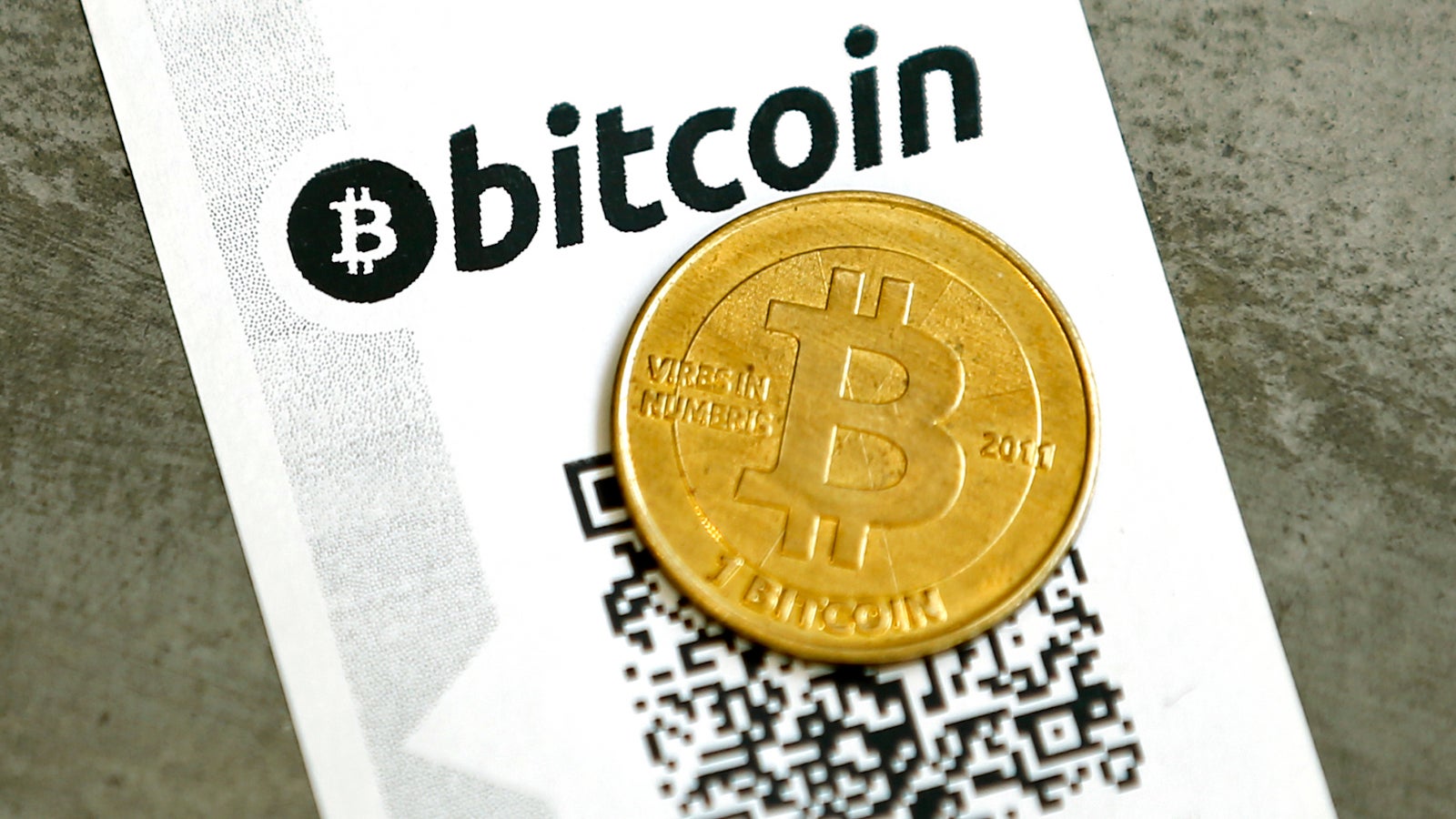
Bitcoin soared more than 20% over the weekend, and hit a two-year high of $719.85 on Monday morning trading GMT, before dropping a bit when European markets opened.

Bitcoin soared more than 20% over the weekend, and hit a two-year high of $719.85 on Monday morning trading GMT, before dropping a bit when European markets opened.

Snapchat started as a hip, quirky app for teens. Now, the olds are coming.

Snapchat is introducing some big changes to its app in order to boost traffic to publishers’ content, as it makes a more aggressive push to generate revenue.

Of course, the biggest problem behind a revolutionary new investment fund dictated by computer code could well be human nature.

Bitcoin is having a great weekend.

Mark Zuckerberg could get caught in the crossfire in the war between Gawker Media and Peter Thiel.

Soon, it may pay to use Apple Pay.

The fast growing social media startup Snapchat just raised a massive funding round at a reported $20 billion valuation, according to filings with the Securities and Exchange Commission.

In March, funding for fintech startups fell dramatically. In retrospect, it looks like that quarter was more akin to a speed bump than a car crash.

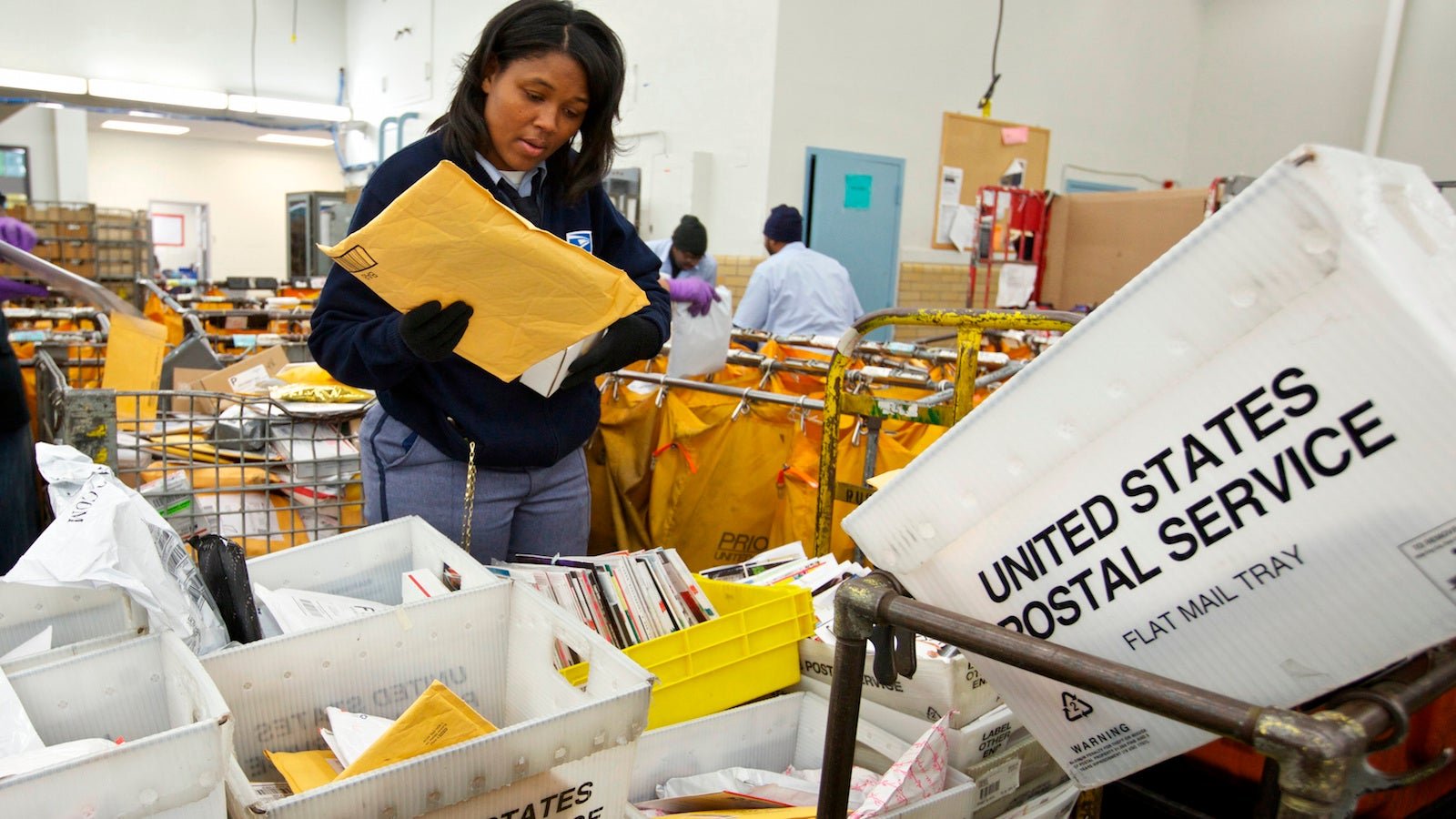
The US Postal Service, or USPS, isn’t known for innovation. In the digital age, the USPS has become known for being inefficient, outdated, and frustrating to deal with.

Ethereum is having a moment.

Passwords are quickly becoming a thing of the past. And to paraphrase Martha Stewart, that’s a good thing. Passwords are easy to guess (though somehow never when you’re fumbling around trying to remember your own) and easy to hack, making them terrible for security.

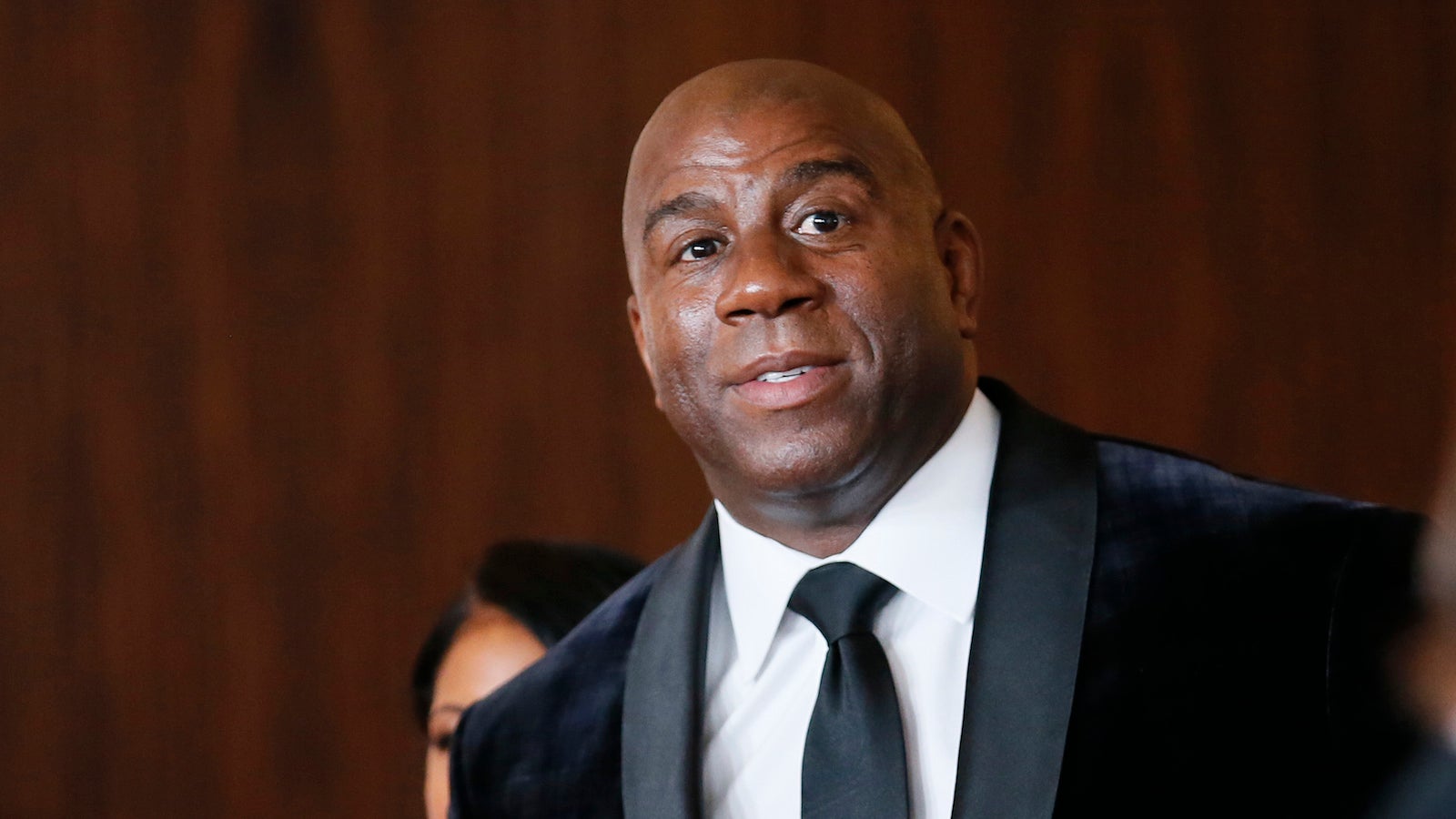
Earvin “Magic” Johnson is best known for his professional basketball career, during which he won five NBA championships and three most valuable player awards. Now, Johnson is trying to work some magic in infrastructure.

One of the early pioneers of bitcoin and blockchain is raising money to fund a financial startup based on the virtual currency.

Blockchain technology, the backbone of bitcoin, has a lot of applications. Finance firms want to use to cut down on administrative costs and trade faster. Estonia is using to securely track health records. Now it’s the military’s turn.

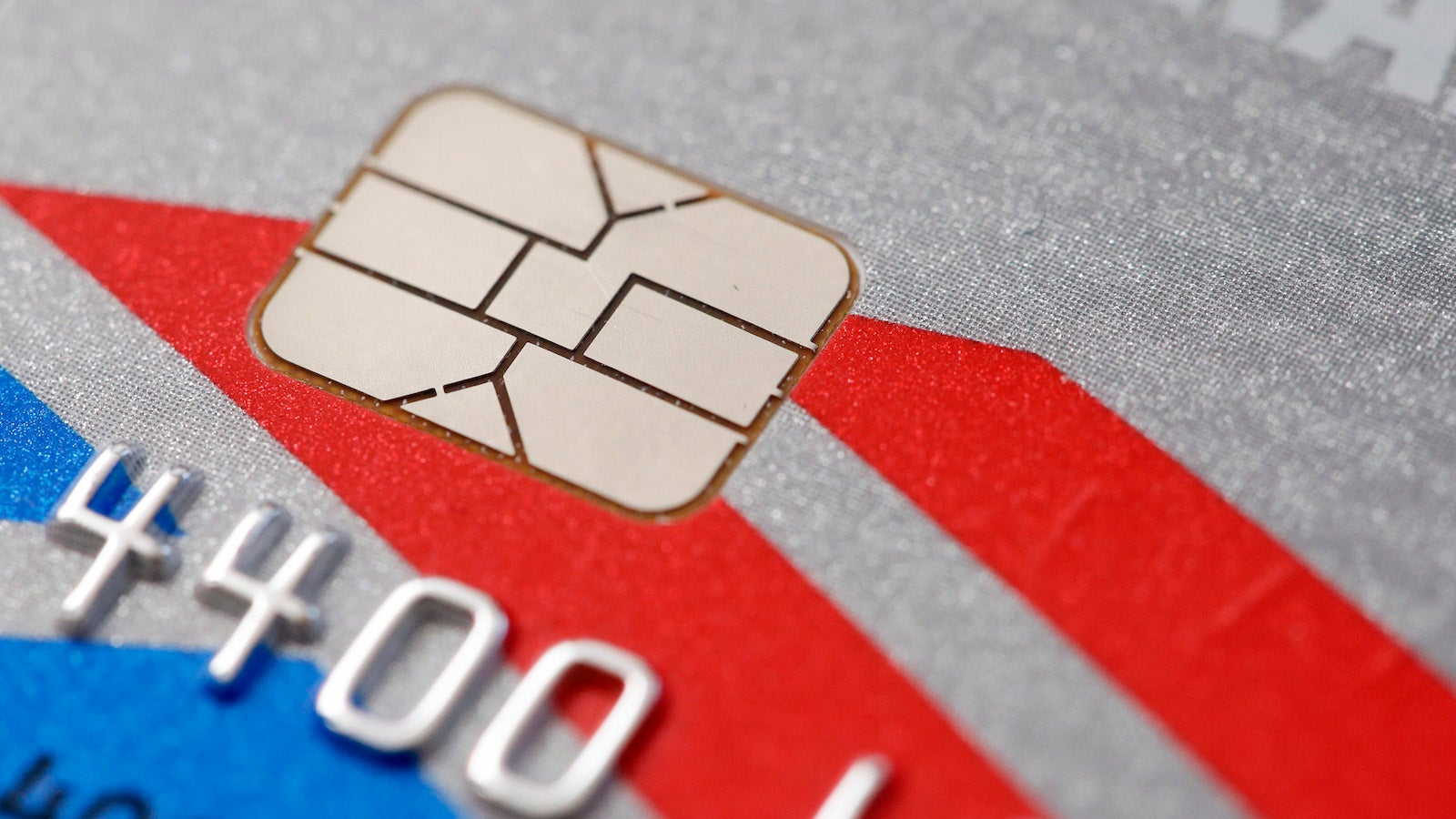
The shift to chip cards has been something of an ordeal for US consumers. They’re slower than magnetic stripe cards when checking out at the register, and generally cumbersome to use. And their greatest attribute—increased security for in-person transactions—is having an unwelcome knock-on effect: they’re spurring an increase in online fraud, which could accelerate in the coming years.

Goldman Sachs, which developed a thriving business over the last century catering to corporations and high-net-worth clients, is suddenly getting serious about banking average Americans.

Lending Club announced today that its chairman and CEO has stepped down after an internal review found that he had violated the company’s business practices.

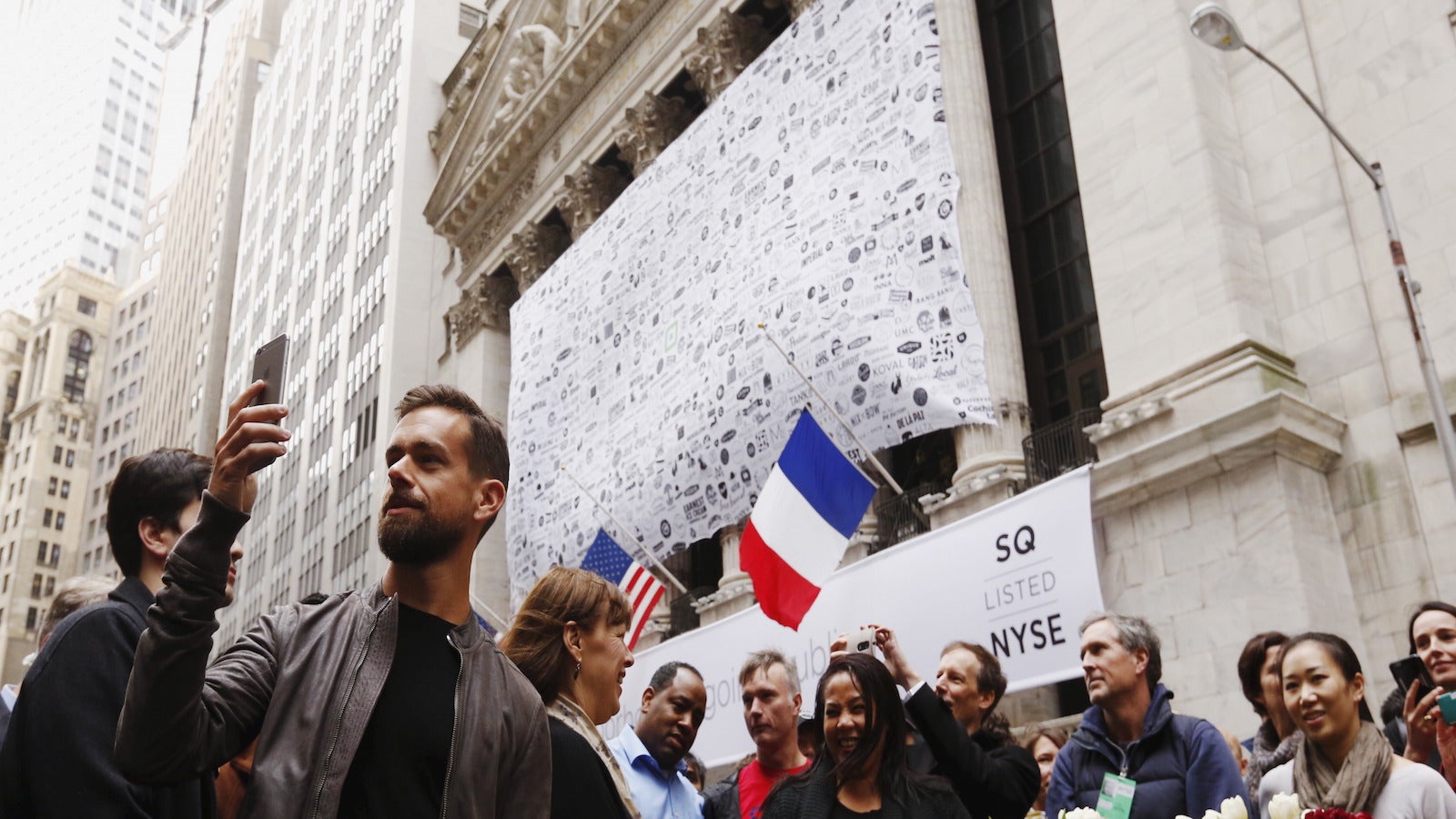
Square, the mobile-payment company run by Twitter CEO Jack Dorsey, is suffering its worst day of trading ever, down nearly 20% today. The drop comes after the company reported weak first quarter results yesterday, with losses doubling from a year earlier, to $96.8 million.

While bitcoin is by far the biggest and most widely known digital currency, another is quickly establishing itself as a serious player.

Is Craig Wright really Satoshi Nakamoto, the anonymous creator of bitcoin? And if he is, what happens now that we know his identity?

Large businesses (especially those in financial services) have been trying to figure out how they can tap into the blockchain, the technology underpinning the bitcoin cryptocurrency. They’re intrigued by the possibilities of a transparent and cheap ledger system capable of creating an immutable record of transactions and monitoring sensitive data, like health records. But keeping that type of record secure—especially if it’s housed in the cloud—is a major concern. With an announcement on Friday, IBM is trying to get ahead of those questions.

Facebook is taking a big chunk of time away from our real lives. Users spend an average of 50 minutes a day on Facebook, Instagram, and Messenger, CEO Mark Zuckerberg said during the company’s earnings call earlier this week. That’s 304 hours a year spent per person on Facebook platforms—and that doesn’t even include WhatsApp.

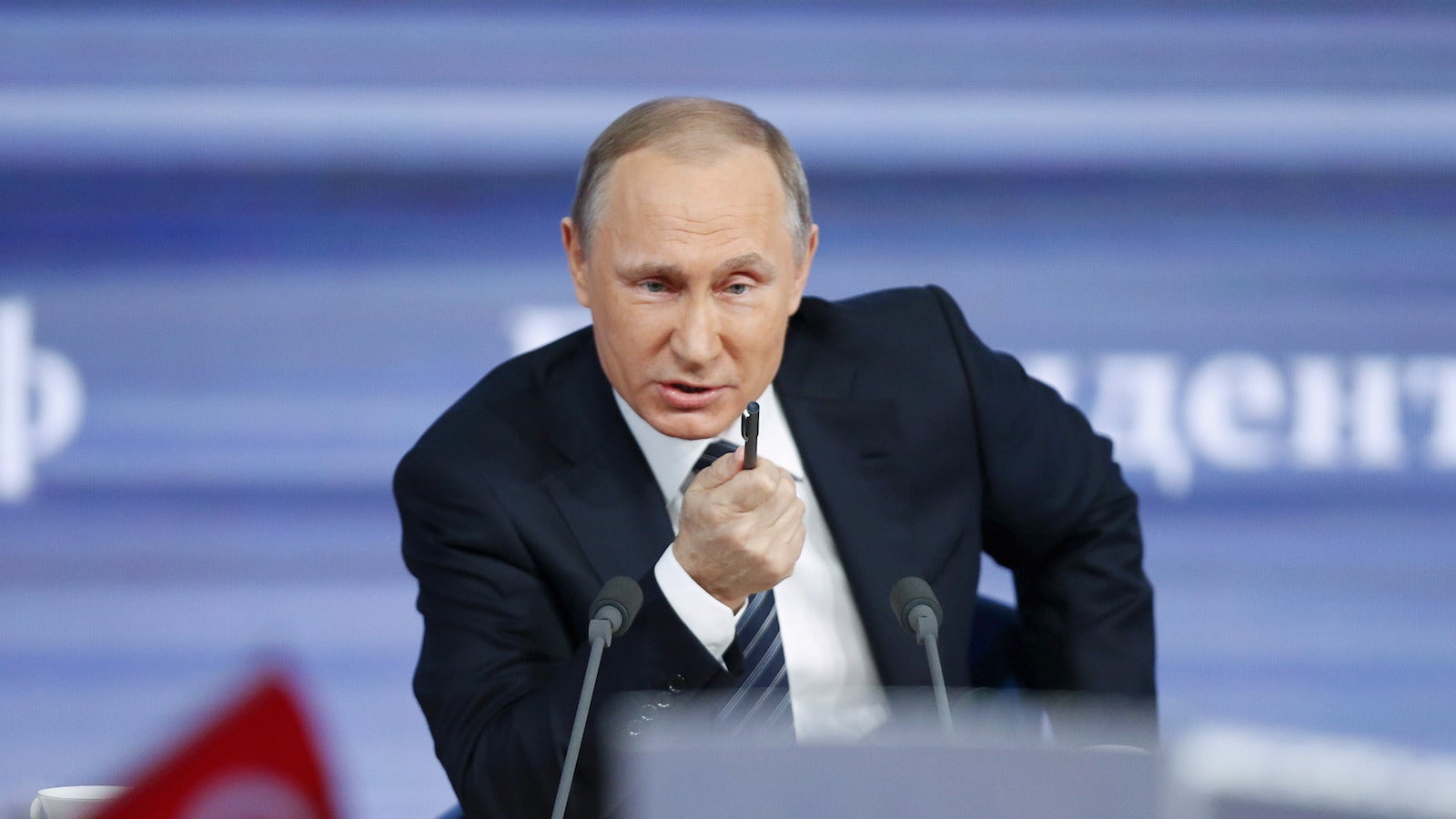
Are you an avid bitcoin user in Russia? If so, you could end up in jail.