Evidence that Apple wants to combine payments and iMessage is piling up. And it looks like the tech giant doesn’t plan to stop there.

Evidence that Apple wants to combine payments and iMessage is piling up. And it looks like the tech giant doesn’t plan to stop there.

Mobile banking remains a technology in its infancy, but according to Javelin Strategy & Research, it has already eclipsed physical branches in terms of the percentage of US customers using it to take care of their weekly banking needs.

Bankers may not think bitcoin will ever go fully mainstream, but they clearly believe there is value in the technology that powers such cryptocurrencies, known as blockchain.

Banks and tech companies are battling to become consumers’ preferred mobile wallet of choice. Now, retailers like Target—which has a troubled history when it comes to data security—are entering the fray.

Blockchain technology, the tech that powers cryptocurrencies like bitcoin, is all the rage on Wall Street. A recent report from financial technology consultant Aite estimated that banks spent $75 million this year developing the technology. But Silicon Valley venture capitalists appear even more eager to make bets on blockchain.

Banks are making big bets on blockchain and will invest an estimated $400 million into the technology—the digital public ledger that enables the usage of cryptocurrencies such as bitcoin—by 2019, according to new estimates from financial services research firm Aite Group. Financial institutions spent an estimate $75 million on the technology this year.

PayPal is heading to Super Bowl 50. The payments firm will use its debut appearance on advertising’s largest stage to share its global vision for the “future of money,” the company said Tuesday (Dec. 15).

Facebook Messenger will now let users order Uber rides from within the messaging app as part of a push to turn the service into a commerce platform.

Tech startups are coming after traditionally stodgy areas of the financial services industry—and they’re bringing lots of venture capital with them.

Blythe Masters, who was known as the most powerful woman on Wall Street during her 27-year tenure at JPMorgan, is raising a $35 million fundraising round at a $100 million valuation for her blockchain startup Digital Asset Holdings (DAH), according to the New York Post.

By RBC Capital Markets’ estimate, it’s going to take about three years for small- and medium-size merchants to catch up to major chains like Target and Walmart in upgrading their equipment for processing credit-card transactions at the register.

Using computer programs, not brokers, to invest people’s money is still in its early stages, but estimates indicate that trillions of dollars will be manage that way in just a decade.

Retailers have been relatively slow to accept mobile payments. There’s the necessary hardware upgrades, but there’s also the question of how they might be able to play a direct role in the technology. The world’s largest retailer has found its answer, at least in part, and it looks a lot like what has made Starbucks a mobile-payments leader.

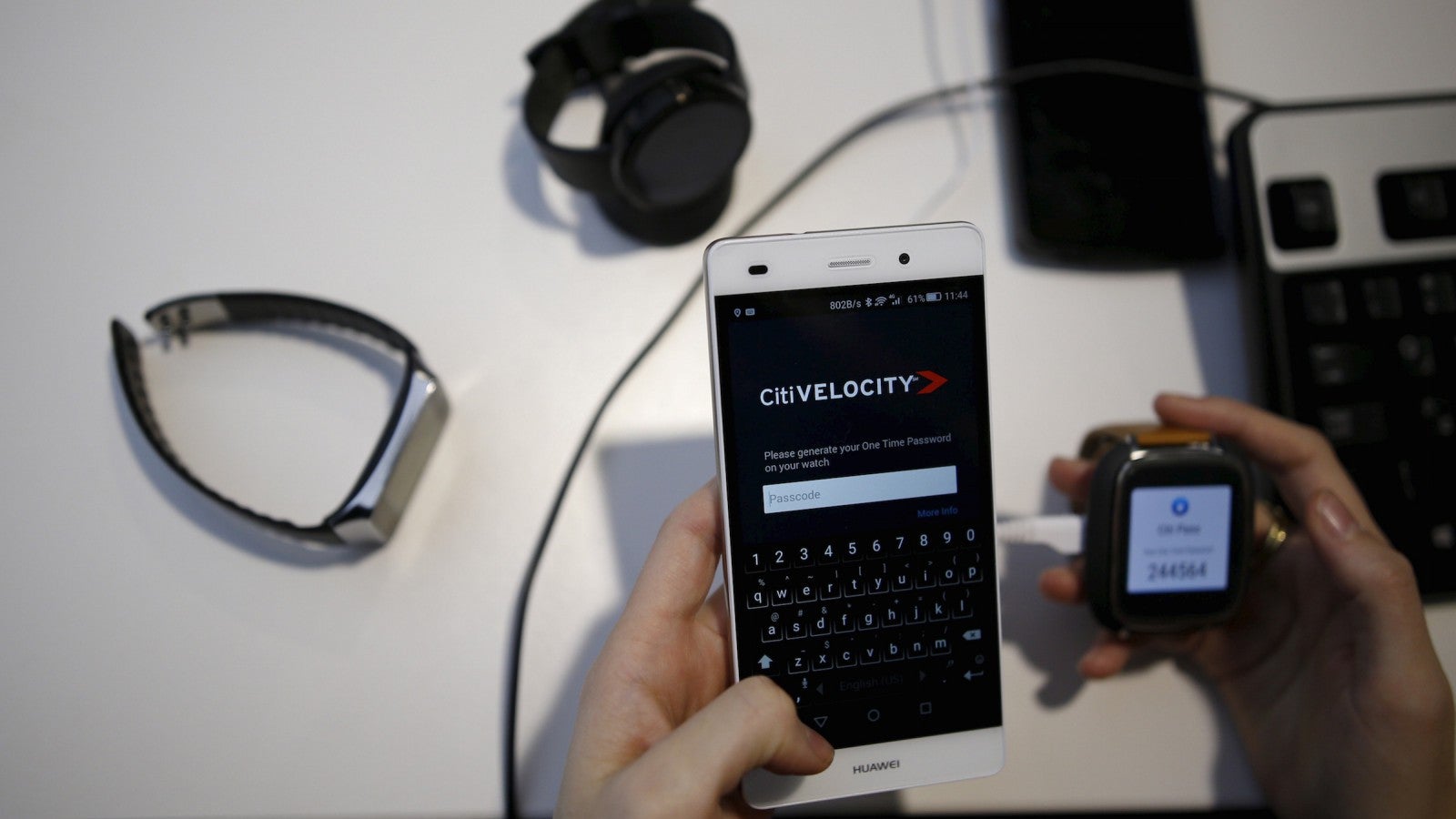
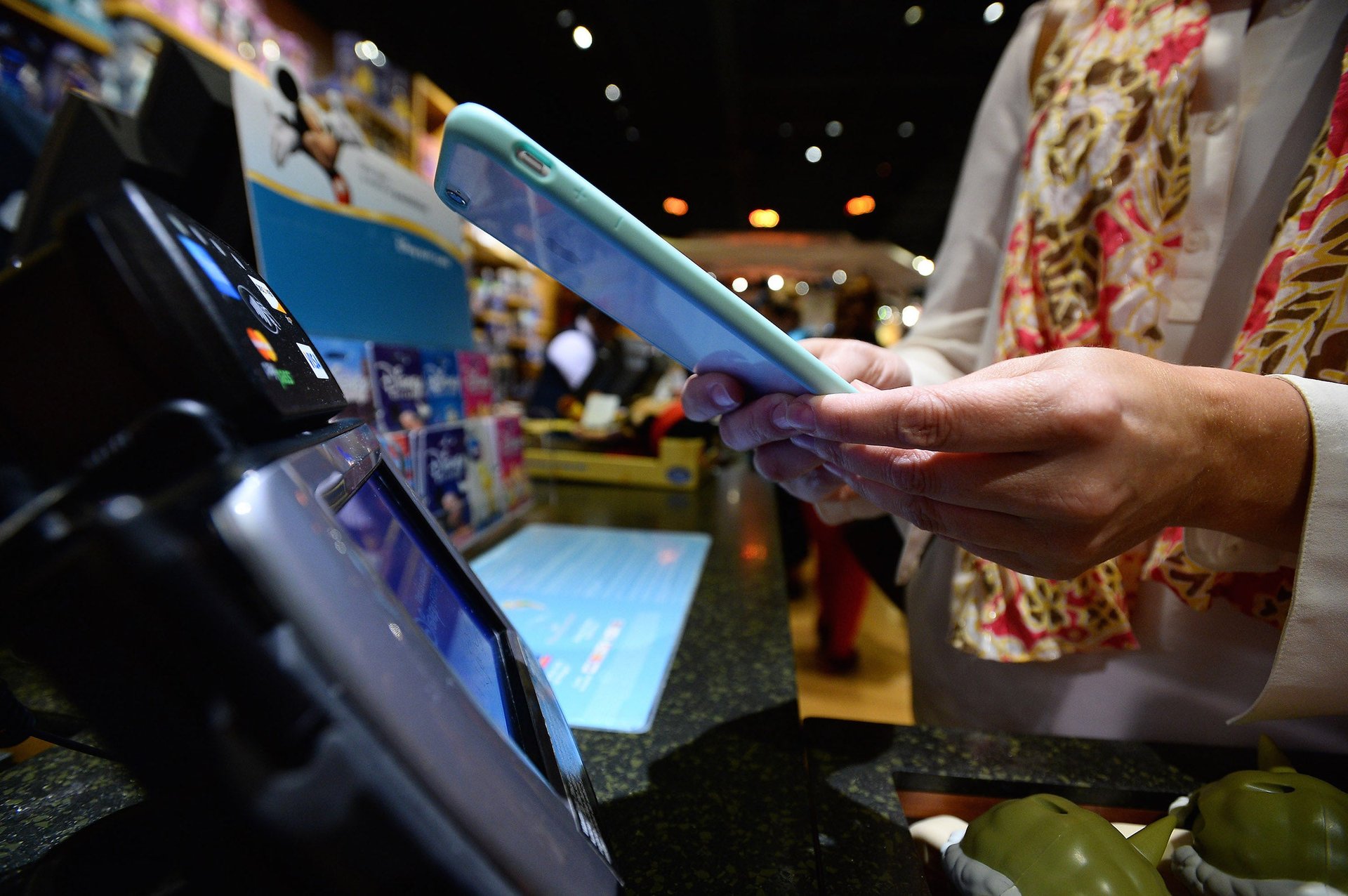
Americans are increasingly warming to the idea of using their phones to make in-store purchases. According to a survey of US consumers by Deloitte released today (Dec. 9), 18% of respondents reported paying with their phone in a store at least once this year, up from just 5% in 2014.

Hours after a long profile was published in Wired magazine naming Craig Steven Wright, a relatively obscure Australian, as the secretive creator of the digital currency bitcoin, police are reportedly raiding his home over a tax investigation.

Prosper, an online lending platform, approved the San Bernardino shooters—Syed Rizwan Farook and his wife Tashfeen Malik—for a loan of more than $28,000, Reuters reported Tuesday.

Sequoia Capital, one of the best known venture capital firms in Silicon Valley, has invested in many notable startups—including Apple, Google, PayPal, and, more recently, Stripe and Instagram. Now, the firm is part of a $13 million seed round (alongside Aleph Ventures) in Lemonade, a peer-to-peer startup focused on the traditionally sleepy property insurance industry that launched in April.

2015 has been an unusual—and exciting—year for books. We saw new works from literary legends, like Dr. Seuss and Harper Lee, books from rising contemporary figures such as Ta-Nehisi Coates, and tomes from established writers such as Salman Rushdie and Jonathan Franzen.

Investors benefit when a company has more women on its board of directors, according to a new report by MSCI, the US-based financial index provider.

Jimmy Carter’s cancer is gone, the former US president announced on Sunday (Dec. 6).

The reigning US basketball champs, led by last year’s MVP, haven’t lost a game this season—and that’s generating lots of buzz about their winning momentum.

Goldman Sachs is bullish on the cryptocurrency technology known as the blockchain.

While the “cool” thing might be ditching your cushy job in banking for a $50 billion startup, some longtime tech employees are headed in the other direction.

Goldman Sachs has developed its own cryptocurrency for a settlement system for trading stocks, bonds and other assets, according to a recently published patent filing.