

Money & Markets
How do you beat China’s Communist Party? “Just don’t be afraid of them”Hong Kong
Updated July 21, 20224 min read
Hong Kong

The streets and the restaurants were empty, hundreds of people quarantined in their homes. Arrivals at the airport had fallen to a historical low, and those who could had left already. People married protected by face masks, while children’s birthday parties were cancelled. Health-workers were covered head-to-toe in plastic protective gear, and hospital visits were kept to the bare minimum.

Hong Kong
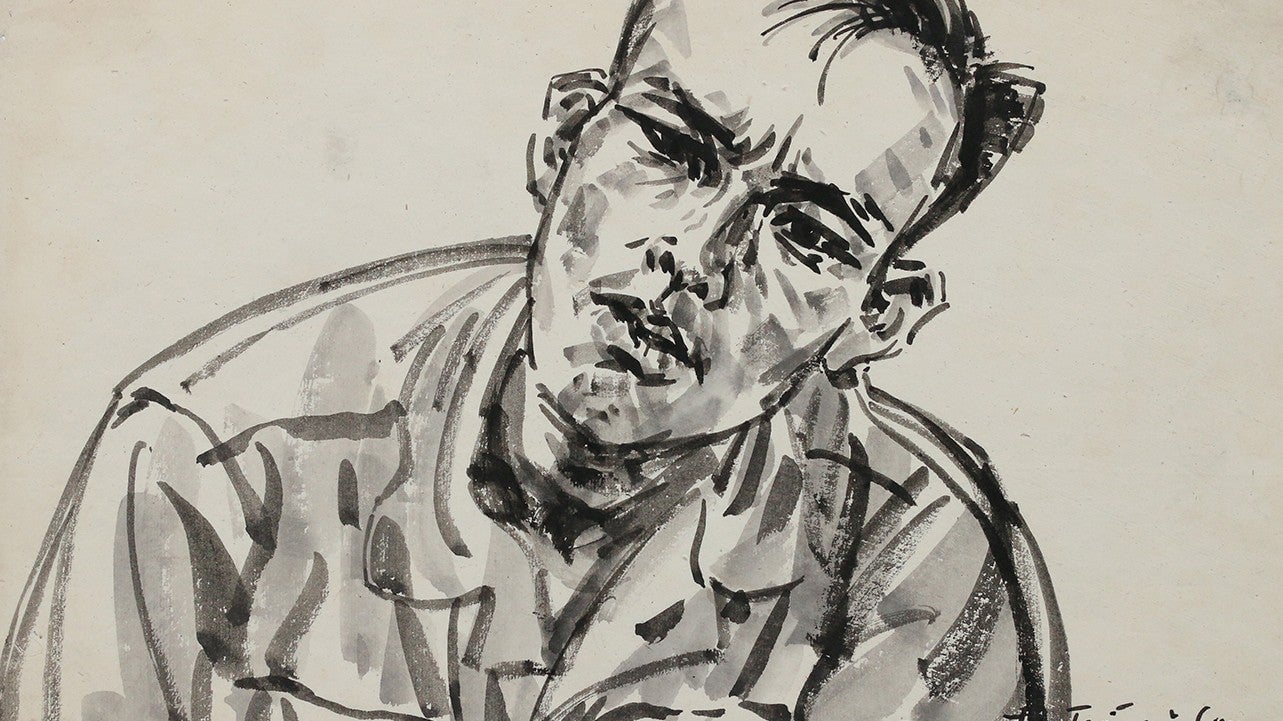
In the slightly chaotic atmosphere of the recent Art Basel Hong Kong, the drawings and watercolors displayed at one installation, by local gallery 10 Chancery Lane, captured attention with their calm, sylvan, and even romantic feeling. A bizarre contrast awaited visitors who deigned to learn more about them—they were created by soldiers otherwise busy fighting a war.

Hong Kong has not been a welcoming place for graffiti artists.

Every year, as Art Basel rolls into town, Hong Kong goes a bit art crazy: galleries put up their best shows, pop-up fairs are held in prime locations, and even the most dedicated art lover could not possibly manage to attend all the art talks organized for the feverish week. This year, food has entered into the fray, with “art” offerings that you can look at and then devour.
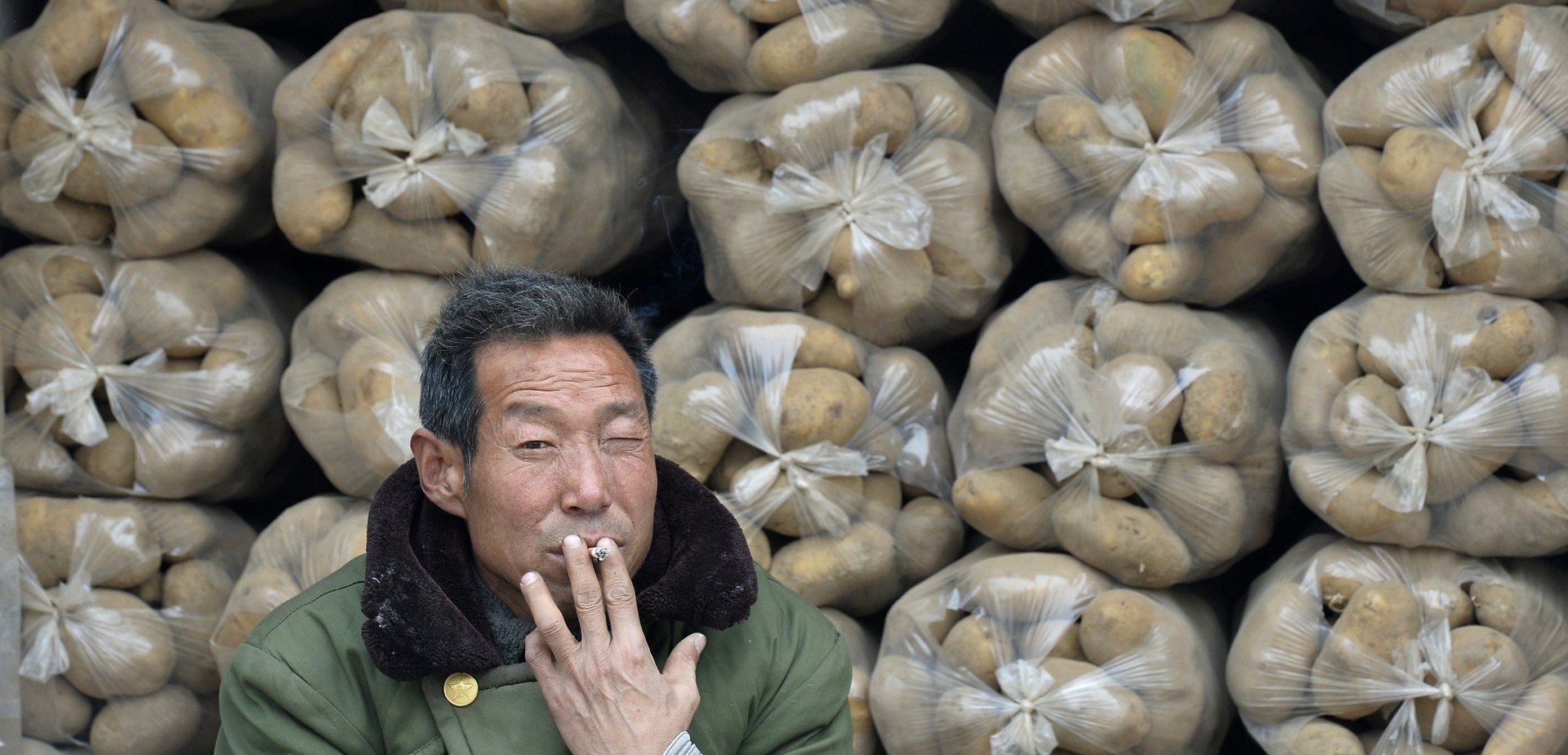
One of China’s newest academic offerings is a very specific affair—the Potato College at Yunnan Normal University in Kunming will offer majors in potato genome studies, or potato genetic breeding. The university, in China’s southwest, already has a living germplasm bank which contains a gene database of 1,200 of the world’s 5,000 or so varieties of potato. This summer, Kunming will also host China’s sixth Potato Expo.

How best to support “womenomics,” Japanese Prime Minister Shinzo Abe’s much-touted push for greater female participation in the national workforce?