
Tech & Innovation
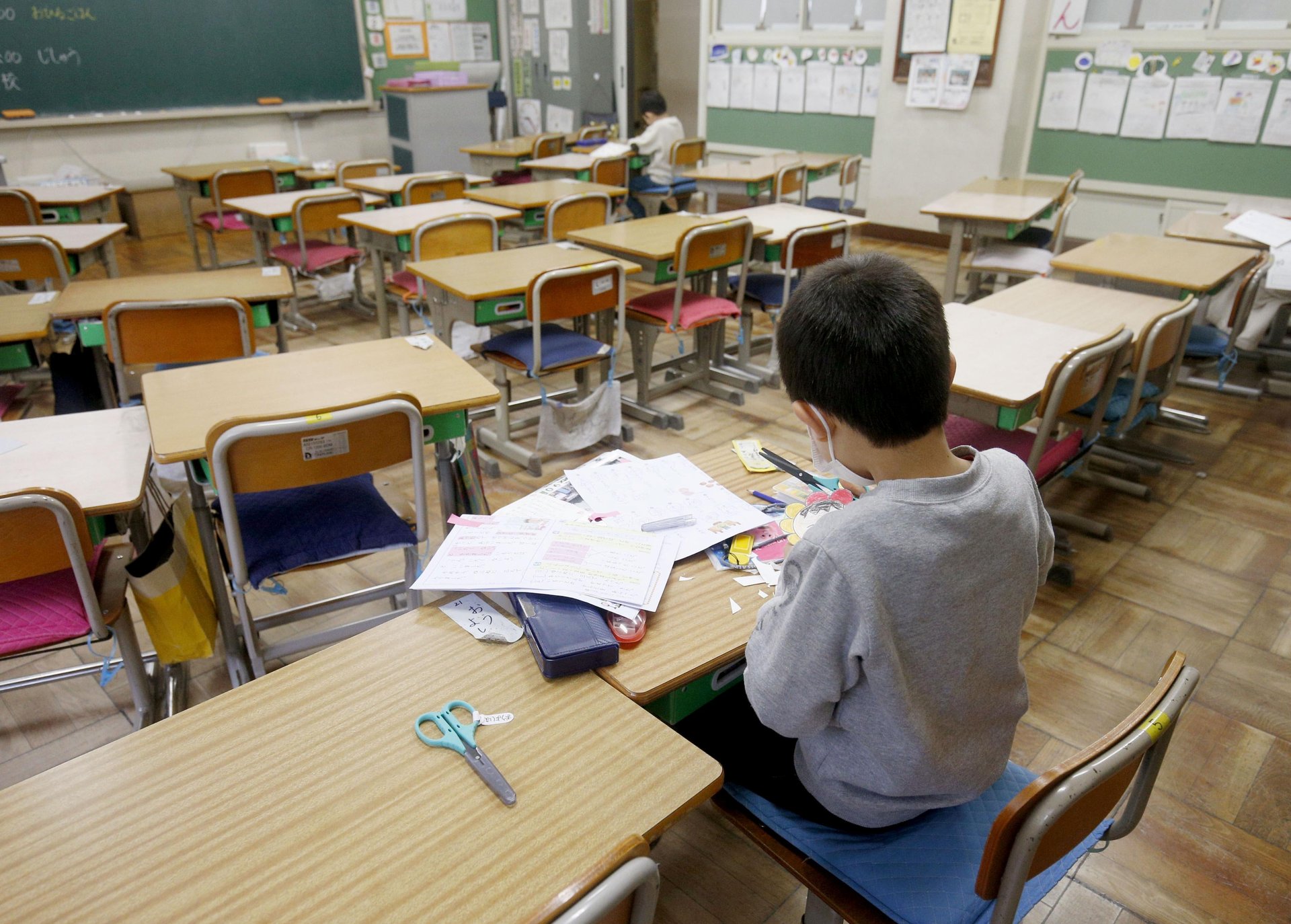
Should schools close when coronavirus cases are still rare?As the Covid-19 virus expands its footprint, some schools around the globe have made the difficult choice to close.
Updated July 21, 20224 min read
As the Covid-19 virus expands its footprint, some schools around the globe have made the difficult choice to close.

Who would you trust with your most personal information—a problem at work, an affair, a health scare? Would you go to your partner? Your best friend? Your mother?
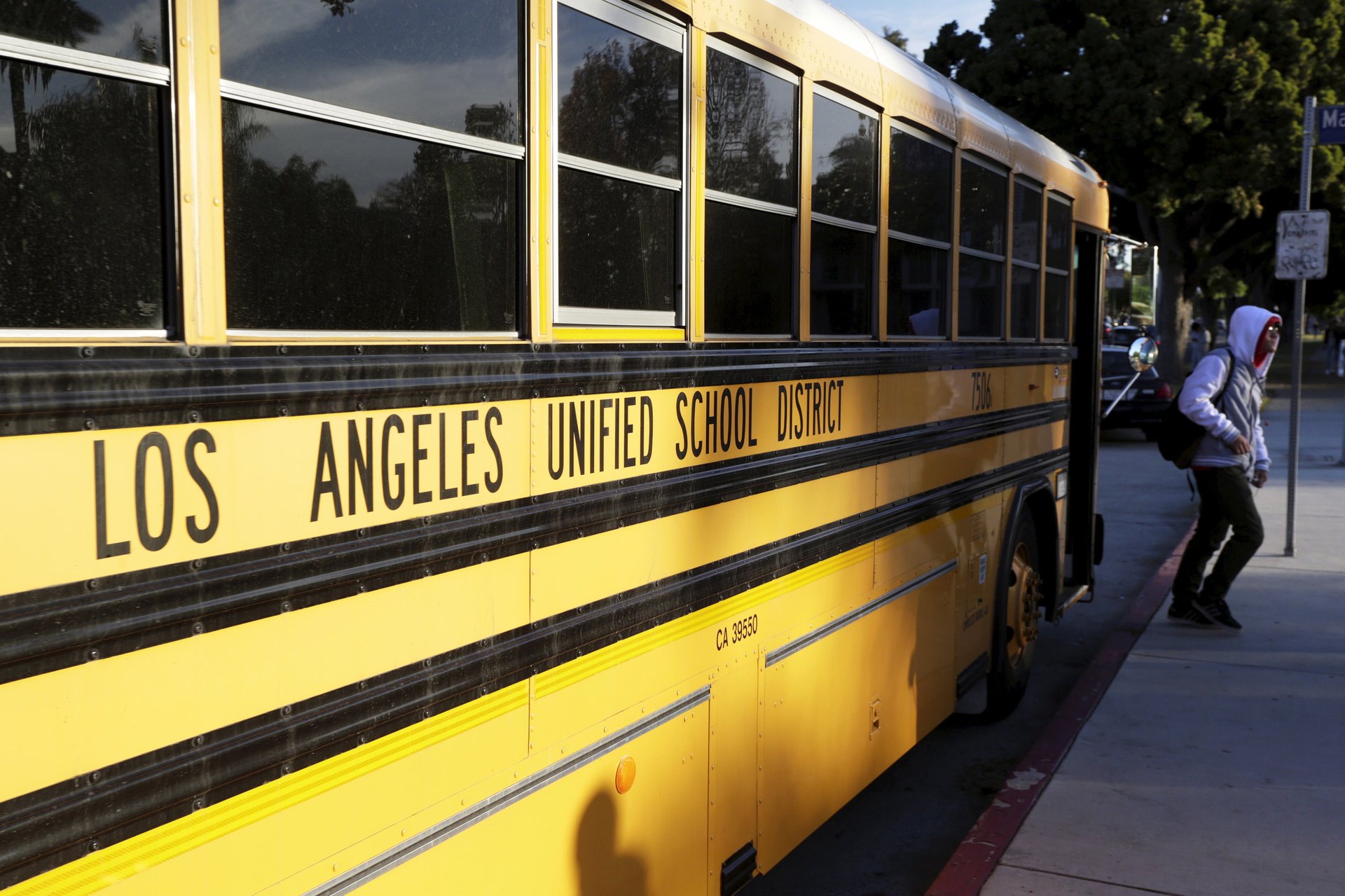
A new study suggests there’s widespread interest among American parents in sending their kids to schools that are substantially integrated. It’s a preference shared across racial lines and income brackets, by mothers and fathers, Democrats and Republicans, and among parents of every level of educational attainment.
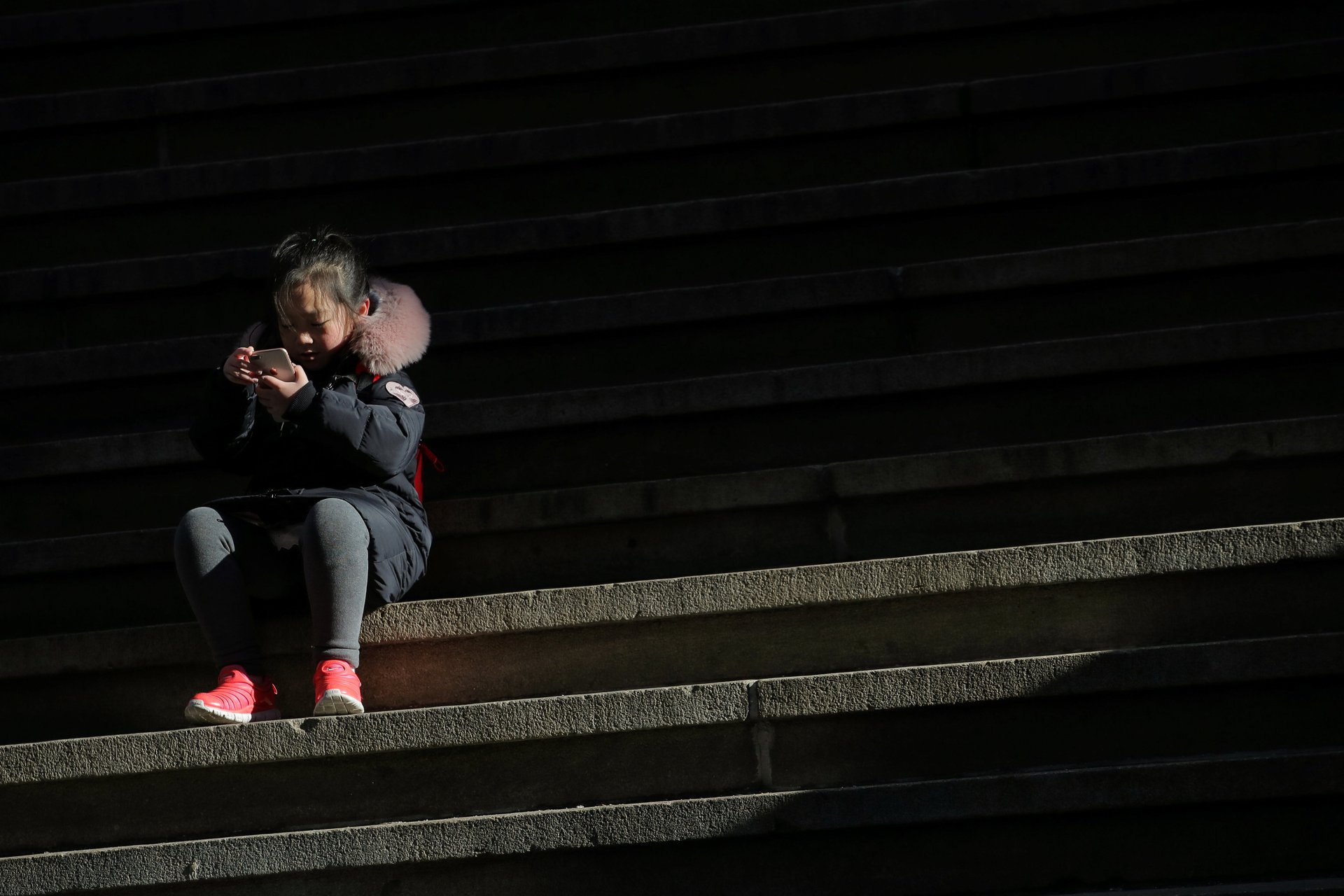
Girl gamers are on the rise. According to the latest report(pdf) on children’s media use by the UK’s communications regulator, Ofcom, 48% of British girls aged five to 15 now play games online, up from 39% in 2018.
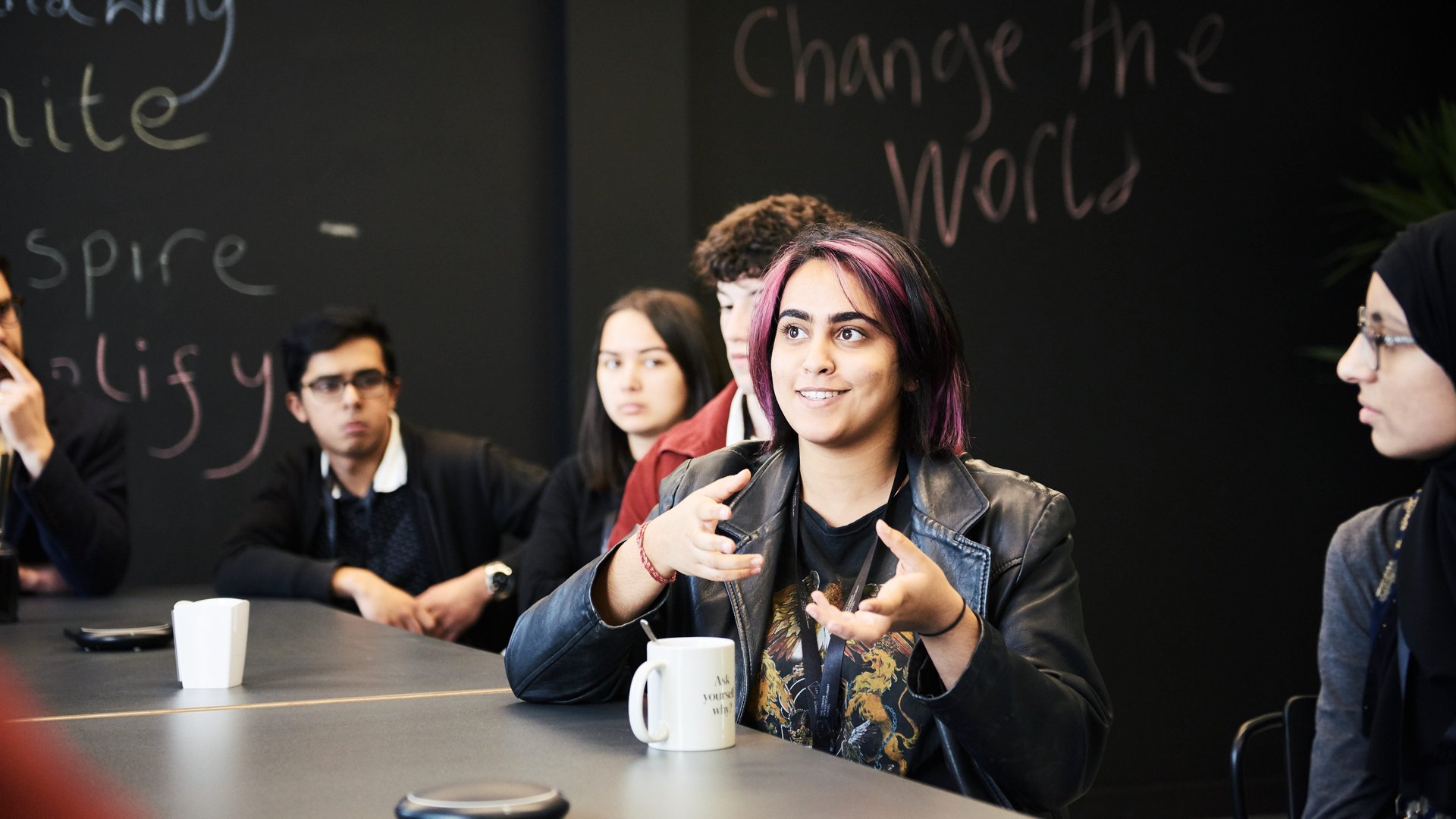
Getting a university degree has never seemed more important: college graduates earn more money, live longer, and are happier. But college degrees are expensive (especially in the US), narrowly focused (especially in the UK), and often fail to build the skills employers want (true in most countries).
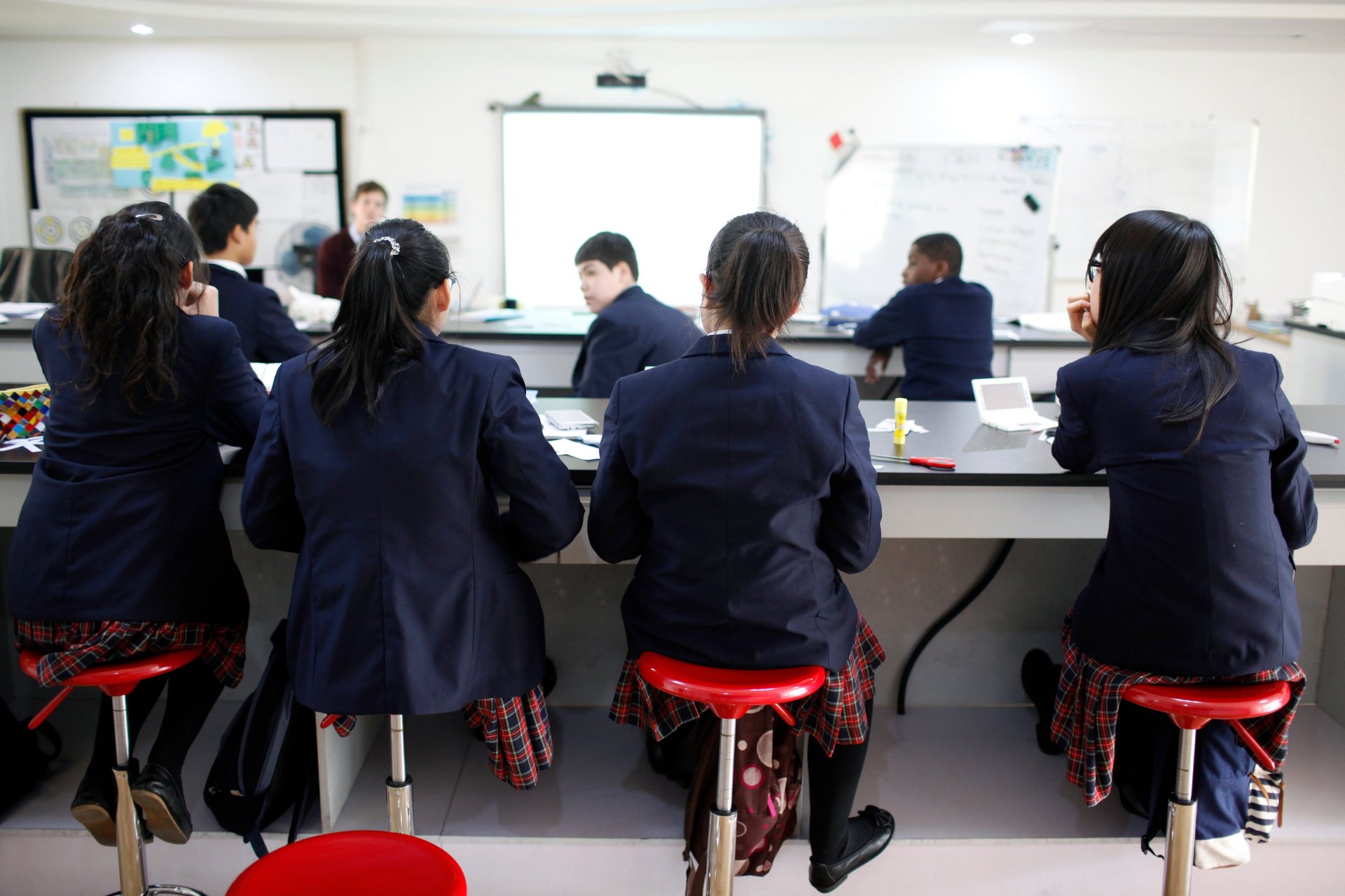
In 2000, the OECD asked 15-year-olds what they wanted to be when they grew up. Some 47% of boys and 53% of girls picked 10 careers, including doctors, teachers, lawyers and business managers.
Ella has never had a job in her life. As a child, she was abused and neglected. As a mother, she struggles: one son drinks and often disappears, another is violent with her and her neighbors, and one daughter is pregnant at 16. At one point, more than 70 professionals and 20 departments in Swindon, the British city where she lives, were involved in her life, at a cost of £250,000 ($327,000) a year to taxpayers. She described her life as hell.

PR agency Edelman has been measuring public trust in people and institutions for the past 20 years. Its latest survey, which polled more than 34,000 people in 28 countries, found that fear has eclipsed hope, no institution is seen as both competent and effective, and nobody has a vision for the future that a majority of people believe in.
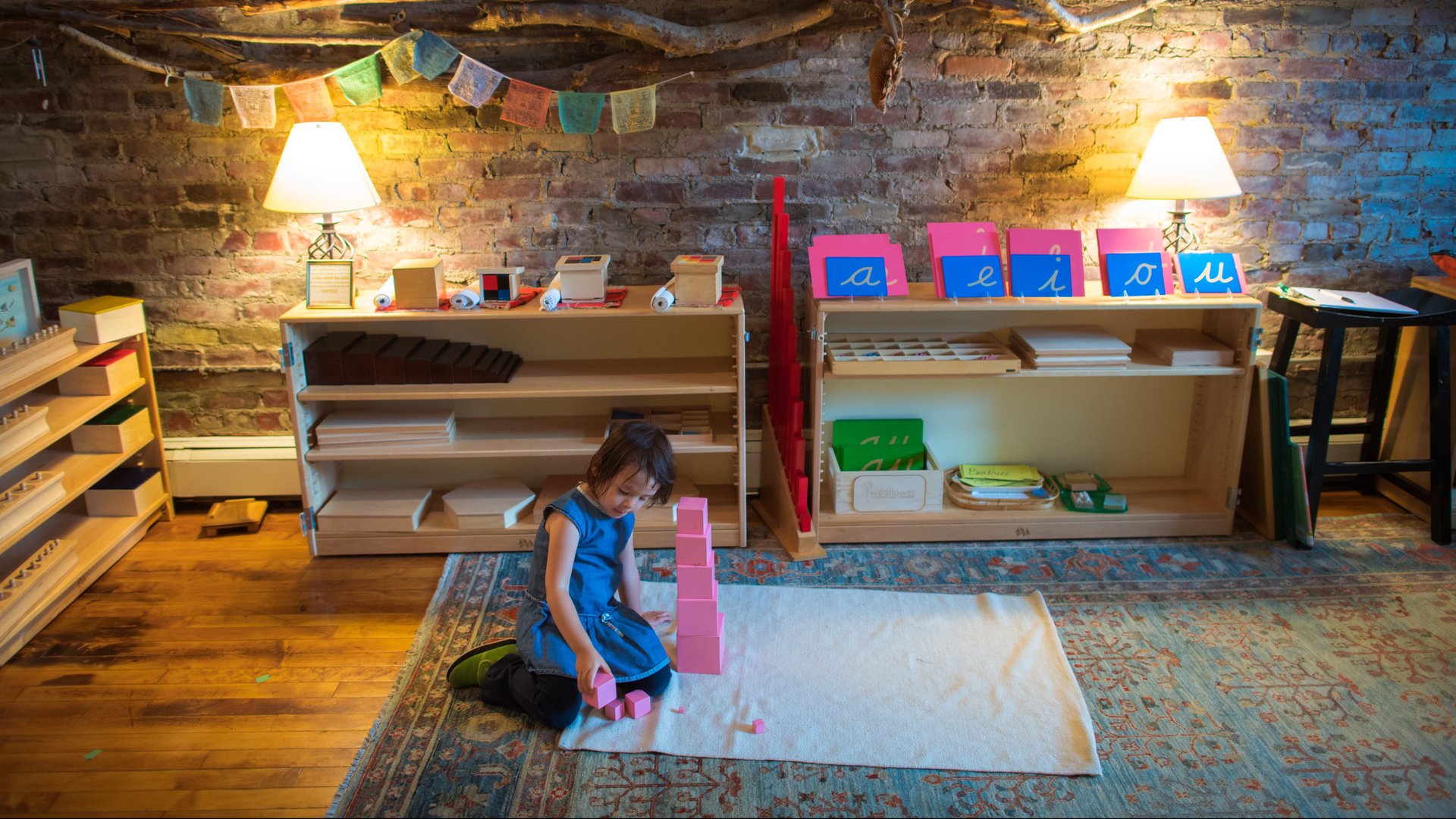
Schools spend billions of dollars on technology with promises of personalized learning and building 21st-century skills.
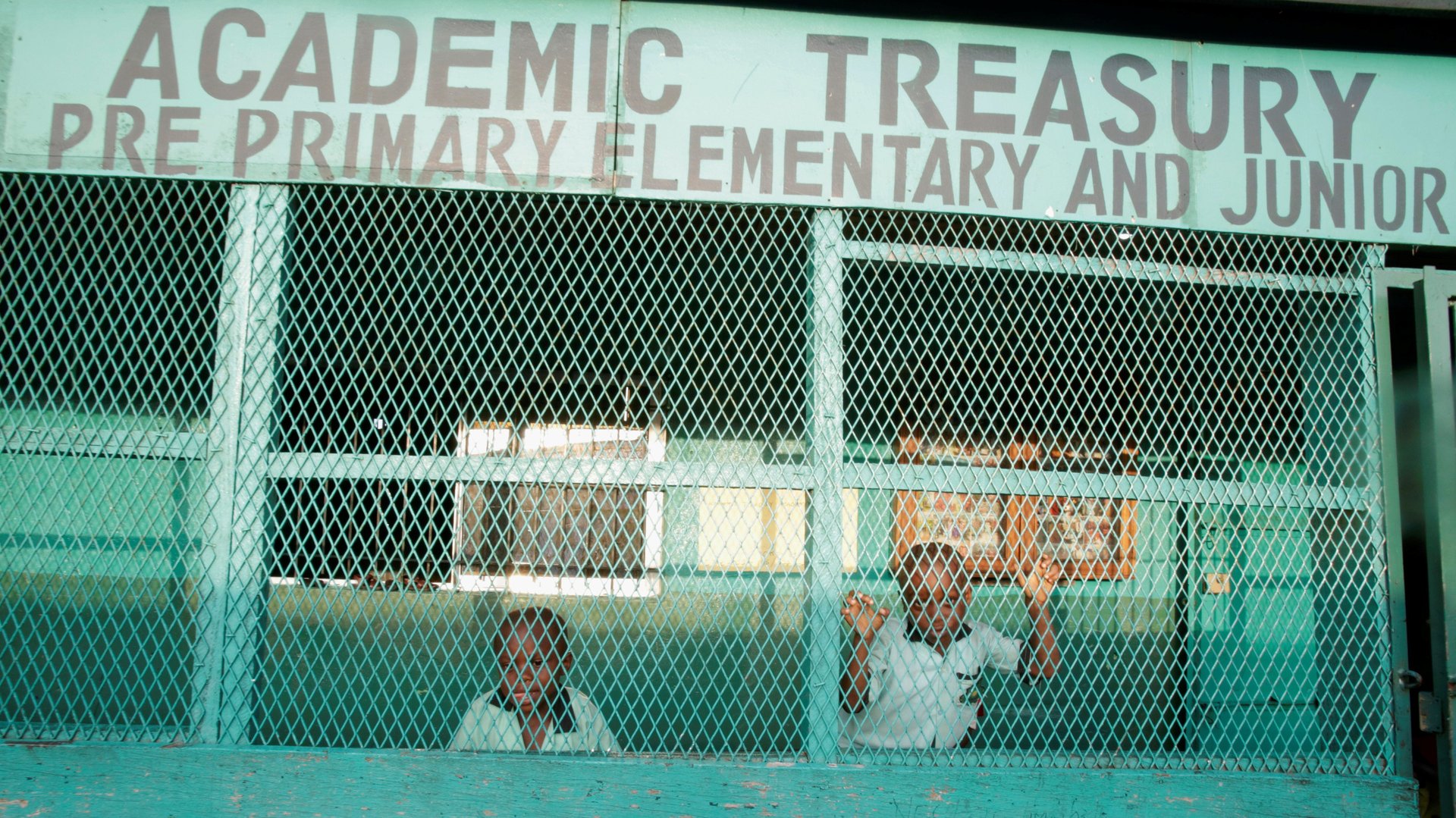
In 2016, reeling from a devastating Ebola outbreak and still dealing with the legacy of civil war, the Liberian government announced a dramatic experiment to improve its education system. The Partnership Schools for Liberia (PSL), now called the Liberian Education Advancement Partnership (LEAP), handed the operation of 93 public schools to a group of eight private organizations, including a mix of both for-profit companies and non-profit charities, as well as local and international organizations. The schools would remain free to kids and use government teachers, but the experiment would test whether a change in management improved the abysmal state of the country’s education system.
“Are you embedded in your social surroundings?” This is the “core” question, says Alex “Sandy” Pentland, head of the Human Dynamics group at MIT Media Lab.
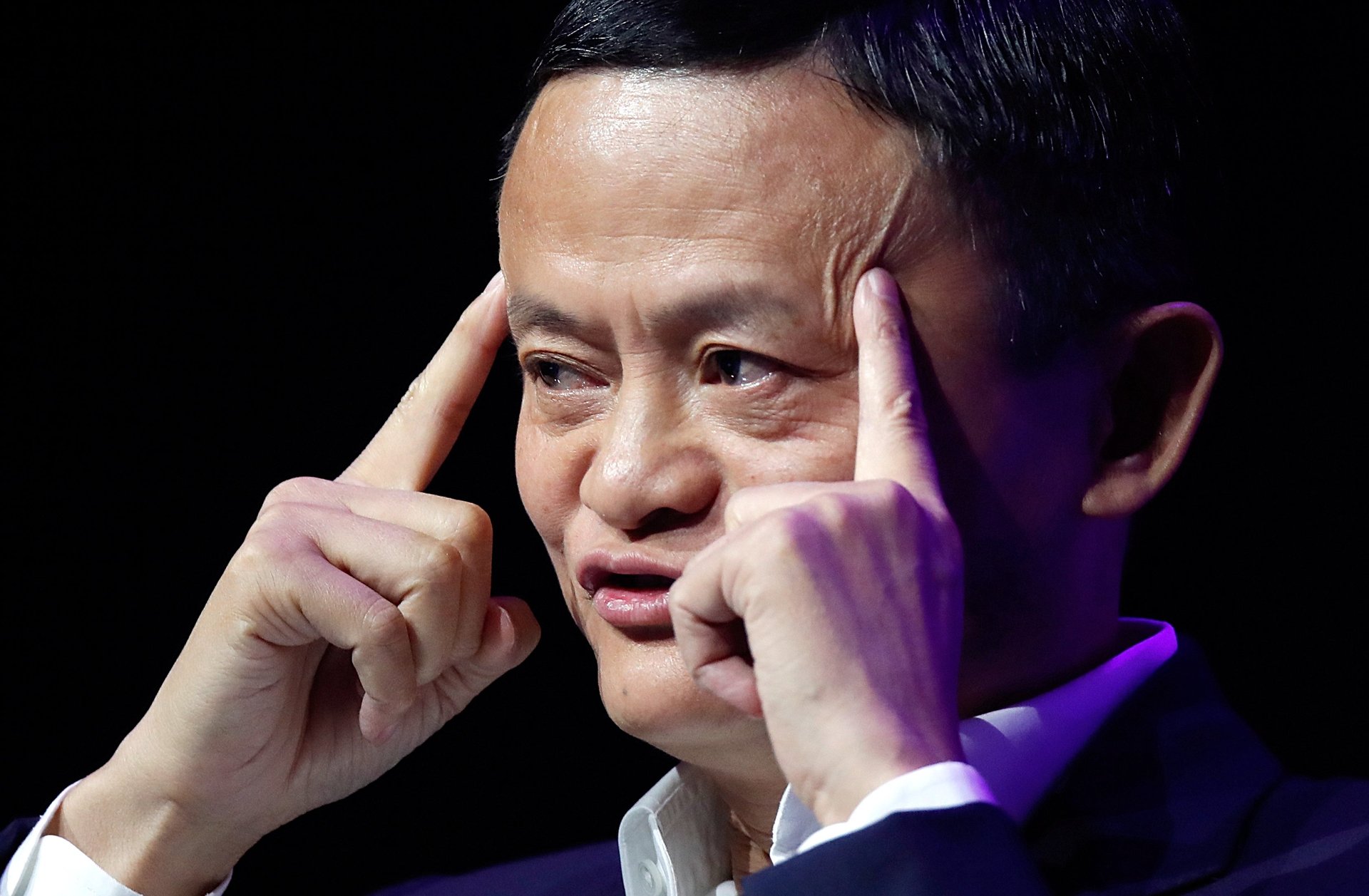
Jack Ma, the founder of Alibaba, retired from the Chinese e-commerce giant in September to focus on education, which he calls the “most important and critical issue” of our time. His concern: the world is changing fast, but education is not.
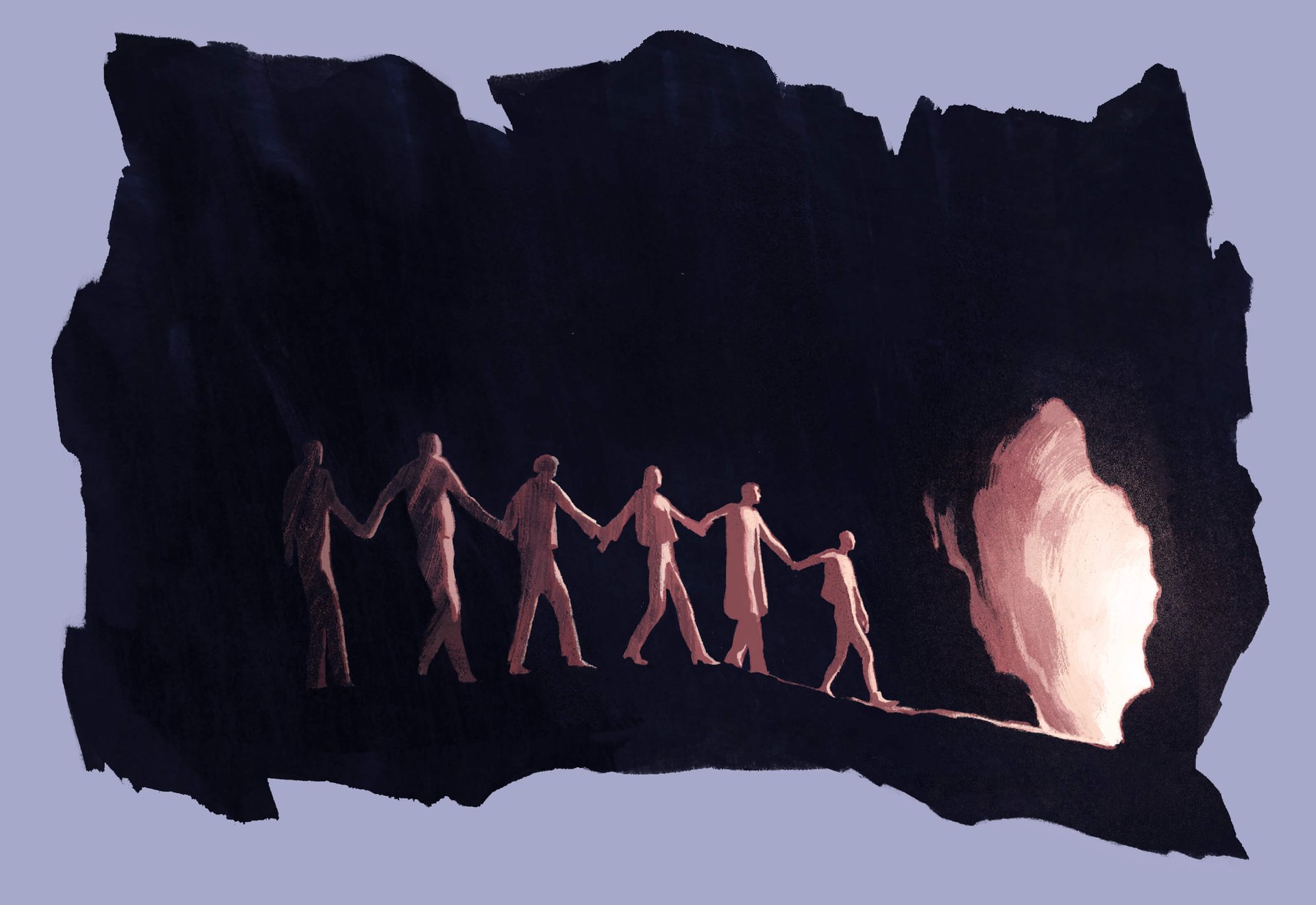
For a long time, Helen Kingston had noticed that a lot of her patients seemed dejected. A general practitioner in Frome, a charming English village two-and-a-half hours southwest of London, she had plenty of patients who were understandably worn down by multiple illnesses, who came in up to 80 times a year and needed more than a doctor could offer in a 10-minute appointment. But there were also many who felt helpless in ways that were harder to define.

Why is it that some children thrive in the worst circumstances while others are remarkably sensitive? Tom Boyce, a pediatrician and researcher at University of California San Francisco, has been asking that question for more than 40 years.

Students in some places, like Singapore and Hong Kong, spend a lot of time learning both in and out of school, and it shows: they are top performers in PISA, the OECD’s test of 15-year olds. Others, like the US, spend a lot of time studying but get middling results; the endless lessons and homework don’t seem to produce results.
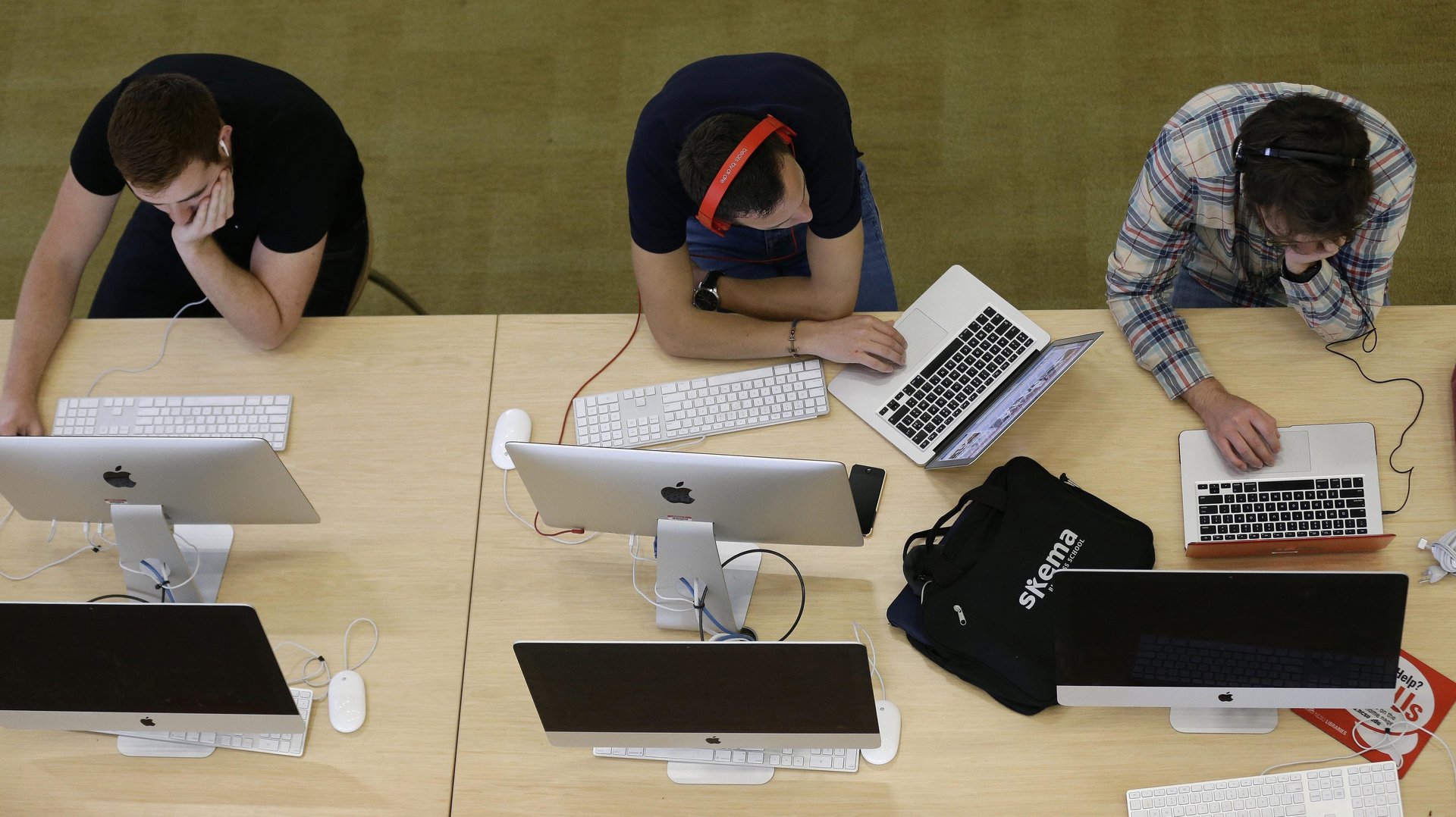
In the US, 13.5% of 15-year-olds can distinguish between fact and opinion when trying to interpret a complex reading task. In the UK, it’s just 11.5%.
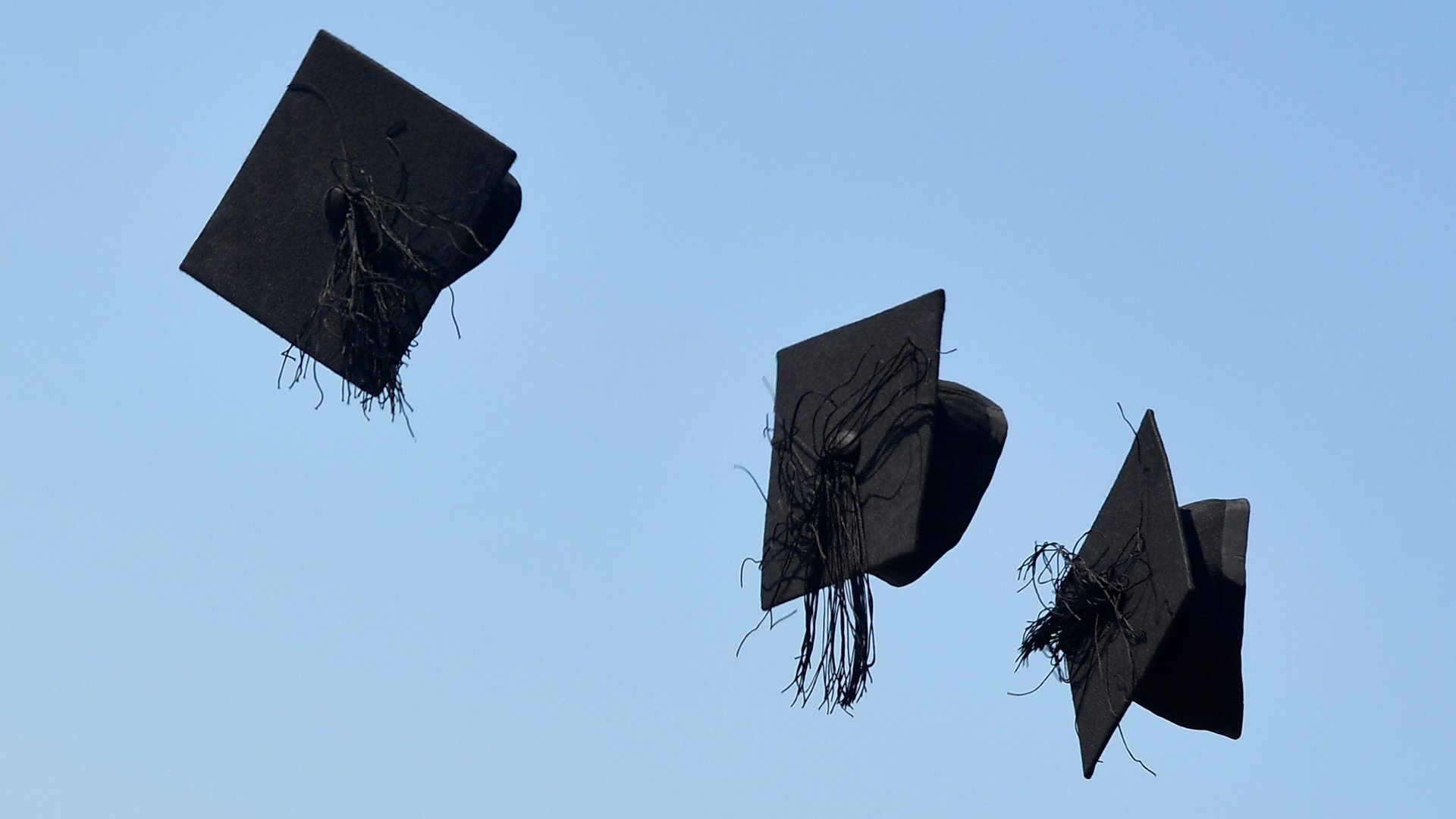
Americans have a complicated relationship with higher education. They are angry at its staggering cost, and question its value in a fast-changing economy. But data are clear that college graduates earn significantly more than people with no higher education. Not surprisingly, the share of Americans pursuing higher education has risen 60% since 1970, to about 40%.

In 2016, Britain voted by a narrow margin to leave the European Union. What’s followed has been a staggering string of botched plans, failed negotiations, missed deadlines, and political polarization. The country is now preparing for its second snap general election in just over two years.
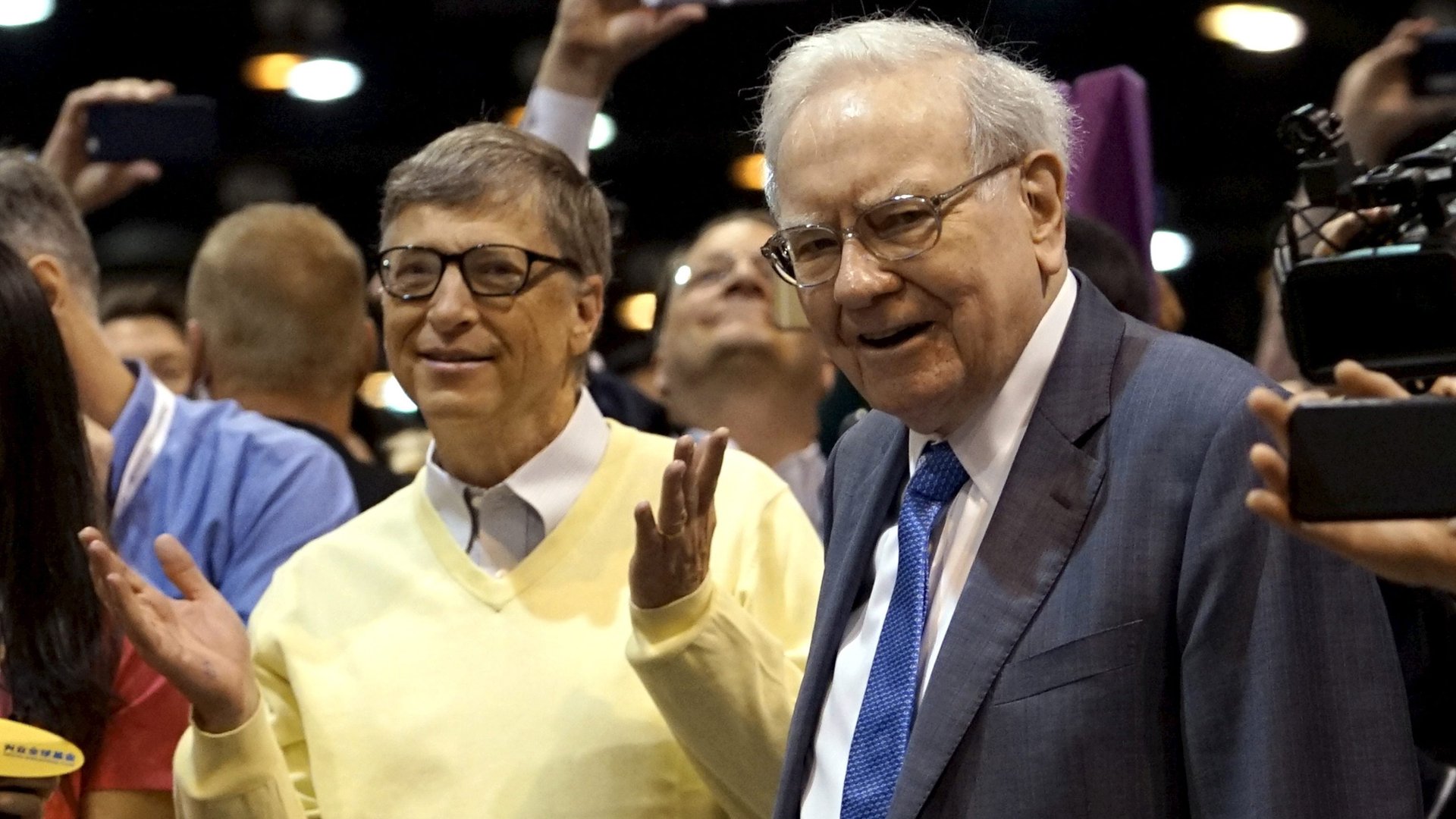
Almost half of multimillionaires give away less than 1% of their income every year, according to a new report from Barclays. One reason: the merely rich think that the super rich can have a more direct and immediate impact on charitable causes, so why bother?

Britain’s National Health Service, which provides free health care to its citizens and primary and emergency care to all, is a cherished institution. In a 2018 poll, 87% of respondents said they were “very” or “fairly” proud of the NHS, which ranked second only to the fire brigade in terms of pride.
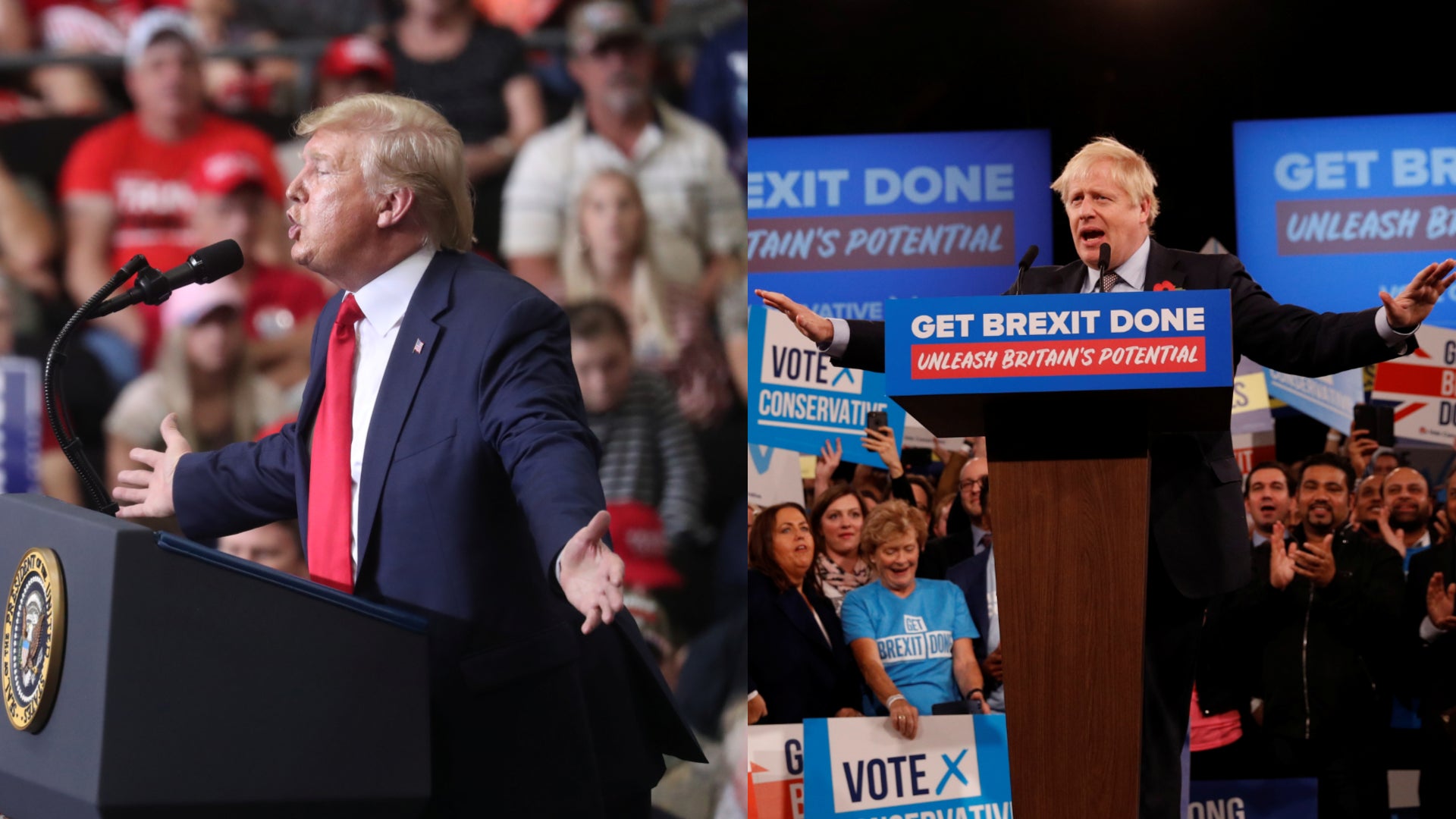
Yesterday, British prime minister Boris Johnson went to Buckingham Palace to ask Queen Elizabeth II to dissolve Parliament, protocol ahead of a general election scheduled for December 12th. That sort of pageantry is just one way that the US and UK election campaigns differ.
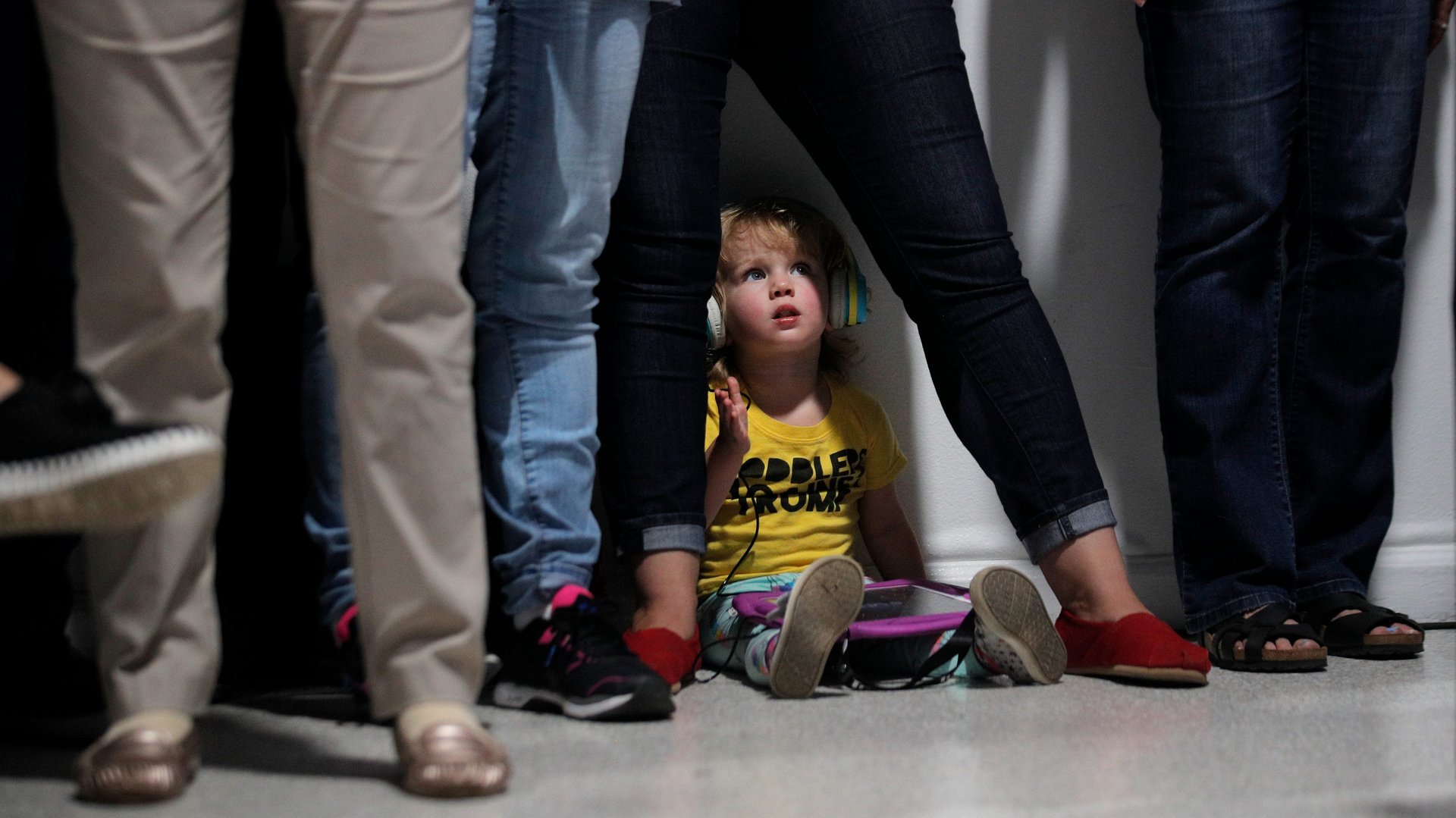
There is a saying about kids passed down from one generation of parents to another: “When they are little, your arms hurt. When they are older, your heart hurts.” This is not just folk wisdom: According to data tracking how parents spend time with children at different ages, it checks out statistically.
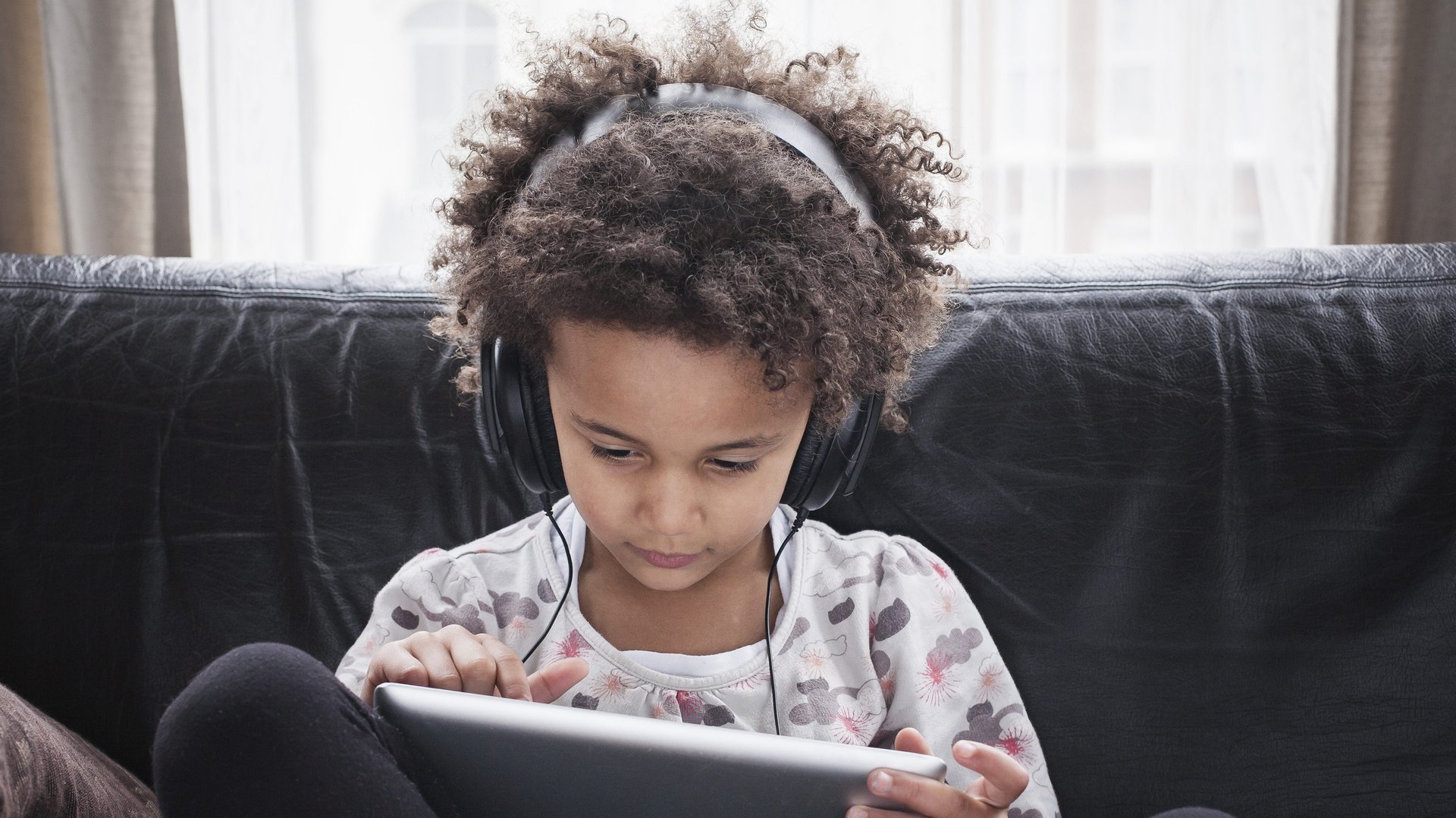
YouTube claims that it is for kids 13 and older. Kids claim otherwise: According to a new survey by Common Sense Media, a US nonprofit, 76% of American kids age 8-12 say they use the online video site. And only 23% of these tweens say they have ever watched YouTube Kids, which features filters and parental controls on content.
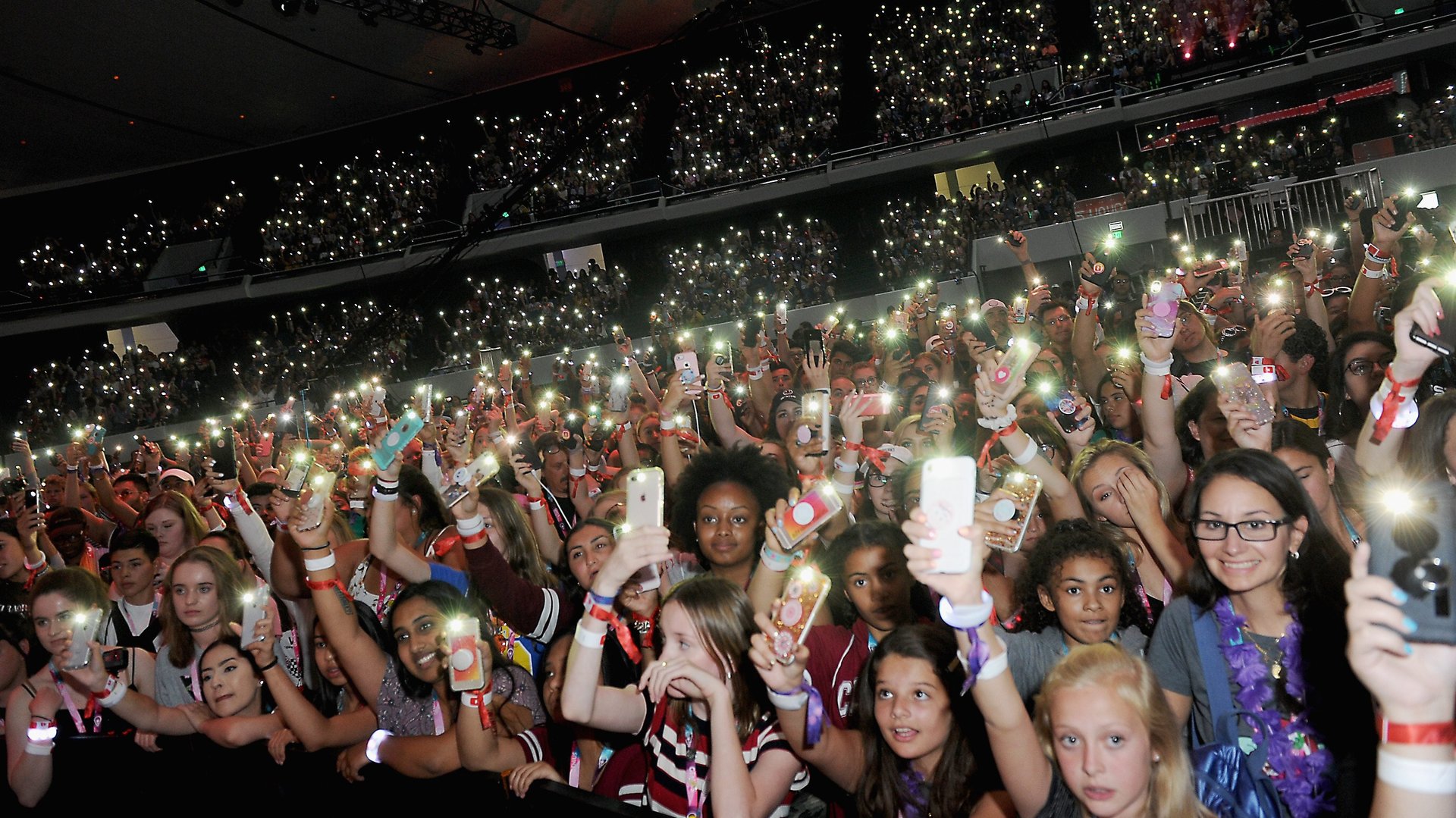
In 2015, around one-third of 11-year-olds in the US had smartphones. Now, that number seems quaint.