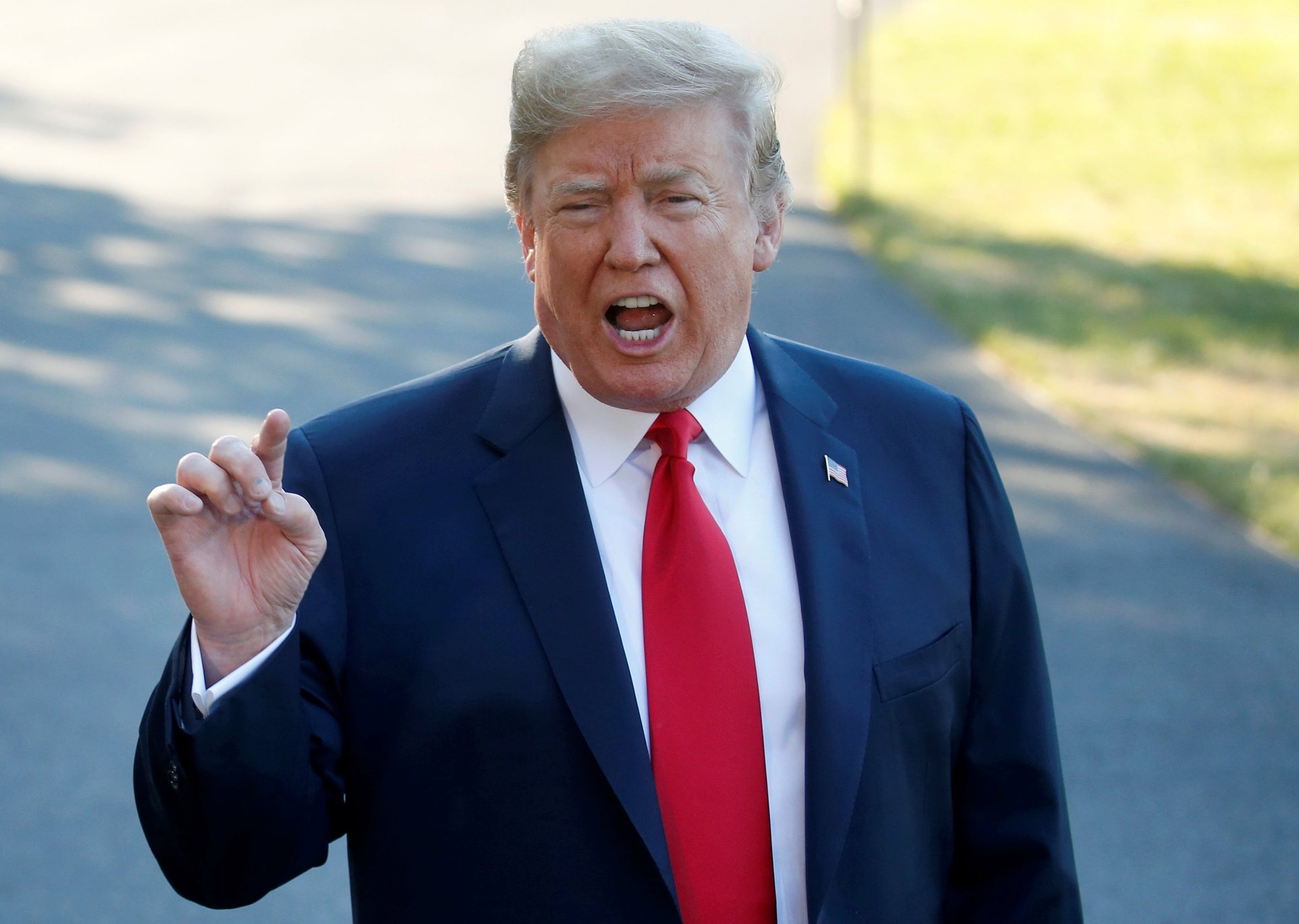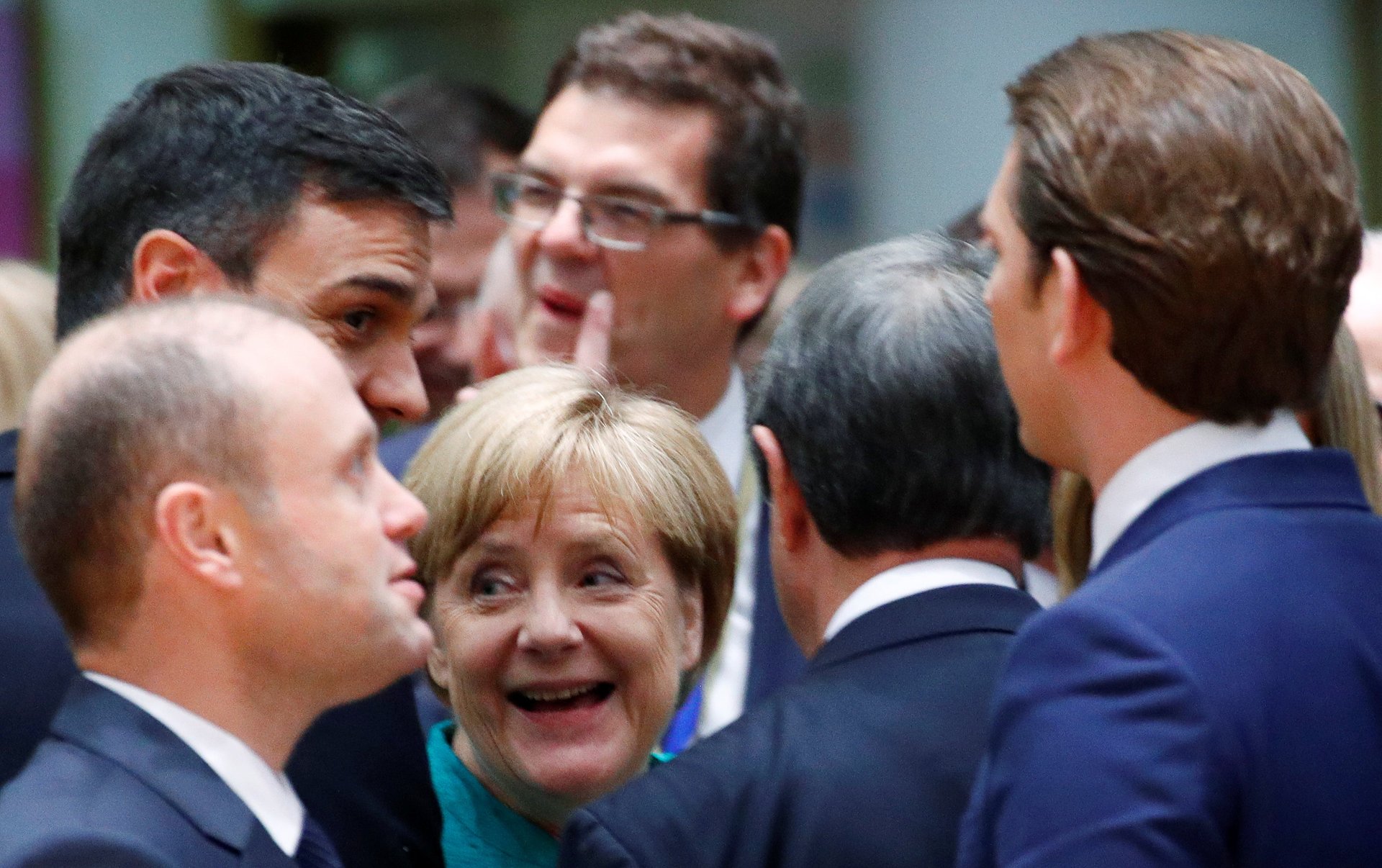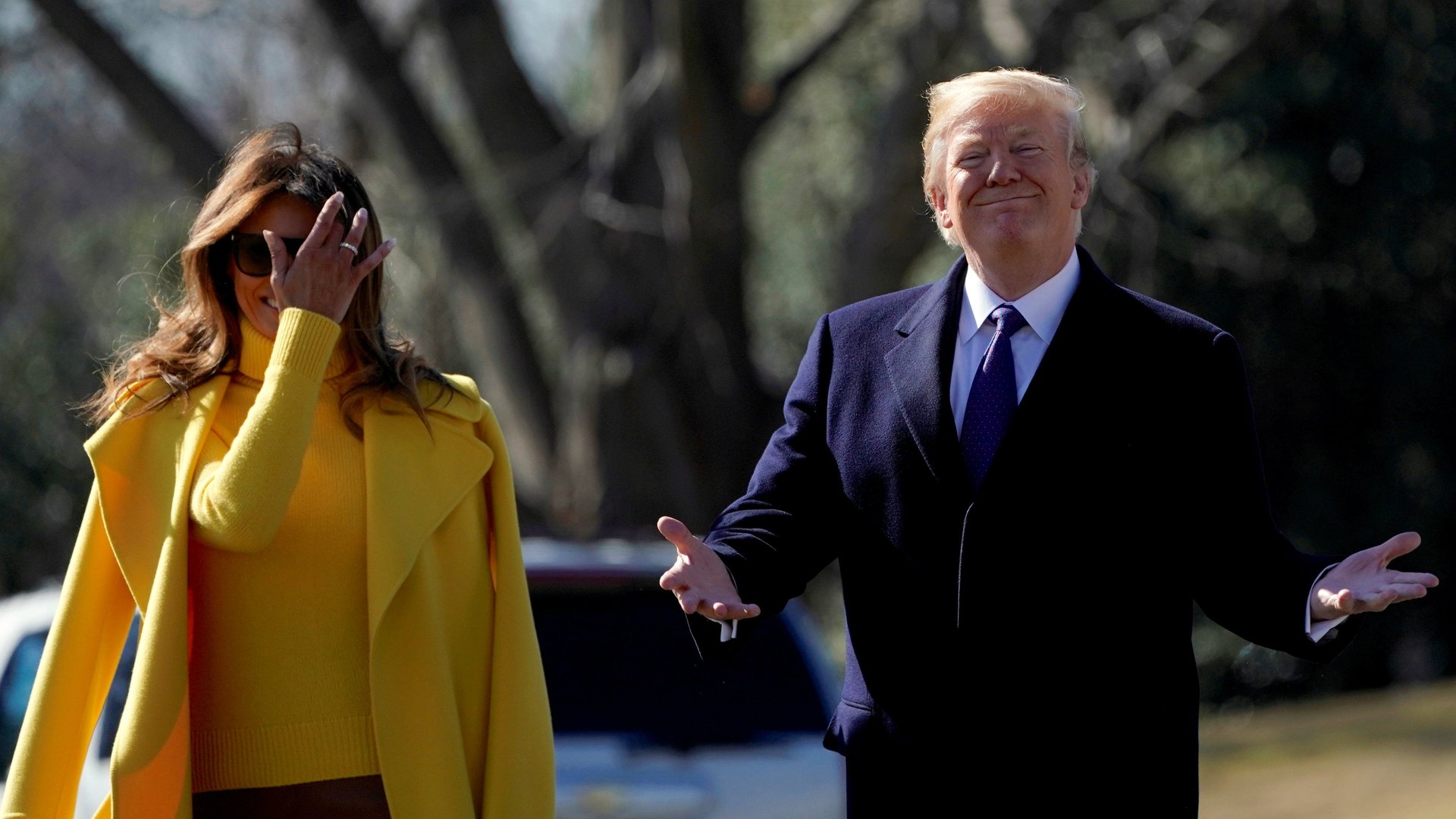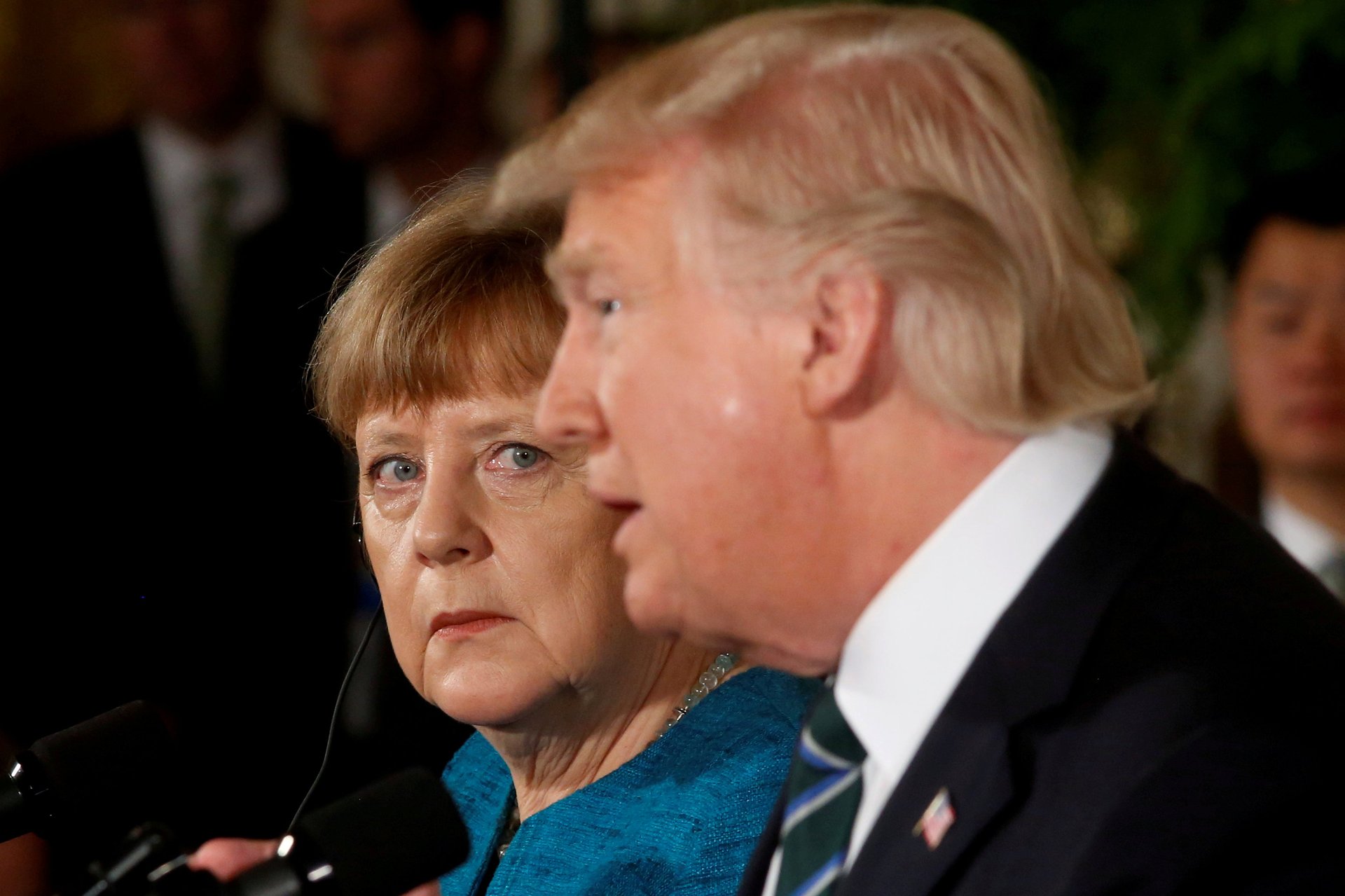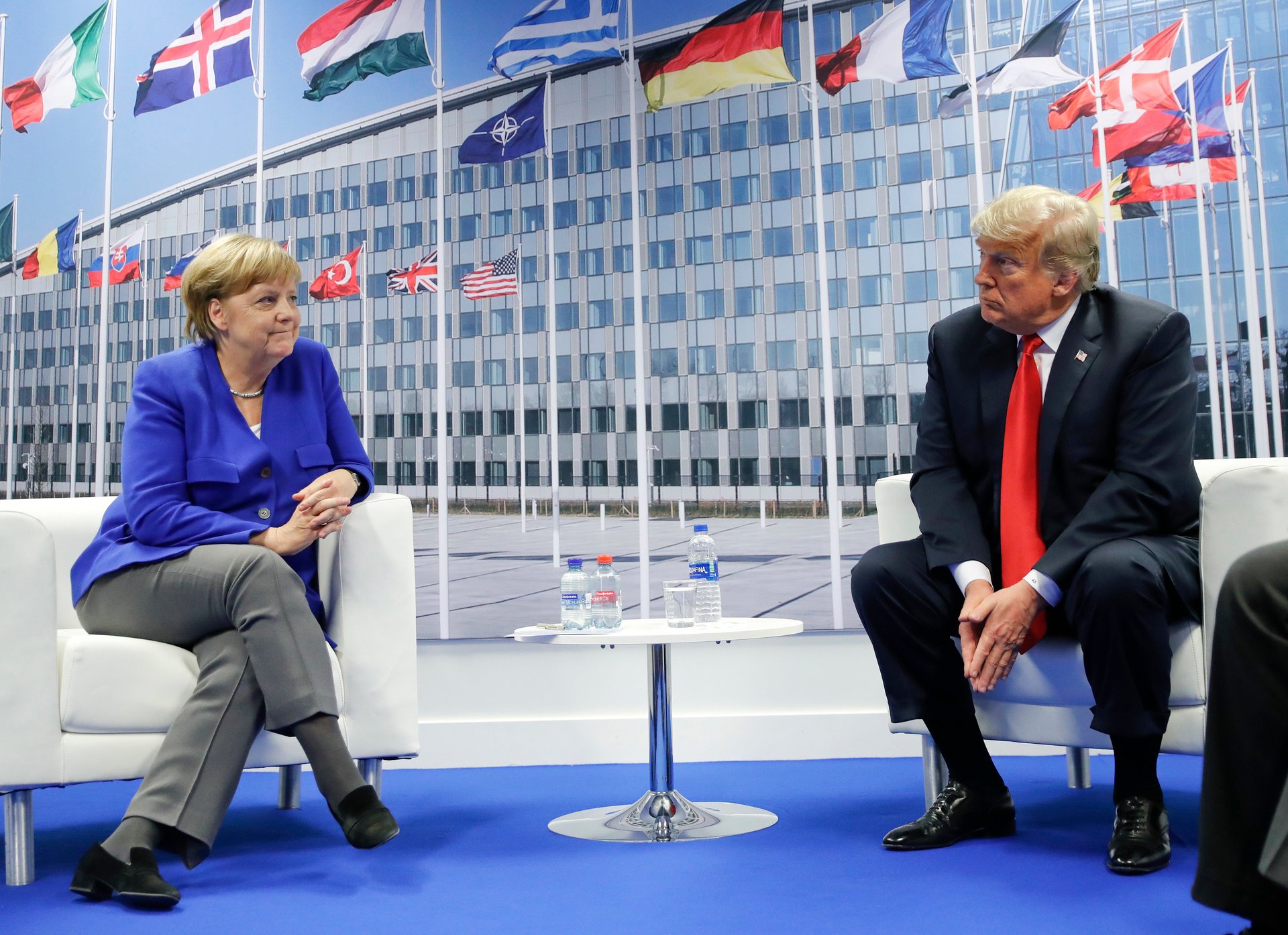
Unlike the mutual respect and affection that marked the relationship between former US president Barack Obama and Angela Merkel, Donald Trump’s dislike of the German chancellor has been apparent from the start of his term.

Unlike the mutual respect and affection that marked the relationship between former US president Barack Obama and Angela Merkel, Donald Trump’s dislike of the German chancellor has been apparent from the start of his term.

The last time Donald Trump met with the US’s allies, he left them reeling. After locking horns over tariffs and trade at the G7 summit in Canada in June, the US president left the meeting and immediately withdrew his endorsement of the joint communiqué en route to Singapore to meet with dictator Kim Jong Un.

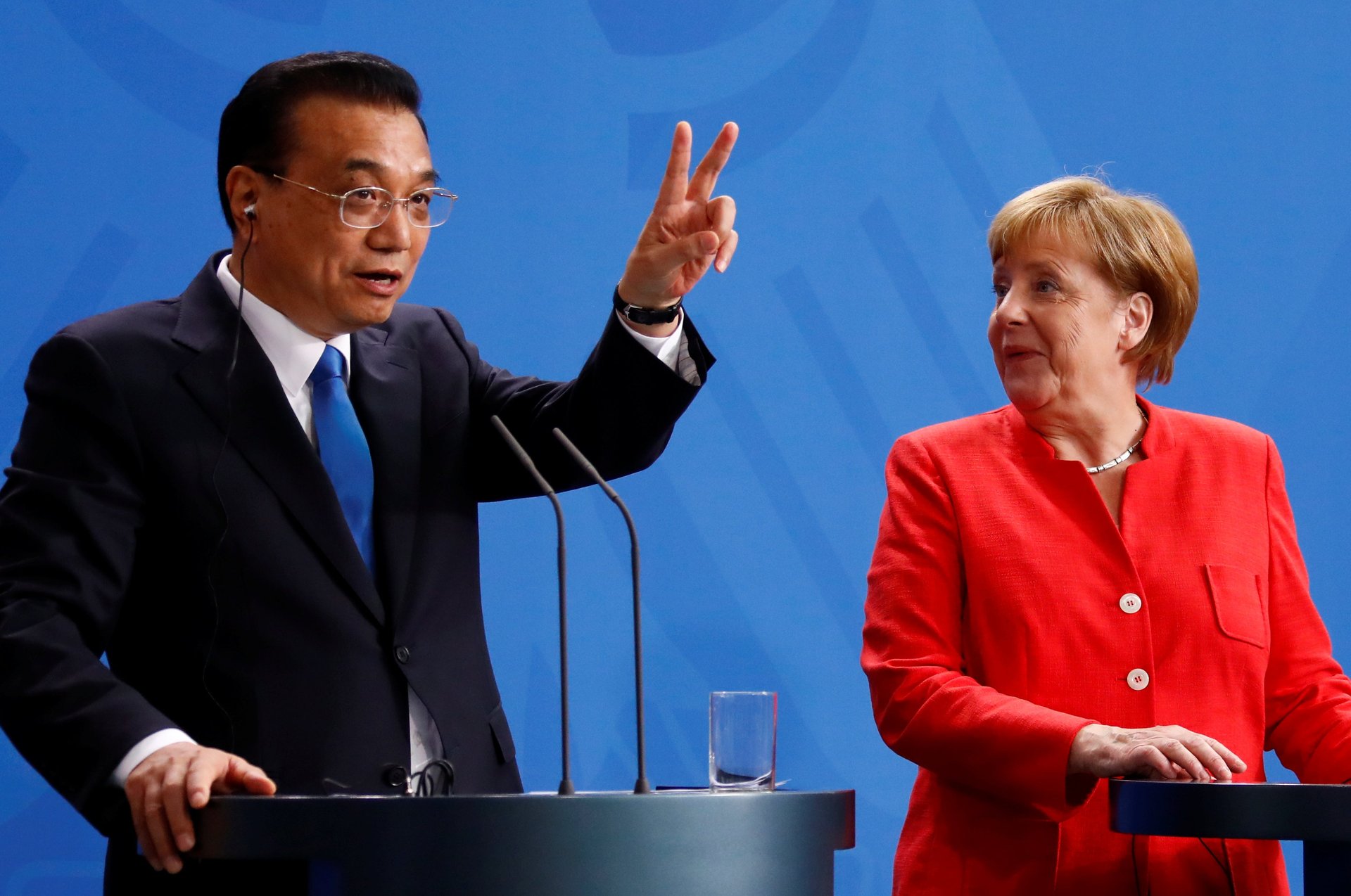
While Washington and Beijing trade barbs with each other over billions worth of import tariffs, German chancellor Angela Merkel welcomed the Chinese premier Li Keqiang and his delegation to Berlin on Monday (July 9).

The US may have been accused by China of “opening fire on the world” with its punitive trade tariffs, but it looks like officials may be making more progress in Europe’s largest economy Germany.

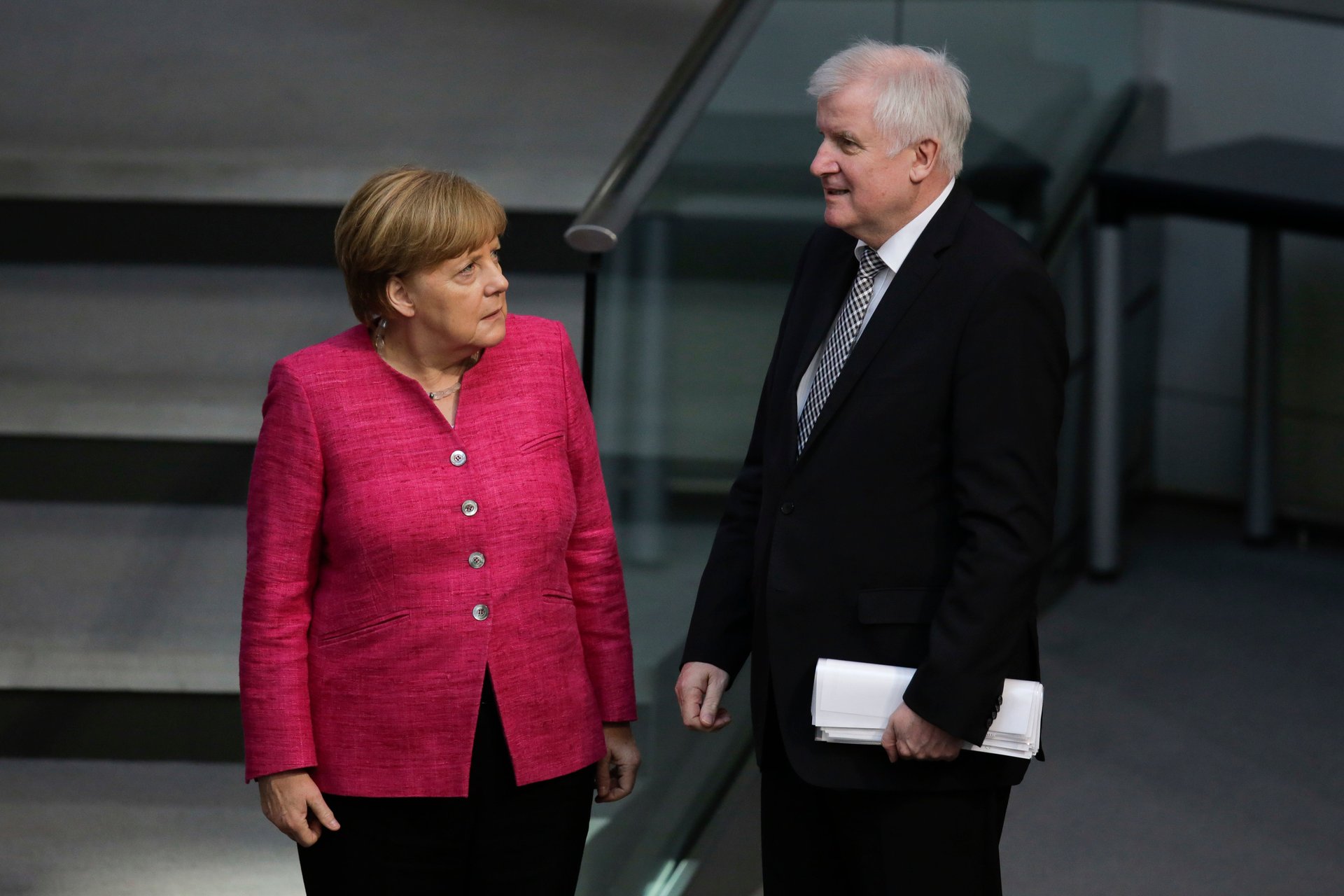
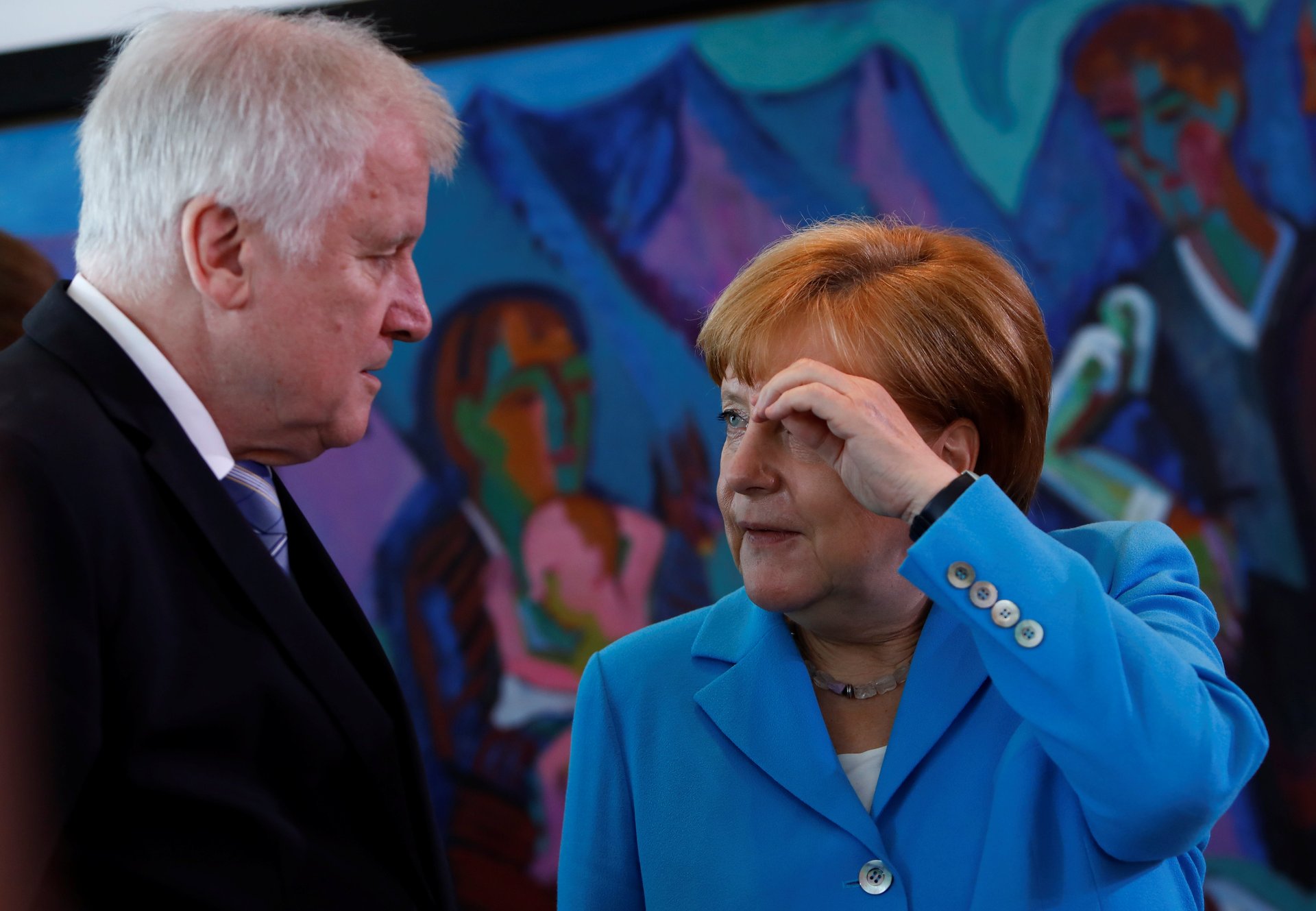
Despite the usual predictions of her demise, Angela Merkel is still standing—albeit weaker than ever before after a face-off with her nemesis, interior minister Horst Seehofer.

European Union leaders have hunkered down for an intense two-day summit in Brussels. You’d be forgiven in thinking the event is entirely about how to handle the refugee crisis in Europe. After all, German chancellor Angela Merkel said on Thursday morning that the fate of the EU hung on solving the question of what to do with migrants.

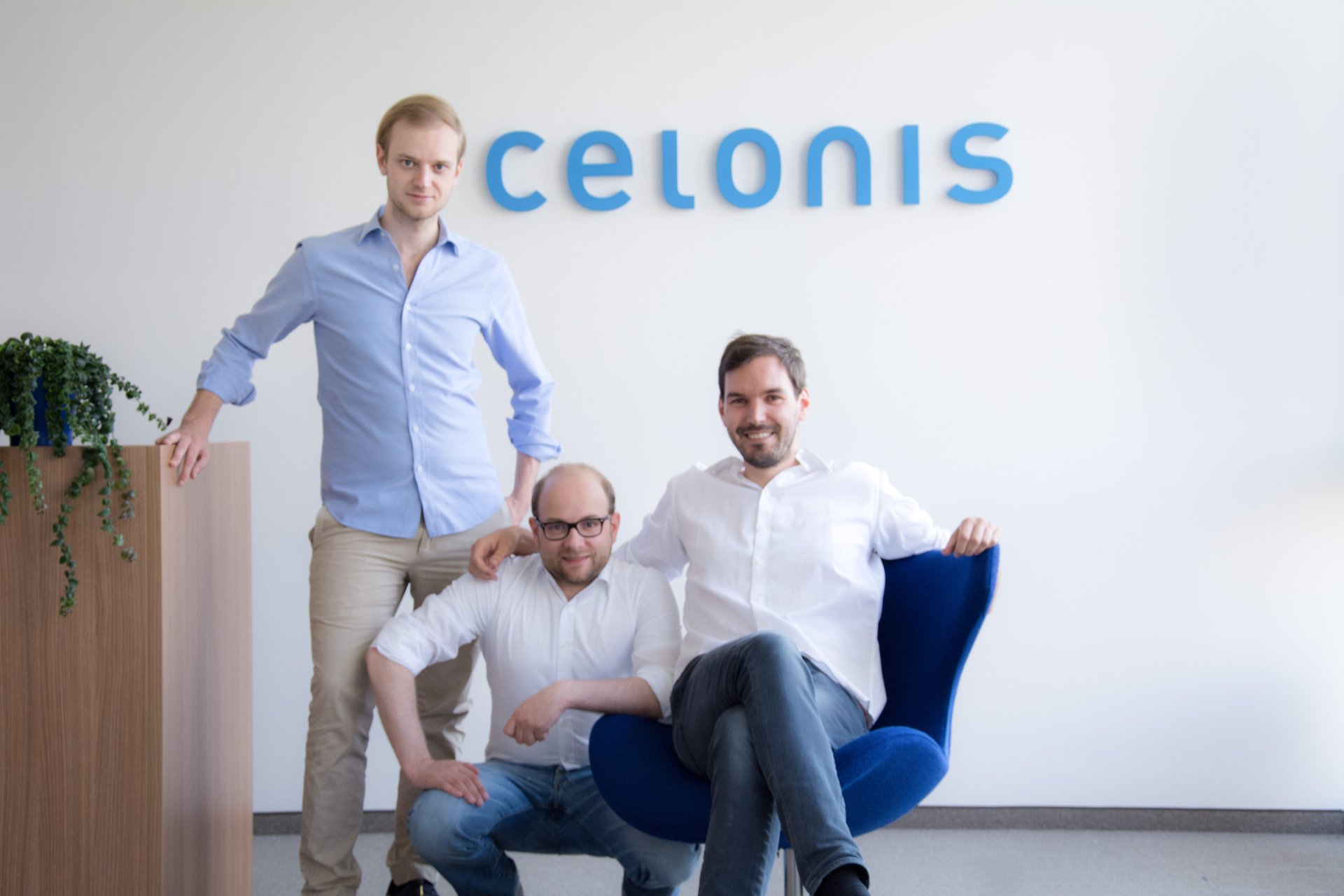
Munich’s status as Germany’s second tech hub got a boost today after process-mining startup Celonis announced it had secured $50 million in venture capital to become the newest unicorn in the country. That brings the total number of privately-owned German startups with billion-dollar valuations to five, according to CBS Insights data.

While barbed words and bad blood flows in the trade war between Germany and the US, the anniversary of the start of their friendship is quietly passing. On this day (June 26), seven decades ago, the US army launched a daring humanitarian mission that saved around two million inhabitants of West Berlin from starving to death.

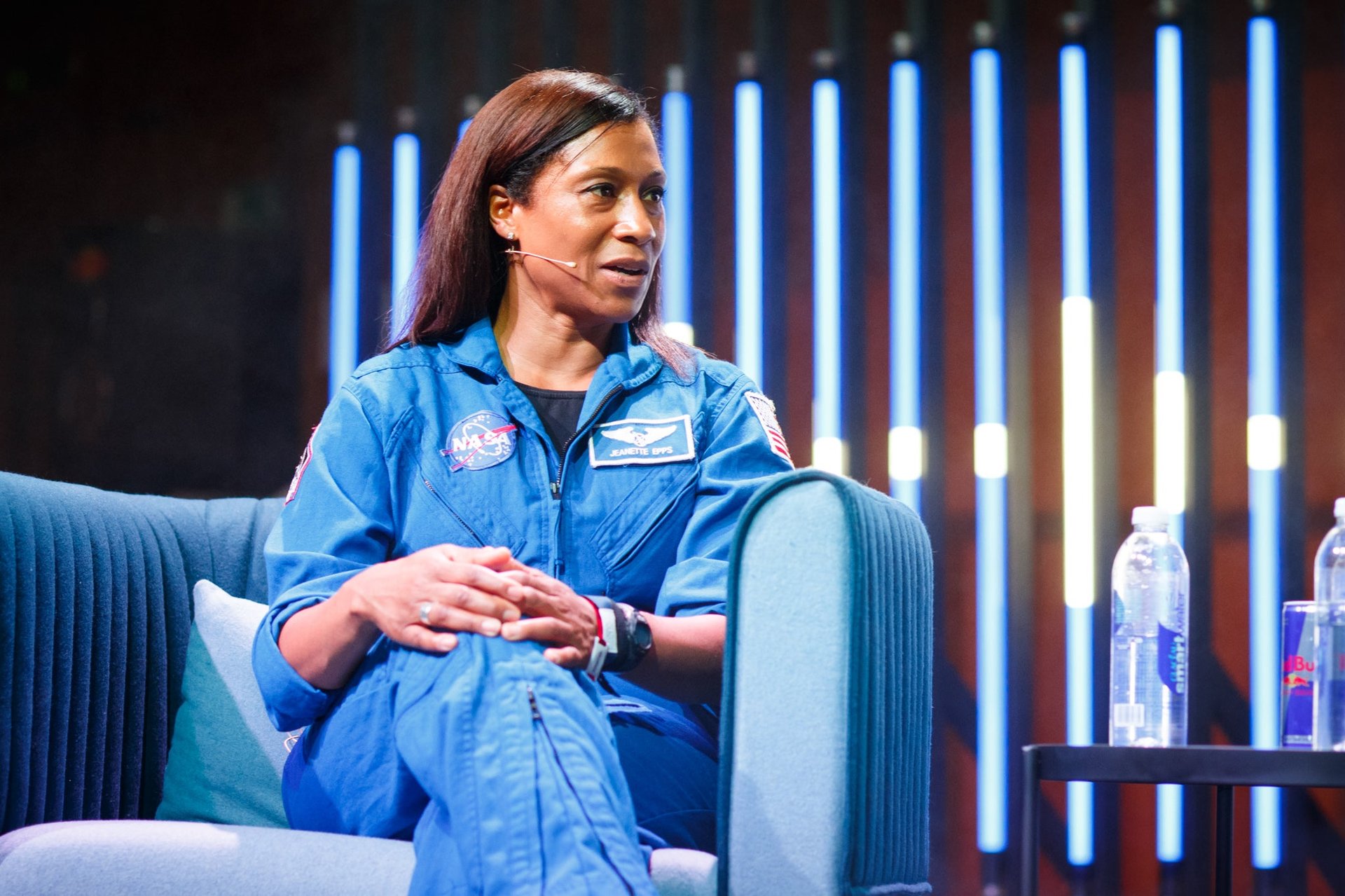
Jeanette Epps can easily be seen as a poster woman for success. Even though that’s something she never set out to become. Not only has she achieved prestige as a former CIA officer and now as a NASA astronaut, she has also navigated her career against all the odds as an African-American woman in industries that are structurally geared to nurturing white men.

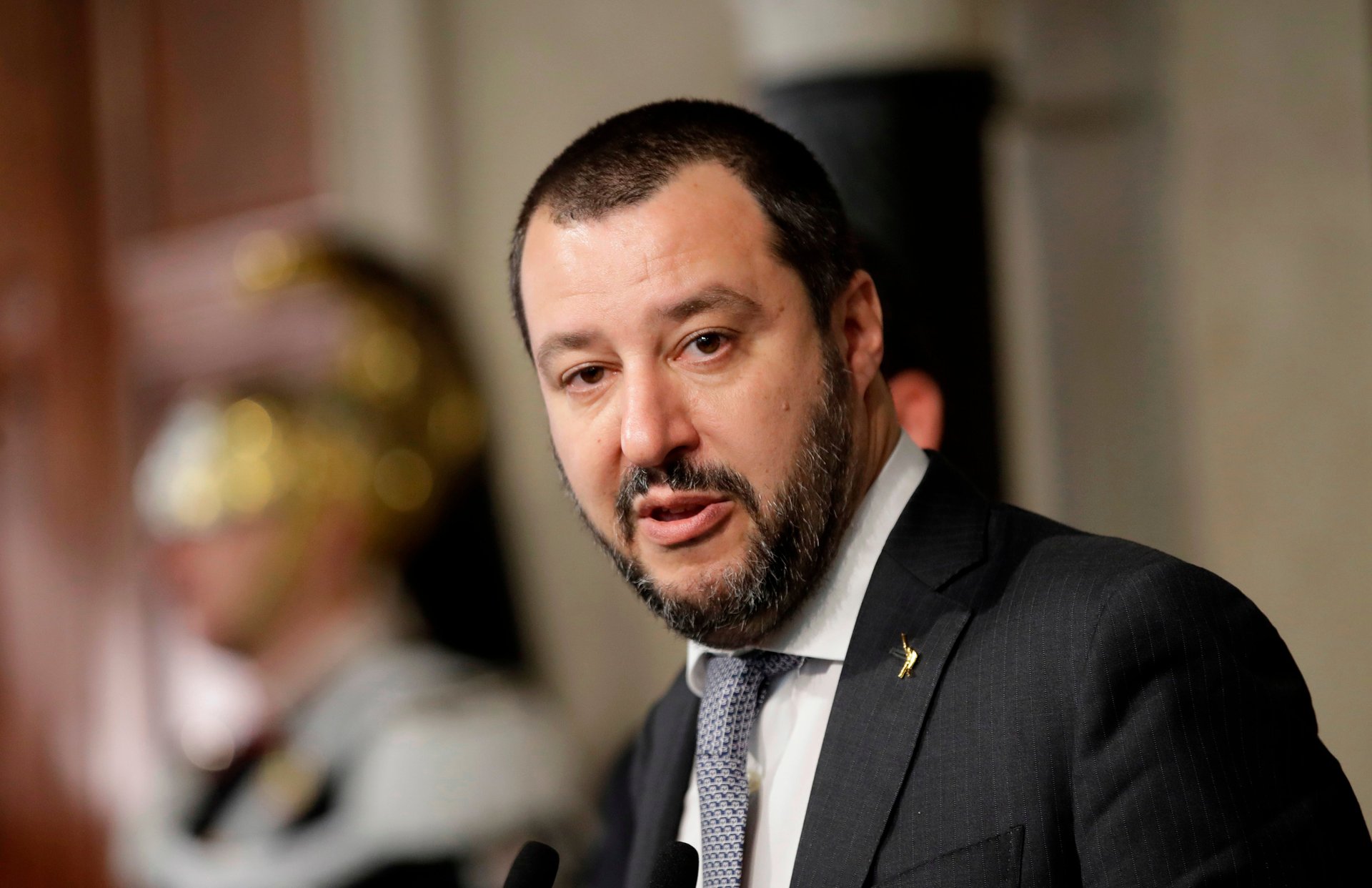
Italy’s populist government, only in power since the beginning of June, is already taking steps to implement its nationalist agenda. First, it turned away a rescue vessel loaded with over 600 refugees. This week its interior minister said he wants to take a census of the country’s Roma minority—and throw out those who don’t have citizenship.

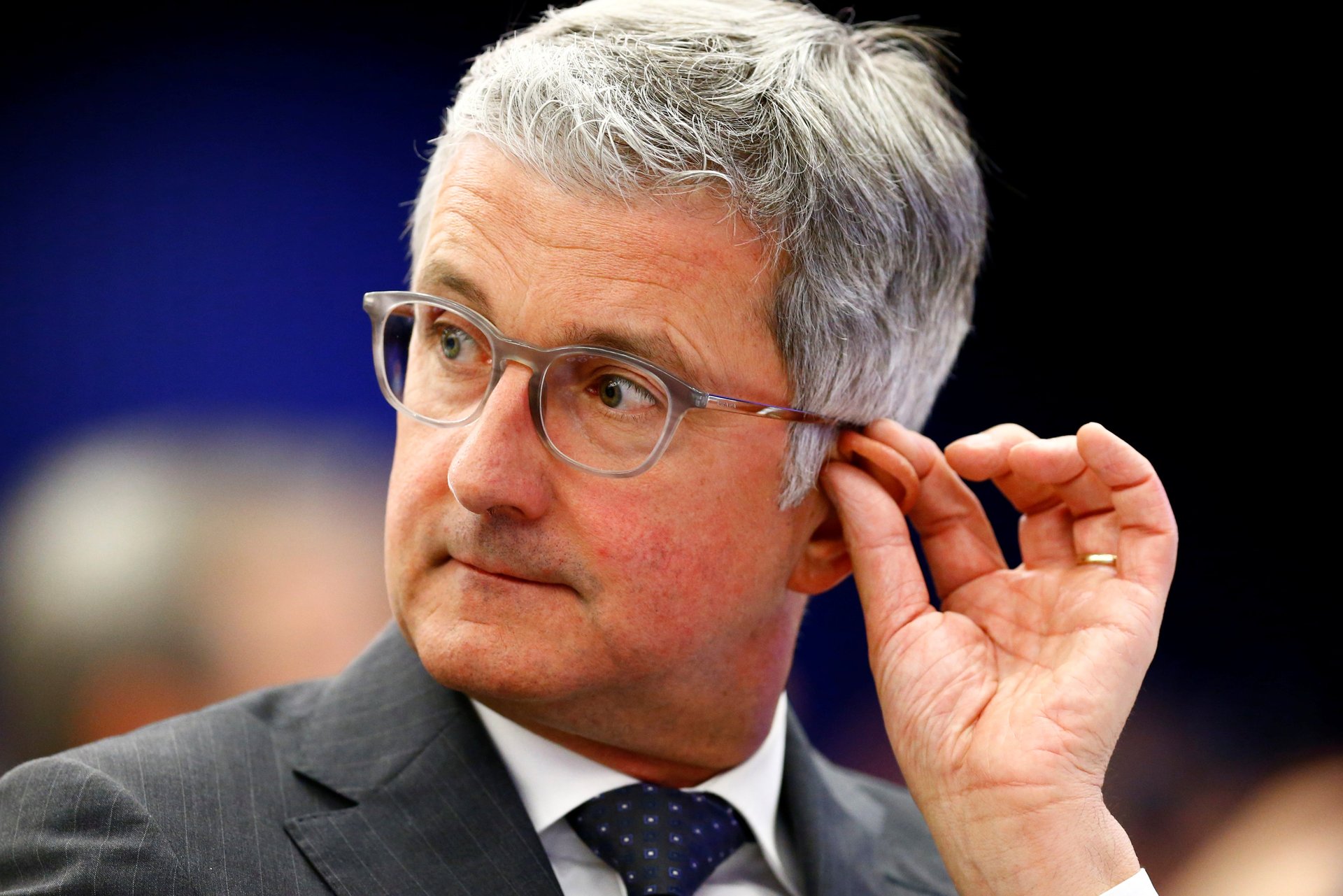
Three years after US authorities uncovered long-standing emissions cheating by Volkswagen, Germany’s slow-moving criminal investigation seems to making headway.

Whatever Angela Merkel else has done as the long-term leader of Germany, it’s her historic decision over migrants that continues to define her rule. The chancellor’s decision to open Germany’s borders to over a million refugees since the summer of 2015, has painted her as a savior, as well as a villain.

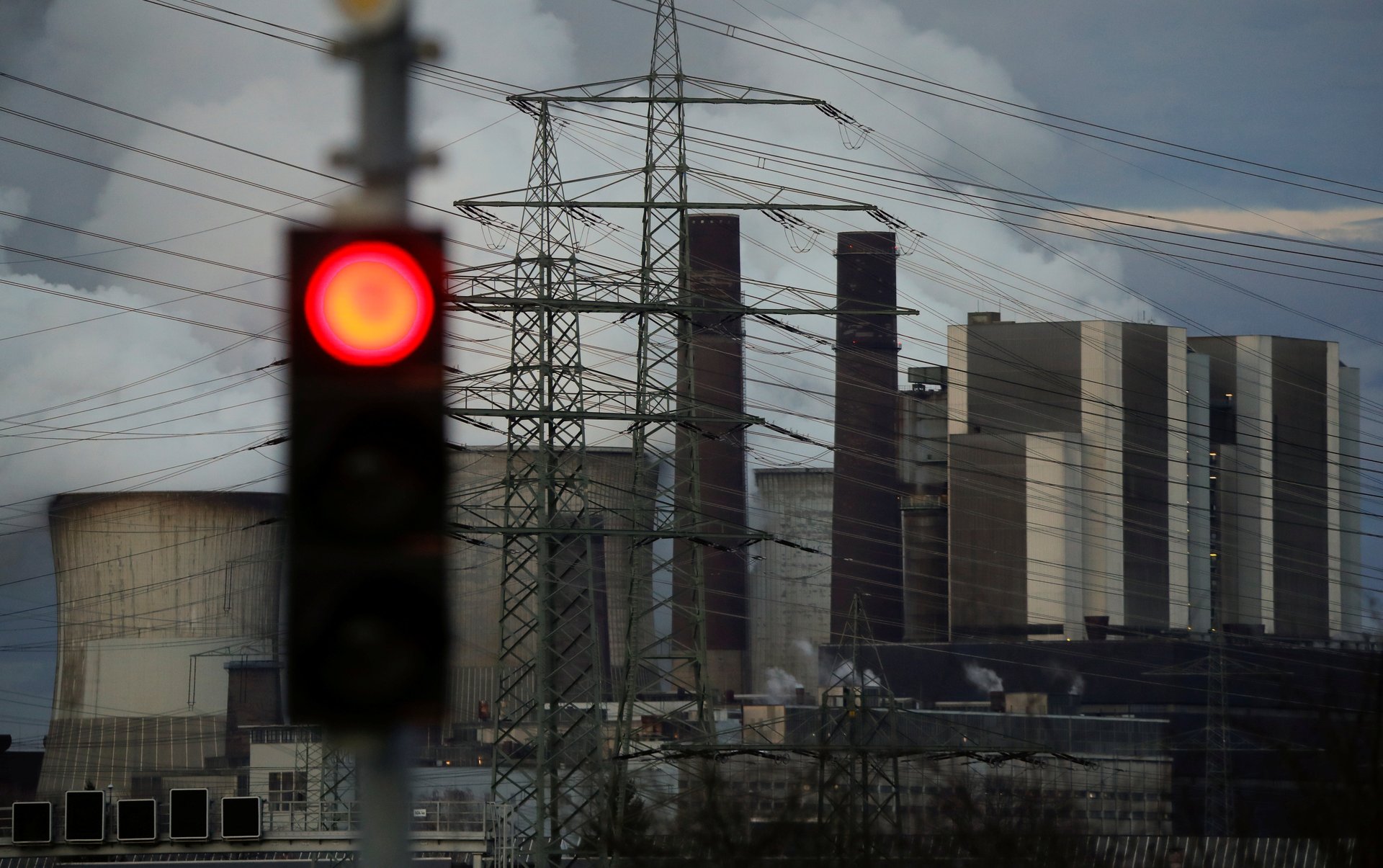
Germany, often held up as an example of how to go green, has said it’s not going to hit its 2020 emissions-reduction goals. The government is putting the blame on its blistering economic growth and increase in vehicles.

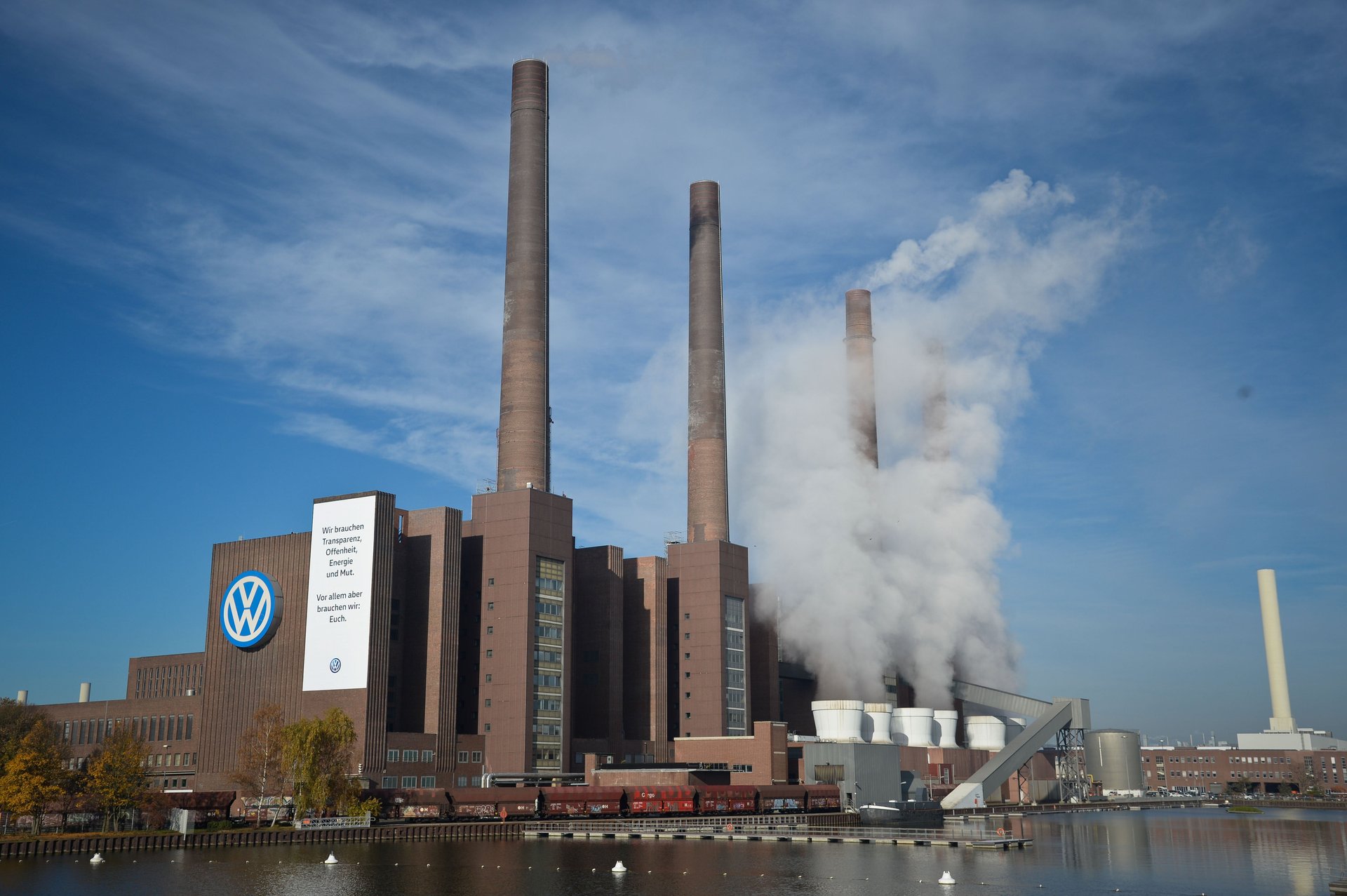
The state prosecutor in the German city of Braunschweig just hit Volkswagen with a fine of €1 billion ($1.2 billion) for the diesel scandal.

Estonia has produced some superstar tech startups over the years. Skype and TransferWise are just two Estonian-born tech companies that have revolutionized the way people communicate or send money around the world.

Porsche has christened its first electric sports car. The German automaker announced today (June 8) that its first all-electric supercar, which was called the Mission E in development, will be known as the Taycan, an Eurasian name which roughly translates as “lively young horse.”

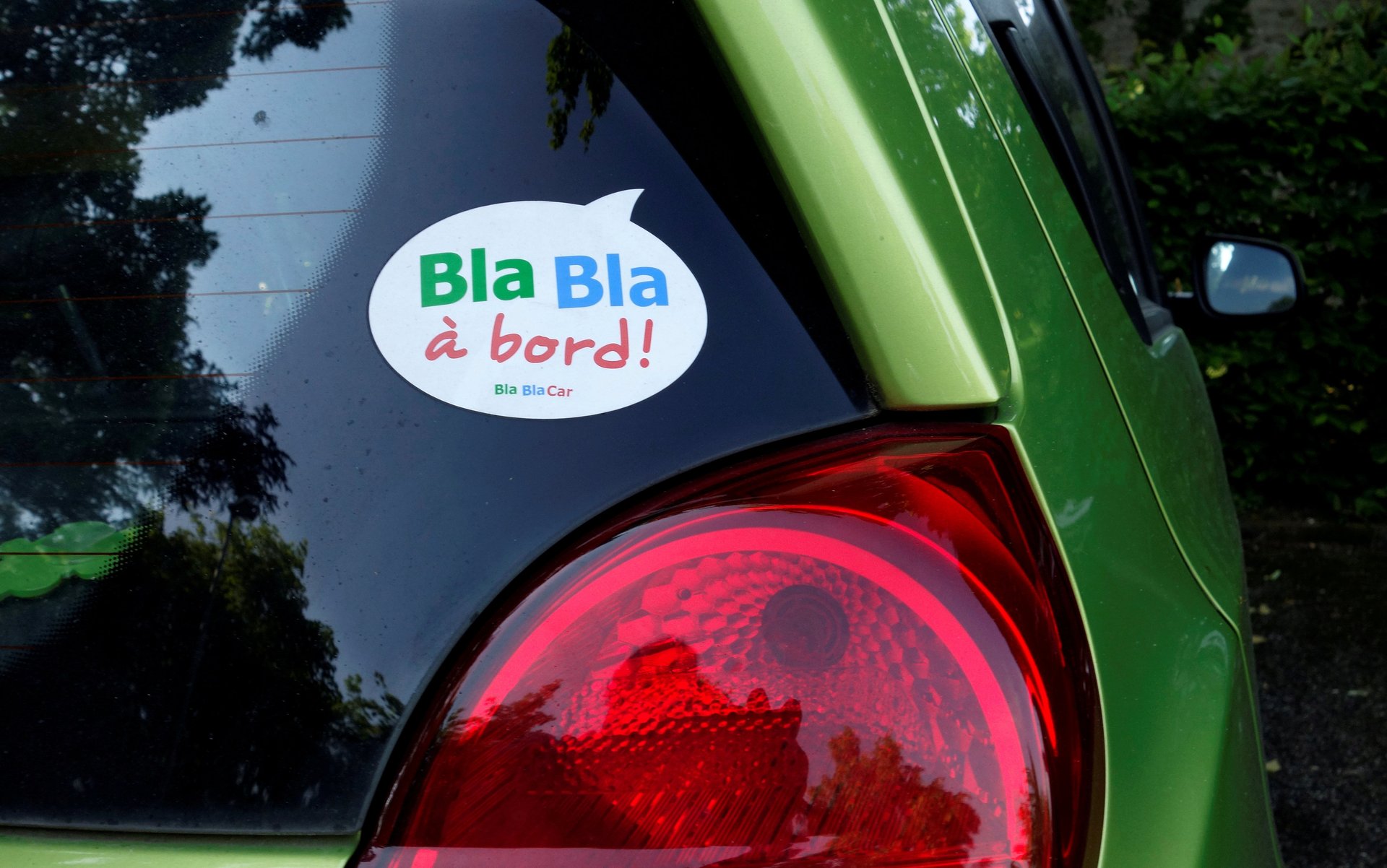
Hopping into a car with total strangers and driving hundreds of miles together used to be the preserve of hippies and hitchhiking students. Nicolas Brusson, CEO of French carpooling company BlaBlaCar, said that when he first pitched the idea of long-distance car pooling, he was told it was insane—that “people don’t do that.”

The European Court of Justice ruled today that as far as the laws of free movement within the European Union are concerned, the term “spouse” includes married people of the same sex (pdf).

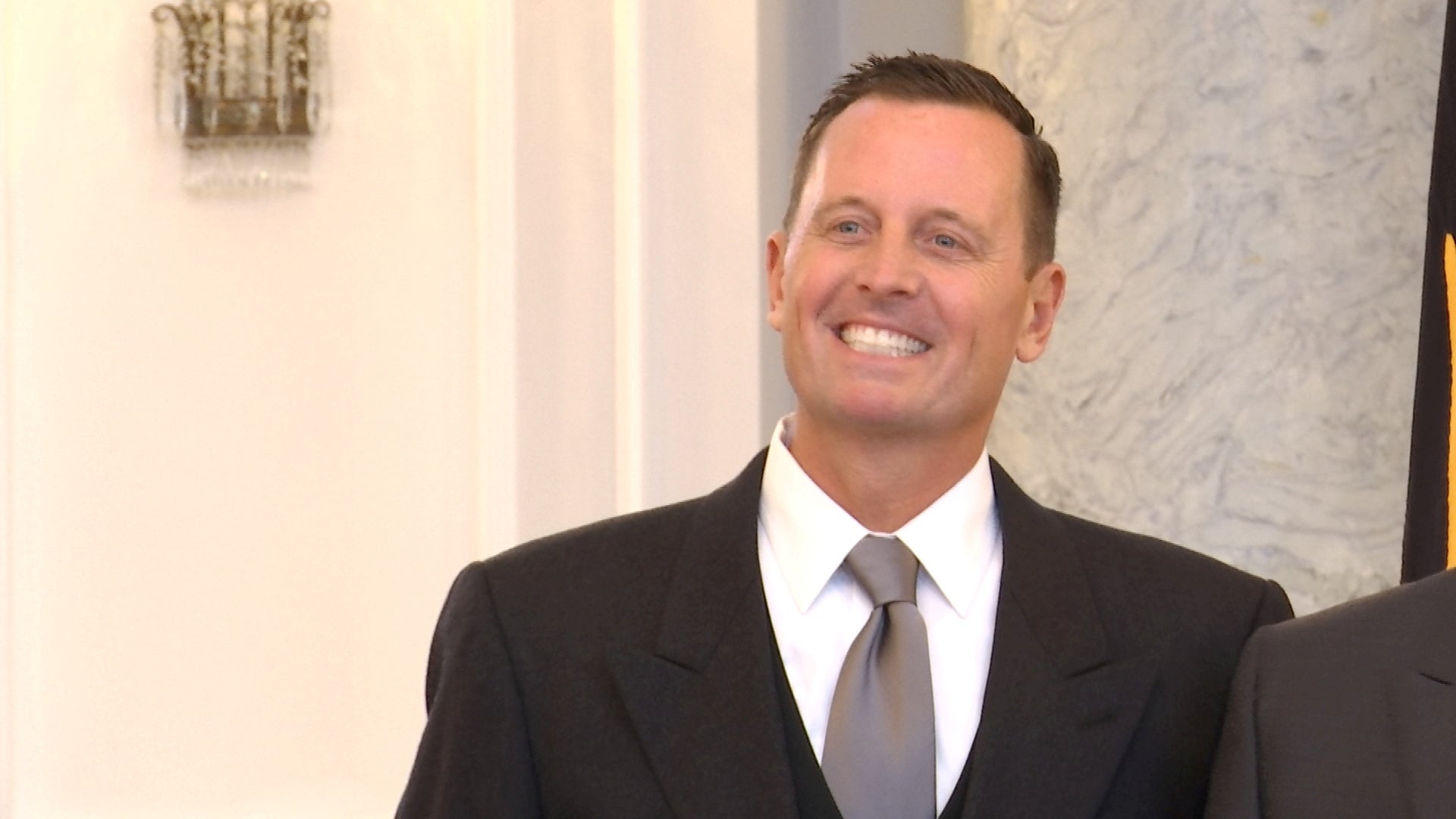
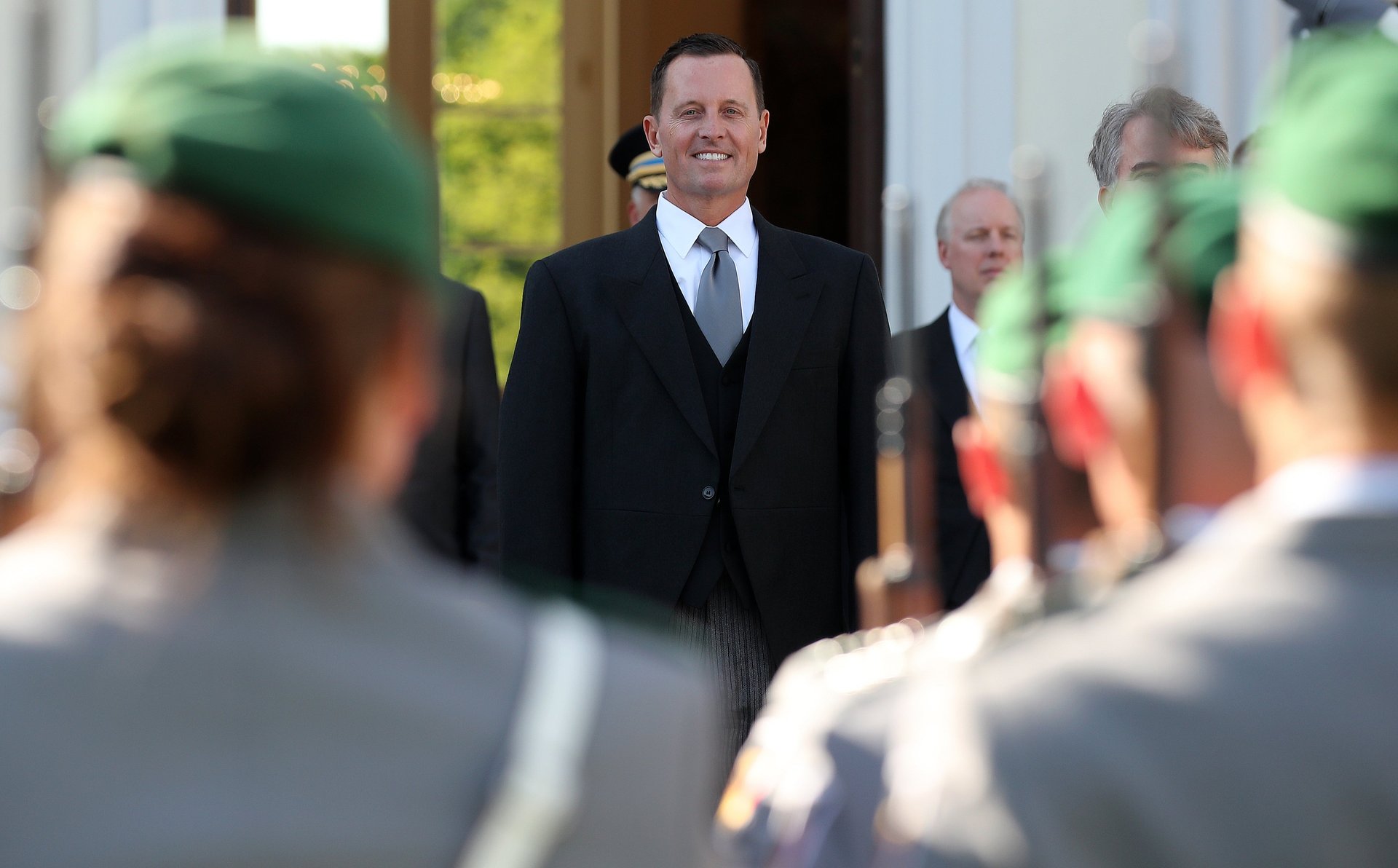
Richard Grenell, the new US ambassador to Germany, has been in the job for less than a month, but he has already effectively declared that he’s willing to obliterate the diplomat line by directly meddling in national and European politics. And now Berlin wants a word with him.

When the US confirmed that it would be slapping the European Union, Mexico, and Canada with tariffs on steel and aluminum imports, many saw the move as the action of a volatile president, stubbornly ignoring warnings from economists and industry experts.

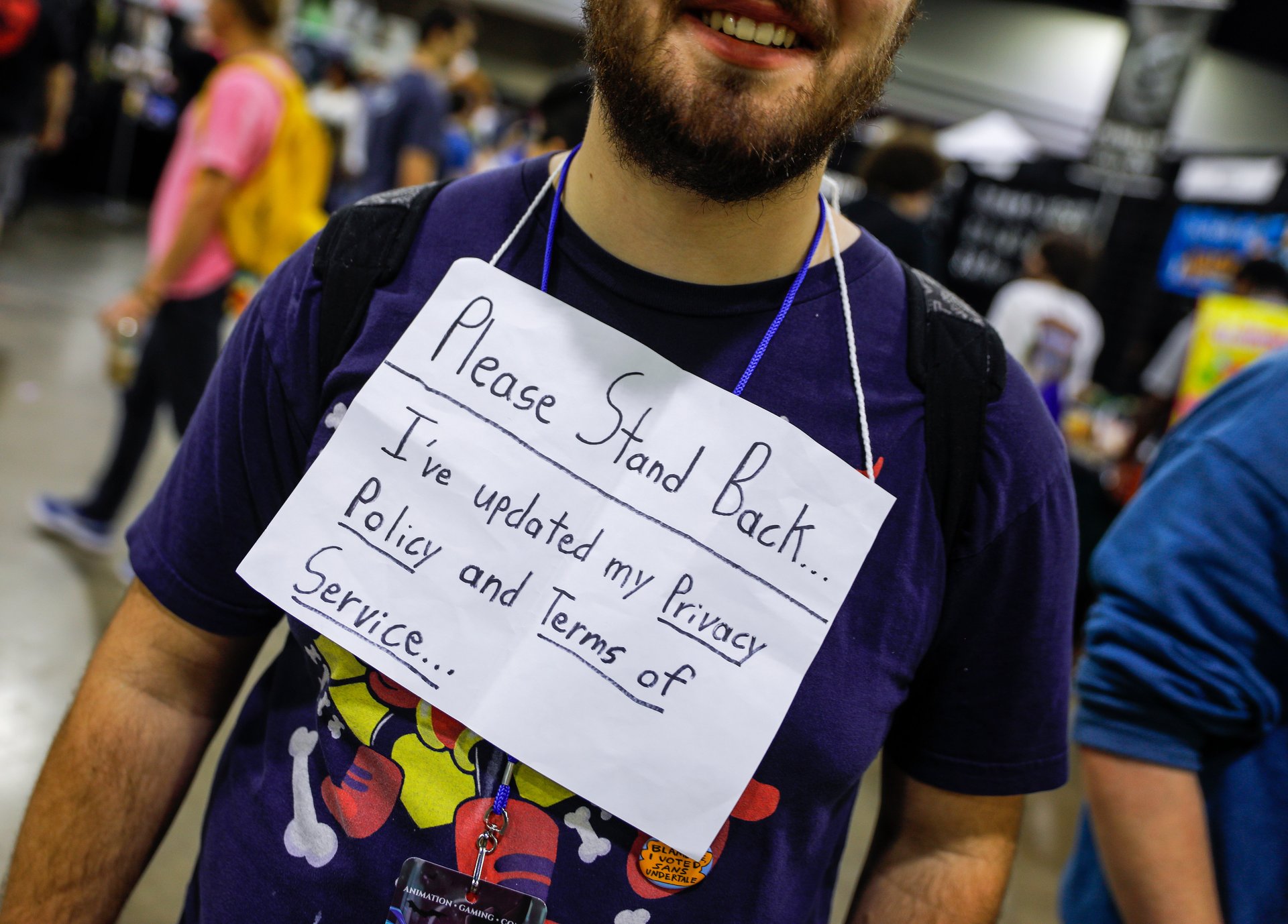
The European Union’s far-reaching General Data Protection Regulation (GDPR) launched last Friday amid major fanfare and the clogging of millions of inboxes with heartfelt pleas.

The US confirmed today (May 31) that it’s slapping the European Union, Mexico, and Canada with tariffs on steel and aluminum imports.

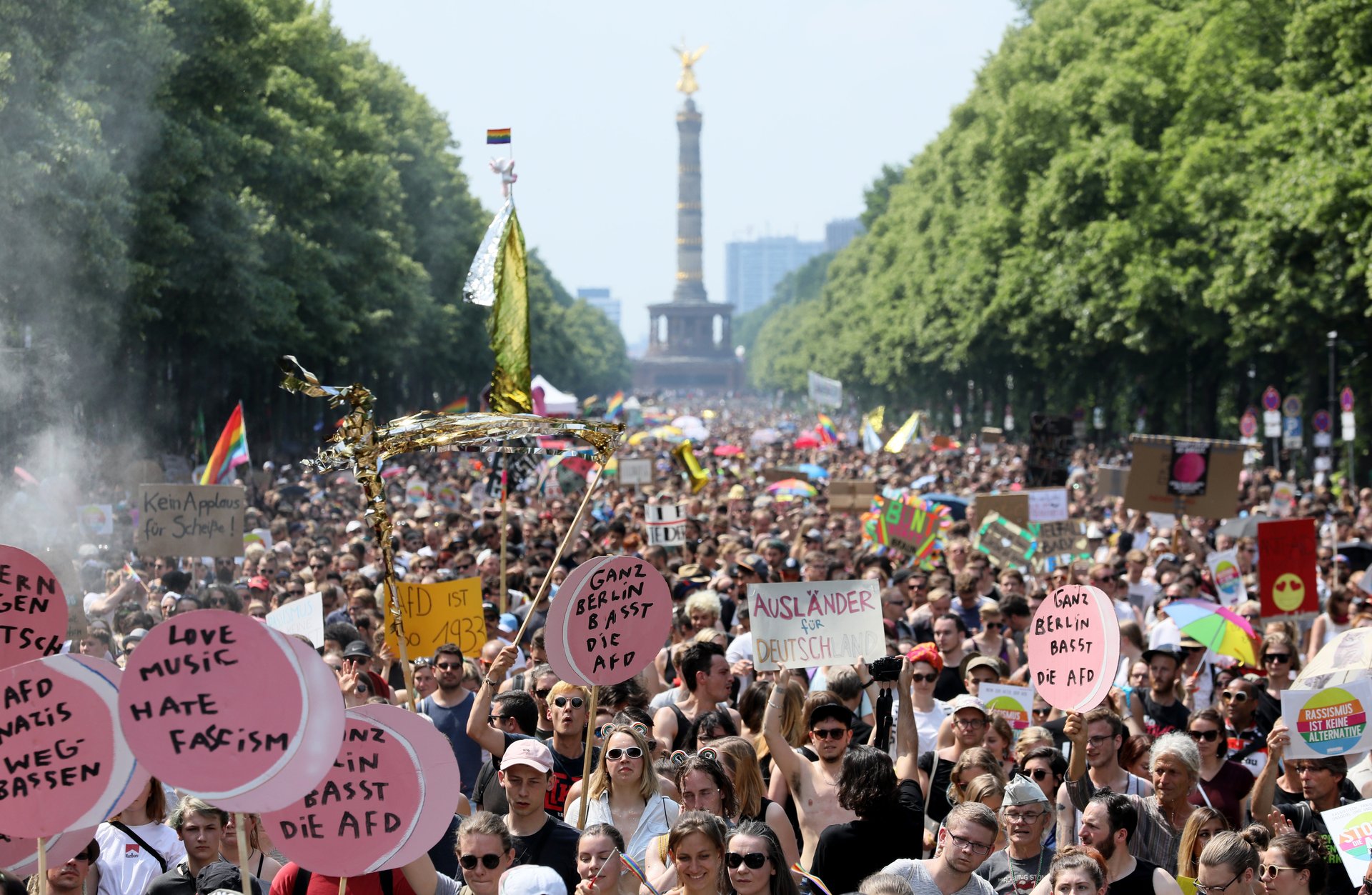
Berlin’s clubs and clubbers brought their thumping techno to the streets on Sunday to go head-to-head with a rally organized by the right-wing political party Alternative for Germany (AfD).

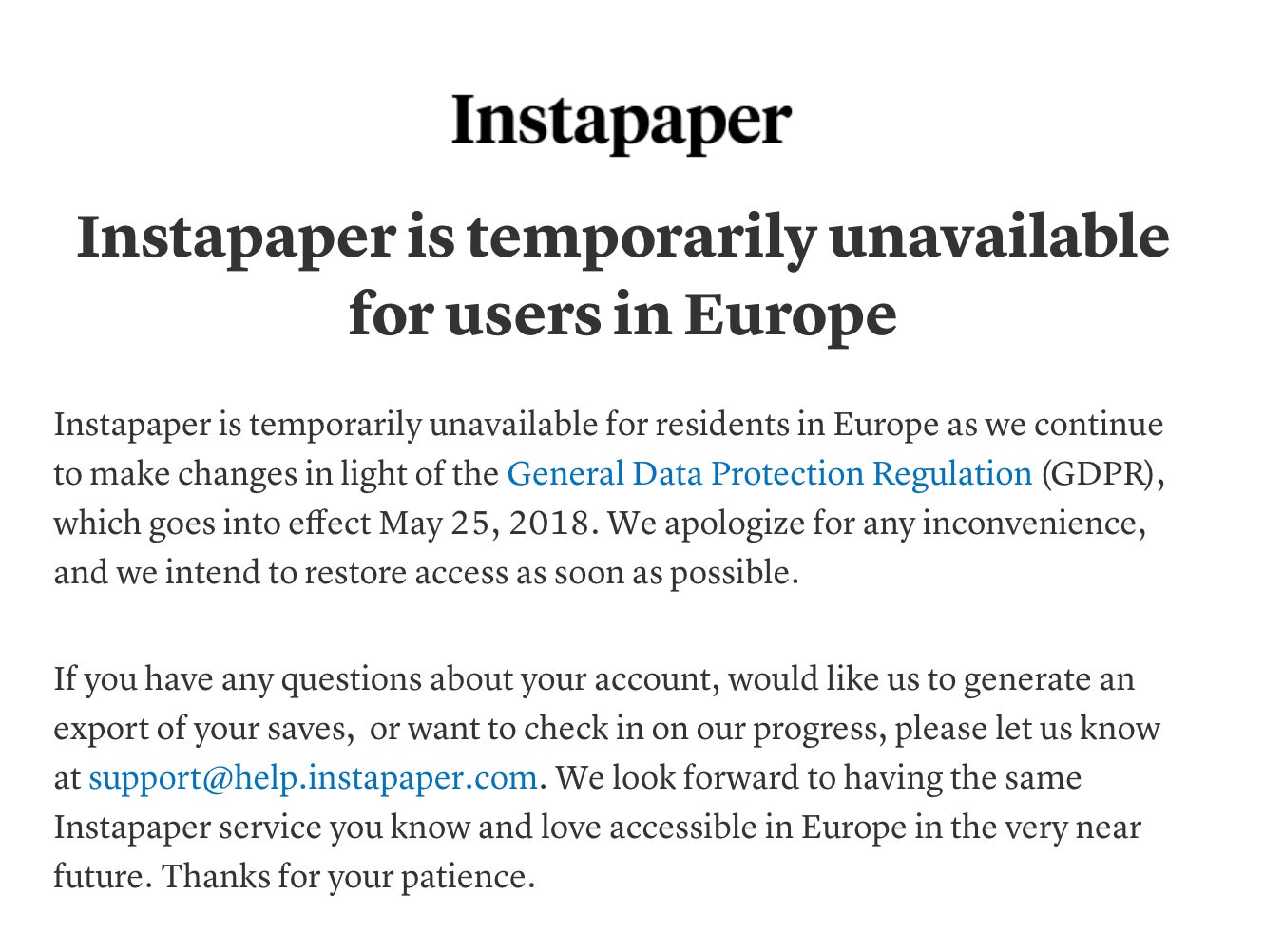
The European Union’s General Data Protection Regulation (GDPR) came into effect today, and the web will never be the same, in Europe at least. Internal wrangling at companies between the legal, sales, marketing, editorial, and other departments has determined what approach to take to stay on the right side of the strict new rules, and the conclusions vary widely.