

Money & Markets
Coronavirus isn’t likely to cause a full-blown global recession—yetStock markets are freaking out about the spread of Covid-19, the disease caused by a new coronavirus. Should we panic too?
Updated July 21, 20222 min read
Stock markets are freaking out about the spread of Covid-19, the disease caused by a new coronavirus. Should we panic too?
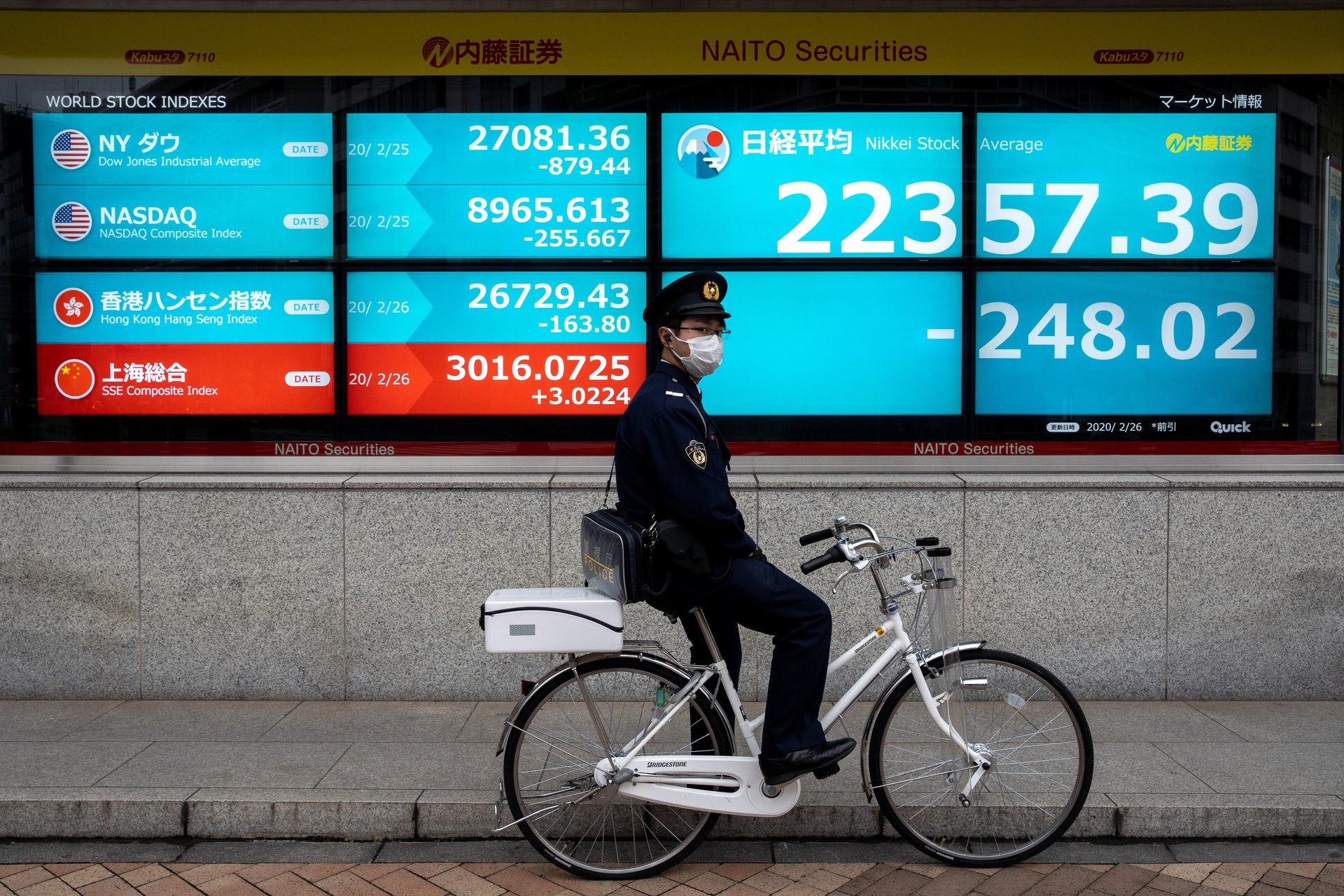
What’s up? Well, not much. Traders are selling anything they think is risky as Covid-19, the disease caused by a novel coronavirus, spreads. There are too many unknowns to calculate how much the virus will knock off corporate profits and economic growth, which means investors are looking for safety.
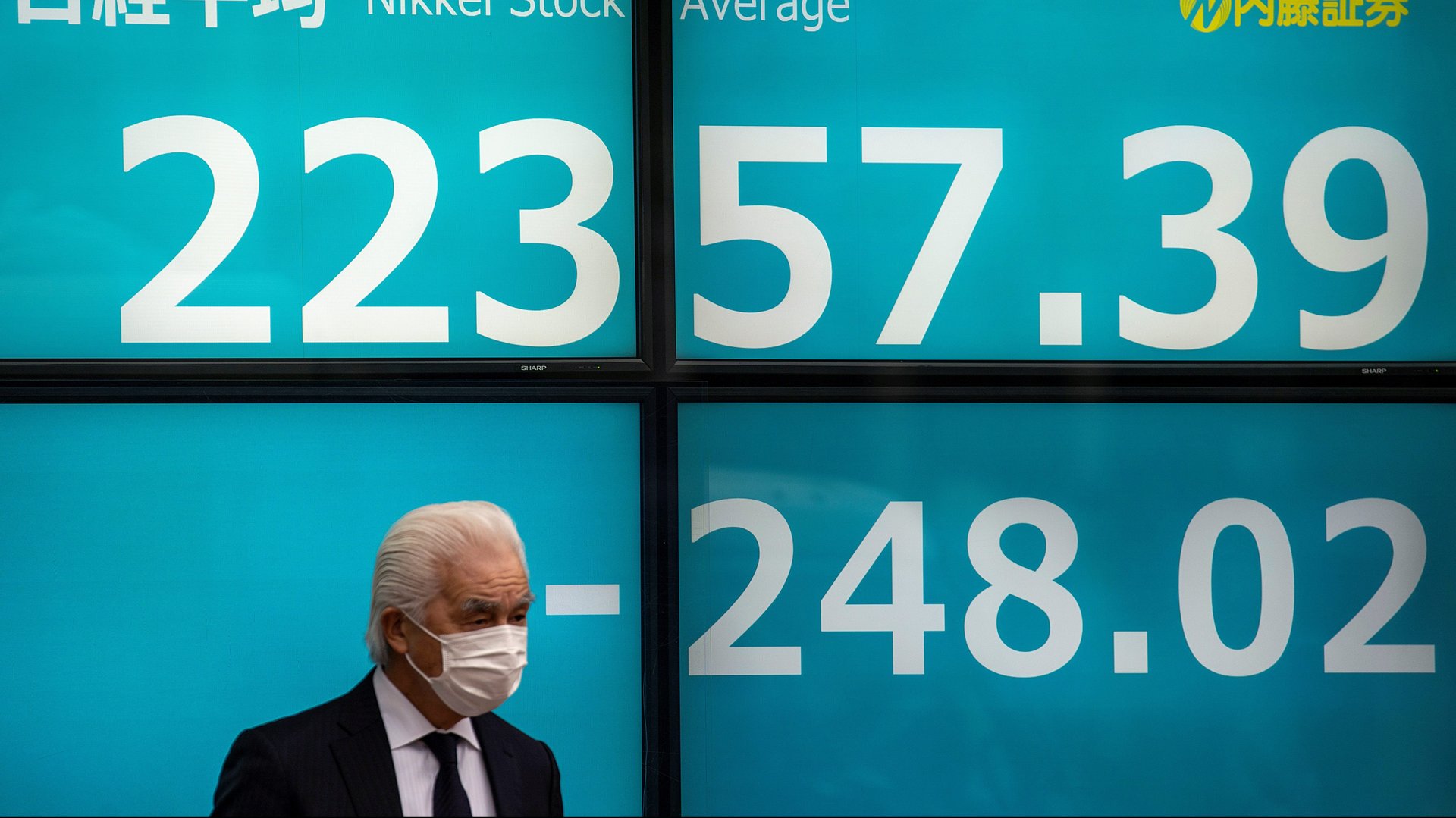
There are still more questions than answers as Covid-19, the disease caused by a novel coronavirus, spreads. That’s put a major dent in stock markets around the world as investors head for the relative safety of bonds. Oxford Economics forecasts that the virus could knock as much as $1.1 trillion off equity markets this year, depending on the severity of the impact.

Financial startup Revolut says it raised $500 million in a deal valuing the company at $5.5 billion, making it one of the world’s most valuable fintechs. The transaction comes amid growing scrutiny over the ability of next-generation digital banks to turn a profit.
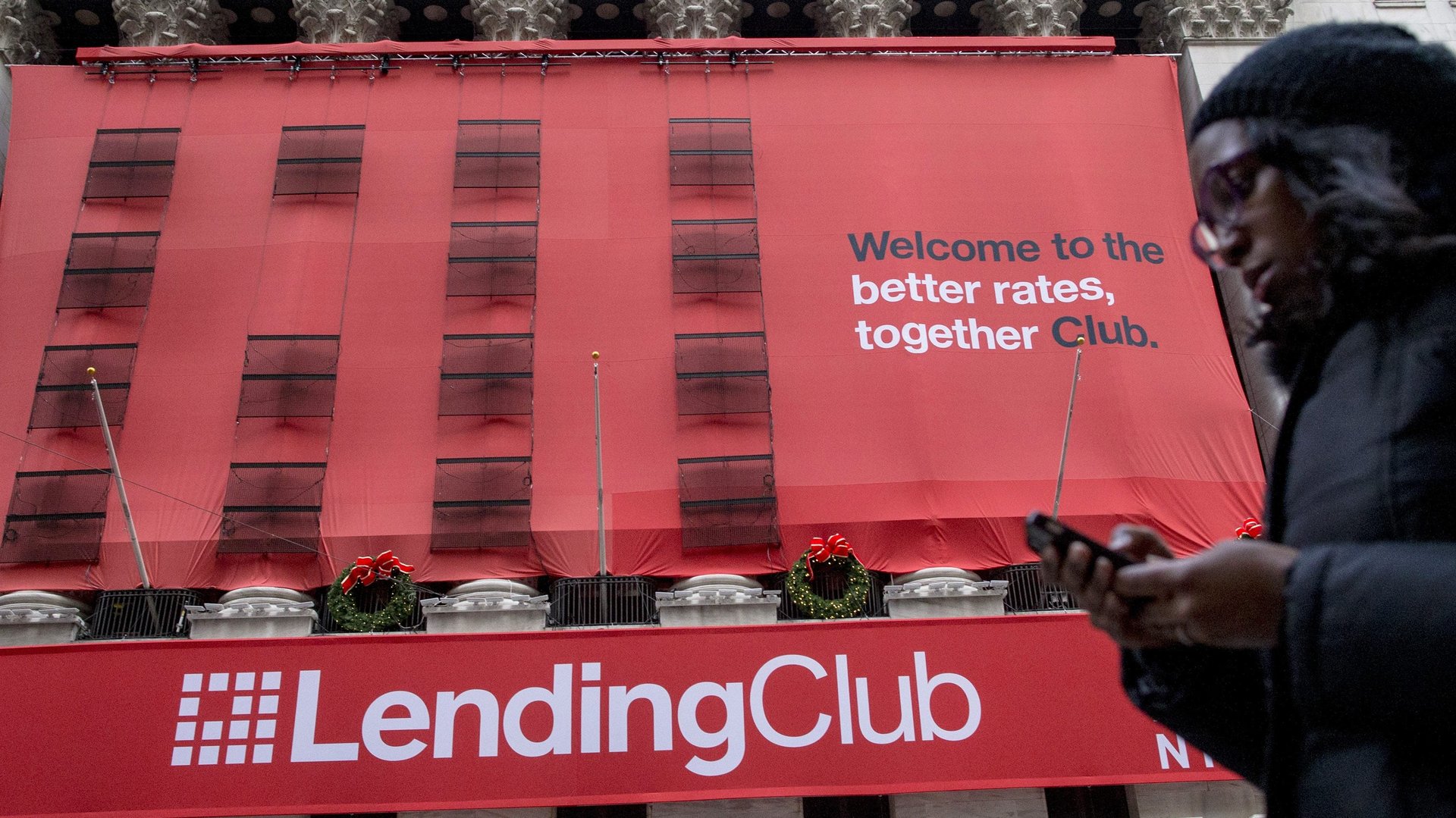
David Ellison, a money manager for financial company stocks, says LendingClub’s acquisition of a regulated bank is a good move for the fintech. But the 36-year veteran says he’s not ready to invest in the so-called marketplace lender.
Microsoft has been the biggest winner from stock market investment into environmental, social, and governance-oriented (ESG) funds, according to financial data company EPFR. The Windows creator is among the tech giants benefitting as savers increasingly prioritize climate and social concerns when investing.
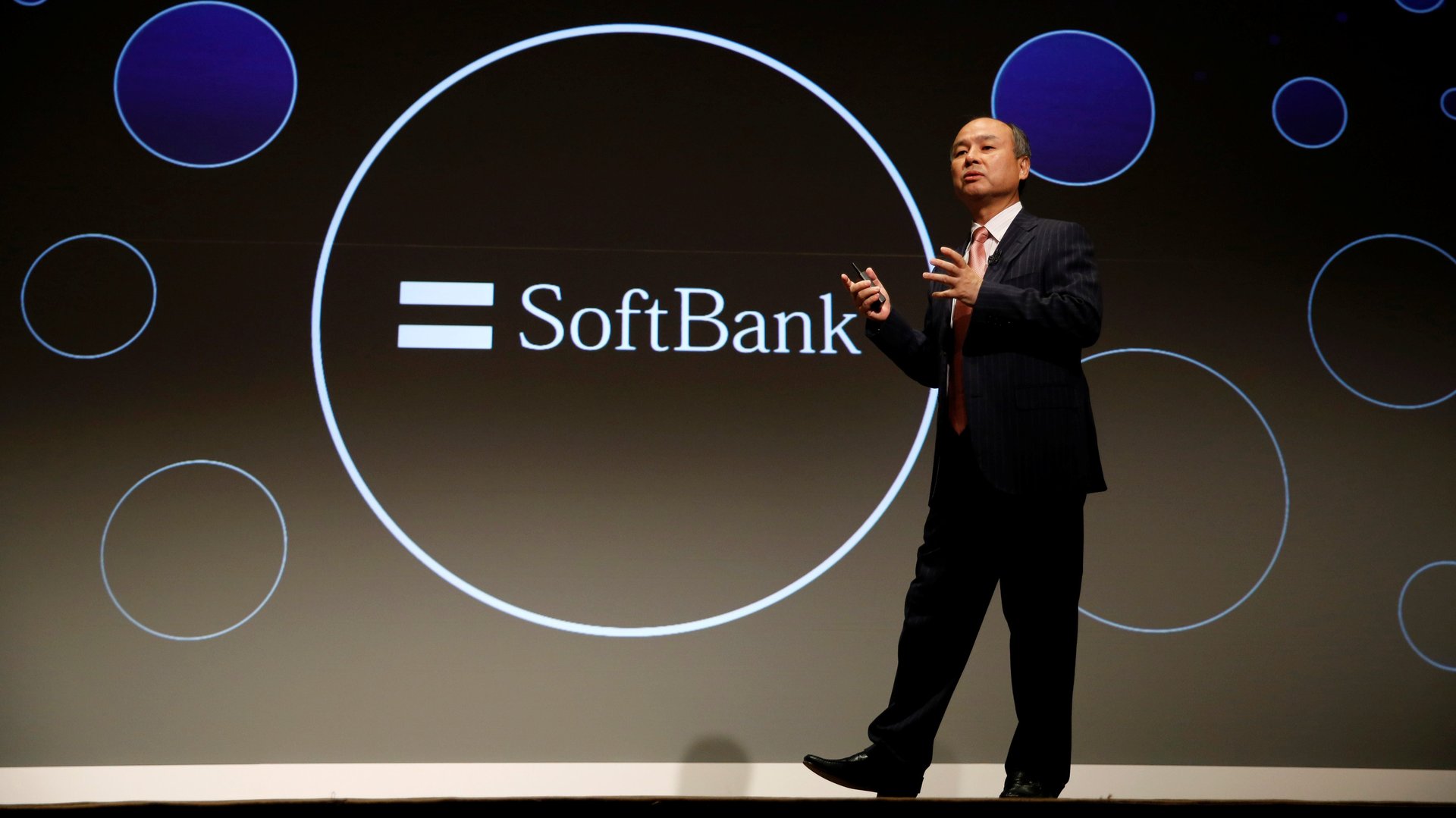
SoftBank’s mega-investments made a splash in markets around the world last year, including in the UK’s burgeoning fintech sector: The Japanese company’s $100 billion Vision Fund led two deals that accounted for a quarter of the capital raised by the country’s financial startups.
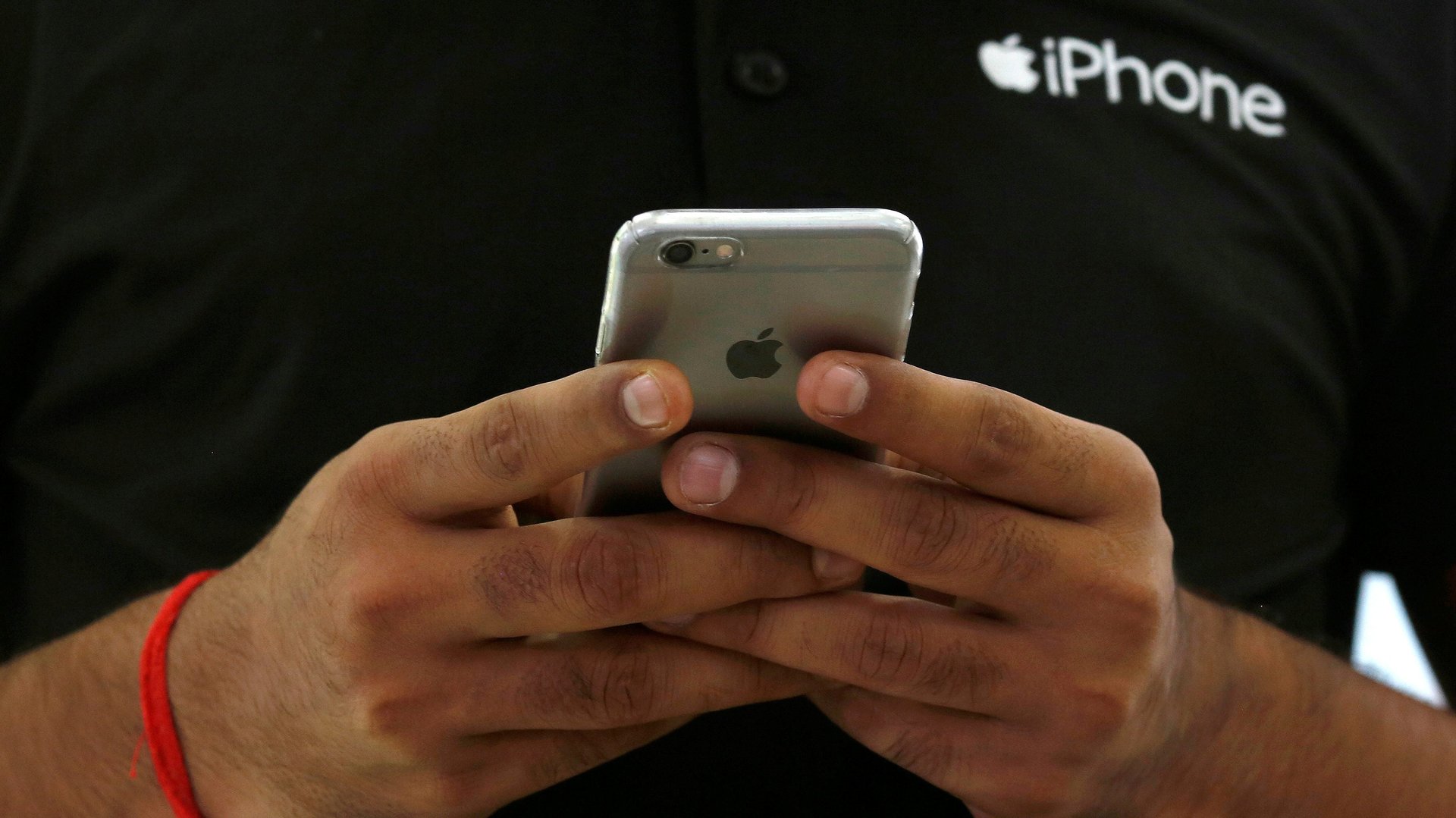
Apple’s mobile wallet is gobbling up a growing chunk of card payments around the world. As the service grows, it’s becoming a greater challenge to rivals like PayPal and attracting the attention of competition watchdogs.
Varo Money is poised to become a full-fledged bank, making it the first of a new wave of fintech upstarts to win that approval in the US. The company’s long and expensive journey through a thick barrier of regulation is a reason why America’s banks have repelled the tech disruption sweeping through other industries.
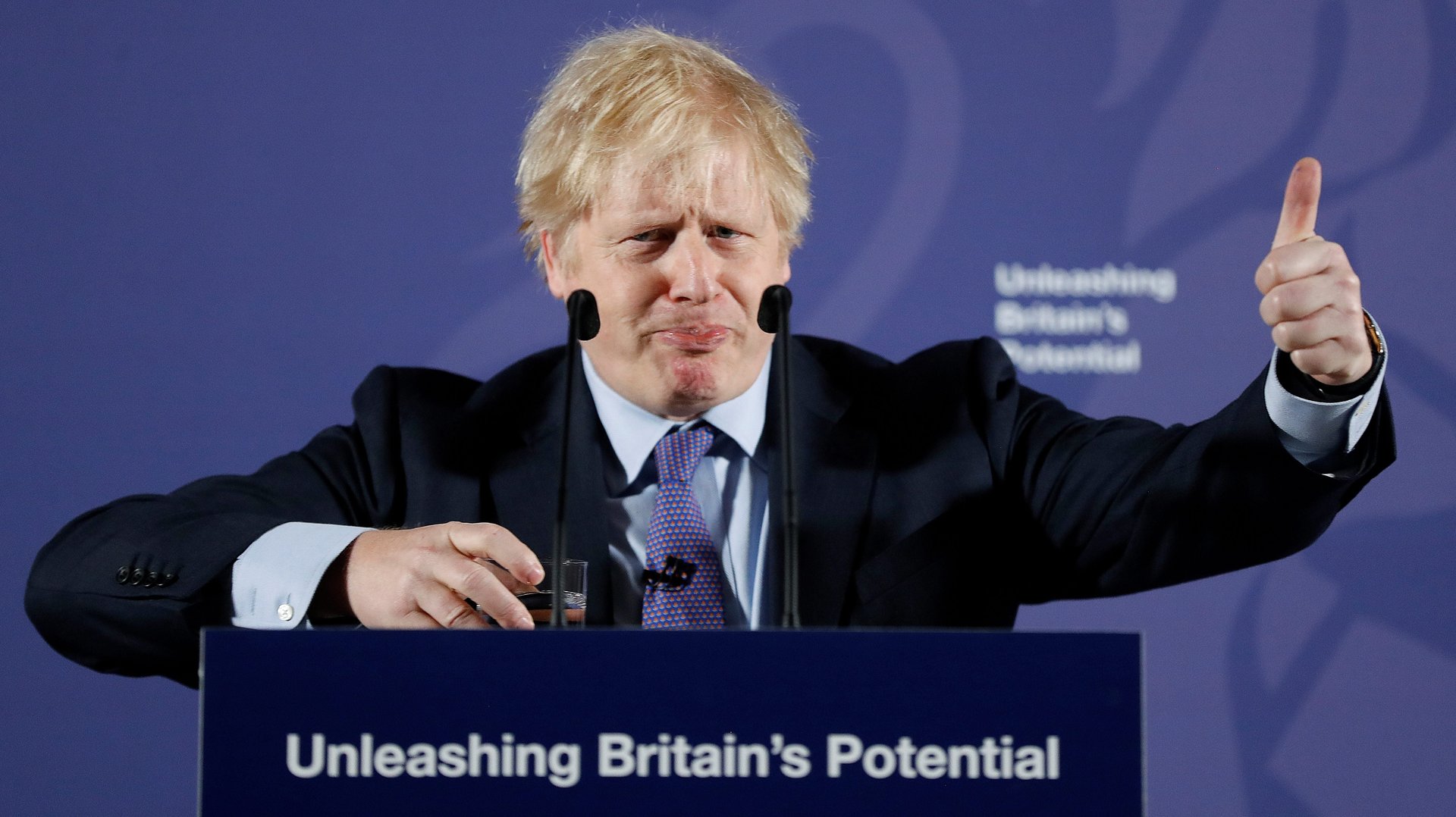
During the 40 years or so when Britain was firmly entrenched in the EU, many foreign financial companies, including world-leading giants from Wall Street, made London their European headquarters because it gave them access to the European bloc’s single market. After Brexit, there’s a pathway for banks like JPMorgan to continue serving their EU clients from London, but recent history shows that it won’t be free of obstacles.
Goldman Sachs is becoming an ally for Big Tech companies looking to widen their financial footprint.
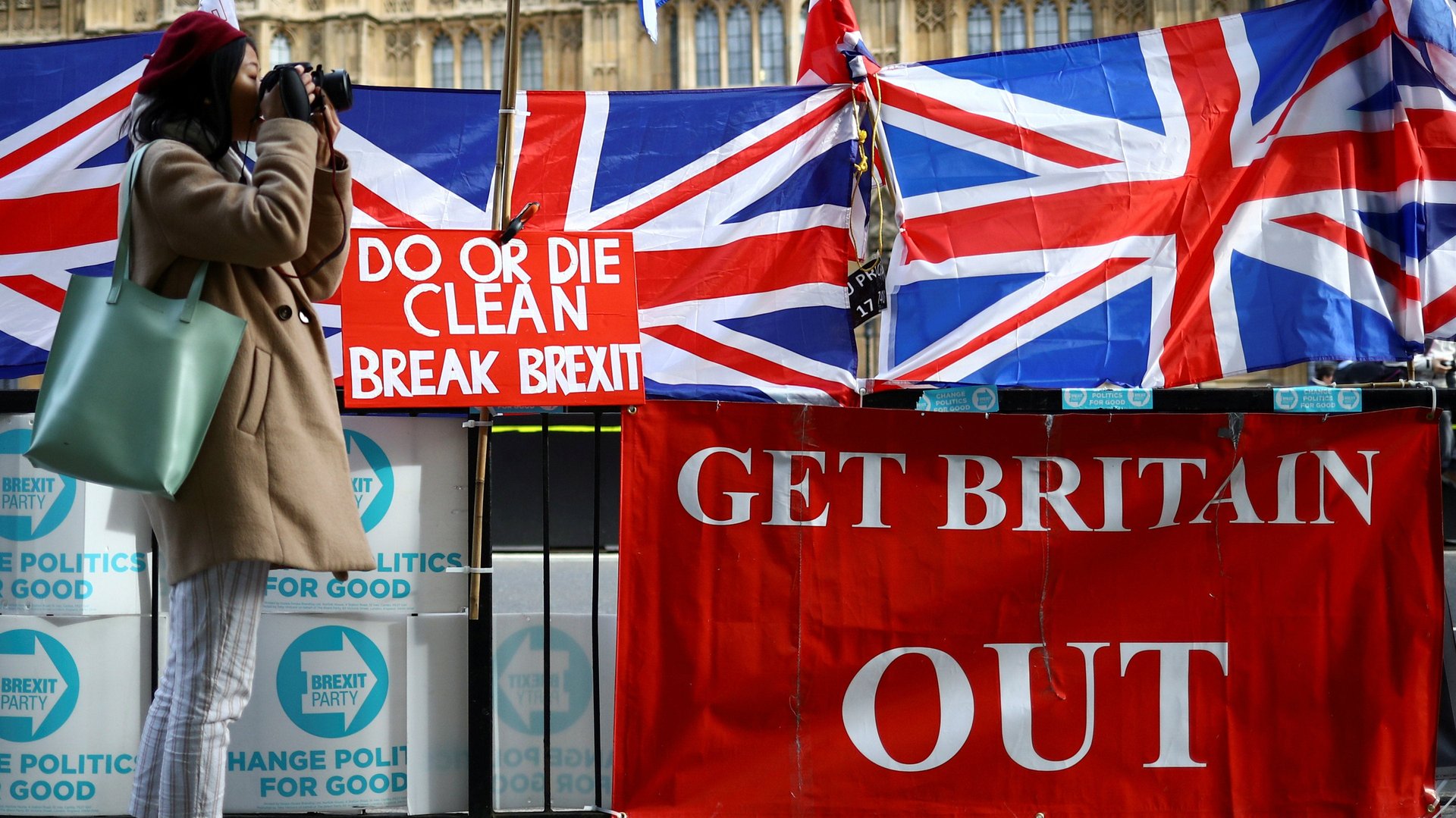
Today is Brexit day, when the UK officially leaves the EU. There will apparently be some celebrations, and a new coin. The UK’s 73 members of European parliament lose their seats in Brussels, and UK nationals will no longer be citizens of the EU.
China’s flagship money market fund is no longer the world’s largest. Ant Financial’s Yu’e Bao, which means “leftover treasure,” has ceded this title to two American funds. The shift comes as Chinese authorities wrestle with the country’s fast-growing investment industry.
New York looks set to join the list of US cities banning cashless stores. As digital payments catch on and more places sign up to measures like these, it’s worth considering what they actually accomplish.

CEOs, whether they run a financial firm or sell mattresses, seem to want the world to believe they’re really and truly running a tech company. When it comes to banking, at least, new research shows that technology can make a difference when times get tough.
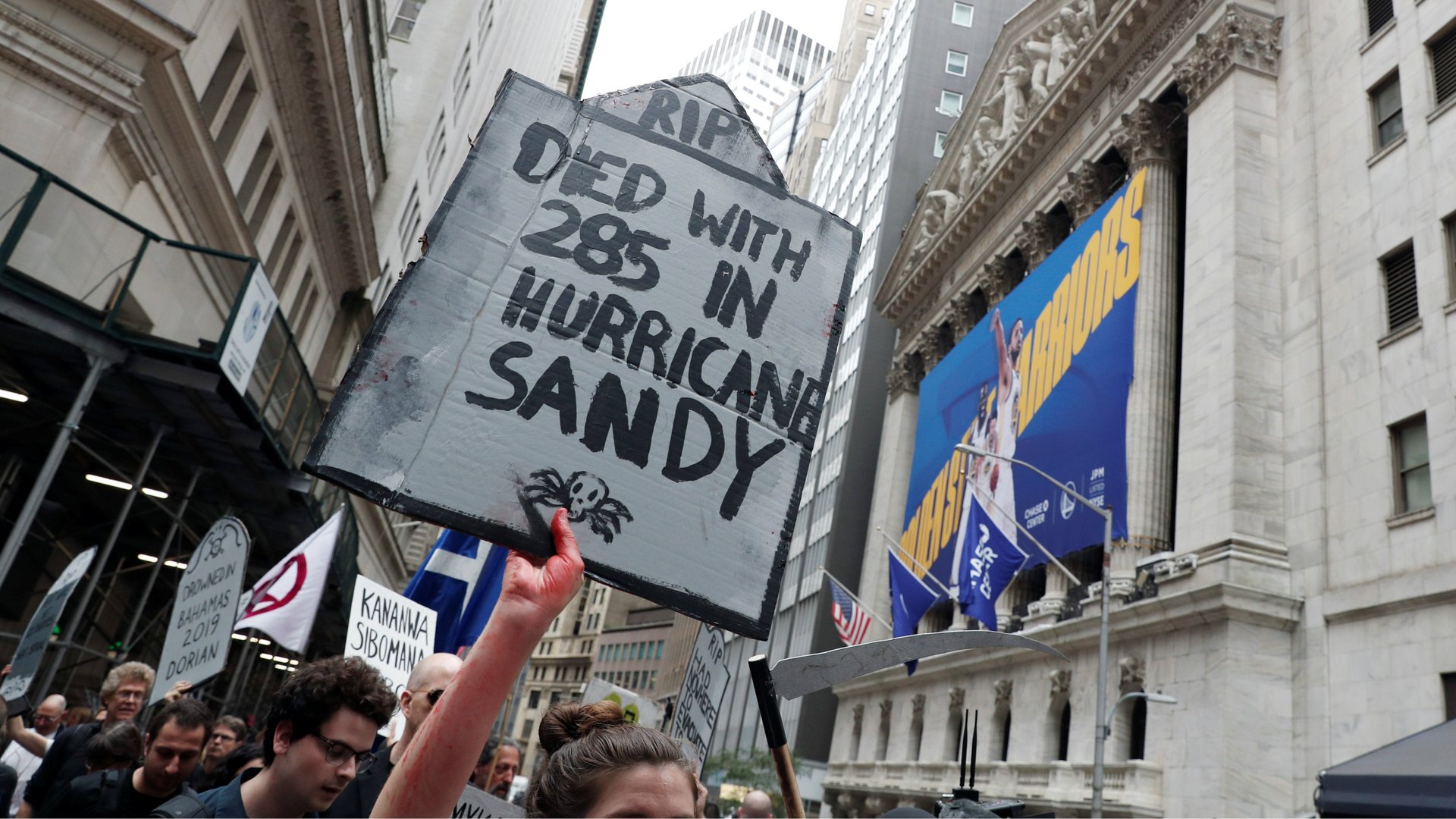
BlackRock, the world’s biggest asset manager, is under pressure from activists to block funding for companies that contribute to climate change. Protestors have also taken aim at the New York Stock Exchange, the world’s largest by market capitalization of the firms listed there. Should these financial titans that serve as conduits between investors and companies be the ones to decide who gets funding?

A week after Visa bought Plaid, a Silicon Valley upstart, for an eye-popping $5.3 billion, a Swedish firm called Tink has topped up its war chest. The tech companies are competing to build the dominant networks for connecting financial institutions, whizzy apps, and consumers to each other.
Visa’s $5.3 billion acquisition of Plaid, one of Silicon Valley’s hottest startups, came after conversations between the companies’ executives intensified in late 2019. But the idea had been planted long before, with discussions at the highest ranks of the largest US card network that go back more than a year.
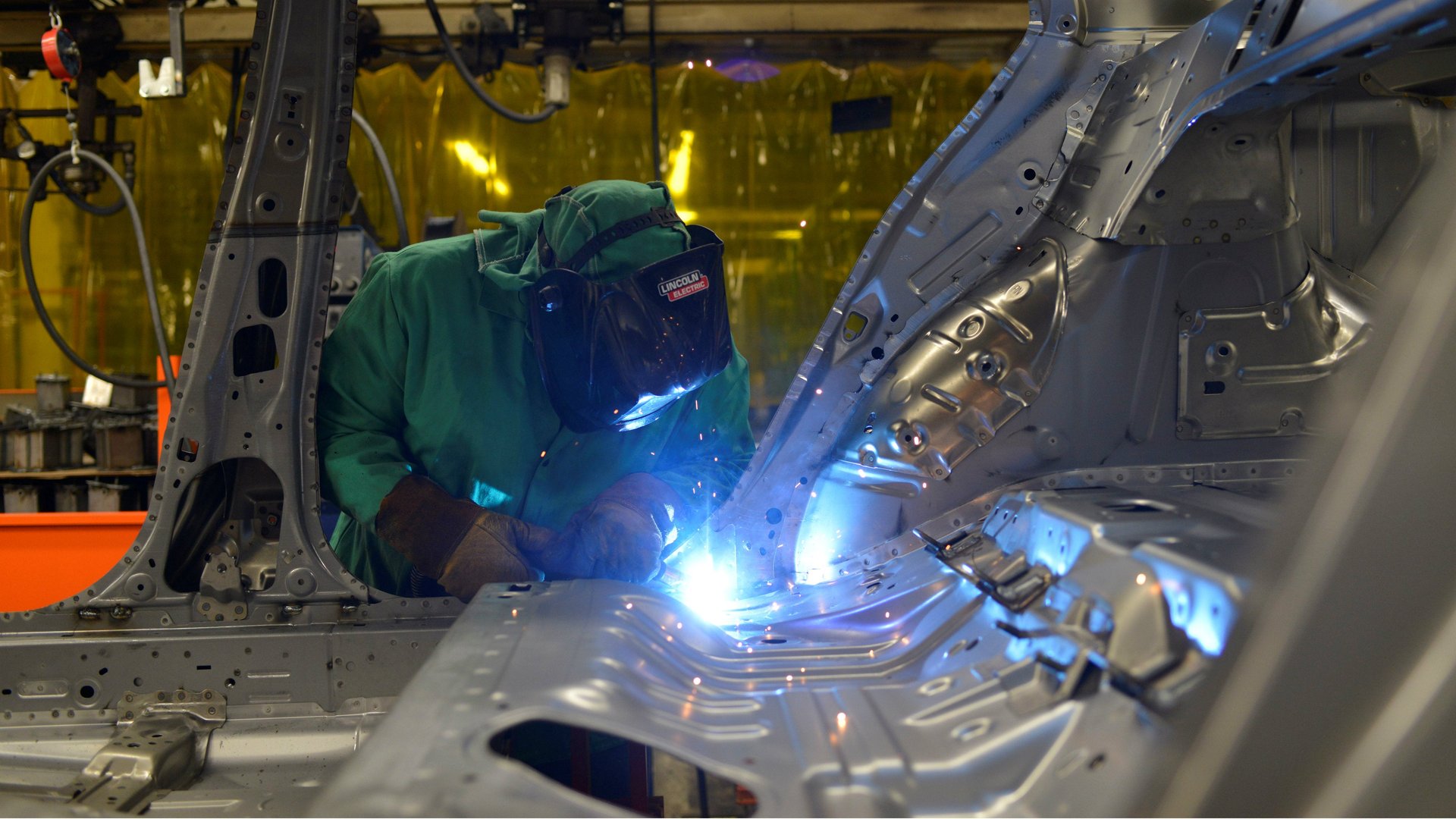
A measure of US bank lending is showing signs of stalling, suggesting the American economy could face headwinds in 2020.

Sometimes it’s not the deed but the coverup. Demonstrators in Tehran are calling for accountability after Iranian officials admitted shooting down an Ukrainian jetliner, killing everyone aboard, reversing their initial denials.

The Philippines raised the alert level for the Taal Volcano after it spewed a multi-kilometer high column of smoke and ash, prompting officials to close a Manila’s international airport and call for the evacuation of some 8,000 residents. Lava began flowing early on Monday, and authorities said a dangerous eruption was possible in days or even hours.
Companies around the world have racked up an immense amount of debt. One worry is that these borrowers could default on some part of the $3 trillion in risky borrowing, setting off a wave of losses for banks and investors. The other worry is that officials aren’t sure who exactly owns a sizable swath of this debt.
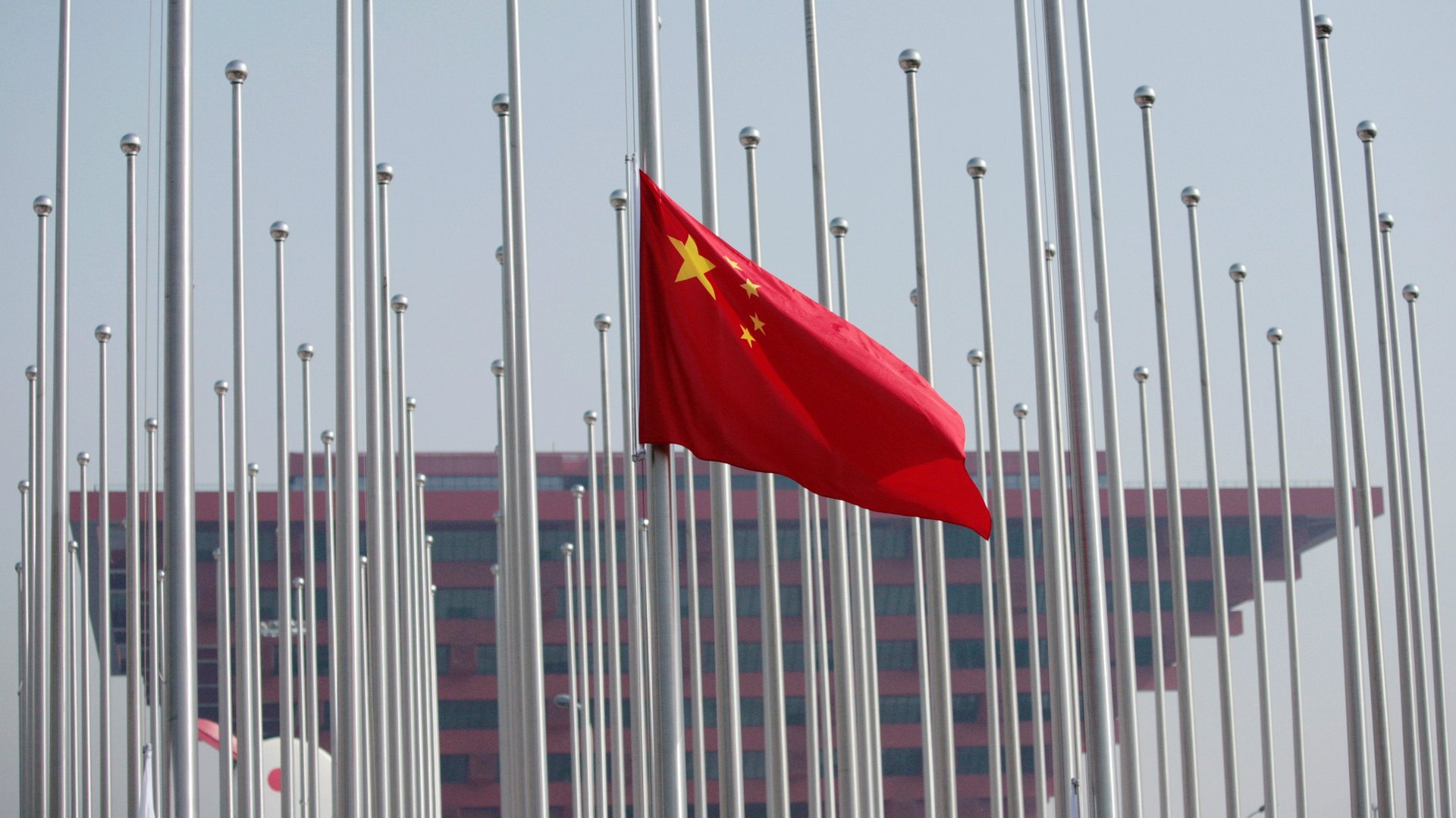
Wall Street has been trying to get a piece of China’s financial market for decades, with false starts going back as far as 1995. Fraser Howie, who was involved in one of the earliest ventures, thinks this time could be different.
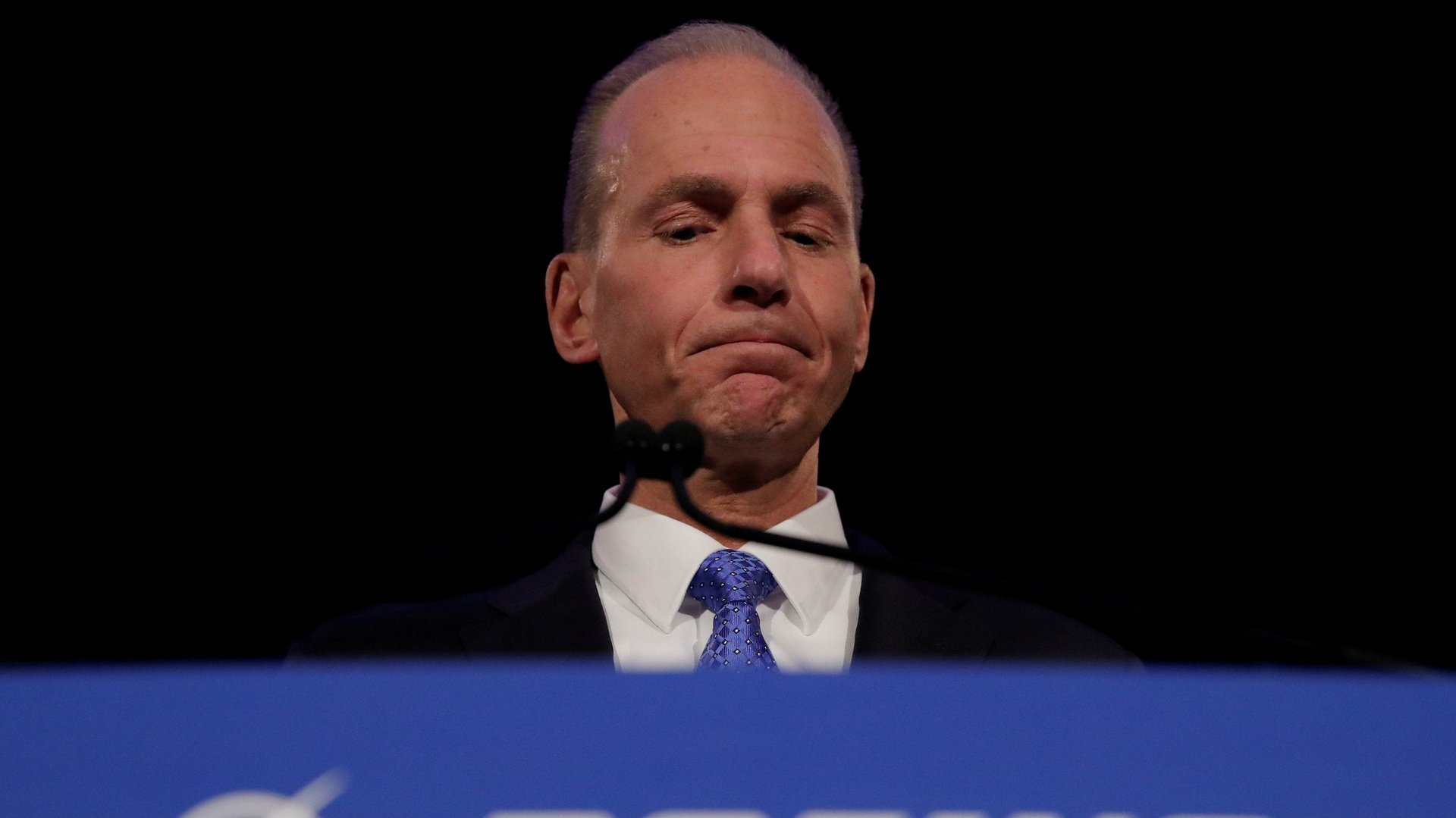
Boeing CEO Dennis Muilenburg is out. The aerospace company’s boss is resigning as the firm reels from the crisis caused by crashes of its 737 MAX jetliner. David Calhoun, a board member and executive at private-equity firm Blackstone, will replace the embattled Boeing chief.