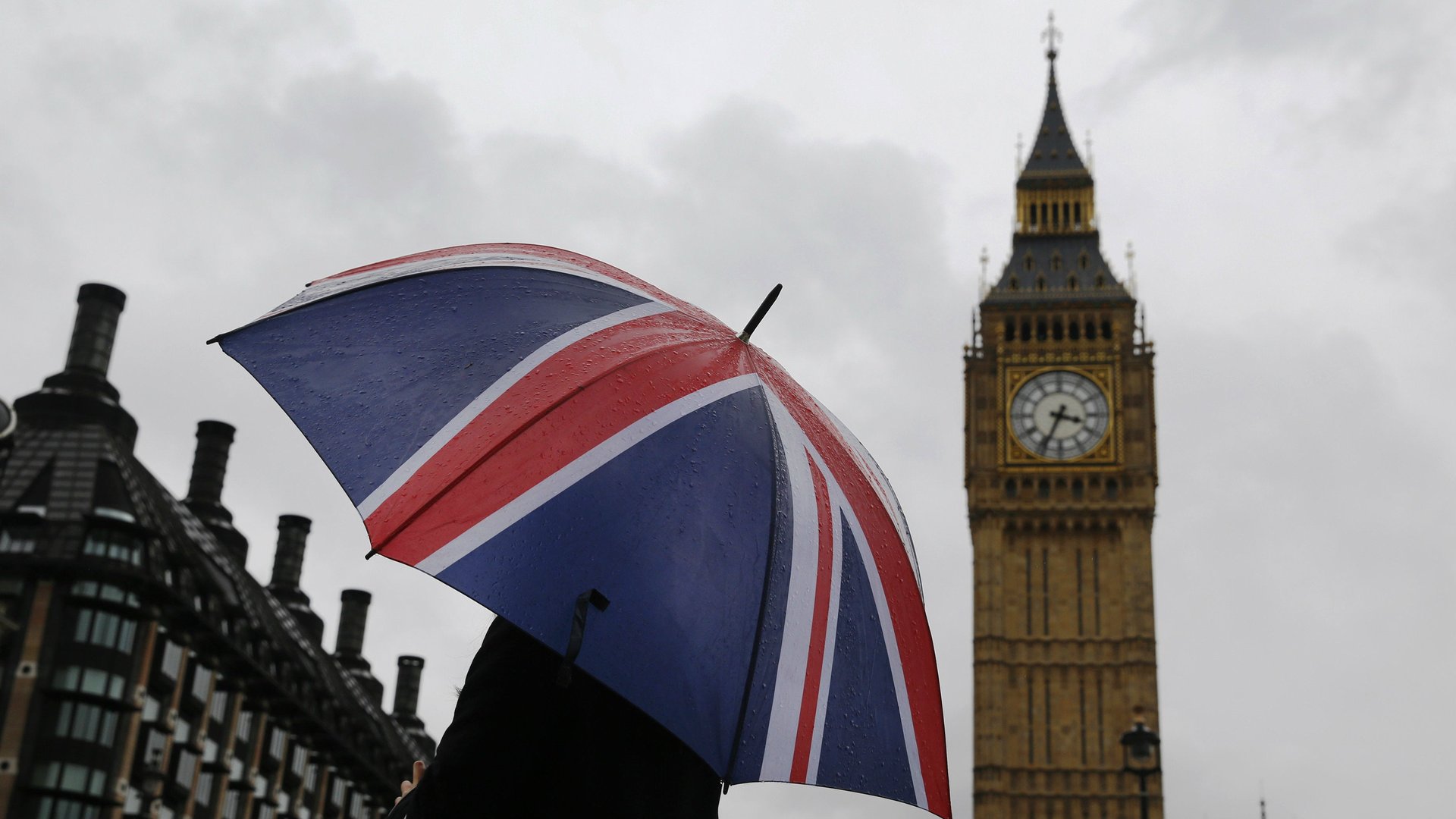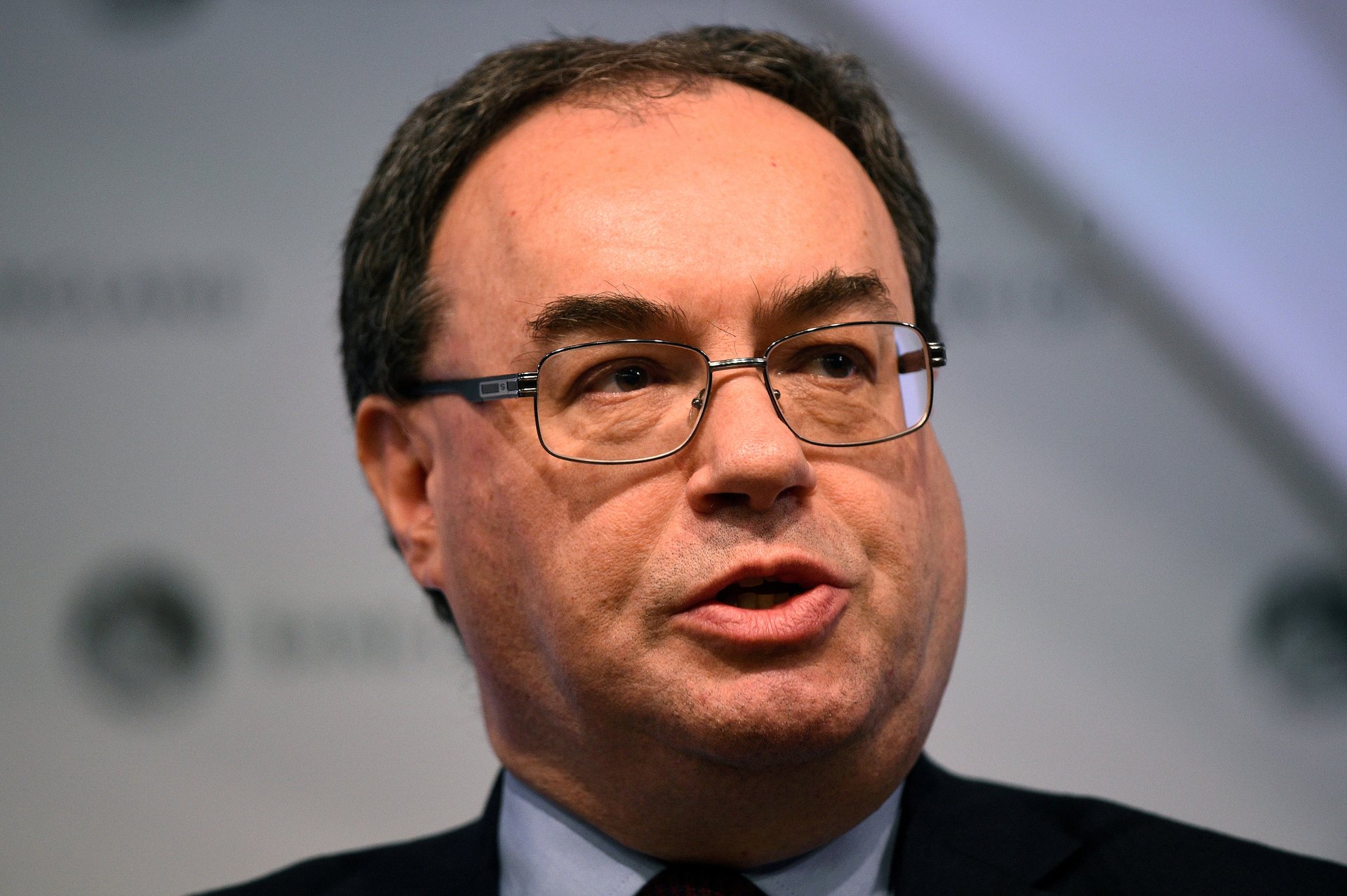
Andrew Bailey will become the next governor of the Bank of England, making him the 121st person to lead the central bank. Or, more precisely, the 121st man to hold the role.

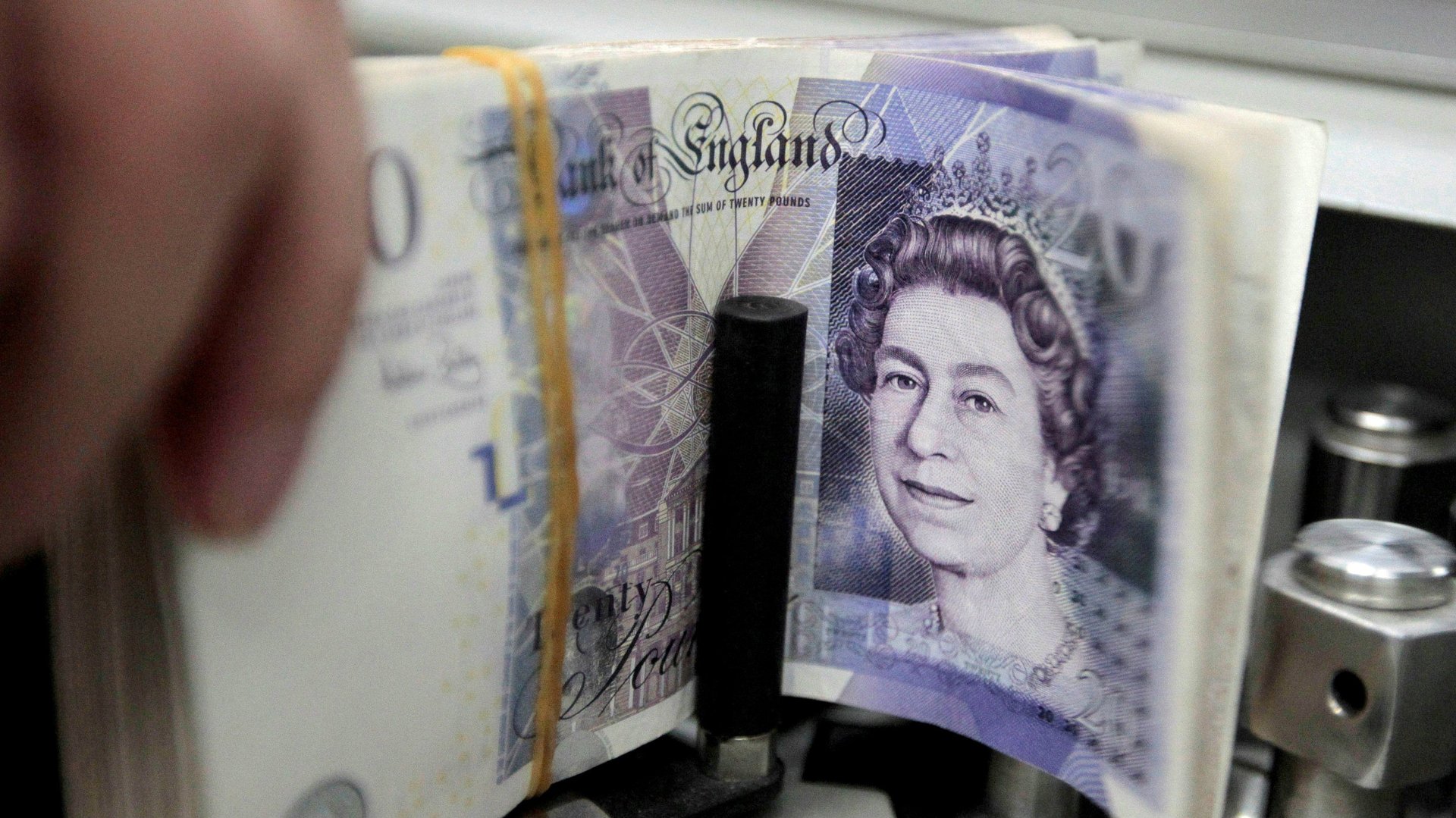
Andrew Bailey will become the next governor of the Bank of England, making him the 121st person to lead the central bank. Or, more precisely, the 121st man to hold the role.

Robinhood, famous for offering zero-commission stock trading, was fined in the US for failing to make sure its customers were getting the best deal on their orders.

Thanks to smart phone apps like Alipay and WeChat Pay, hundreds of millions of Chinese have quick and easy access to financial services. Those offerings are becoming increasingly sophisticated: For the first time, ordinary Chinese investors will also have access to watchdog-approved financial advice.

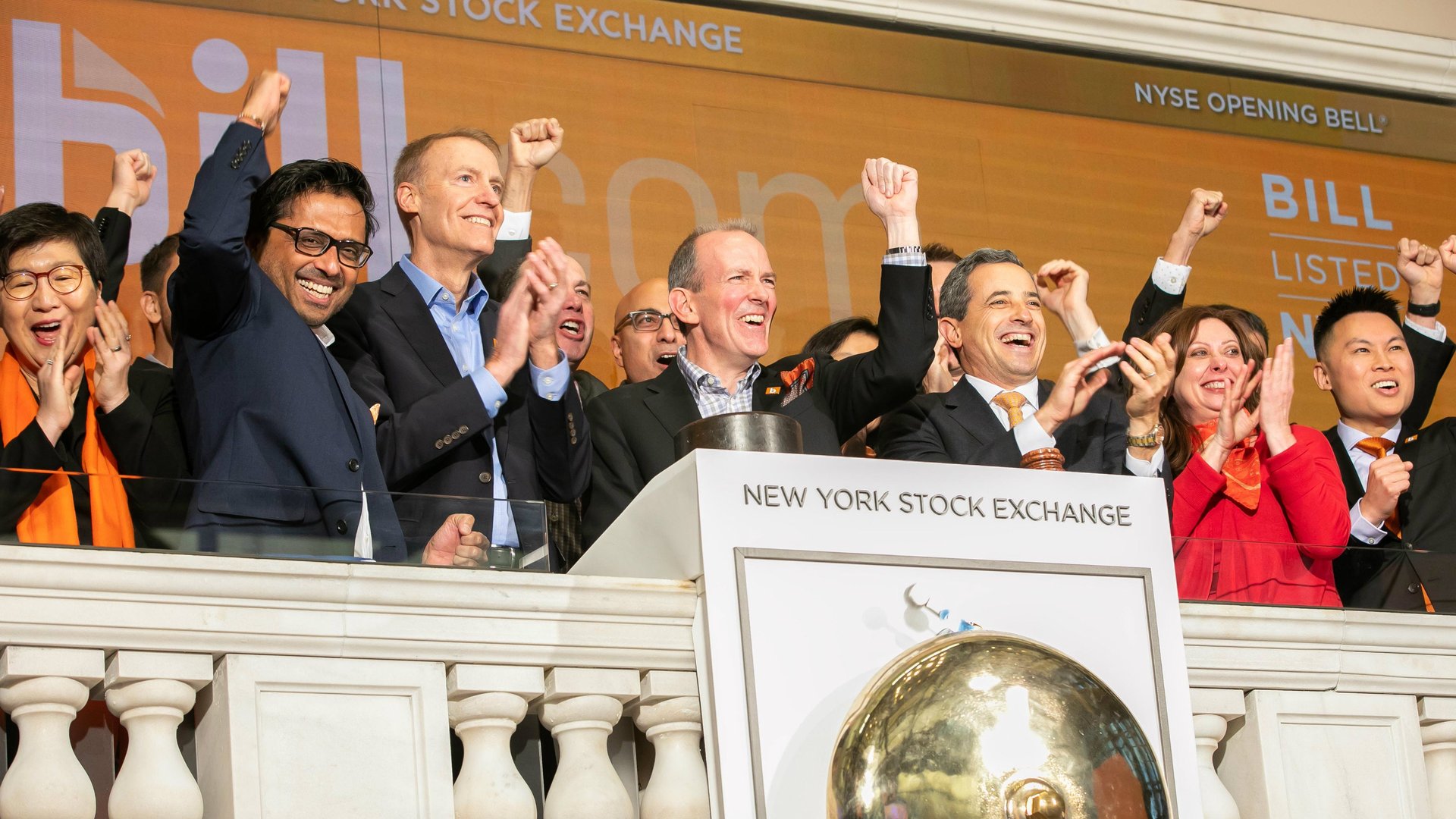
IPO judgment day hasn’t been kind to some tech companies this year, as the likes of Lyft, Uber, and Slack have sagged since braving the public markets. Bill.com’s listing, however, has been far more successful.

As the US brokerage industry tumbles deeper into turmoil, there are signs that a similar price war is brewing in Britain.

Forget unicorns—Stripe is the fintech world’s $35 billion gorilla.

Early last year, Nubank CEO David Vélez was reading about a financial miracle in China where, thanks to a few smartphone apps, nearly a billion people now have a vast array of ways to manage their money. Vélez was so impressed that he and some team members took a trip to China to see this increasingly cashless society for themselves.

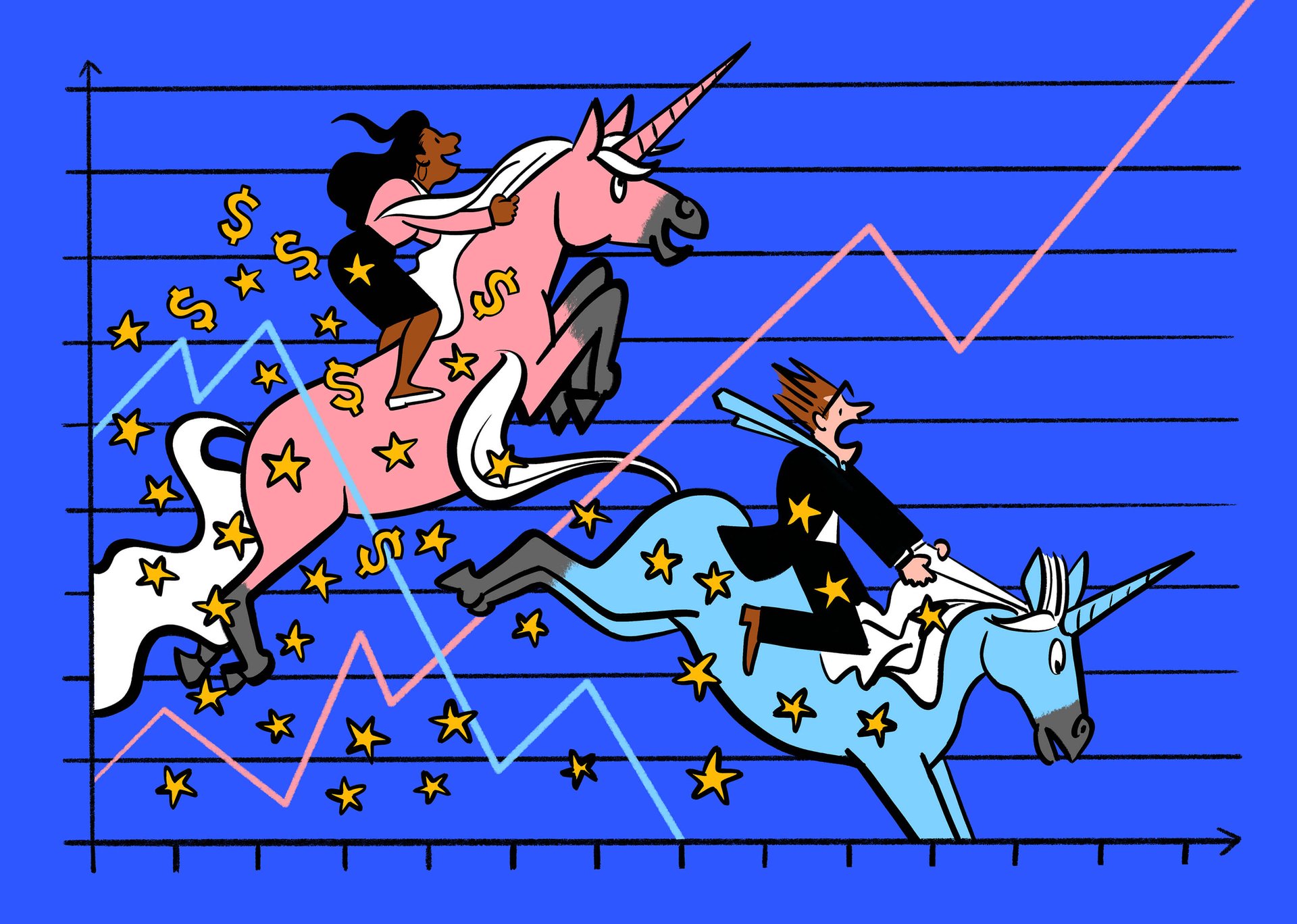
There are too many unicorns. That is what the founder of one of Europe’s highest-valued fintech unicorns told me on the sidelines of Web Summit, a conference in Lisbon where some 70,000 delegates were hoping unicorn dust would rub off on their own endeavors.

Robinhood, the Silicon Valley startup that operates a commission-free trading app, is opening up a waiting list for customers in Britain. The fintech’s cut-rate fees for trading stocks, options, and crypto have roiled the securities brokerage industry in the US, and it’s looking to add to its more than 6 million customers by expanding internationally.

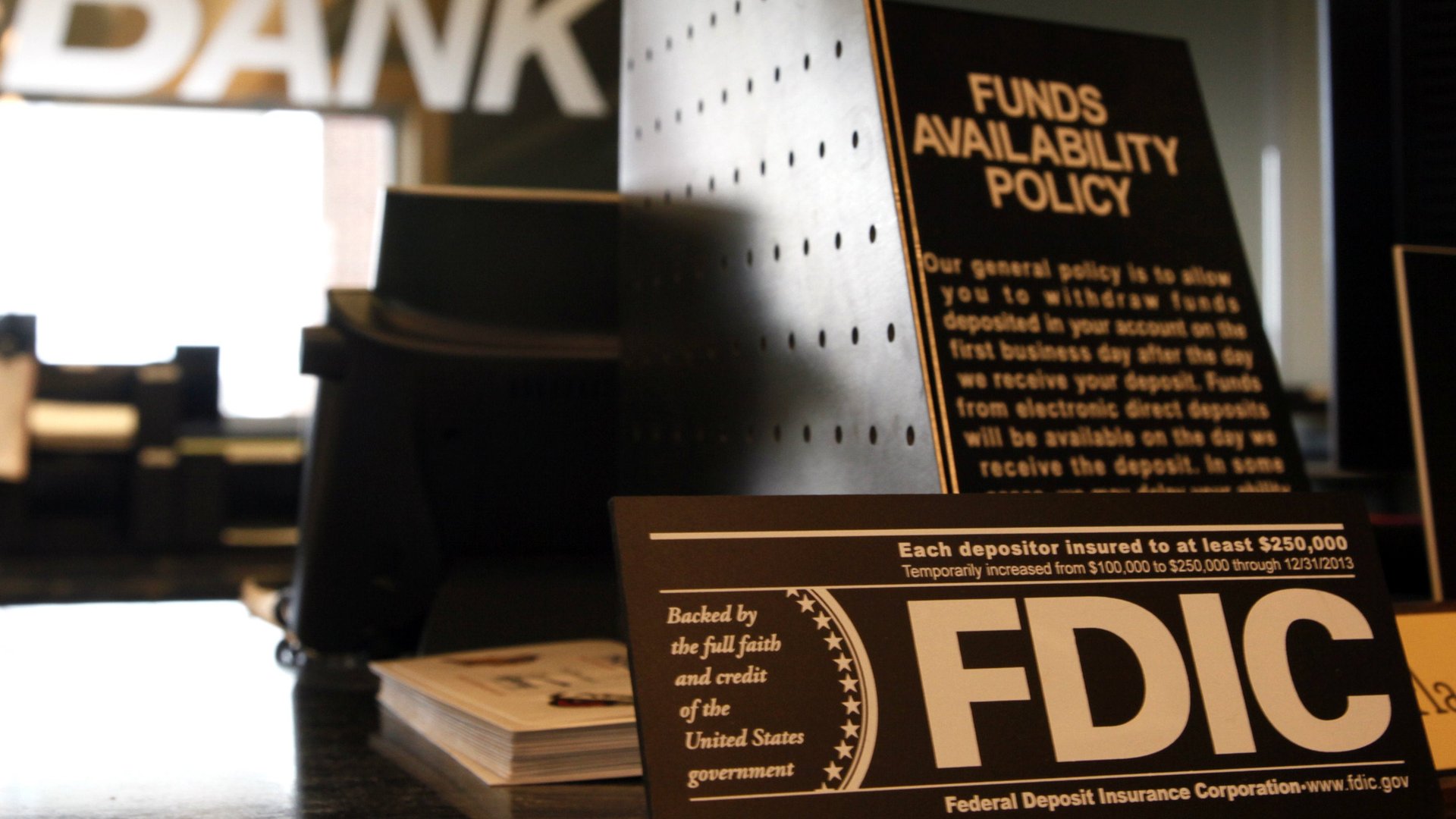
Three small US banks have failed in the past few weeks, making it four busted lenders so far this year. That marks a turnaround from 2018, when no American banks collapsed, one of only three years since 1933 without a single bank failure (the others were 2005 and 2006).

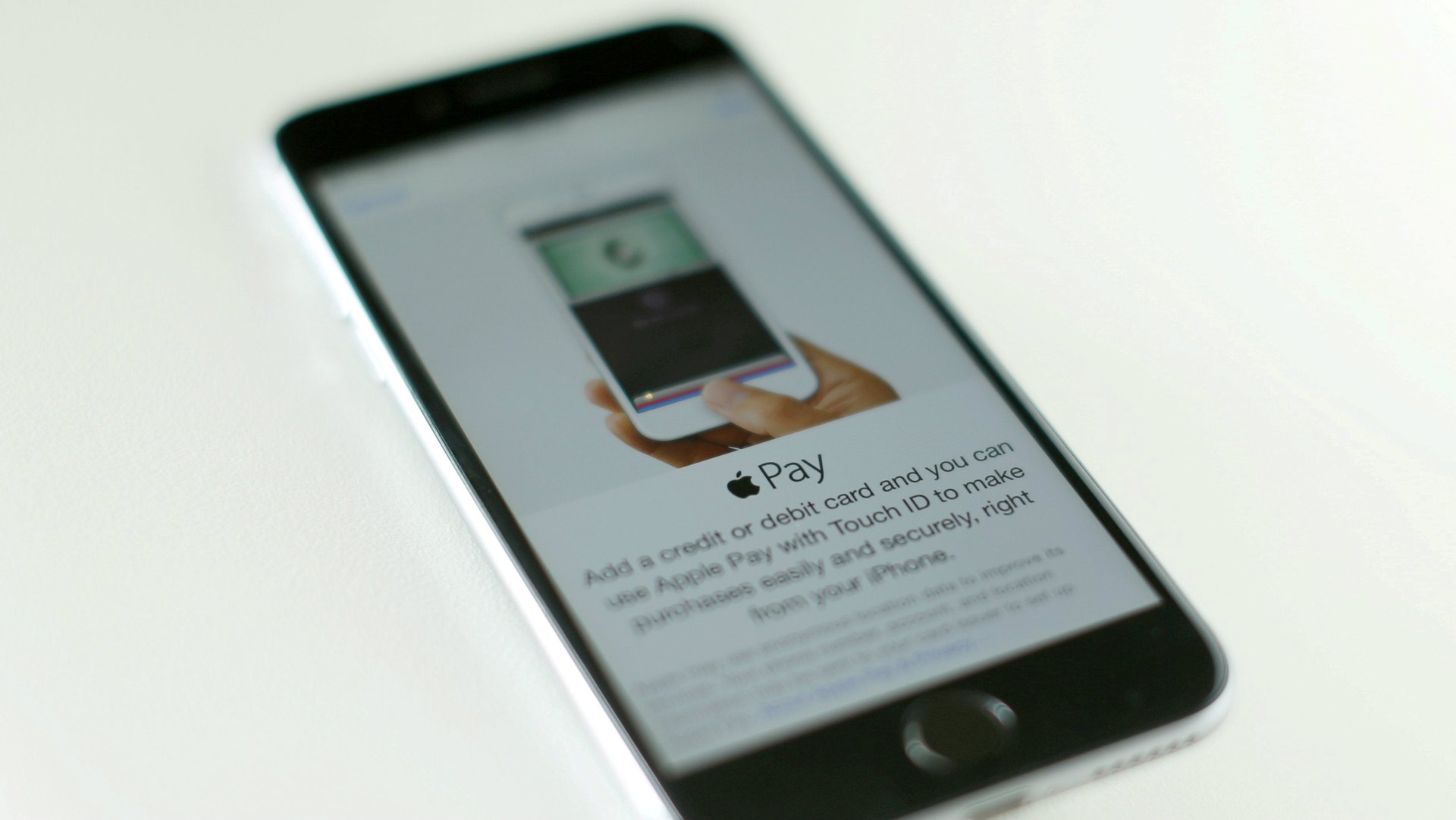
Apple is facing growing pressure from European officials to open up access to a key payment technology used on its devices. As the iPhone maker seeks to keep a grip on the chip, which is vital to its Apple Pay service, the American tech giant is reportedly getting an assist from US diplomats.

Facebook, one of the world’s most valuable and profitable advertising companies (it also runs a social network), is making a major push into payments. But even as it drives deeper into commerce and digital transactions, Facebook is likely to rely on ads as its main money-maker for the foreseeable future.

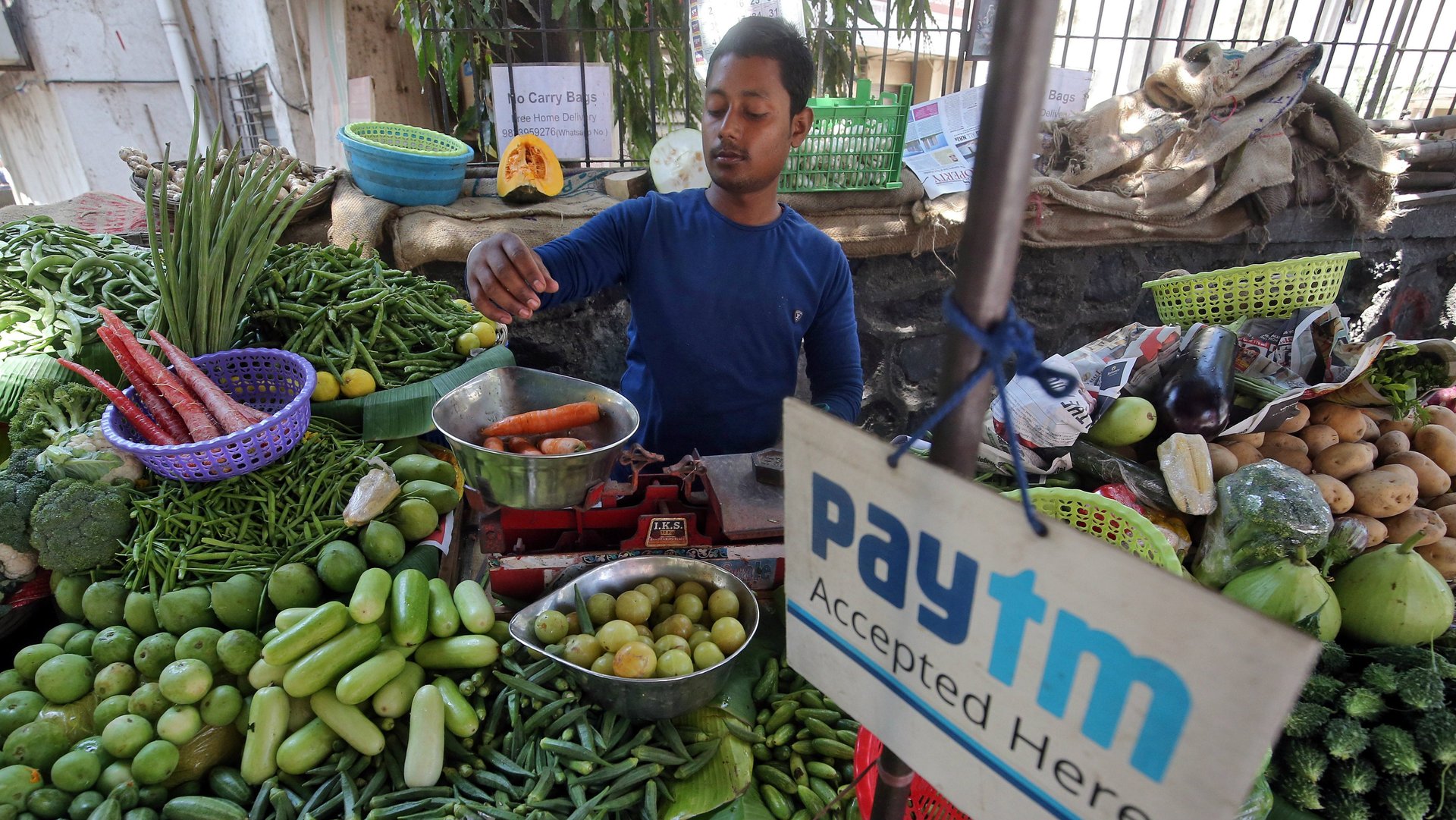
Cashless payments are taking off in India, growing faster than in other countries around the world. The shift has attracted a host of tech companies, backed by deep-pocketed foreign investors, battling for market share.

The UK is a frontrunner in the shift to instant digital payments. Now, Britain’s parliament thinks certain transactions may need to slow down to guard against fraud. It is a sign of things to come in other countries, such as the US, that are trying to speed up their aging payment systems.

For foreigners visiting China, paying for things in the country’s increasingly cashless society has been a major frustration. Now, visitors will be able to shop like locals: with an app on their phone.

Imagine you’re walking down your city’s main street. If you’re 35 years old, there are cafes, shops, and banks. But if you’re 56 years old, the banks are missing.

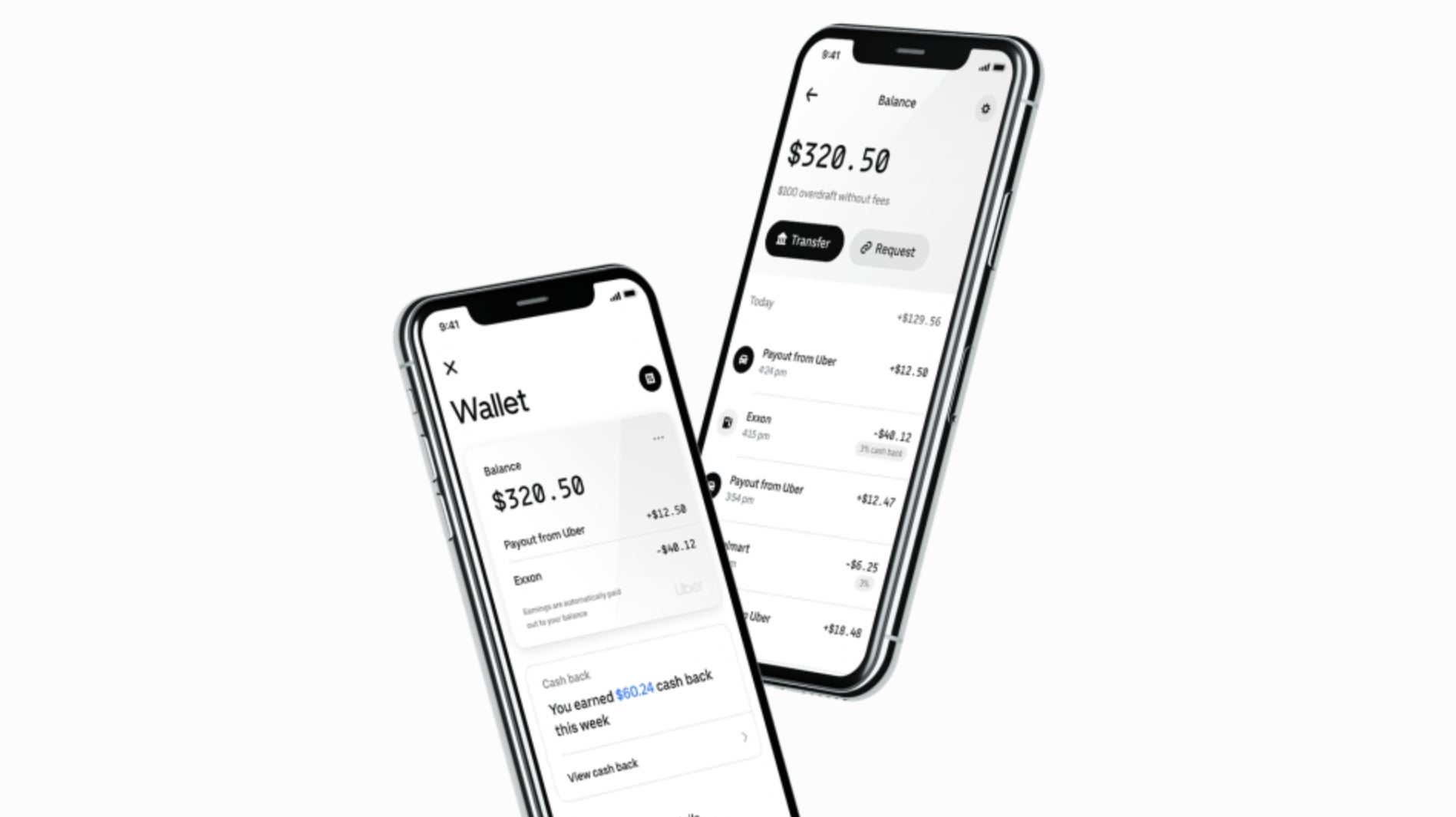
Uber is driving further into financial services. So far, the stock market signals that investors aren’t impressed.

As digital banking startups catch on around the world, Nubank has taken a commanding lead when it comes to app downloads. The Brazilian company’s rapid growth shows the promise of mobile banks in developing markets, where much of the population doesn’t have adequate financial services.

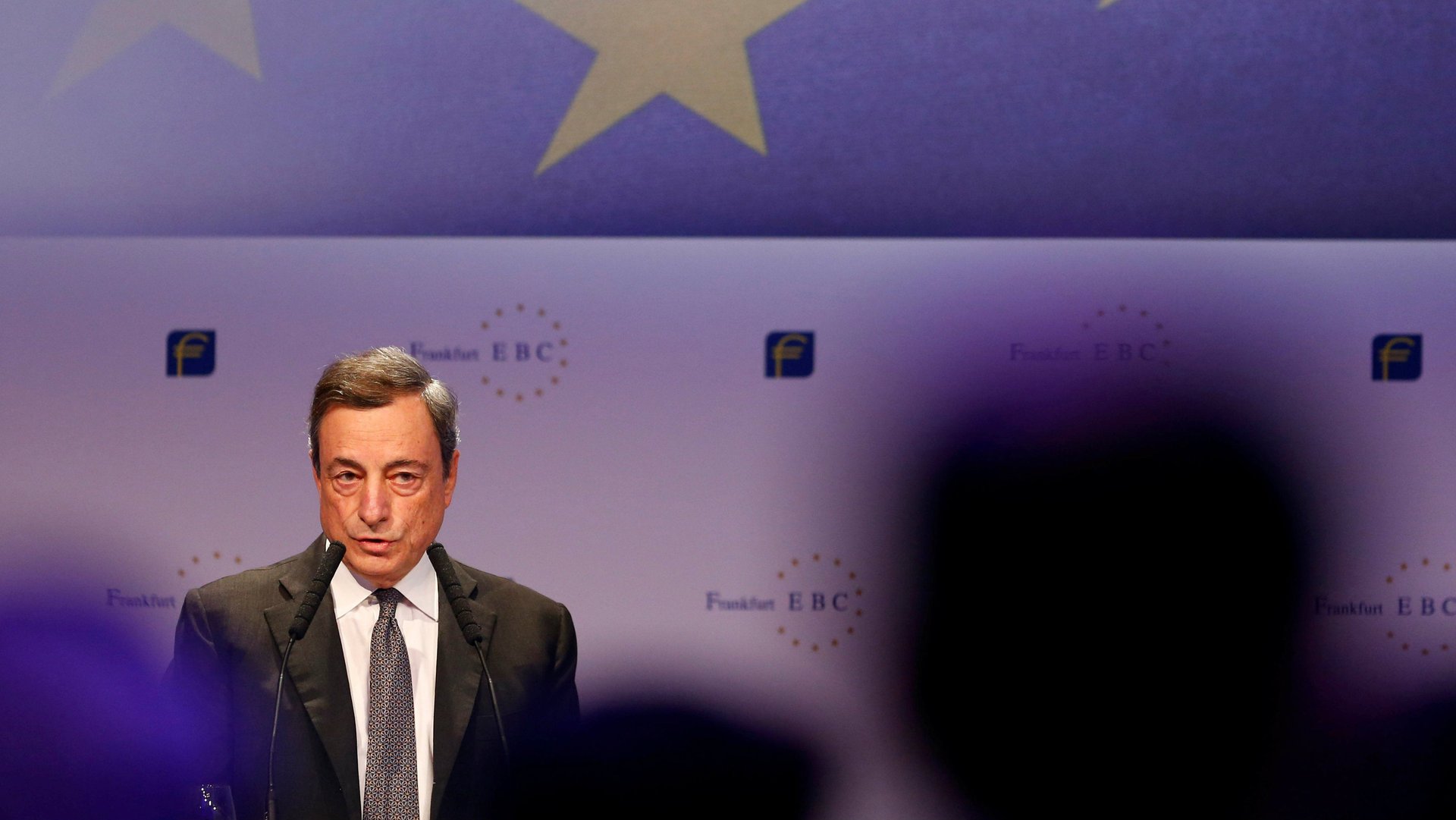
The president of the European Central Bank may be the most powerful official in the euro zone. Even as the bloc remains deeply fragmented along national lines, the head of the central bank is able to project sweeping, decisive influence across the continental economy. The bank and its chief show what is possible when Europe is actually unified.

Mastercard and Visa have been battling each other for market share for decades. These days, their competition is increasingly taking place via fintech startups.

Bigger is better. That was the theme of the third quarter for major US banks, which reported their latest earnings this week.

Venture capitalists have poured billions of dollars into digital bank startups, and at least one more megadeal is expected before this year is over. Questions are being raised, however, about whether this fintech craze is another quixotic quest for market share that burns cash but doesn’t generate much profit in return.

The number of bank branches in the US is on the decline. Thanks to community banks, however, places with relatively small populations have been able to buck the trend and hold onto their local bank.

The British pound jumped to its highest level in five months as news emerged that the UK and EU had reached a divorce deal. Traders may not have long to celebrate, however, as it’s still highly uncertain whether the British parliament will approve the Brexit agreement when it meets on Saturday.