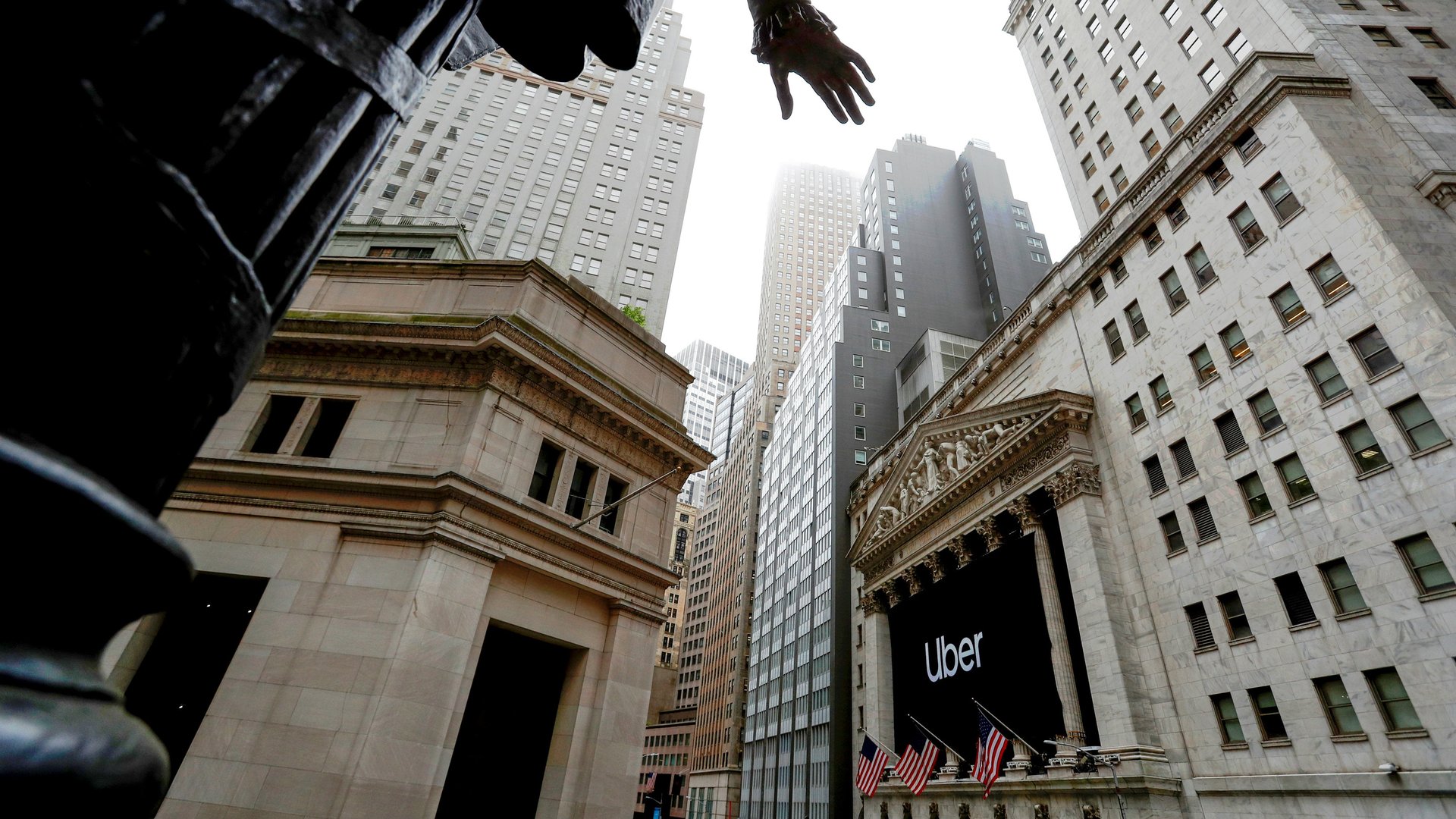
Venture capitalists aren’t the only ones feeling the tech unicorn hangover. On Wall Street, Goldman Sachs also disclosed a headache today: the investment bank reported a 40% drop in revenue from the unit containing its Uber stake.

Venture capitalists aren’t the only ones feeling the tech unicorn hangover. On Wall Street, Goldman Sachs also disclosed a headache today: the investment bank reported a 40% drop in revenue from the unit containing its Uber stake.

Three economists have won this year’s Nobel prize in economics for their work on fighting poverty. In the past two decades, Abhijit Banerjee, Esther Duflo, and Michael Kremer’s “experiment-based approach has transformed development economics,” according to a statement (pdf) from The Royal Swedish Academy of Sciences.

Eliud Kipchoge became the first man ever to break the 2-hour marathon barrier yesterday, after rocketing around a course in Vienna in 1 hour 59 minutes and 40 seconds. The superhuman feat was assisted by a team of 42 other runners, representing some of the best athletes in the world.

When it comes to mobile wallets, Apple is the $1 trillion elephant in the room.

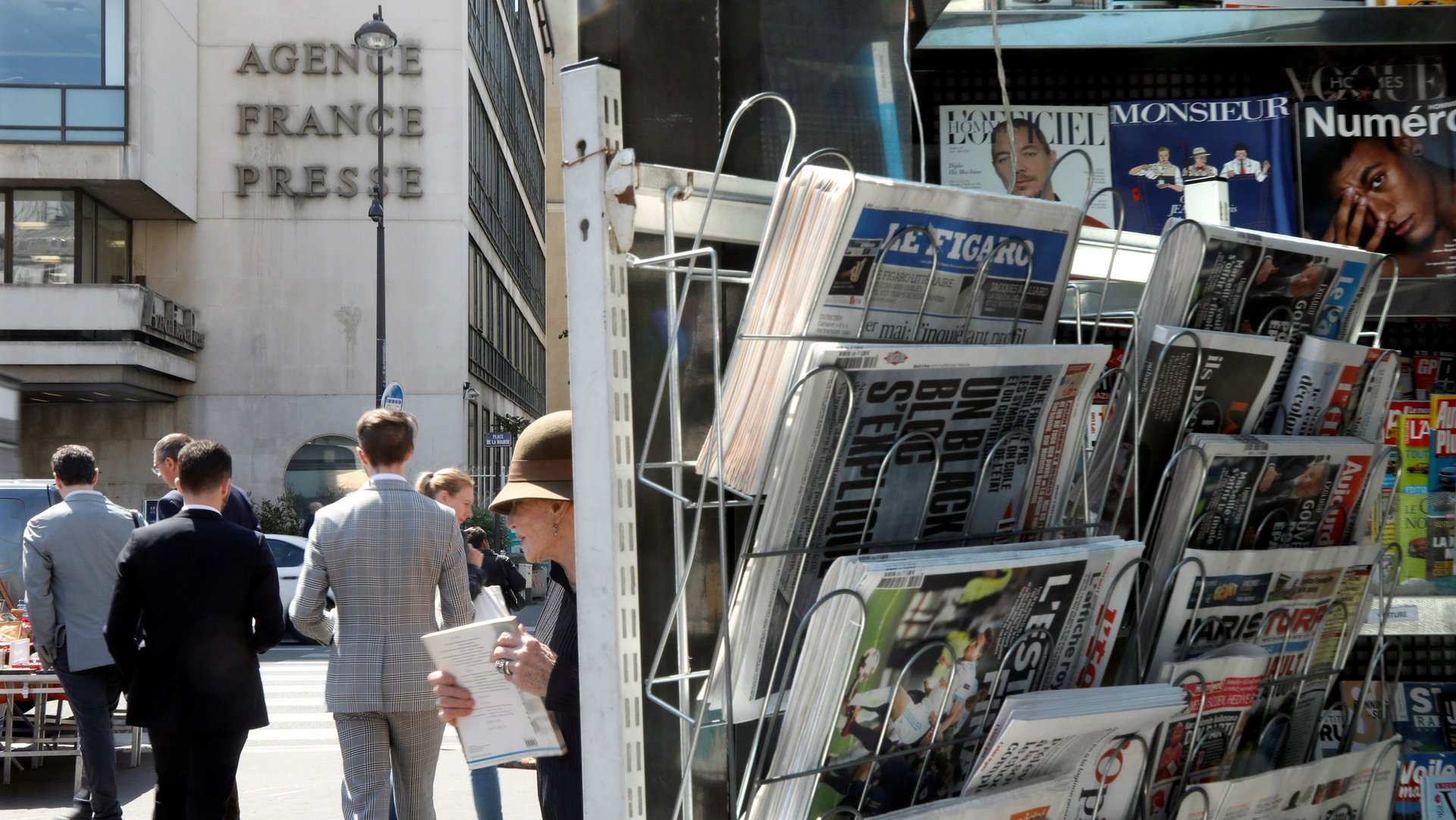
Negotiations over the UK’s divorce from the EU intensified over the weekend, as officials huddled in Brussels to make a possible compromise. But you wouldn’t necessarily know that from what the main news sites of continental Europe featured on Sunday morning. (Links below in local languages.)

Facebook and the rest of its family, notably Instagram and WhatsApp, are the most popular apps in the world. But in Denmark, where digital transactions are deeply entrenched, a payment app called MobilePay has taken the top spot as the most “indispensable” on smartphones, according to a survey by AudienceProject.

Companies like Amazon and Microsoft that offer cloud computing services are becoming systemically important pillars of the financial system. Does that mean they should undergo the kind of regulatory scrutiny that banks receive?

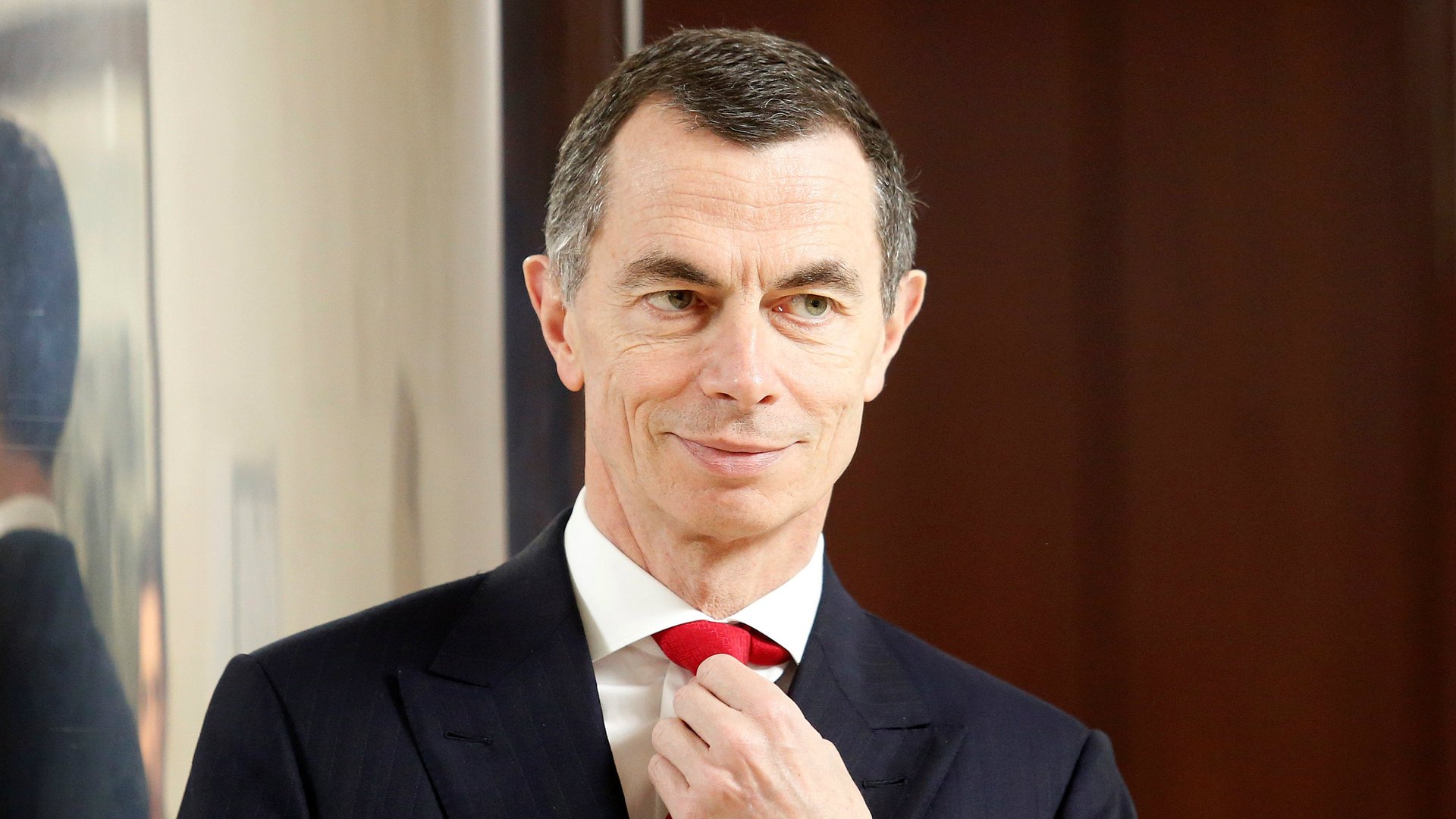
The head of one of Europe’s biggest banks says (paywall) his peers should stop moaning about negative interest rates, which are seen as squashing profits for the region’s big lenders. “The banks in Europe are here to finance the economy,” said Jean Pierre Mustier, the president of the European Banking Federation (EBF) and chief executive of UniCredit.

Charles Schwab is slashing the fees it charges on some stocks, funds, and options to zero—news that set off a minor earthquake among stock prices for online brokerage companies. But whether Schwab’s brokerage is actually free for its customers is less straight forward than it sounds.

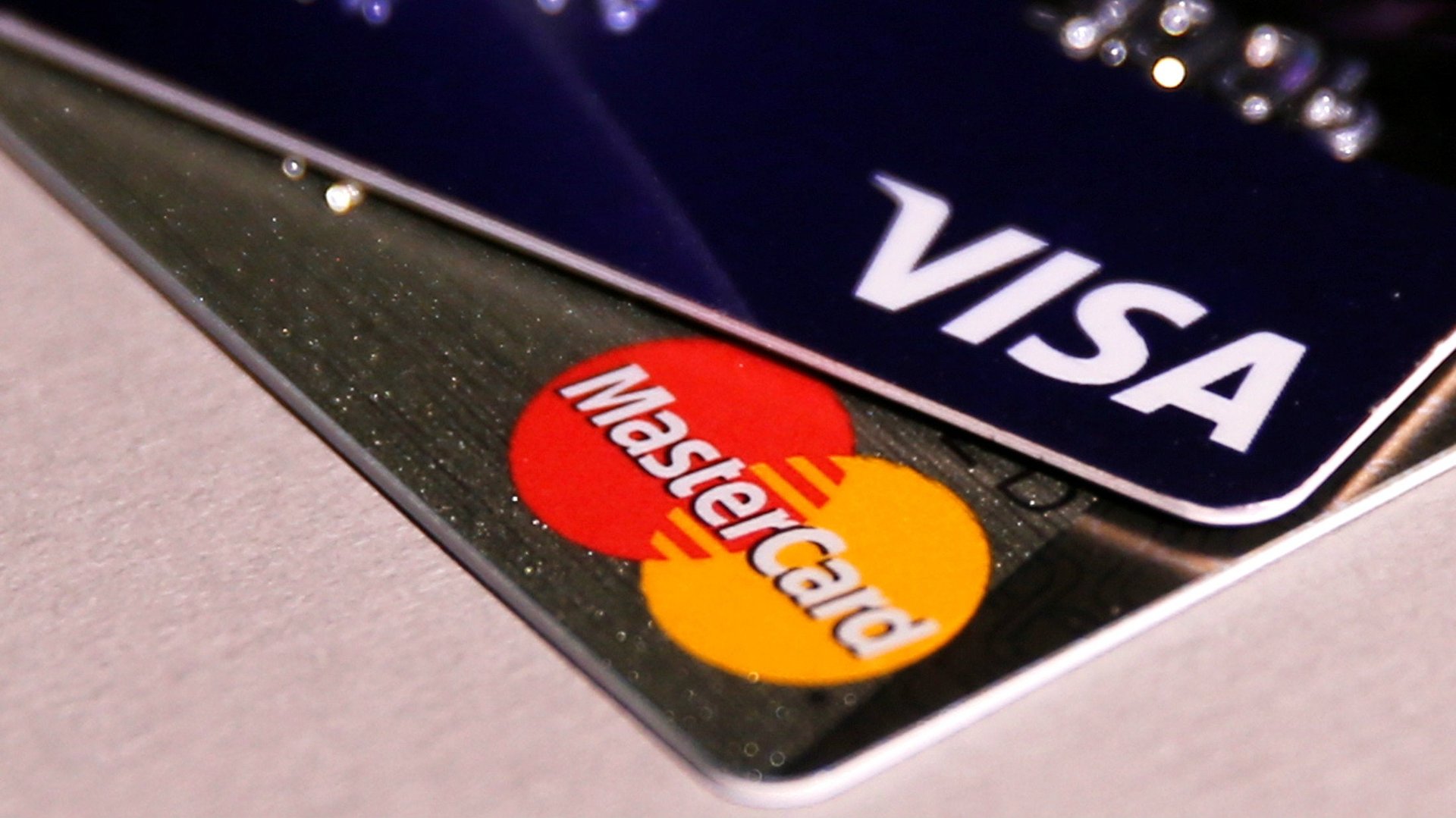
Visa got off to a slow start in the fintech scene. Its recent deal with Revolut reveals one of the ways it hopes to catch up.

Payments generated a whopping $1.9 trillion of revenue last year, according to research from McKinsey. As digital transactions displace those using cash, financial companies in Asia Pacific took home more of that money than almost all other regions combined.

Trading, whether under a buttonwood tree on Wall Street in the 18th century or in a New Jersey data center in the 21st, has always been about making quick calculations. But these days, getting an edge requires the most talented mathematical brains, which are in high demand from Silicon Valley to Singapore.

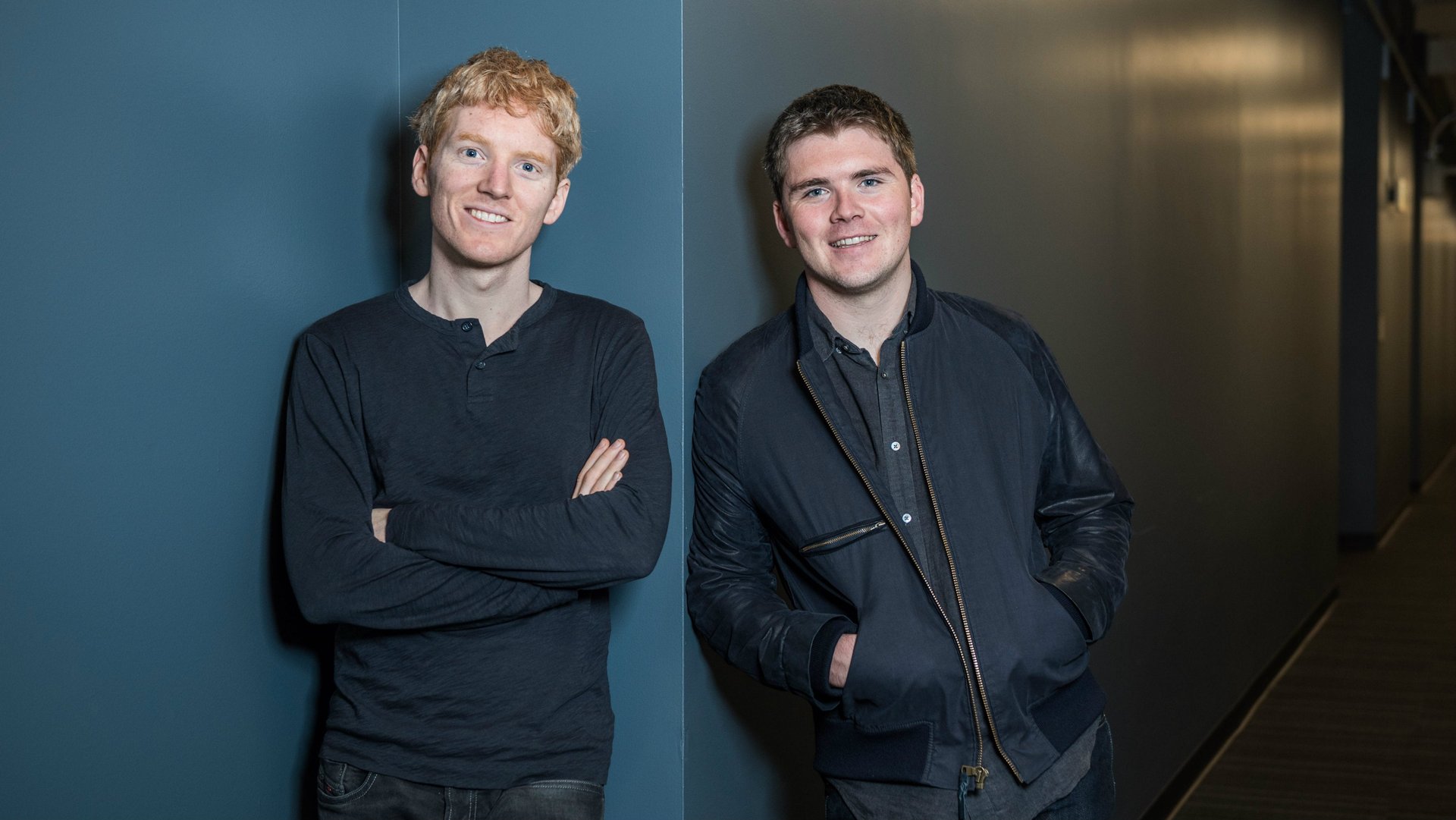
Stripe, a Silicon Valley payment company, has leapt into the big leagues of valuations among private tech companies. Along the way, its meteoric rise has left many other payment and financial companies in the dust.

Ever since Britons voted to leave the EU, one of the biggest worries has been what will happen to the UK’s prized role as a preeminent global hub for trading. So far, when it comes to the $6.6 trillion-per-day market for currencies, London is increasing its lead versus New York and other global centers.

The Hong Kong Exchange’s surprise offer to acquire London Stock Exchange Group is perhaps the boldest takeover ever in the exchange business. And if the industry’s graveyard of past acquisition efforts is any indication, the £32 billion ($40 billion) deal will face a firestorm of political scrutiny.

Selling The Big Issue on the streets of London is difficult when fewer people are carrying cash in their pockets. That’s why the magazine, which helps homeless and other vulnerable people start their own micro-enterprises, is equipping its vendors with payment card readers across the UK.

Is the US economy headed for a downturn? Investor confidence has taken a hit, as the trade war between the US and China causes global markets to gyrate. Earlier this summer the Federal Reserve took steps to goose economic growth amid worries that the expansion was cooling.

It may seem like the financial industry has settled down since the financial crisis, but it is still being reshaped by deep, persisting undercurrents. The big banks continue to adapt to regulatory changes making them less profitable. And just when it looked like Big Tech was fearful of the moat of rules and restrictions surrounding the financial industry, Facebook unveiled its own cryptocurrency. Venture capital firms, meanwhile, have been pouring money into the field, hoping to break into one of the last remaining endeavors that hasn’t been disrupted by tech. Deal makers like Evercore are mounting a serious challenge to top-tier banks by hiring the most talented, connected bankers alive. It’s been a wild ride and it’s only just getting started.

America’s biggest banks are used by hundreds of millions of people. A digital startup bank is hoping to challenge these incumbents by scooping up the next generation of customers before the titans can get to them.

On this Quartz membership conference call, finance editor Jason Karaian and reporter John Detrixhe discussed the future of banking, the subject of this week’s Quartz field guide.

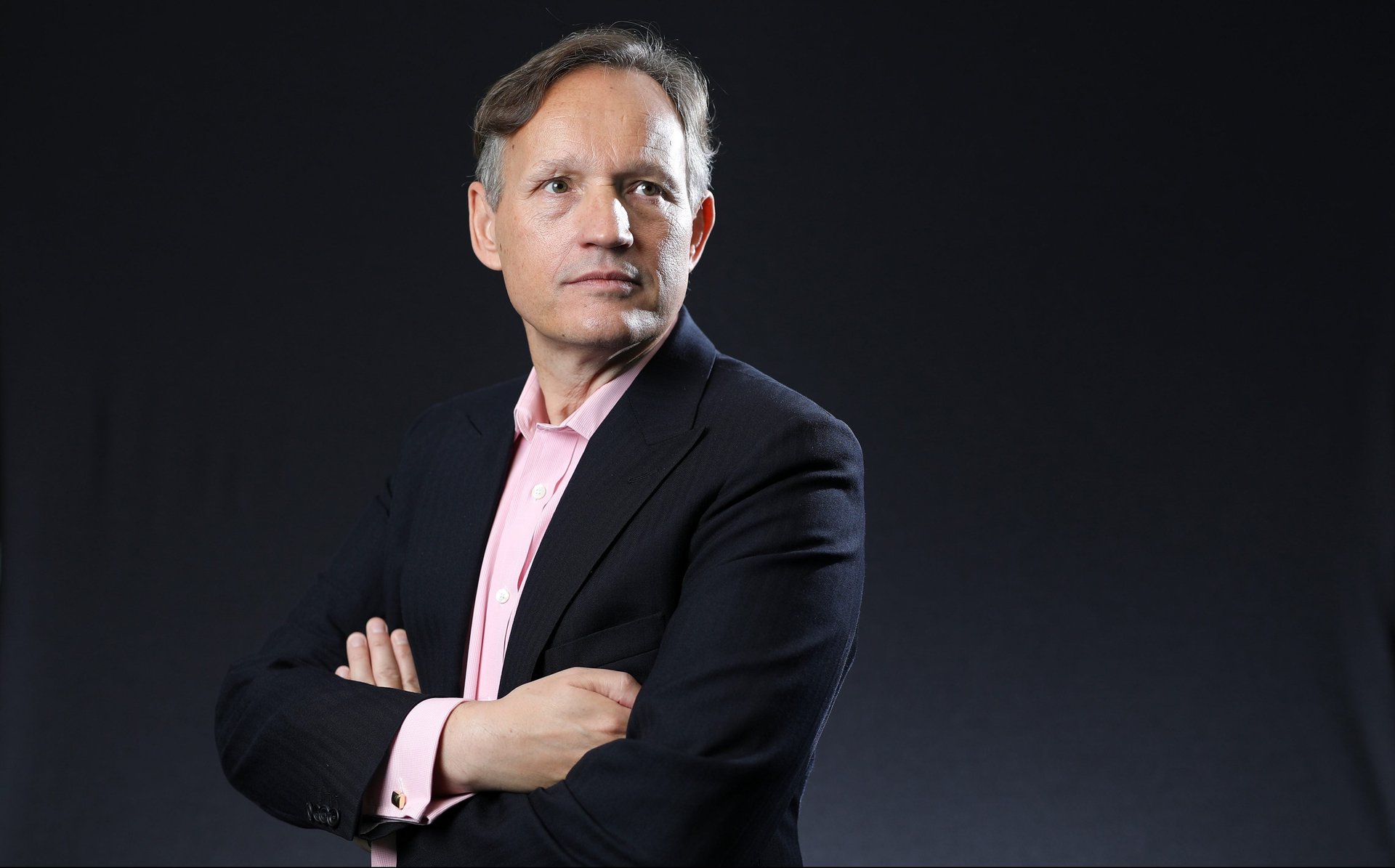
In late 2015, Antony Jenkins said the banking industry was approaching its “Uber moment.” The former Barclays CEO predicted that major, established lenders could be forced to cut as much as half their workforces and bank branches in the coming decade. He said that a group of new banks would become well known brands.

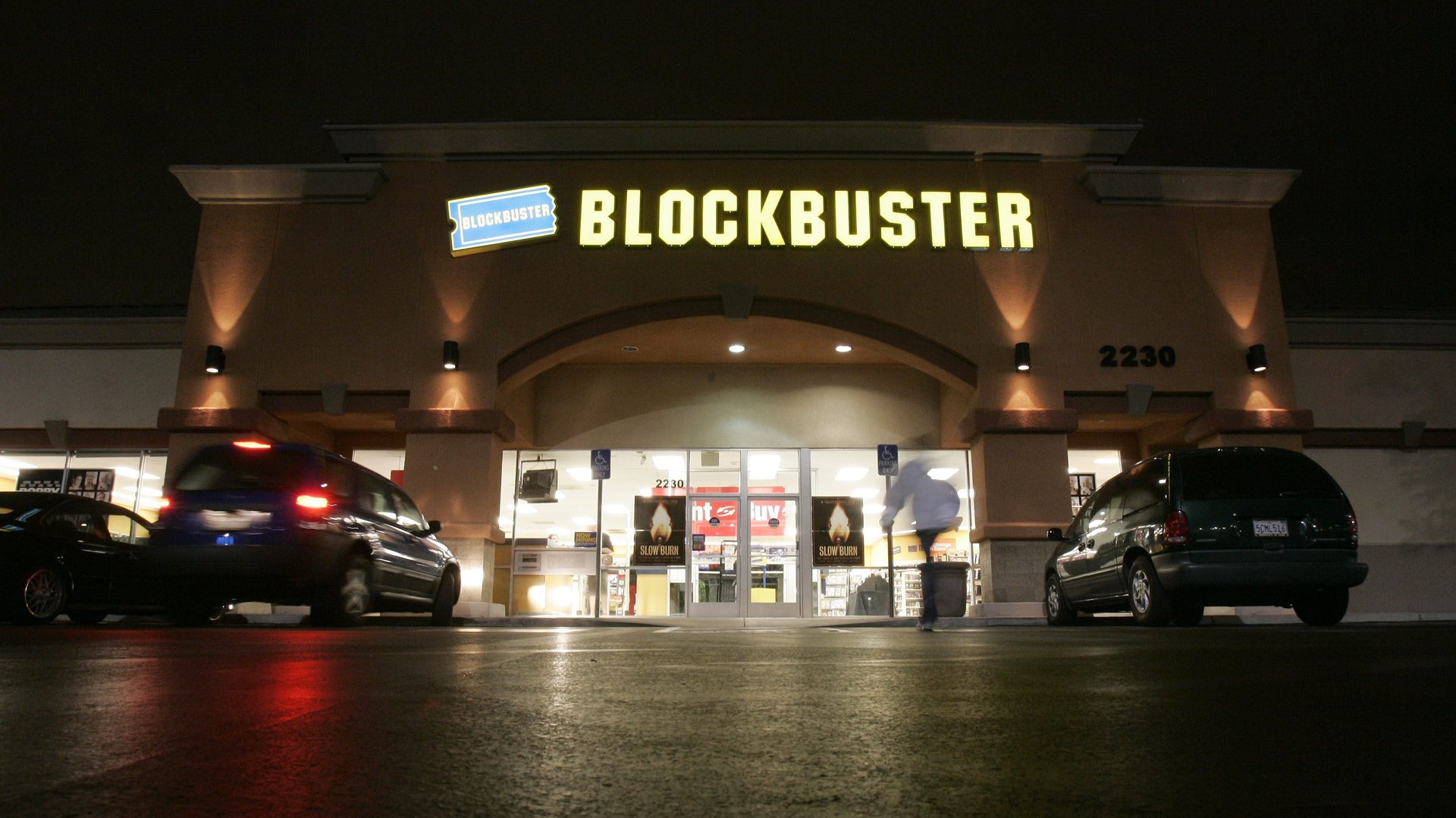
David Ellison, a portfolio manager who specializes in bank stocks, started his investing career 36 years ago, around the time that Blockbuster Video was founded. One of his biggest worries is that America’s lenders will go the way of the erstwhile movie rental company that failed to keep up with technology.

It’s been a decade since the global financial crisis and the truly big, global banks still standing are, for the most part, American. Europe’s lenders in particular are still struggling to find their feet, and it doesn’t help that US rivals are steadily encroaching on their turf.

How many big banks does the world really need?