Ringing the ceremonial bell on an American stock exchange is a career highlight for many Chinese entrepreneurs. But those stocks haven’t always panned out for US investors, and fewer of them may be listed on America’s iconic markets in the future.

Ringing the ceremonial bell on an American stock exchange is a career highlight for many Chinese entrepreneurs. But those stocks haven’t always panned out for US investors, and fewer of them may be listed on America’s iconic markets in the future.

Americans are steeling themselves for the biggest economic hit since the Great Depression. But even as unemployment skyrockets, overdue consumer debt is, for the moment at least, in decline.

The US is losing bank branches fast.

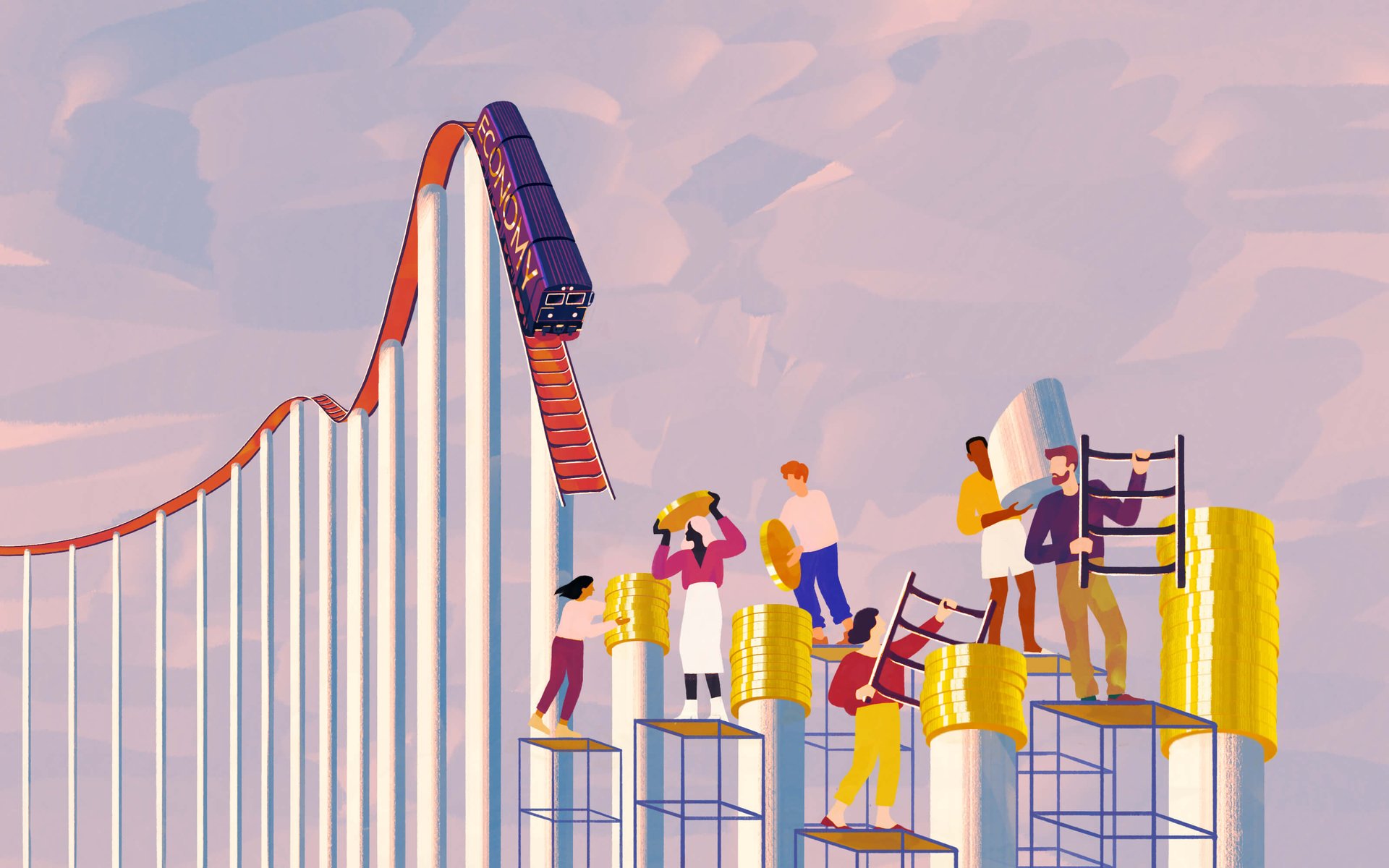
The world’s biggest economy is projected to crater this quarter, in what is likely to be the largest contraction since at least the Great Depression. US stocks, meanwhile, have soared. They’ve recouped trillions of dollars of market value in recent weeks, erasing a swoon in March as commerce was forced to shut down around the world.

The pandemic is renewing pressure on Italy’s banking sector, adding to the broader global health and economic crisis it faces. A German court ruling further amplified the strain.

Digital payments were catching on even before the coronavirus pandemic. Now these transactions are getting turbocharged by the crisis, and the disruption could lead to lasting changes in how people spend.

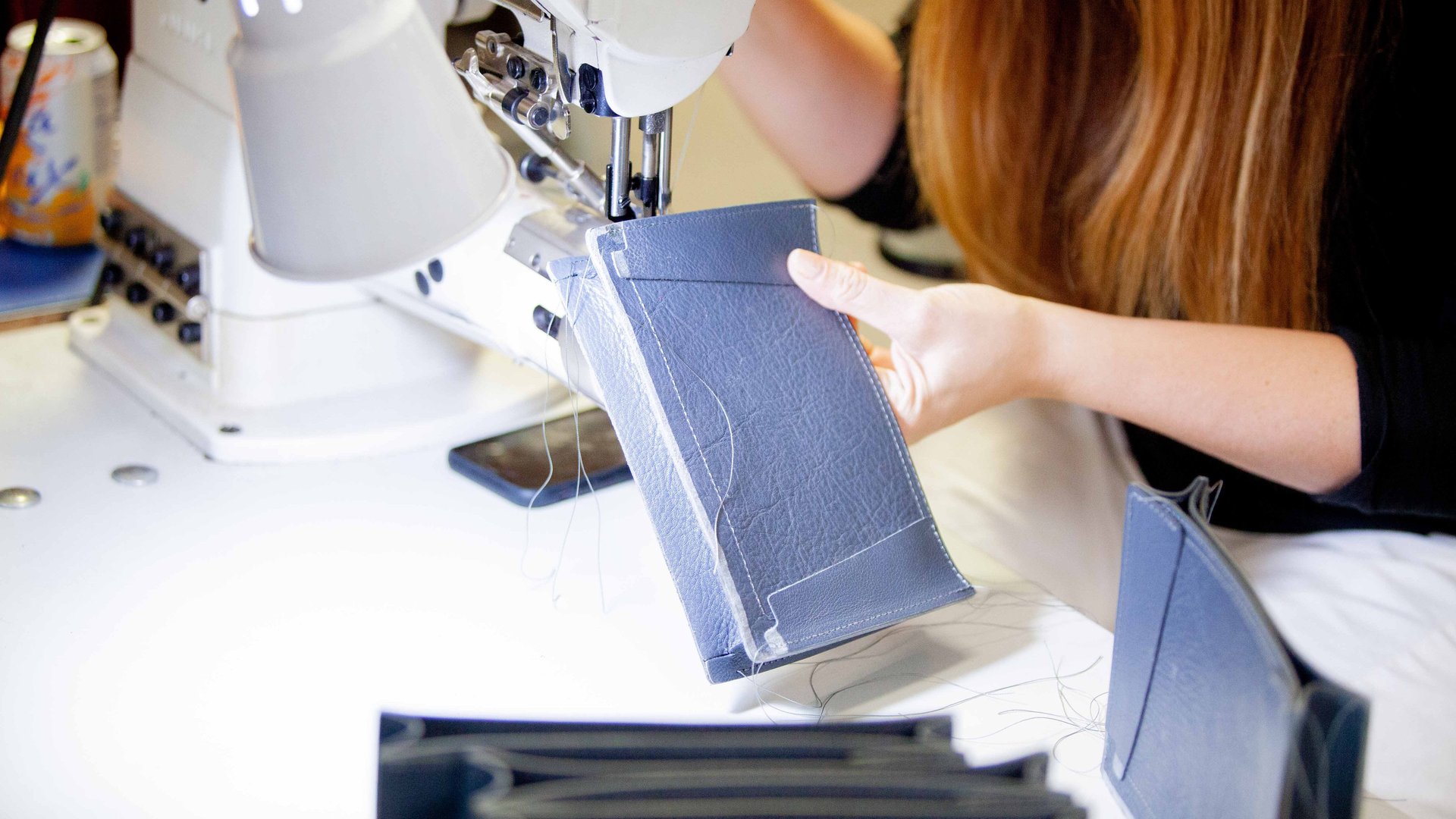
There’s not a lot of demand for luxury leather bags during a pandemic.

Protecting an economy from a pandemic isn’t cheap.

We’re all in this together. That’s what makes the coronavirus pandemic so unusual.

Many billions of dollars in government aid have gone out the door to shore up business of all sizes, and more is soon to follow. It’s time to see where that money has ended up.

Banks are about to get walloped by the coronavirus pandemic.

China reported today a 6.8% drop in gross domestic product (GDP) for the first quarter of 2020 compared with the same period last year. Even as life has started going back to normal in most of China, the road ahead for its economy still looks challenging.

The world’s biggest banks have been walloped by the coronavirus pandemic, as business closures and unemployment threaten to cause a wave of credit losses. But the risks are more manageable for American banking giants, according to credit derivatives markets, than for their European counterparts.

America’s banking giants are fortifying themselves for a potential tsunami of bad loans.

The British government is dishing out a lot of money to support its economy during the coronavirus pandemic. To be able to spend such extraordinary amounts so quickly, the UK will start getting money directly from the Bank of England.

There’s never a good time for a wave of corporate defaults. As the global economy is battered by the new coronavirus pandemic, questions are growing about whether a vast pile of risky debt can be allowed to implode.

As stocks plunge and the US economy hurtles into recession, at least one thing is on the upswing: Cash. Americans are piling it up in their bank accounts and may be squirreling away some notes under the mattress, too.

Last month, the US Congress created a $350 billion fund to keep small businesses solvent and workers on payrolls, amid widespread commercial shutdowns to try and contain the coronavirus pandemic. Demand for the program is proving to be immense, and there are signs that it could run out of money.

The coronavirus pandemic is disrupting the global economy and taking a major toll on financial companies, from insurers to banks and asset managers. High-frequency trading companies are among the very few to benefit from the pandemonium in financial markets.

Governments around the world are planning to spend and lend trillions of dollars to bolster their economies against the disruption caused by the new coronavirus pandemic. As officials shutter everything from pubs to hotels to slow the spread of Covid-19, the International Monetary Fund is tracking the ways countries are aiming to support their workers and businesses. It is perhaps the best source of information on how the world is responding economically to coronavirus.

In Marfa, Texas, you’re more likely to meet a hipster tourist from Brooklyn than a cowboy. In the decades since Giant, the epic Western about a rich cattle rancher, was filmed there, the town of about 1,700 people has become an unlikely paradise for the arts, with streets that are lined with galleries, boutique hotels, and coffee shops.

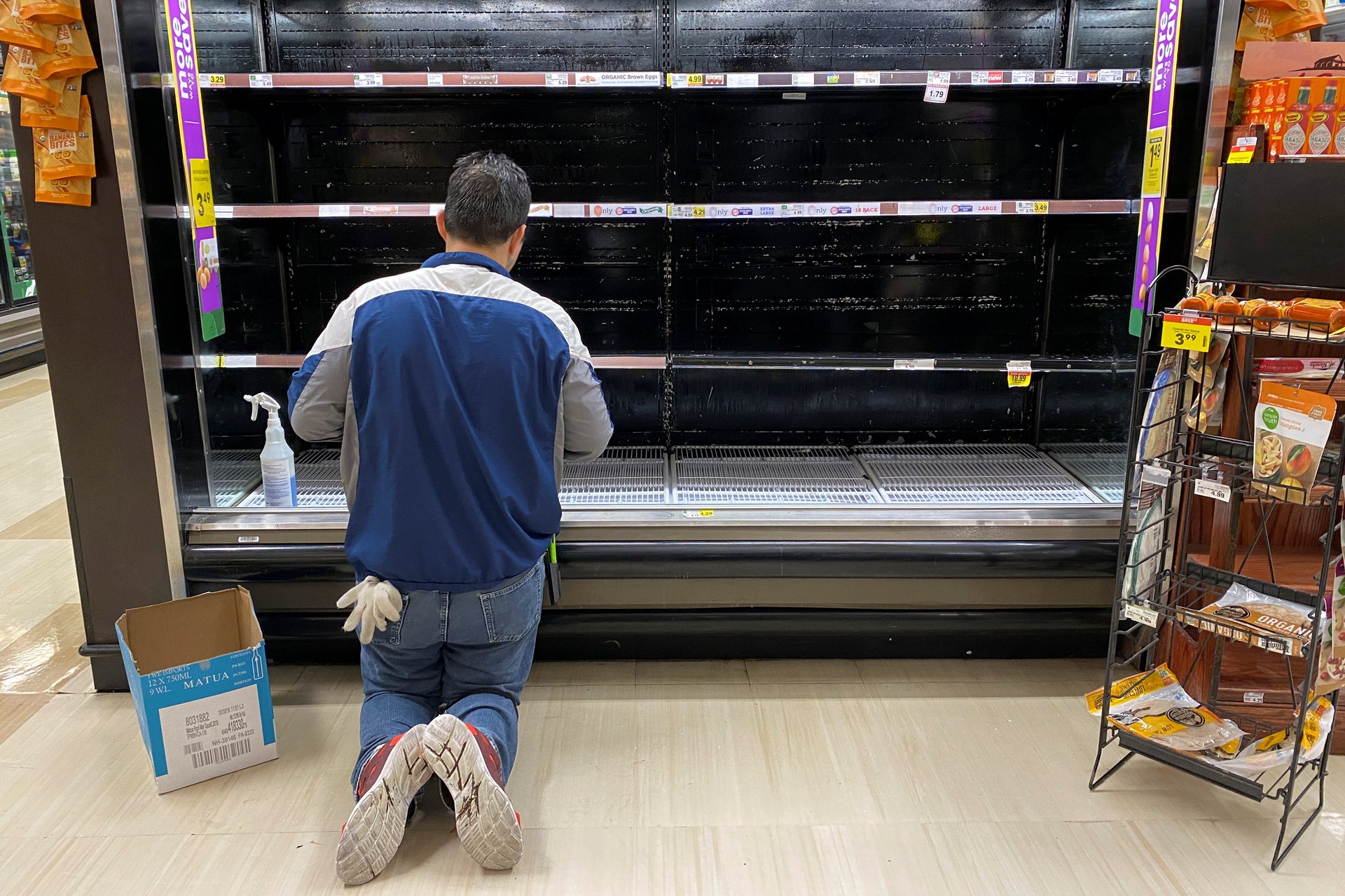
Investments of almost all stripes have plunged as the global economy slips toward a coronavirus-led recession. But a few commodities have gone in the other direction: Panic buying at grocery stores has made eggs and orange juice the best performing assets this year.

Stocks have been on a rollercoaster in recent weeks as the spread of the new coronavirus disrupts the global economy. Account openings for brokerage apps suggest some retail investors may be looking for bargains.

As the coronavirus pandemic intensifies, concerns are growing about the economic toll exacted by policies meant to contain it. Research published this week shows that aggressive social distancing measures, while extremely disruptive to commerce in the near term, can result in faster economic growth when the disease subsides.