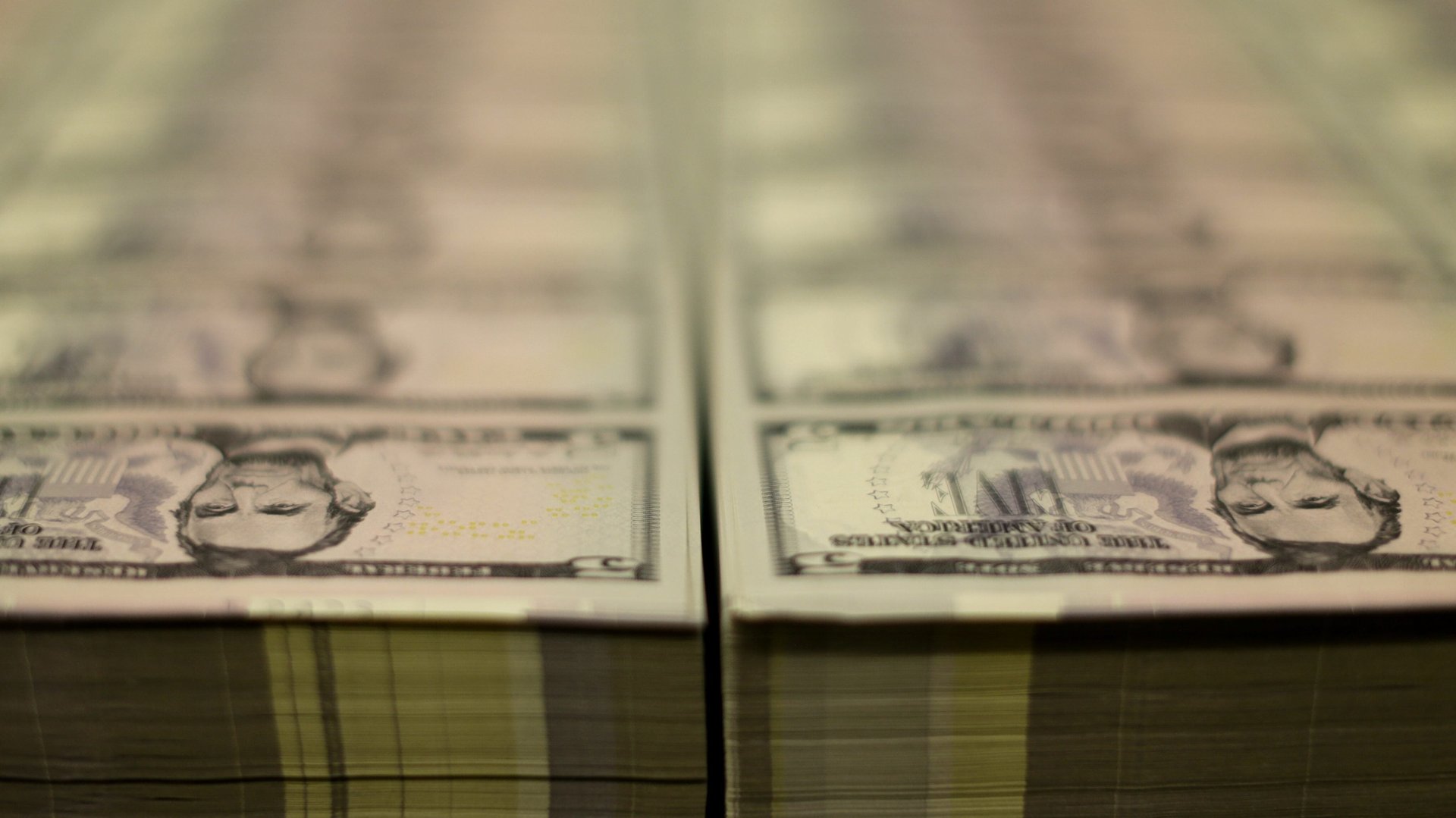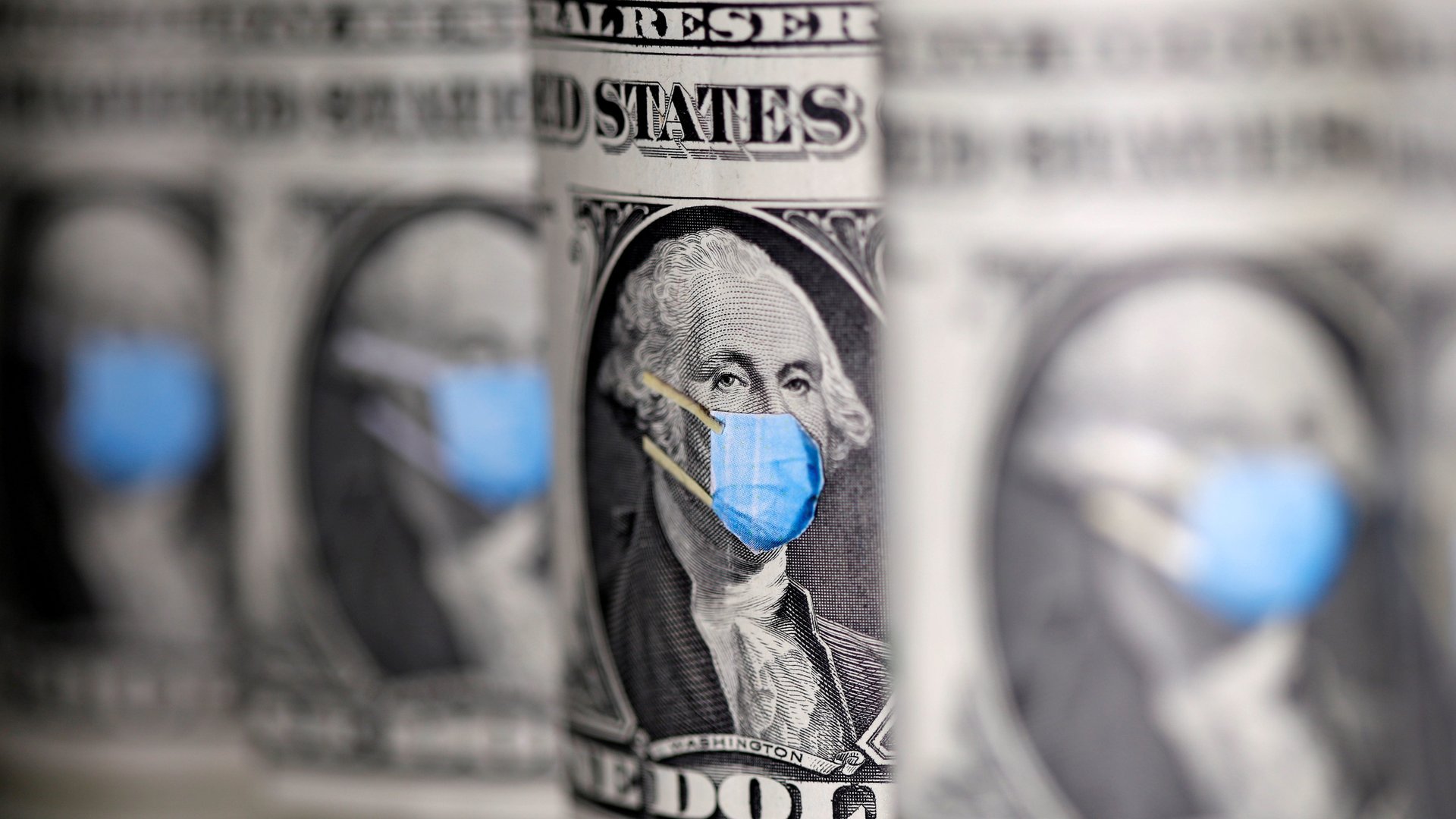
As stocks plunge and the US economy hurtles into recession, at least one thing is on the upswing: Cash. Americans are piling it up in their bank accounts and may be squirreling away some notes under the mattress, too.

As stocks plunge and the US economy hurtles into recession, at least one thing is on the upswing: Cash. Americans are piling it up in their bank accounts and may be squirreling away some notes under the mattress, too.

Last month, the US Congress created a $350 billion fund to keep small businesses solvent and workers on payrolls, amid widespread commercial shutdowns to try and contain the coronavirus pandemic. Demand for the program is proving to be immense, and there are signs that it could run out of money.

The coronavirus pandemic is disrupting the global economy and taking a major toll on financial companies, from insurers to banks and asset managers. High-frequency trading companies are among the very few to benefit from the pandemonium in financial markets.

Governments around the world are planning to spend and lend trillions of dollars to bolster their economies against the disruption caused by the new coronavirus pandemic. As officials shutter everything from pubs to hotels to slow the spread of Covid-19, the International Monetary Fund is tracking the ways countries are aiming to support their workers and businesses. It is perhaps the best source of information on how the world is responding economically to coronavirus.

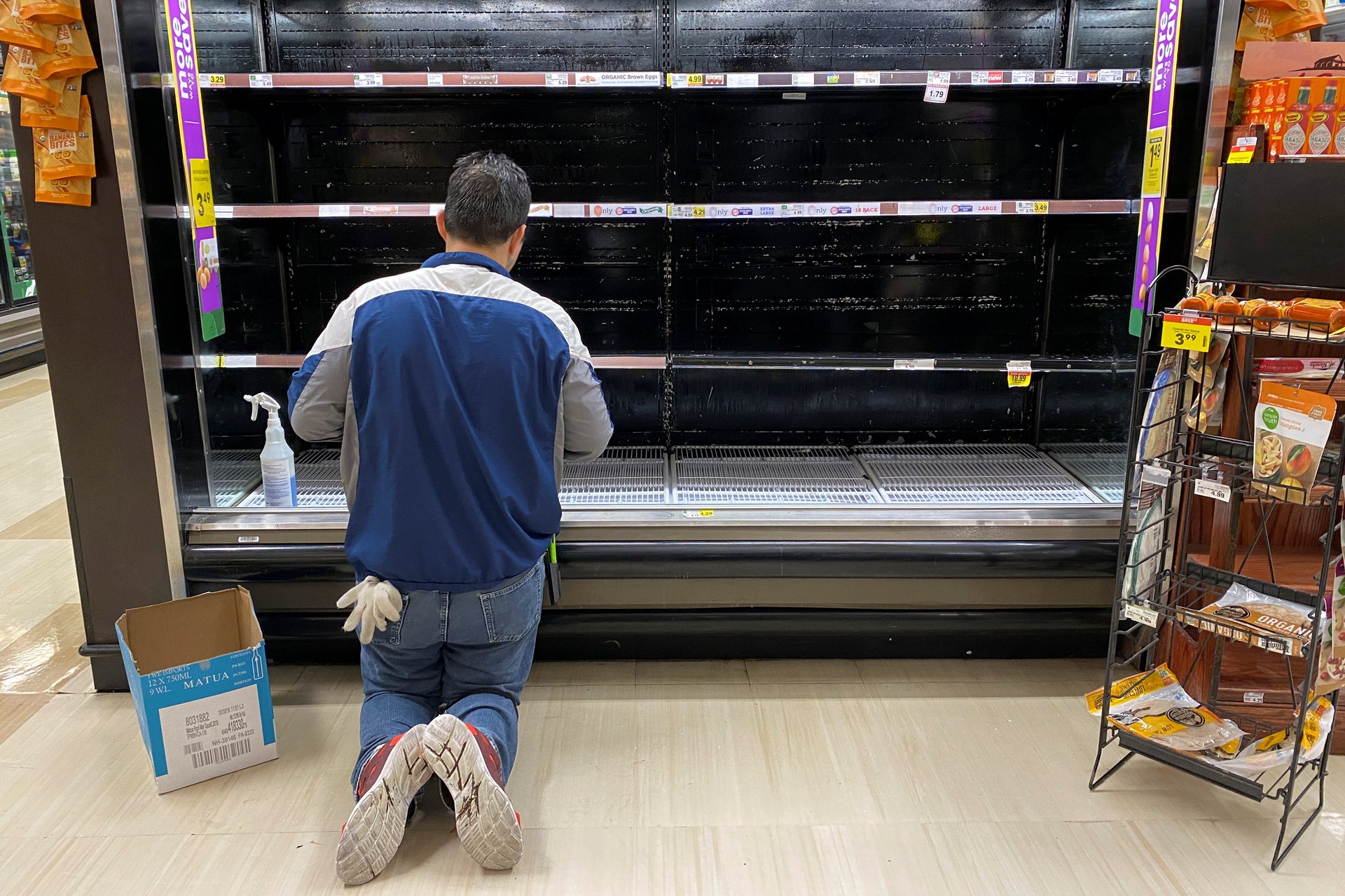
Investments of almost all stripes have plunged as the global economy slips toward a coronavirus-led recession. But a few commodities have gone in the other direction: Panic buying at grocery stores has made eggs and orange juice the best performing assets this year.

Stocks have been on a rollercoaster in recent weeks as the spread of the new coronavirus disrupts the global economy. Account openings for brokerage apps suggest some retail investors may be looking for bargains.

As the coronavirus pandemic intensifies, concerns are growing about the economic toll exacted by policies meant to contain it. Research published this week shows that aggressive social distancing measures, while extremely disruptive to commerce in the near term, can result in faster economic growth when the disease subsides.

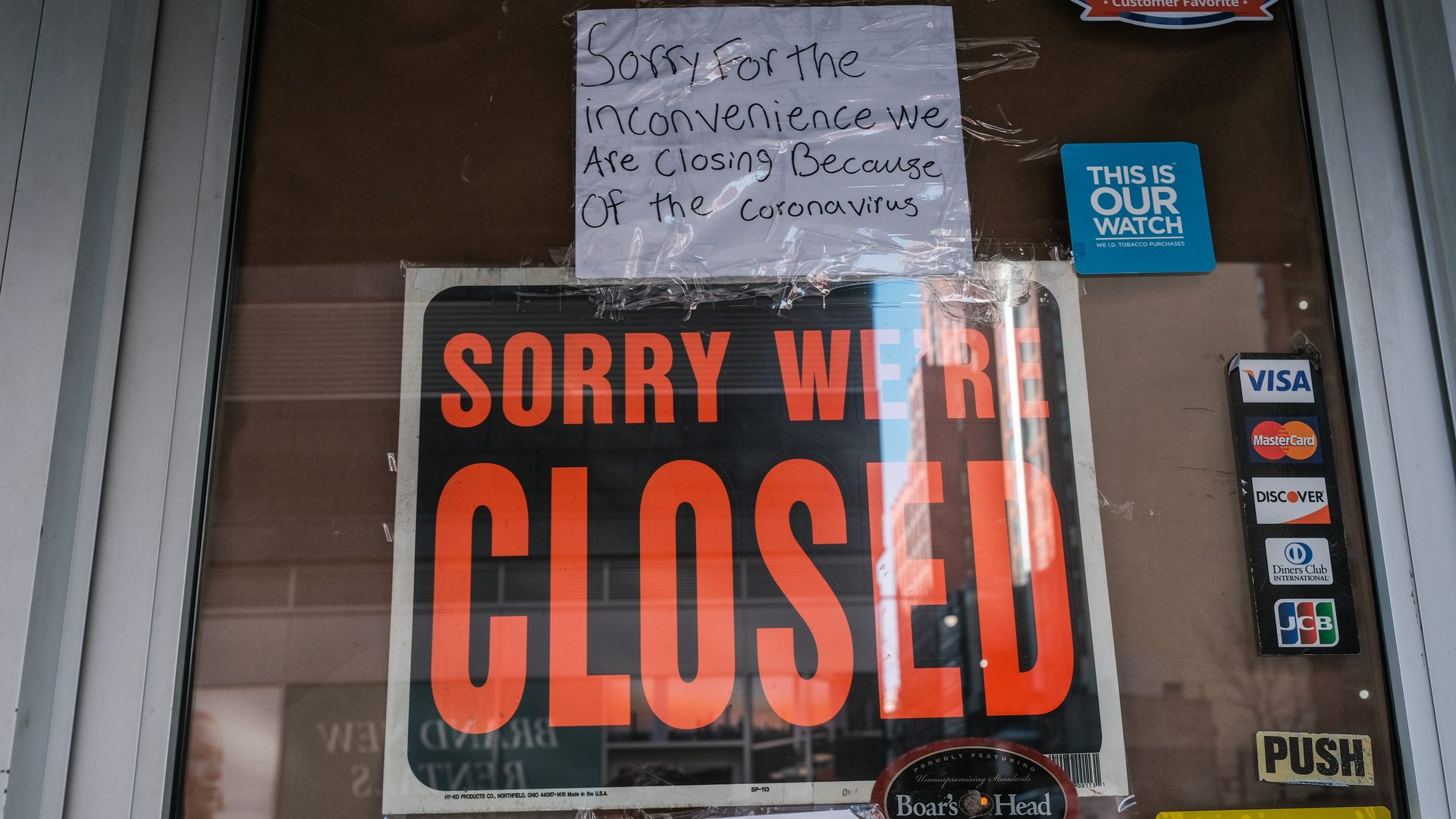
As the coronavirus pandemic rips through countries, it’s upending everything in the global economy from junk bonds to prices for orange juice. Governments are shutting down whole commercial sectors to stop the spread of Covid-19, putting a massive crimp in gross domestic product for months to come.

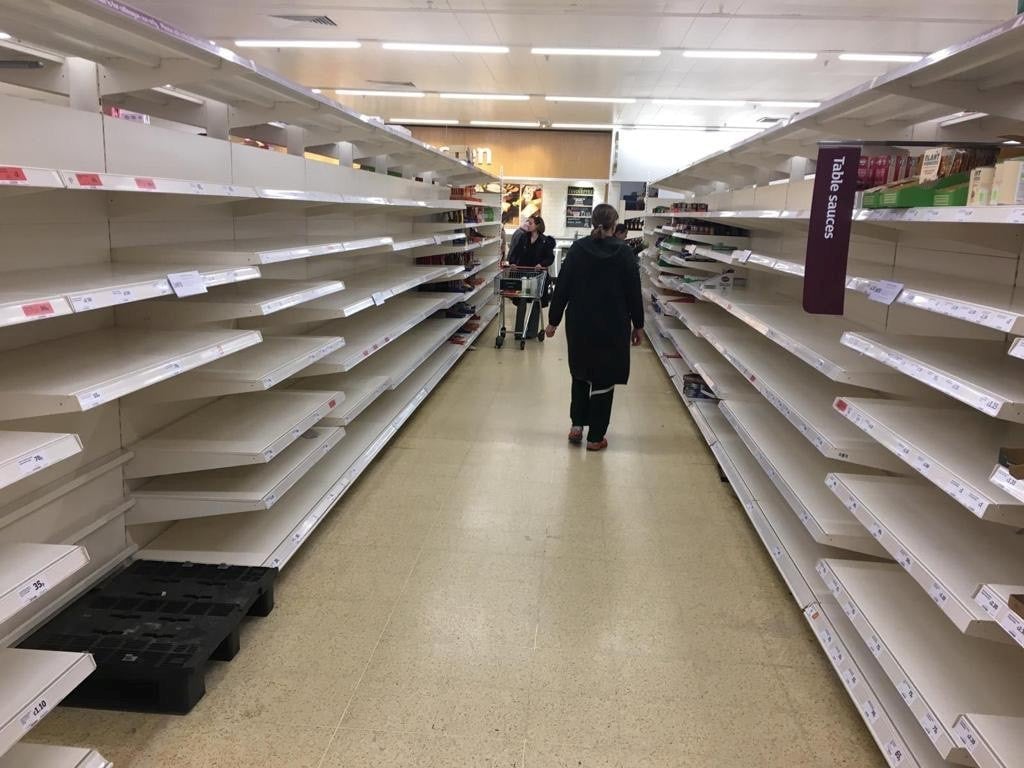
Brits, like just about everyone these days, are stripping supermarket shelves bare of everything from loo roll to tinned food. One thing they don’t seem to be stockpiling is cold hard cash.

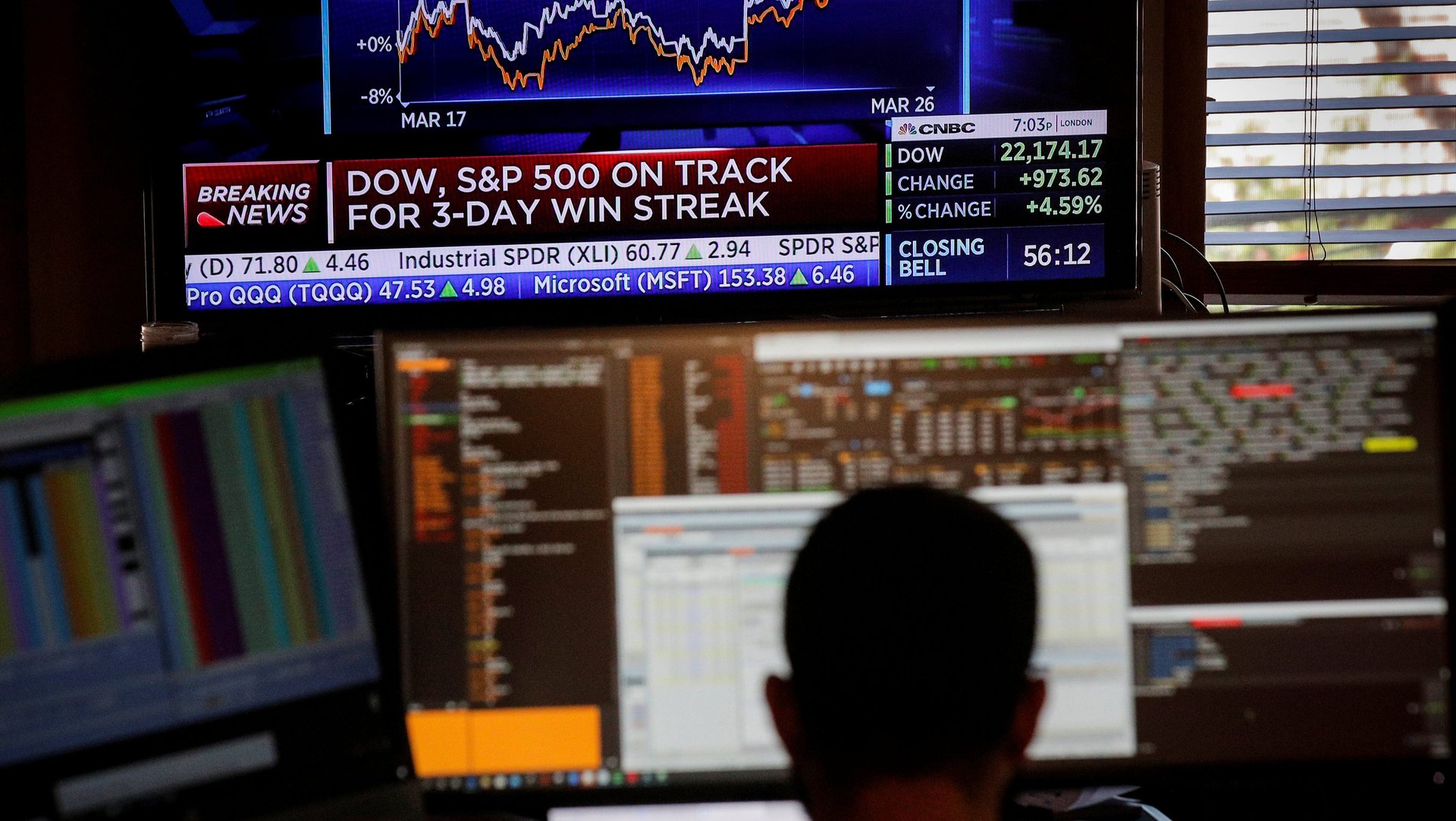
Companies that could benefit from the US government’s vast $2 trillion package of aid are among the leaders in stock market gains today. The rally in cruise line and airline stocks comes as more than 150 economists urge congress to bailout workers before companies.

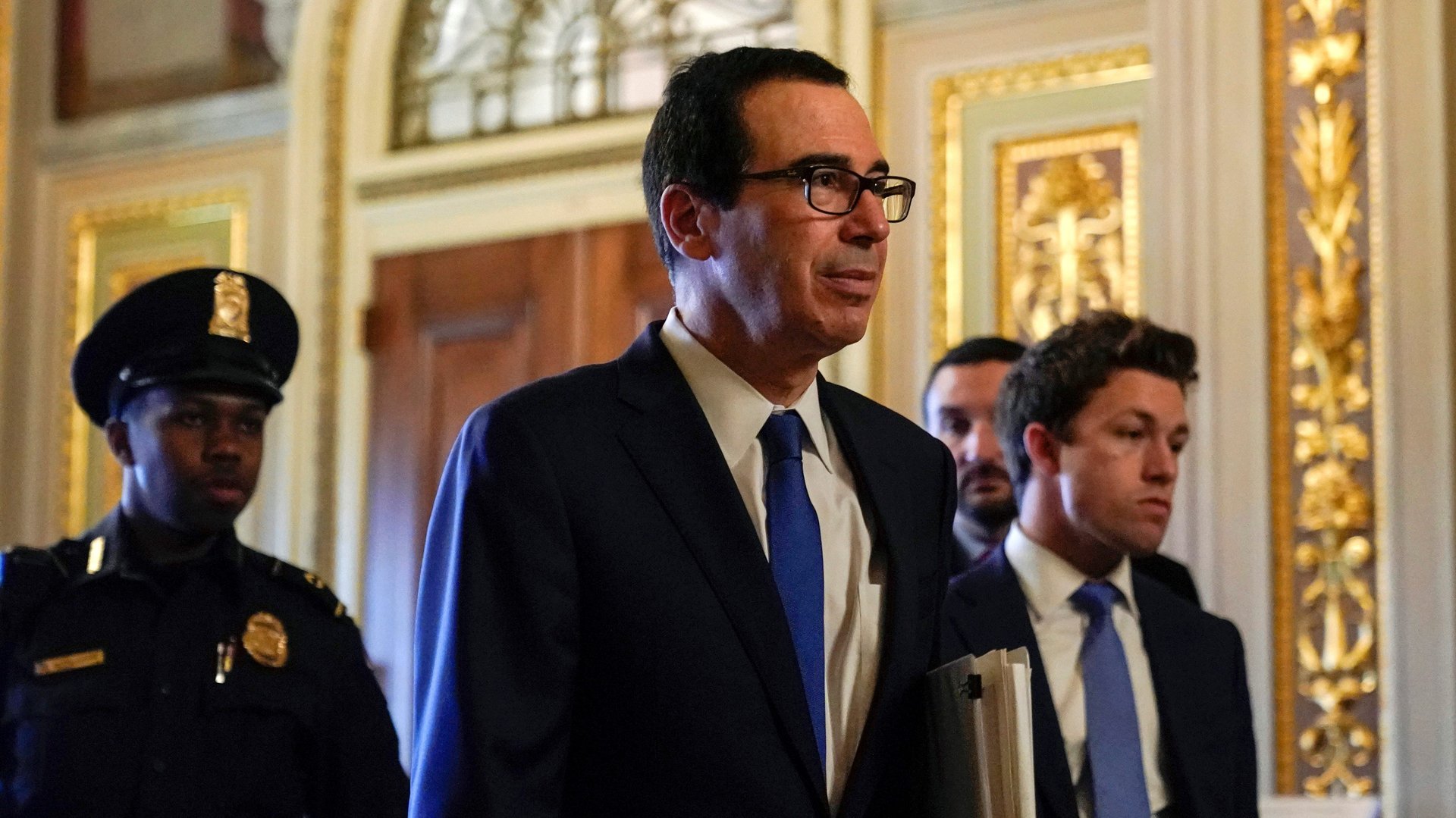
The White House and the Senate have agreed on a $2 trillion stimulus package to bolster the US economy, which is being ravaged by widespread business closures to contain the spread of the coronavirus. The measures are more than twice the size of the stimulus injection after the financial crisis in 2008.

Millions of people in the US are likely to lose their jobs during the next few months, but the pain won’t be spread out evenly. People of color and younger workers are the most at risk of becoming unemployed.

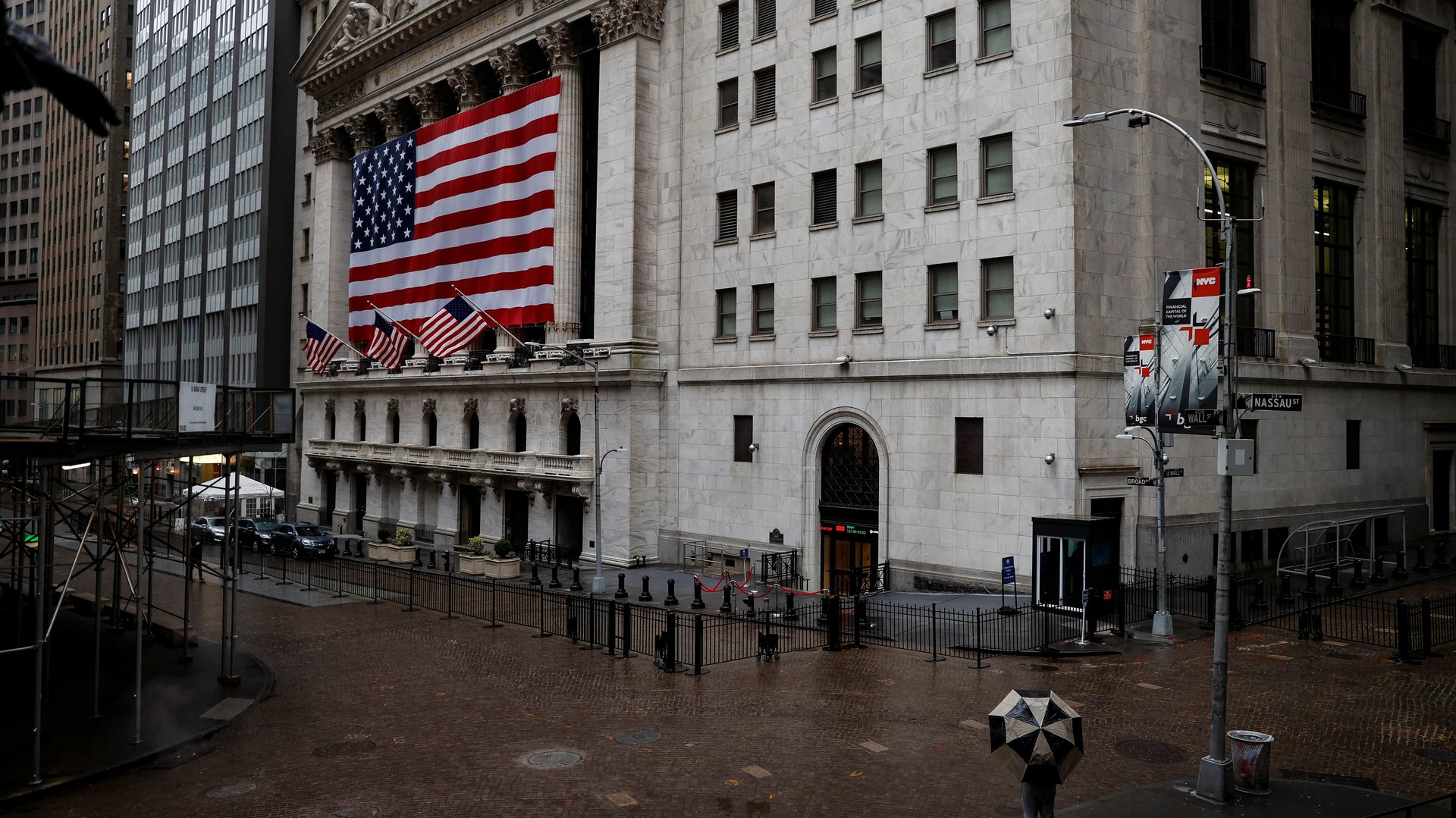
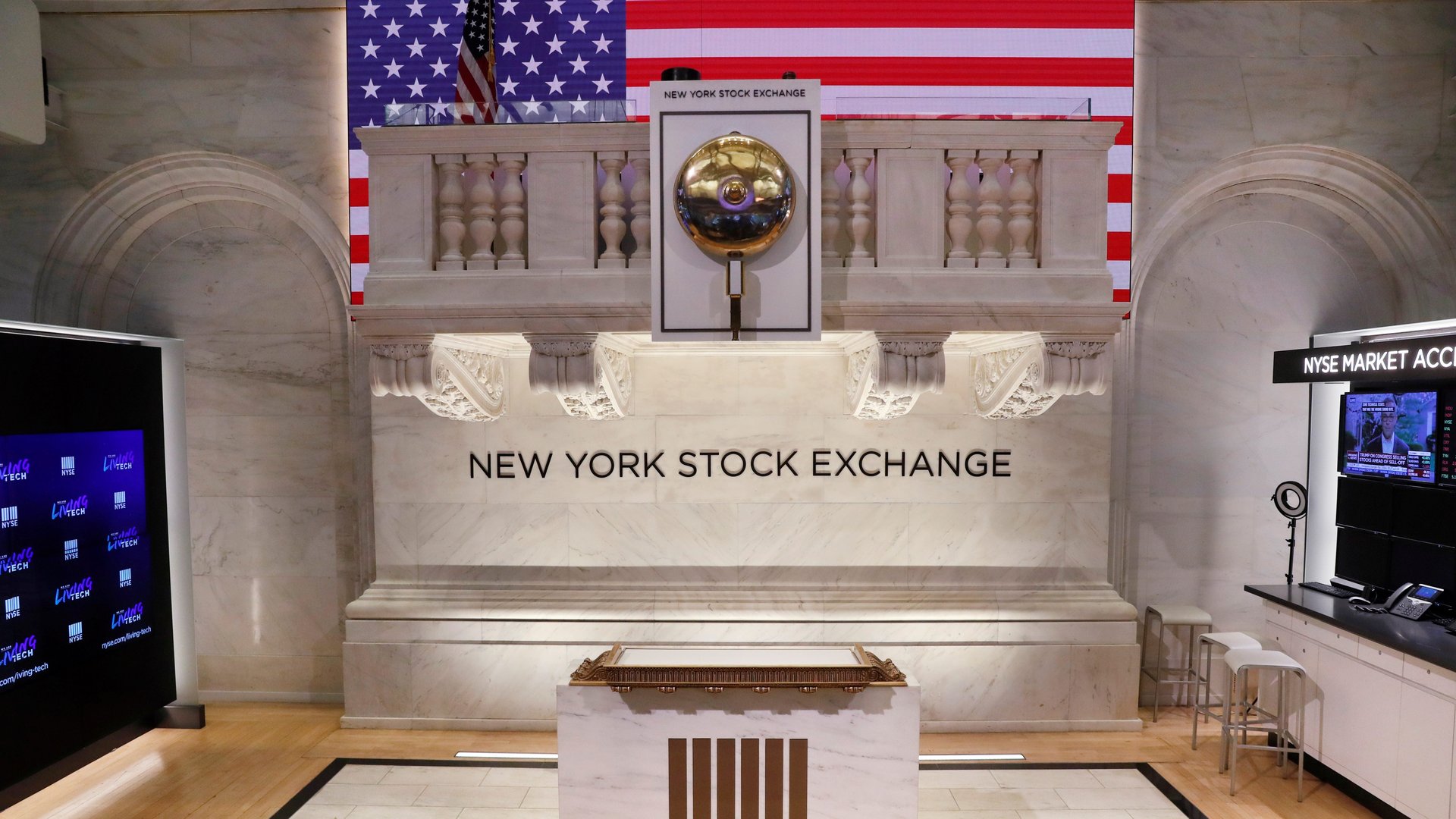
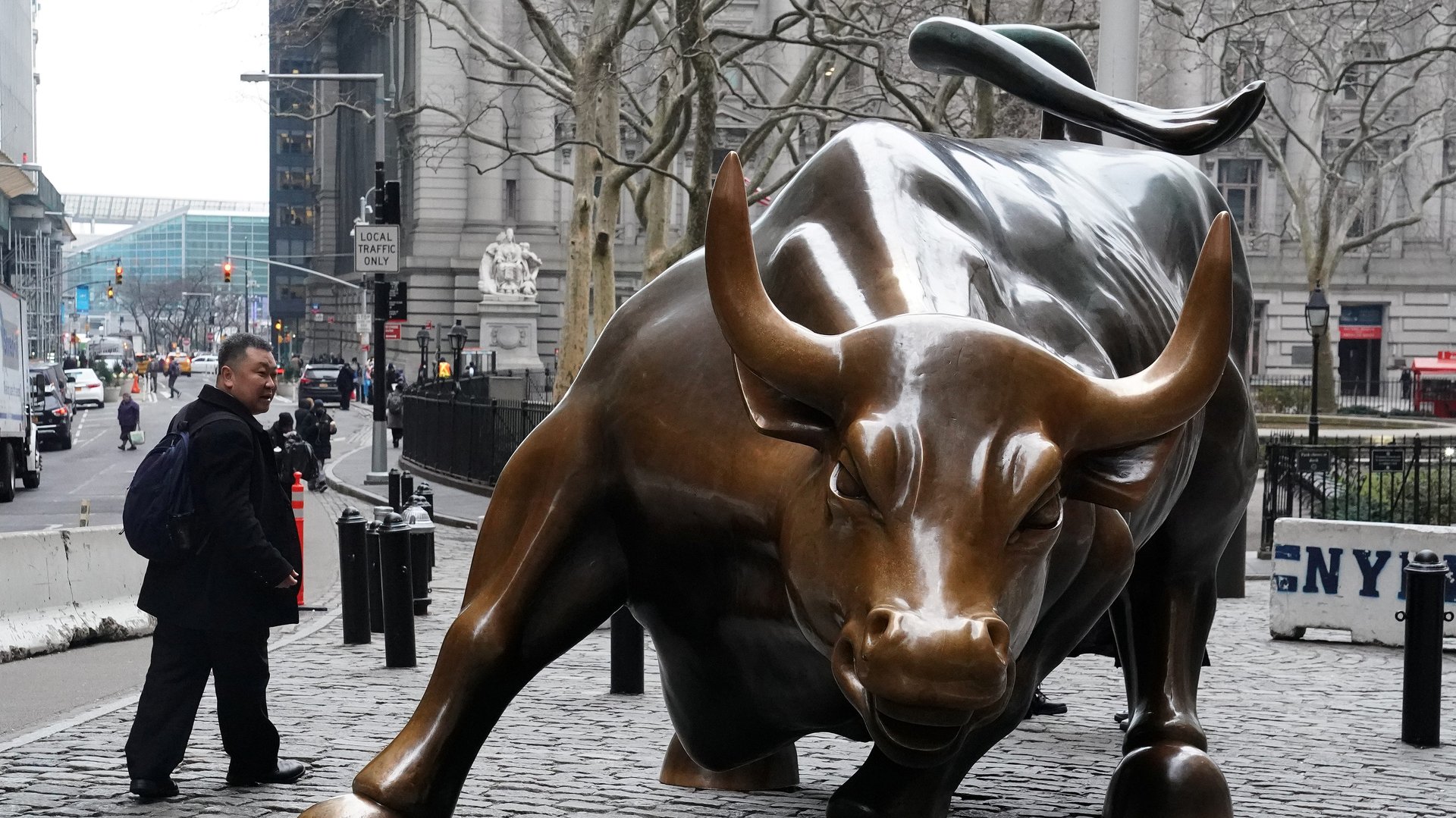
For the first time in its 228-year history, the New York Stock Exchange will tomorrow open without its trading floor. The disruption is symbolic, underscoring how the new coronavirus has run riot through the world, though the floor closure itself will likely have little if any impact on the $28 trillion stock market.

Politicians from Washington to Berlin are readying their bazookas, preparing to unleash trillions of dollars of spending and loans as coronavirus brings parts of the economy to a standstill. Government bond yields are climbing as investors brace for a level of borrowing seldom seen outside of wartime.

This report was updated on March 30 and will continue to be amended as stimulus measures are announced.

The Trump administration plans to ask Congress for $850 billion of stimulus spending to bolster the US economy from a coronavirus-induced disruption. Kenneth Rogoff, former chief economist at the IMF, says those kinds of eye-popping numbers could be reasonable—for round one.

A measure of volatility in the US stock market is closing in on heights last seen during the 2008 financial crisis, as worries grow that the new coronavirus’s spread will take a major bite out of global economic growth.

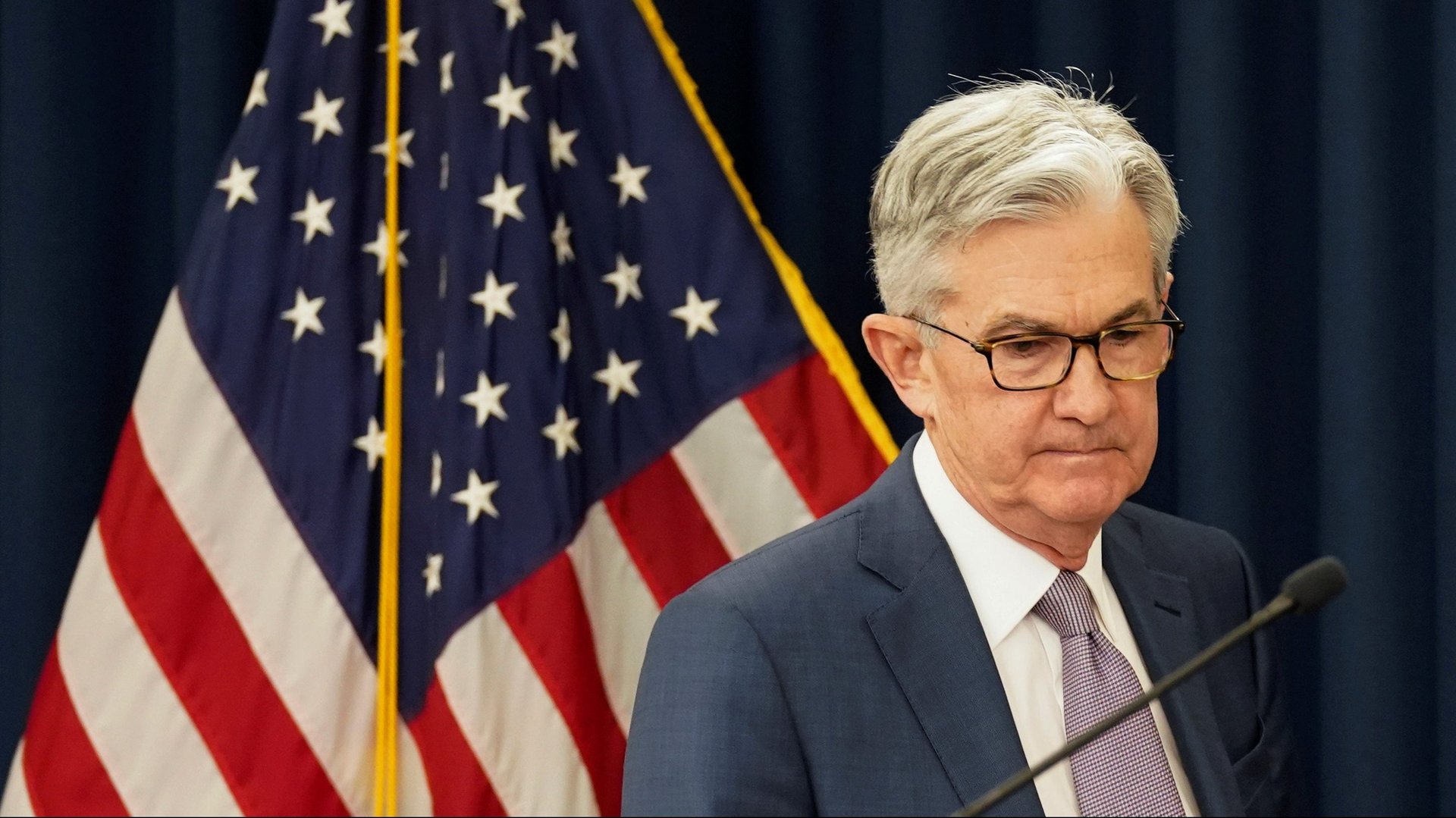
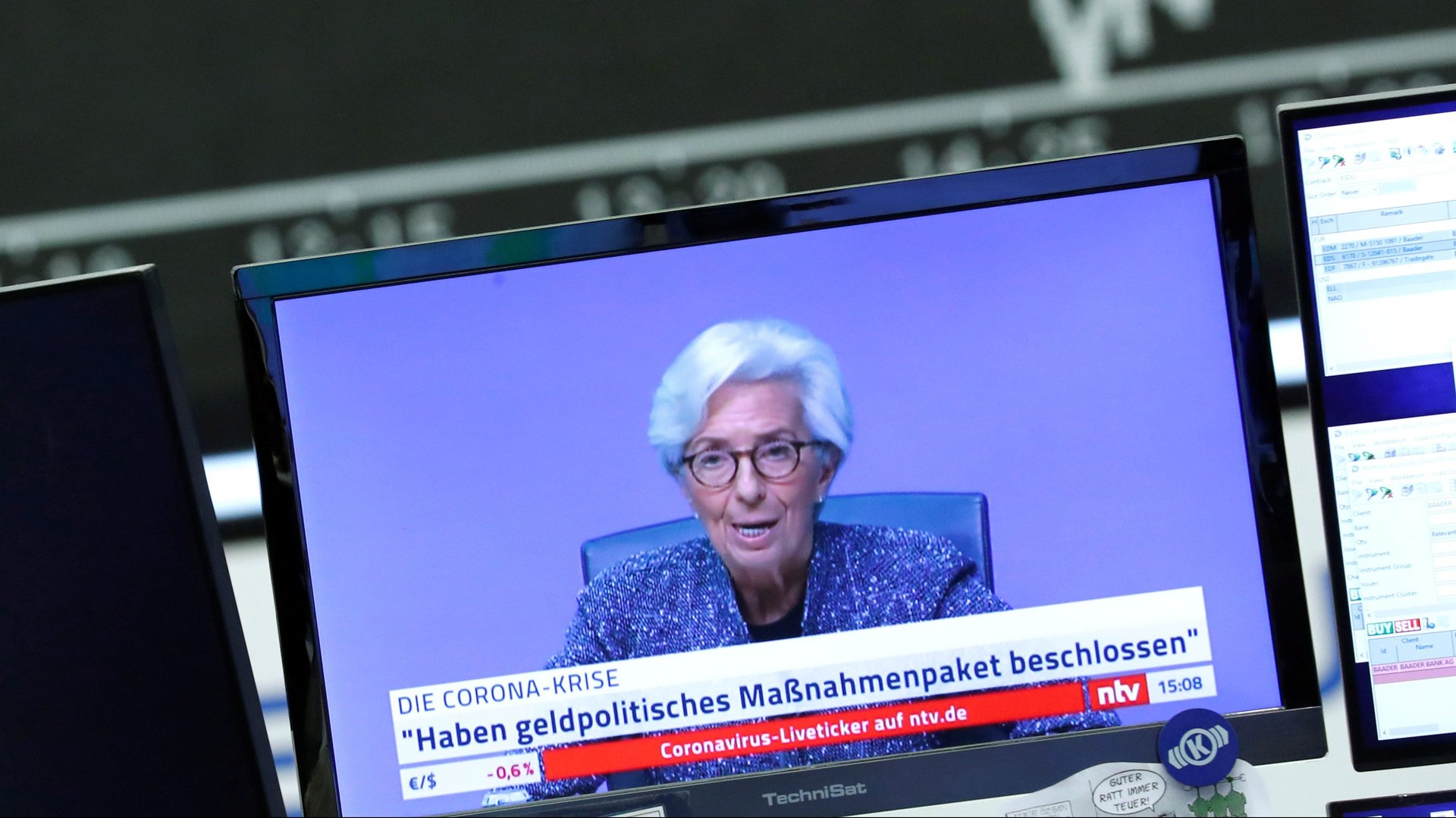
The US Federal Reserve knows its “bazooka” doesn’t work on everything. But it might be able to buy some time as measures to contain the spread of coronavirus are implemented.

Robert Shiller won the Nobel prize in 2013 for his work on financial bubbles, and more recently he has written about the narratives and popular stories that affect the economy.

Stock markets went into freefall after government policy makers from Frankfurt to Washington failed to reassure investors that they would be able to contain the economic damage from the spread of coronavirus. The drop in US equities triggered circuit breakers for a second time in a week, while an index of European stocks was on pace for its worst daily drop on record.

Would Brits like a digital fiver? The Bank of England is considering whether to issue an electronic version of its banknotes.

As the spread of coronavirus weakens the global economy, investors are monitoring interest rates for signs that growth could stall. Many traders and policy makers pay particular attention to the US yield curve—the gap between short-term and long-term Treasury bond yields—for clues that the world’s biggest economy could tip into recession.

The word “biggest” is carrying a heavy burden.

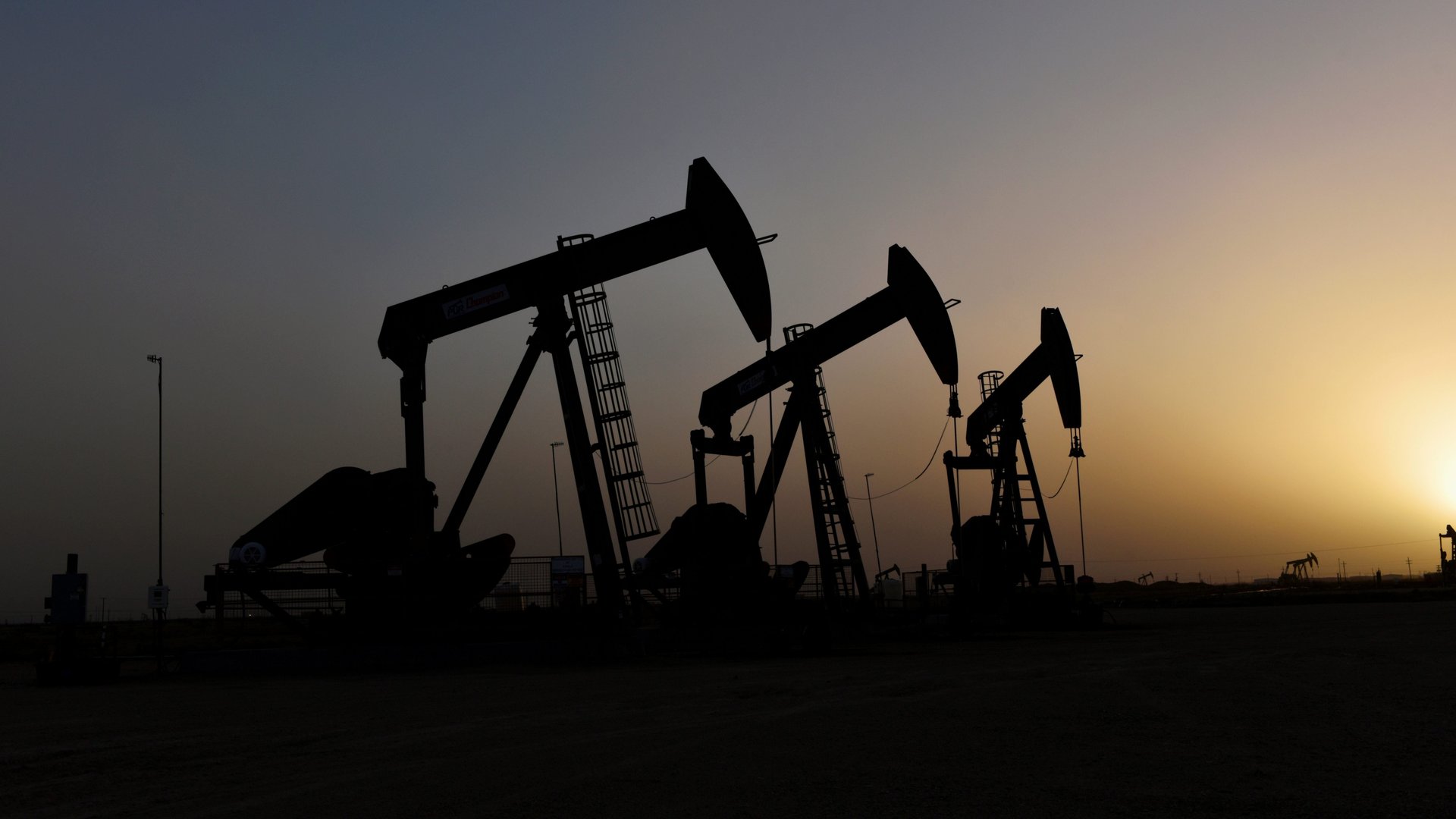
Russian officials have wounded the US shale industry by starting a full blown oil price war. While the standoff could cause enduring damage to the American energy sector, some analysts think the price war is temporary.