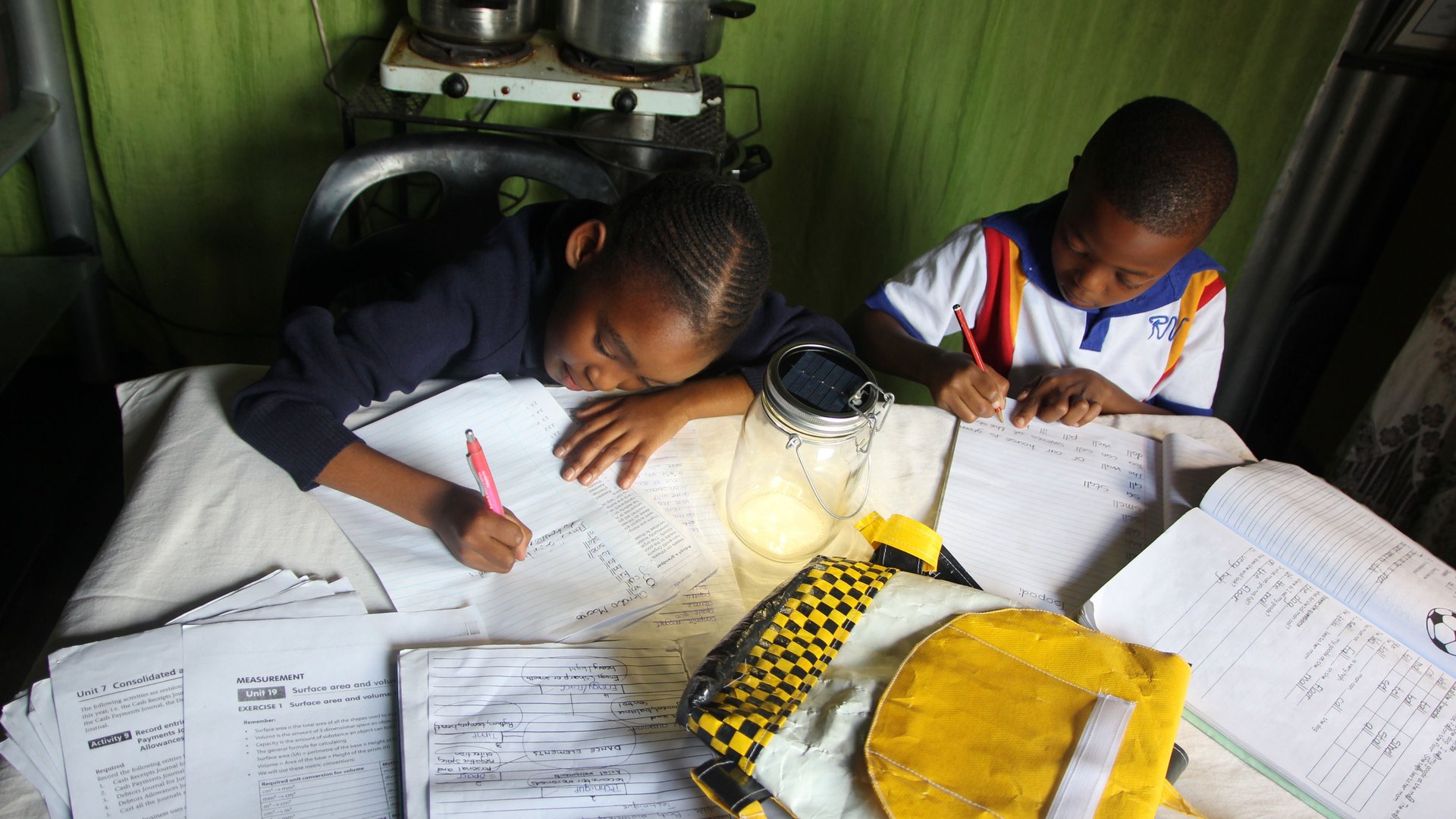
It’s a culture shock for many visitors to South Africa to see the high walls around many homes in our suburbs. It’s to keep the criminals out, we say.

It’s a culture shock for many visitors to South Africa to see the high walls around many homes in our suburbs. It’s to keep the criminals out, we say.

This item has been corrected.

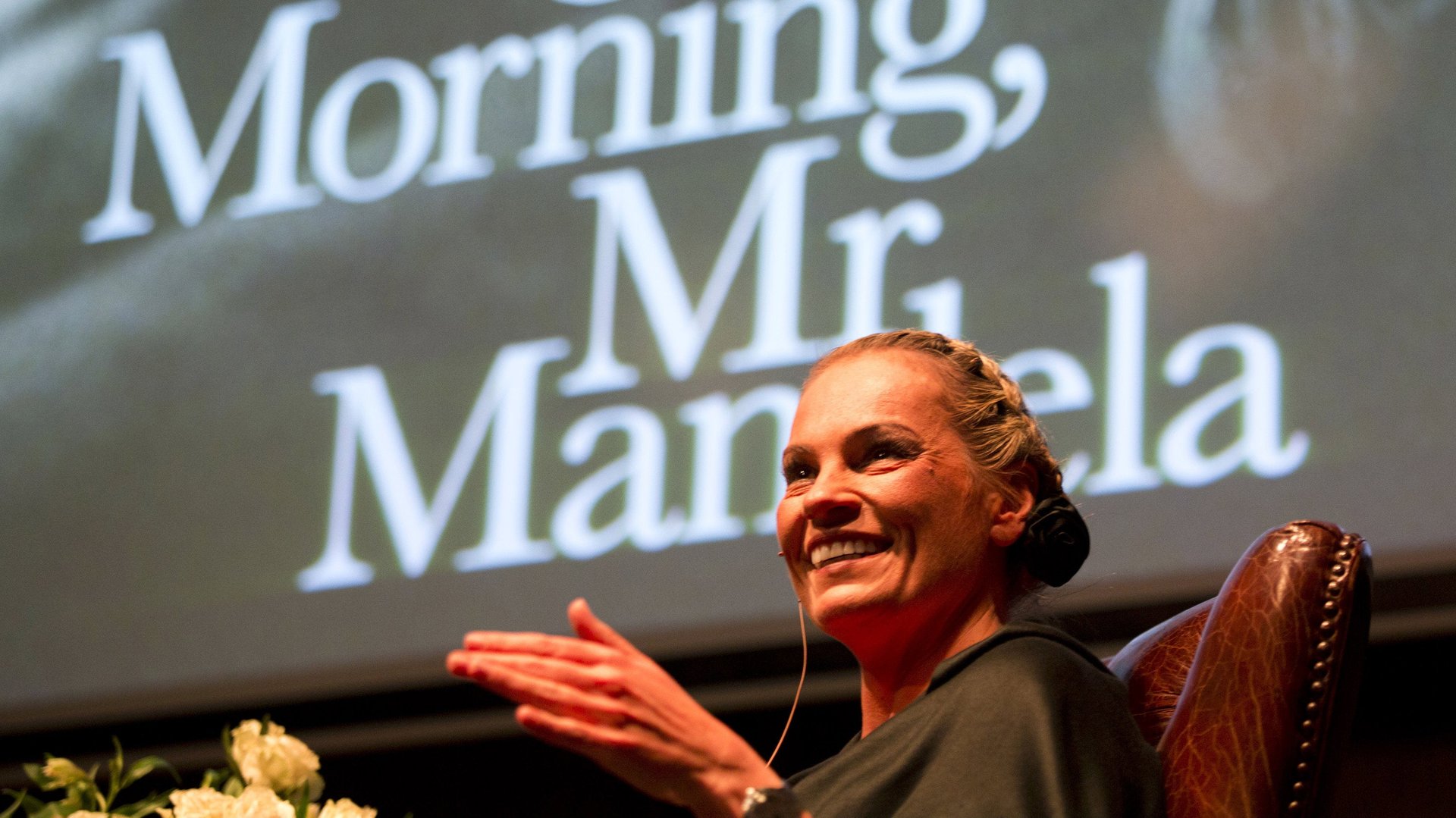
For me Zelda La Grange’s Good Morning, Mr. Mandela, long and repetitive, was a labor to read. But it’s been called a great success for good reason: it’s an important edition to the Nelson Mandela canon. La Grange adds to the account of Nelson Mandela as a man, not an icon: The distant father, whose absence must have sowed seeds of resentment in his kids; the lonely man who was comforted by the love of a younger woman, and at the end, the old man losing the grip on his mind and his family. Good Morning, Mr. Mandela’s unassuming power then is in its author’s unabated openness.

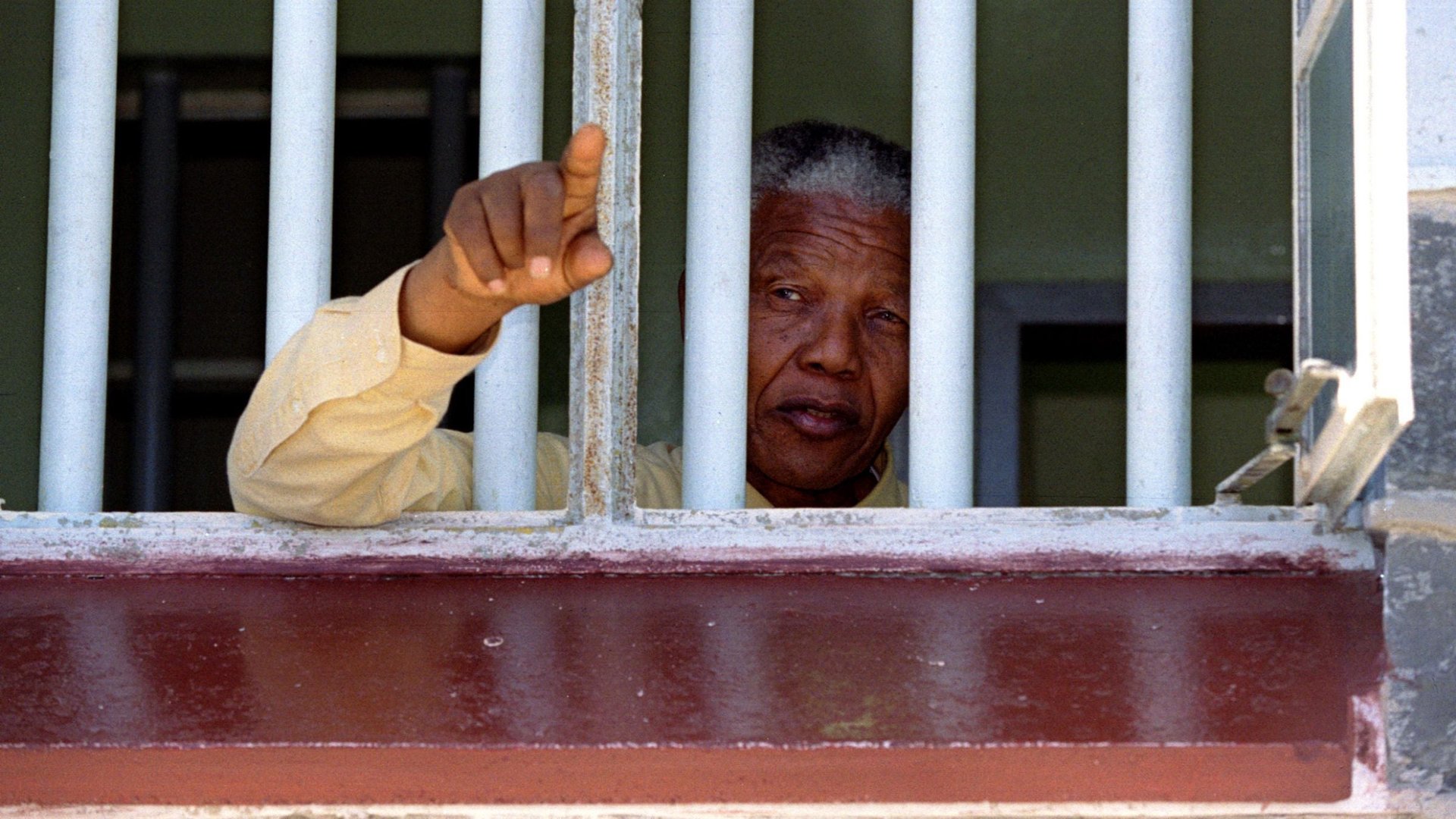
Robben Island, where Nelson Mandela was jailed for 18 years, is an indelible part history—and now it’s business.

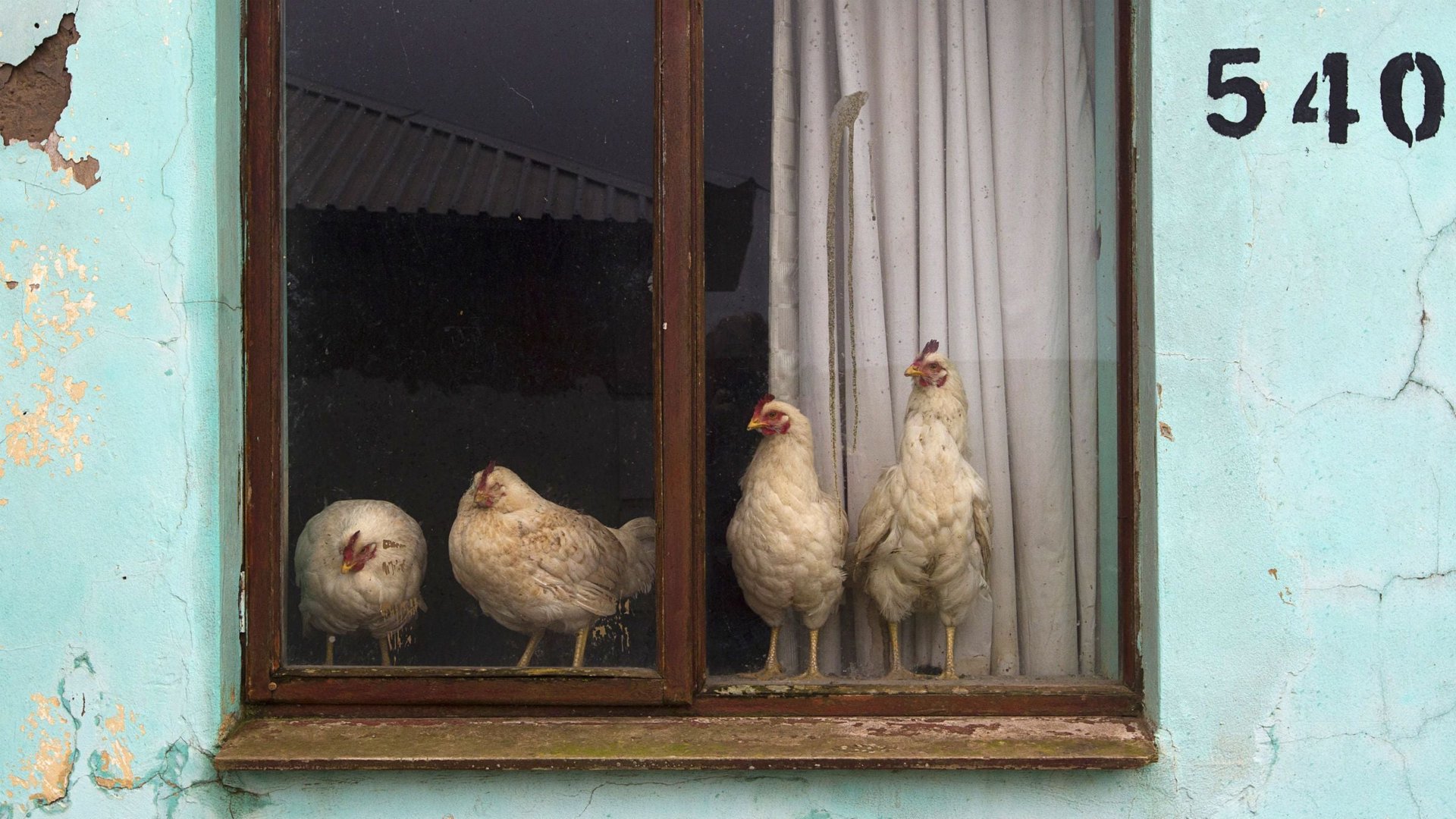
It’s the proverbial chicken and egg story: Are South African chicken farmers unable to supply their market with a basic and affordable source of meat or are some European countries trying to pawn off their unwanted product on South Africa?

South Africans obviously think “Waka Waka,” the World Cup 2010 official song is the best anthem of all time. Now it’s been confirmed by the world on twitter.

Dear Brazil,

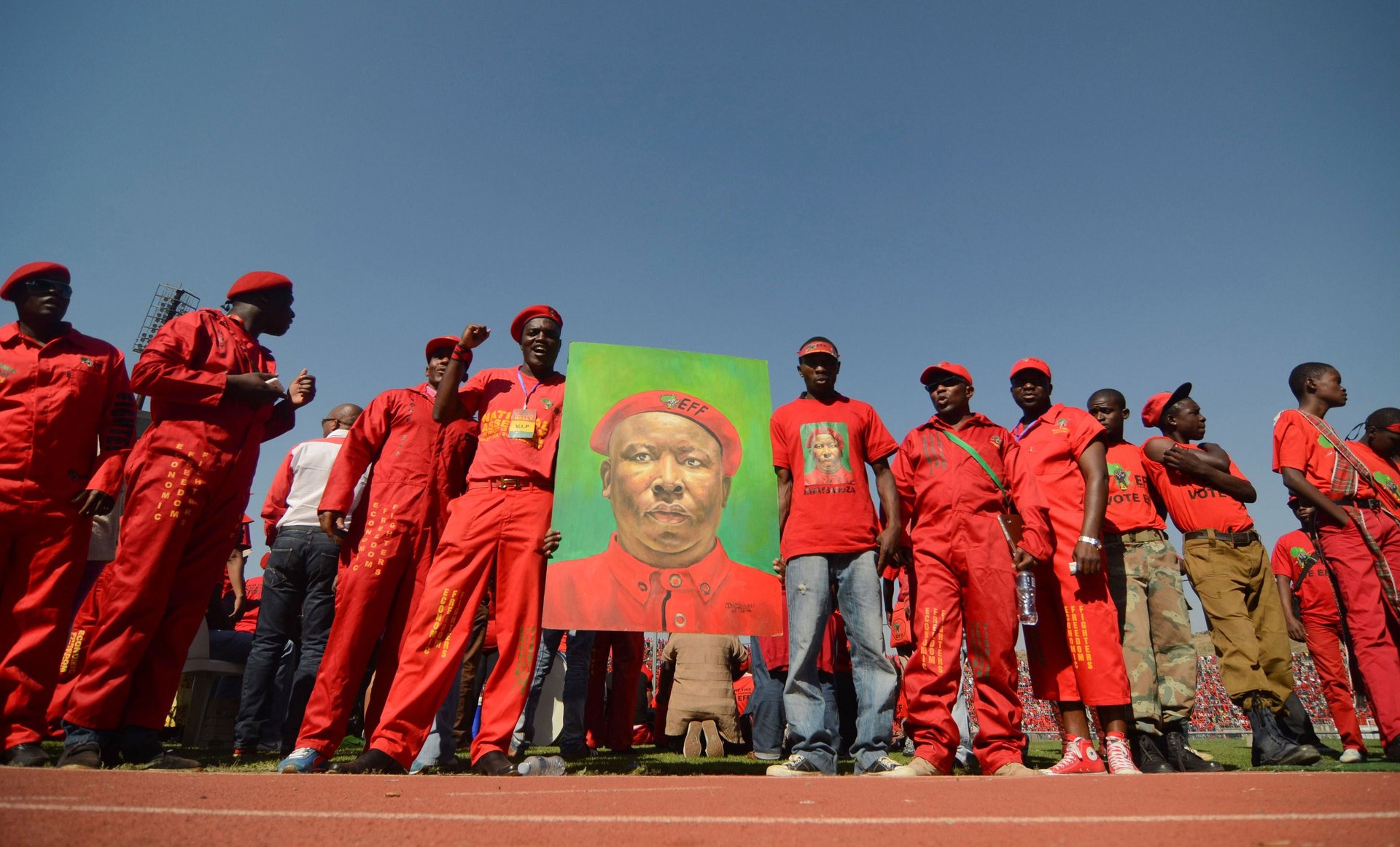
Julius Malema and the Fighters. They sound like a rock band. But in fact they are a political party, formed almost 10 months ago and already a hit in South Africa. The Economic Freedom Fighters (EFF) contested their first election this month, coming in third place and unseating parties and leaders on the ballot for decades.

World leaders have been sending a flood of tributes and tweets about their love and respect for Nelson Mandela. But what did the great statesman think of them? A little-noticed 2002 video of Mandela captures how he really felt. Margaret Thatcher was “warm and motherly,” he said, but George W. Bush was very arrogant.

CAPE TOWN, South Africa—At Nelson Mandela’s oldest grandson Mandla’s wedding in 2004, his first, held at the family homestead in Qunu, in the Eastern Cape, everyone wanted a picture with the former South African president. At the end of a traditional ritual, the crowd dispersed and ran toward the seated Mandela. Mothers brazenly ran to dump their toddlers on his lap and then stepped back to take a quick snap. He accepted this, smiling all the while, I remember. None of his family and minders shooed people away. I stood at the back of the crowd, but like many of the guests and local villagers, I had my eye on him during the weekend festivities. I wish I had been brave enough to take a picture, a piece of him with me, just for myself.

Growing up is hard, even for emerging markets.

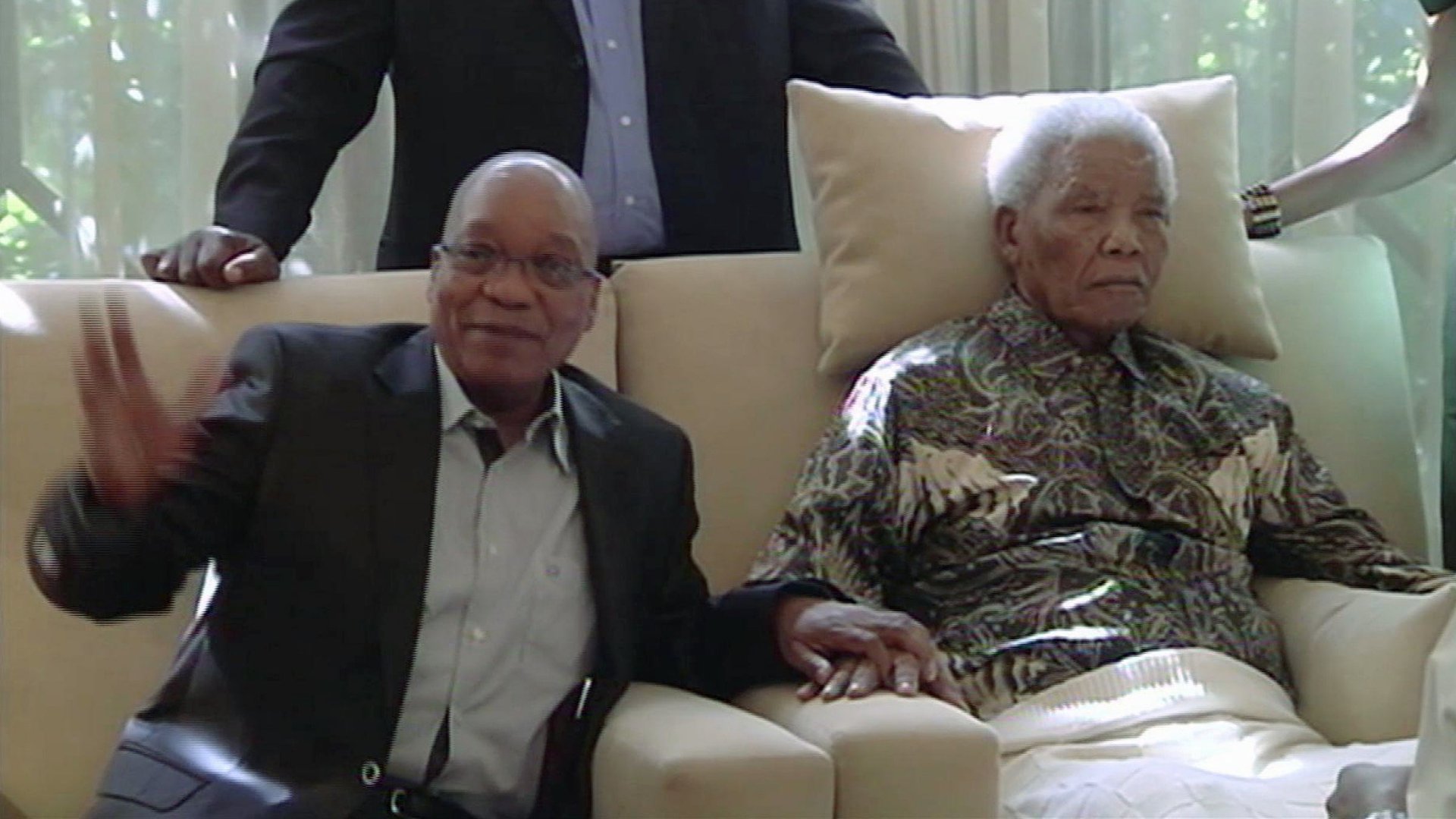
A video of South African leader Nelson Mandela was released this week to show that he was “in good shape.” Instead, the image of a frail and dazed Mandela garnered reactions like this one, from top comedian Trevor Noah: “Mandela survived 27 years in prison only to become a prisoner of the ANC marketing machine”

Here he goes again.

Jason Njoku is building one of Africa’s splashiest tech start-ups. iROKOtv, dubbed the Netflix of Africa, is a streaming video service built around the cinematic offerings of Nollywood, Nigeria’s fast-growing movie industry. It’s not easy being an African online media startup. Because of extremely low broadband penetration on the continent, most of iROKOtv’s movies are consumed in the US and UK by immigrants who have more reliable Internet access than most Africans—including, until recently, iROKOtv’s own Lagos office. (As Njoku puts it, “an internet company that can’t get on to the internet is just plain embarrassing.”) Still, he insists that his business’s future lies with African consumers. Here the British-born Njoku talks about his plans for unlocking the continent as a market for streaming movies, and explains why he could never manage to hold down a regular job.

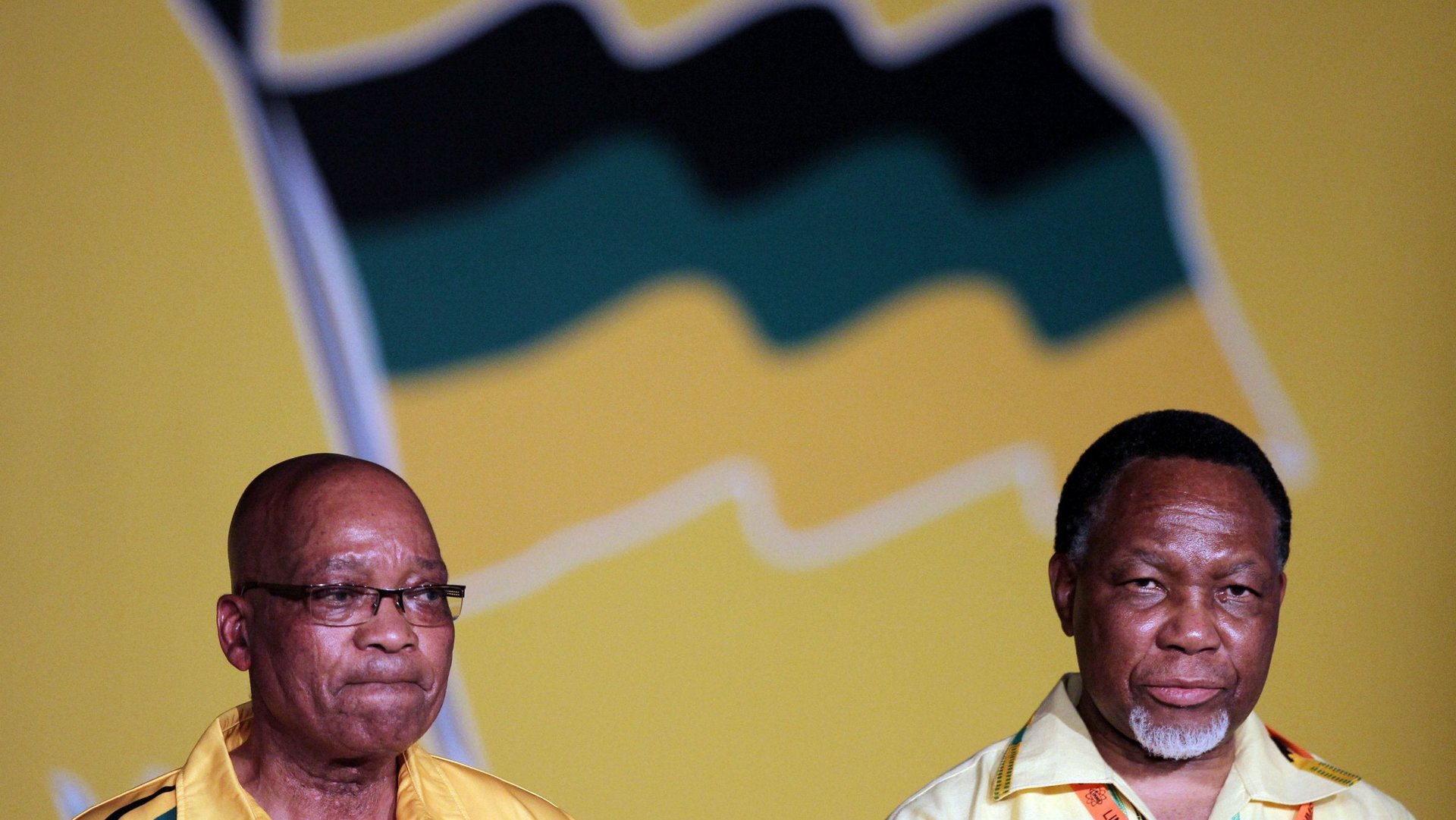
In South African politics, nobody gets anywhere without “struggle credentials.” They are badges of honor proving that these leaders, like Nelson Mandela, fought against the apartheid regime.

France is famously protective of its signature food and beverage products: If you call your bubbly wine “champagne” you will eventually hear from the lawyers at the Comité Interprofessionnel du Vin de Champagne, for example. So when the French firm Compagnie de Trucy had the audacity to try to trademark rooibos—the herbal tea that exclusively grows in South Africa, and is as South African as champagne is French—it caused an uproar that may lead to new rules that would treat rooibos like some of the world’s most famous wines.

The interesting thing about the debate over Yahoo’s ban on working from home is that there was even a debate.

I could not help thinking of Steve Biko when I heard of the death of the Mozambican taxi driver. A video of him being dragged behind a police van went viral this week. It was not because the man was a freedom fighter, but like Biko, the black consciousness leader, he also died after being left for dead in a police cell after being tortured.

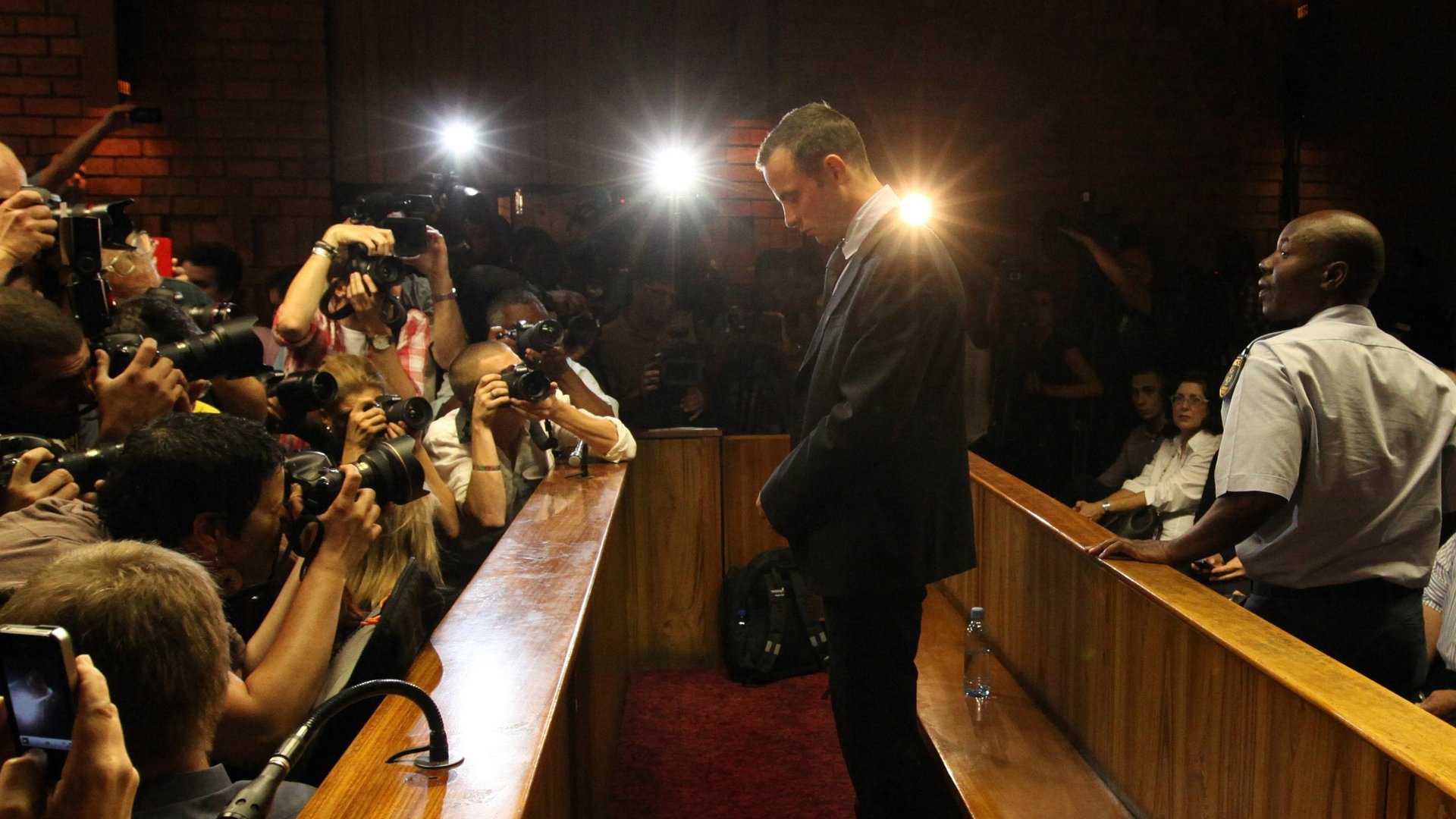
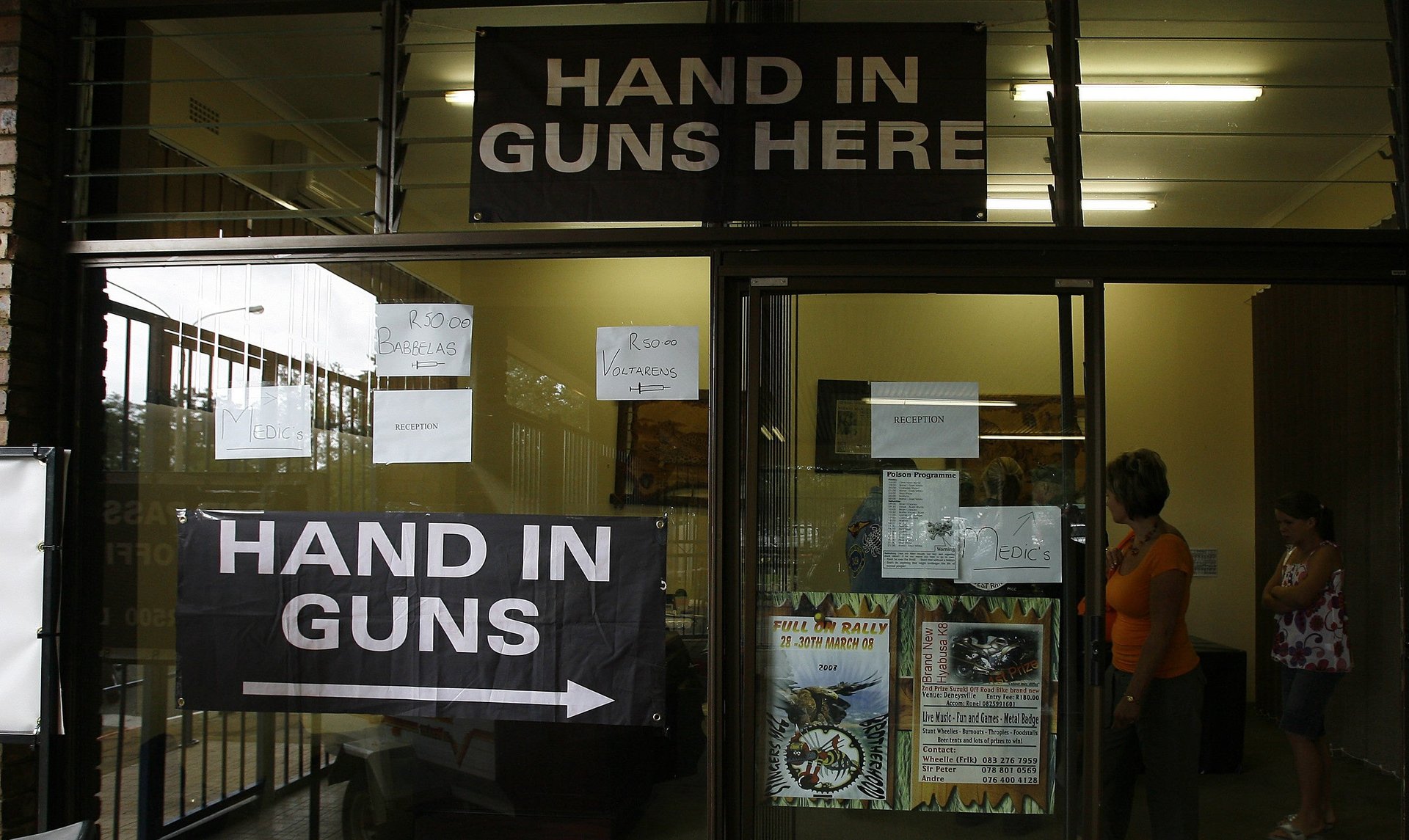
South African Paralympic star Oscar Pistorius has been charged with the murder of his model girlfriend, Reeva Steenkamp. This incident has begun to spark debate about gun ownership in a country where estimates show that there are 12 firearms for every 100 citizens, 6 million guns overall. The gun laws in South Africa stipulate that potential owners undergo a competency test and a background check. As it stands there are few facts as to why Pistorius allegedly shot his girlfriend in the head and arm in his home in Pretoria this morning. Police have disputed early morning reports by Afrikaans publication Beeld that claimed that the athlete attacked Steenkamp because he had mistaken her for an intruder in his house. Pistorius is currently in police custody.

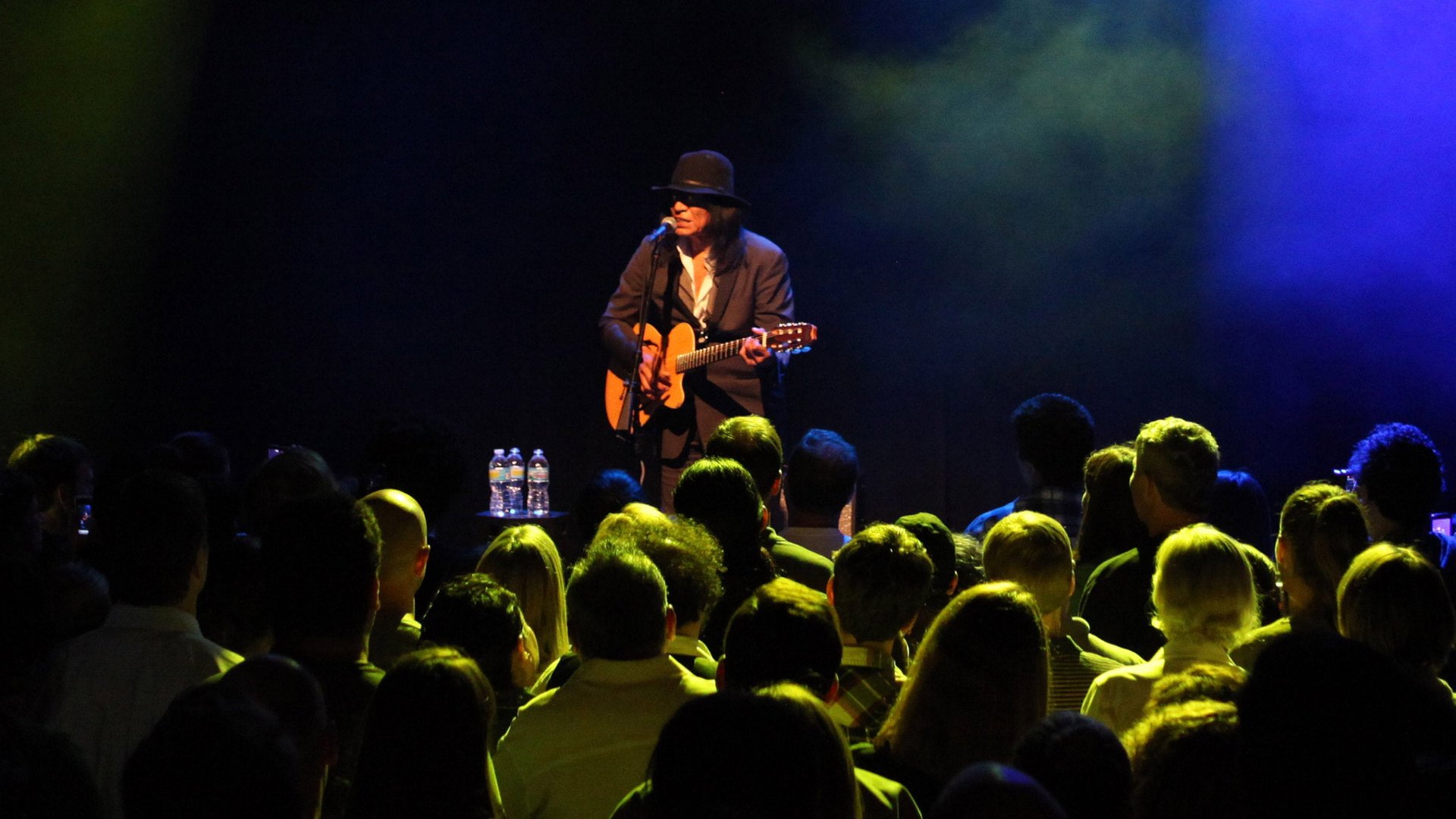
Sixto Rodriguez was once one of South Africa’s most beloved musical stars, a mysterious icon who was unknown to the rest of the world. But now that his life and career have been chronicled in the Oscar-nominated documentary Searching for Sugar Man, Rodriguez doesn’t belong to us South Africans any more.

As the dust settles from the government’s trampling of South Africa’s First National Bank (FNB), it’s hard to conclude which of the two is the biggest loser. The skirmish has brought to light just how sensitive the African National Congress’ (ANC) government is to criticism, but also a lesson, as some analysts say, why big business should not mix politics with advertising.

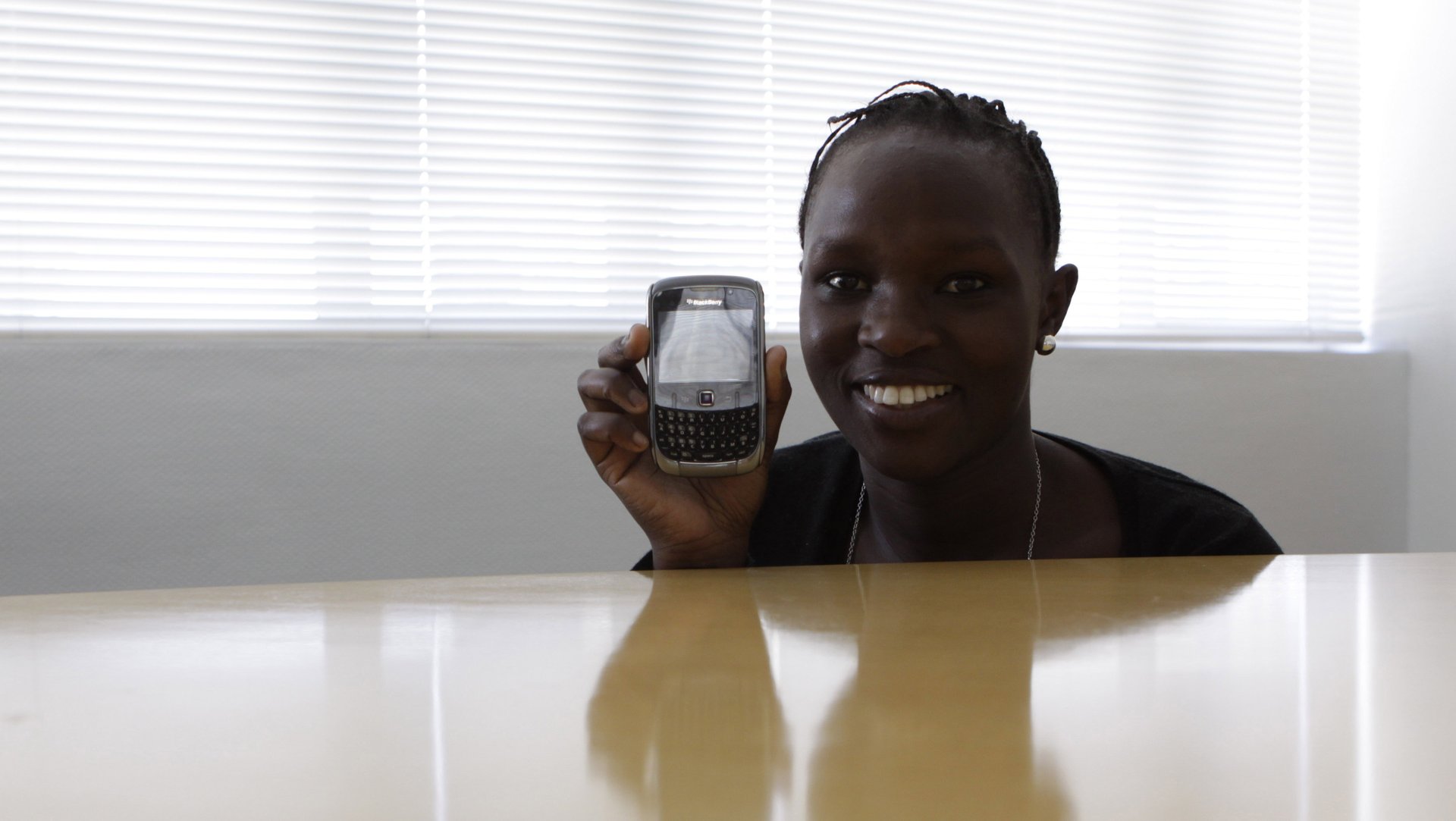
There are three words for why the Blackberry dominates market share in South Africa: BlackBerry Internet Service (BIS). Despite the fact that it’s actually run by local mobile carriers, BIS is essentially a flat-rate data plan.

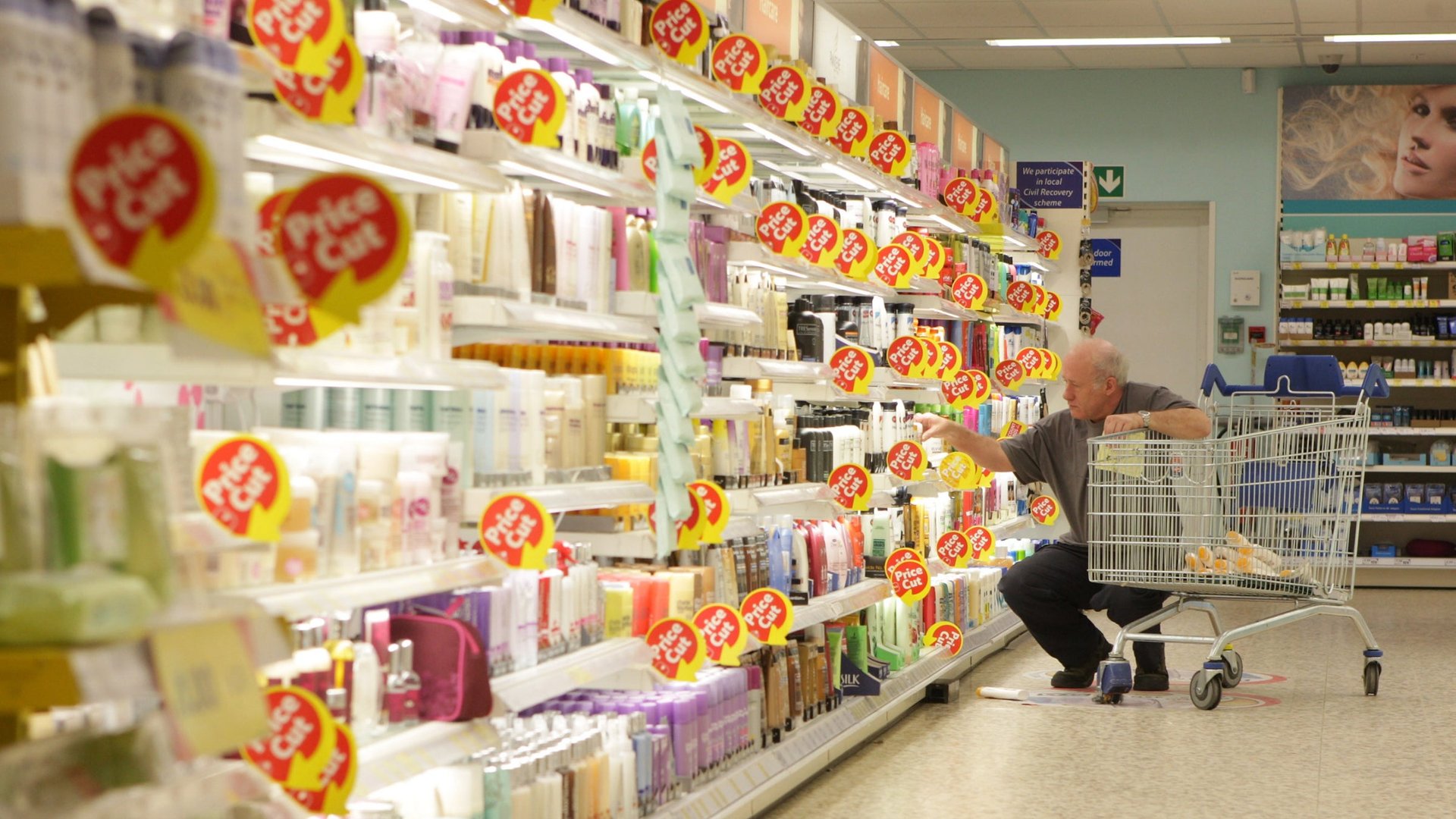
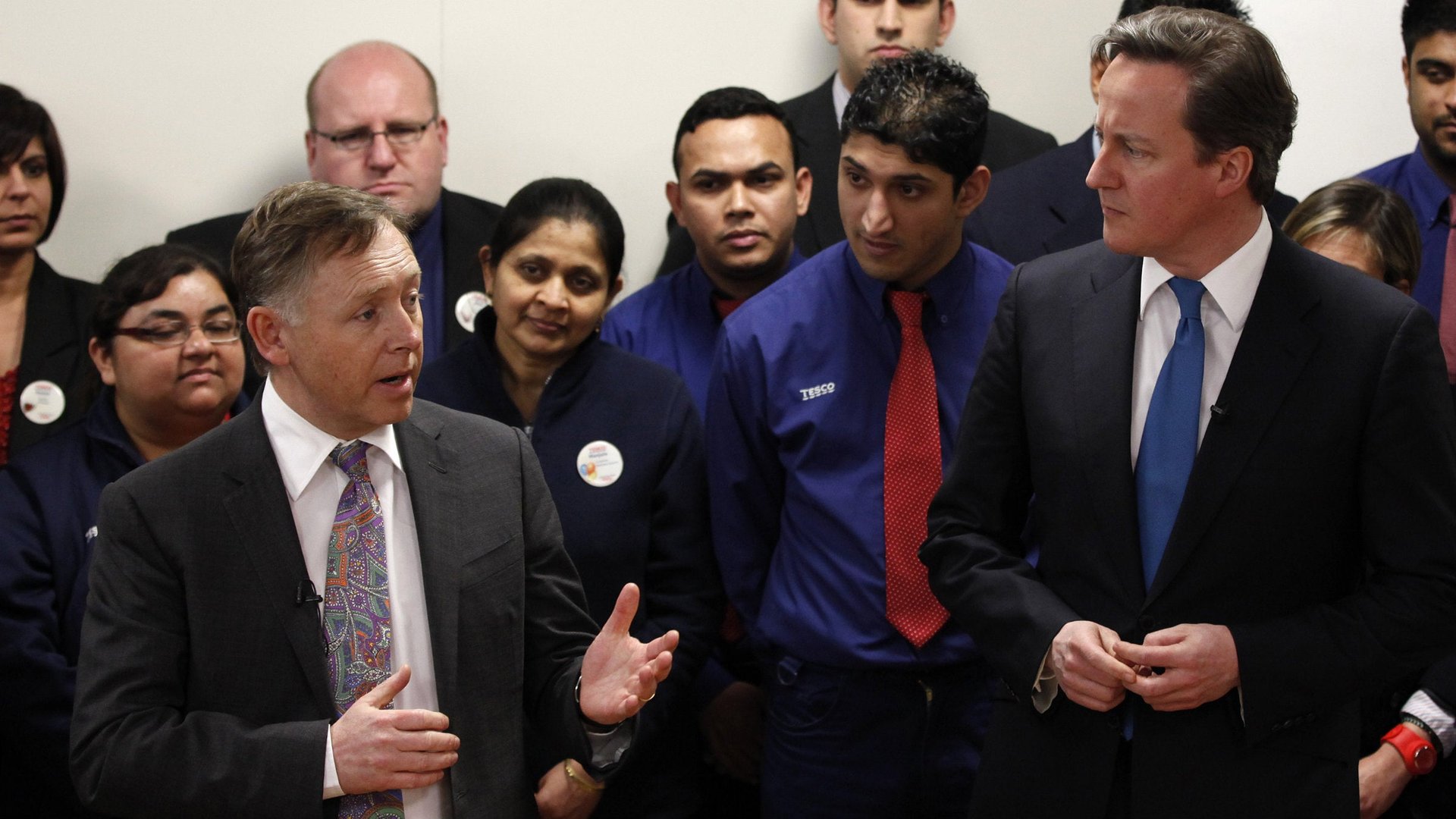
In a few days, Richard Brasher officially starts as the new CEO of South Africa’s Pick n Pay. He’s the former UK head and a past board member of British multinational Tesco, the second most profitable retailer in the world after Wal-Mart. He also happens to be the man tapped to reverse the slide in market share of South Africa’s largest food retailer.

Bill Gates has focused his technological vision to a new part of the world: Africa. In a column in Monday’s South African Business Day, the tech mogul-turned-philanthropist says: “I am particularly optimistic about the potential for technological innovation to improve the lives of the poorest people in the world.” It is Kenya’s tech boom where this has most proven true. Here are some lessons from the country’s digital successes: