
Money & Markets
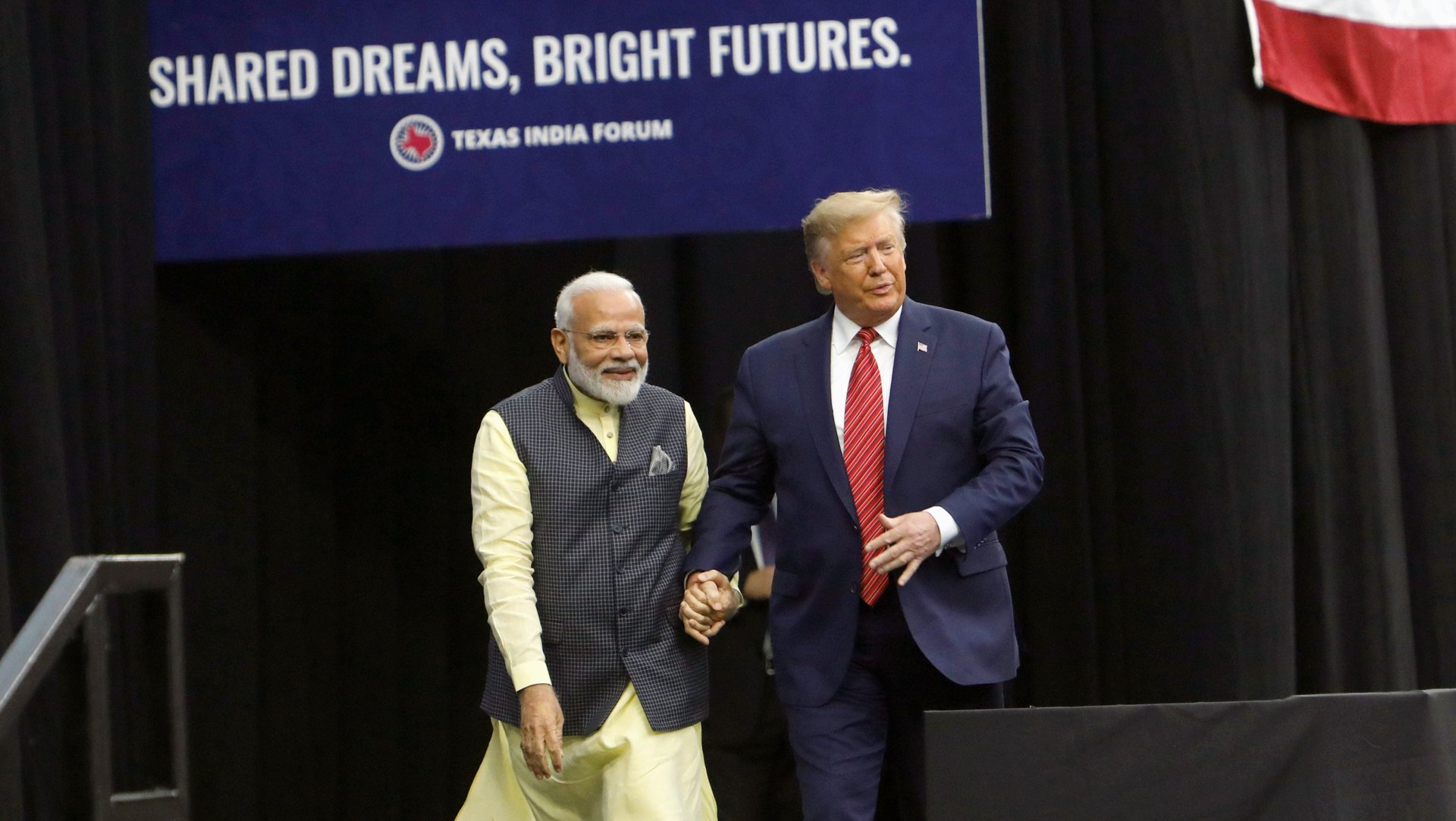
The Modi-Trump friendship could change the way Indian-Americans vote in November 2020Senator Kamala Devi Harris’s Indian roots may not be enough to woo Indian-American voters in the US.
Updated July 21, 20223 min read
Senator Kamala Devi Harris’s Indian roots may not be enough to woo Indian-American voters in the US.
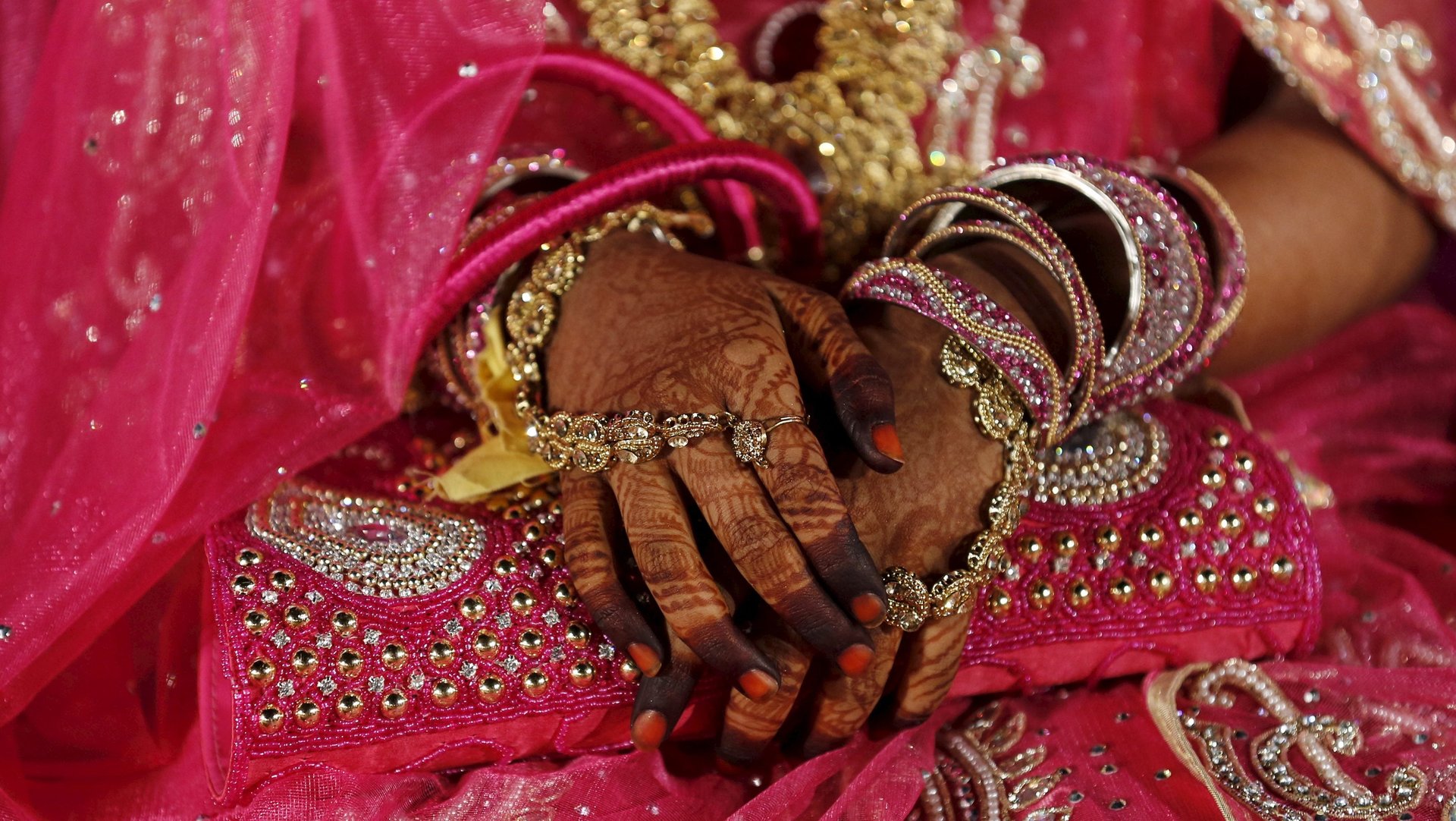
Indians are gearing up for the upcoming wedding season, but the Covid-19 pandemic has altered their world view about the big fat Indian wedding.
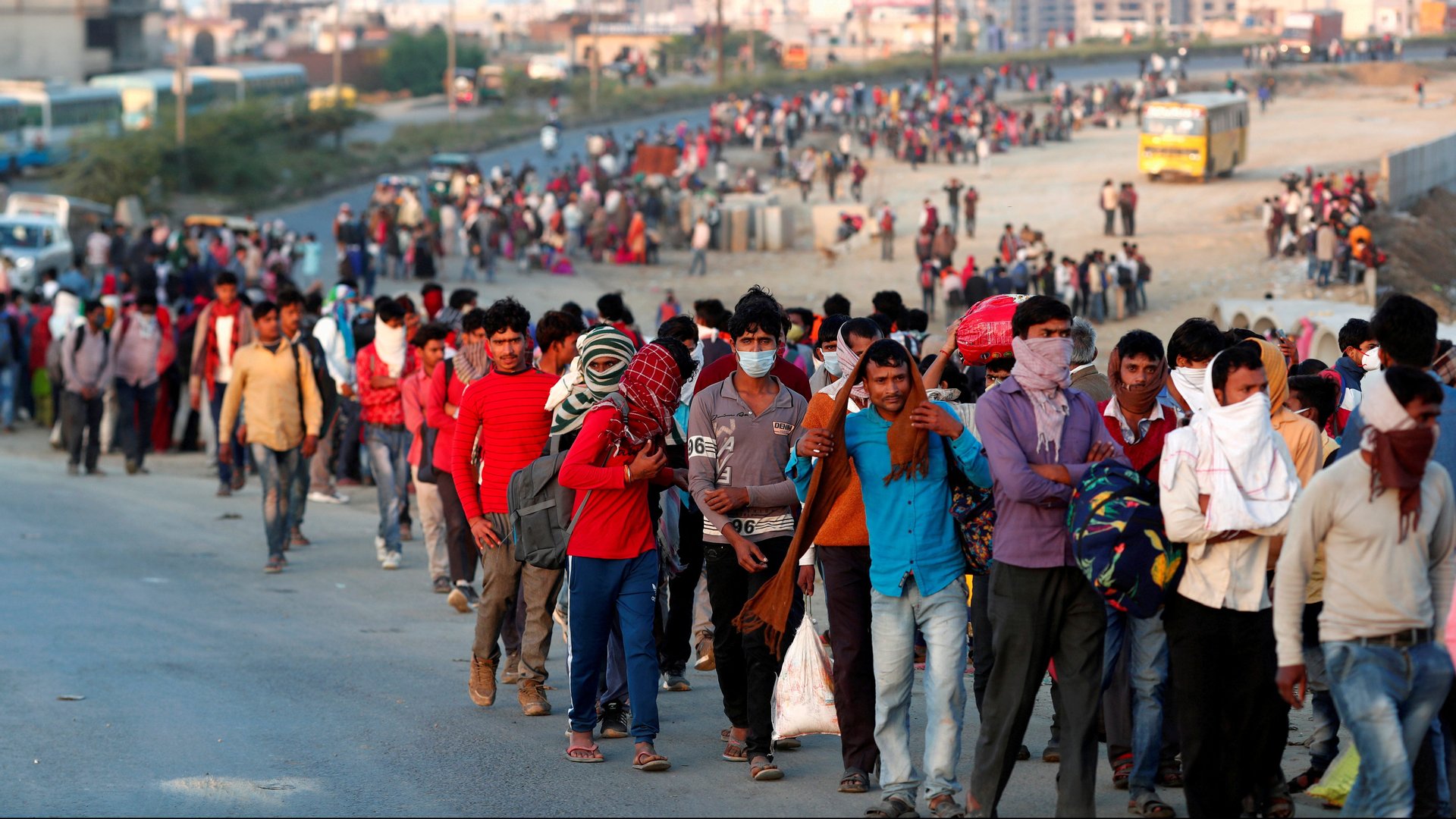
The Indian government has denied having any data that can clearly say how many migrant workers lost their jobs to the pandemic.
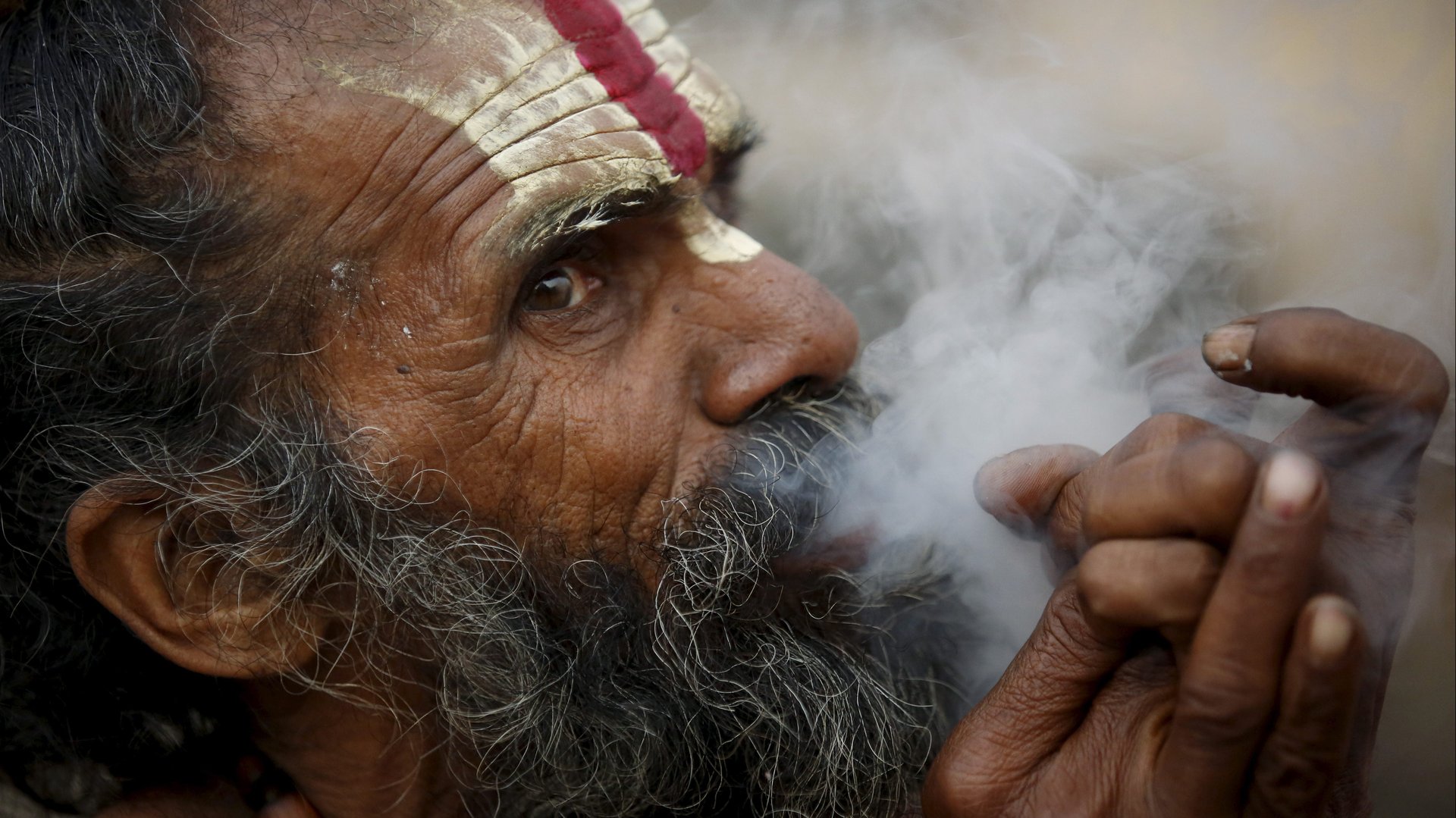
There are few things in India that enjoy religious and cultural sanctions as much as the use of cannabis does. And yet, it’s consumption is illegal.
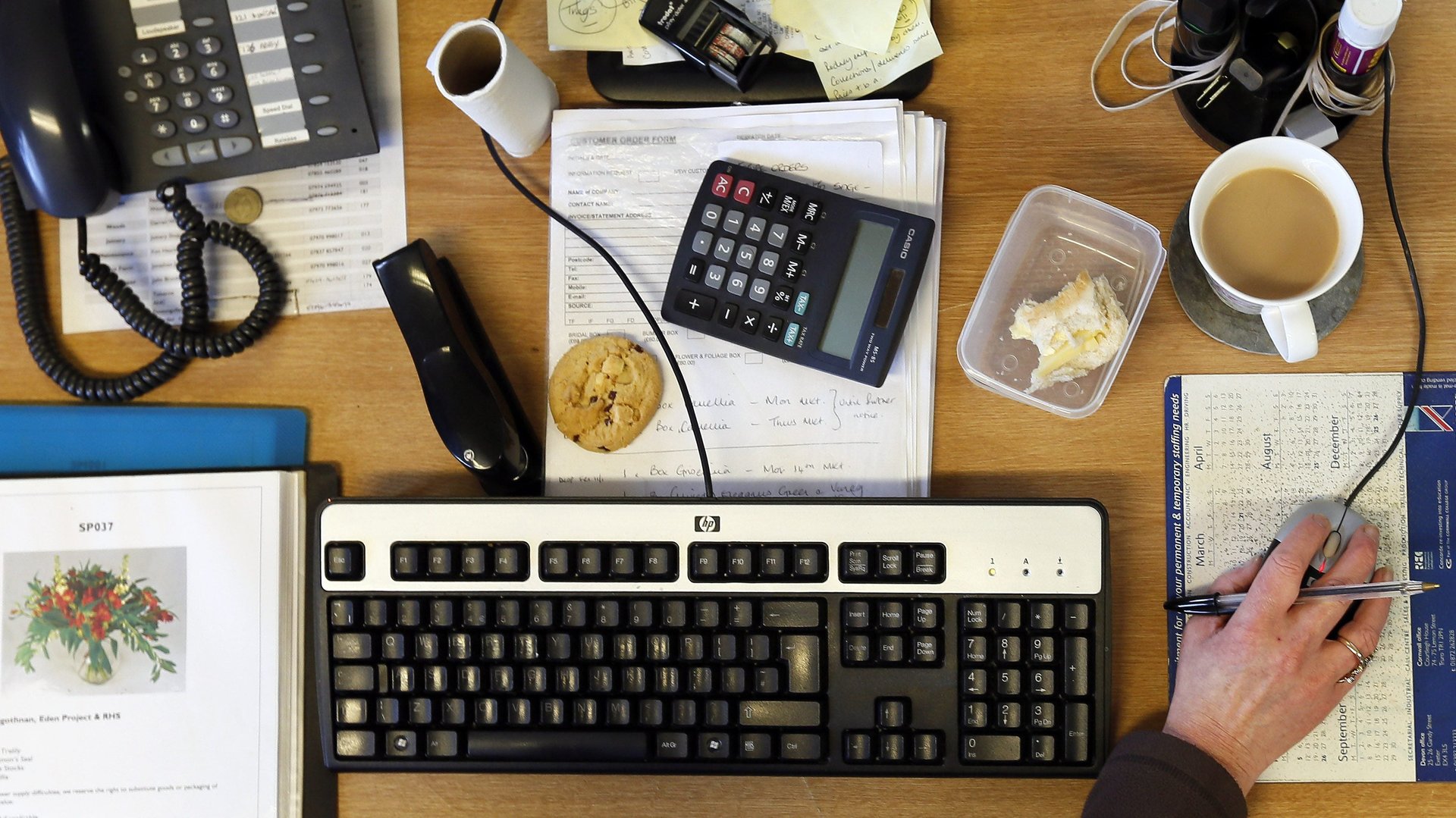
For several Indians, September marks the sixth month of working from home because of the pandemic. Depending on whether you are parents or child-free, these months could feel longer or shorter.
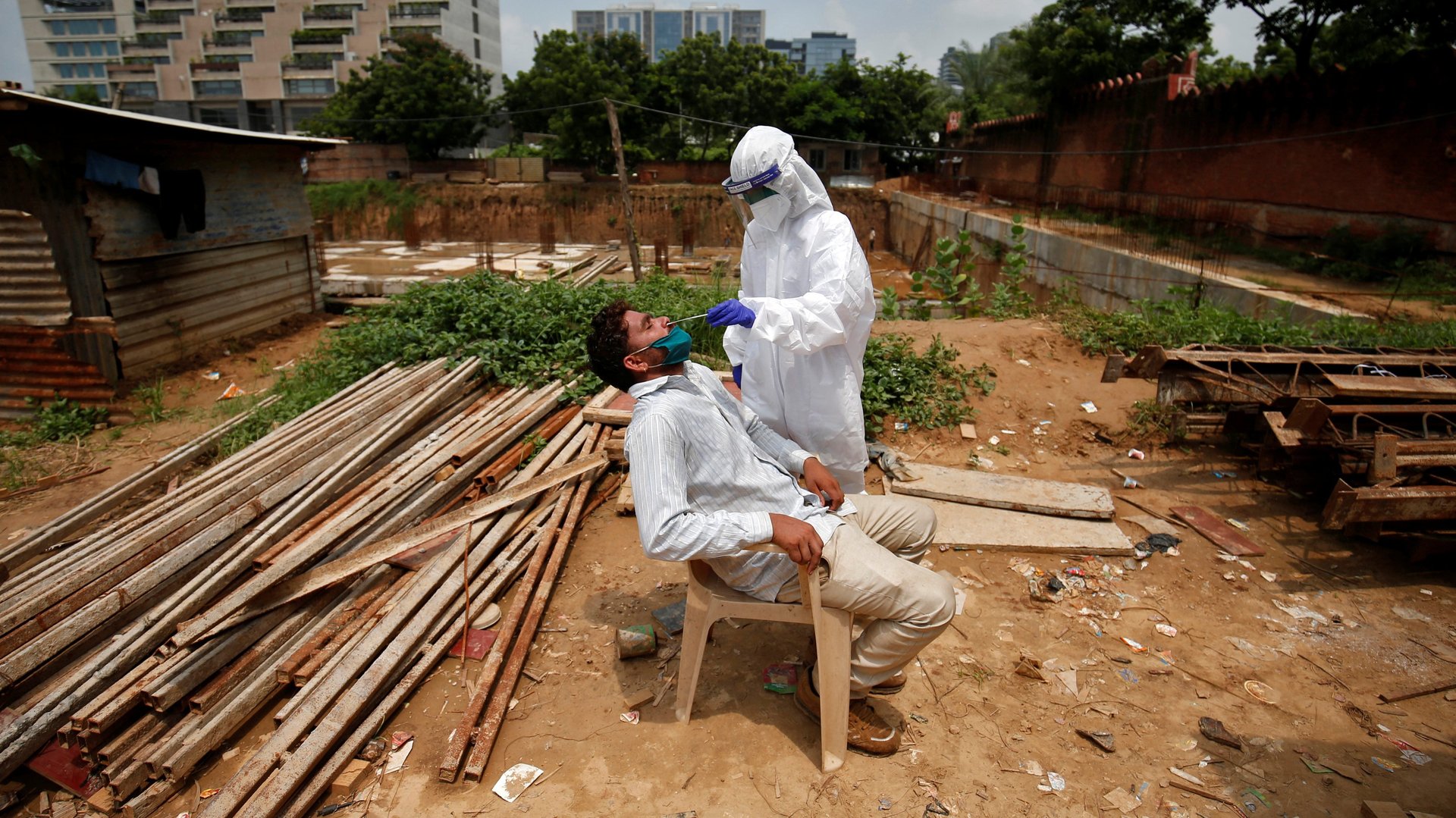
As India races ahead of 4 million coronavirus cases, many people still avoid getting tested.
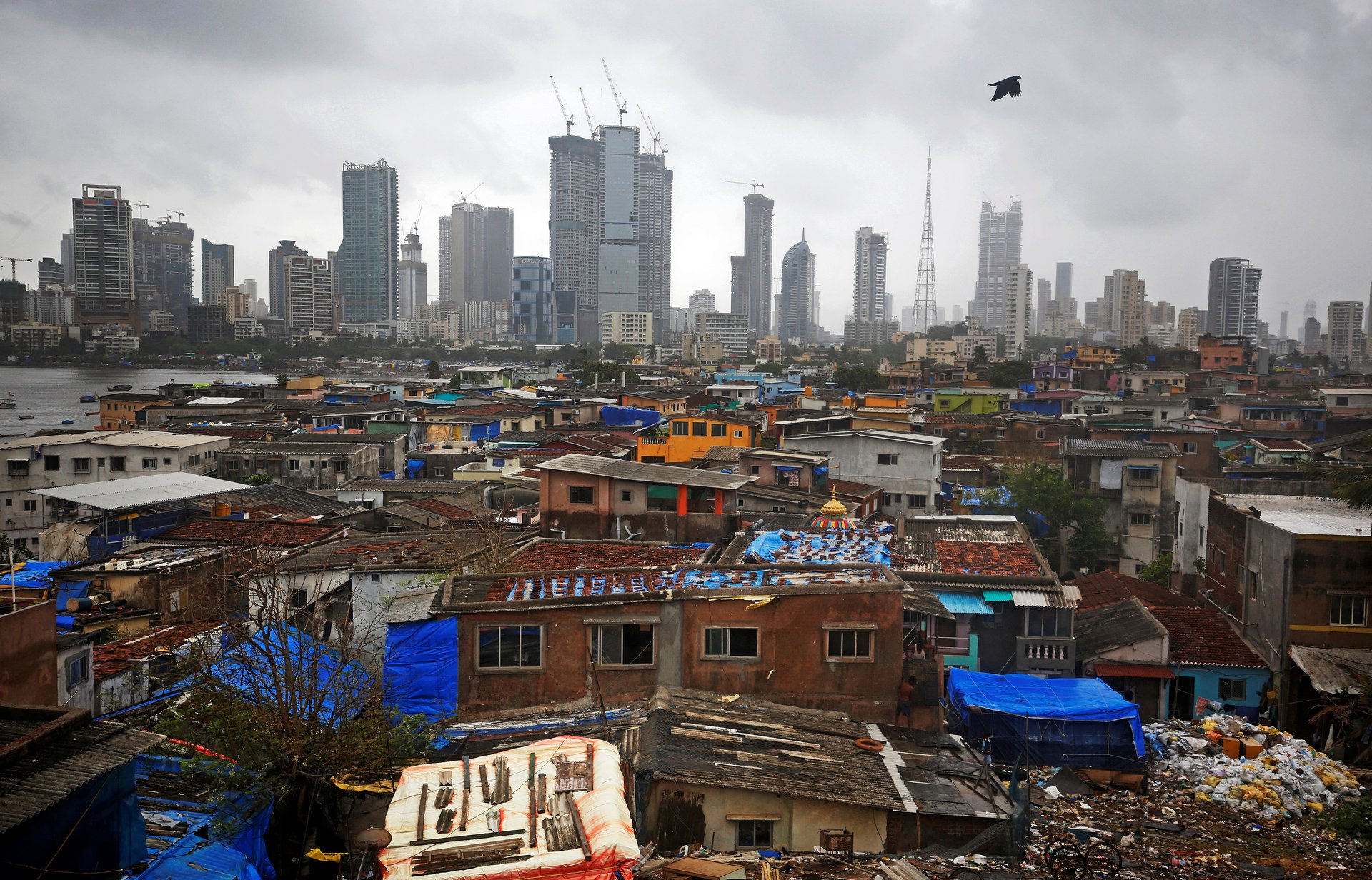
Ask a migrant worker living in any one of India’s metropolises why they moved out of their hometown, and the answer is fairly standard: economic hardship.

As India races towards the 4-million mark of Covid-19 positive cases, there are lessons its government can learn from the Spanish influenza pandemic almost a century ago.
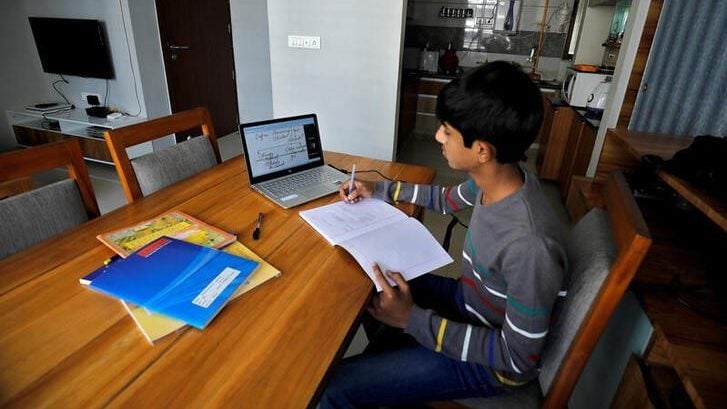
As the school year progresses, Indian parents are beginning to recognise the stress that the pandemic and online classes are causing their kids.
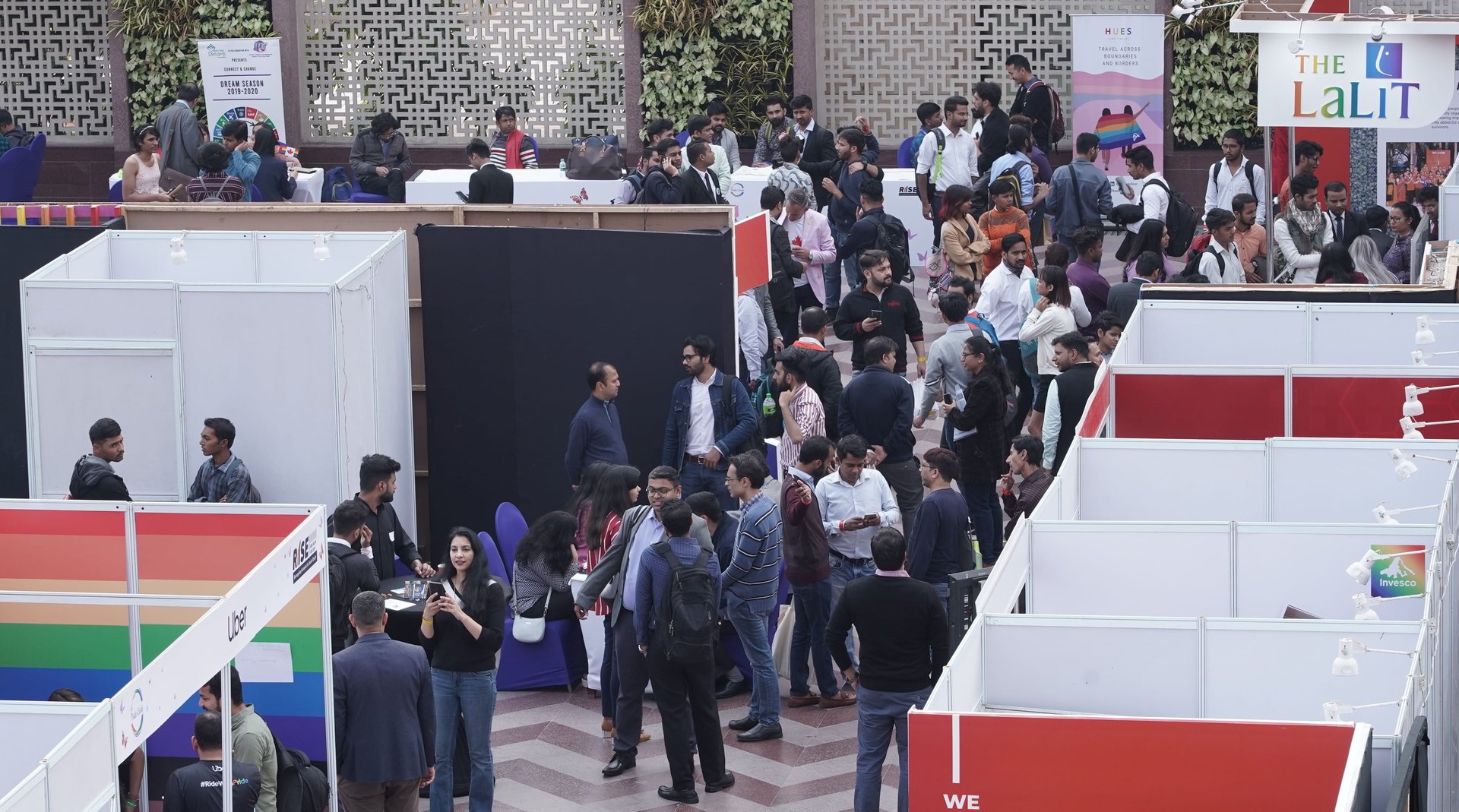
While India decriminalised homosexuality two years ago, most Indian companies are still taking the first steps towards gender diversity.
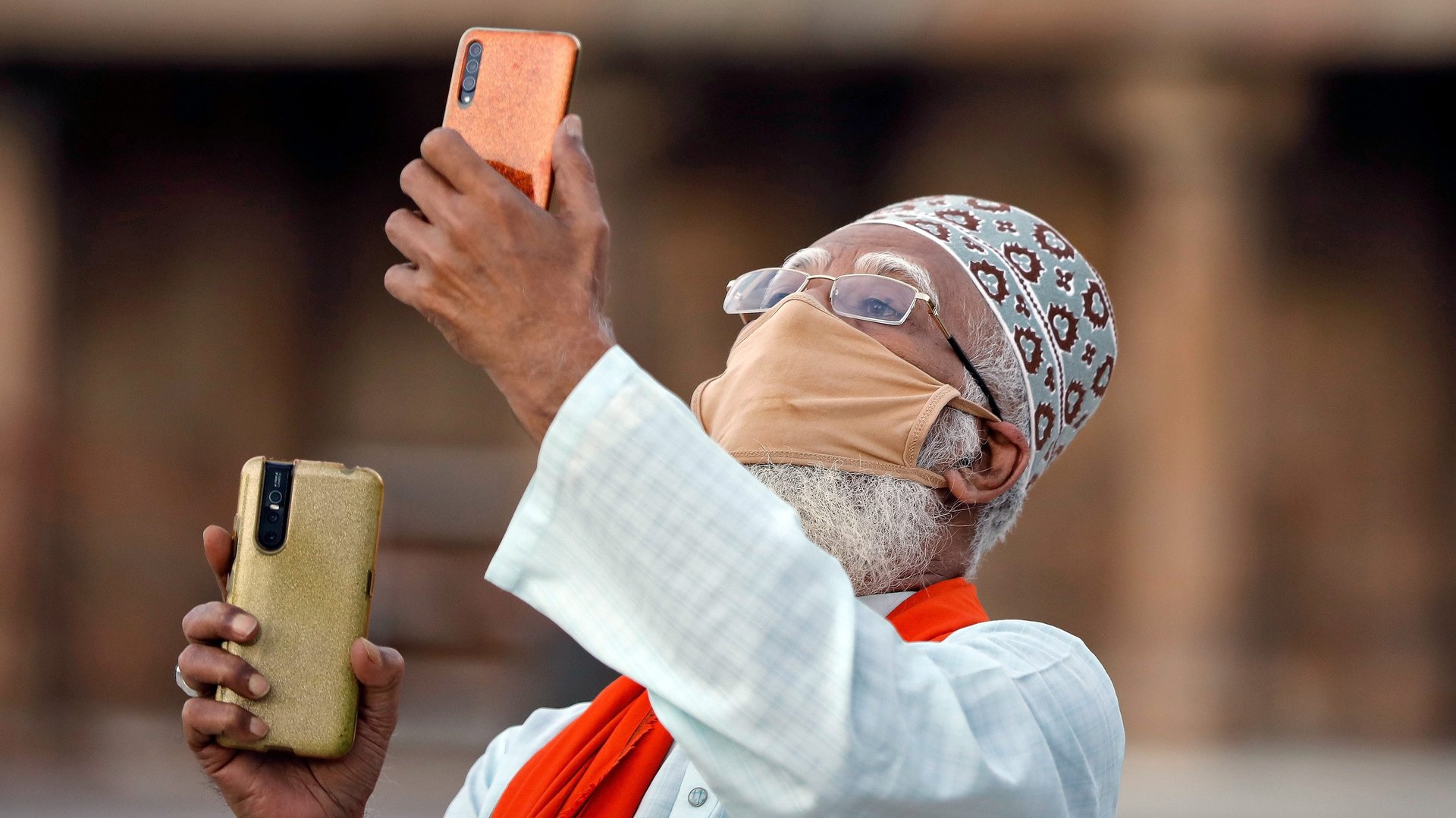
Months into the pandemic, video calling has become second-nature for several Indians.
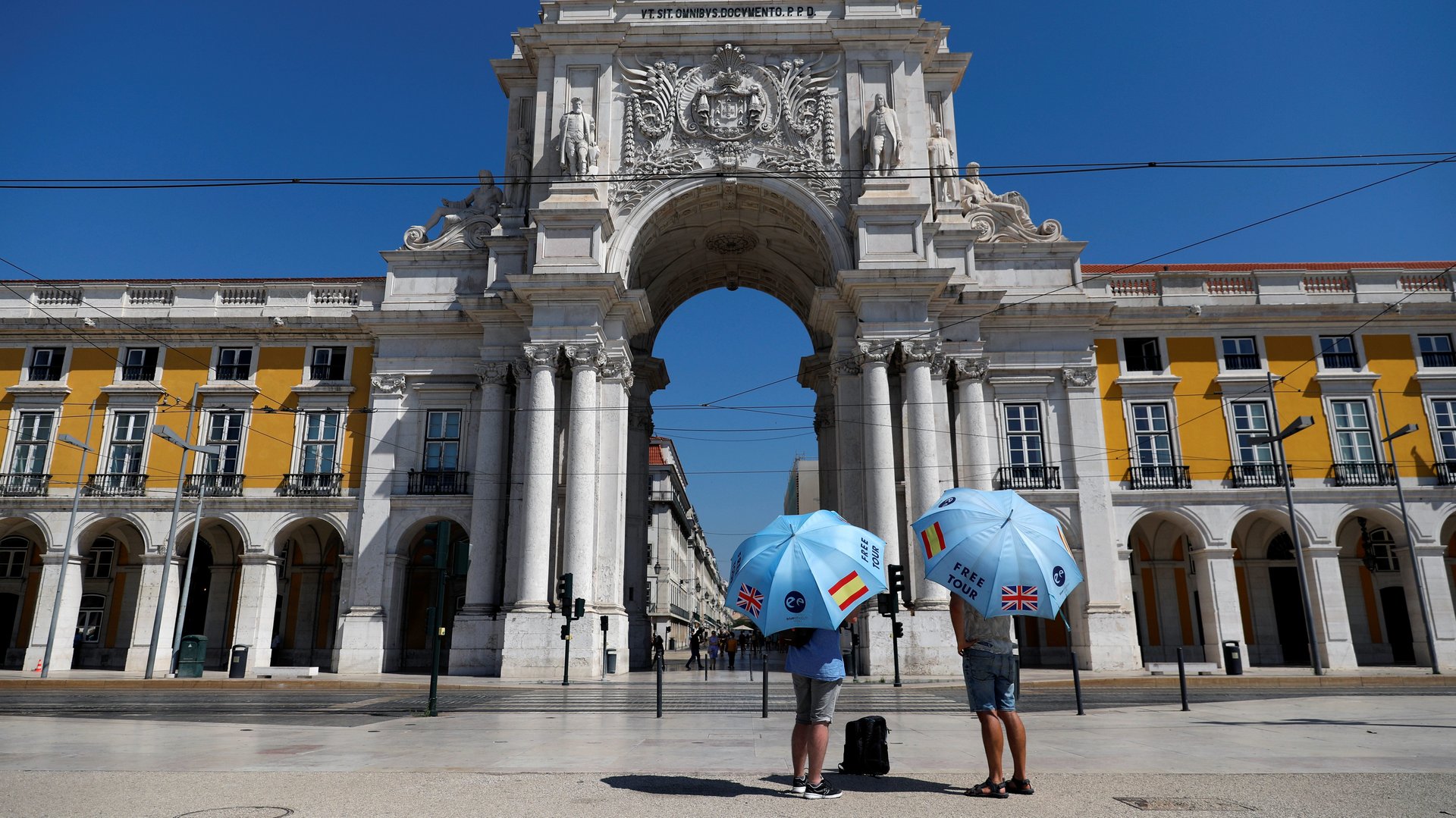
When everything-from-home comes, can travel be far behind?
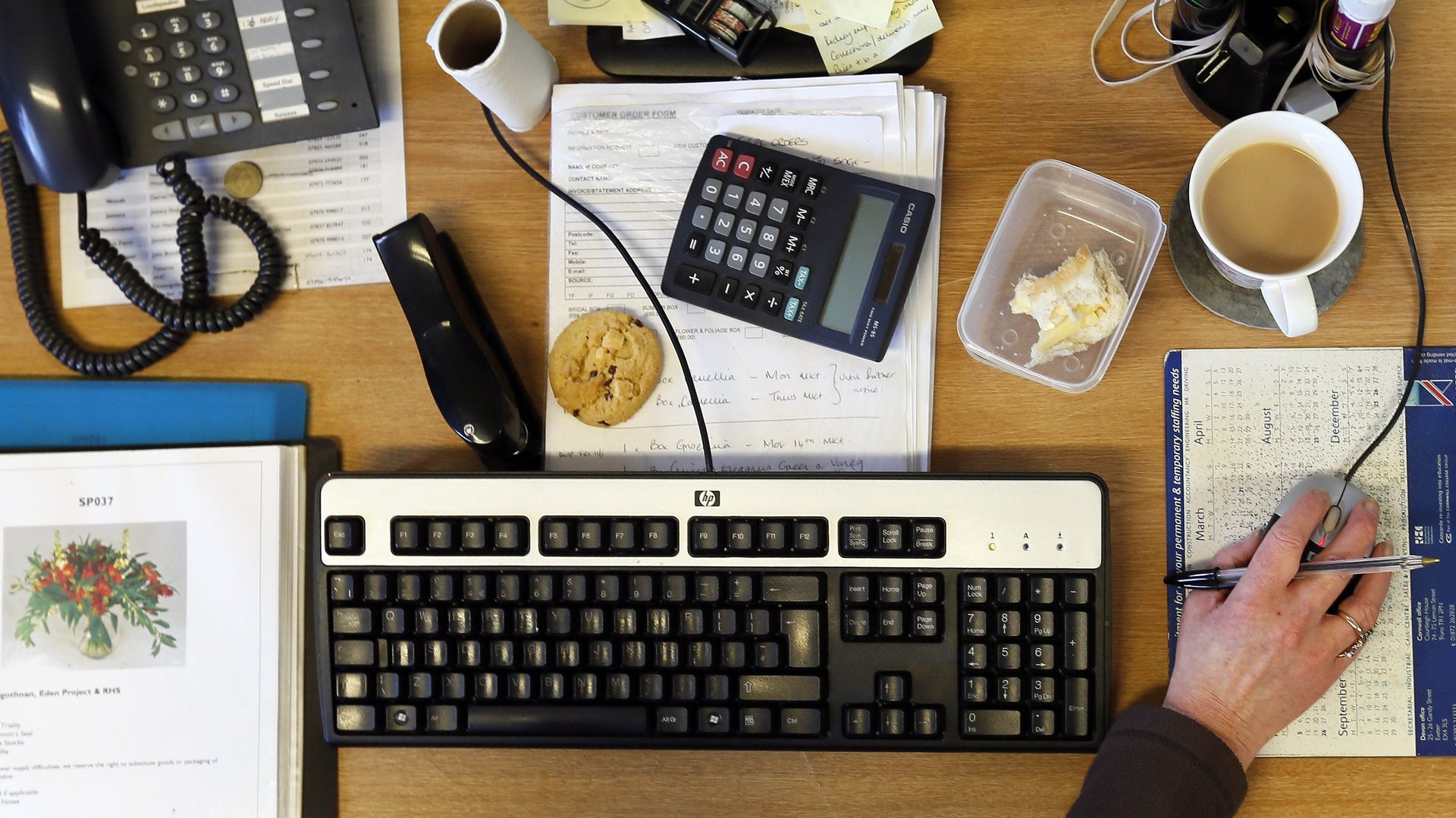
India’s jobs market has started recovering.
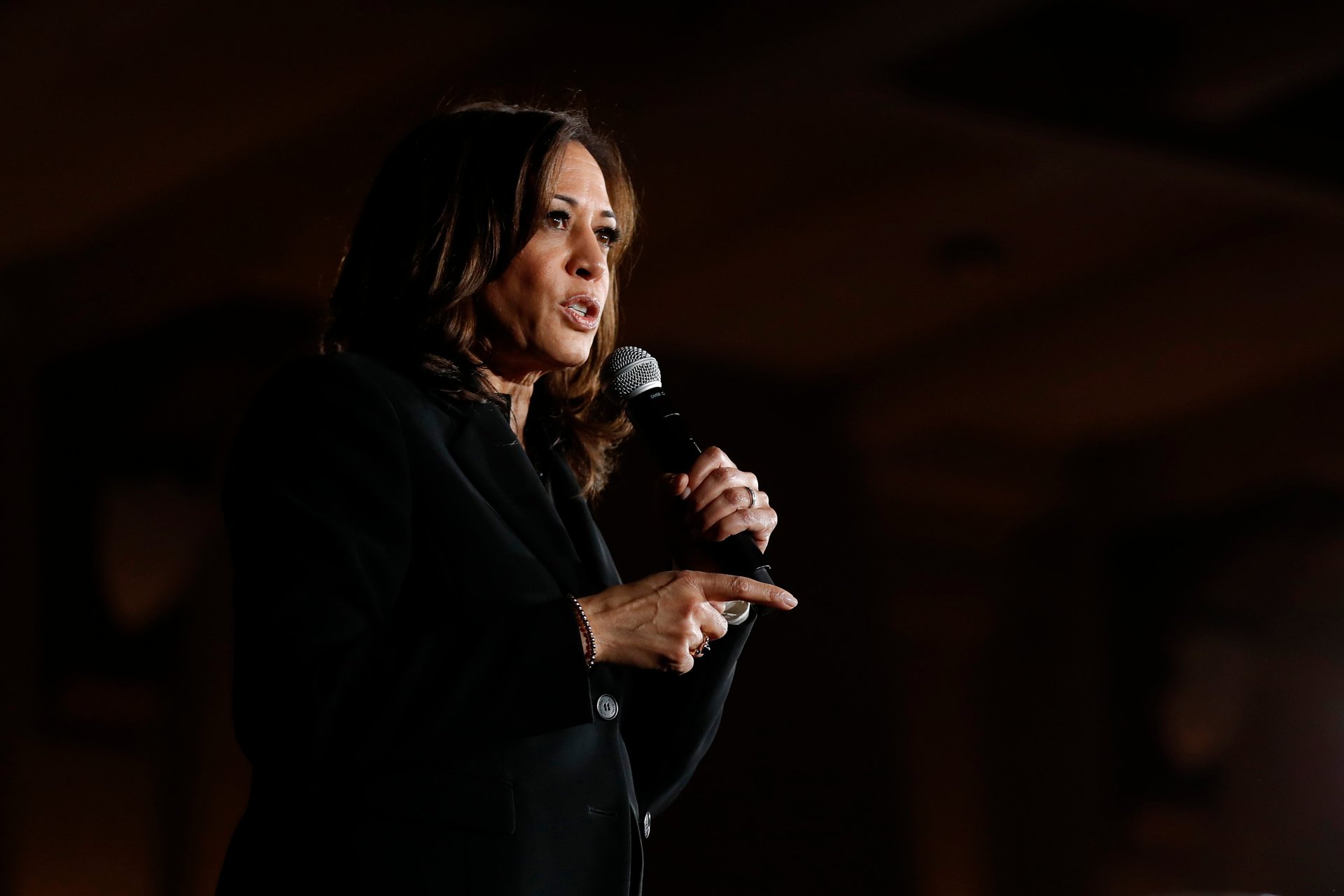
In picking US senator Kamala Devi Harris to be his vice-presidential candidate, Democratic presidential candidate Joe Biden may have hit many of US president Donald Trump’s nerves.

Besides setting up unrealistic ideals of love, Meg Ryan and Tom Hanks-starrer You’ve Got Mail became a timeless allegory for the charming independent bookstore.
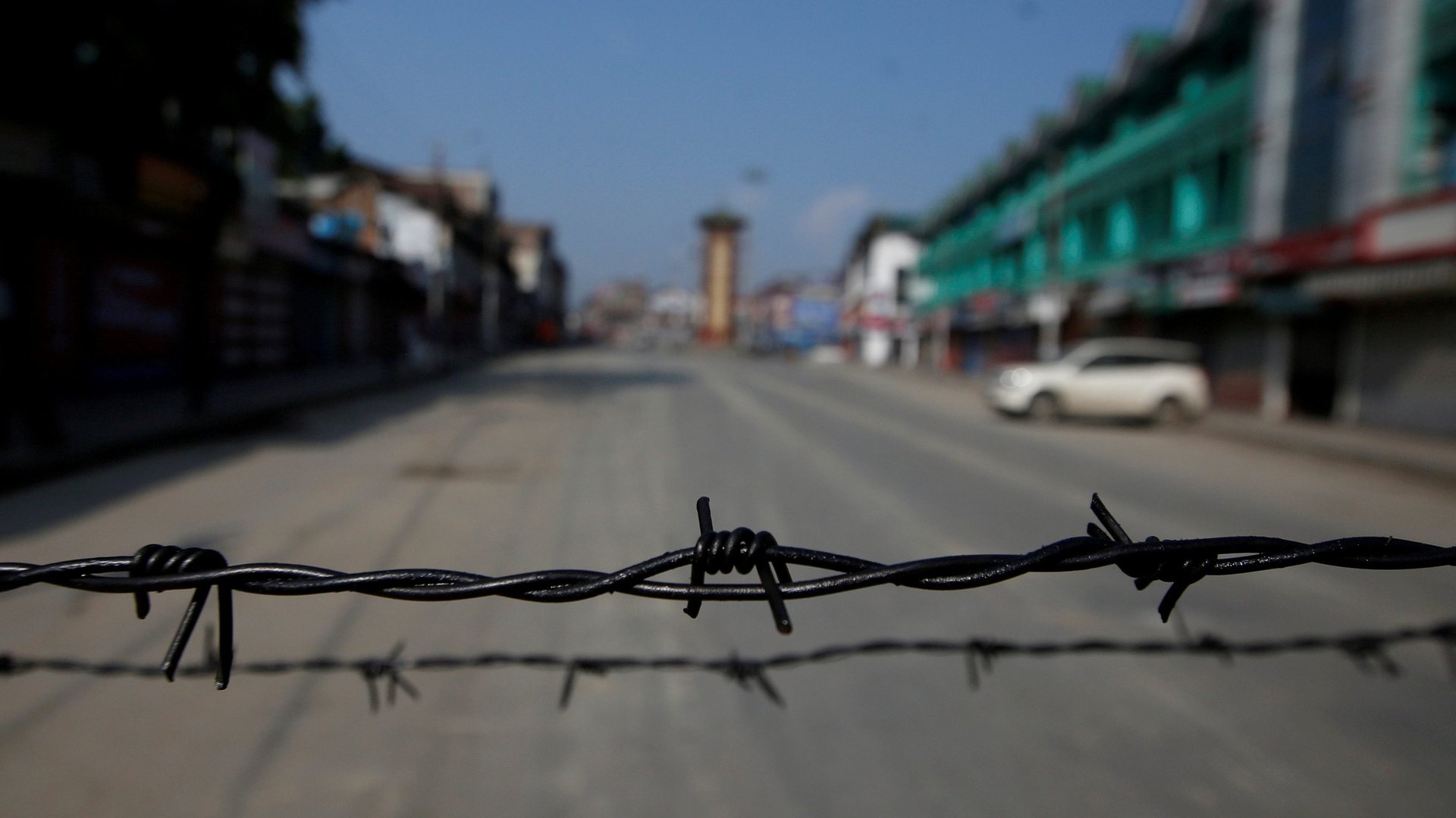
Strife, curfews, and economic gloom are not new to Jammu & Kashmir. And yet, the past year has delivered a blow like none other.
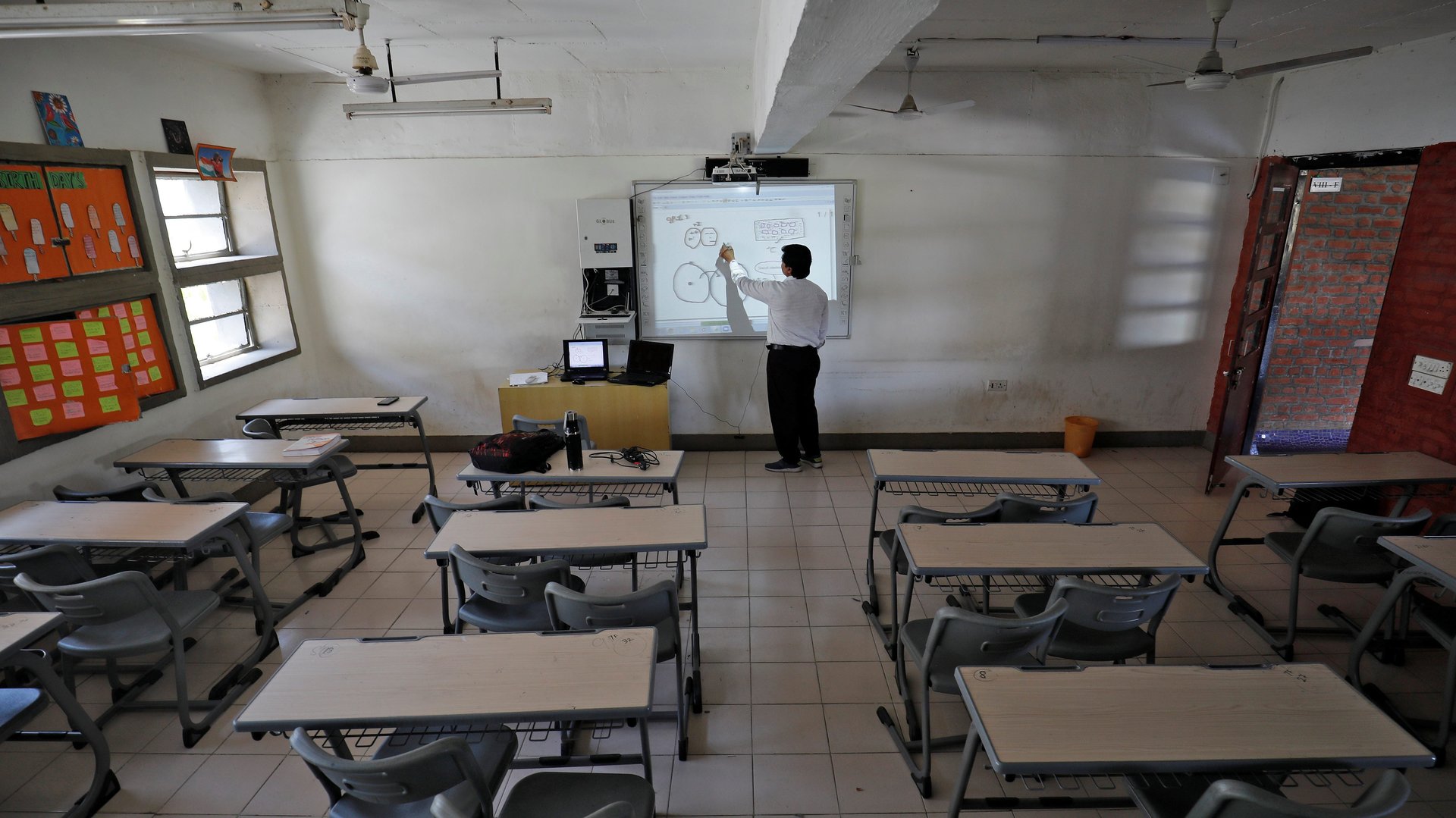
Indian parents want their kids to have more screen time than they already do.
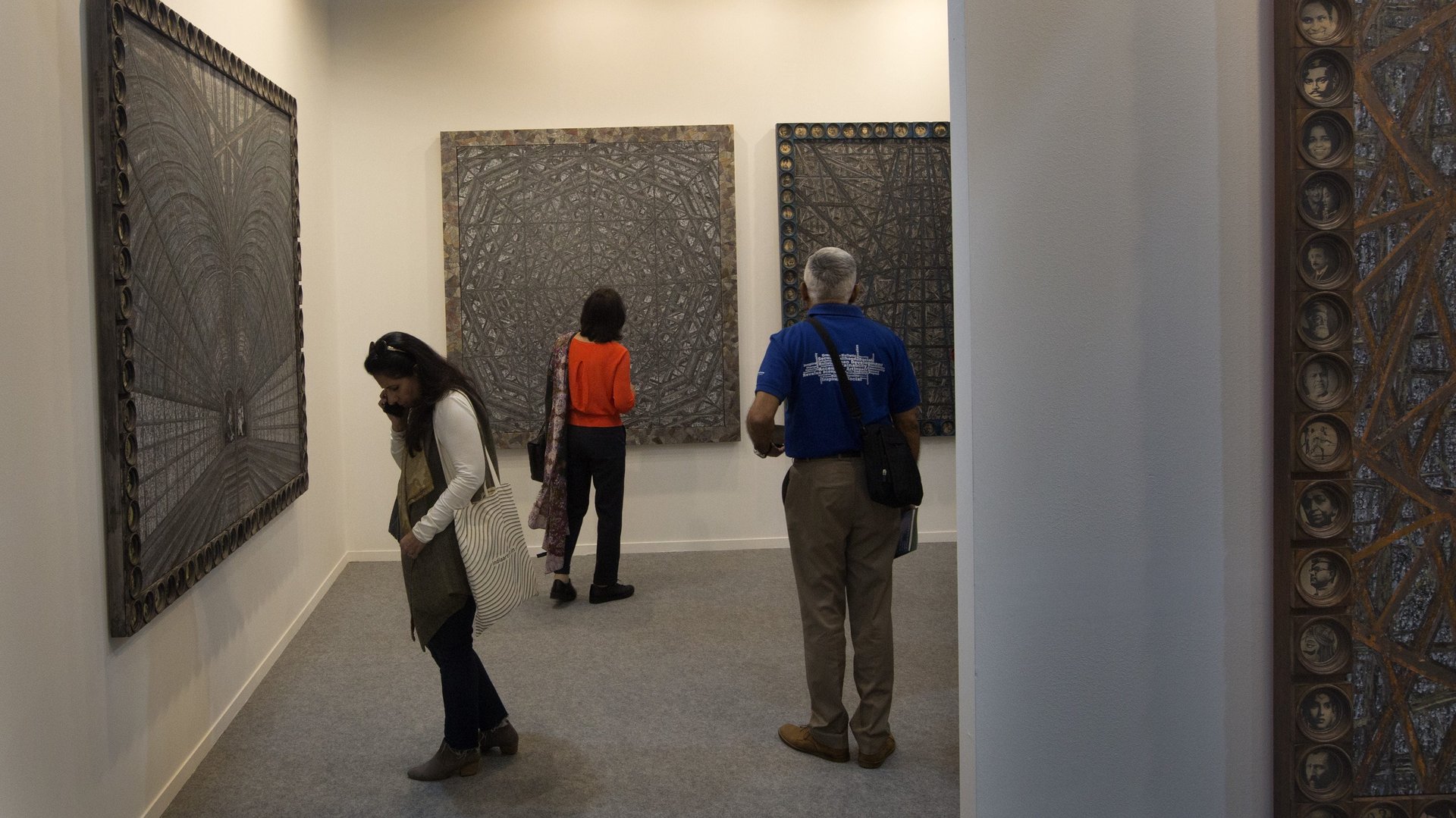
Cultural entertainment in India is on hold.

India’s coronavirus lockdown resulted in an unintentional 45-day prohibition.
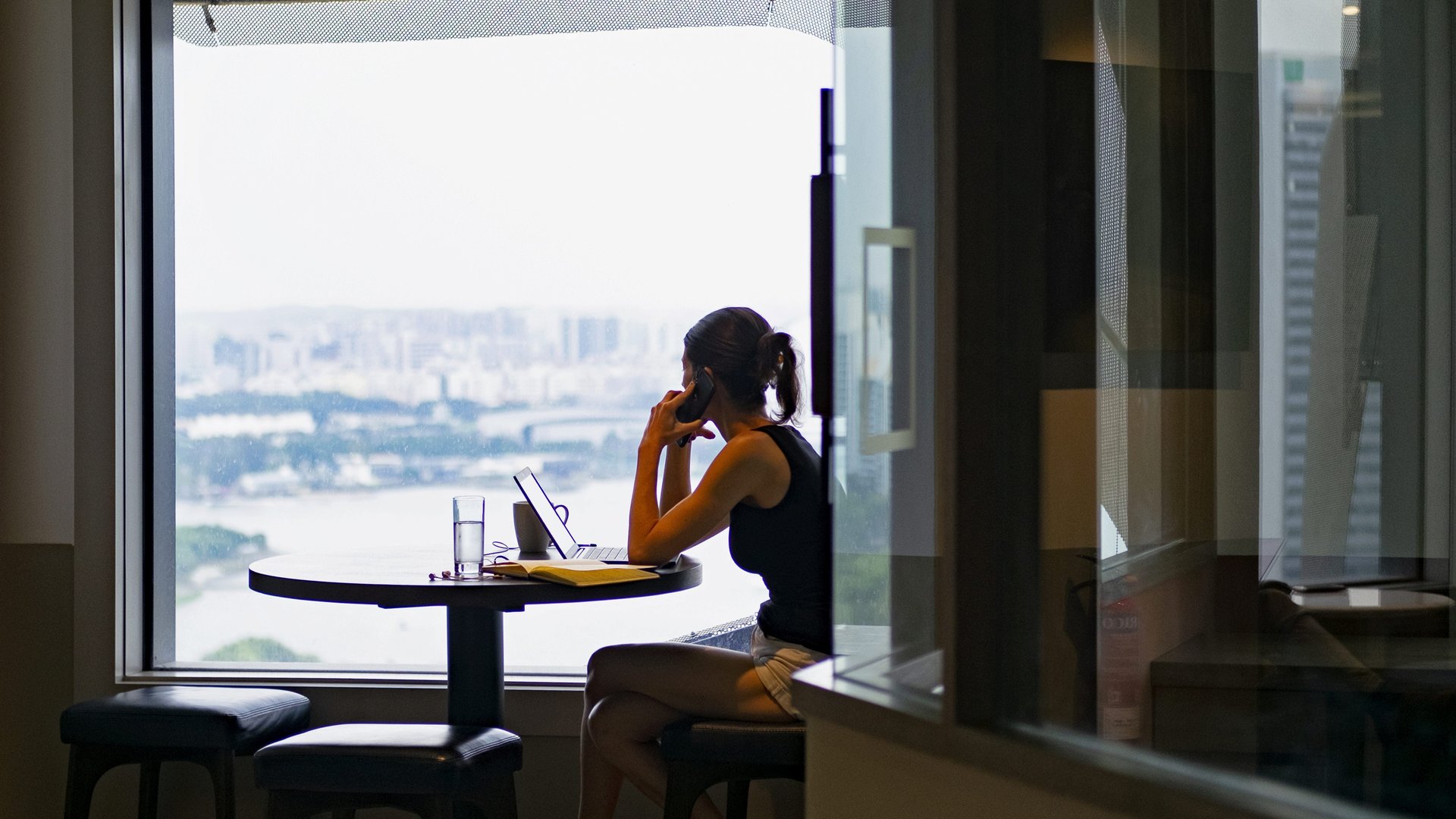
The coronavirus pandemic has given a certain nudge to the idea of freelance work.

Cinema halls remain an exception to India’s “unlock” phase.
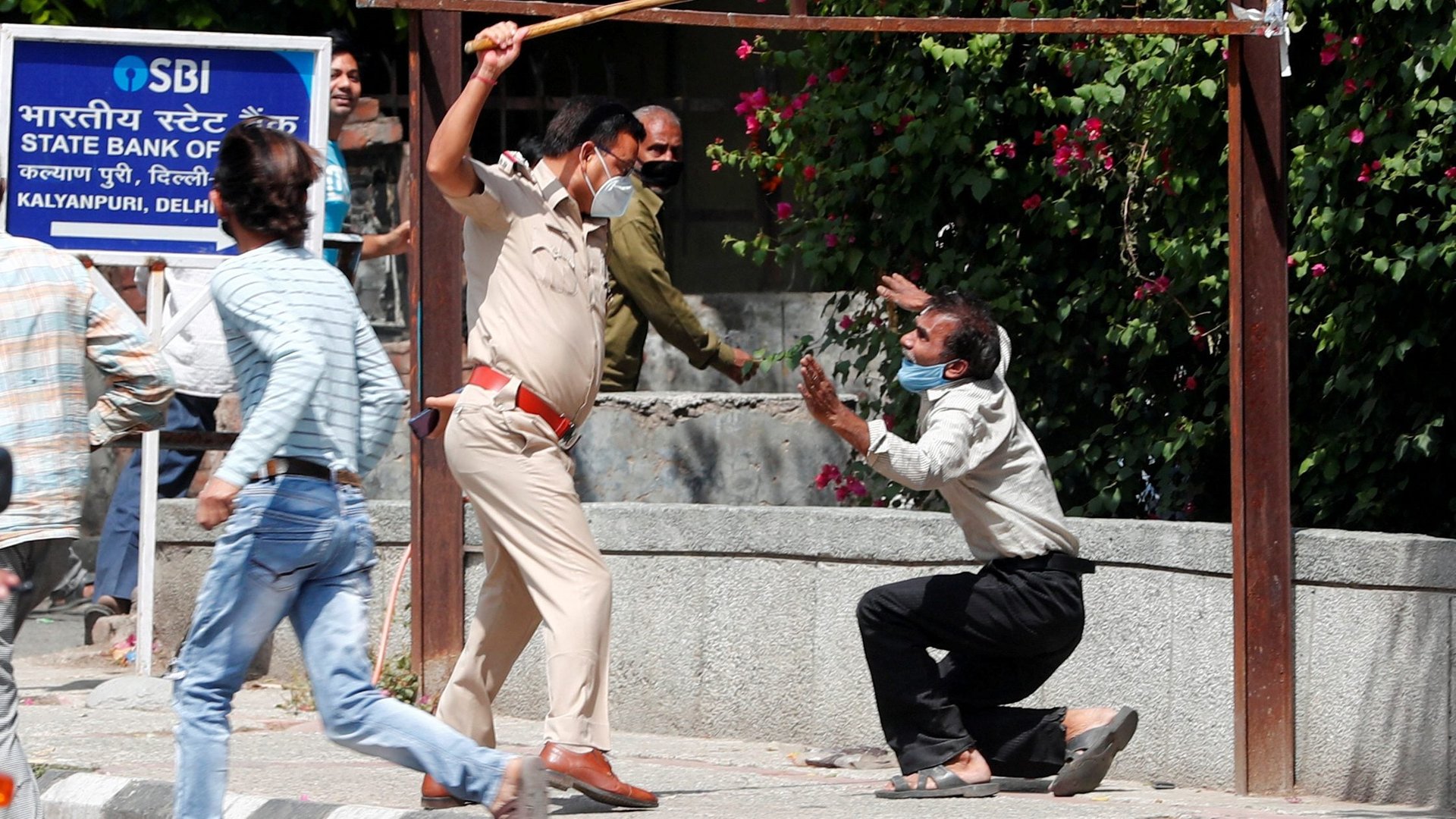
The instances of police brutality across the globe have stirred grief and anger.
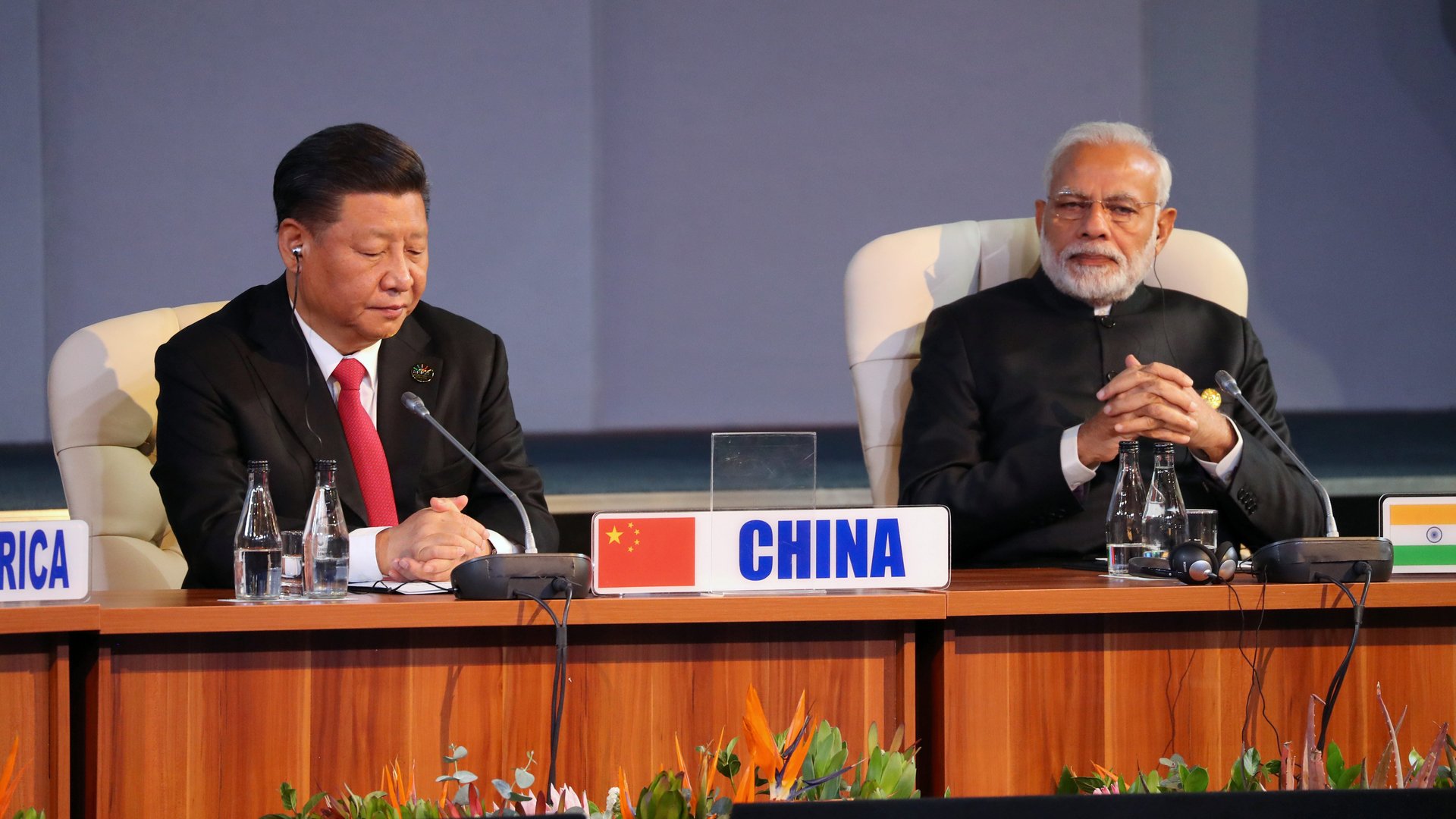
India’s ban on 59 Chinese apps could mean the end of prime minister Narendra Modi’s social media diplomacy in China.
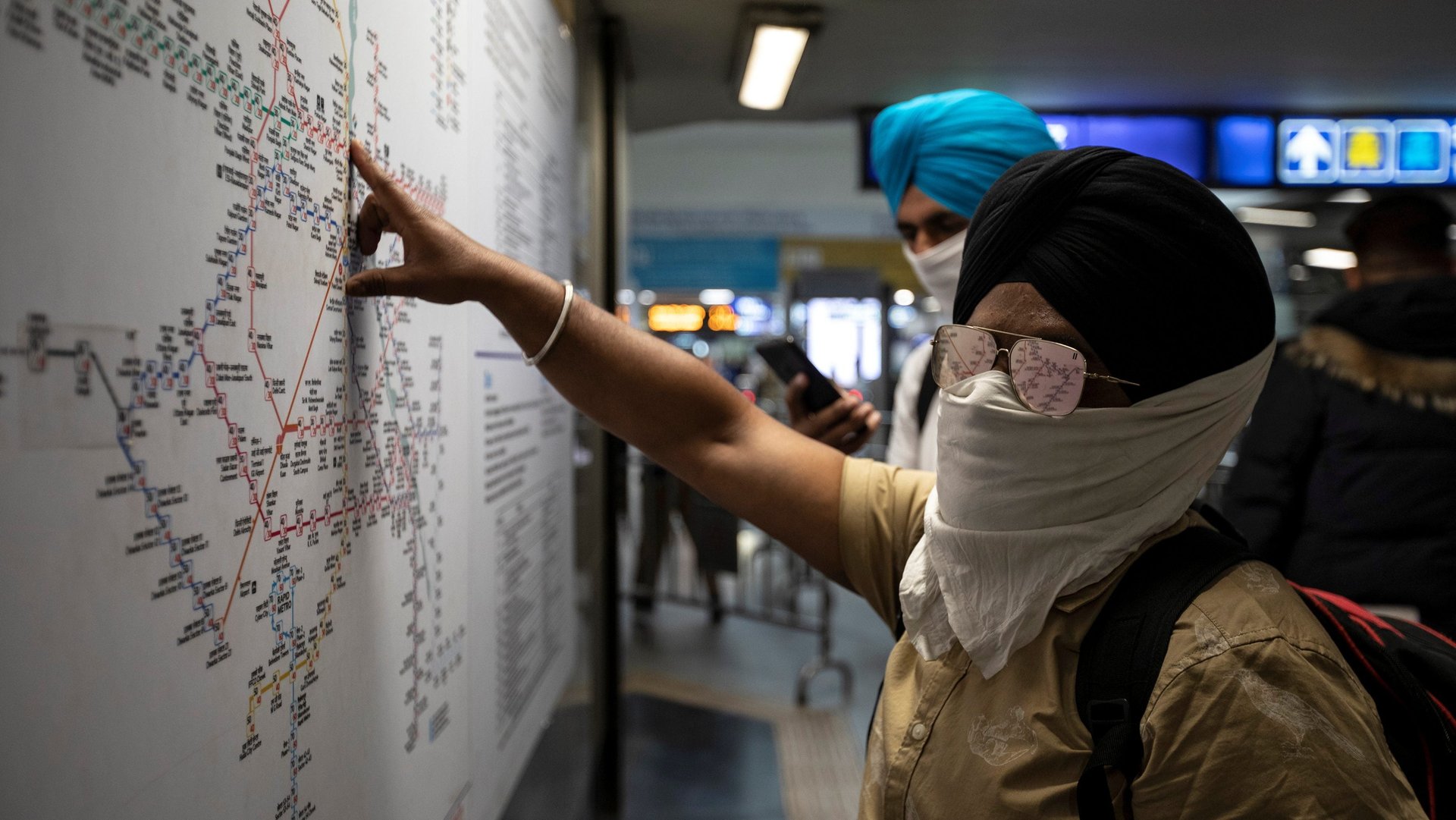
If you’d asked a resident of India’s capital in January if the city could do without the Delhi Metro, the answer would have been an emphatic “no.” And yet, residents have been managing for over three months without their beloved mass-transit network, shut since March 22 because of the coronavirus.