
Lifestyle
Under Armour has fallen. Can it get back up?If you believe Under Armour’s executives, 2020 is going to be their year.
Updated July 21, 20223 min read
If you believe Under Armour’s executives, 2020 is going to be their year.
Being successful as a designer fashion label requires a tricky balancing act. You need to sell lots of clothes, but they can’t be so widely available they stop feeling special and become commodities, because scarcity is fundamental to our feelings about what makes something luxurious or cool.
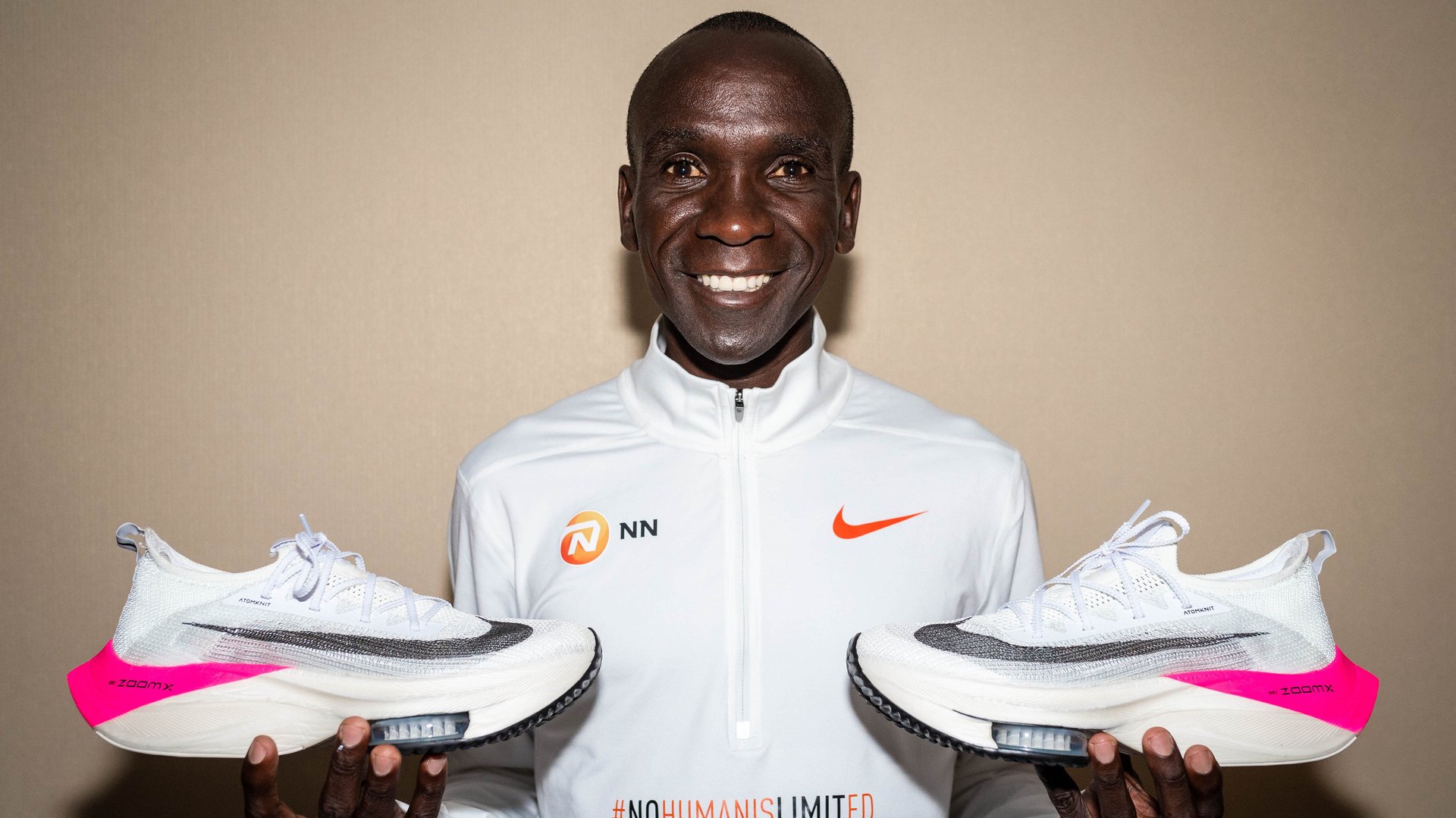
On Nov. 3, when runners compete in the world’s largest marathon in New York, there will be extra scrutiny on their shoes, particularly if those shoes are Nike’s Vaporfly Next%.

For as long as there’s been rain and snow, humans have been trying to stay dry.
LVMH, the world’s largest luxury group, is looking to get even bigger. The French conglomerate has offered about $14.5 billion to buy American jewelry house Tiffany, according to an Oct. 26 report from Bloomberg. LVMH has since confirmed (paywall) it had “preliminary discussions” with Tiffany, but said there’s no certainty an agreement will result.
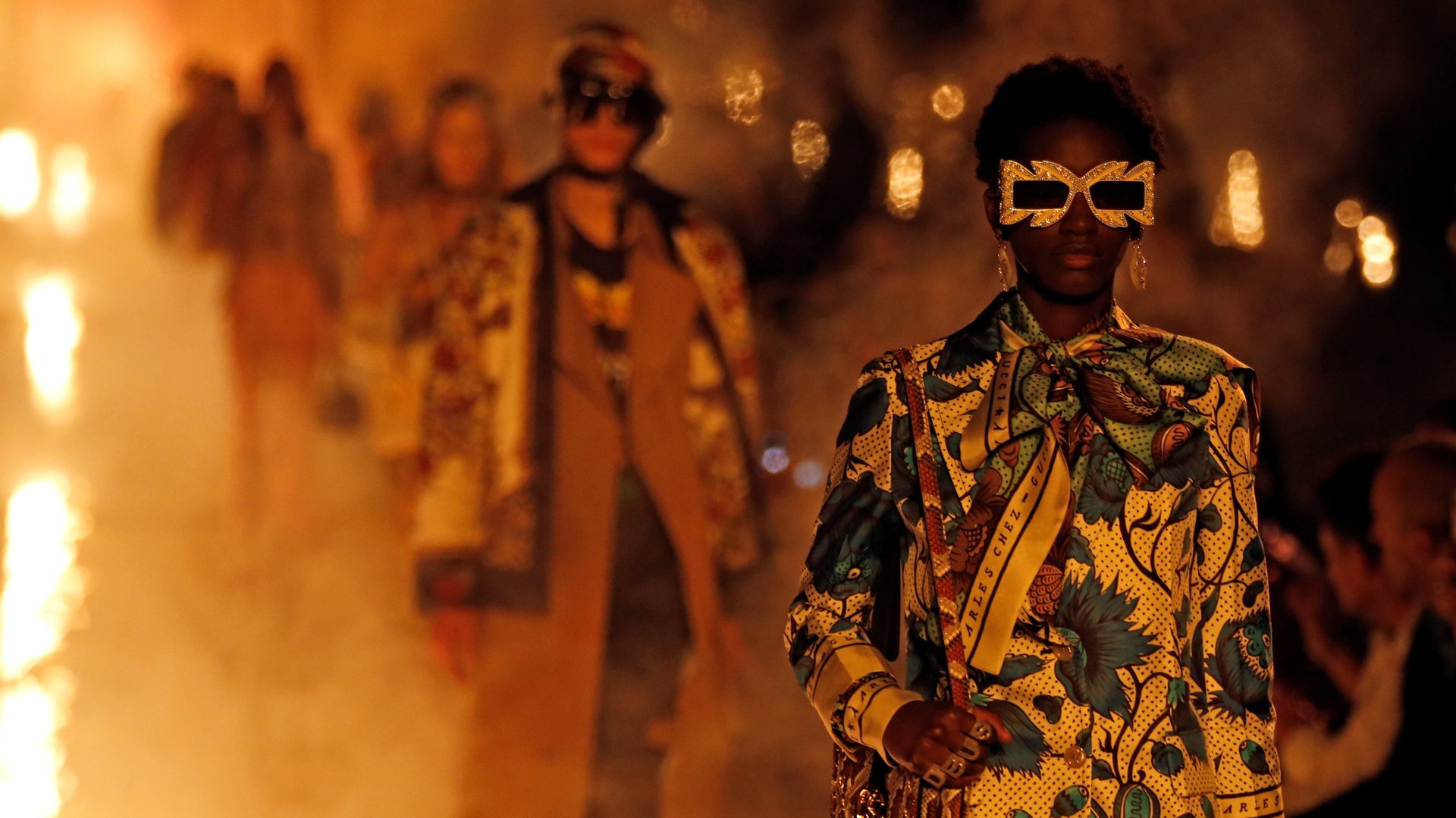
After a two-year streak of astronomical sales growth, Gucci’s latest figures show it growing at a more earthly rate.
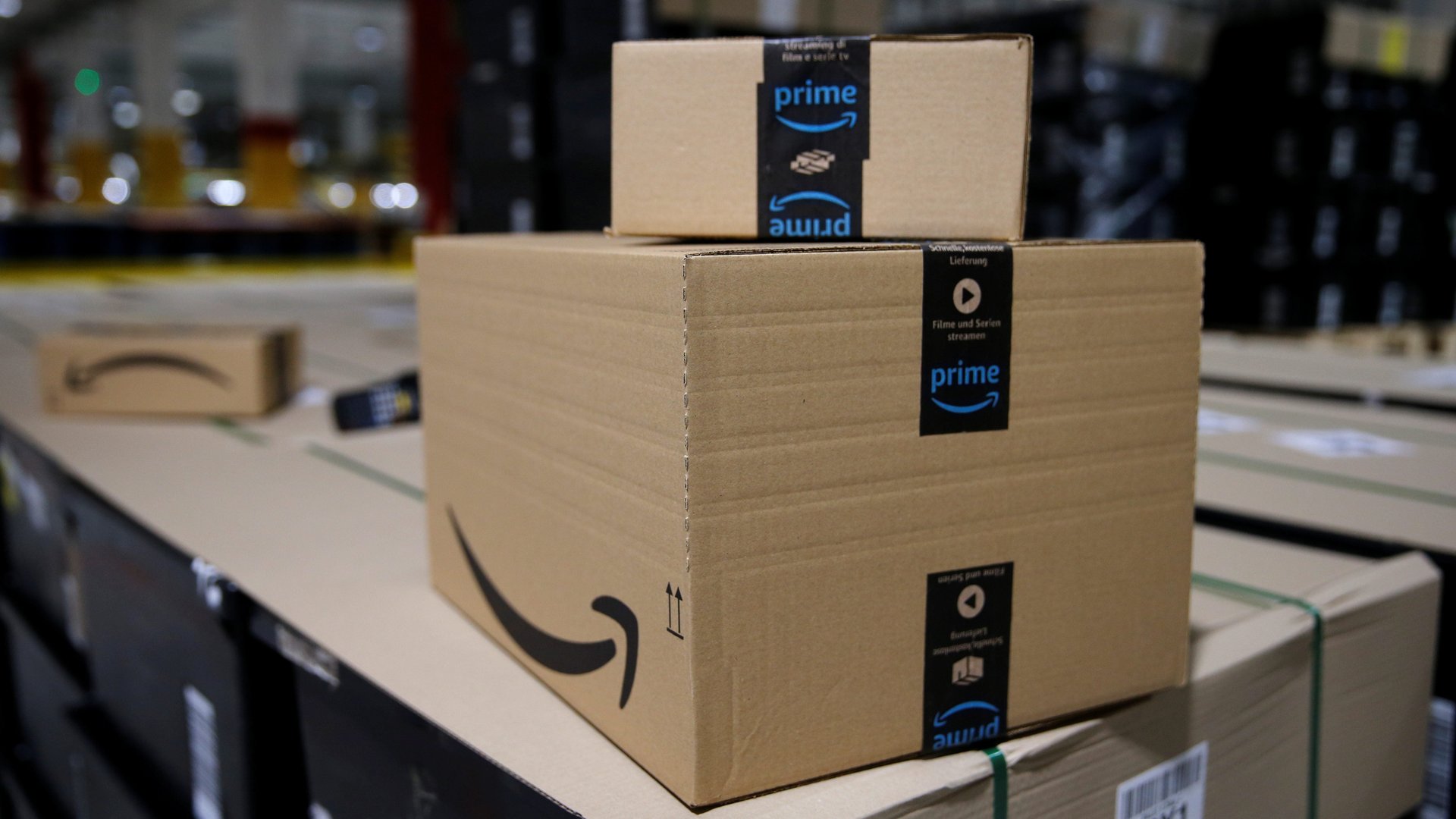
Amazon is selling clothes made in Bangladeshi factories that leading fashion companies have shunned as unsafe for workers, a Wall Street Journal investigation has found.
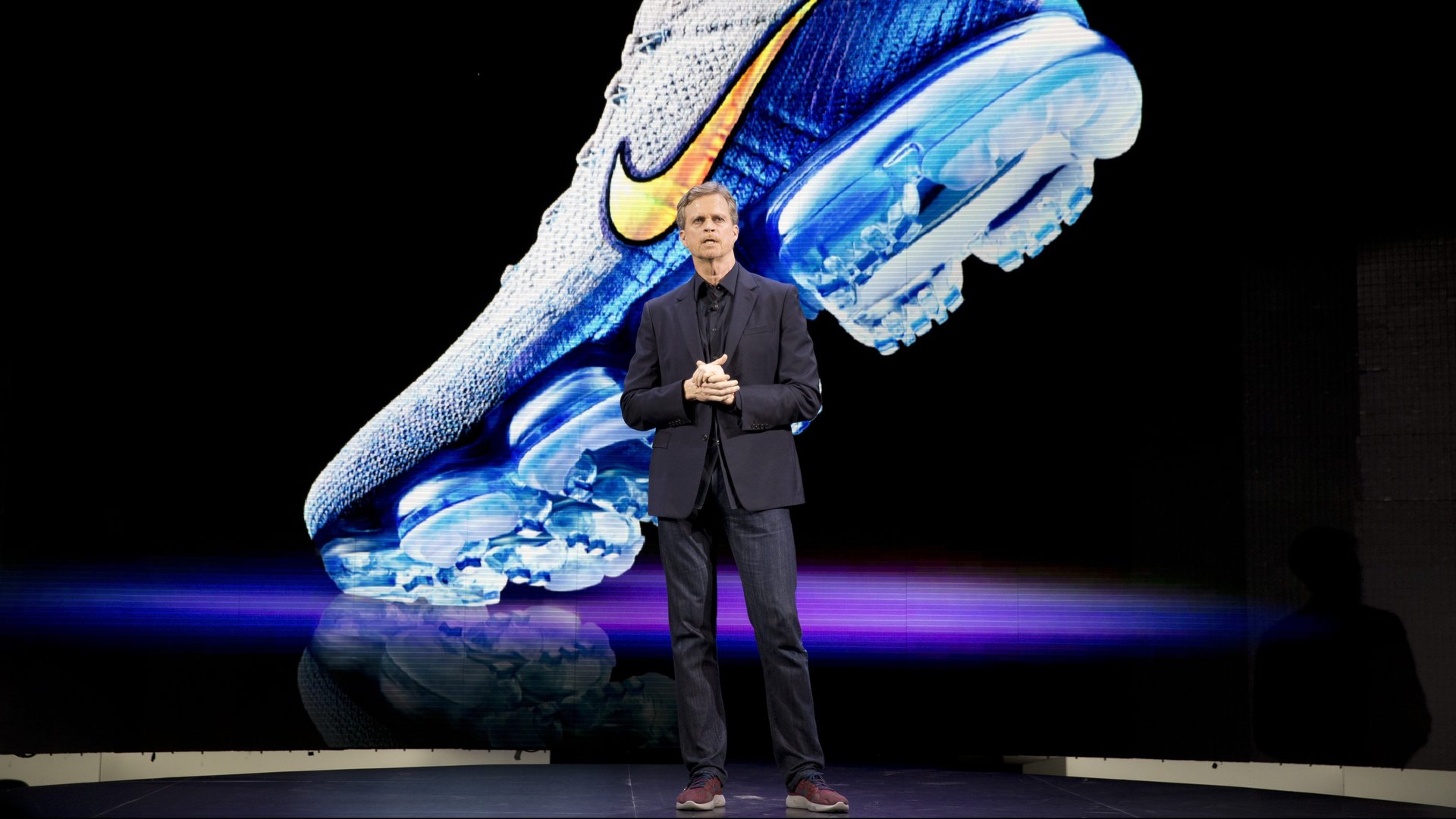
In a weird accident of timing, both Nike and Under Armour announced imminent succession plans for their longtime CEOs yesterday (Oct. 22). Nike’s Mark Parker became CEO in 2006, capping a decades-long rise at the company that began with designing shoes. Kevin Plank had been CEO of Under Armour since founding the company out of his grandmother’s house in 1996.
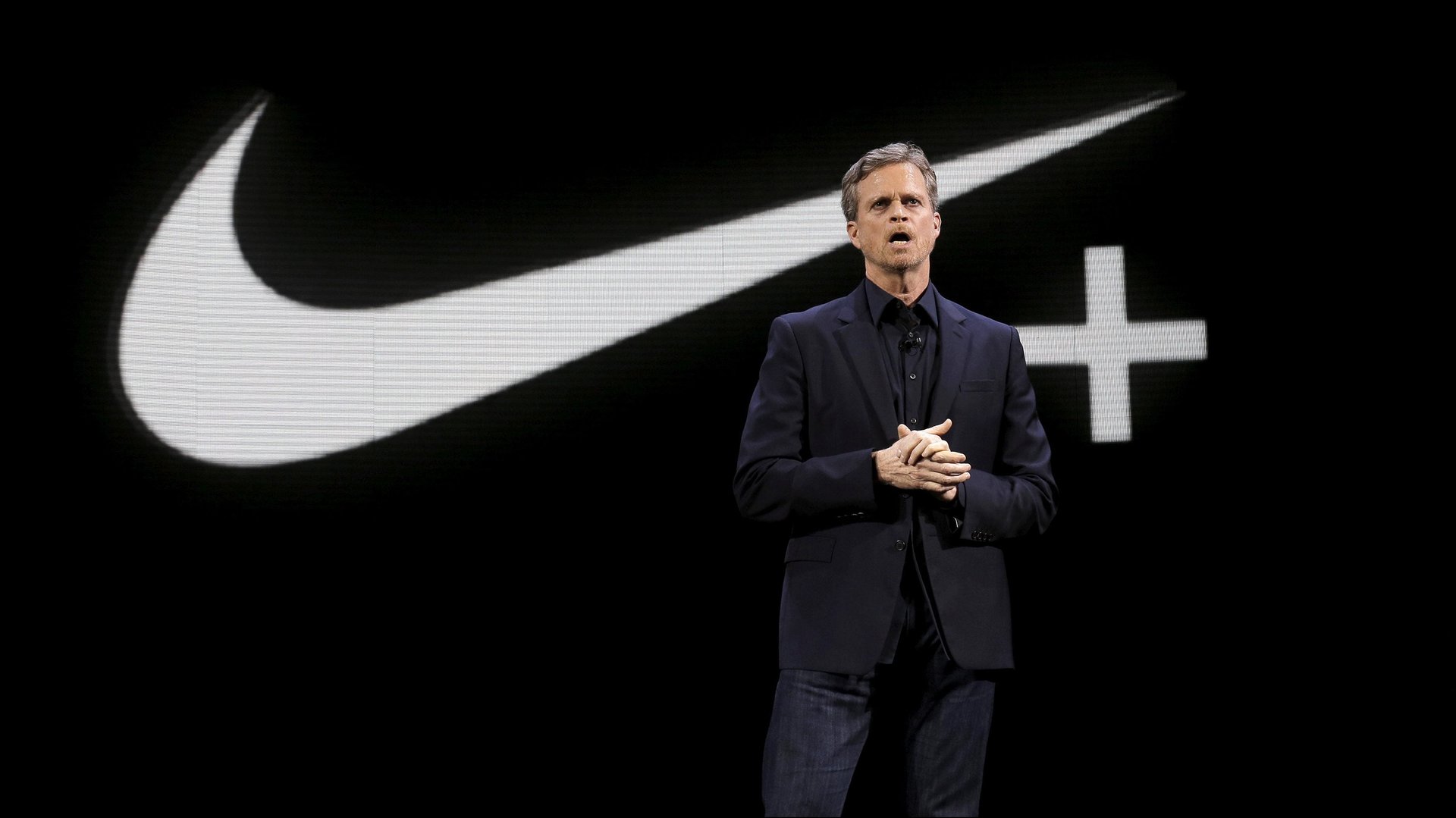
Come Jan. 13, Mark Parker, who has been Nike’s CEO since 2006, will step down. Succeeding him as president and chief executive of the world’s largest sports brand will be John Donahoe, a longtime tech executive whose resume suggests professional manager more than footwear visionary.
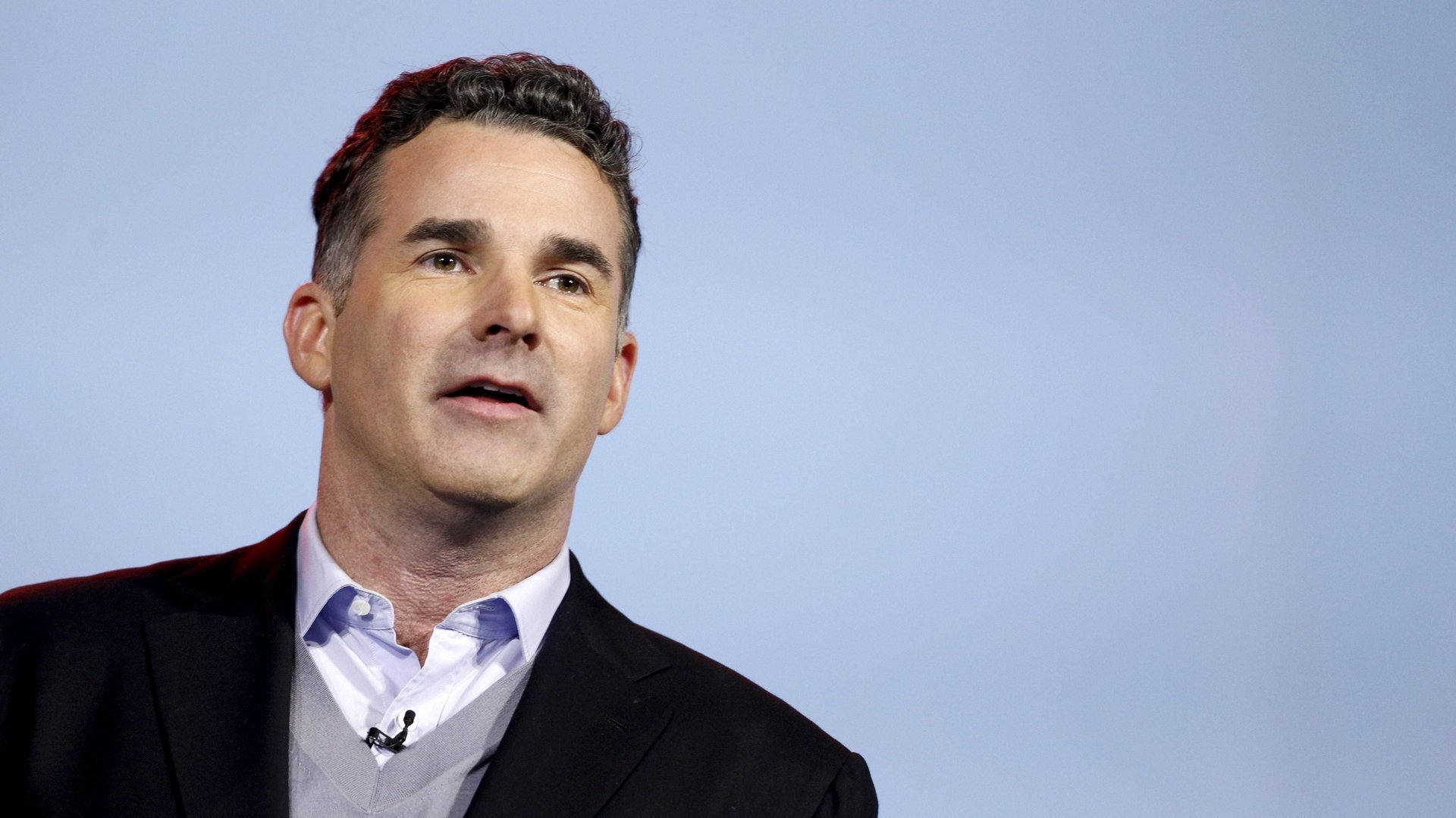
Kevin Plank has been Under Armour’s chief executive since founding the company in 1996. But on Jan. 1 he will officially step down and hand the role to Patrik Frisk, Under Armour’s current chief operating officer.

Products made by the forced labor of Chinese Muslims detained in “reeducation” camps in its Xinjiang region could be making their way to the US and other countries.
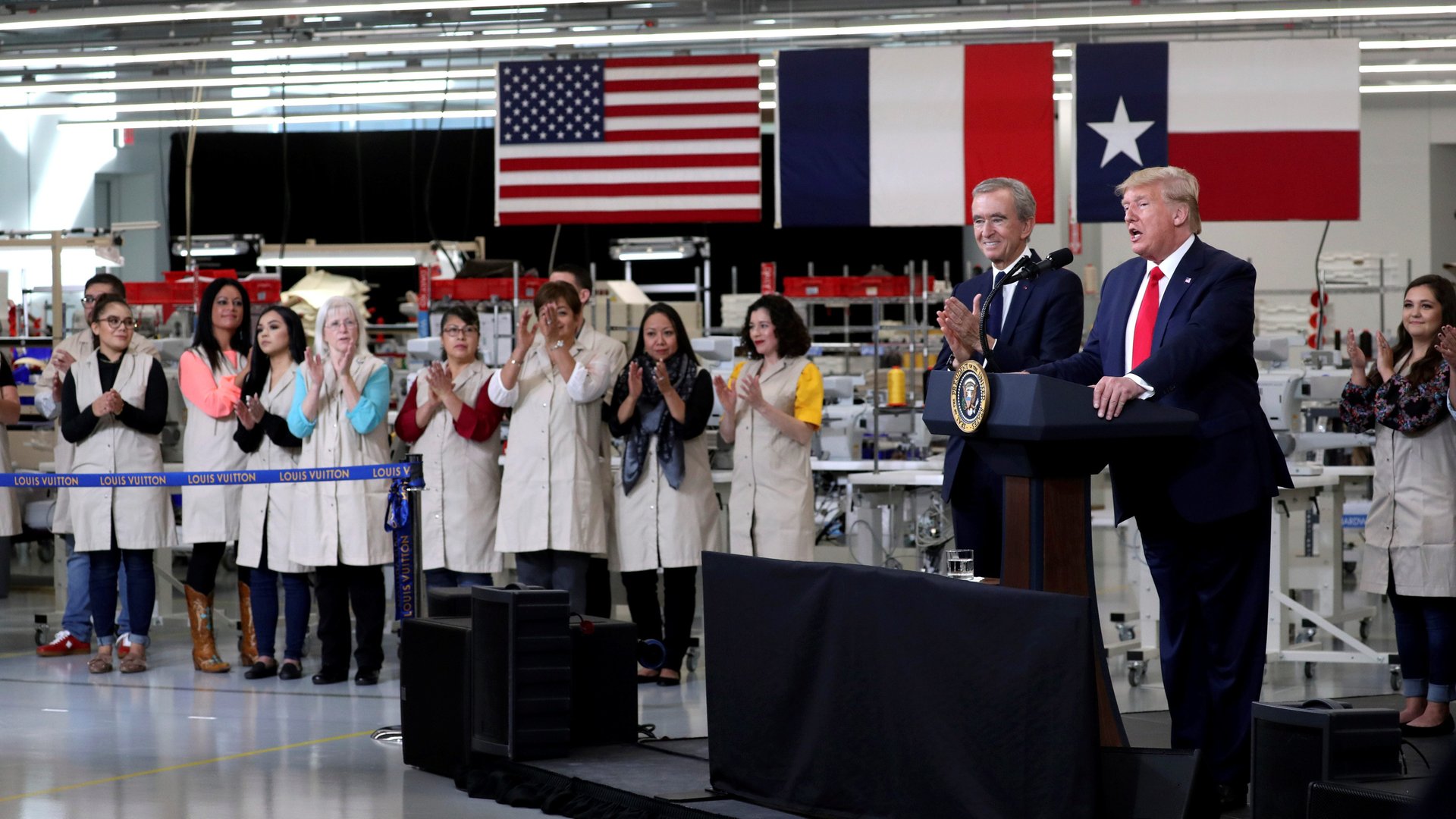
Johnson County, Texas, a sparse stretch of grassland just south of Fort Worth, is not the place you imagine France’s Louis Vuitton producing luxury handbags. But since June, a workshop on a ranch there has been busy making six styles of bags and backpacks for the world’s biggest luxury brand.

The first travelers to depart Earth on board a Virgin Galactic space flight won’t look like the astronauts of years past, with their bulky pressure suits and large domed helmets. They will be wearing soft, flexible jumpsuits that, up close, stand somewhere between a flight suit and a pair of thick pajamas.

Low-paid workers producing clothes for Lululemon in Bangladesh say they endured physical abuse and regular humiliation from their managers, according to an investigation by the Guardian. One worker said she was violently slapped for leaving work early on a day when she was sick. Others described managers calling female workers “sluts” or “prostitutes,” as well as instances of physical abuse. A male worker said men at the factory were beaten and mistreated too. The workers also faced intense pressure to hit production targets that resulted in them working long hours without rest or breaks for meals.
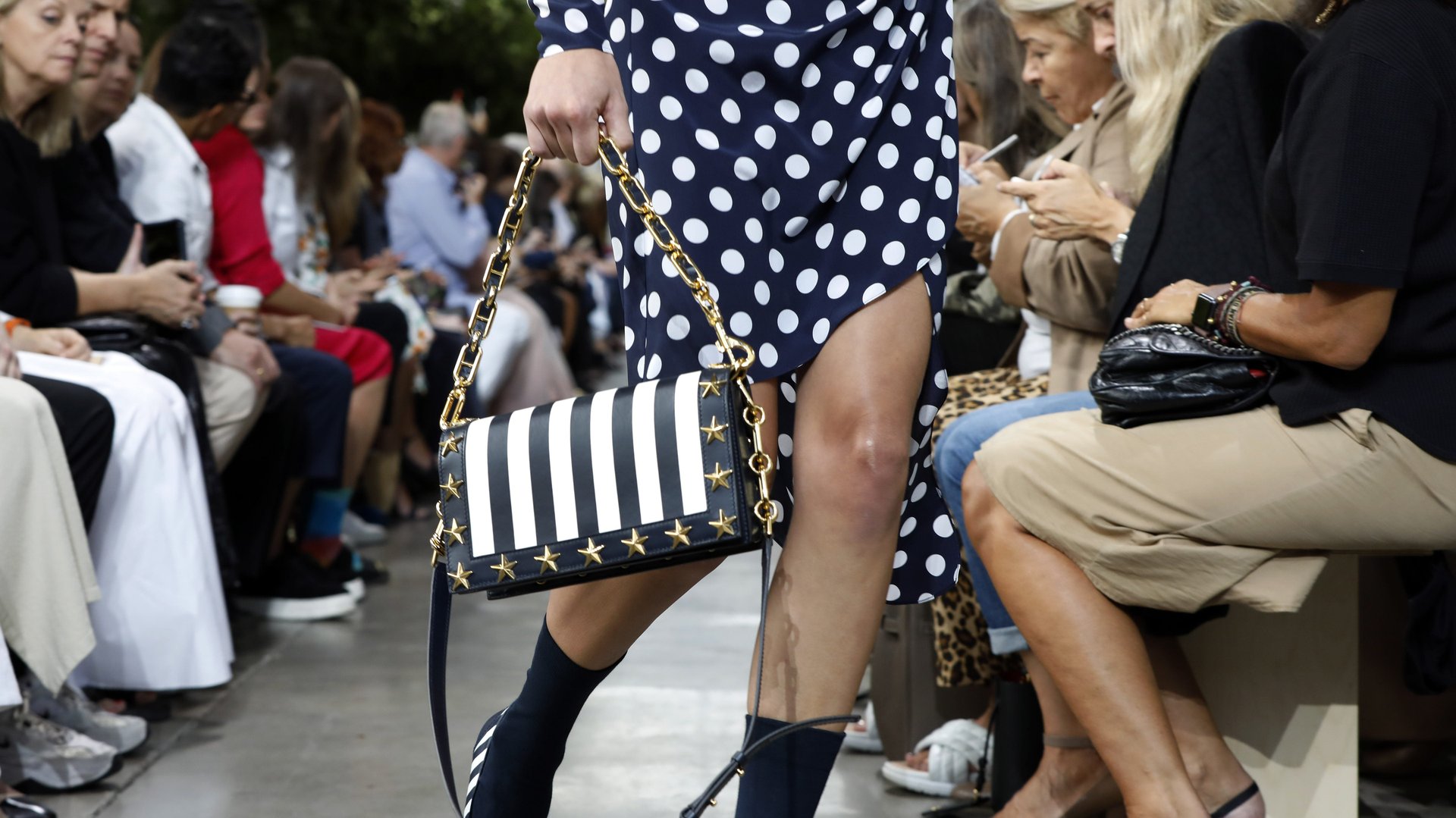
There was a time not so long ago, during the heyday of the so-called “It” bag, when a handbag was the unrivaled star of a woman’s outfit. But those days look to have passed. The handbag, it seems, is slipping from its once-exalted place in a woman’s wardrobe.

Fashion and beauty brands typically emphasize perfection. The embodiment of this perfection may change over time, going from Heidi Klum’s blonde hair and long limbs to Kim Kardashian’s curves and contoured makeup. Still, the idea that women should conform to a certain idealized standard in order to be seen as attractive persists.
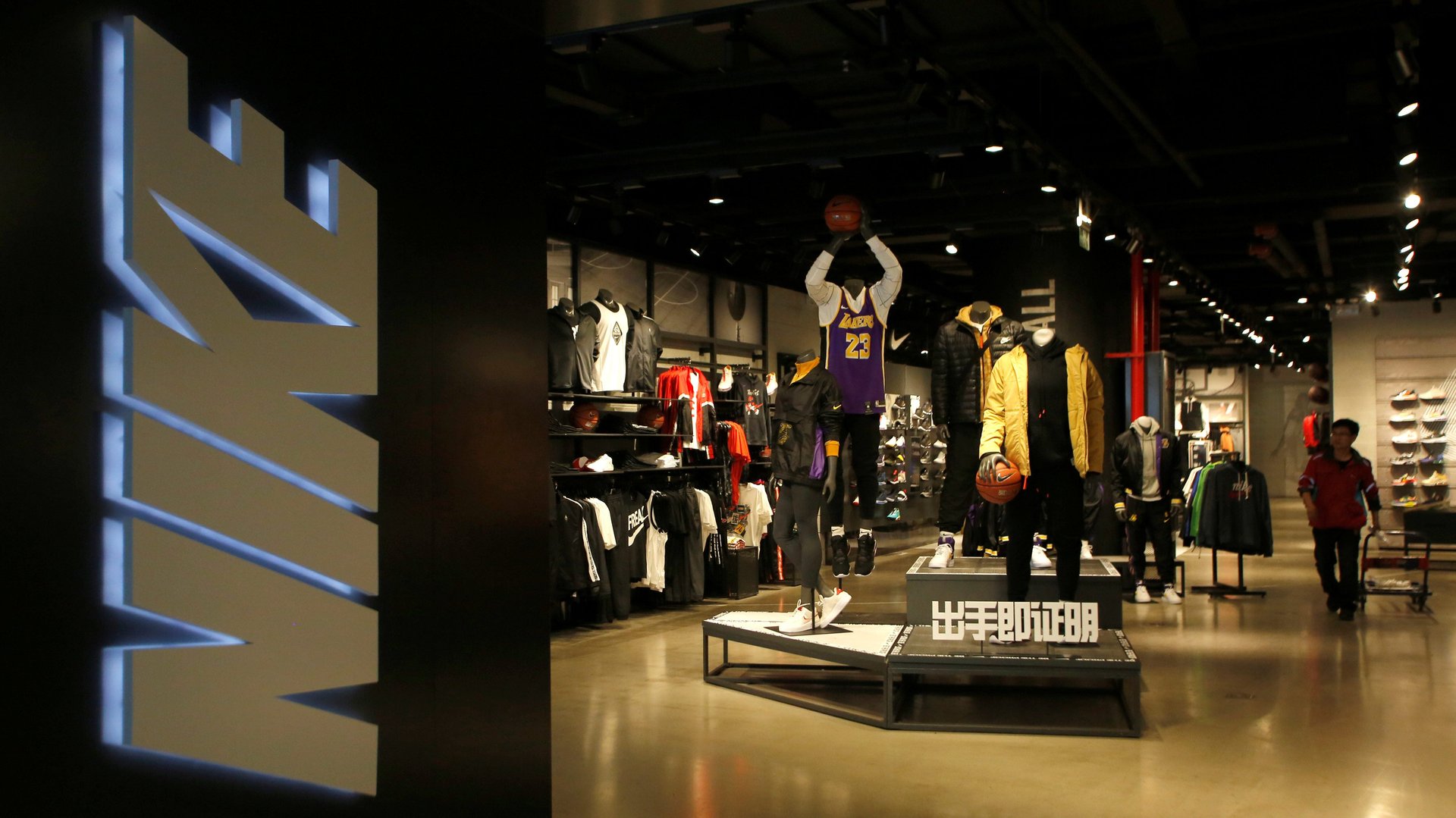
The fallout from the NBA’s clash with China hasn’t been limited to the league’s lucrative broadcast deals in China. A number of Chinese stores as well as the country’s top e-commerce sites have pulled NBA merchandise from sale, particularly products related to the Houston Rockets. It was the NBA team’s general manager, Daryl Morey, who tipped off the confrontation last week with his now-deleted tweet in support of the Hong Kong protesters.
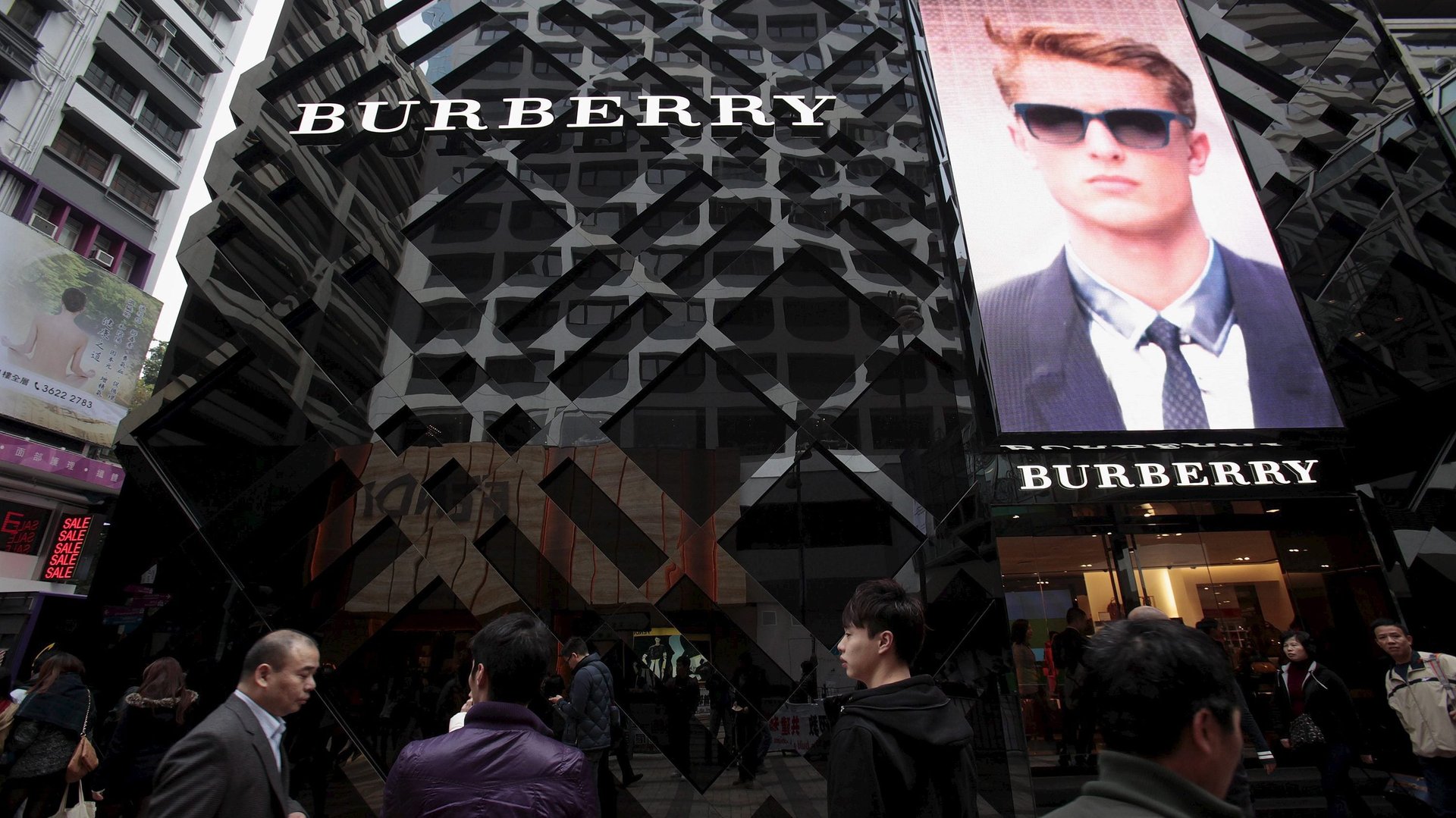
Demanding free elections and an investigation into police misconduct, Hong Kong’s protesters are concerned about much greater issues than shopping. But as demonstrations and clashes with police continue, the escalating turmoil has hit tourism and retail spending hard, hurting global brands that have come to rely on the financial hub as one of the world’s luxury shopping destinations.
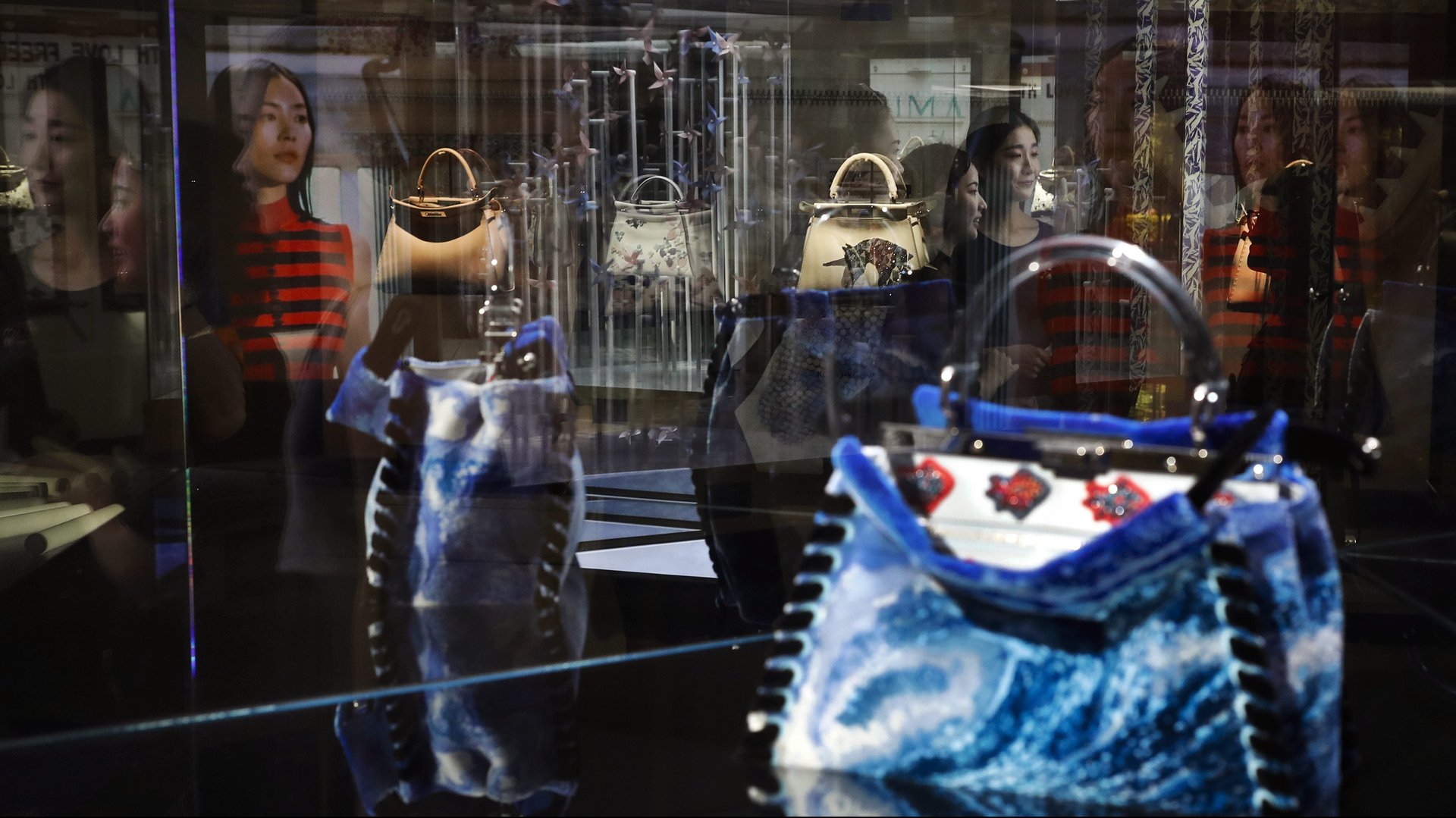
American fashion label Michael Kors once called Alibaba “our most dangerous and damaging adversary.” The comment, made in 2016, was in response to the spread of counterfeits on Taobao, the Chinese e-commerce giant’s online marketplace.
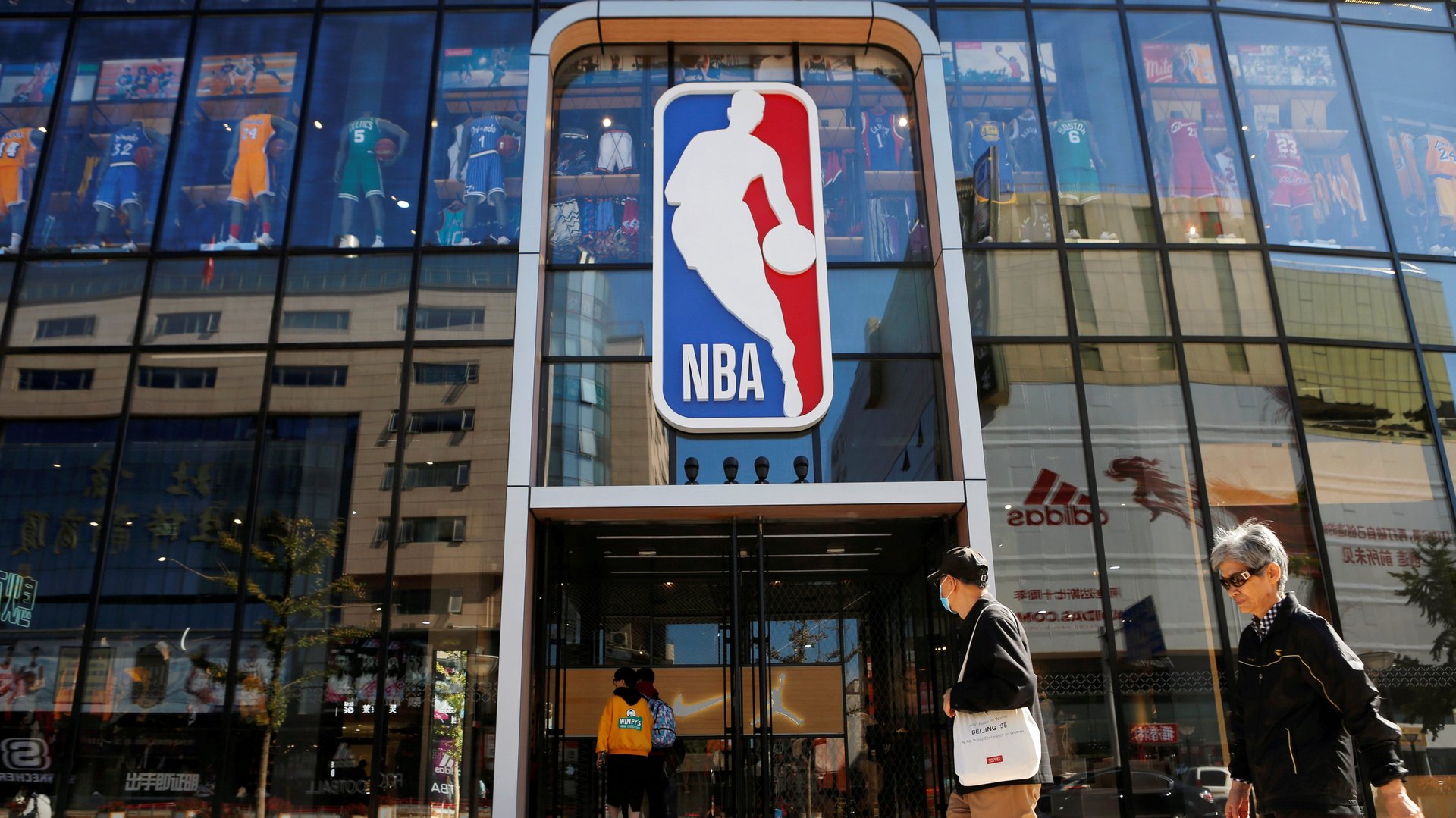
The NBA’s decades of work building its business in China are suddenly at risk.
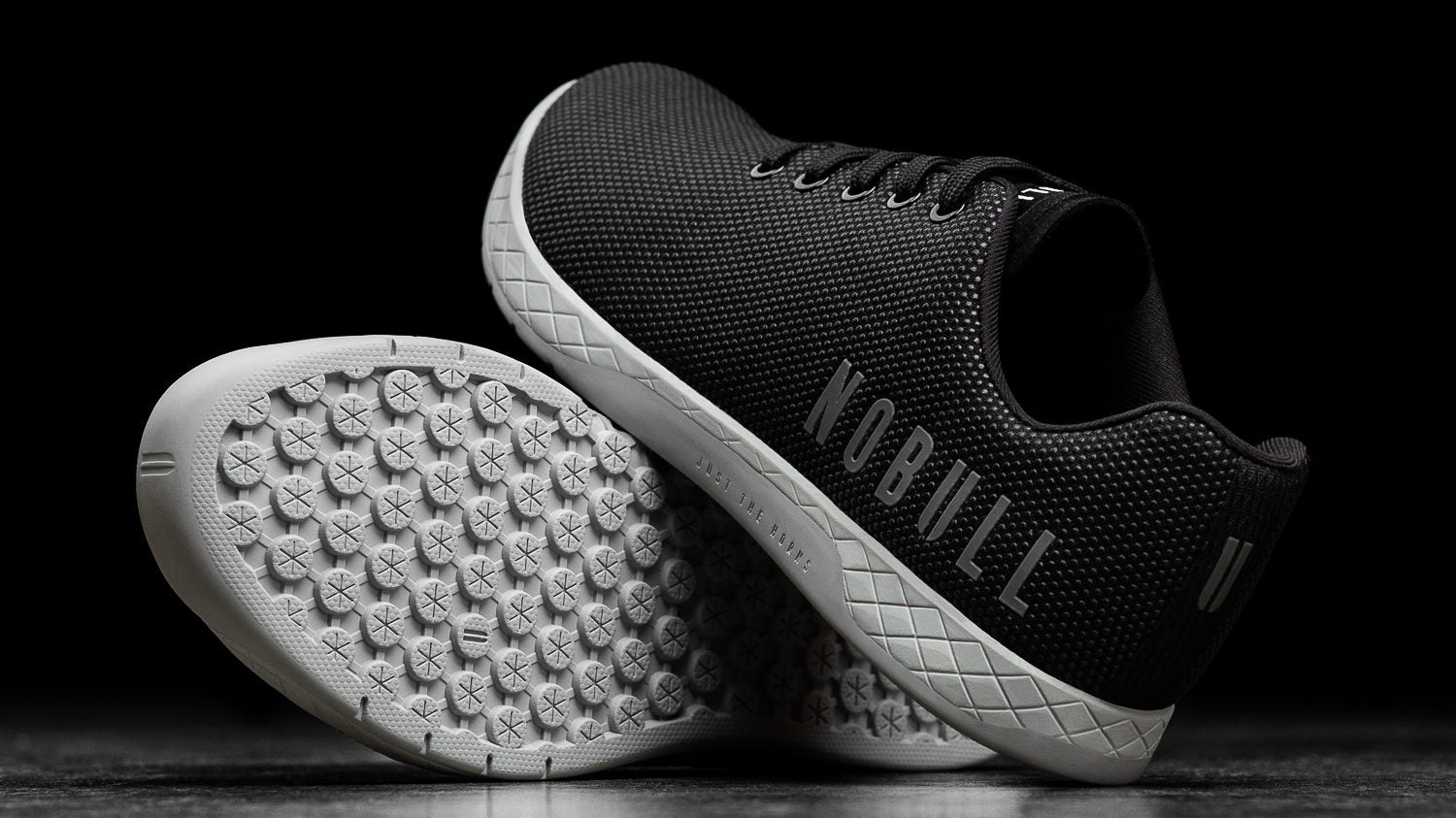
Fueled by its notoriously fervent fans, CrossFit has grown quickly since it launched from a single gym in 2001. By 2013, it was adding 1,000 new affiliates (pdf) to its global ranks every three months. The next year, it topped 10,000 affiliates worldwide. That growth is continuing, albeit at a slightly slower pace, as the workout program attracts more acolytes through its focus on high intensity and functional movements.
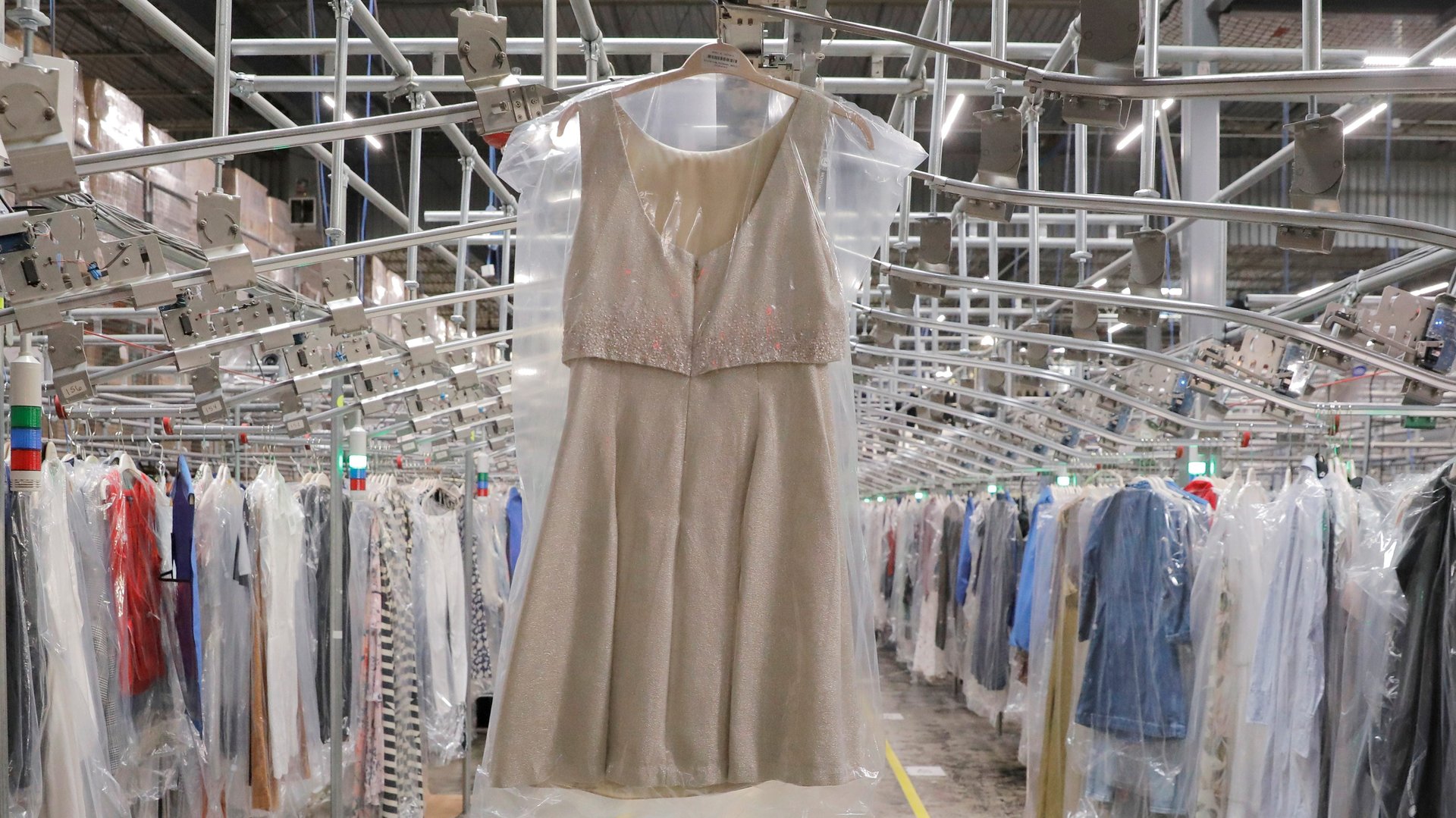
For a fashion business to thrive, it needs more than just the right clothes. As Rent the Runway is revealing, there’s a whole operational side to get right, too.
Now that teen retailer Forever 21 has filed for bankruptcy protection, the autopsies have begun to determine why exactly the once-thriving brand fell apart. One proposed cause: Fast fashion is dying.

When the sneaker industry got going around the middle of the 19th century, the shoes were a niche product—footwear for the rich sport of lawn tennis (hence the enduring term “tennis shoes”).