In its bid to conquer every aspect of shopping, including where we buy our clothes, Amazon today launched a new program called “Made for You” that lets its US customers order a t-shirt made to their measurements.

In its bid to conquer every aspect of shopping, including where we buy our clothes, Amazon today launched a new program called “Made for You” that lets its US customers order a t-shirt made to their measurements.

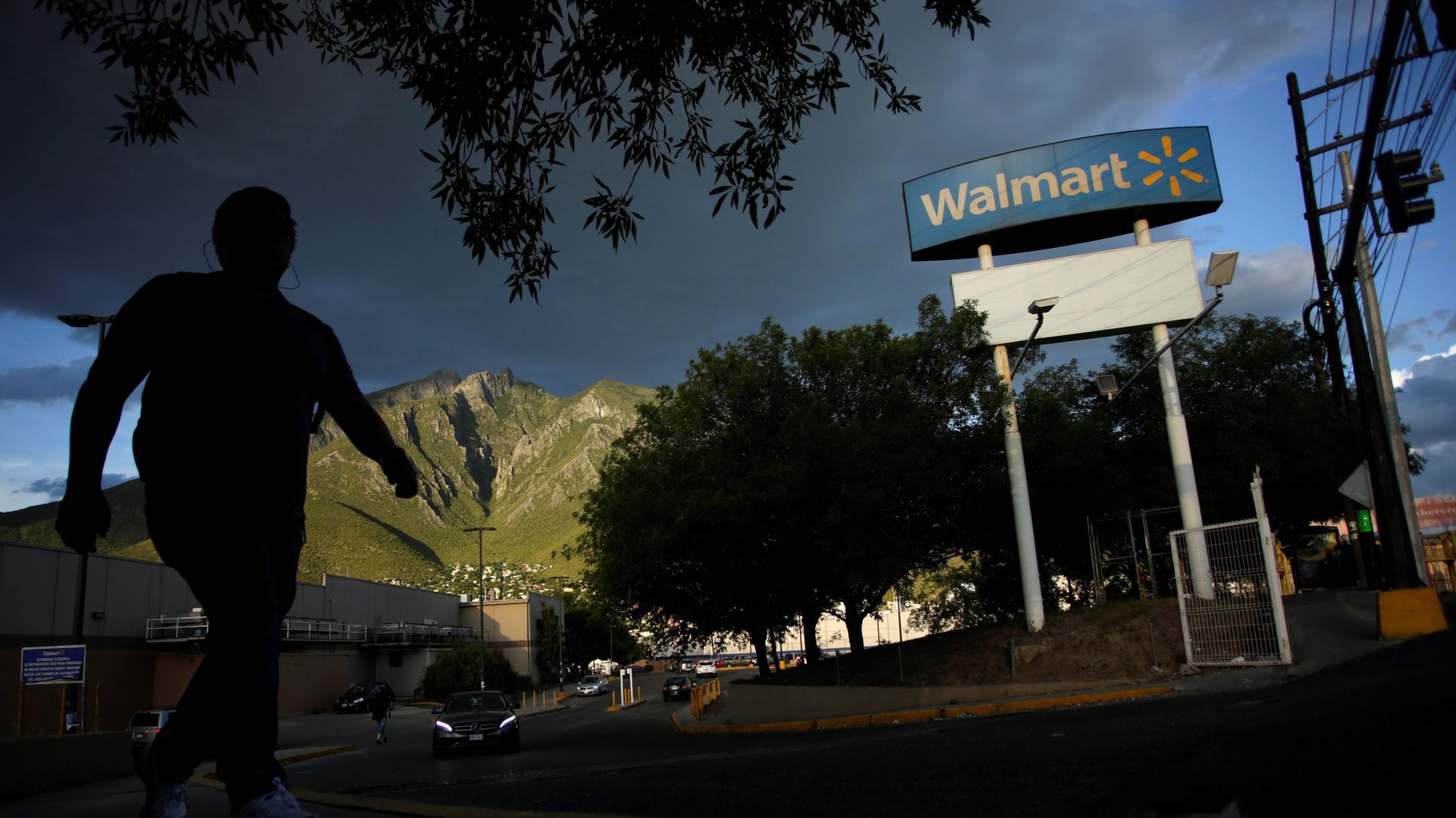
Walmart may be the world’s largest retailer, but it hasn’t found equal success all over the globe. For some time now, growth in its international business has stalled. Between 2015 and 2020, while its US sales rose steadily, its total international sales actually shrank.

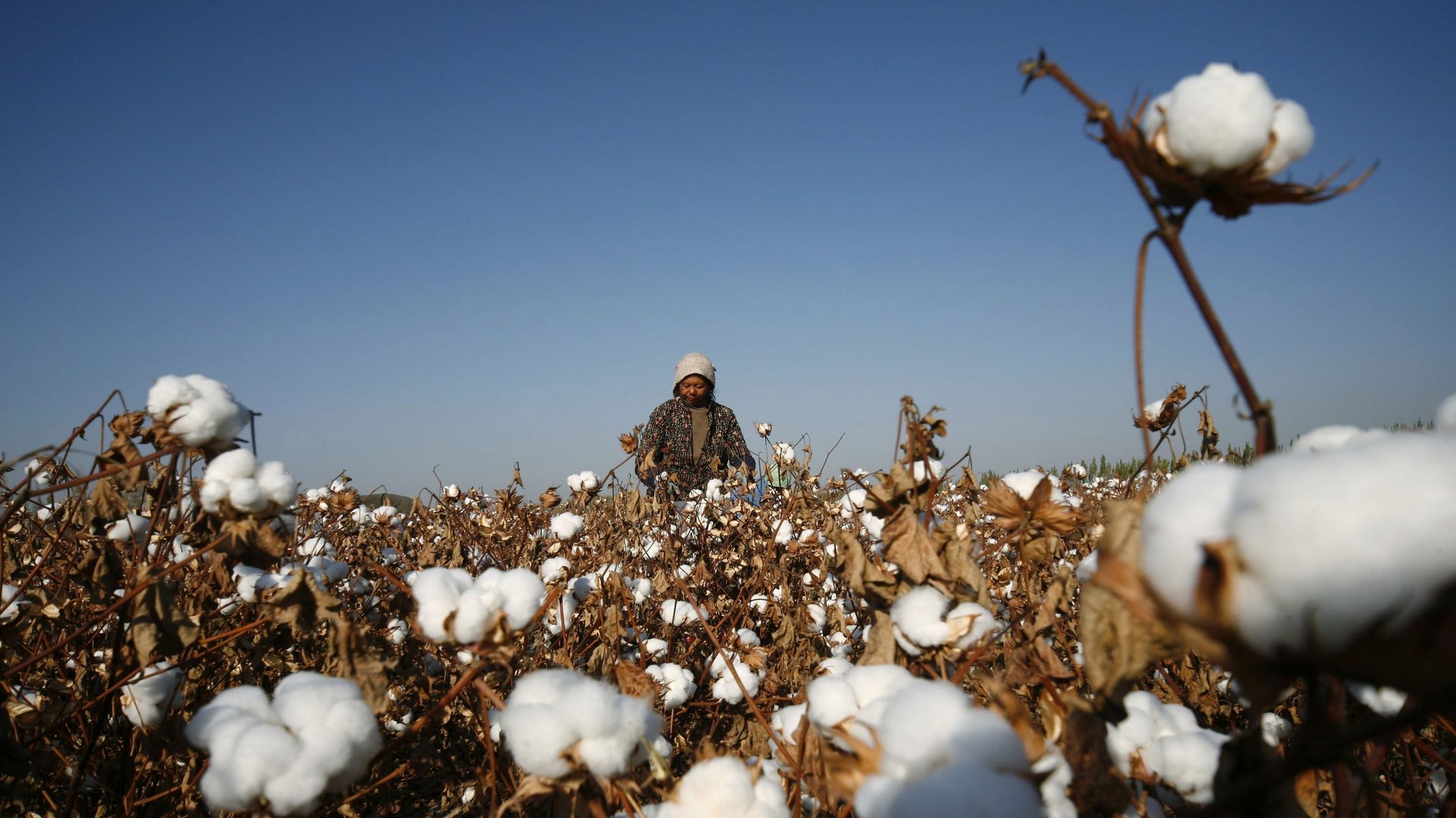
On Dec. 2, the US government announced it will seize cotton and cotton products from the Xinjiang Production and Construction Corps (XPCC) and its affiliates at all ports of entry into the country. It was a targeted directive that seems focused on just one Chinese firm, but it has significant ramifications for the fashion industry.

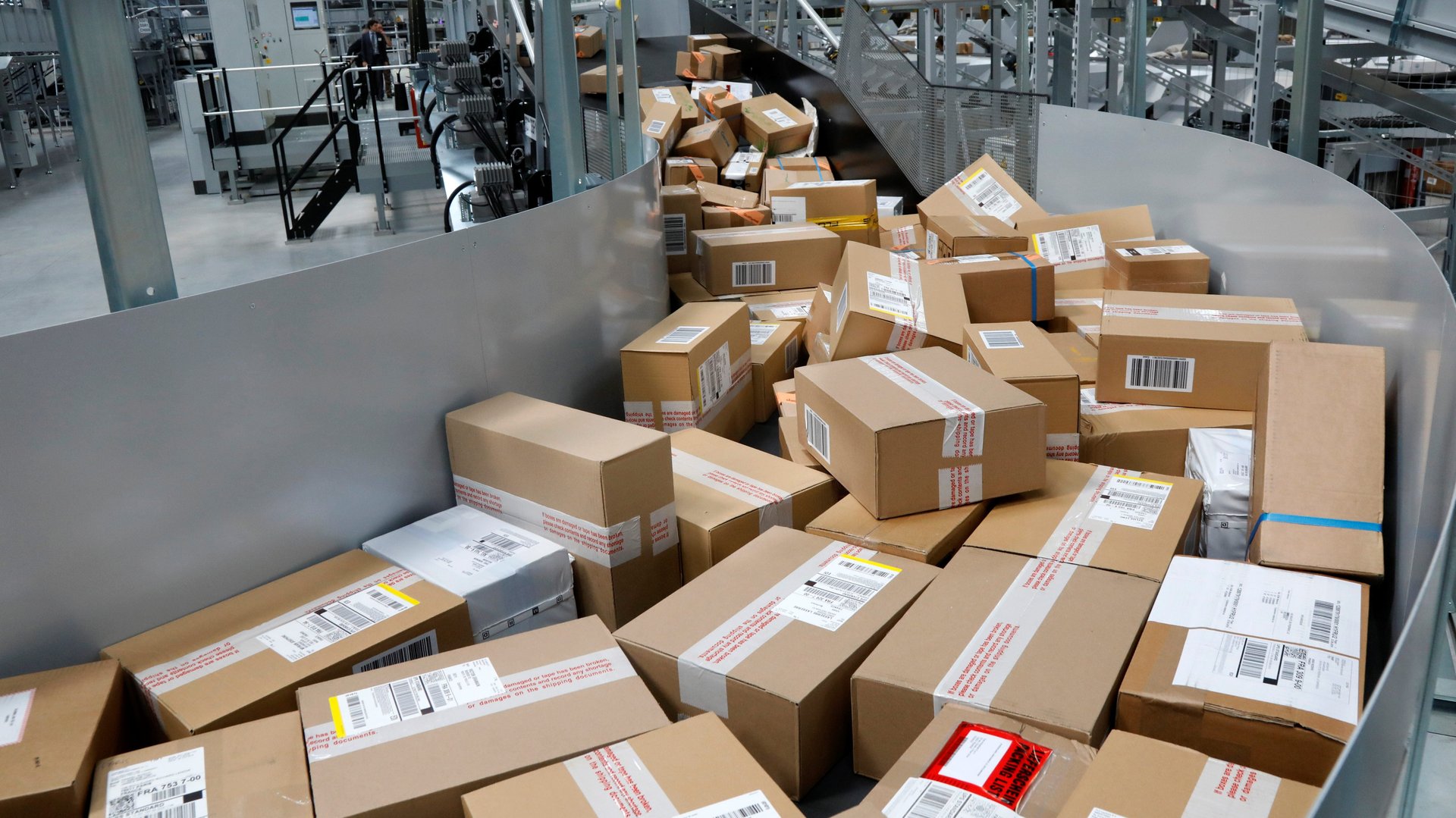
With holiday shopping come the inevitable returns of gifts and other purchases. Last year, UPS predicted it would handle nearly 2 million returns after the holiday season, marking a seventh-consecutive record for the company that it attributed to the rise in e-commerce. Online sales tend to have higher return rates than in-store purchases, climbing as high as 30% during the holidays by one estimate.

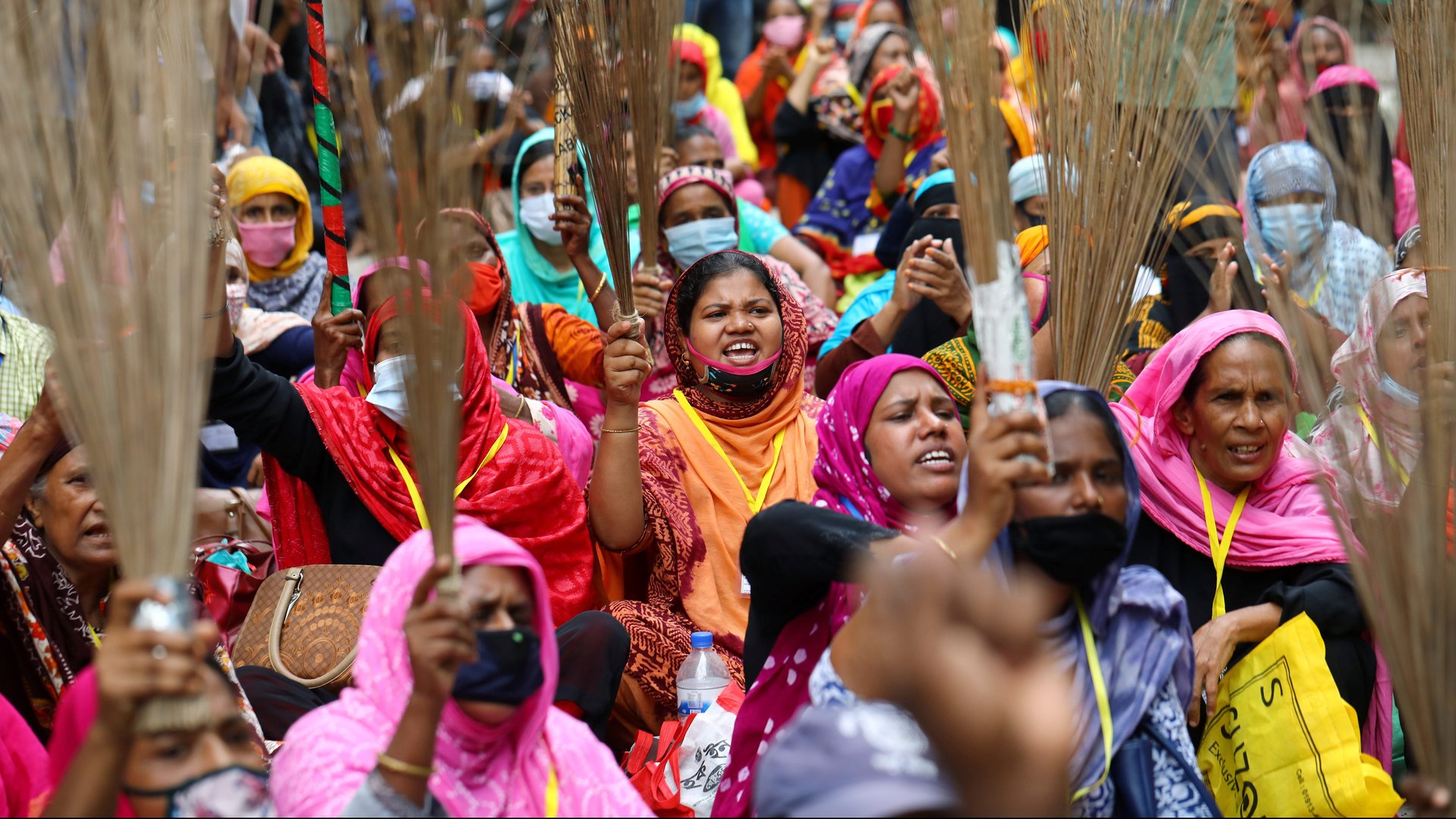
The pandemic has put pressure on the entire fashion industry, but it’s the low-wage workers in its supply chain who are suffering the harshest consequences.

Each year, Mexicans working abroad send billions of dollars back to their home country. In 2019, these remittances, including personal transfers and payments to employees, grew to some $39 billion, according to the World Bank, or about 3% of Mexico’s GDP.

Even with offices around the world shut due to Covid-19, business has carried on, though not without the occasional technological hiccup.

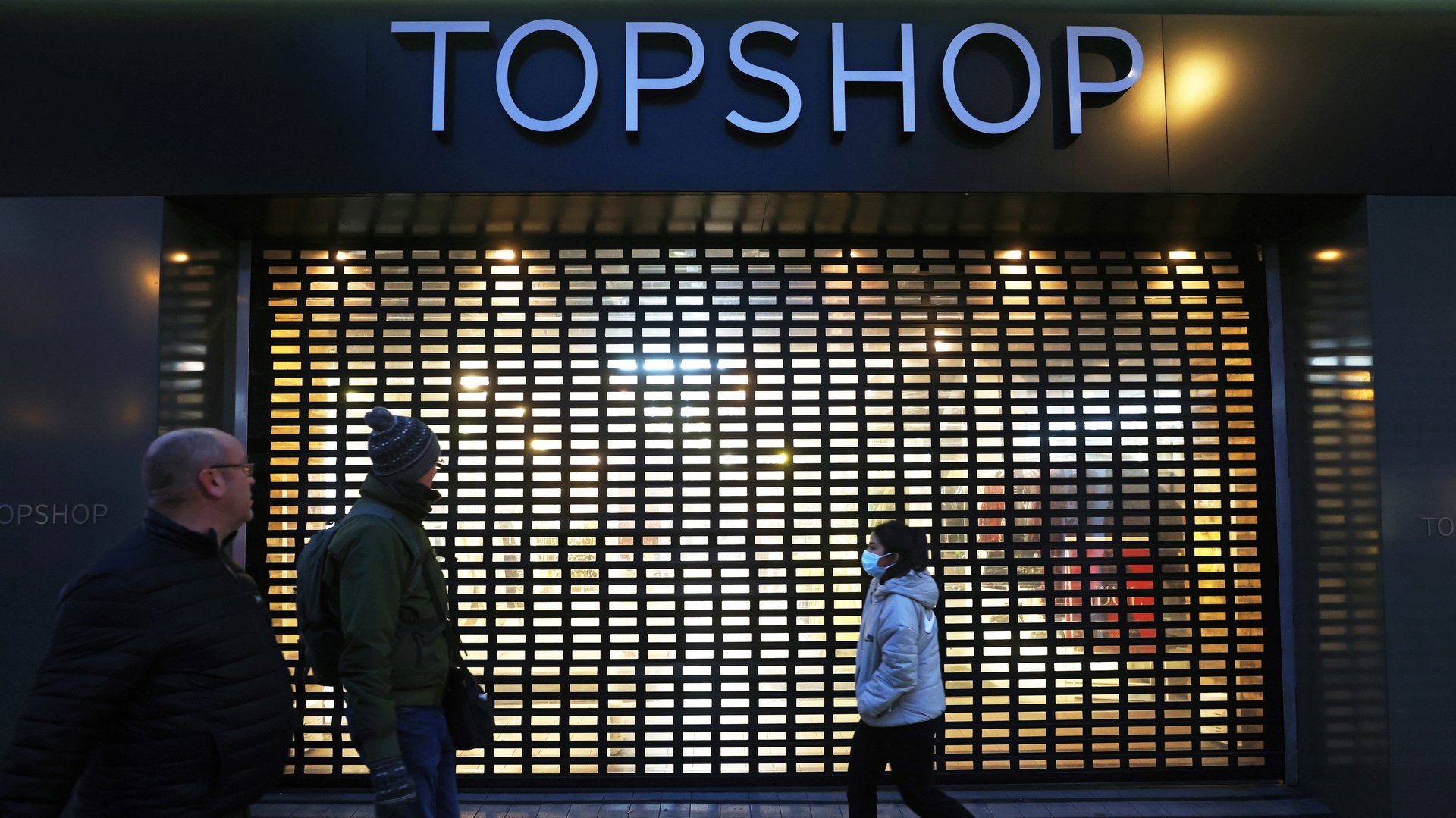
Arcadia Group, the retail empire of British tycoon Philip Green and parent company of fashion chain Topshop, has gone into administration, the British equivalent of bankruptcy, creating a dire situation for some 13,000 workers whose jobs are at risk. The company is not announcing any layoffs yet, and its brands, which include Topman, Miss Selfridge, Dorothy Perkins, and more, will continue to operate while it seeks buyers for all or some of its assets, the Guardian reports.

Americans looking to stay active during the pandemic while keeping a safe distance from one another have been turning to the great outdoors. They’re doing everything from hitting golf courses to visiting national parks in record numbers.

This Thanksgiving will see fewer Americans loosening new belts to make room for all the turkey they’ve eaten.

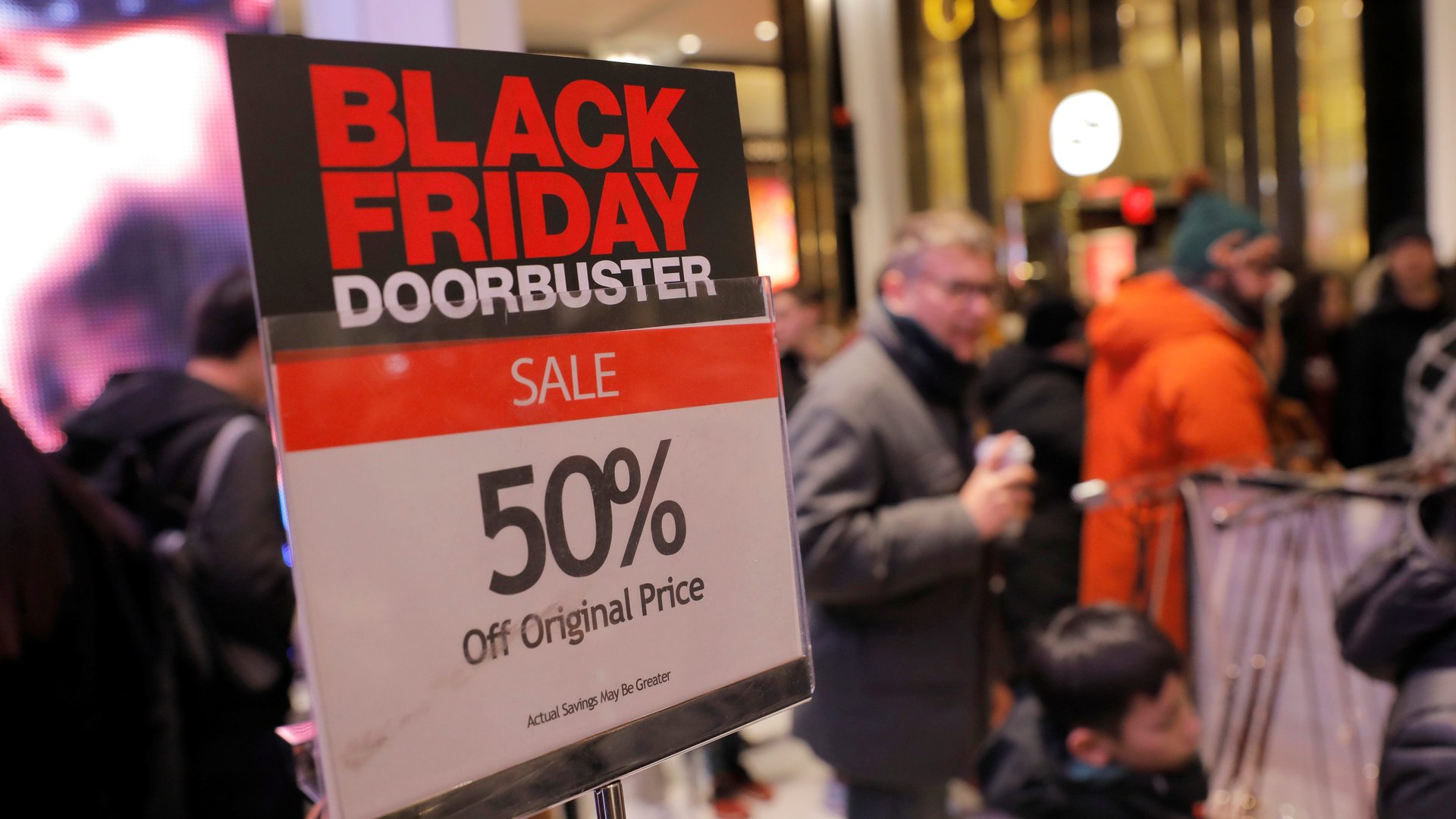
Even as the Black Friday shopping phenomenon has spread around the world, vexing retailers with its proliferating promotions, the day itself has been losing significance for years. The holiday discounts that once defined the US event have crept forward into Thanksgiving and earlier, while e-commerce has eliminated the need for shoppers to crowd stores in a fight for the best deals.

When Joe Biden is sworn in as president of the US on Jan. 20, he will inherit a number of thorny problems. Among them is how to confront China about its systematic oppression of the predominately Muslim Uyghur ethnic minority in the country’s northwest Xinjiang region. The growing consensus is it constitutes genocide, a label Biden himself has applied to the situation.

The last two months of the year are always critical for US retailers. Because of Covid-19, however, it’s shaping up to be a holiday season like no other, and nobody knows exactly what to expect.

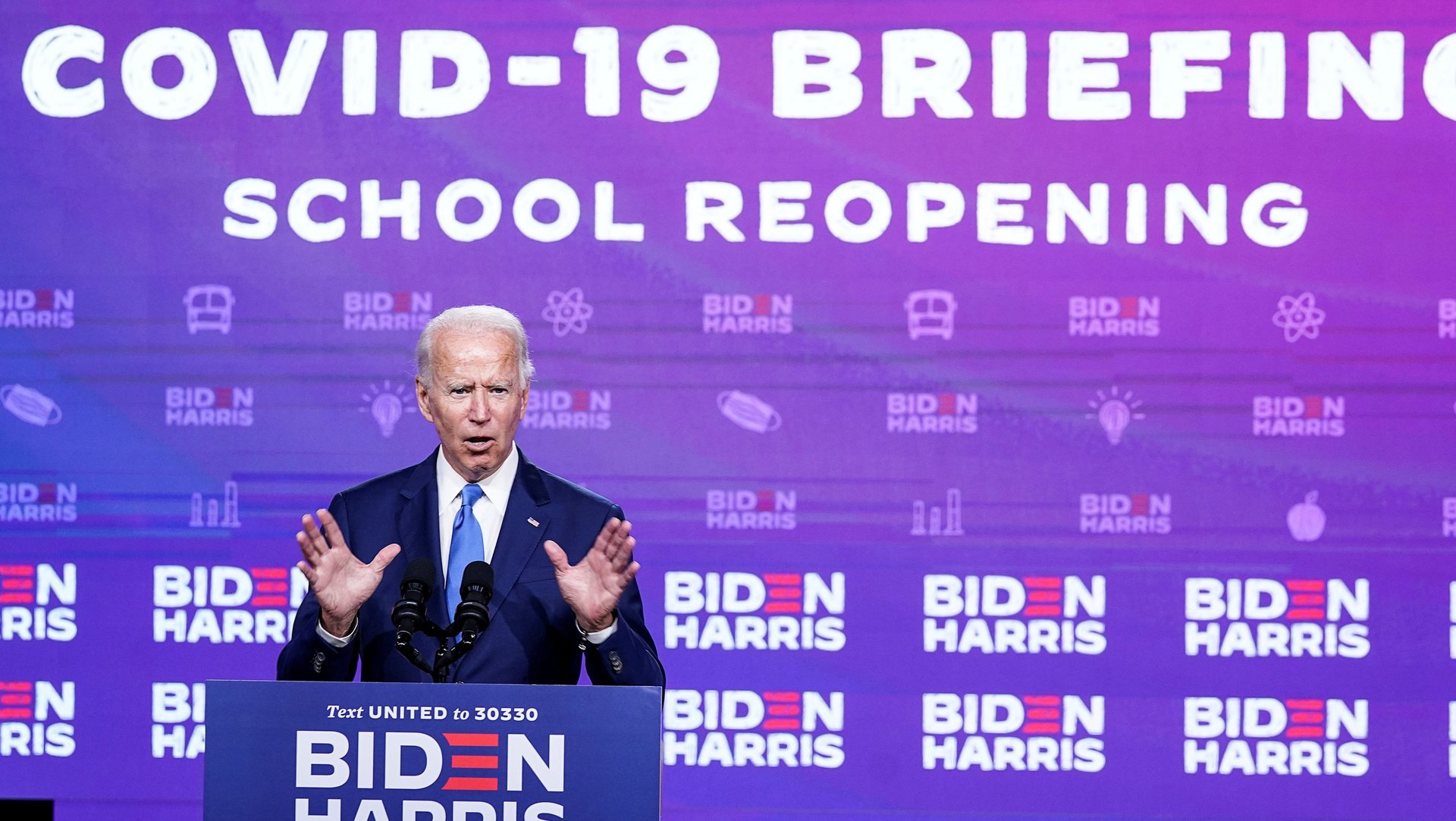
While US president Donald Trump refuses to concede that former vice president Joe Biden won the US election, the CEO of Walmart, America’s largest retailer, has already moved on.

On New Year’s Eve, 1962, a 13-year-old named Valery Saifudinov took the stage with his band at a party in Latvia’s capital city Riga, then still under Soviet control. In front of a crowd of several hundred factory workers, they launched into covers of songs by artists such as Chuck Berry and Little Richard—Black Americans who, along with forebears like Sister Rosetta Tharpe, created rock ‘n’ roll. The crowd loved it.

“Cool” is one of those words so liberally used its definition has become fuzzy around the edges. We know shoppers chase it and companies try to sell it. Generally speaking it indicates something positive, but with a range of connotations including stylish, original, authentic, rebellious, and more.

For more than two decades, Joel Dinerstein, a cultural historian and professor of English at Tulane University in New Orleans, Louisiana, has been asking his students who and what they consider cool. The author of multiple books on the subject, including 2017’s The Origins of Cool in Postwar America, Dinerstein teaches a course on the history of cool. About five or six years ago, or perhaps a little more—he can’t remember exactly—he noticed a change in what his students were telling him.

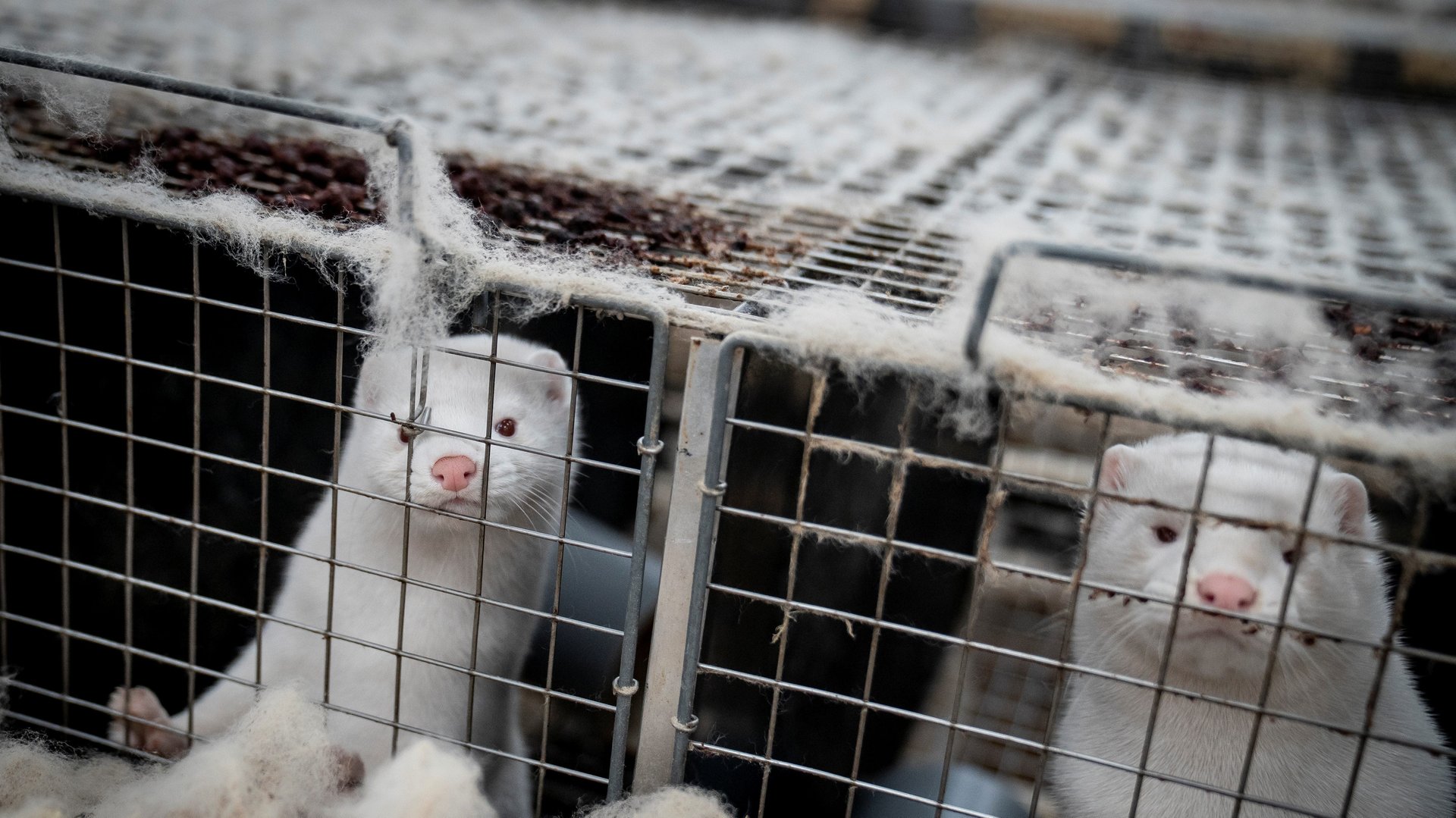
Denmark’s push to kill millions of minks over fears the animals will spread a new coronavirus mutation is set to ripple through the global fur industry.

Chatter among fashion followers went into overdrive yesterday when VF Corp.—owner of brands such as Vans, The North Face, Timberland, and Dickies—announced it would acquire streetwear pioneer Supreme for $2.1 billion.

All US presidential candidates have an ambitious list of tasks they promise to accomplish on the first day of their presidency. Whether or not they can actually fit a few hours of work between their noon inauguration and the evening galas, the promised Day One agenda is filled with items of heightened importance to their electoral base. Often, they involve reversing unpopular actions of their predecessors and can be accomplished by executive order without waiting for Congress.

It could be some time before the result of the close contest for the US presidency becomes clear. Whether the incumbent president, Donald Trump, or his challenger, Joe Biden, wins, the US economy may be the immediate loser.

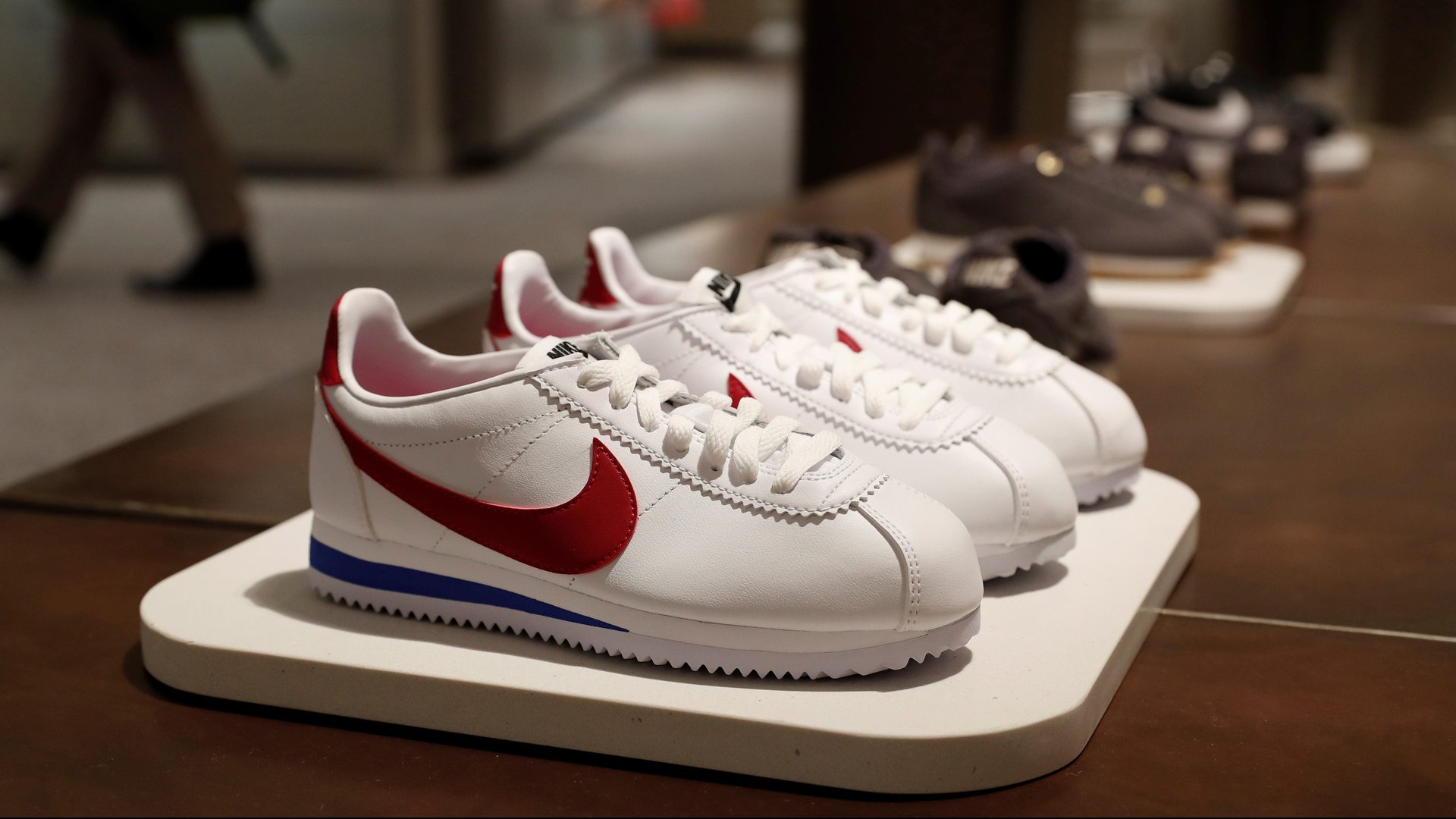
A few weeks ago, Nike stirred up some anger in the Bronx borough of New York City. In a brief letter, it told Frank’s Sport Shop, a local retailer that has served its community for nearly a century and carried Nike products for decades, that Nike shoes and apparel would no longer be sold there. “We knew them when they had nothing,” owner Moe Stein told the New York Daily News. “How do you like that?”

Amazon has always been playing a long game. For years it generally had to choose between investing in growth or turning a profit. Famously, it prioritized growth, so much so that it was newsworthy in 2016 when it turned in four straight profitable quarters—in a row!

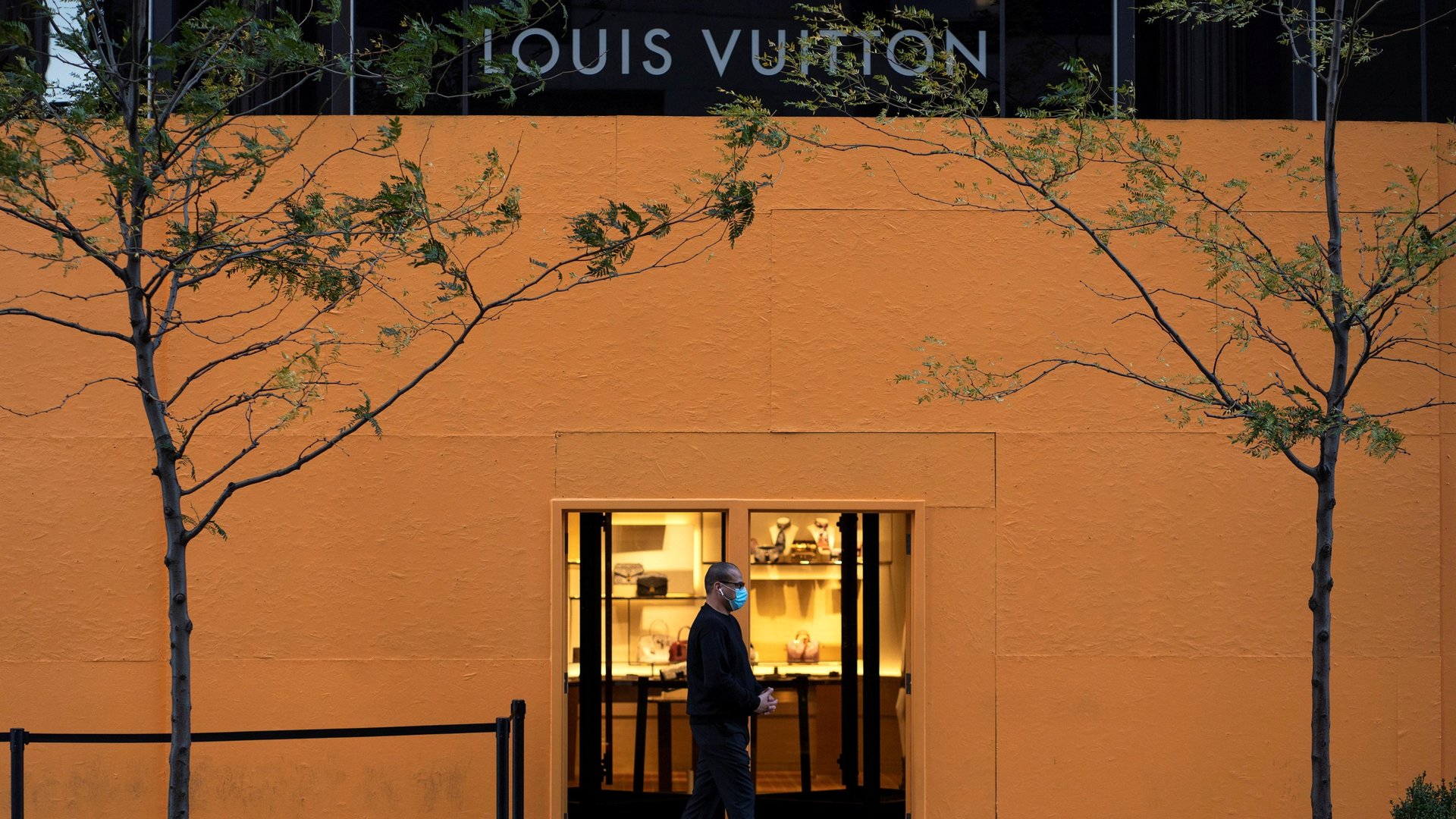
Store owners in Los Angeles, New York, Chicago, and other cities are preparing for the US election. They’re ordering crowd-control barricades, plywood to board up windows, and putting contractors on standby so they’re available if needed. They’re also auditing their security systems and requesting more guards.