

From dance challenges to lip sync videos, TikTok has united the world through the shared culture of the internet. In just a few years, the short video platform has achieved immense popularity. With approximately 1 billion users, TikTok already rivals the giants of the first era of social media: In 2007, three years after it launched, Facebook had 20 million users; around the same point in its life cycle, in 2009, Twitter had 18 million.
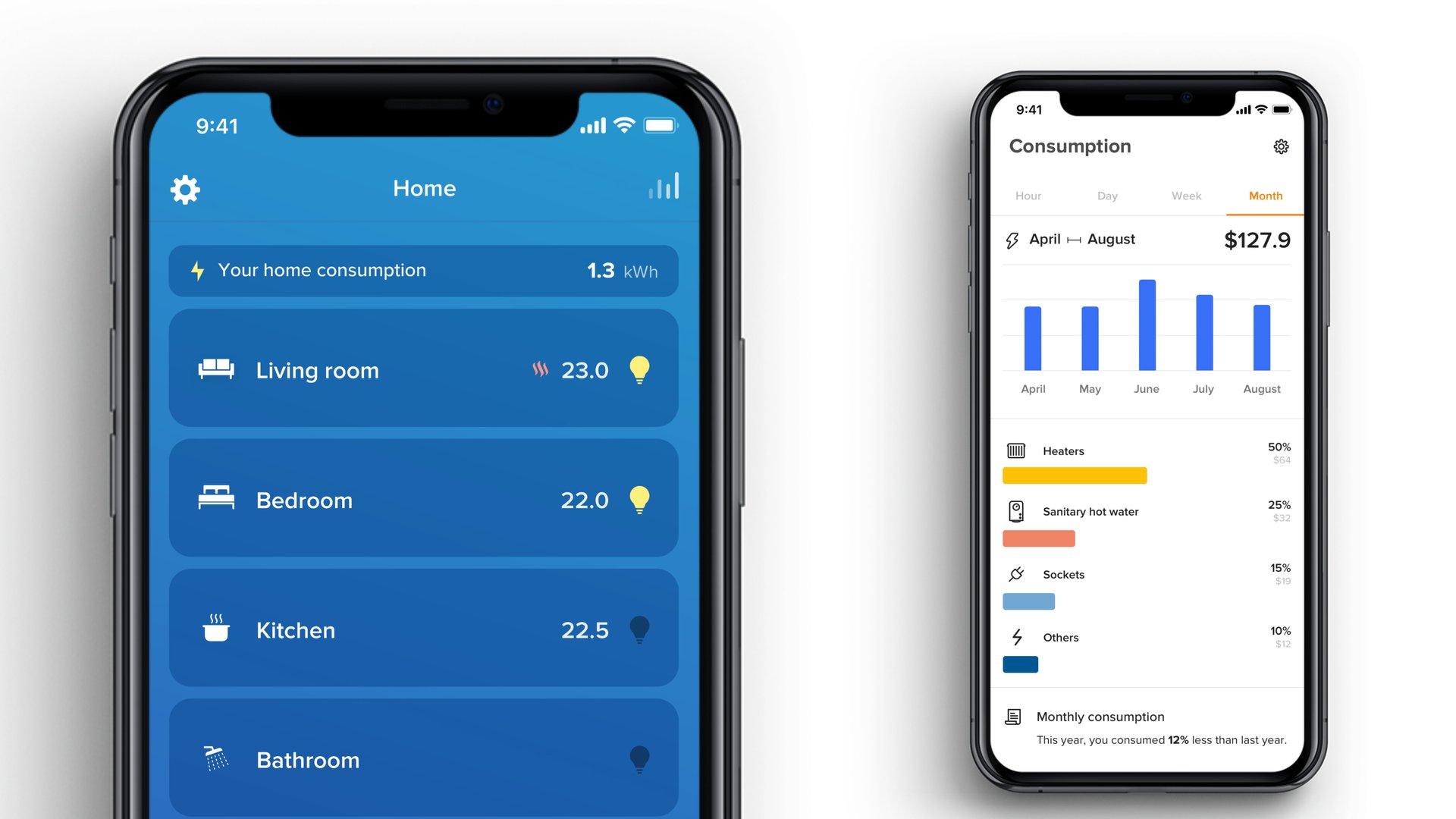
Forget about running around the house like a madman, turning off all the lights. Saving electricity at home is about to get a lot smarter. At CES 2020, the consumer electrics trade show in Las Vegas, companies like Schneider Electric, Legrand, and Leviton shared their latest solutions for eco-friendly residential living. The best part? You won’t have to replace all your appliances.

The US stock market regulator is warning investors about the latest twist on crypto fundraising. In an investor alert published Tuesday (Jan. 14), the Securities and Exchange Commission urged investors to “use caution” before buying digital tokens offered to the public through online exchanges. This alternative fundraising model is known as an initial exchange offering, or “IEO.”

[header date=”9 January 2020″]What the booming stock market means for bitcoin.[/header]

At CES, the consumer electronics trade show in Las Vegas this week, I hit the jackpot: getting picked up in a self-driving Lyft.

With the US stock market humming along, the investment landscape is starting to feel a bit frothy. The four largest tech companies—Apple, Microsoft, Amazon, and Alphabet—are now worth a combined $4 trillion. And in the last couple weeks, the Nasdaq and Dow have set record highs.

In a small suite tucked away in the heart of the Wynn hotel, Chinese phone manufacturer OnePlus invited a handful of media to examine a new device. One day before 200,000 people flocked to the convention floors as part of CES, this private event gave Quartz a behind-the-scenes look at the company’s experimental tech.
With the new decade underway, most of the working world is easing back from the holidays. But the same can’t be said of tech entrepreneurs, the multiverse of executives, developers, and hobbyists poised to define the 2020s. Barely a week into January, they’re ready to make their mark—and their millions.

As we turn our calendars to 2020, now is an opportune time to reflect on the year ahead. What does our financial future hold in store? With the S&P 500 booming, it’s difficult to imagine a shift toward alternative finance, but the landscape could change in a hurry.

On Jan. 1, California’s Equal Pay for Equal Play law took effect, promising identical prize money to male and female athletes who participate in sports competitions held on state land. As a condition of receiving a lease or permit, competition organizers now must offer equal purses if their events feature men’s and women’s divisions.
As my New Year’s resolution for 2019, I quit Facebook. One year later, it’s the best decision I ever made—at least about my online life.

AT&T launched its consumer 5G network on Friday (Dec. 13) in 10 US cities. But savvy shoppers shouldn’t rush to buy its accompanying device, the Samsung Galaxy Note 10 Plus 5G, which retails for $1,300. That’s because AT&T’s consumer 5G network offers only a minor improvement in speed over its existing 4G LTE network.

Nearly one year ago, I shared a handful of predictions about cryptocurrency’s prospects in 2019. At the time, I mostly focused on crypto-linked financial products, including the long-awaited bitcoin ETF. But while the majority of my predictions about the financialization of crypto came true, there’s one notable story my crystal ball didn’t reveal: the growing role of large social media players.
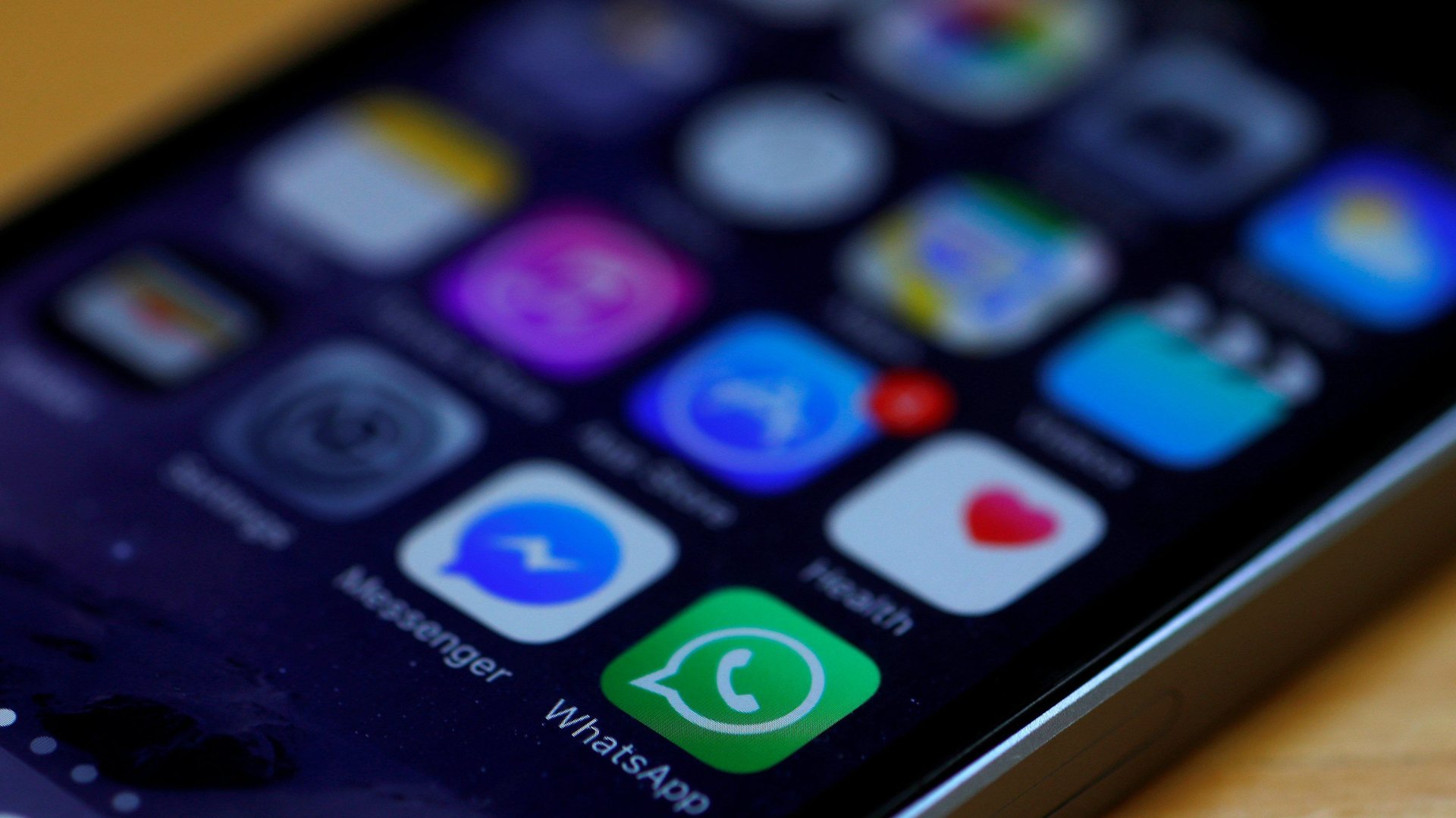
Are you tired of swear word typos? Turning “dicks” into “docks” and “shits” into “shots”? Well, it’s time to escape the puritanical garden tended by Apple and Google. Here’s how to make profanity part of your smartphone’s vernacular.
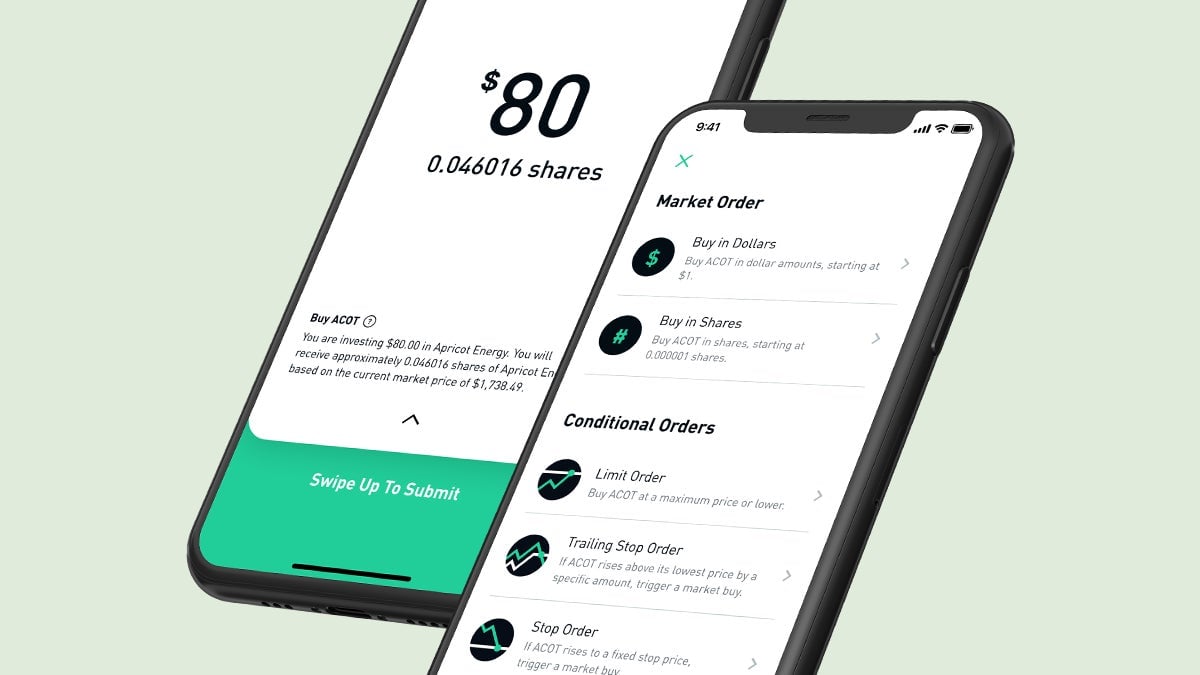
Do you have $1 to spare? If so, you have no excuse for not investing.
The taxman cometh, and he asketh about virtual currency.
I’m pretty sure just about everybody uses their phone while on the toilet. You might even be reading this on the porcelain throne right now. If so, don’t worry. (I’m not judging you… too much.)
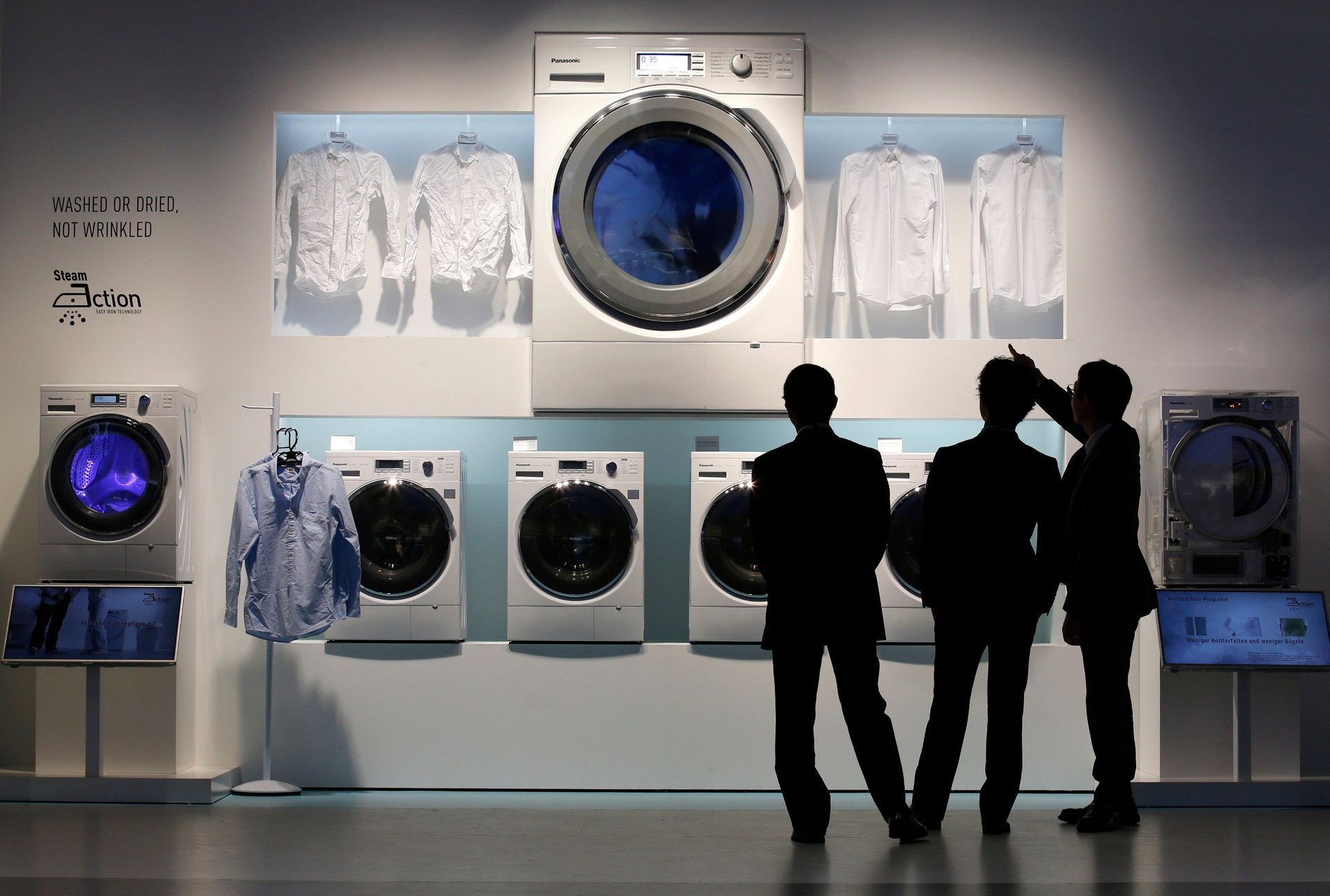
Laundering money through bitcoin is a bad idea—not only because it’s illegal, but also because it leaves a permanent trail. Defendants have repeatedly been undone because they’ve relied on the cryptocurrency for some part of their nefarious activities. Sometimes, they’ve been arrested years after their alleged crimes.

Bitcoin is in a funk. For the last two months, the leading cryptocurrency has remained within a narrow band, fluctuating between $7,000 and $9,000. On occasion, it has creeped higher or lower, but never for long.

Every holiday conversation about cryptocurrency over the last few years boils down to one question: Should I buy some?

When Amazon unveiled the Echo Dot in March 2016, the puck-shaped smart speaker cost $90. It was presented as a cheaper alternative to the Echo, the taller device which then went for $180. Just over three years later though, on Cyber Monday weekend (Nov. 30–Dec. 2), the third-generation Echo Dot will cost only $22, a fraction of the first iteration. Indeed, Amazon’s practically giving them away now, at more than 50% off their list price of $49.99.
Google released its Chrome browser 11 years ago, and now almost two-thirds of desktop and mobile users rely on it to surf the web. While its clean interface and extensions make the browser a crowd favorite, what really unleashes Chrome’s power is far simpler: keyboard shortcuts.

As a typical internet user, I have shockingly little control over my digital life. When Facebook bought Instagram, I had to work to keep my accounts separate. When Twitter changed its layout, I couldn’t hold onto the old design. And when Google changes my search results, I have virtually no recourse.