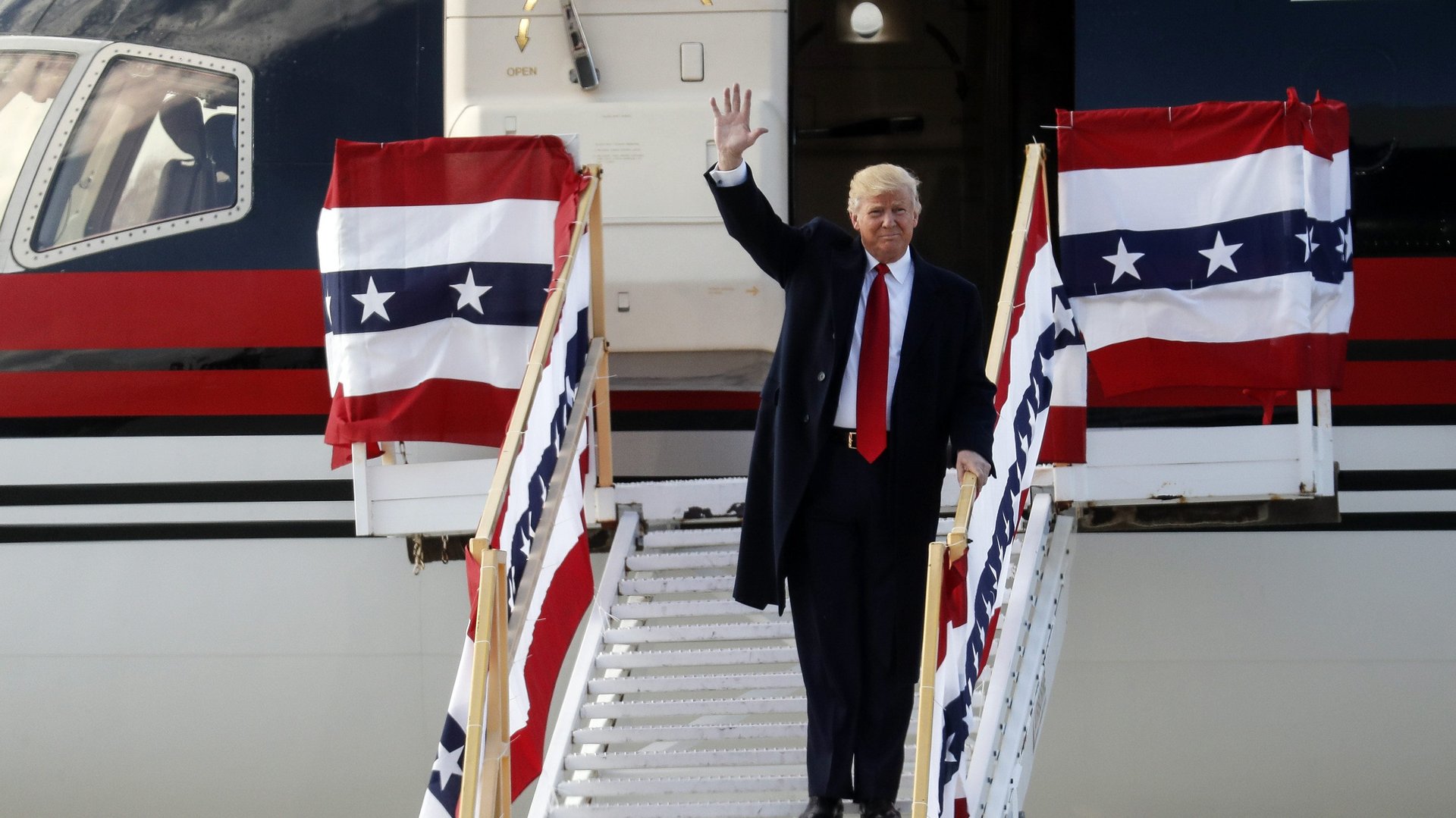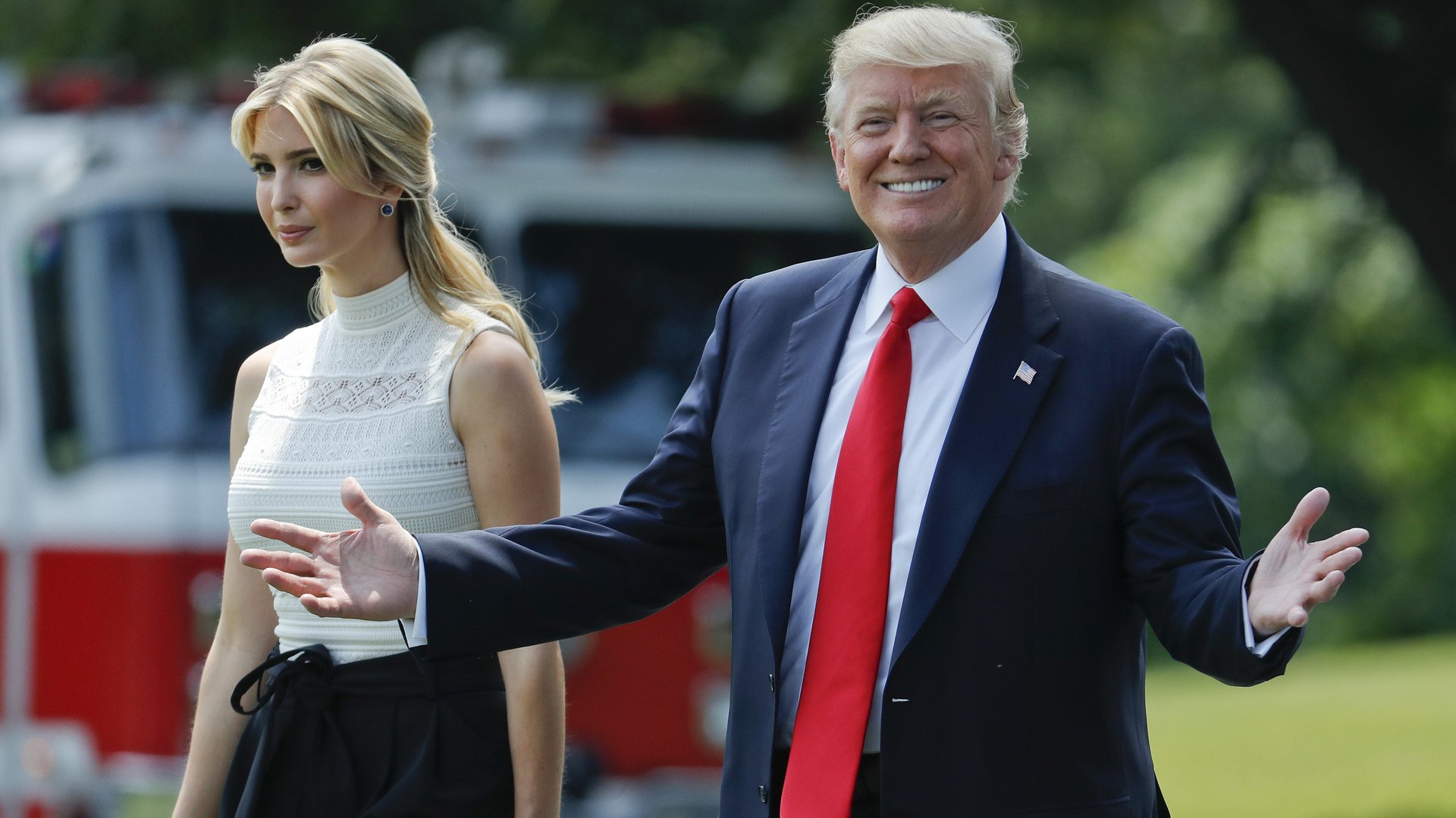
Donald Trump turns 71 today, becoming only the second US president to hit that age while in office. Serving two terms would see him overtake former US president Ronald Reagan, who was two weeks shy of 78 when he left office.

Donald Trump turns 71 today, becoming only the second US president to hit that age while in office. Serving two terms would see him overtake former US president Ronald Reagan, who was two weeks shy of 78 when he left office.

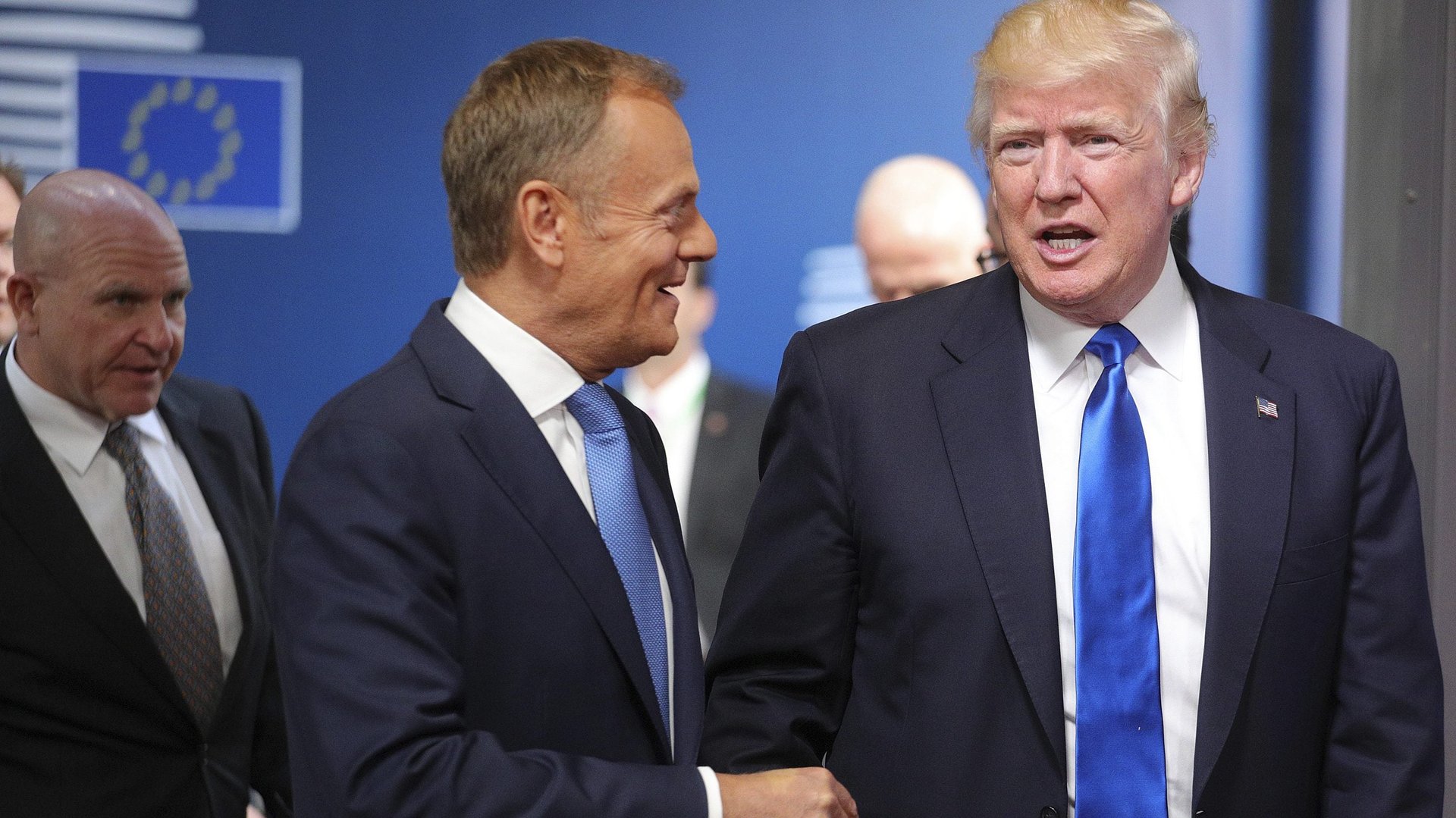
In Brussels two weeks ago, US president Donald Trump shocked not just Europe, but reportedly his own national security team, when he neglected to declare his support for Article Five of the North Atlantic Treaty, the cornerstone of the NATO alliance.

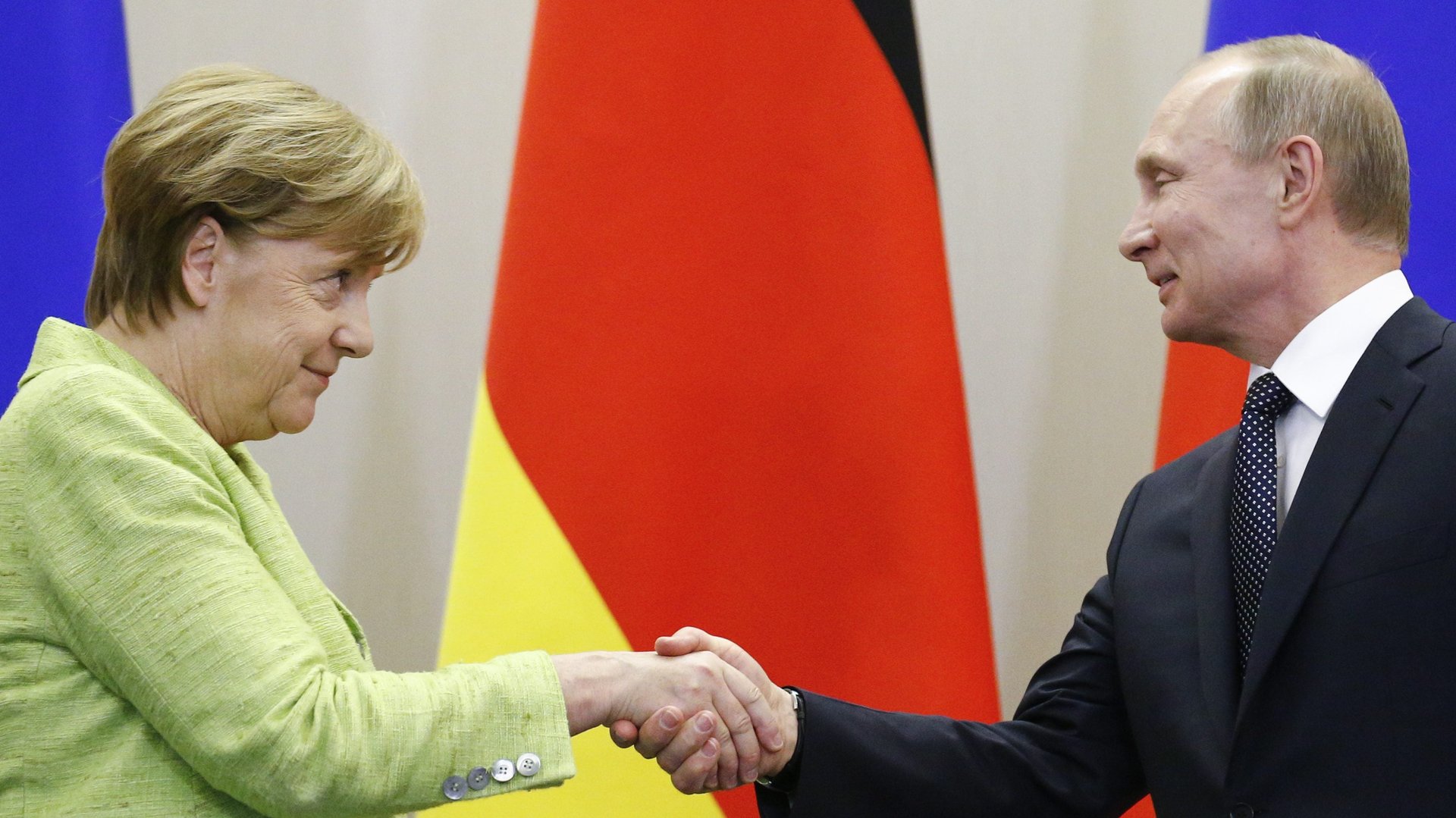
Even before German chancellor Angela Merkel made her Munich beer hall speech on May 28—calling for Europe to “take our fate into our own hands”—the previous week’s NATO summit had made it clear that the old continent was unhealthily dependent on its American ally.

US president Donald Trump turning his back on the Paris climate agreement would send a terrible signal about the country’s commitment to staving off an environmental catastrophe—the US alone is responsible for 15% of the world’s CO2 emissions.

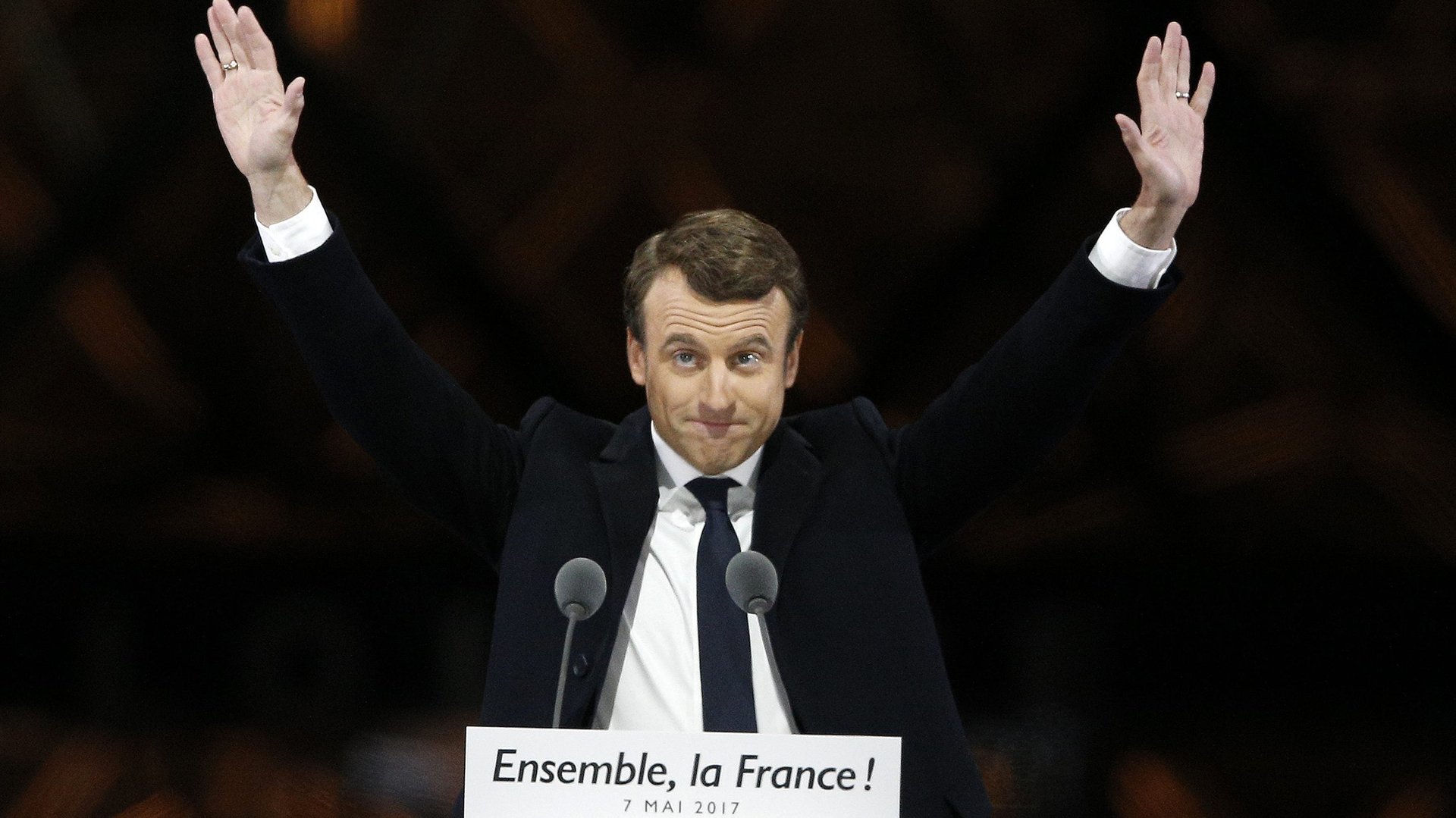
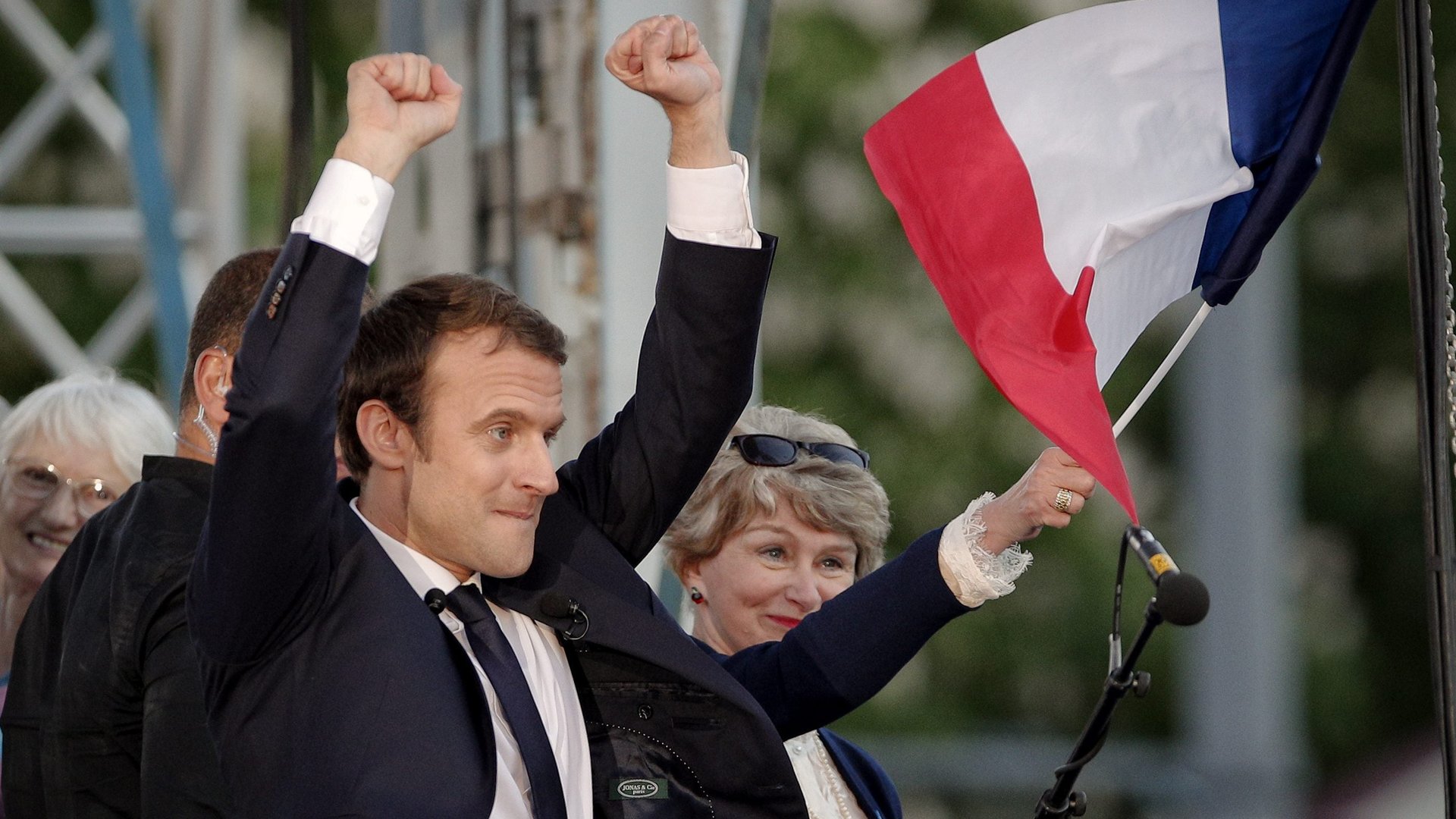
As soon as Emmanuel Macron swept home to an enormous victory in the French presidential election in early May, analysts predicted that Russia’s propaganda and alleged hacking interference in his campaign had backfired, turning a relatively moderate candidate into a president with a grudge.

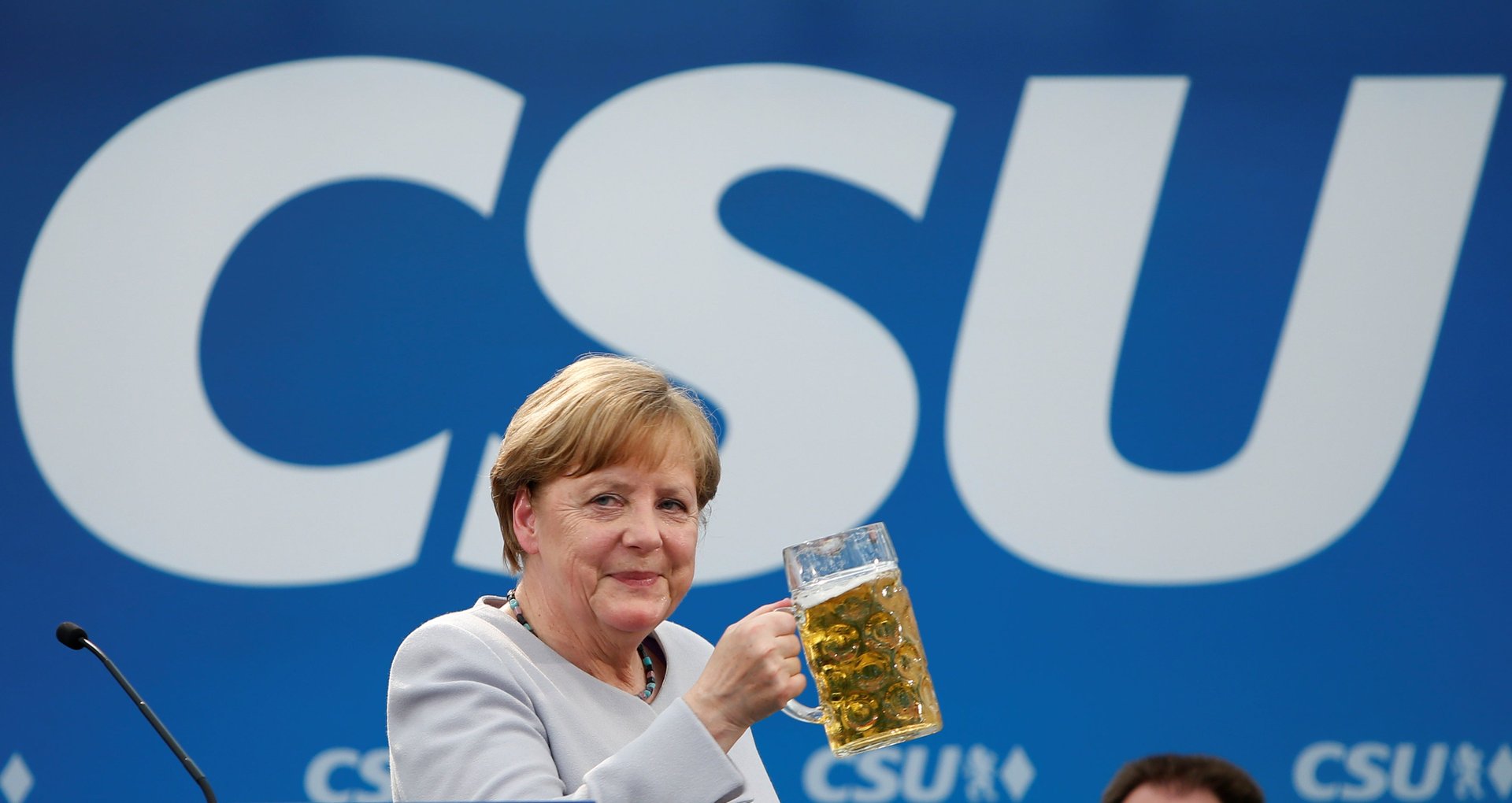
After a disastrous NATO summit in which US president Donald Trump refused to say the two words that undergird Europe’s security, German chancellor Angela Merkel made a speech yesterday that is already being portrayed as iconic. Before putting away a stein or two of beer in front of a crowd of supporters in a Munich beer hall, Europe’s de facto leader seemed to announce a decisive shift in global geopolitics. British and US papers reported accordingly:

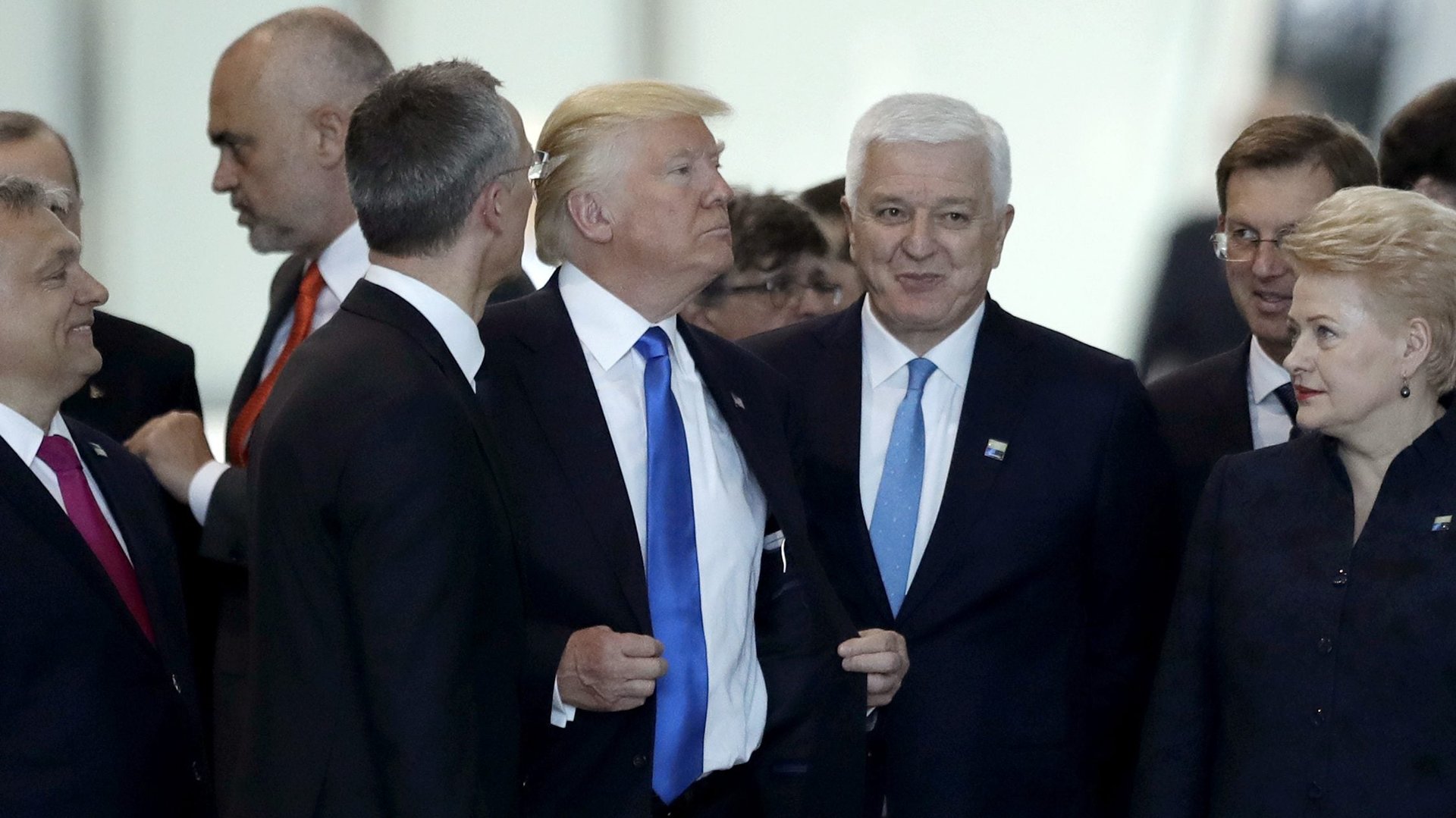
Donald Trump’s visit to Brussels today has been one controversy after another. First he brusquely pushed Montenegro’s prime minister aside to get to the front of a photo-op. Then he declined to support Article Five, the cornerstone of NATO’s alliance, in a speech. Now, two of Germany’s leading newspapers are reporting that in a meeting with the EU’s top leadership he insulted Germany, threatened to cut off its car imports to the US, and displayed a stunning lack of knowledge about basic trade policy.

Update: This article was posted before Trump’s speech, with the headline “Europe’s leaders desperately want Trump to say these two words at today’s NATO summit.” He didn’t say them.

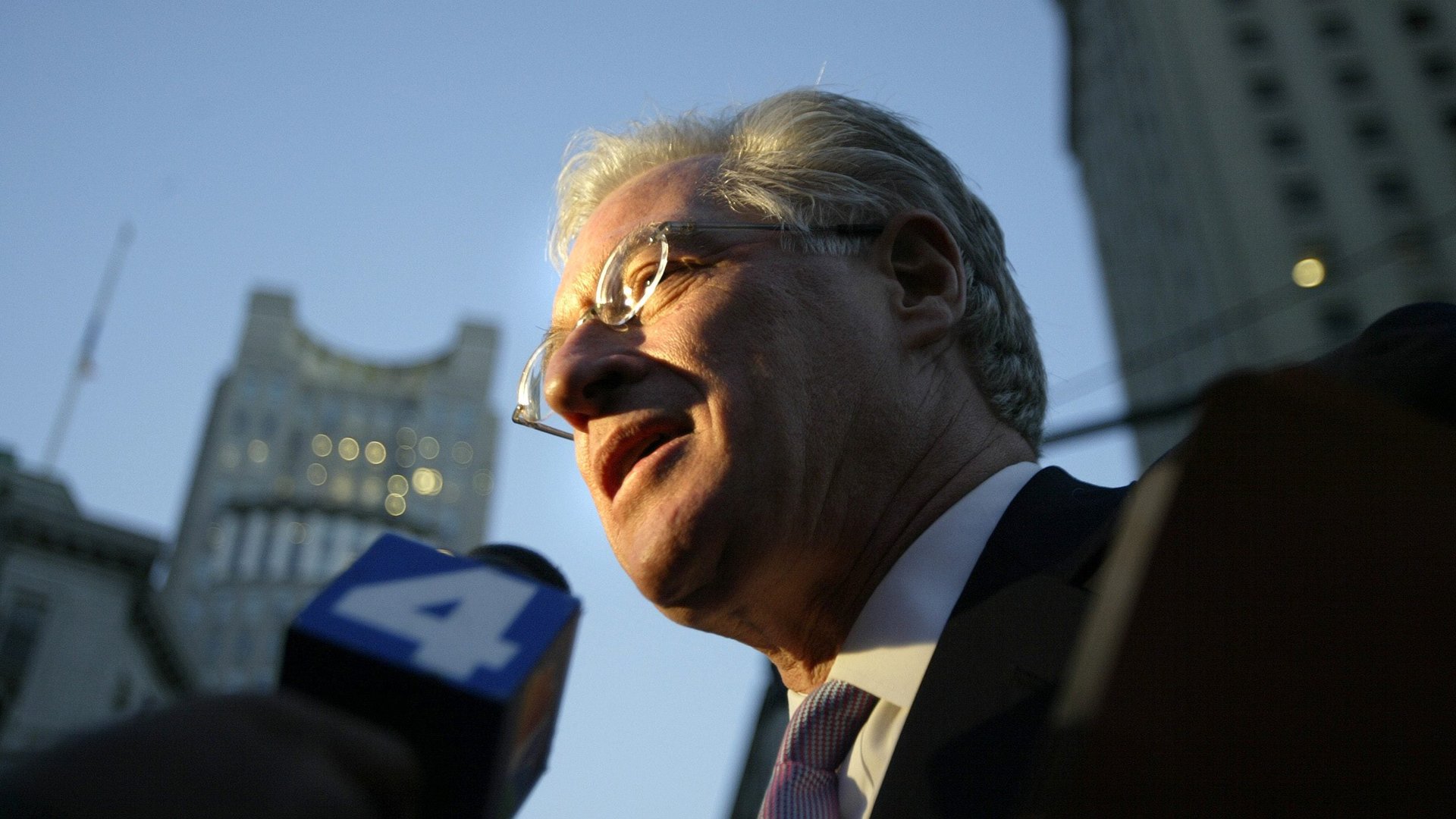
US president Donald Trump trusts Marc Kasowitz. The New York attorney has been representing Trump for more than 15 years, helping the real estate-mogul-turned president face casino bond-restructuring in Atlantic City, fraud allegations at Trump University, and a $5 billion lawsuit against biographer Tim O’Brien for allegedly understating his net worth. (The suit was thrown out.)

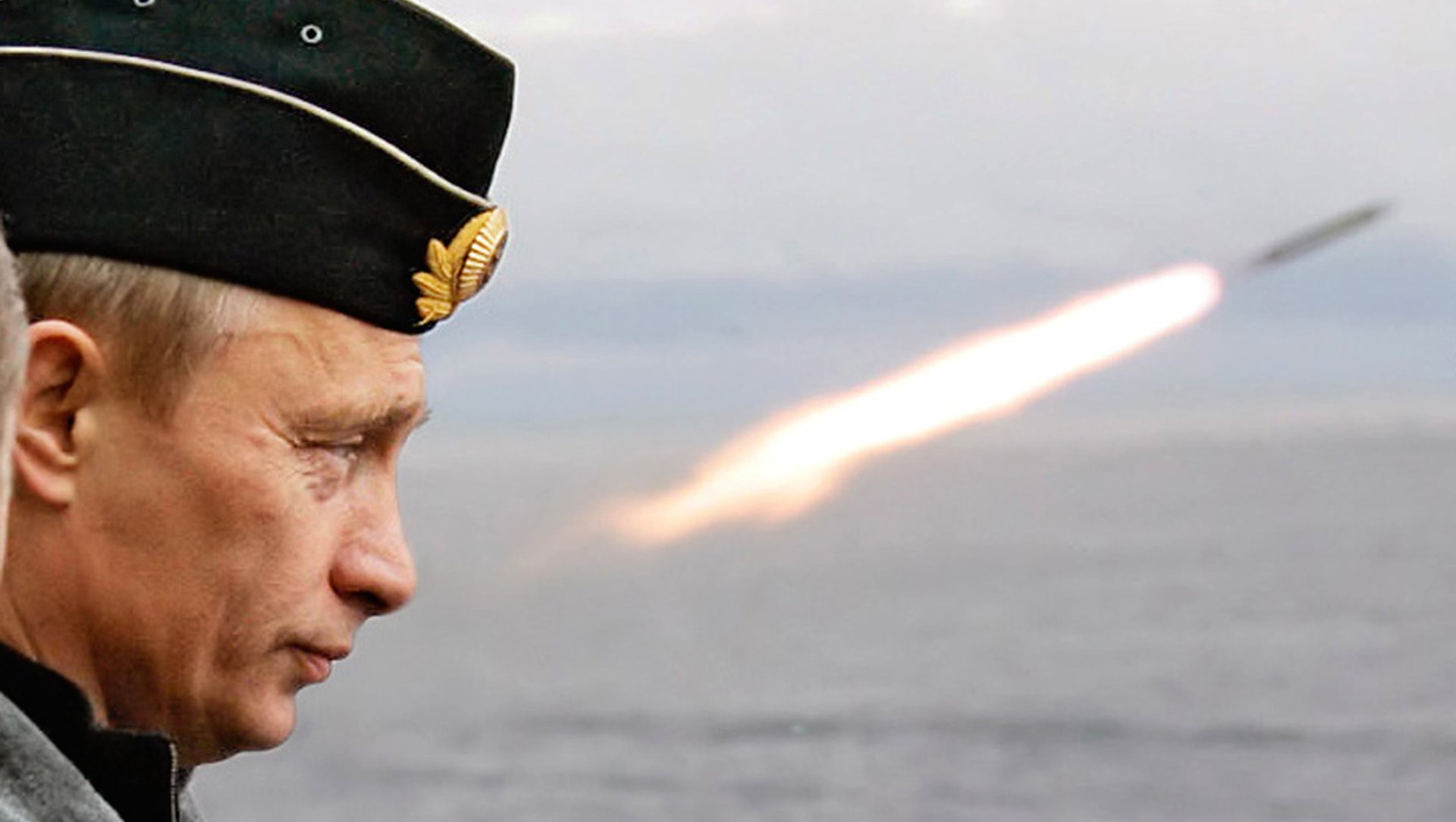
US-Russia relations weren’t always like this. Back in 2000, Russian president Vladimir Putin was doing his utmost to charm the West.

Donald Trump and Jimmy Carter have little in common, especially when it comes to foreign policy. The current US president is a deal-making, winner-take-all isolationist; the man who served in the role from 1975 to 1979 is a human rights-loving, conflict-resolving internationalist. But two things bind them this week: Trump is the first president since Carter to (a) make his first foreign trip more than 100 days after taking office, and (b) to not make that trip to a US neighbor.

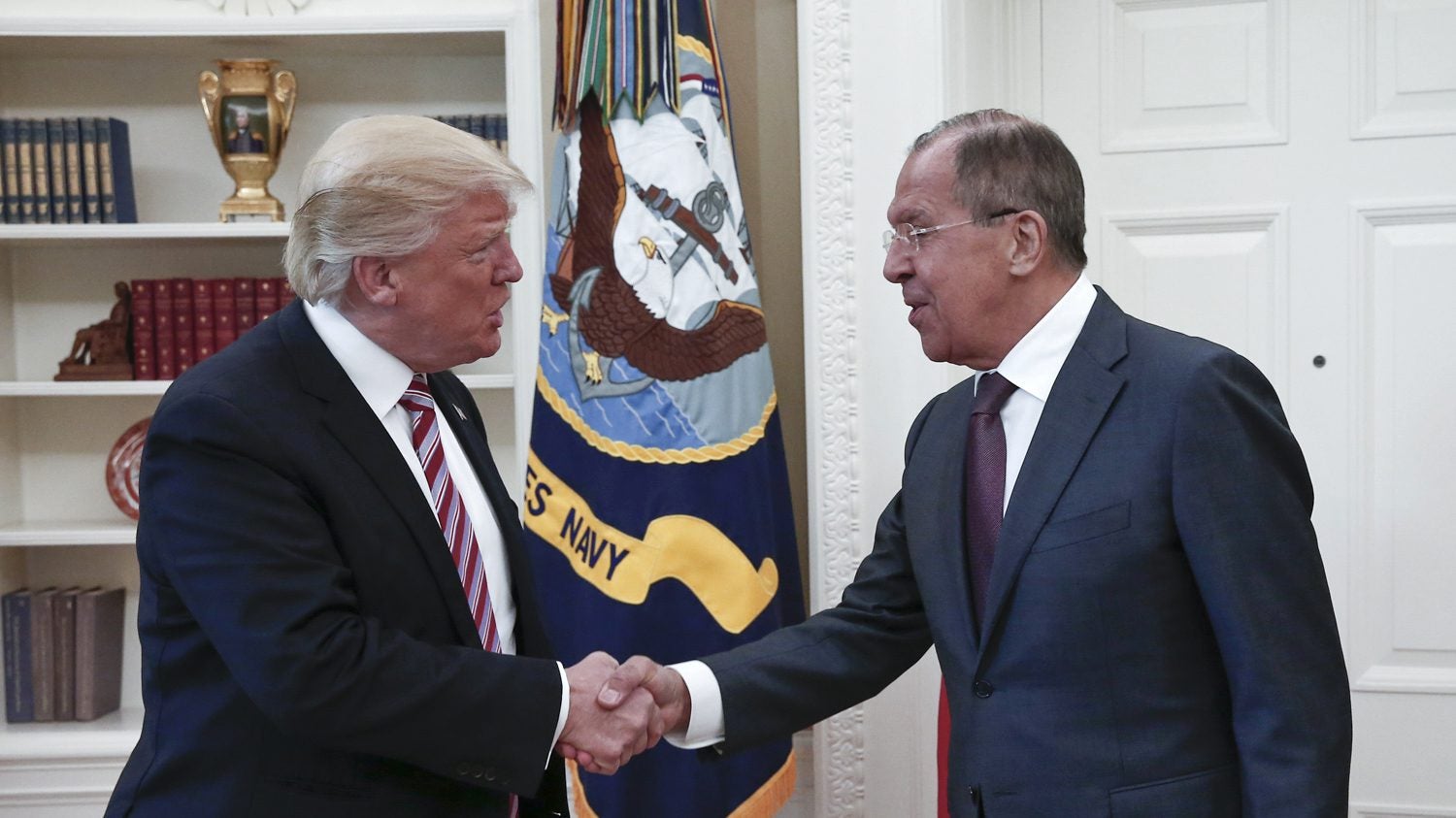
American allies have been worried about sharing intelligence with the new administration since the day US president Donald Trump took office. So, obviously, none will be thrilled about reports that Trump shared top secret intelligence—seemingly provided by Israel—with Russia’s foreign minister and US ambassador.

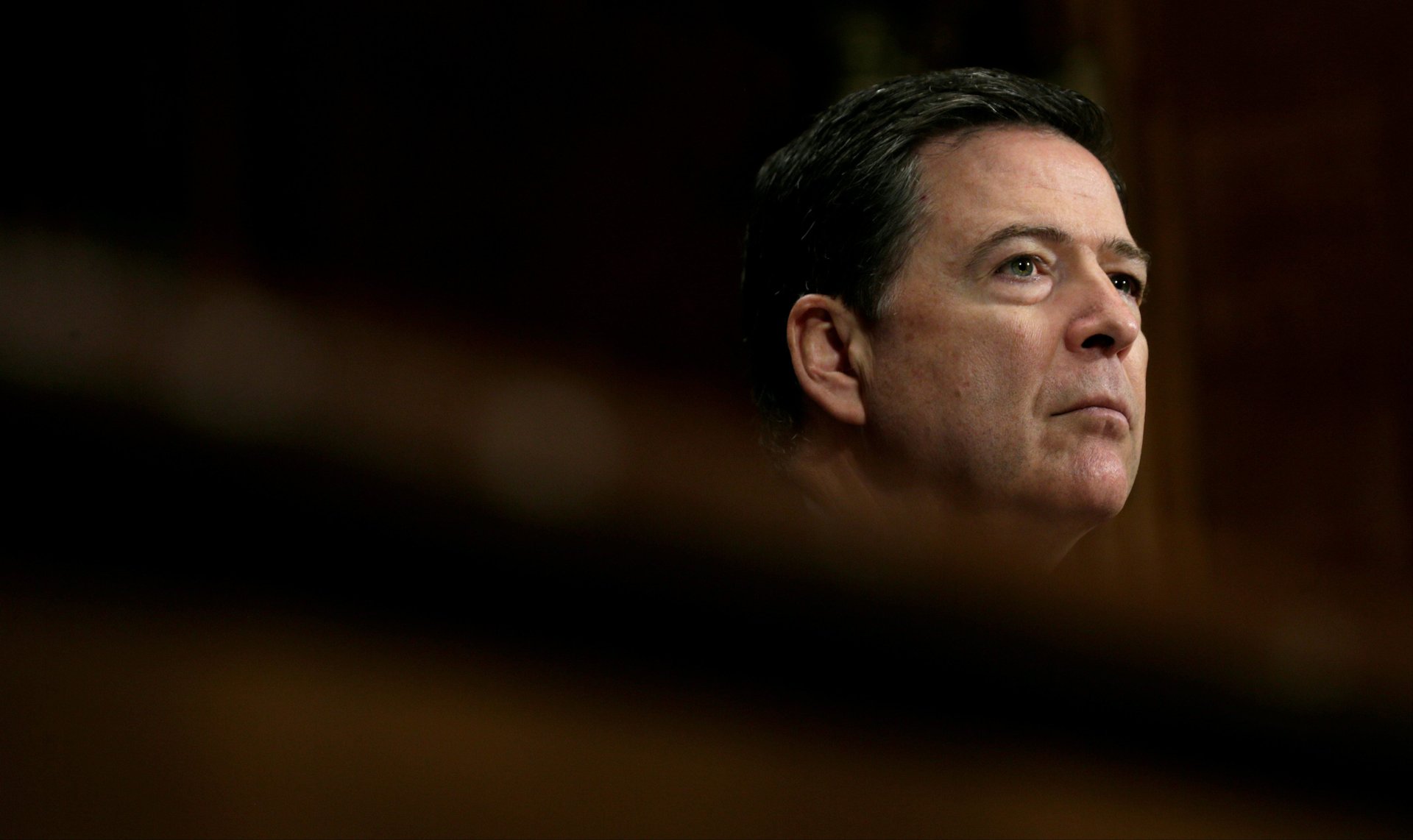
In the wake of a bombshell report alleging US president Donald Trump asked former FBI director James Comey to stop investigating former national security advisor Michael Flynn, Republicans are falling over themselves to avoid publicly commenting on the controversy.

US president Donald Trump’s reported disclosure of classified information to Russia’s foreign minister and US ambassador last week is but the latest in a string of notable security breaches to have taken place in the less than four months since he took office.

WILLINGBORO, NEW JERSEY

Caught off-guard by the strength of the backlash—even among some Republican senators—following FBI director James Comey’s firing, the White House took longer than usual to get their messaging out there.

Former FBI director James Comey made mistakes during his tenure, that much is clear. Many even believe he deserved to be punished for them. But the Trump administration’s stated reasons for firing Comey make no sense.

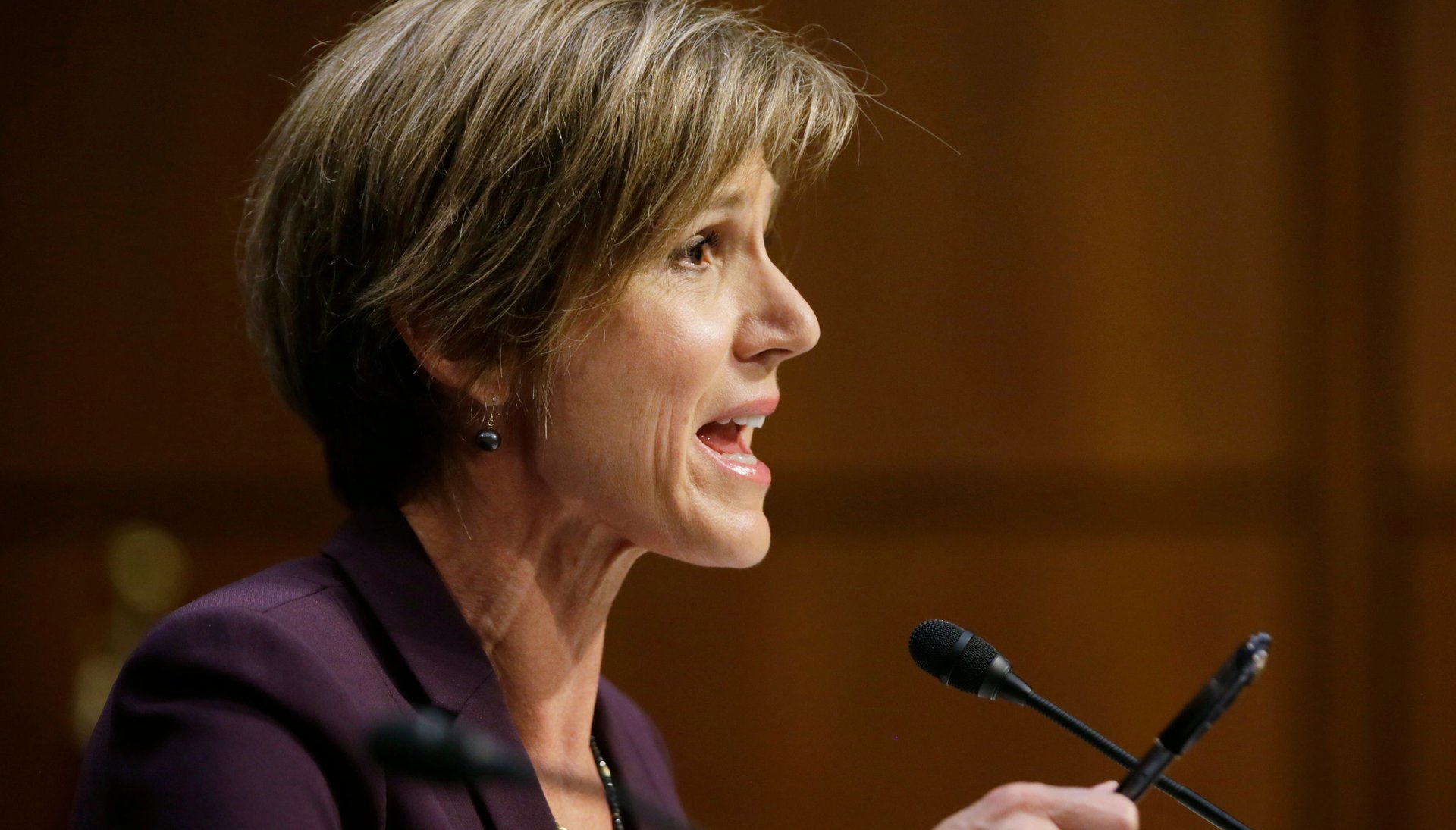
The White House knew for weeks that former national security adviser Michael Flynn was possibly vulnerable to blackmail attempts by the Kremlin before firing him, former acting attorney general Sally Yates told the US Senate judiciary subcommittee on crime and terrorism on May 8.

The Kremlin doubtless thought it had the French election all sewn up. Of the four leading candidates for president, three were openly pro-Moscow. Even the eventual winner Emmanuel Macron was hardly a hawk. As Quartz wrote at the time, Russian president Vladimir Putin really couldn’t lose.

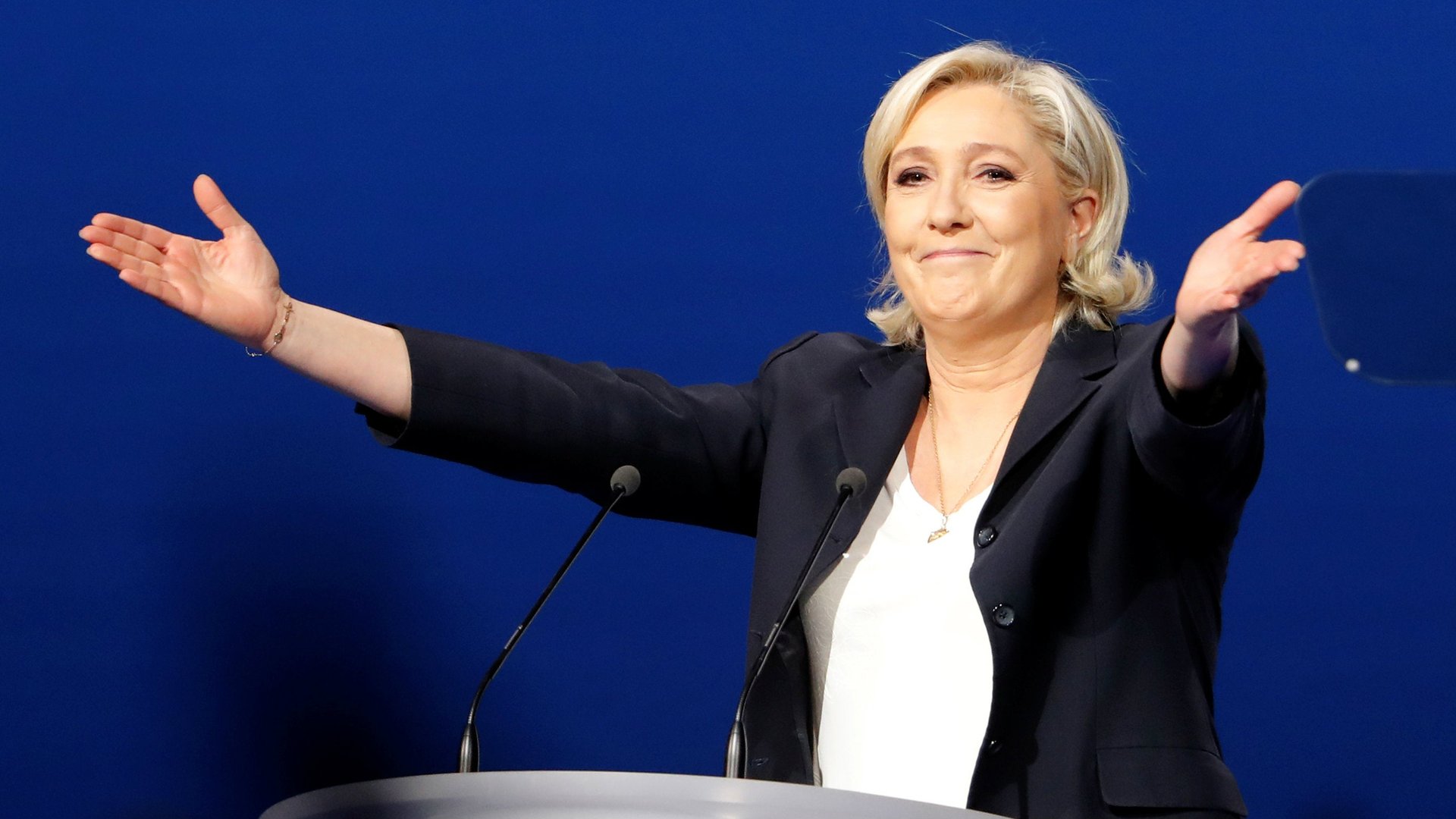
Centrist newcomer Emmanuel Macron decisively won the French presidential election on May 7th, taking around 65% of the vote, versus Marine Le Pen’s 35%, according to projected results. However, having reported through the Brexit and Trump upsets of 2016, we weren’t going to be caught off guard—so we put together an analysis of Macron’s biggest missteps, which could prove informative if he stumbled at the final hurdle. As the 39-year-old newcomer seeks to repair a deeply divided country (turnout was historically low and a record share of voters cast blank and spoiled ballots), going over his mistakes may show how he can win over the doubters now that he’s in power.

Dear ________

Few doubted Richard Burr, head of the US Senate intelligence committee, when he said in March that, “the Russians are actively involved in the French elections.” The news today of a massive online leak of emails from the campaign of Emmanuel Macron, the centrist who is leading the polls, adds weight to that suspicion. An internet security firm reported nearly two weeks ago that Macron had been the target of a hack (paywall) by the same Russians who attacked the Clinton campaign in the US, though as of now there’s no established link between that hack and the emails leaked today.

Until last November, the Office of Government Ethics (OGE) was just a tiny, wonky outfit of 70-odd people; generally an afterthought in the morass of the Washington bureaucracy. But not any more.

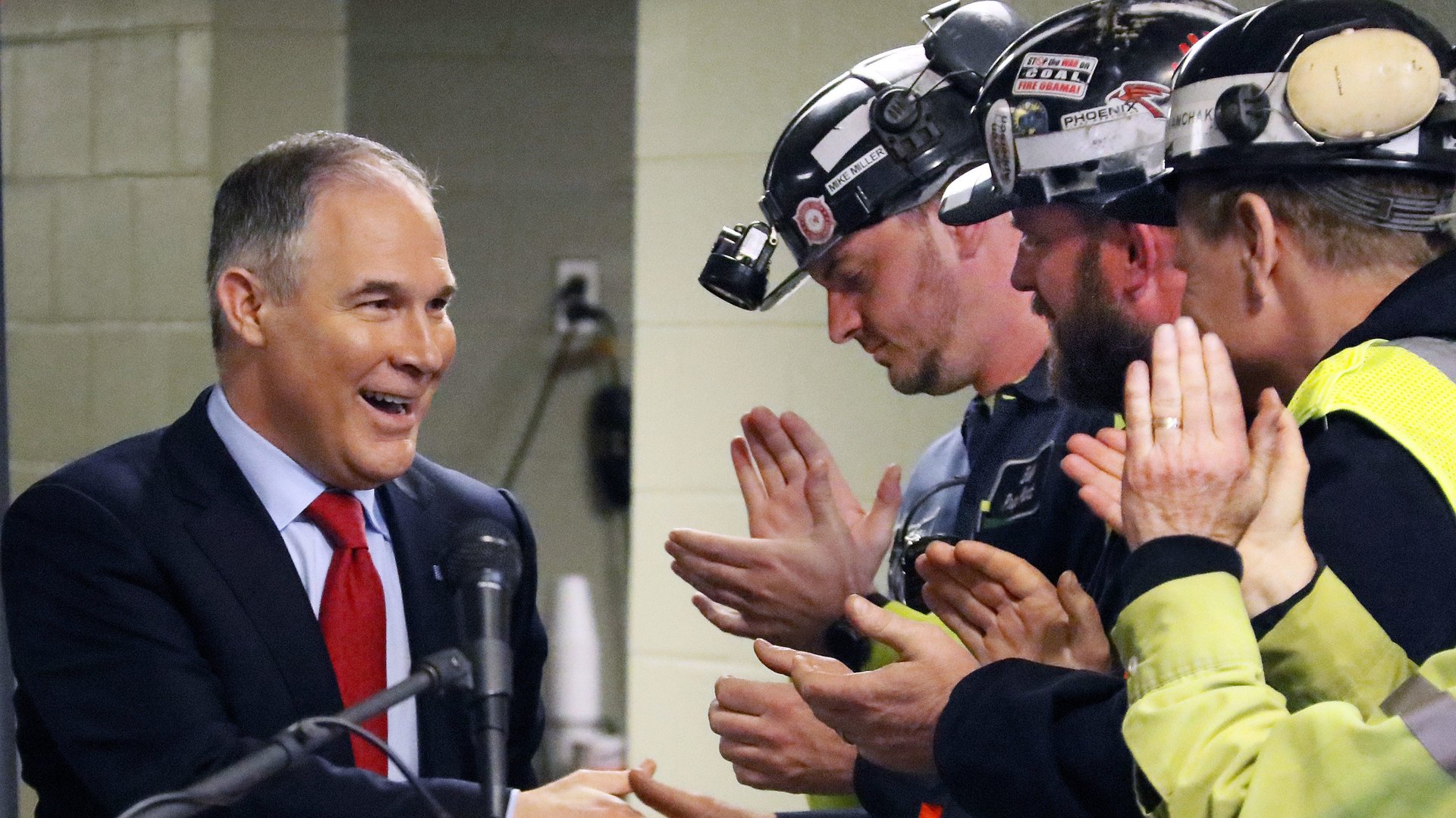
The man US president Donald Trump has charged with guarding the planet has never been a fan of environmental protections. As Oklahoma’s attorney general, Scott Pruitt filed more than a dozen lawsuits against the Environmental Protection Agency (EPA) that he now runs.