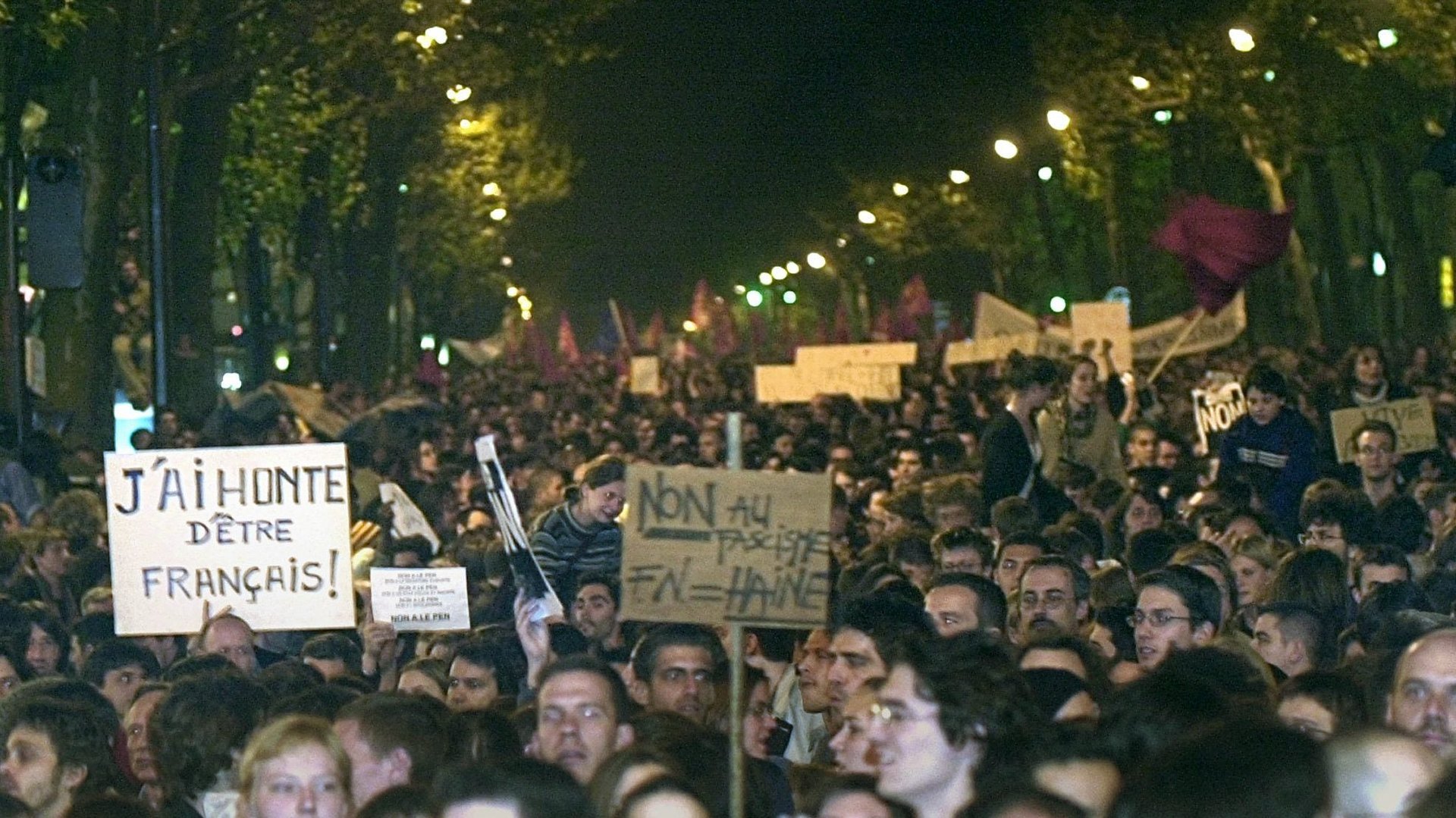
In 2002, the openly anti-Semitic French far right leader Jean-Marie Le Pen shocked the world by reaching the second round of his country’s presidential election, with 17% of the first round vote.

In 2002, the openly anti-Semitic French far right leader Jean-Marie Le Pen shocked the world by reaching the second round of his country’s presidential election, with 17% of the first round vote.

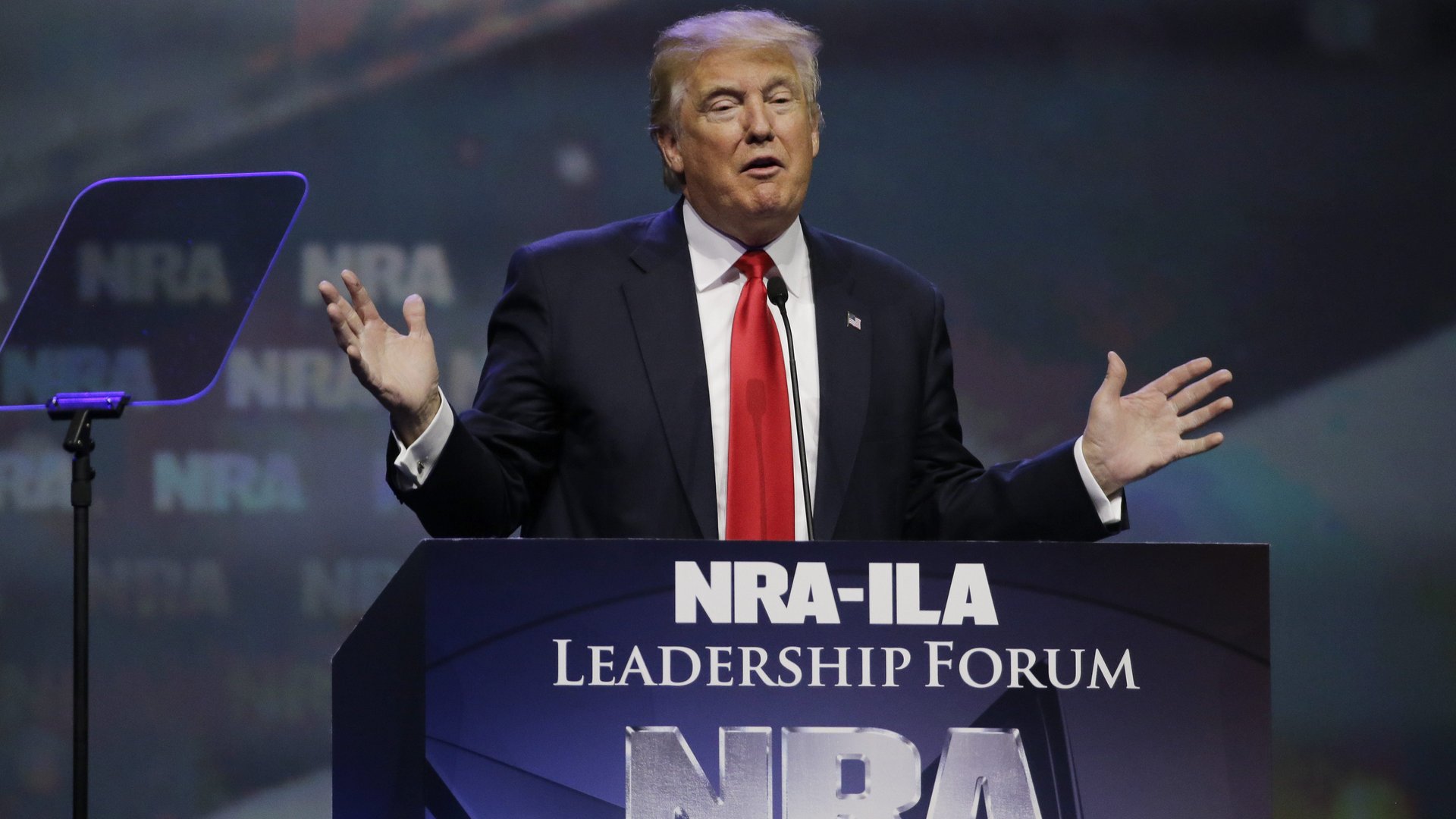
Despite his (abandoned) former life as a backer of gun restrictions, during his campaign US president Donald Trump received more than twice as much from the National Rifle Association (NRA) as 2012 Republican candidate Mitt Romney. He has started to pay back the gun lobby’s loyalty.

Two of US president Donald Trump’s tax cut plans announced today stand out as being clearly beneficial to…Donald Trump and his family.

Update: Hours after Painter and Eisen’s complaints, the State department took down the articles that had allegedly violated ethics rules. A State department official said in a statement: “The intention of the article was to inform the public about where the President has been hosting world leaders. We regret any misperception and have removed the post.”

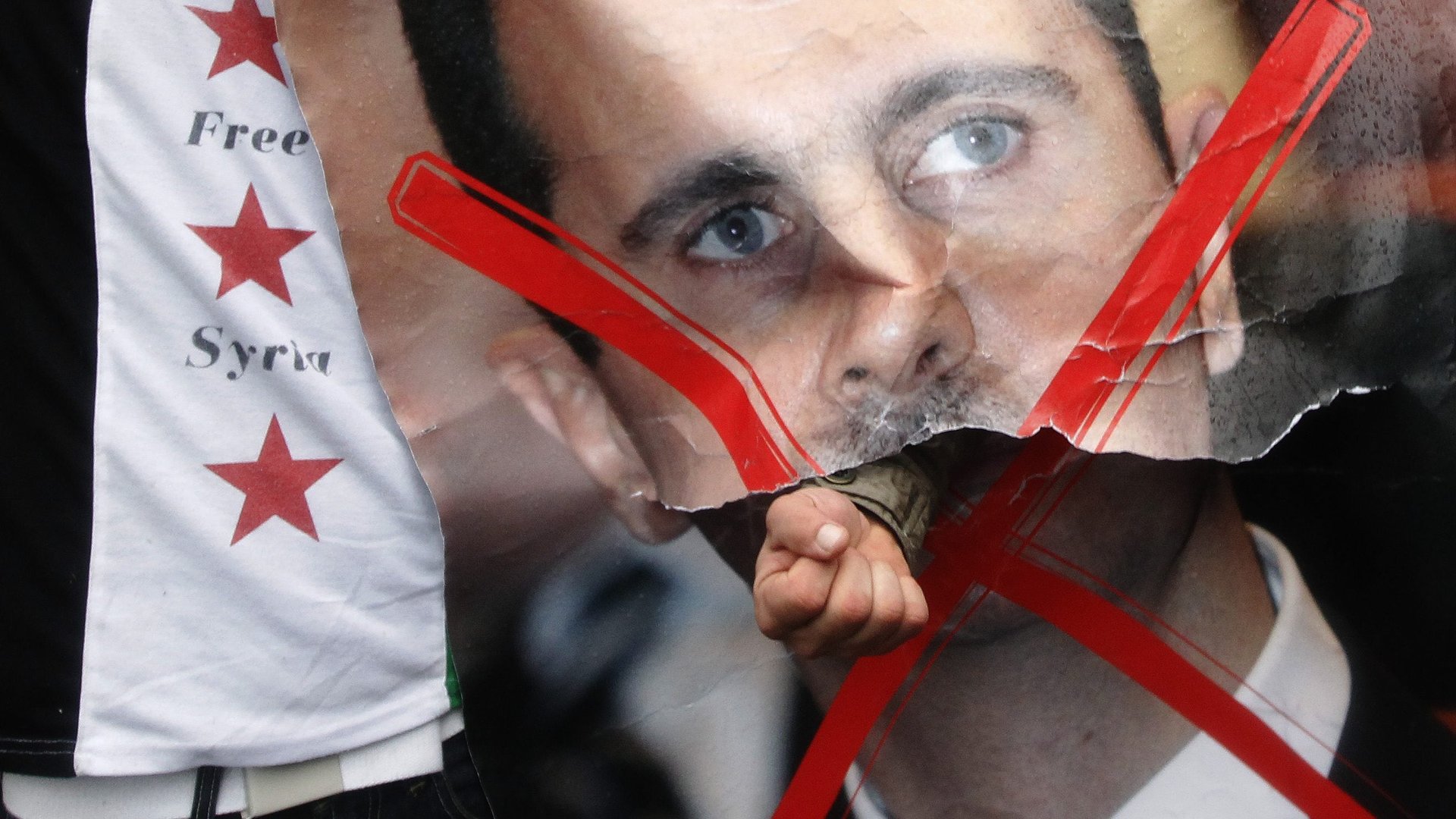
Syrian president Bashar al-Assad never seemed cut out to be a dictator. As a young man, Assad—the second son of strongman president Hafez al-Assad—was so painfully shy that in conversation, “he wouldn’t look in your eye…he covered his mouth with his hands when he talked, and spoke in a low voice,” says Ayman Abdel Nour, a university friend. Indeed, Assad generally avoided gatherings of more than handful of people, and would hunch over to make his tall frame less conspicuous. “He was a totally regular citizen; you wouldn’t guess he was the son of the president unless you knew him personally,” Abdel Nour remembers.

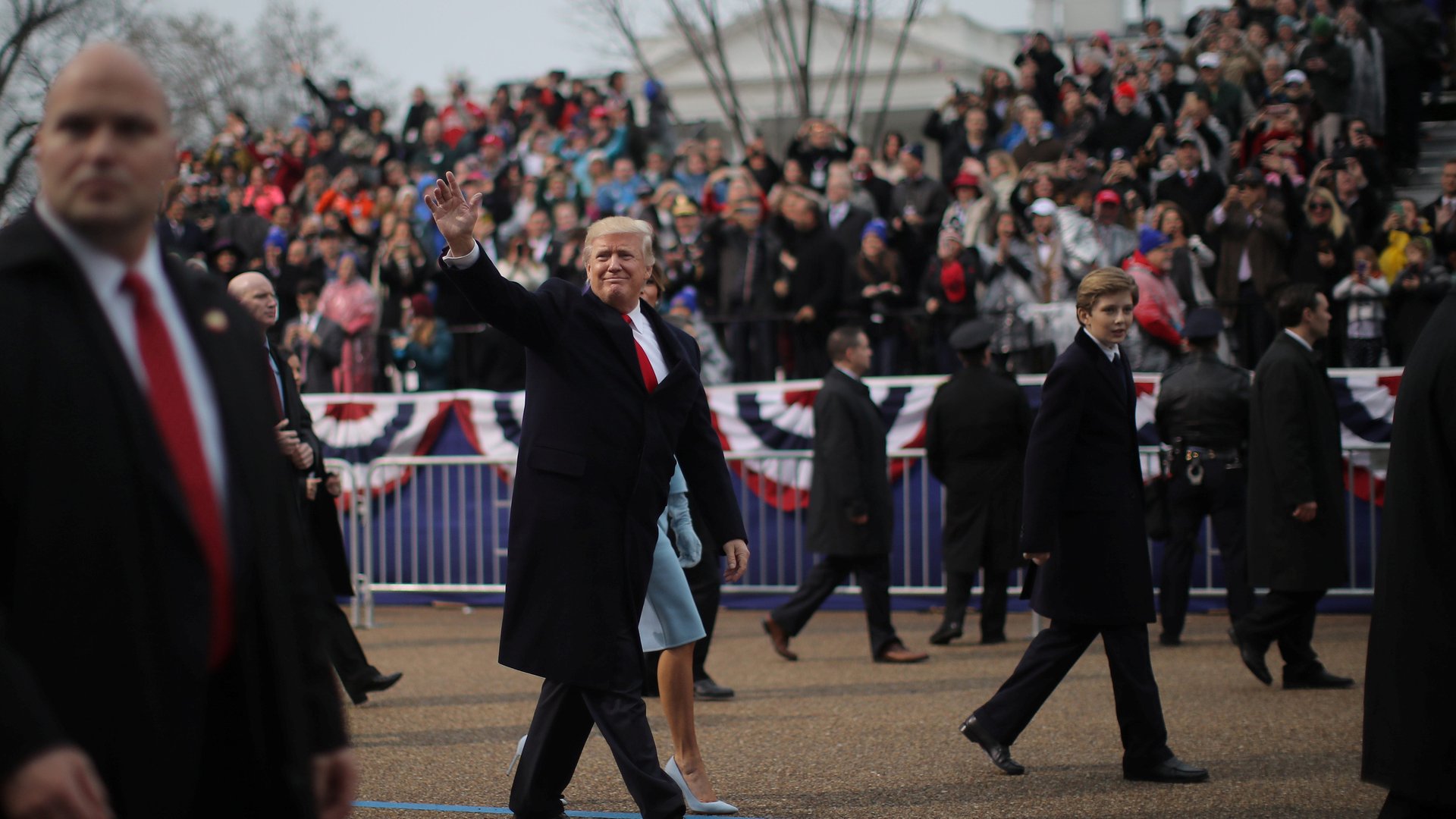
As part of his “drain the swamp” campaign promises, in January US president Donald Trump signed an executive order to limit conflicts of interest. It required all his appointees not to deal with matters relating to people they had worked with up to two years before their appointment.

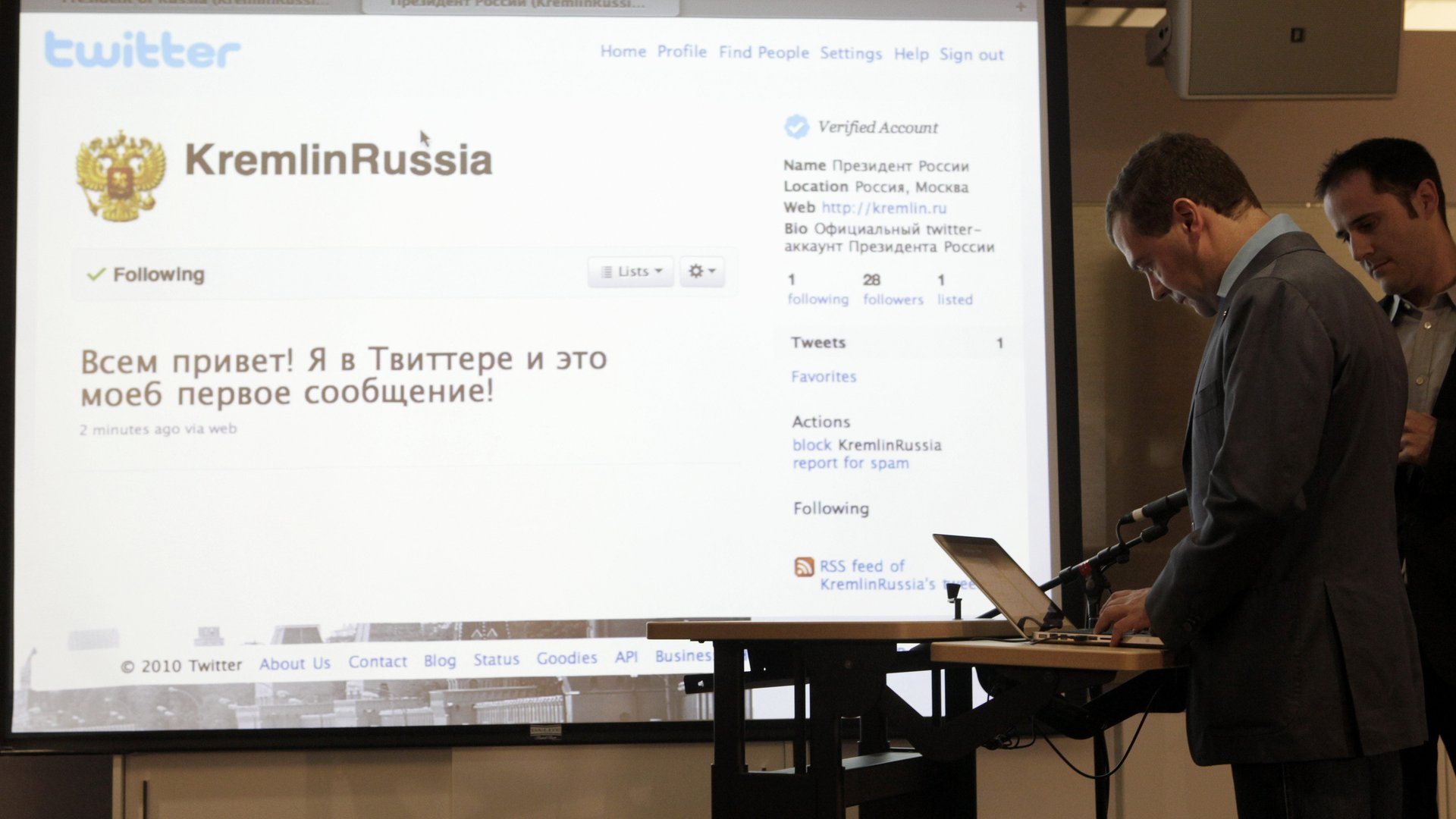
In 2015, Russia began requiring internet companies to store Russian users’ personal data inside Russia itself—or else be blocked. The measure, part of a broad swath of moves (paywall) aimed at increasing online censorship, was decried by organizations like Human Rights Watch as “taking Big Brother surveillance to a new level.” (Moscow claims it just wants to protect private citizens’ data.)

In 2000, Alexander Shustorovich, a Russian-American millionaire, tried to give $250,000 to the Republican party in support of then-Texas governor George W. Bush’s presidential campaign. The check bounced due to a clerical error, and once party officials looked into Shustorovich, they realized this was someone whose name they didn’t want (paywall) attached to them. They told him to keep his money.

North Korea’s leader Kim Jong-un assumed control of the country following his father’s death in 2011 and has quickly set about shoring up power, pushing ahead with North Korea’s nuclear program, and reportedly executing hundreds of people.

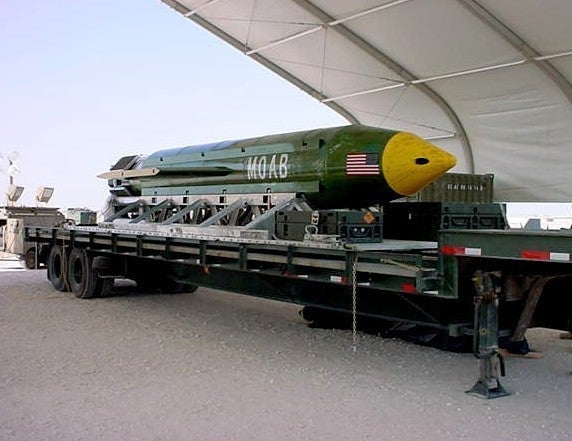
The US just stepped up its anti-ISIL operations in Afghanistan, dropping the GBU-43, known as the ”Mother of All Bombs” (MOAB), on a tunnel complex in the east of the country—the biggest non-nuclear bomb ever dropped in combat by the US.

In March, the Trump Organization brushed away murmurs about ethics to announce plans for an enormous building spree of 50 to 100 new mid-range hotels in the US. But it seems to be finding that the US president’s name isn’t always so helpful, as Dallas reportedly becomes the latest city to see a deal fall through.

As US warships edge ever closer to North Korea, the servicewomen and men on them should at least have some rudimentary facts about the country they’re going to loom over, if a Marine Corps manual from 1997 is anything to go by.

Donald Trump’s press secretary was asked today about Syria—specifically why he thinks Russian president Vladimir Putin should abandon his support for Bashar al-Assad’s regime. It didn’t go well.

Amid flurries of complaints about US president Donald Trump’s conflicts of interests and his alleged use of his office to advertise his businesses, one thing has for the most part been overlooked: despite their name being everywhere, many of Trump’s businesses aren’t doing well.

In the aftermath of reports suggesting Syrian president Bashar al-Assad had once again unleashed a deadly chemical weapon on civilians, at least one Western leader—embattled by human rights criticism at home—immediately responded with class and clarity. Issuing a bullish statement on Twitter, this leader called for a full investigation and declared, “there can be no future for Assad in a stable Syria.”

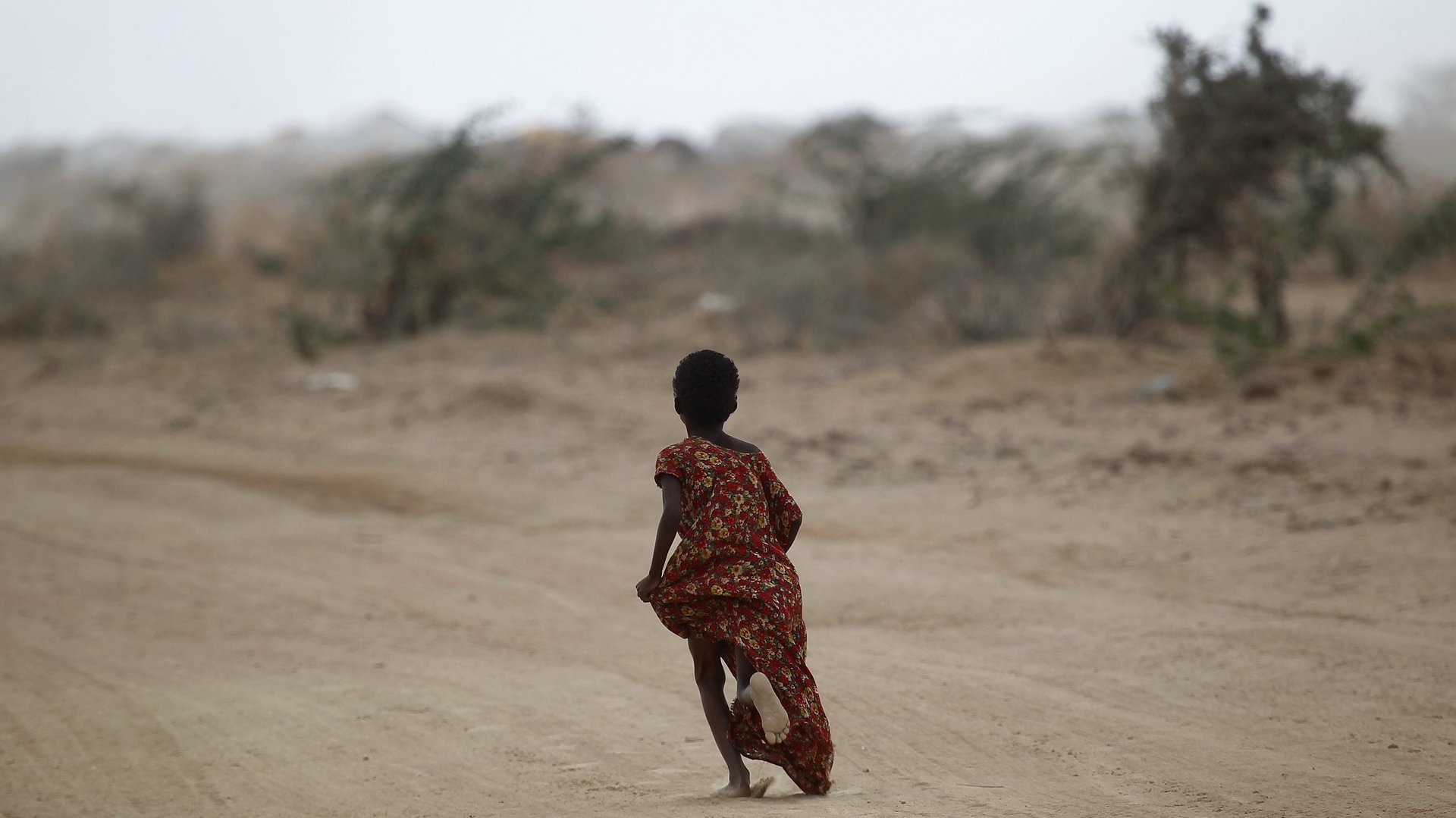
On Feb. 22, UN secretary general Antonio Guterres delivered a grave warning: $4.4 billion was needed by the end of March to avoid the “catastrophe” of looming famine that could endanger 20 million lives in South Sudan, Nigeria, Yemen, and Somalia. His announcement echoed the words of UN humanitarian chief Stephen O’Brien, who noted earlier in the month that “we are facing the largest humanitarian crisis since the creation of the United Nations” in 1945.

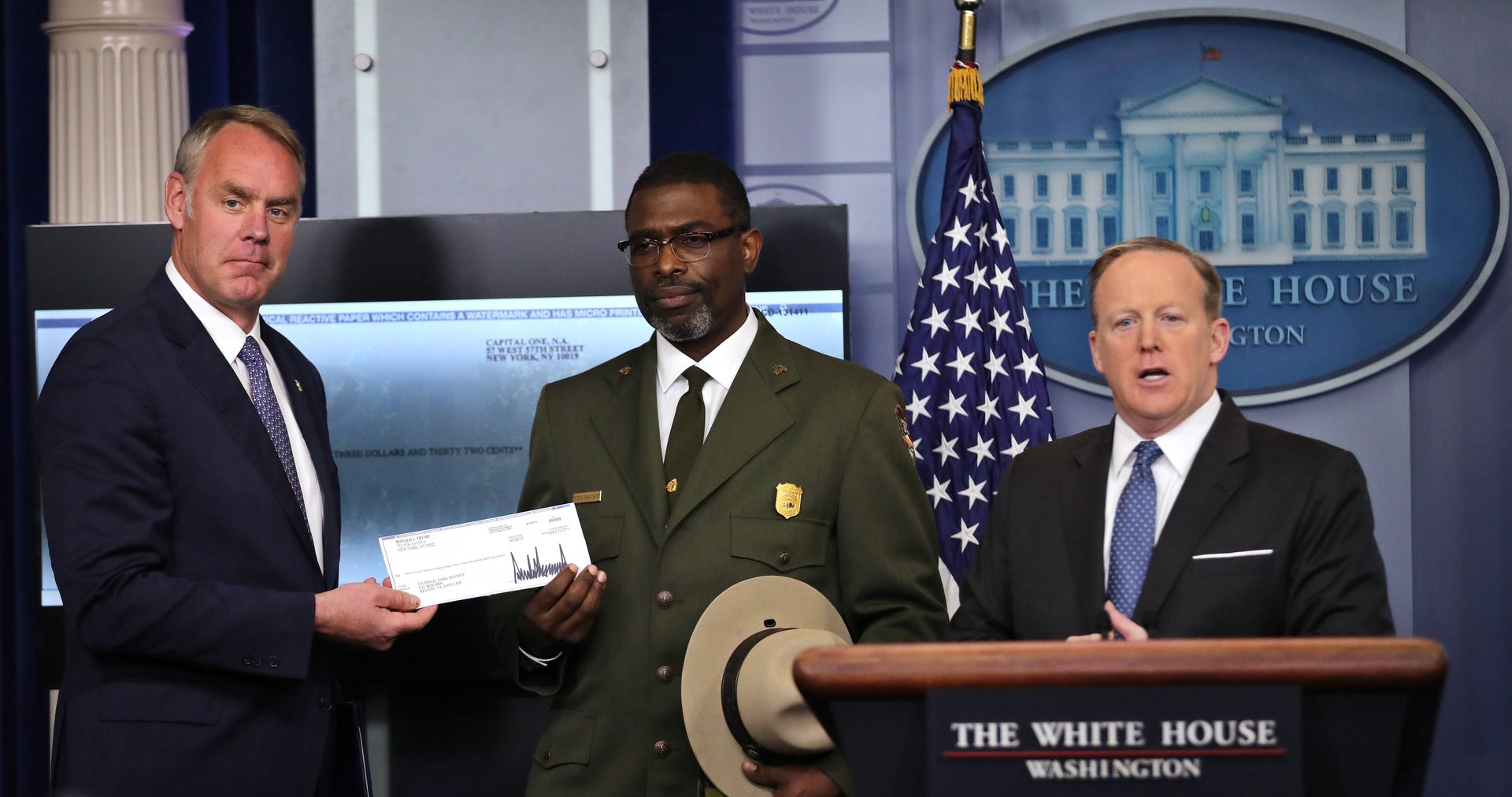
Donald Trump has a mixed record of success on his campaign promises—but April 3 marked one pledge kept: to forego a salary as US president. In a mini-presentation ceremony in a White House press conference, press secretary Sean Spicer announced Trump would donate his salary from the first quarter, totaling $78,333, to the National Park Service.

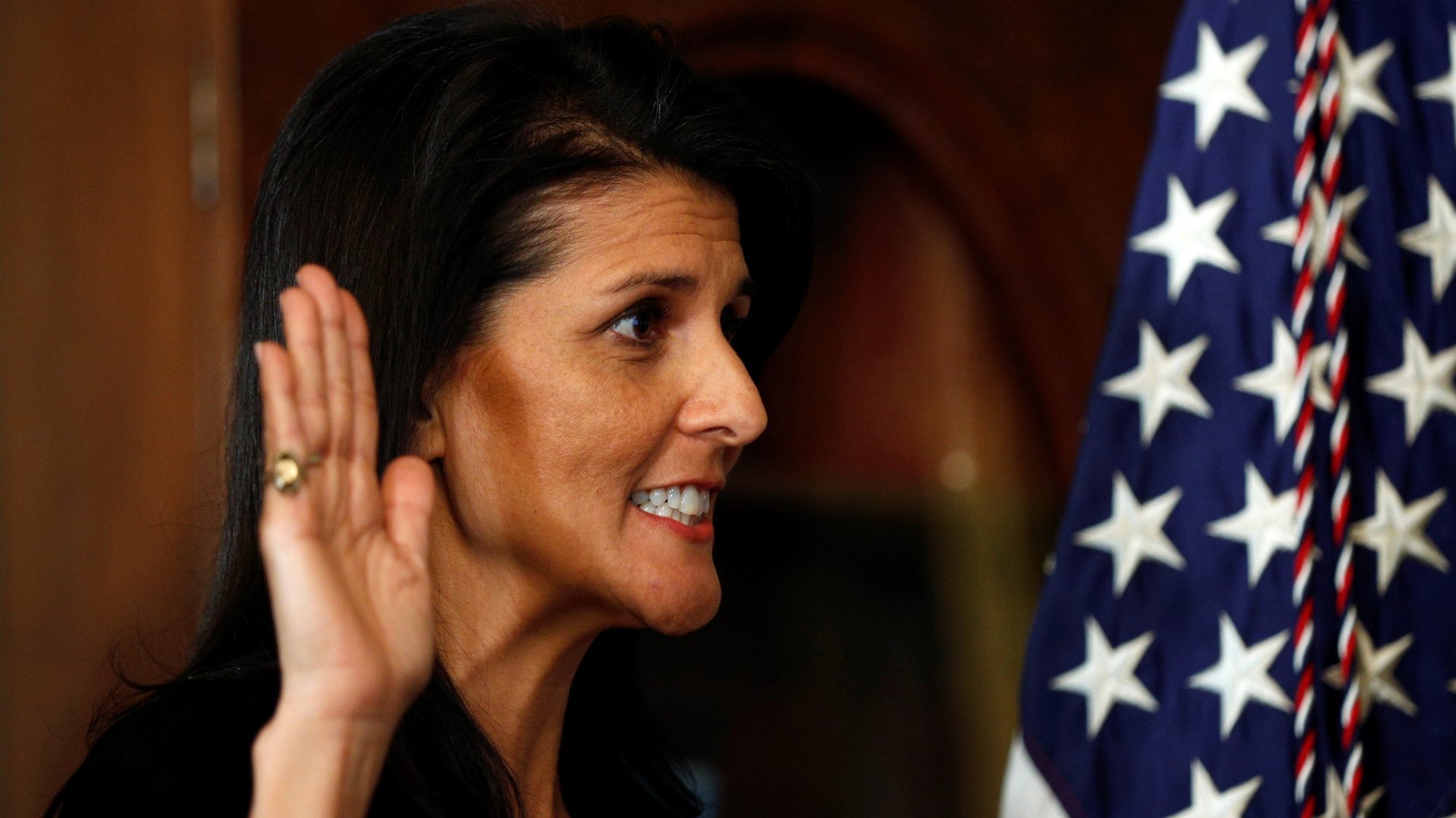
Foreign-policy wonks were baffled when Nikki Haley’s name was first floated for a senior diplomatic role in US president Donald Trump’s administration. Not only did the then-South Carolina governor have no background in foreign affairs, she had precious little experience outside her small home state—and was a big Trump critic to boot. Her eventual appointment as UN ambassador looked like a classic cynical boss move: co-opt a critic and send her far away from the real action.

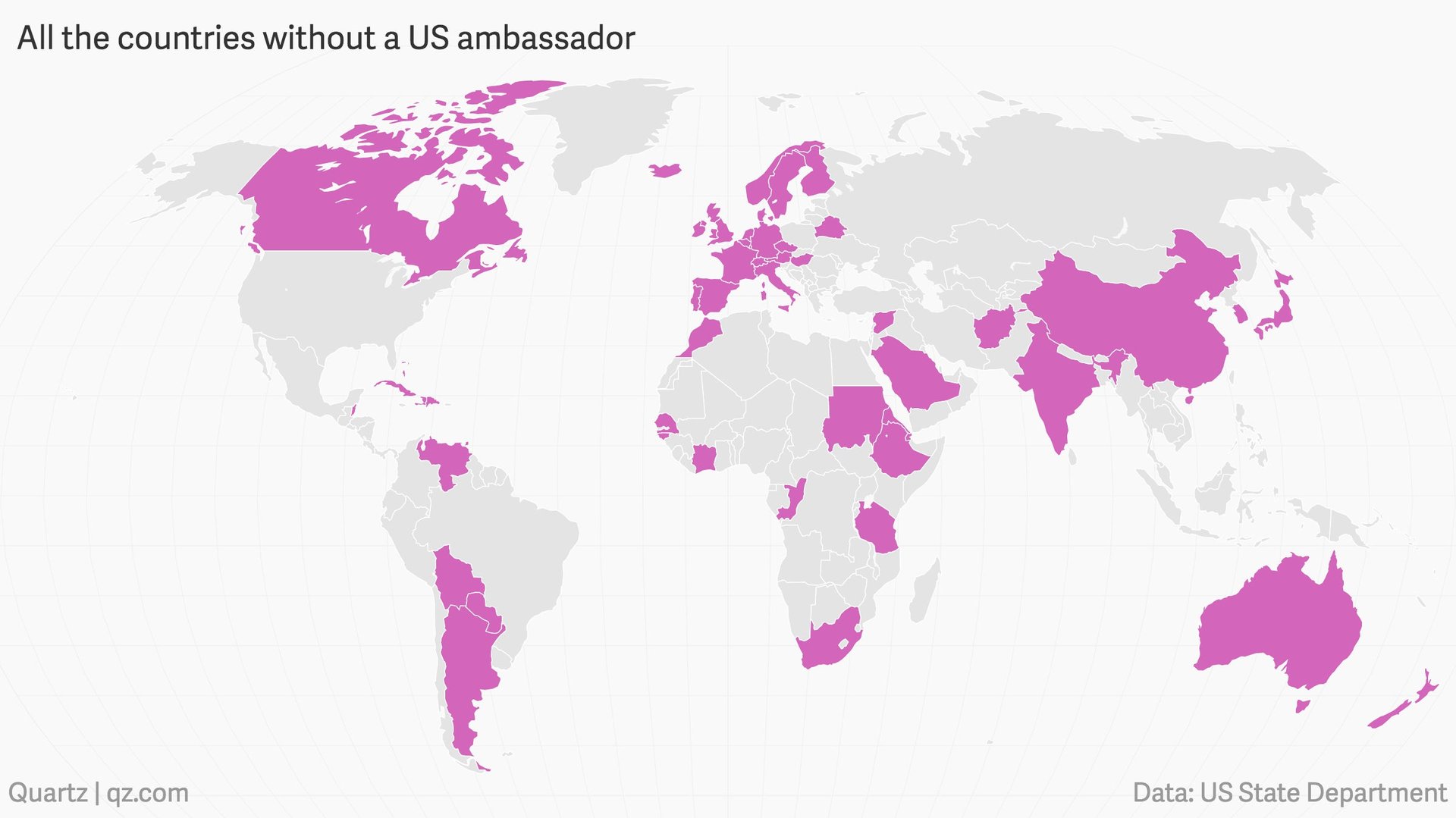
Since he fired all the US ambassadors who were political appointees of Barack Obama, US president Donald Trump has had only two replacements confirmed by the Senate: Nikki Haley, to the United Nations, and David Friedman, to Israel. That means the US has no top representative to 57 countries and territories with a total population of 3.9 billion.

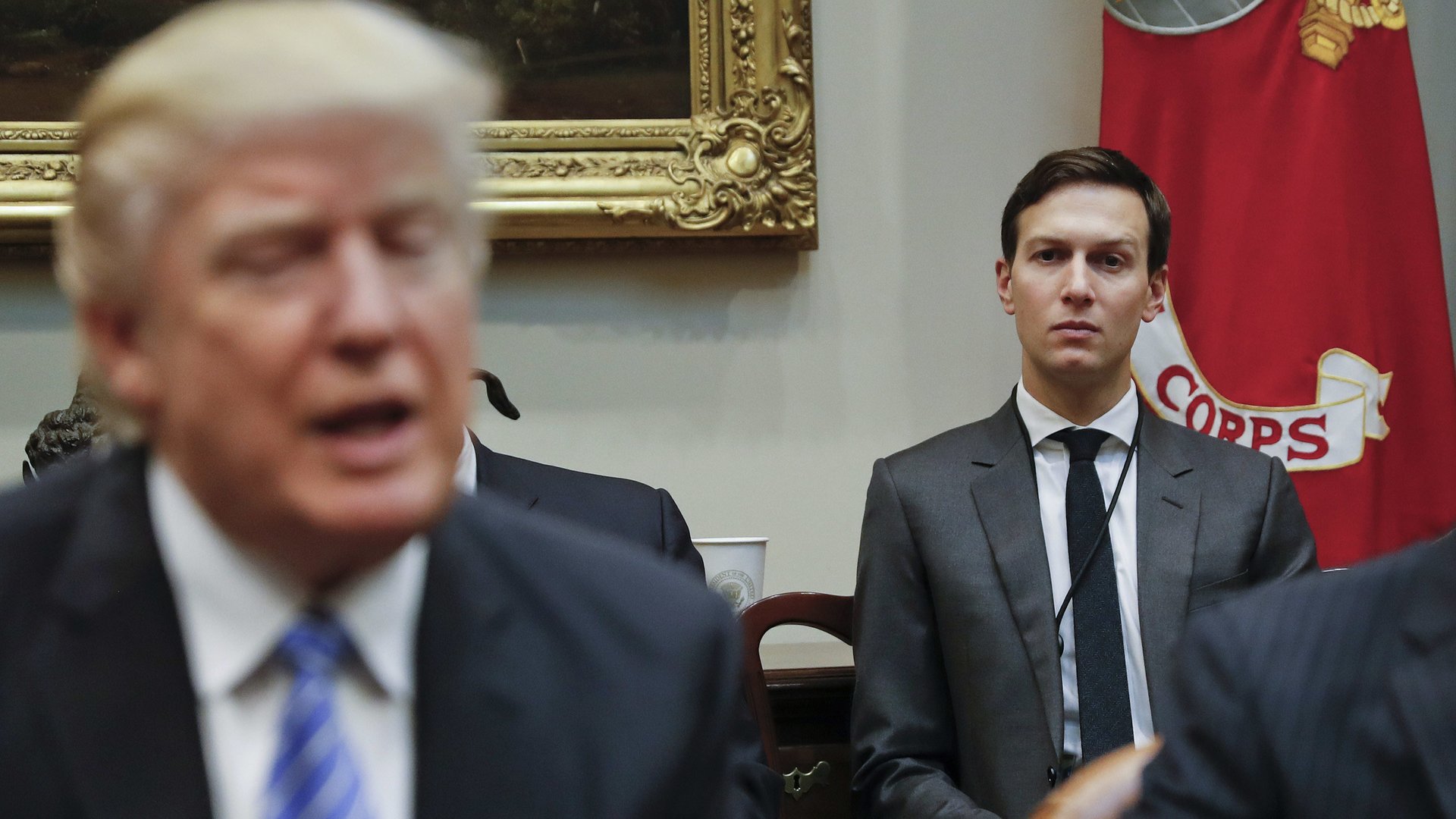
Jared Kushner, US president Donald Trump’s son-in-law, is to be the latest White House official grilled over the Trump campaign’s ties to Russia, the New York Times reports (paywall). In December Kushner met with Russian ambassador Sergei Kislyak alongside fired former national security adviser Mike Flynn, and soon sent a deputy to see Kislyak again. Then, at Kislyak’s request, Kushner met Sergey Gorkov, the head of Vnesheconombank (VEB)—a meeting that wasn’t previously reported, according to the Times. The Senate’s intelligence committee wants to ask Kushner about those meetings.

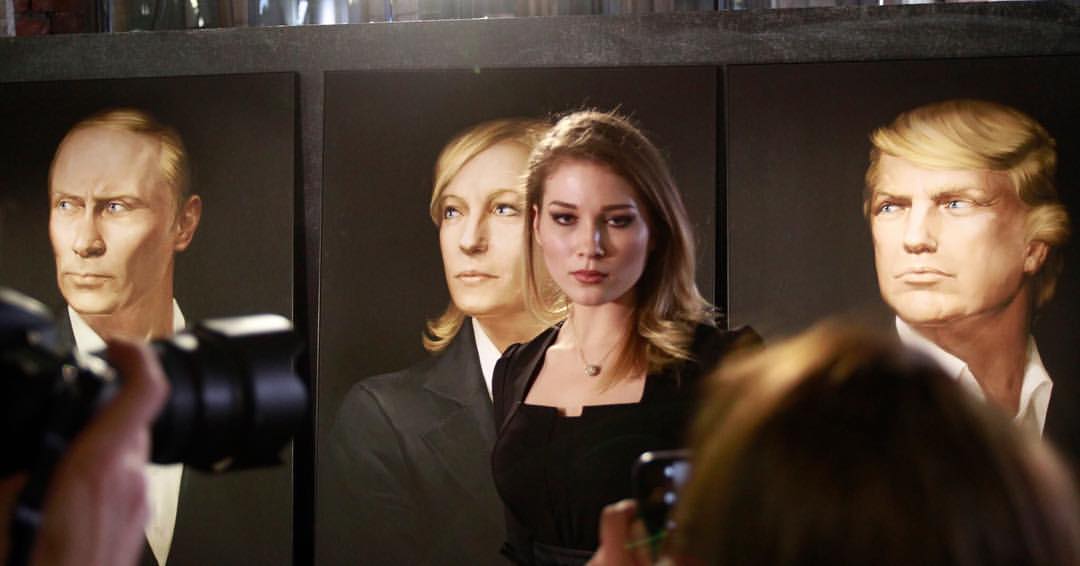
French far-right leader Marine Le Pen’s visit to Moscow on March 24 went a whole lot better than her New York trip in January.

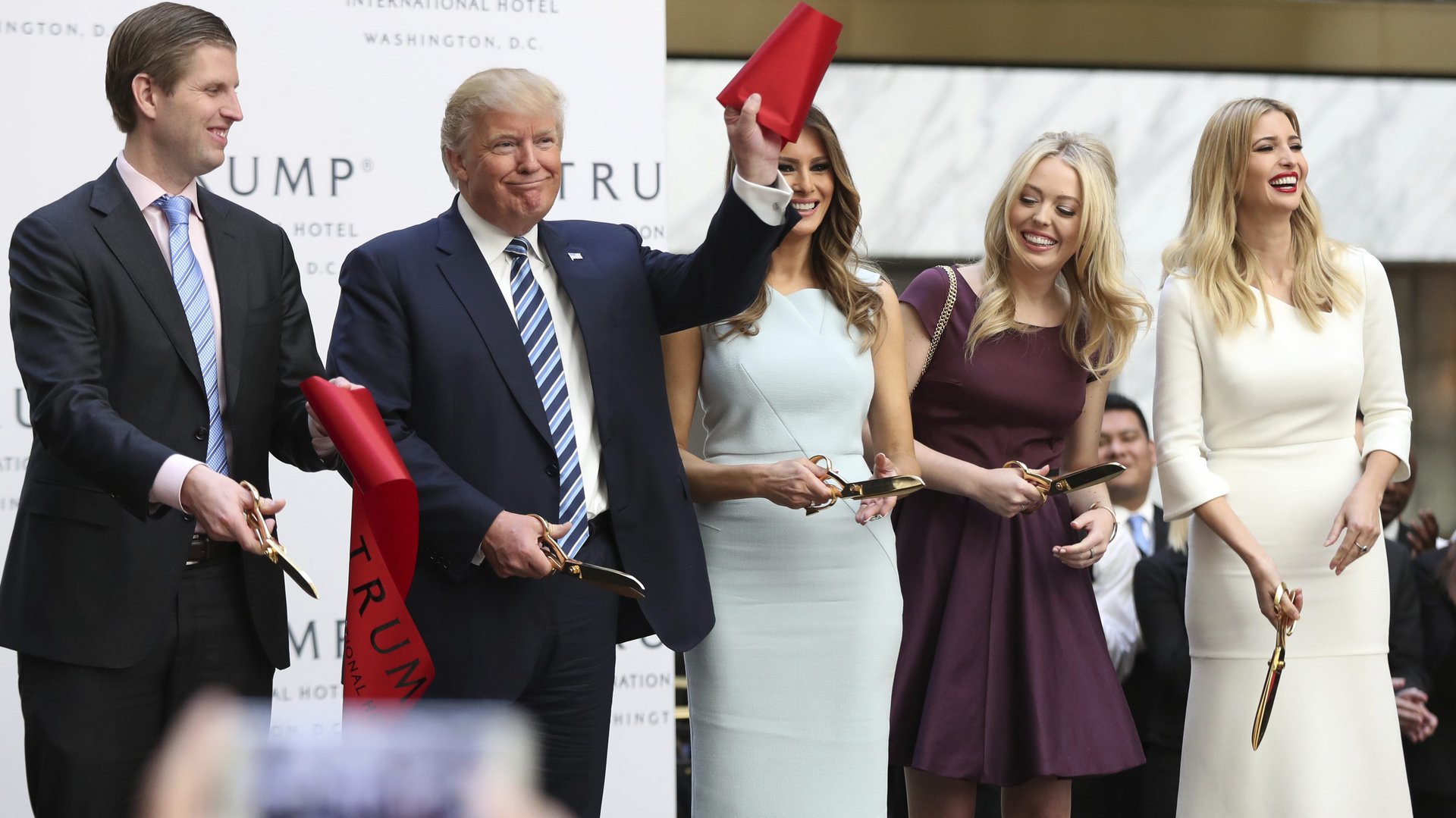
There are currently 14 hotels in the world owned or branded by Trump Hotels. It’s a small number for a world-famous firm—and one that ethics experts were hoping at the very least wouldn’t grow after Donald Trump took office as US president. But that won’t be the case if Trump Hotels CEO Eric Danziger has his way.

Between 2010 and 2014, at least $20.8 billion was laundered out of Russia, funneled into banks in Moldova and Latvia, and spread from there into 96 countries across the world. The Organized Crime and Corruption Reporting Project (OCCRP), which unearthed the scheme in 2014, dubbed it “the Russian Laundromat.”

The FBI has been investigating Donald Trump’s presidential campaign since late July, FBI director James Comey told the House Intelligence Committee on March 20. As commentators like the New Yorker’s Ryan Lizza were quick to point out, that means that when Comey saw fit to announce on Oct. 28 that he was renewing an investigation of Hillary Clinton’s email server, he was also probing Trump—but quietly. Clinton has blamed Comey’s decision for her election loss.