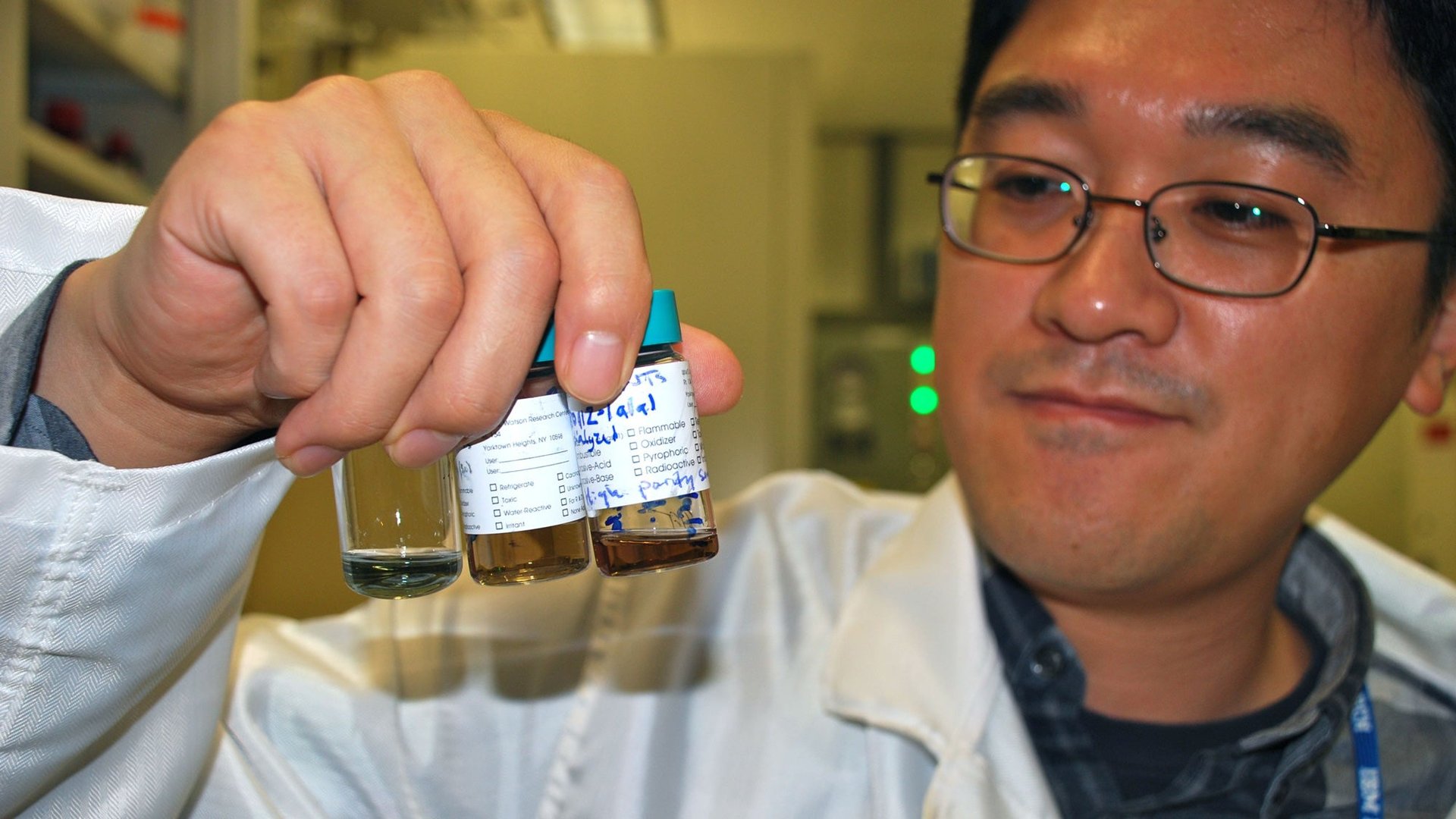
Moore’s Law be damned. IBM announced today (Oct. 1) that it had overcome one of the major hurdles preventing carbon nanotubes from being used as transistors for computer chips. It could mean the end of the silicon computer chip.

Moore’s Law be damned. IBM announced today (Oct. 1) that it had overcome one of the major hurdles preventing carbon nanotubes from being used as transistors for computer chips. It could mean the end of the silicon computer chip.

I swear: It was there a second ago. Every computer user has that moment of panic every so often when you reach for the mouse, move it around, and can’t find the cursor onscreen. We all know it has to be there, and that it will probably reappear, but still we flail the mouse around in frustration. A simple new update as part of Apple’s OS X El Capitan operating system update Wednesday (Sept. 30) goes a long way to ensuring you’ll never be caught without a cursor again.

On Wednesday (Sept. 30), Apple released the newest version of its computer operating system, the bizarrely named OS X El Capitan. The free upgrade had few relatively large changes, like the new system font—San Francisco—and the ability to have split-view full-screen apps. But one of the most interesting updates was to something you’re never supposed to see: the spinning beach ball.

This post has been corrected.

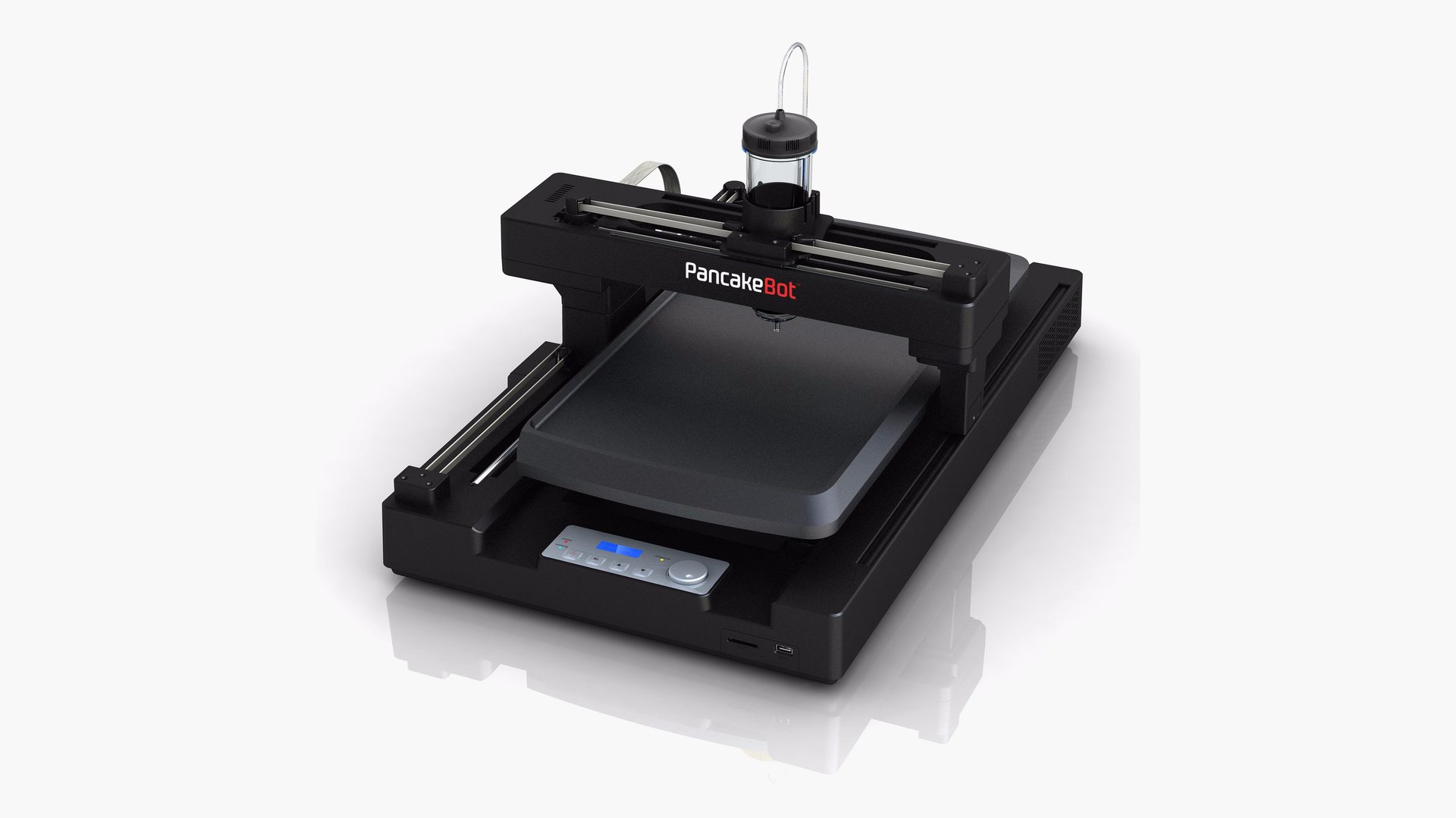
Pancakes are both the simplest and most difficult breakfast food to make. Just about anyone can slop batter onto a hot griddle, but cooking to the right level of fluffiness and crispiness requires levels of patience and skill that few have first thing in the morning. A new robot called Pancake Bot may be the solution to that.

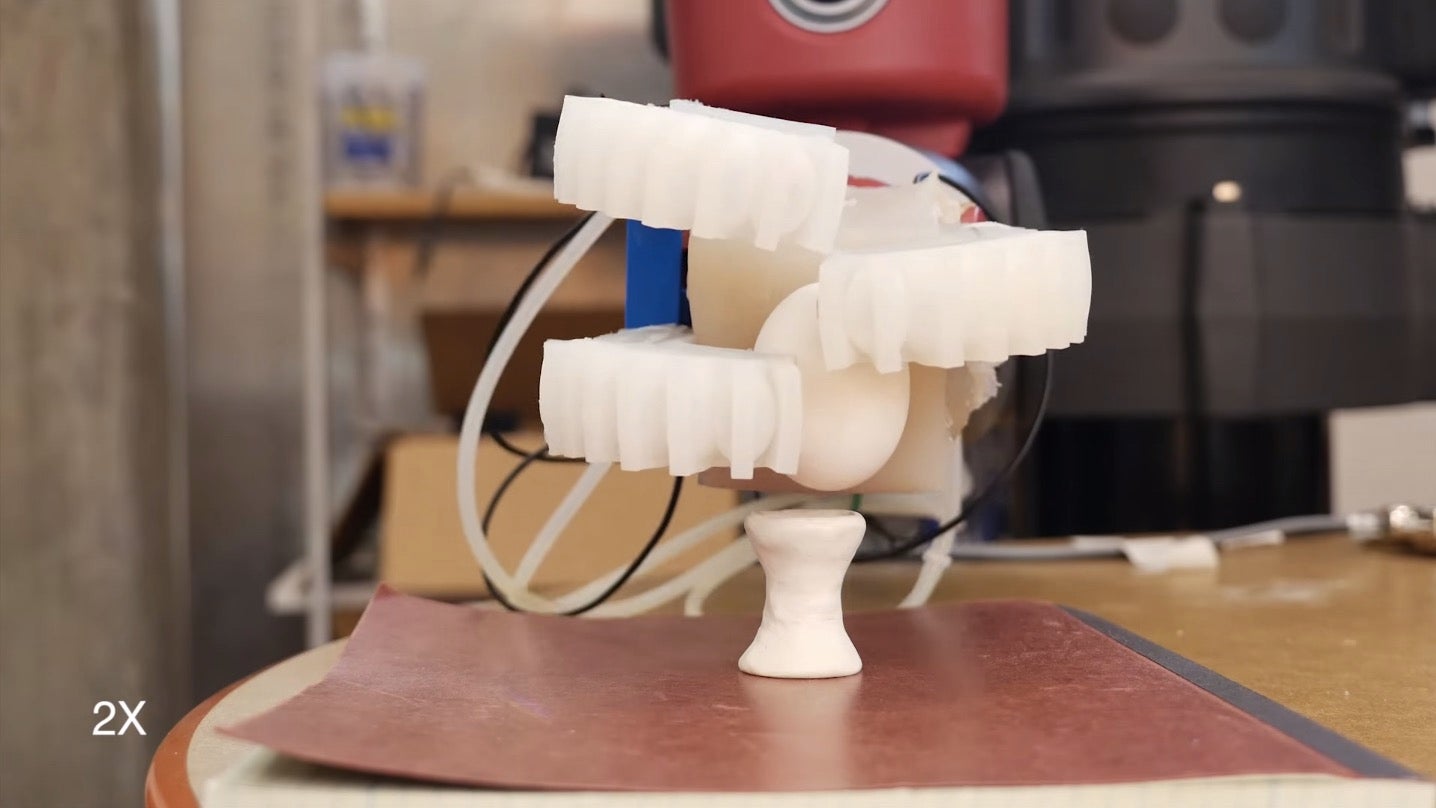
Robots are generally not soft and cuddly. They’re usually made of metal for sturdiness, and, as a result, aren’t so great at interacting with us soft and easily breakable humans. We cover them in plastic, or fake fur, to make them a little more accessible. But a new field of robotics study—unsurprisingly called soft robotics—is figuring out how to make robot-human interaction truly safe.

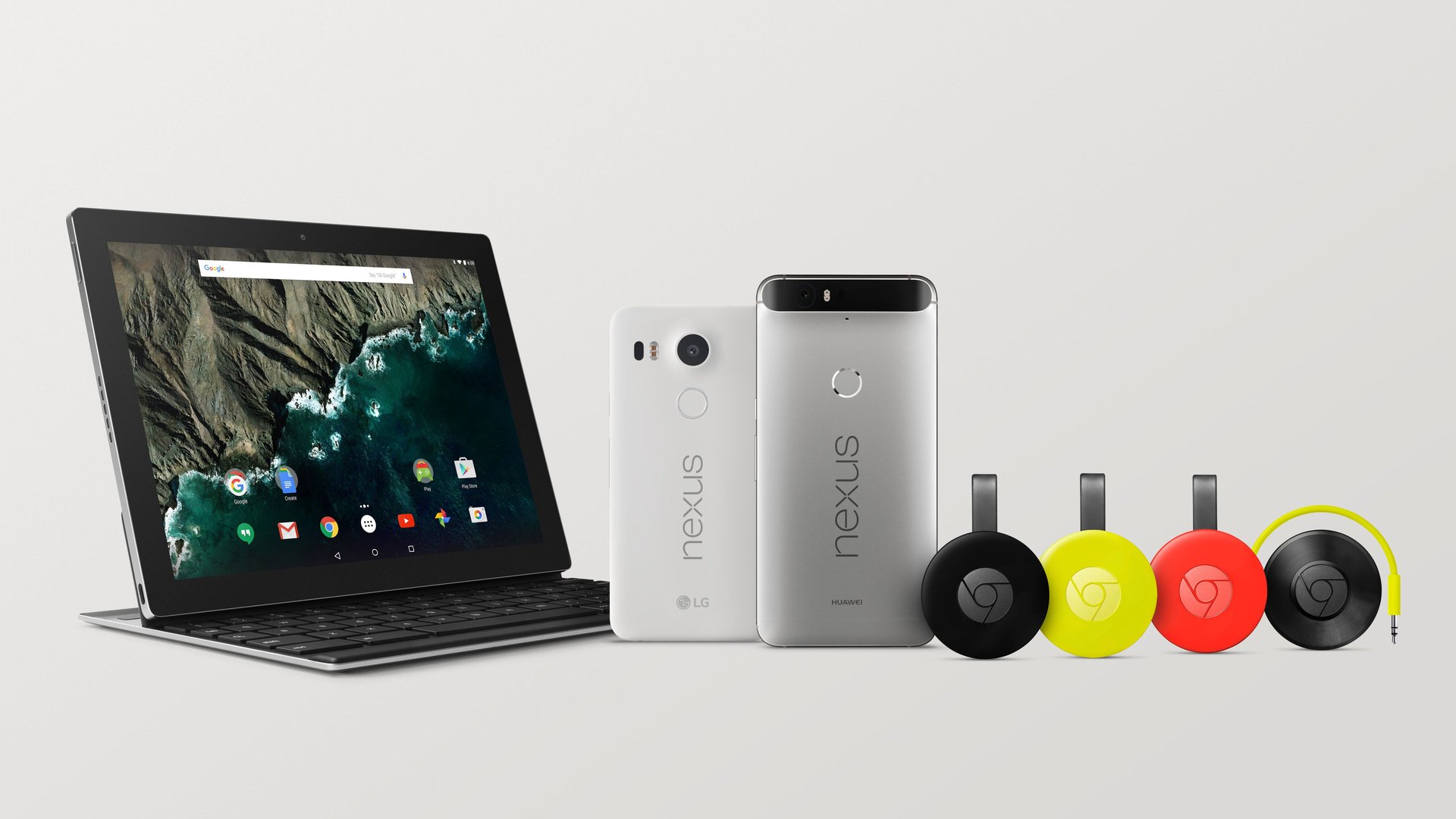
Google announced a metric ton of new hardware today (Sept. 29) at the company’s saccharinely named “S’More to Love” event—referencing the company’s new mobile operating system, Android Marshmallow. On show today: flagship phones, streaming devices, software, and a very square tablet.

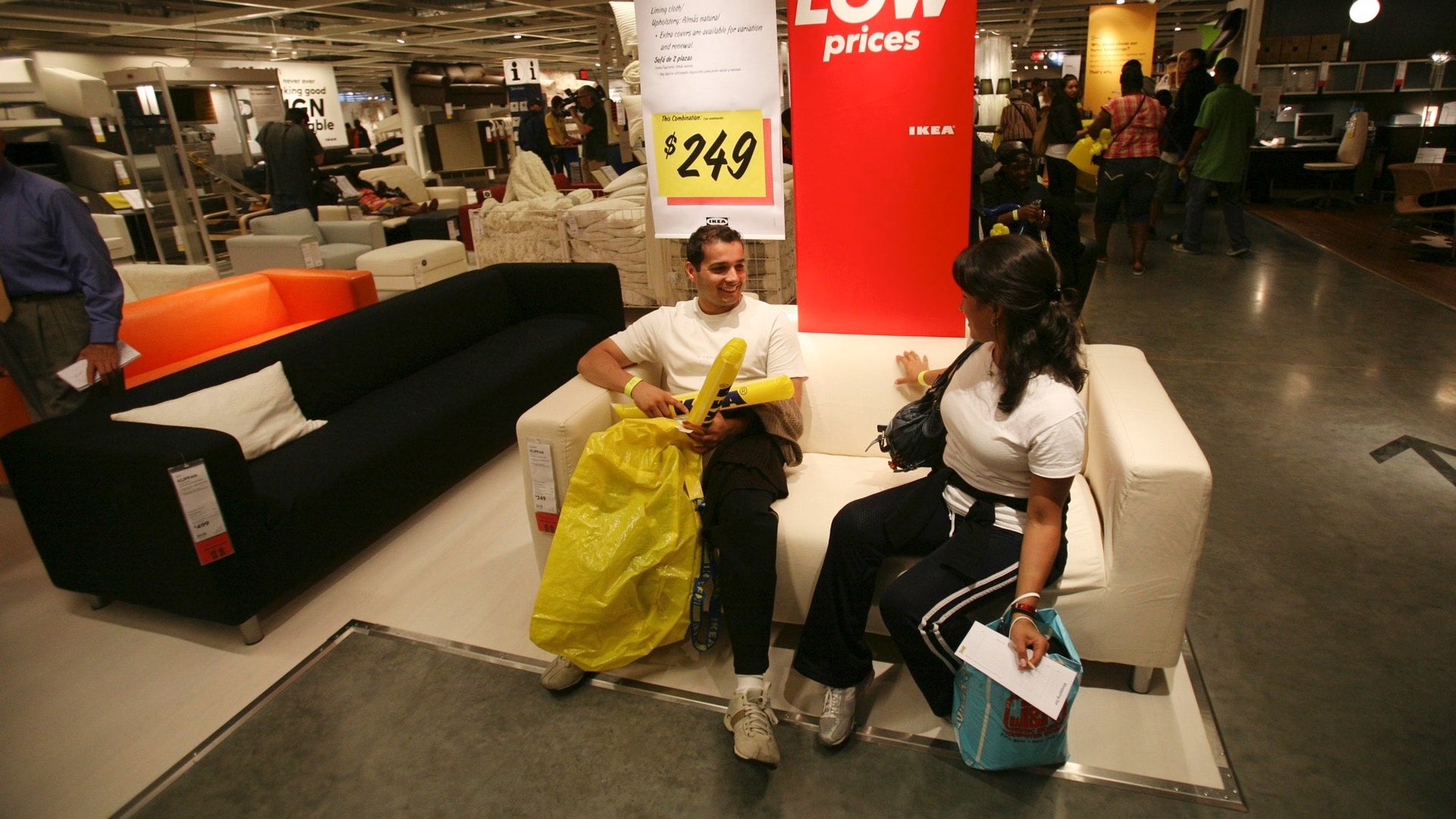
IKEA furniture always seems so great, in theory. It’s cheap, and surely it can’t be that hard to put together a Vittsjö or a Nornäs, you think—until you’ve schlepped it home, opened up the packaging and found that even an advanced degree in structural engineering won’t help you get that new coffee table up any time soon. It seems that robots—amazingly—are no better at this seemingly simple task.

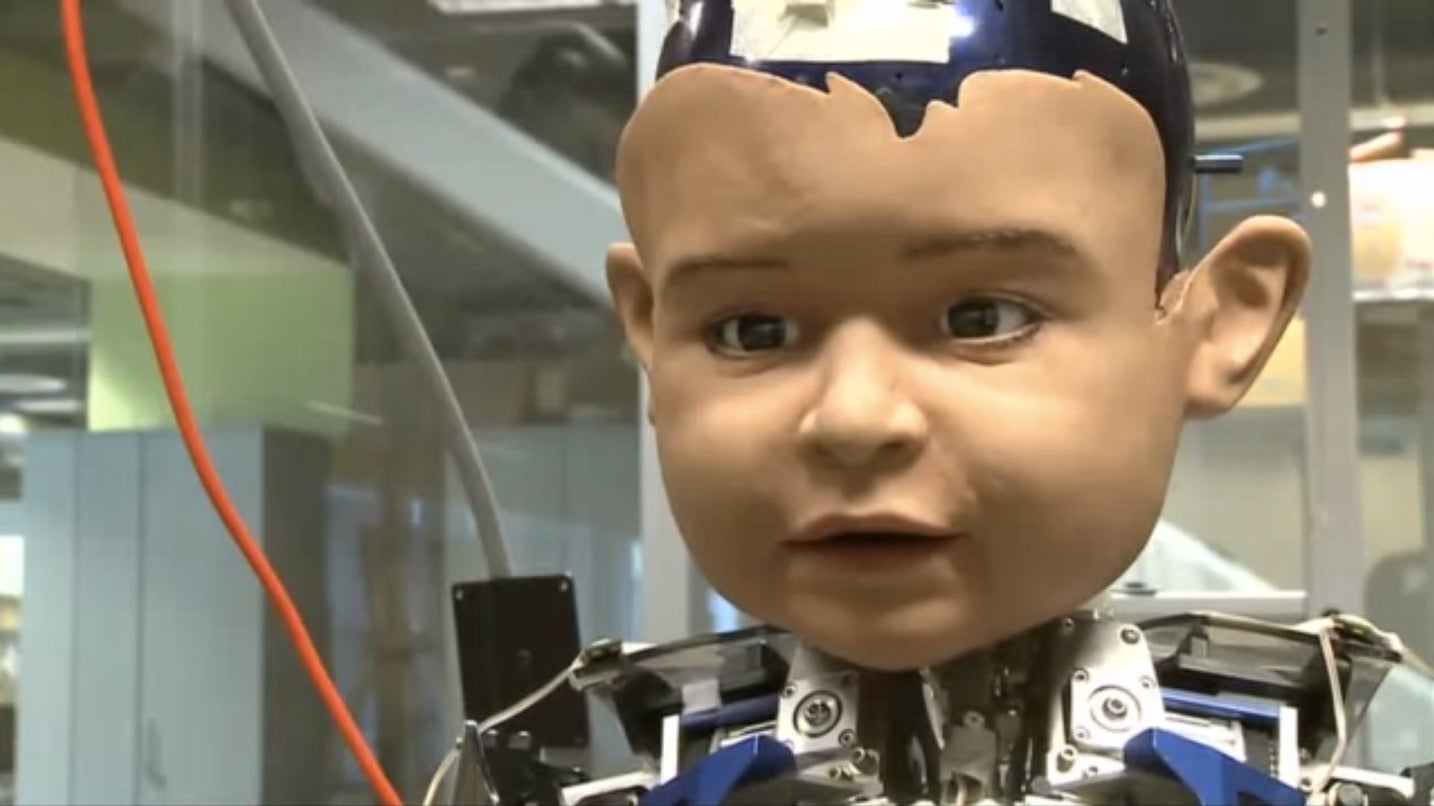
Robots that look sort of like humans are generally more likely to inspire feelings of profound unease than tenderness, but that hasn’t stopped researchers at the University of California, San Diego (UCSD), from using a toddler-sized robot to figure out how babies use a smiling “strategy” to pull their parents’ strings.

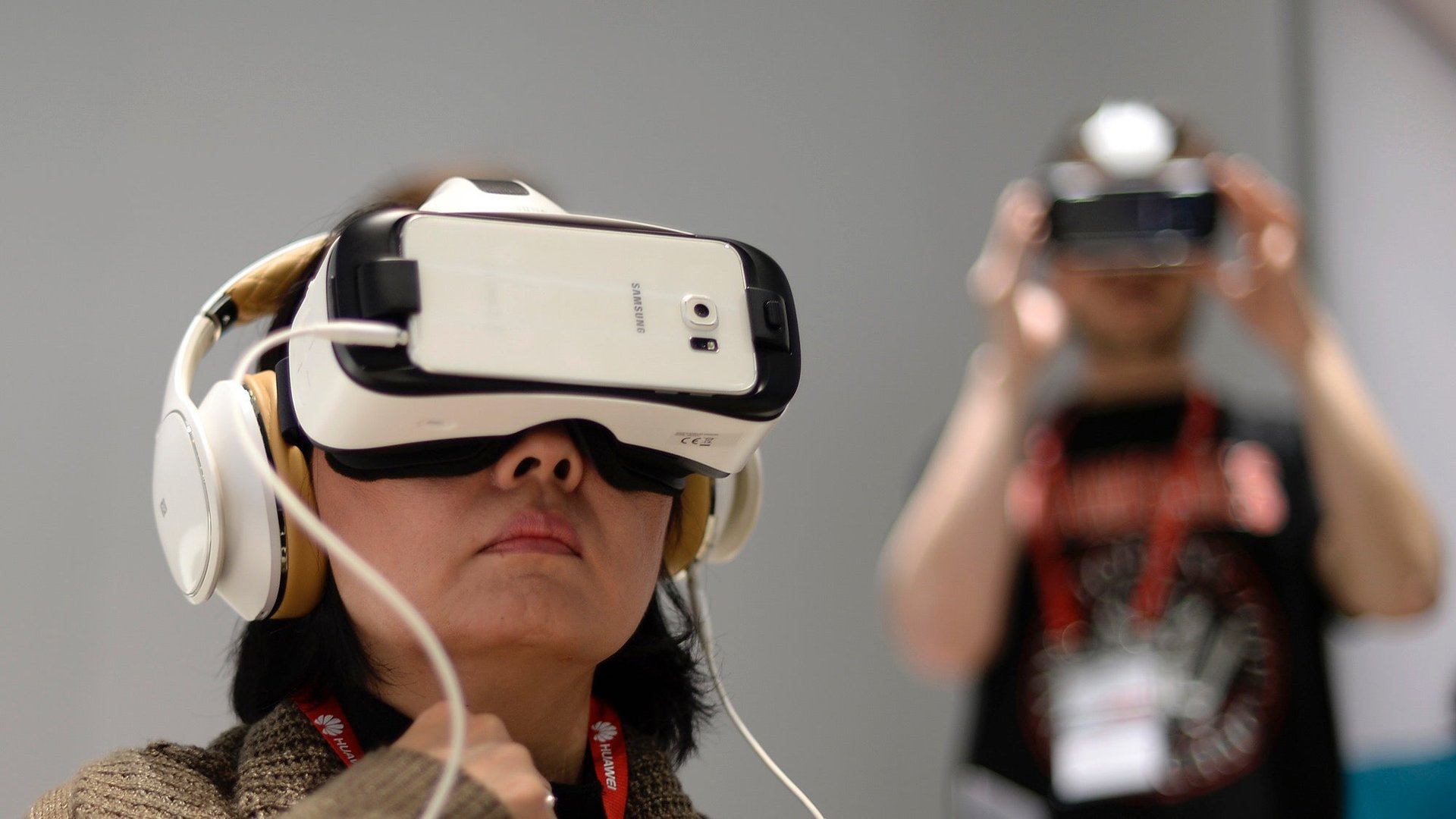
In the near future, when it’s time to relax, you’ll head to the living room, sit on the couch, pick up the remote, turn on the TV, fire up Netflix, and zone out to your favorite show. But the living room, couch, remote, and TV won’t be real—they’ll be simulations on your virtual reality headset.

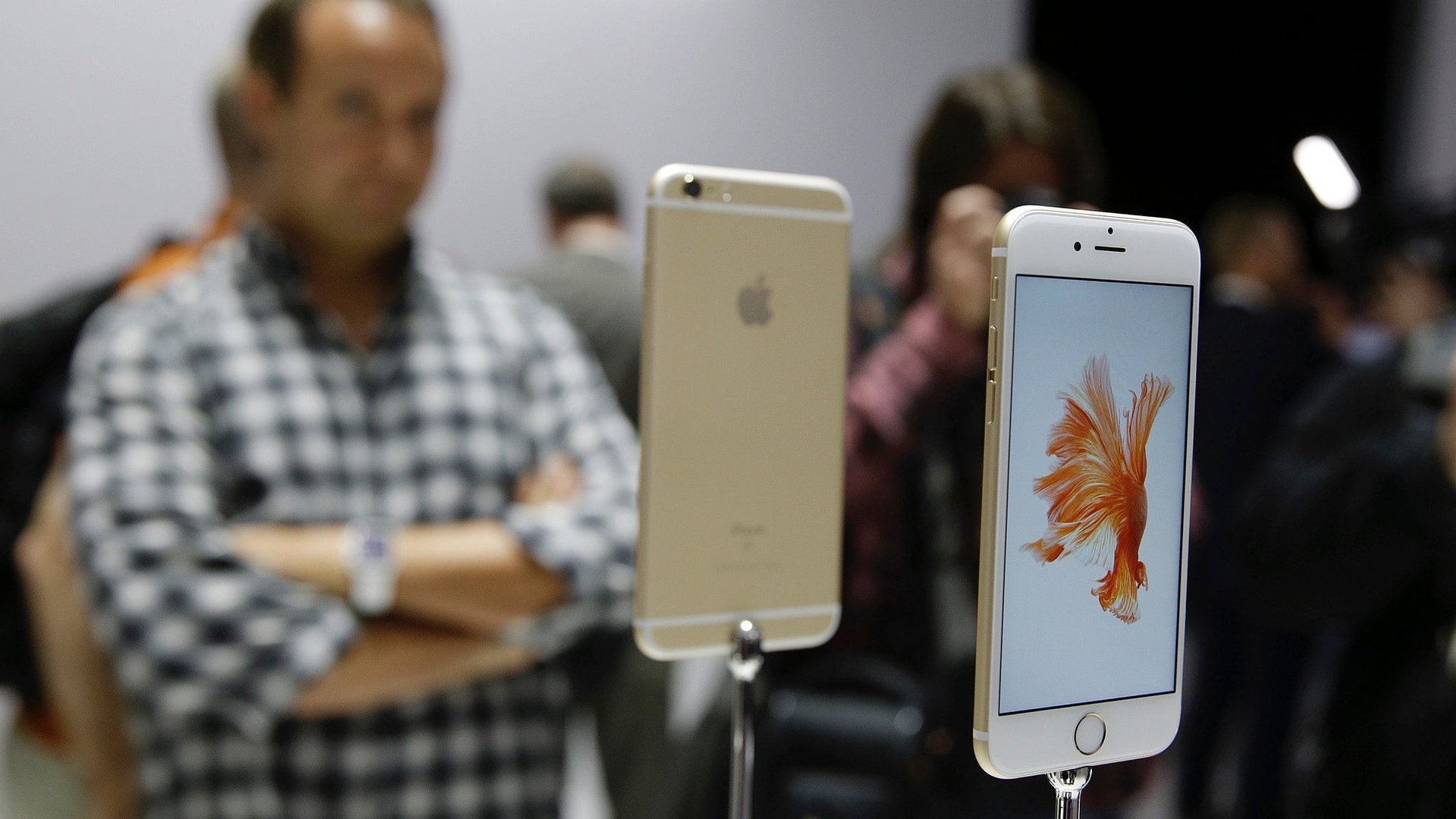
Apple last week released its latest mobile operating system, which has some great new features like Apple News, better battery life, and split-screen multitasking. But one new feature, called Wi-Fi Assist, may be eating through your data plan.

Chances are, if you’ve watched television in the US, you’ve seen myriad advertisements for local lawyers that want to save you money after an injury—no win, no fee. Perhaps you’ve even memorized their bizarre jingles, or seen a program based on their exploits. And it seems that the internet is no different than television: Accident lawyers dominate the most expensive keyword search terms on Google AdWords—the adverts that pop up next to search results on Google.

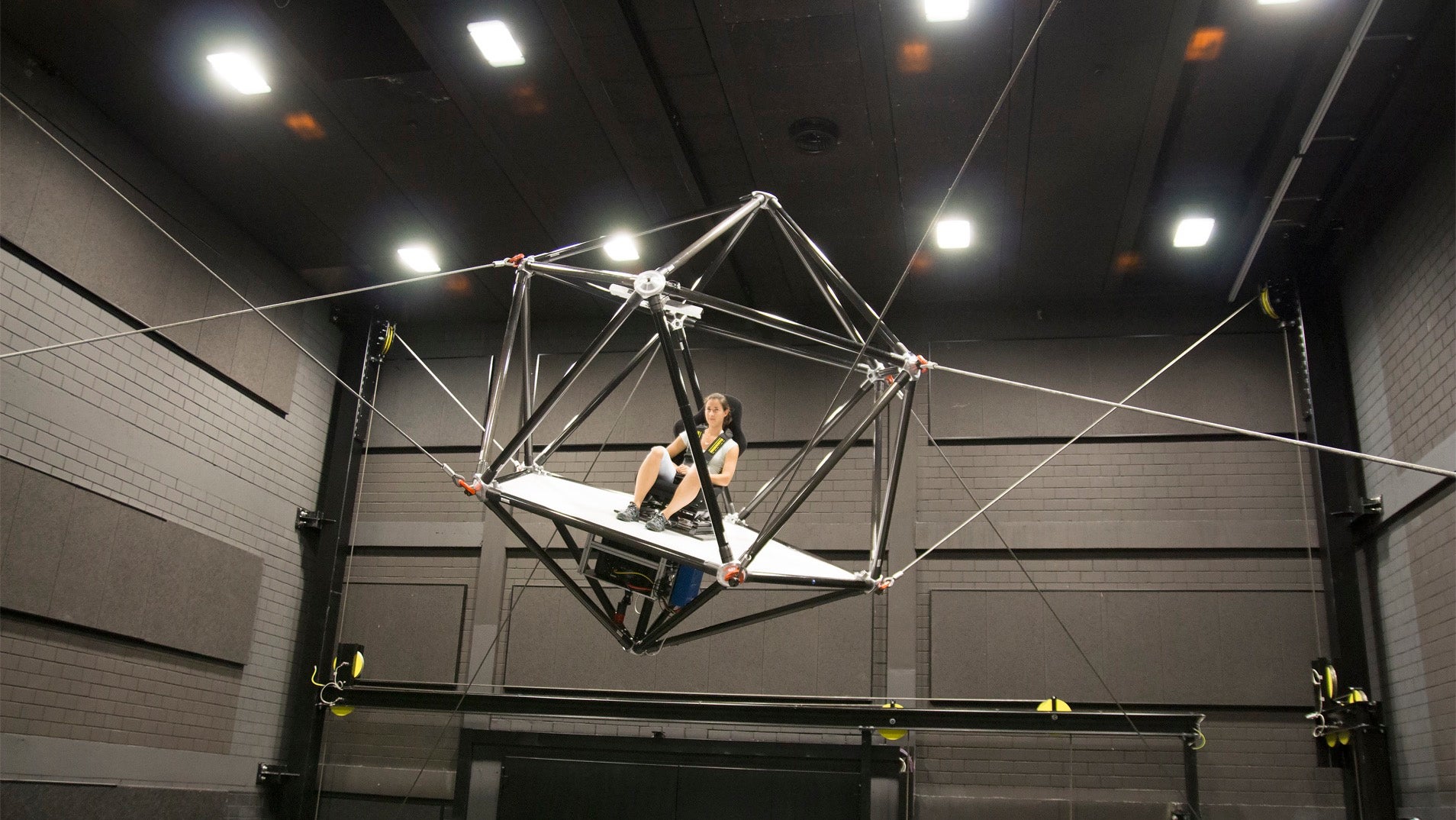
One of the biggest problems with forthcoming virtual reality systems, like Facebook’s Oculus Rift, is that they don’t really convince us we’re in an entirely new world. But the creators of a massive new structure in Germany may have just figured out how to make virtual reality feel more like actual reality.

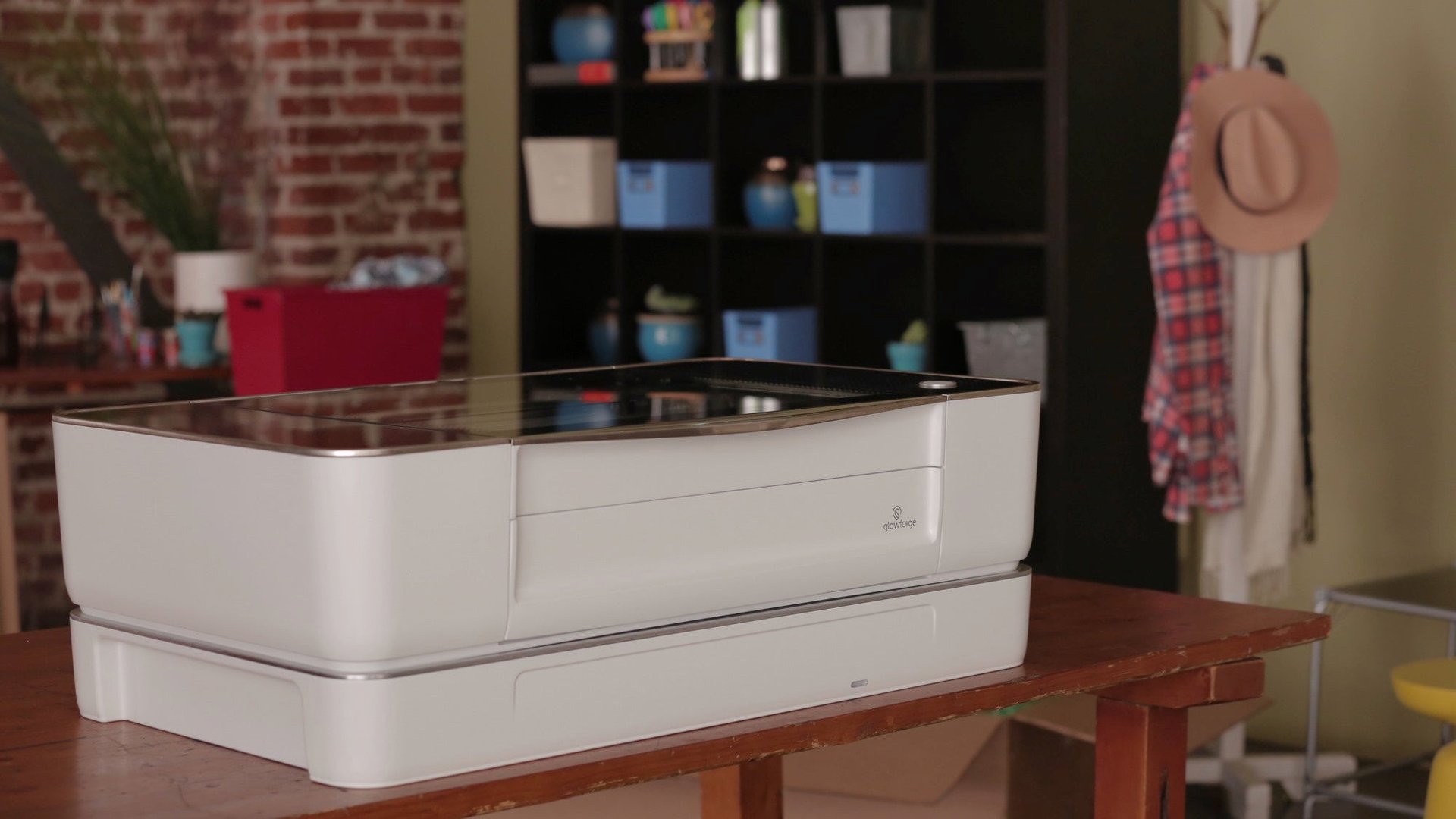
Laser printers are great, when they work. But up until now, they couldn’t print you out a wallet, a perfectly fitting pair of jeans, or a nifty wood-cut drone. A new 3D laser printer called Glowforge aims to let anyone do just that at home.

It’s kind of sad that we needed this to be written down for us.

The revolution will be televised, in 360 spherical video.

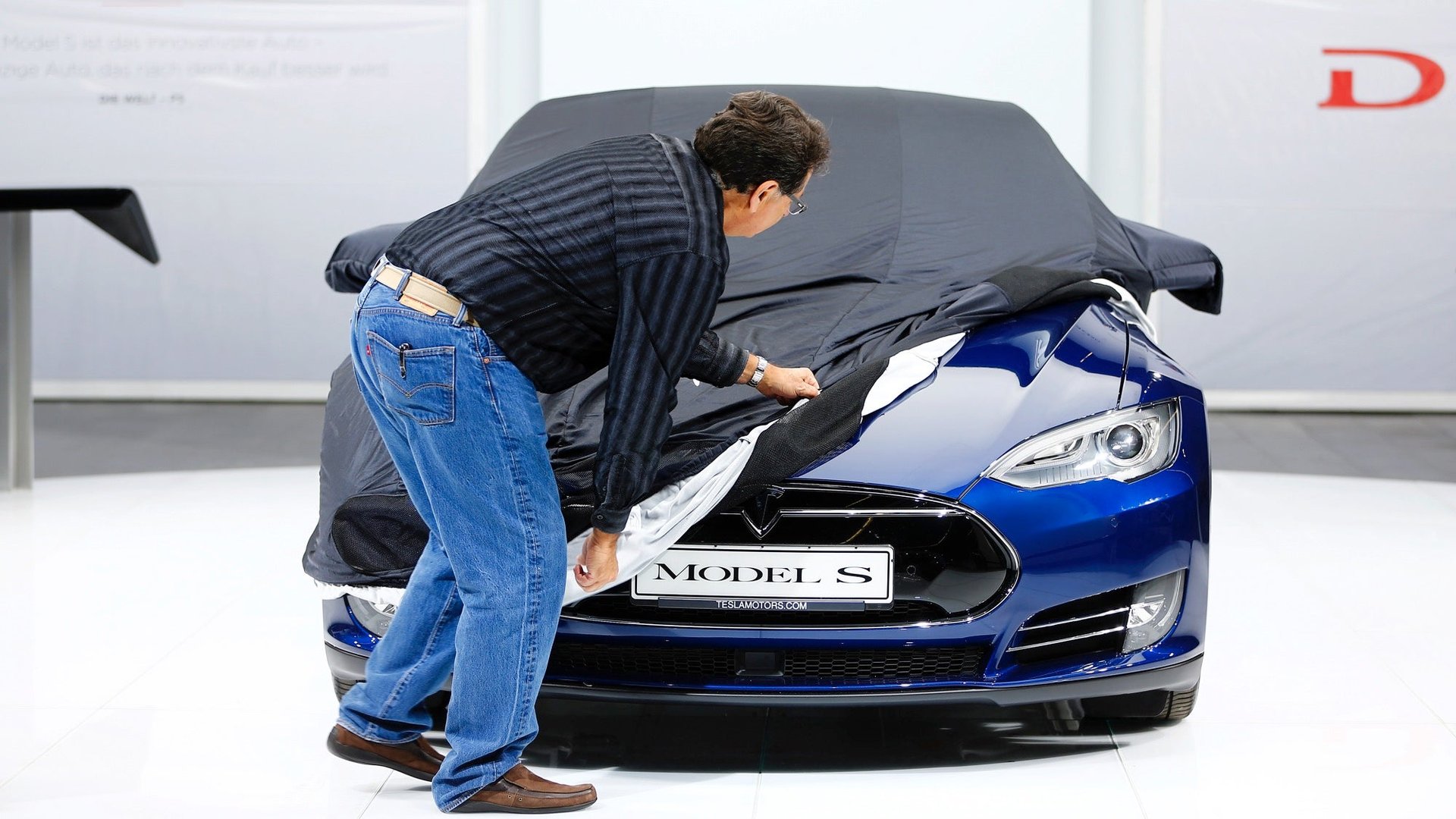
Being first isn’t always best. Before Facebook went wide, there was MySpace. HD DVDs beat Blu-Ray discs to the market by a few months, but ended up being abandoned by the company that created them. Tesla has the first electric cars that are both desirable and well-built—the recent Model S variant broke Consumer Reports’ rating system—and CEO Elon Musk plans to bring electric cars to the mass market. But it may not be the company to achieve that goal.

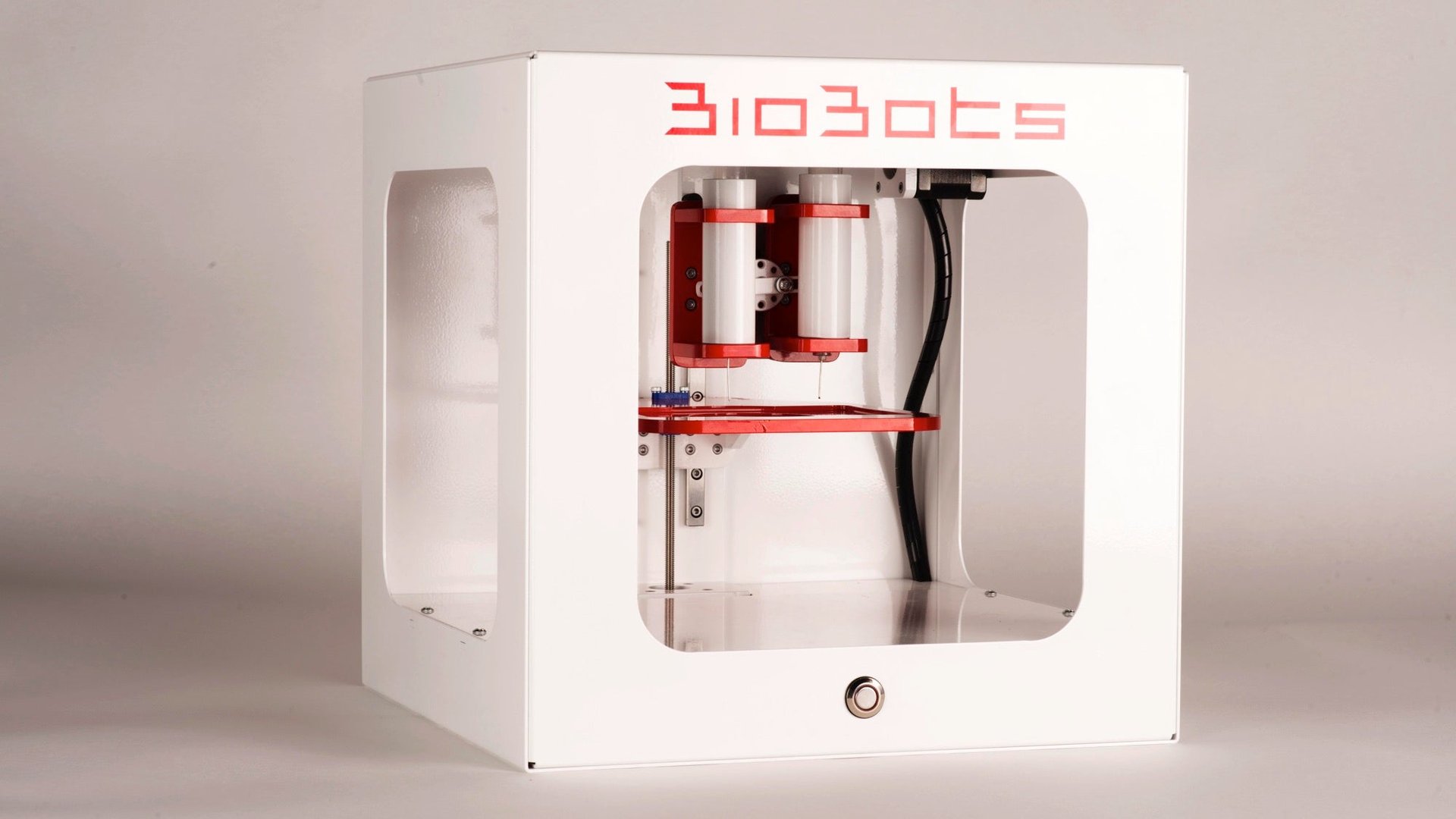
In the future, waiting for a replacement organ may be as simple as waiting for a file to print. A Philadelphia-based company called BioBots has released a printer that lets anyone 3D print human tissue—and potentially—human organs.

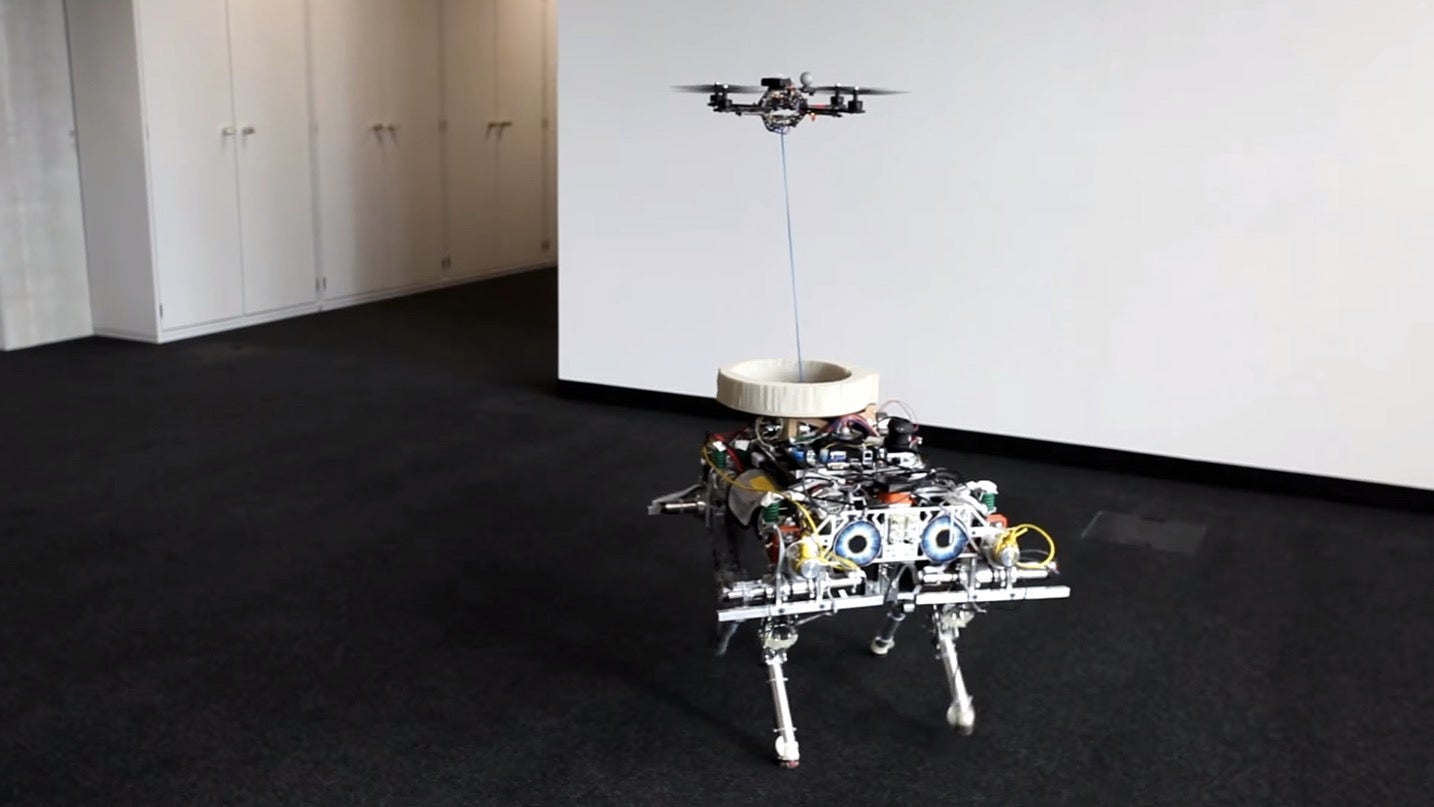
The robot uprising seems to be closer every day. Scientists from the Swiss Federal Institute of Technology (ETH) Zurich have built a robot dog that has a built-in pet drone it can deploy from its back Popular Mechanics reports.

Robots are muscling in on a growing number of human jobs every day, and now it seems we can add architects and builders to the list.

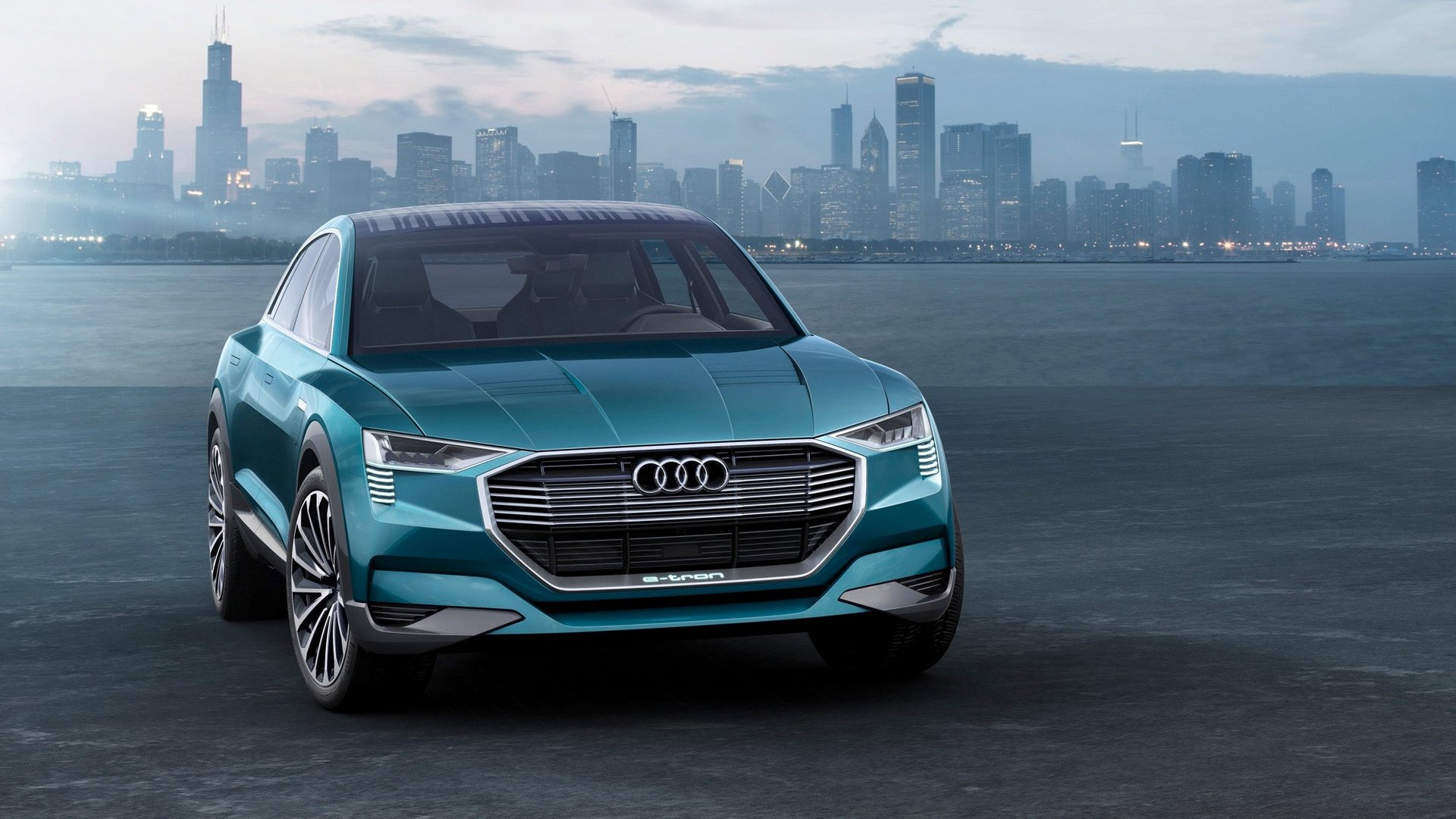
The race for the luxury electric car market is shifting gears.

I do not have the deepest understanding of economics. I have an A-level—rather like a US AP—in the subject, but I haven’t opened an economics textbook in a decade. But I do remember something: The price of a good is determined by how many of them are available, and how many people want them. When the supply is low and demand is high, the price is going to be higher.

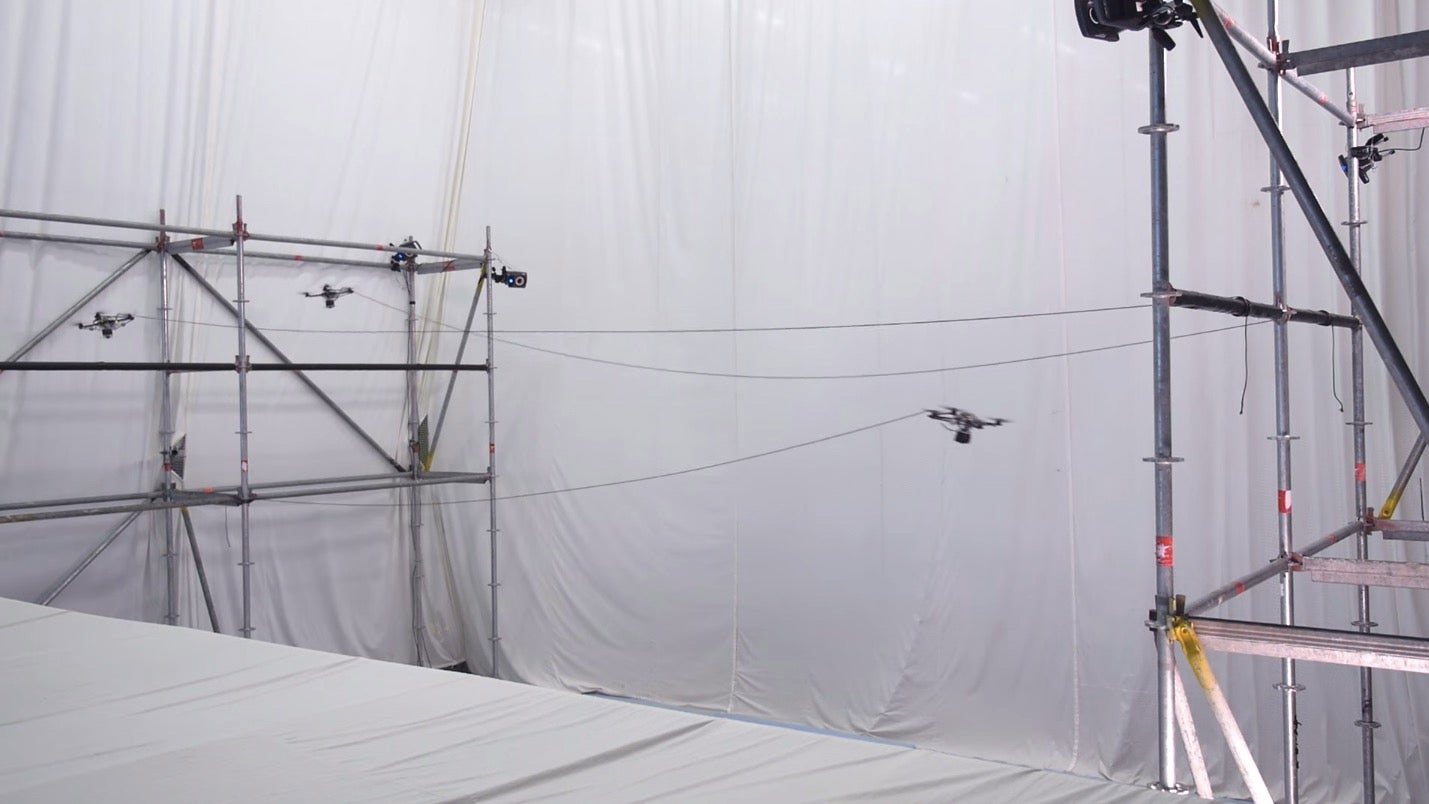
The prospect of seeing phalanxes of drones buzzing overhead, maneuvering around one another they drop off packages or survey the landscape, has just inched a bit further toward becoming reality.

The future of household robots owes a lot to 19th century American explorers Lewis and Clark.