The article that someone tweeted about, posts that they liked on Facebook, and a new phone just bought on an e-commerce site—all these events now play a crucial role in determining if an individual is eligible for a loan or not.

The article that someone tweeted about, posts that they liked on Facebook, and a new phone just bought on an e-commerce site—all these events now play a crucial role in determining if an individual is eligible for a loan or not.

It’s fairly easy to cheat Indian consumers—about 48% of them have directly or indirectly experienced fraud, a new study shows.

India’s driven another nail into the coffin of habitual loan defaulters.

Indians are losing their minds over the price of eggs—because they’re more expensive than chicken.

The Indian banking sector is in a curious situation: Some of the country’s biggest banks are reporting losses, yet stock markets are rewarding them.

The Narendra Modi government has just received a pat on the back from a heavyweight—credit rating agency Moody’s.

India’s biggest airline is flying through some serious turbulence this month.

In the absence of clear-cut regulations, the debate around bitcoin and other crypto-currencies has been heating up in India in recent months.

That darned demonetisation did rock the boat last November, but India’s love affair with cash is well and truly back on track.

India may want its former “rockstar central banker” Raghuram Rajan back, but the man himself isn’t interested.

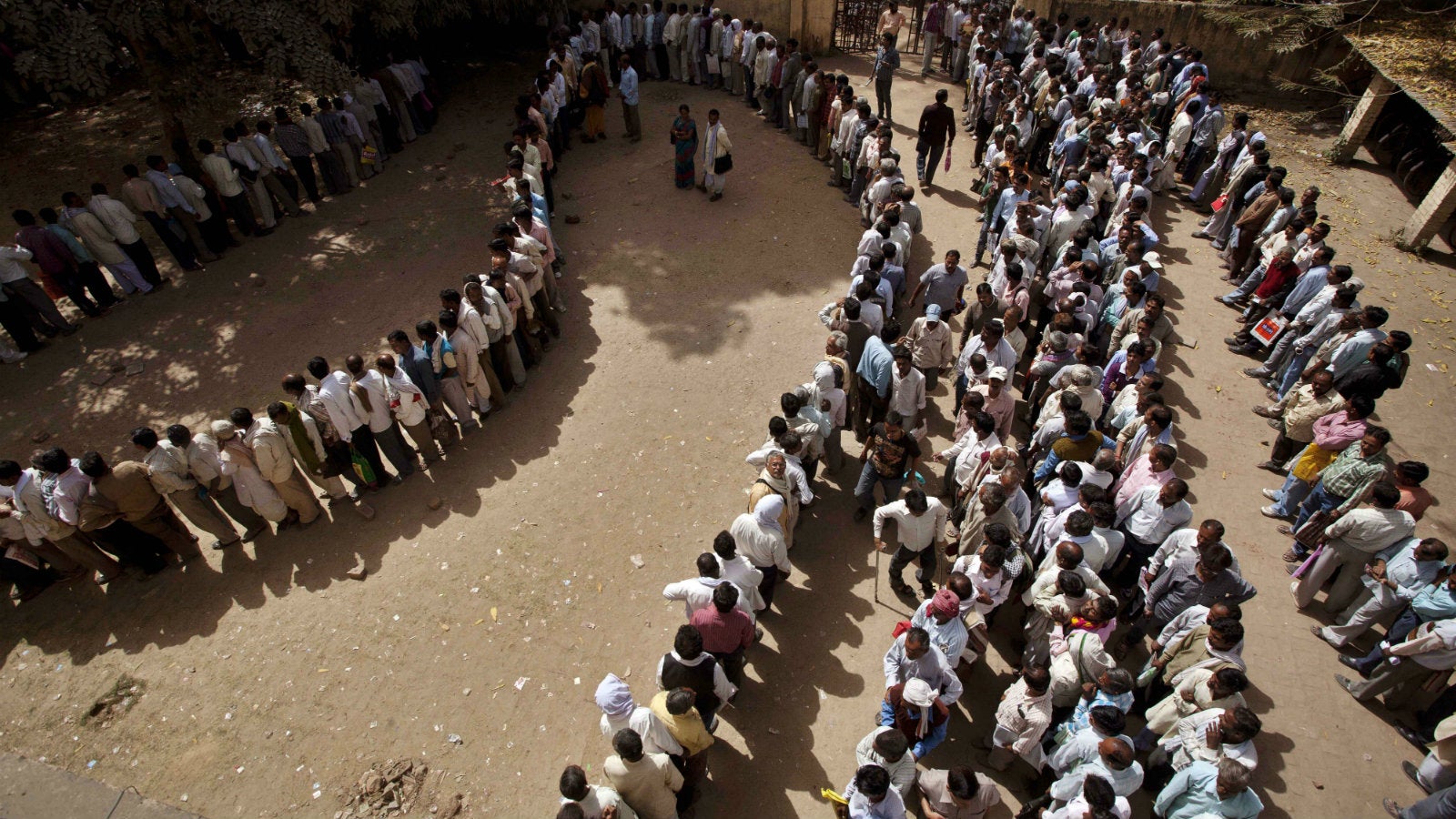
A year ago, on Nov. 08, prime minister Narendra Modi’s announcement that Rs500 and Rs1,000 notes were going to be taken out of circulation overnight predictably led to utter chaos and mayhem. Not only a flustered public, even the government and India’s central bank were caught flatfooted. Some 74 notifications were issued in 50 days following the note-ban announcement, several involving an about-face on the previous announcements. And in the months that followed, about 1.5 million jobs were lost, business in several cash-intensive industries came to a screeching halt, and economic growth took a beating.

Crypto-currencies may be one of the most intriguing subjects in the world of finance right now but they have failed to impress India’s central bank.

There’s been a shakeup at the very top of India’s private sector banking pyramid.

India is leaving its women behind.

CIEL HR, a Bengaluru-based recruitment firm, now has a wonder employee called Tony.

There’s some good news coming in for the Narendra Modi government: India has managed to pull off quite an impressive show by moving to the 100th position in the World Bank’s Doing Business 2018 index. Last year, it stood 130th.

It’s been a tough year for India’s jobs market.

The Narendra Modi government has unveiled a grand plan to lead India’s banking sector out of its acute toxic-loan mess.

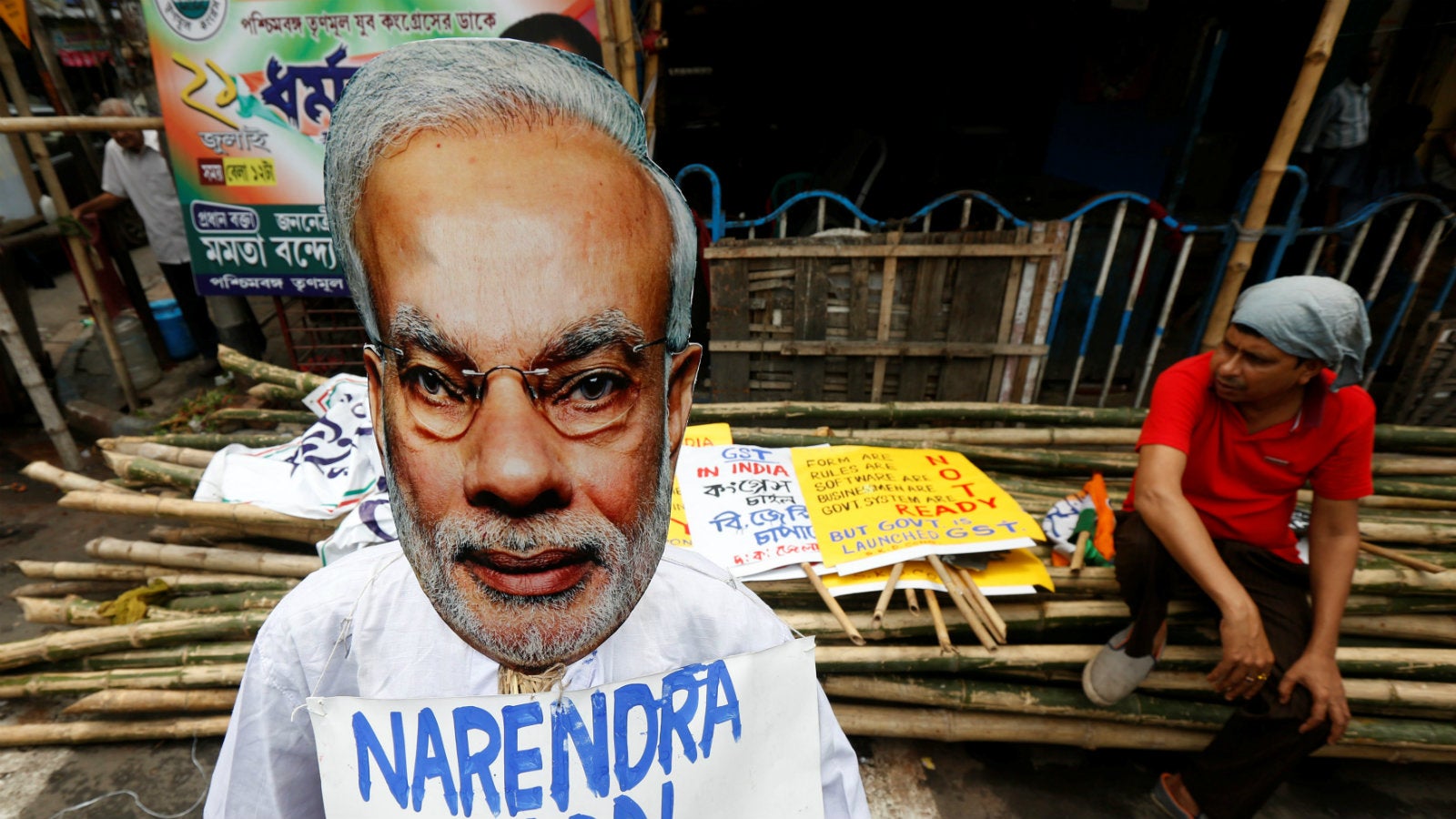
The Narendra Modi government seems to have tied itself into knots over its biggest reform in recent years, the goods and services tax (GST).

A dispute between the residents of an upscale residential complex and the family and friends of a domestic help who went missing ensued in a riot-like situation in Noida, near Delhi, this July. Allegations, counter-allegations, and police and political intervention brought intense focus on these developments.

India, currently the world’s fourth-fastest growing economy, hasn’t exactly had a dream run this financial year.

The Indian economy has been under stress over the past year.

When ICICI Bank opened India’s first full-fledged electronic branches in 2012, many were left baffled.

After a brief slump last year, non-resident Indians are back to sending money home by the bucketload.