
Money & Markets
The new chief of India’s largest bank spent 37 years rising to the topA 59-year-old physics graduate with a penchant for travel and badminton is taking over the corner office at India’s largest bank.
Updated July 20, 20223 min read
A 59-year-old physics graduate with a penchant for travel and badminton is taking over the corner office at India’s largest bank.
The government of India, led by prime minister Narendra Modi, is struggling hard to chalk out a positive narrative for the Indian economy.
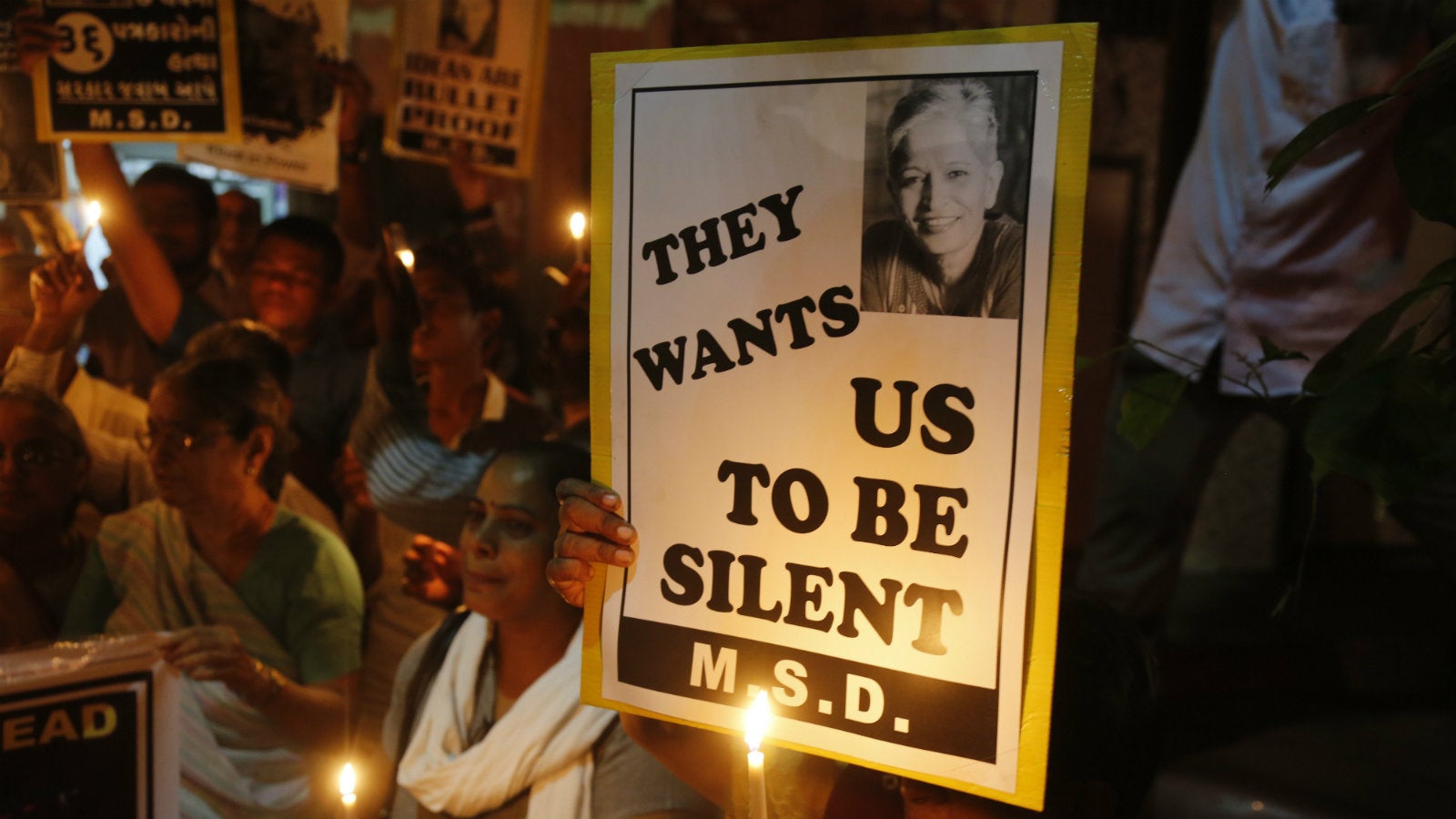
India has hardly been a haven for journalists.
India’s aggressively promoting the digitalisation of its economy.
India’s Narendra Modi government likes setting ambitious targets for itself and the country.
After a wait of seven years, the Indian financial market has witnessed a billion-dollar initial public offering (IPO).
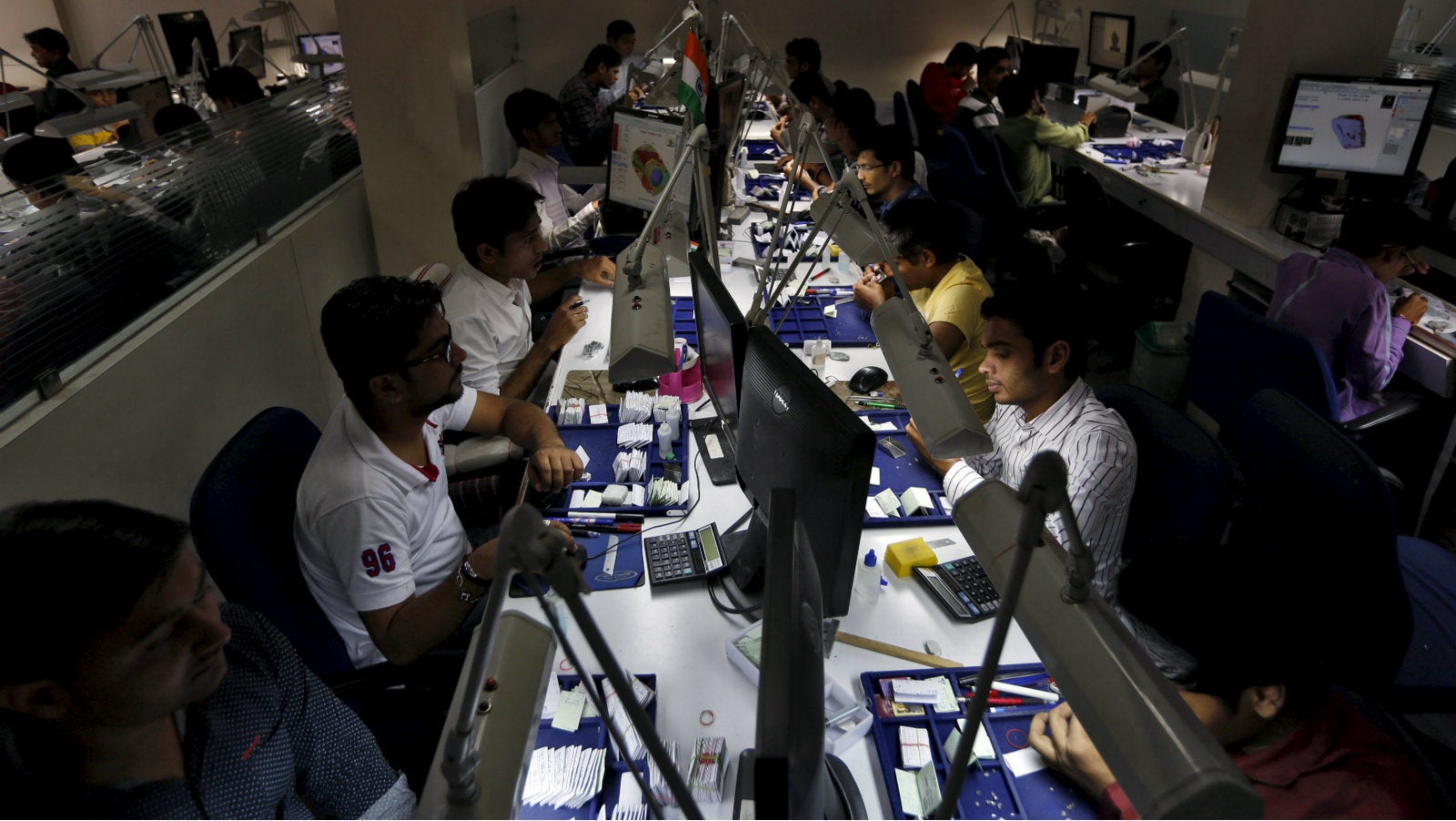
The third wave of growth in Asia will be led by young Indians, a report by Deloitte LLP says. The first wave was led by Japan and the second by China. With China’s population ageing rapidly, the baton is set to be passed.
Digital transactions in India are growing at an impressive pace.
Google, the world’s biggest web search engine, is up to something in India.
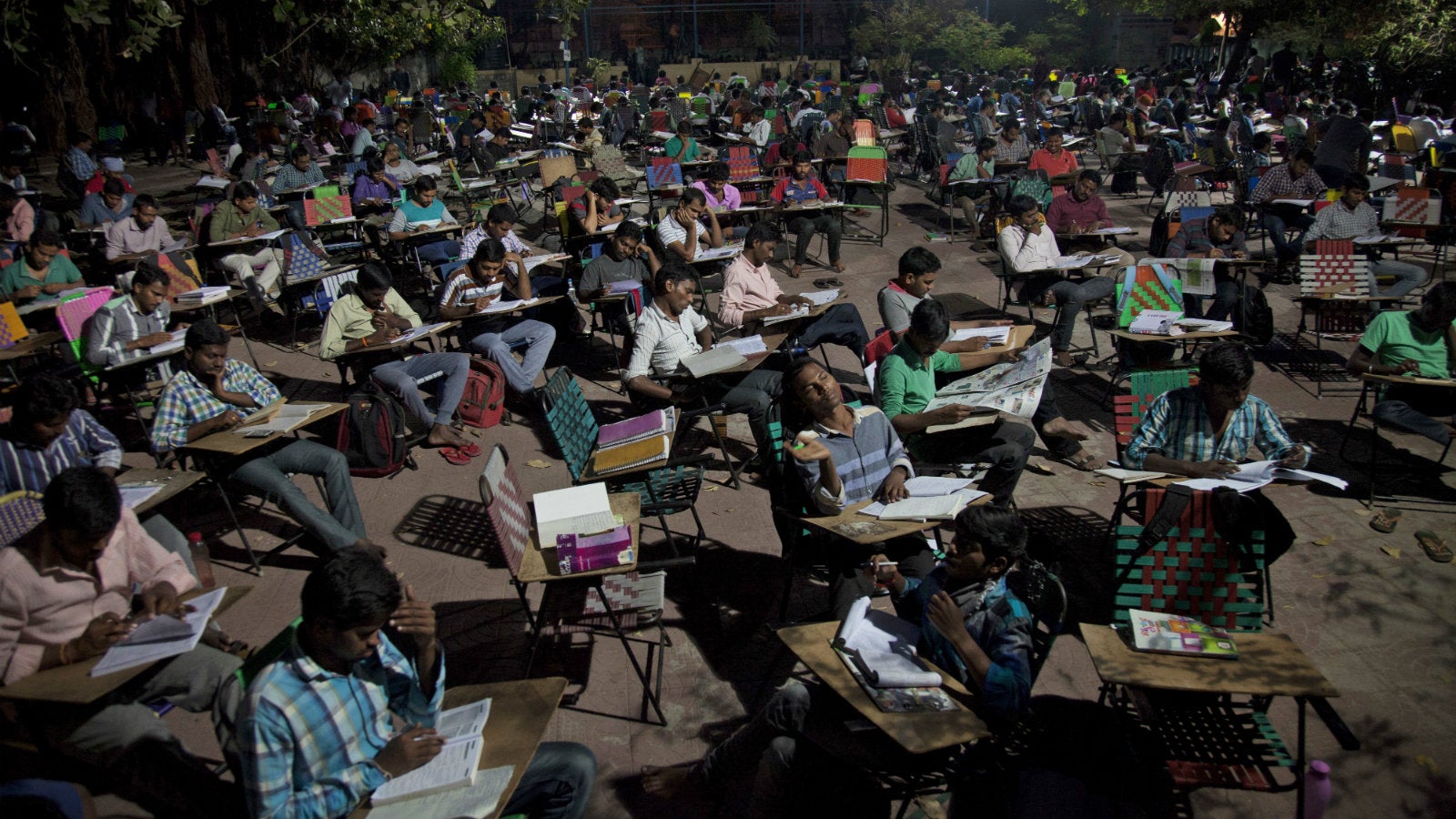
What could be worse for Indian universities than not making it to the world toppers’ list in terms of the employability of its graduates? Sliding down the ranks, of course.
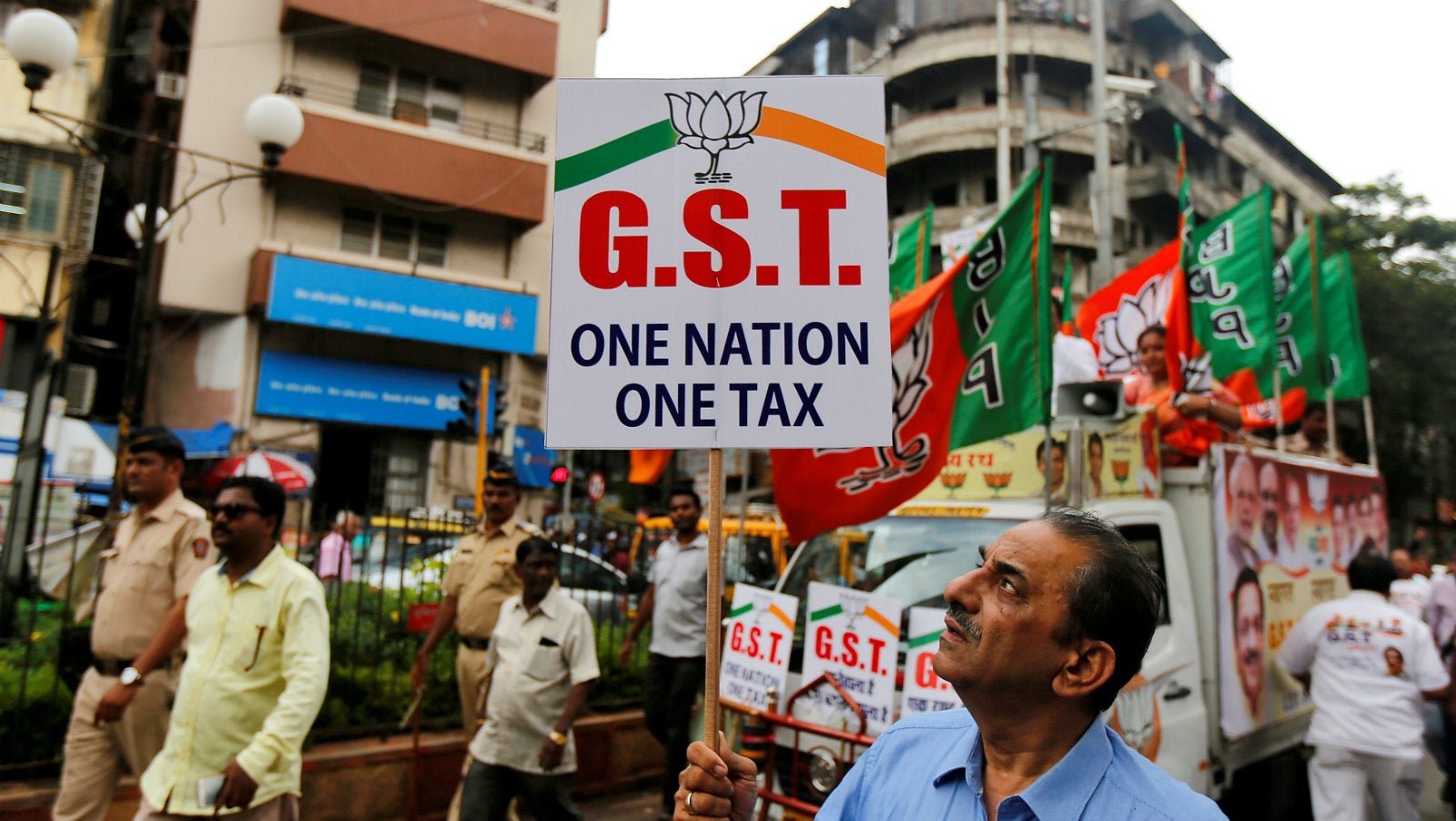
When it comes to naming babies, Indians love their stock options picked mostly from mythology. But there’s no shortage of the quirky ones either.
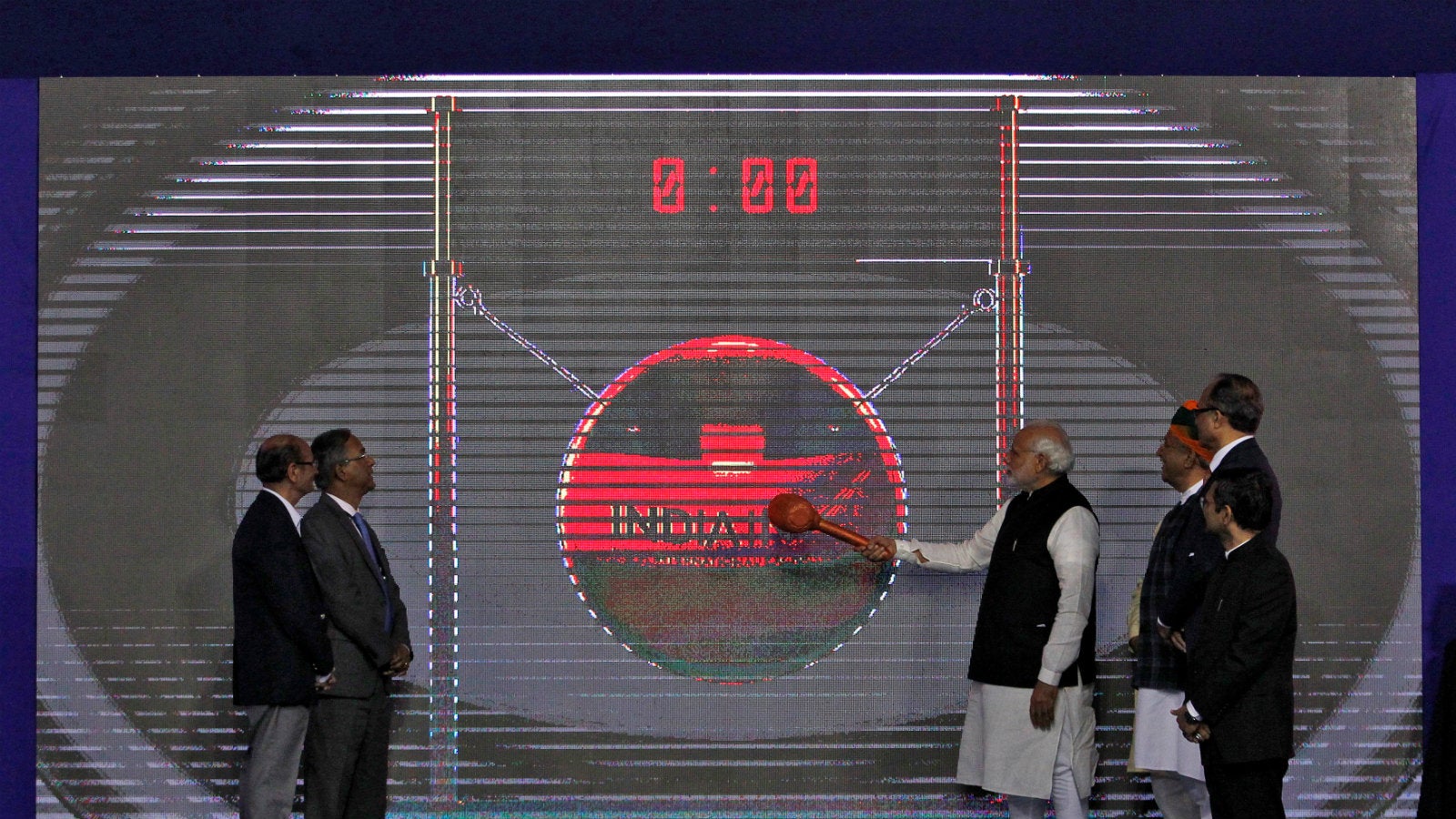
Being India’s first global stock exchange is an uphill task but it is grinding on.

The Reserve Bank of India’s (RBI) deputy governor, Viral Acharya, is a worried man.
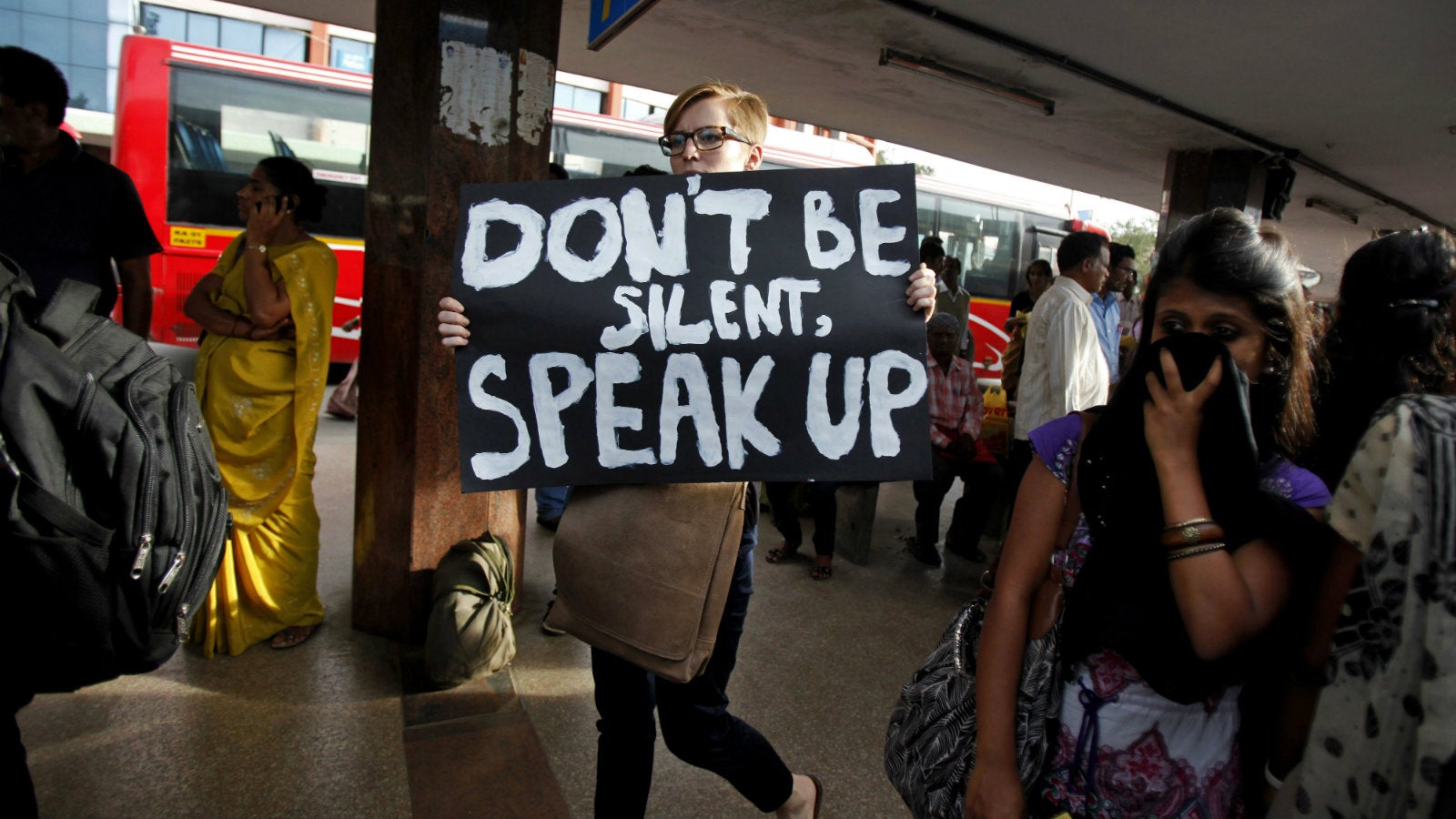
There’s been a hike in the number of sexual harassment cases filed at India’s listed companies, including those headed by women, in the last financial year—and that could be a good thing.
On Sept. 04, the Reserve Bank of India (RBI) added HDFC Bank to an elite list of Indian lenders.
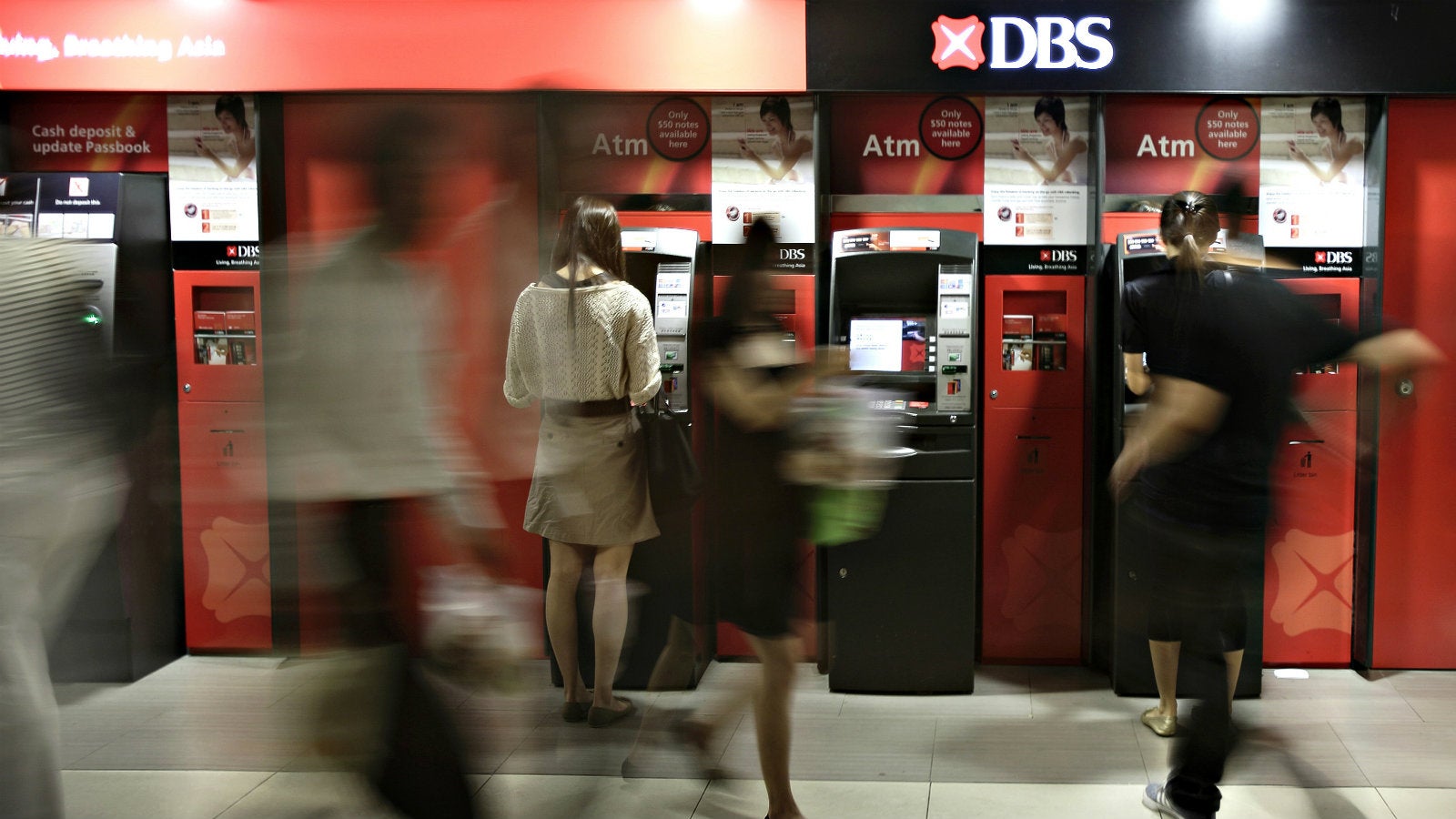
India has finally allowed foreign banks to operate wholly-owned subsidiaries (WOS) in the country.
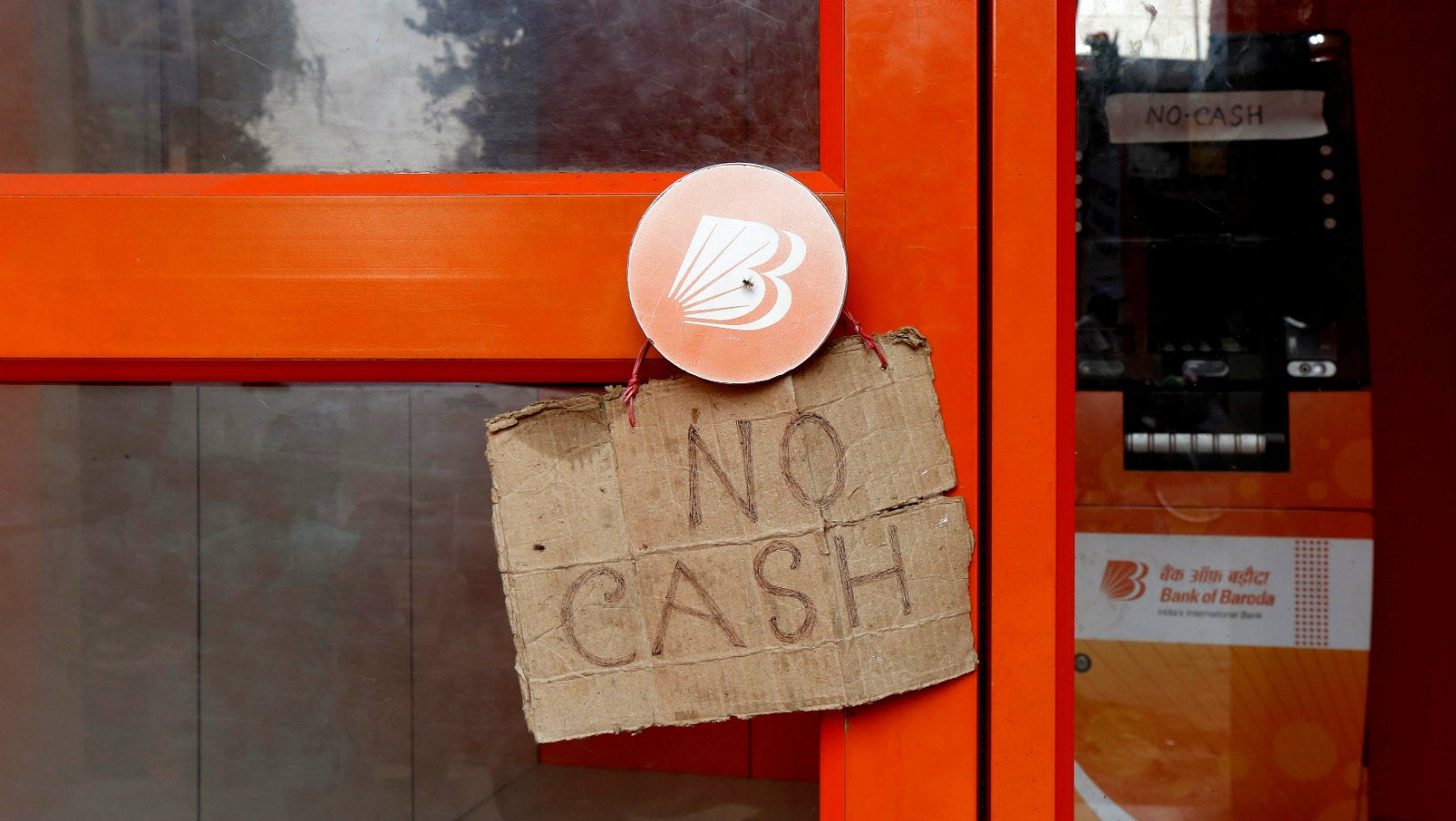
It’s been 10 months since India’s disruptive demonetisation exercise and economists, bankers, and consumers are still trying to understand whether it was really necessary.

Ten months later, the debate over demonetisation’s success rages on among India’s top bankers and economists.

Like in most cities of the country, motorists and pedestrians of Indore are not traffic rule enthusiasts. Jaywalking, jumping signals, and lane indiscipline are rampant in this Madhya Pradesh (MP) city in central India. The result: utter chaos as usual.
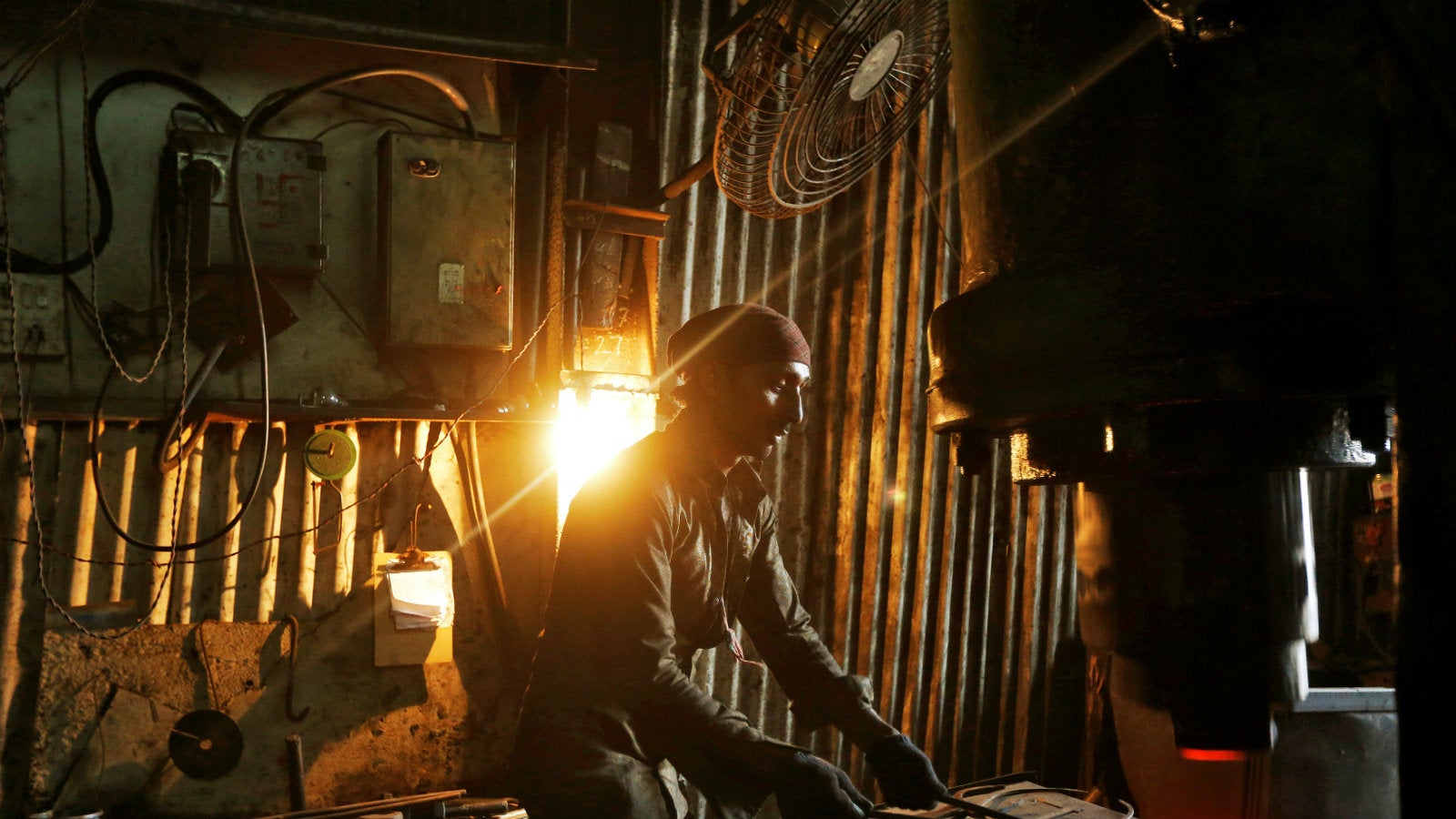
The Indian economy is unable to shrug off the after-effects of the Narendra Modi government’s disruptive move to demonetise two key currency notes.
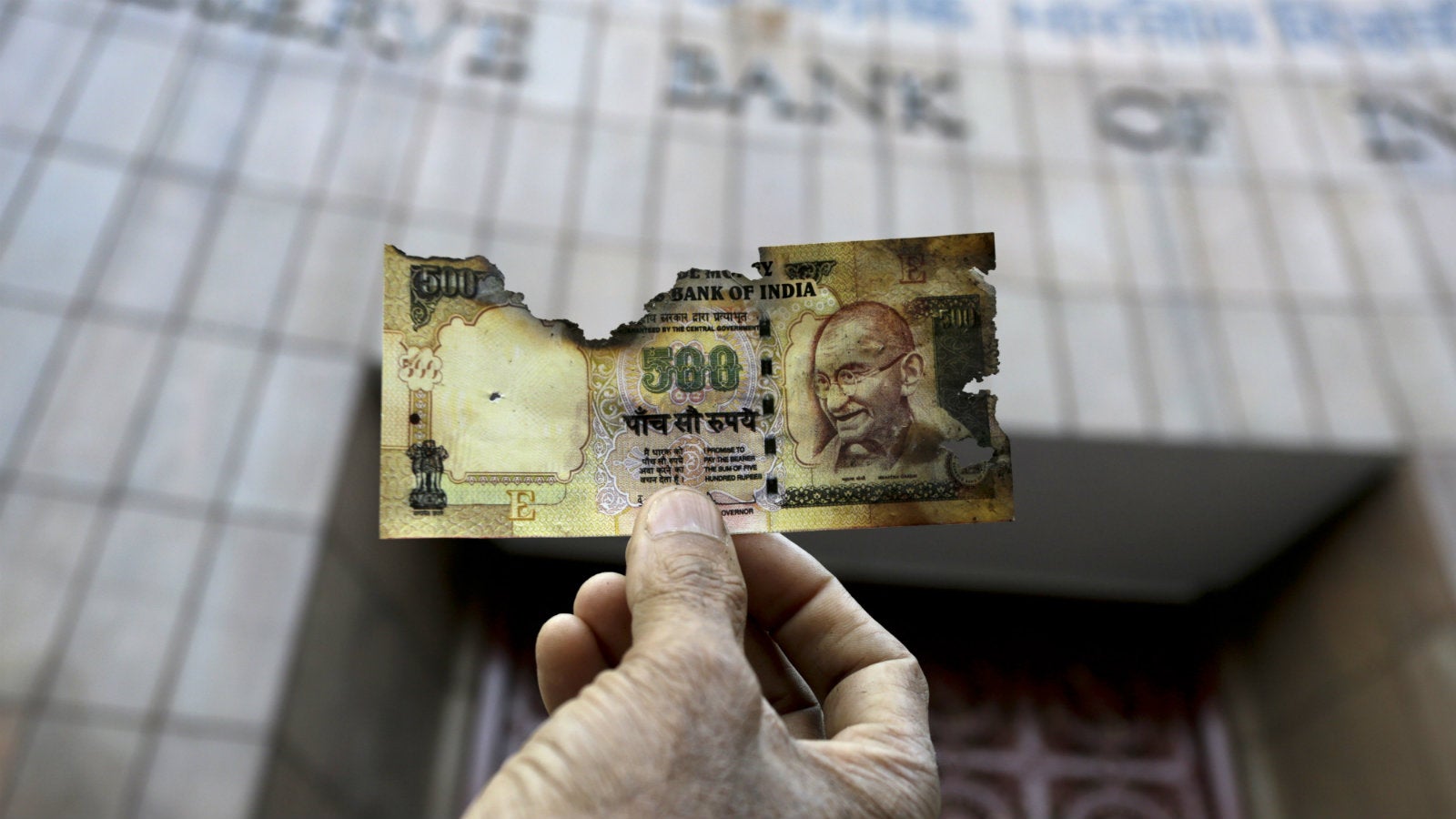
After months of speculation, the Reserve Bank of India (RBI) has finally clarified just how many demonetised Rs500 and Rs1,000 notes have been collected by banks.
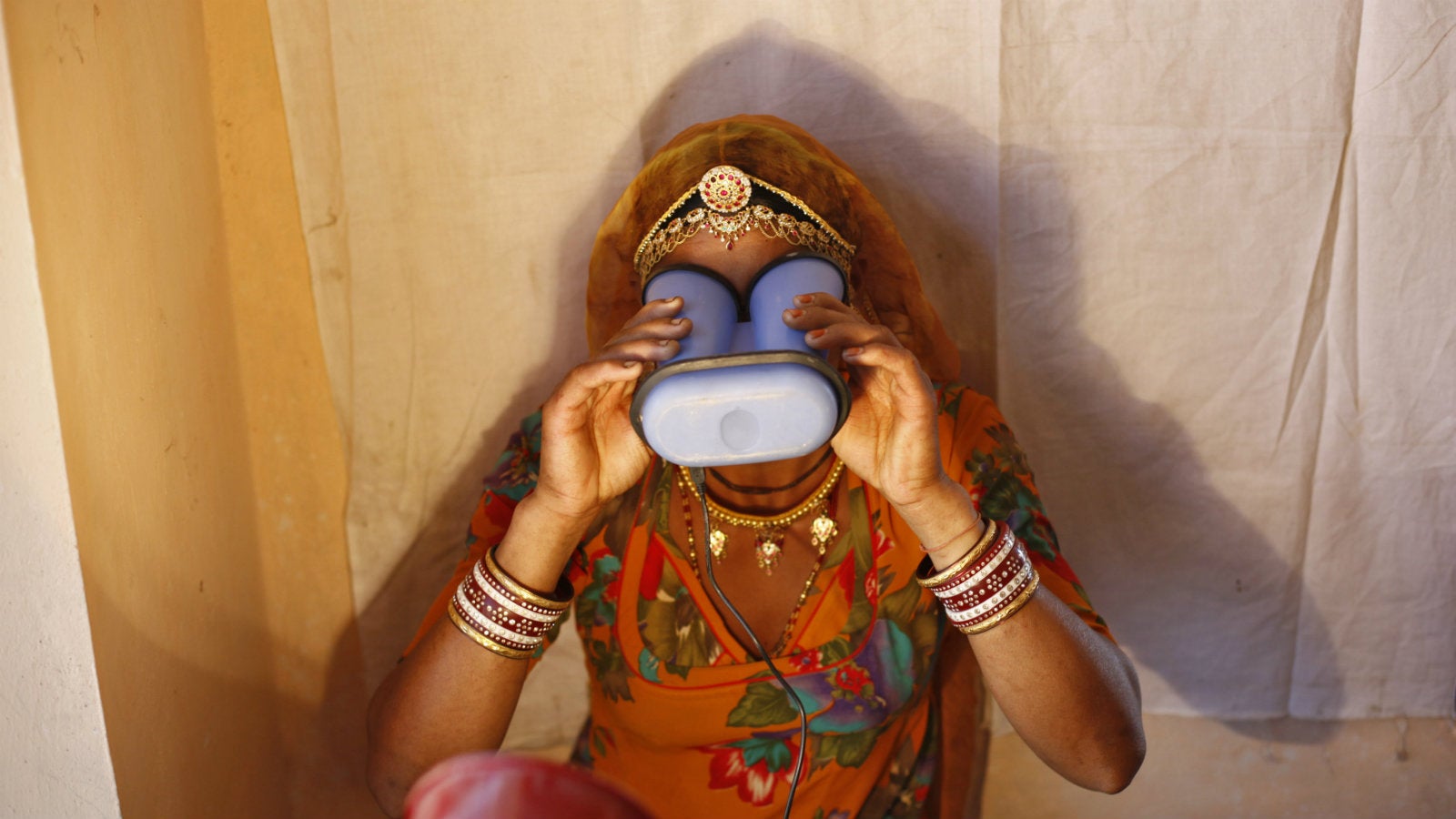
It was meant to be a one-stop solution to the identity conundrum of over a billion Indians. Aadhaar, the massive 12-digit biometric authentication platform, was expected to make the routine transactions, which citizens enter into with the government and private entities, more transparent.

Toxic loans have choked the Indian banking and financial services system so badly that, in some cases, there’s hardly anything left to salvage.
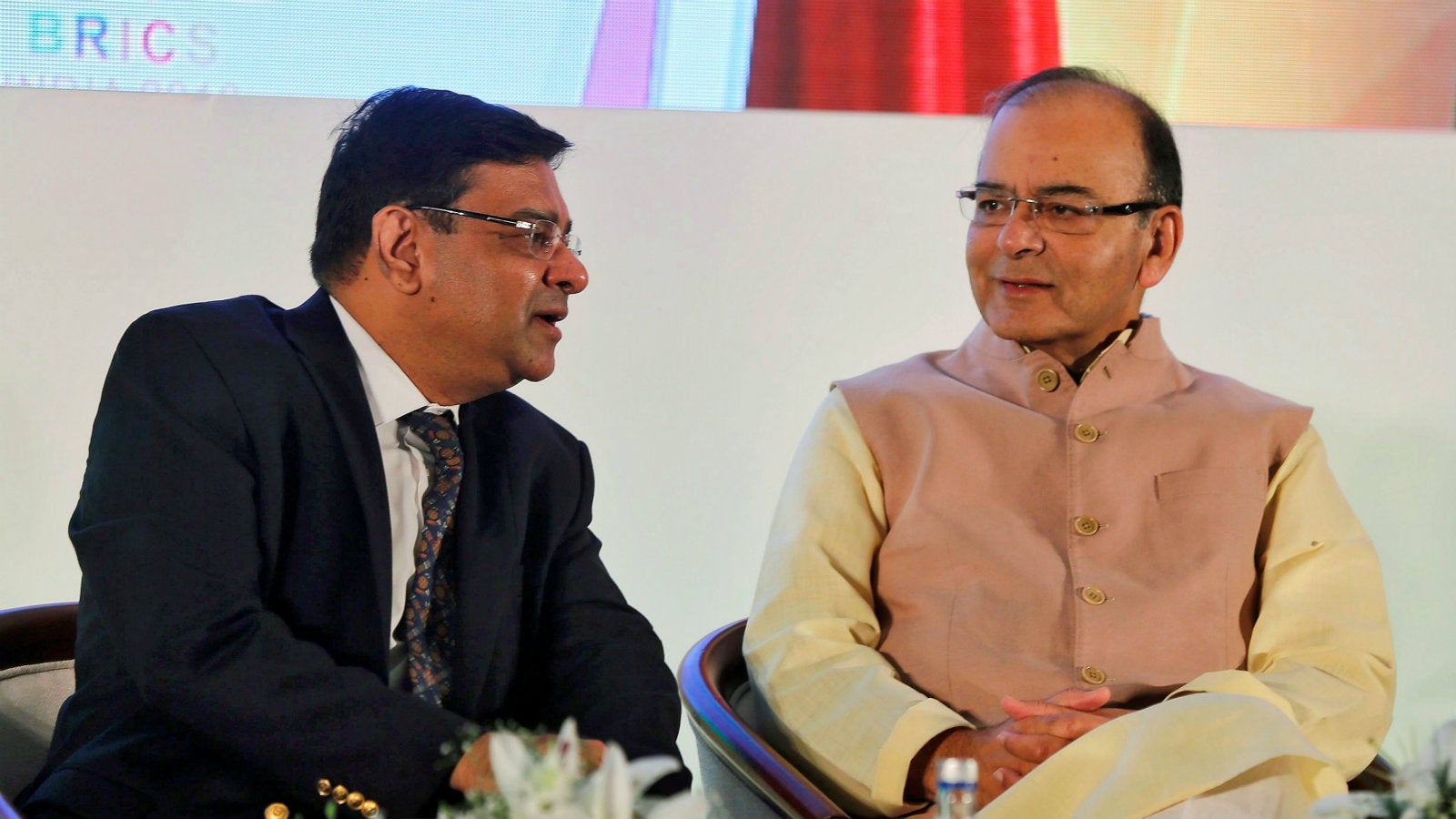
The Indian banking landscape is set for big changes with the government deciding to merge the many state-owned lenders.