Visa and Mastercard, the world’s two leading credit card brands, both posted solid fourth quarters and outperformed analysts’ estimates.

Visa and Mastercard, the world’s two leading credit card brands, both posted solid fourth quarters and outperformed analysts’ estimates.

For the people apparently tasked with running their country, British parliamentarians keep discovering pesky limits on what they can and can’t do with Brexit.

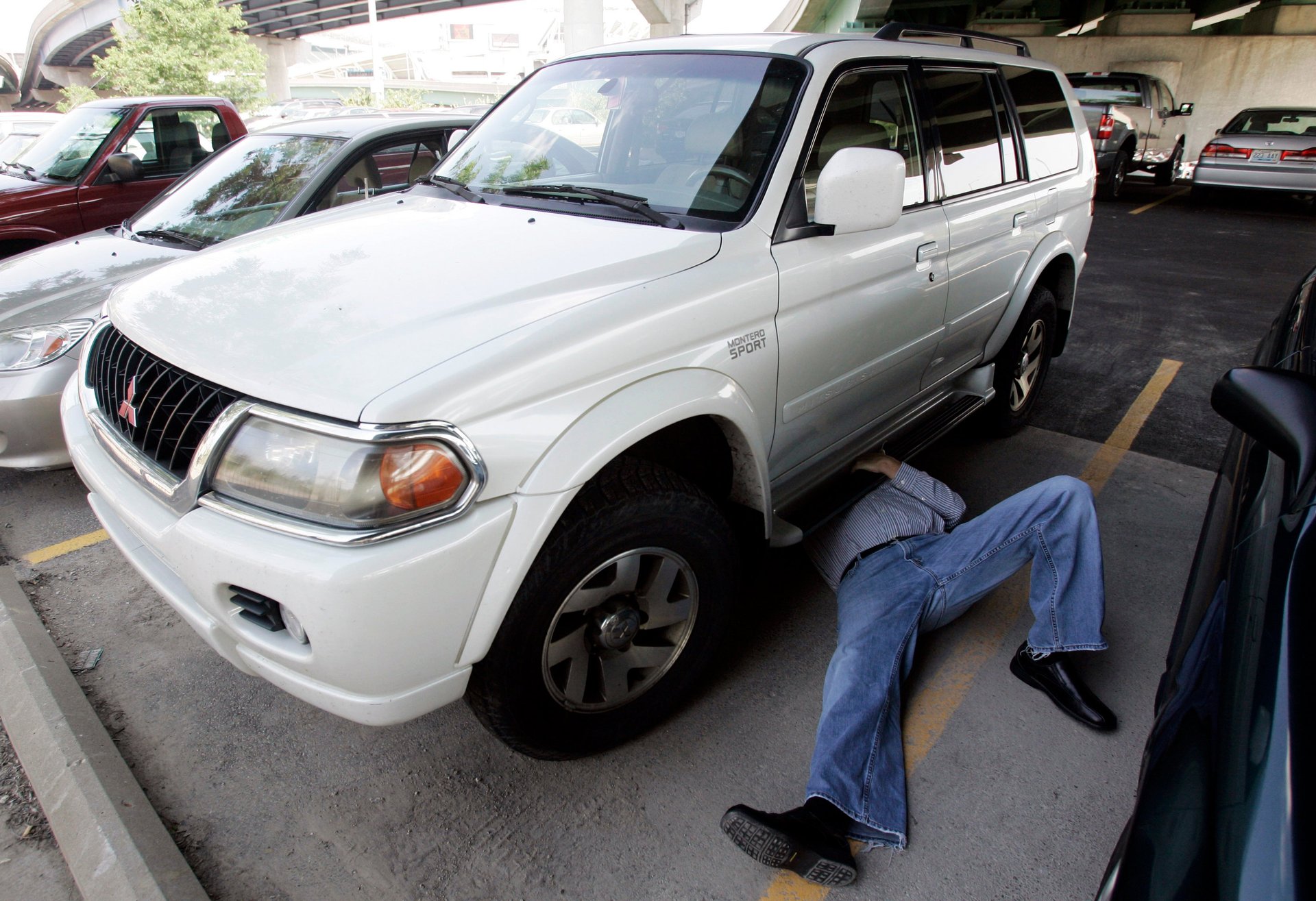
There’s treasure in your car, and it’s just waiting to be stolen.

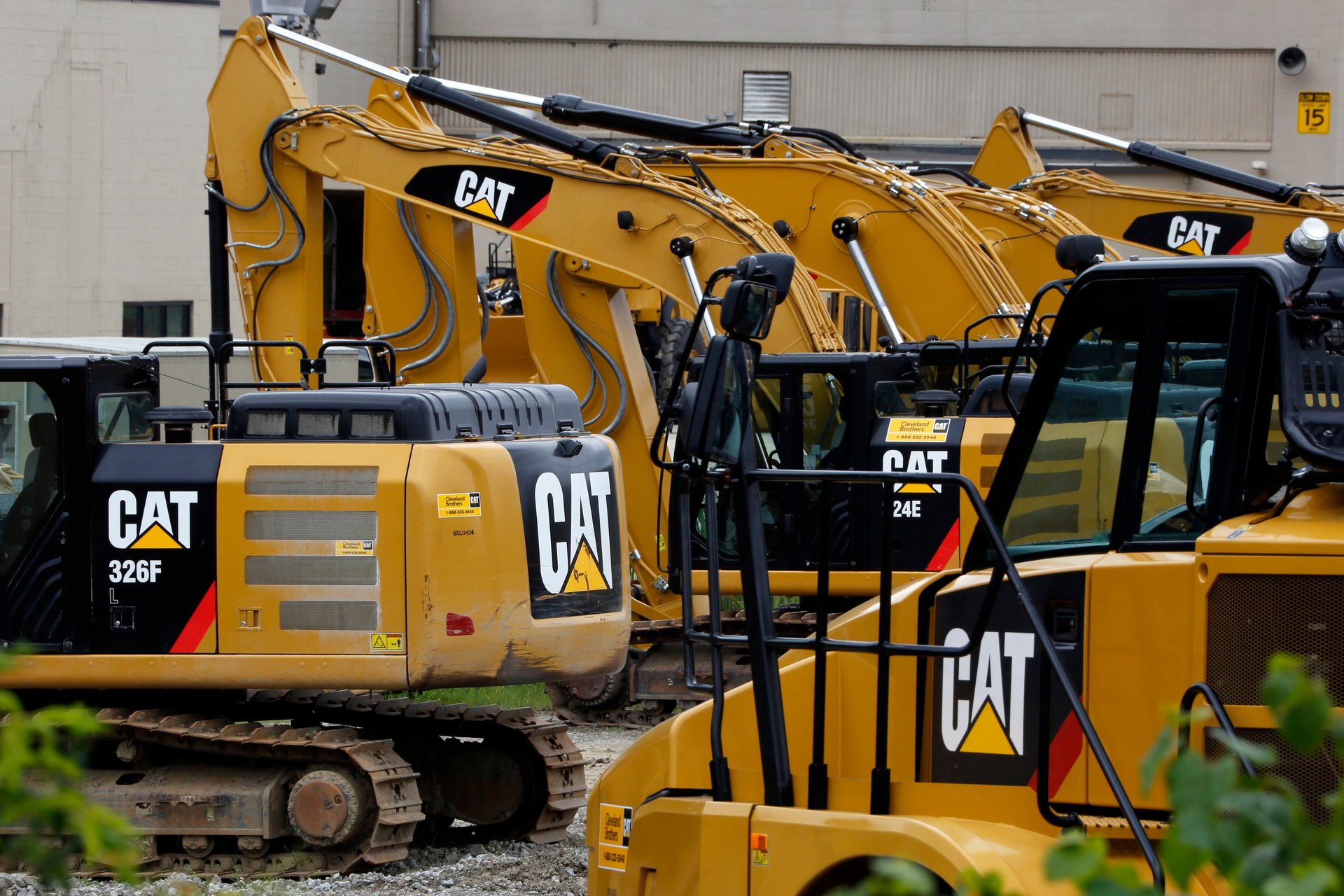
Where Caterpillar goes, others follow.

Ransacked after two world wars, the tiny nation of Liechtenstein spent much of the first half of the 20th century decidedly strapped for cash. The European country was struggling to get by as a mostly agriculture-based economy, leaving its ruling family forced to sell off its Old Master paintings to the highest bidder.

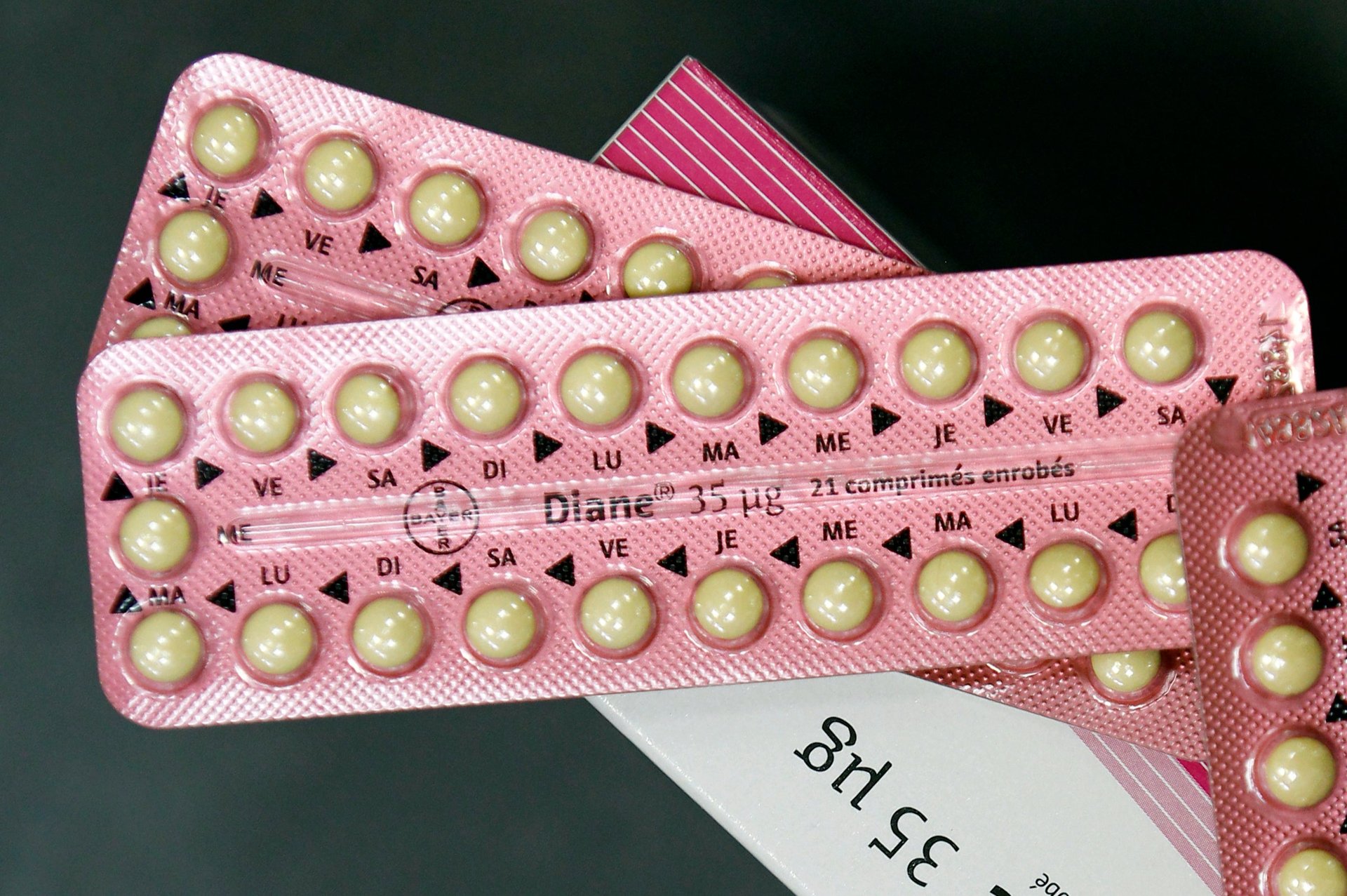
Many women in the UK were this week left reeling after the National Health Service changed its official guidance on how the contraceptive pill is prescribed. In the past, women have taken 21 daily hormonal pills, followed by seven days of a sugar placebo, during which they experience withdrawal bleeding. (Some women take no pills at all during this time.)

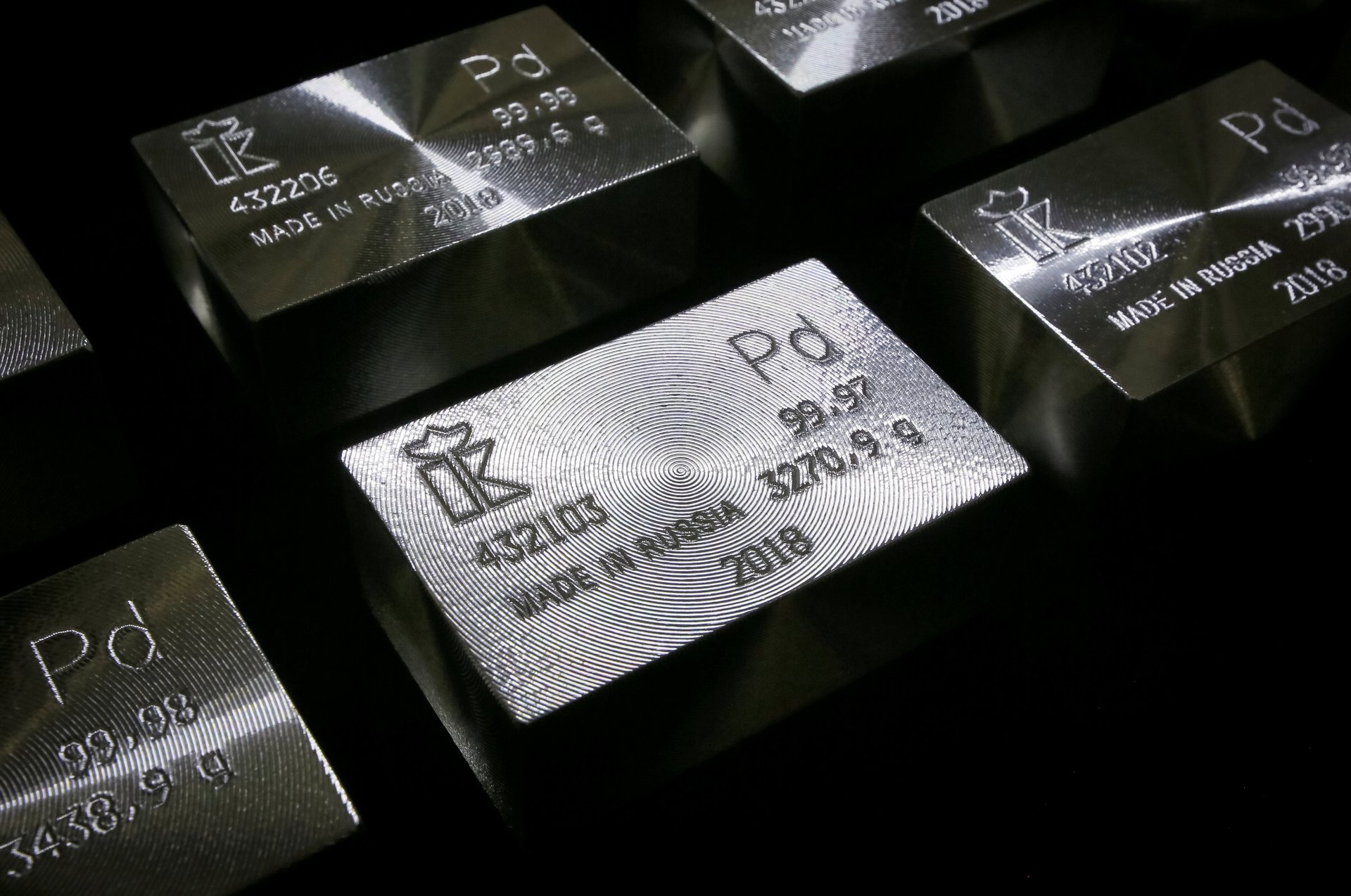
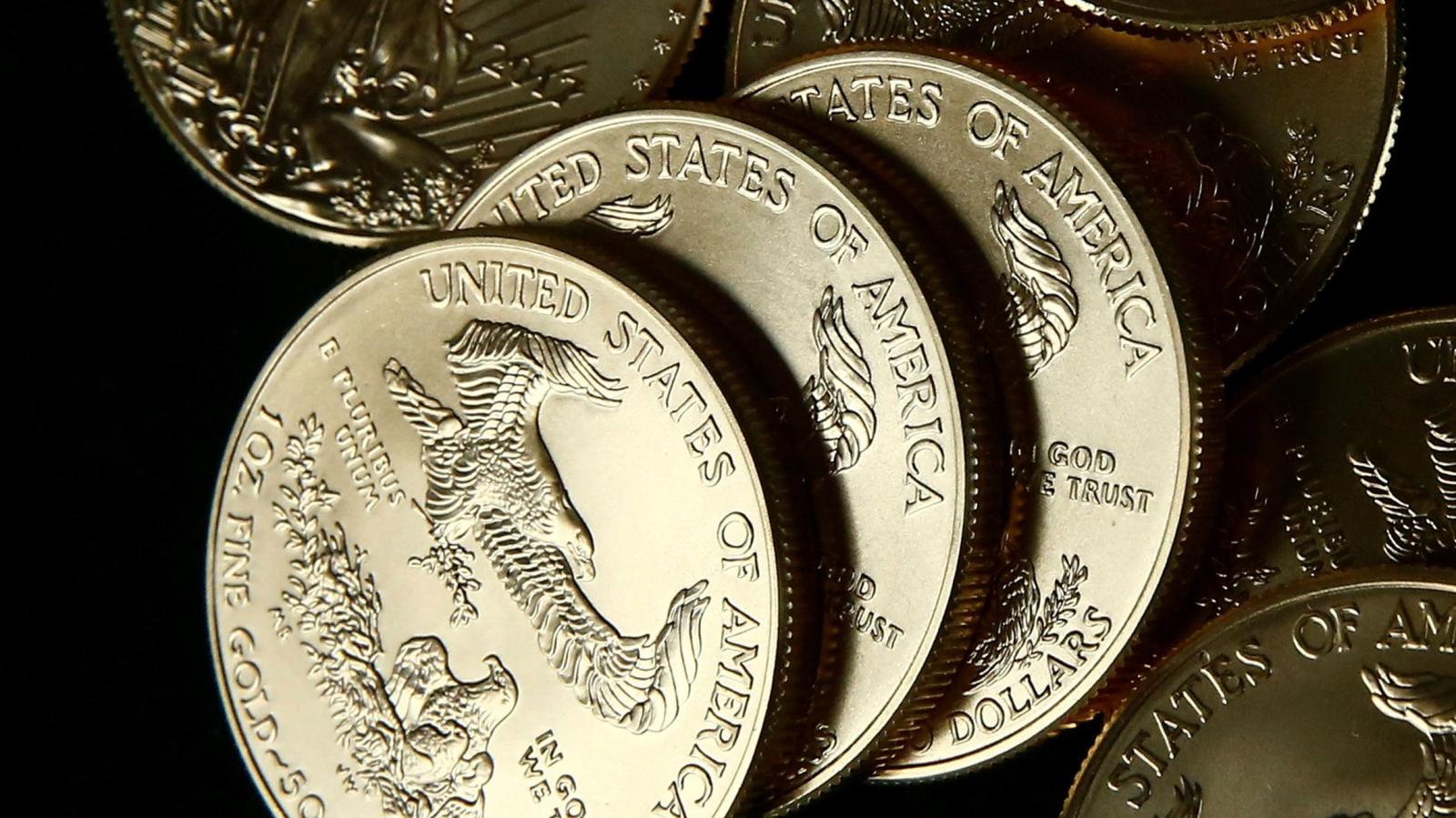
Palladium prices have never known such glittering heights. The silvery-white precious metal is now $1,351.40 an ounce: more expensive than gold ($1,283.75 an ounce) or platinum ($792.30 an ounce), and just a little cheaper than iridium ($1,460 an ounce) and rhodium ($2,460). As Bloomberg reports, palladium has surged around 50% in the past four months. A decade ago, it cost less than $200 an ounce.

Investors like their money to make money. But increasingly, according to a new report from the Harvard Business Review, they expect it to do good, too. In 2010, environmental, social, and governance (ESG) investments made up approximately $3 trillion of all professionally managed assets. As of the beginning of last year, that number had quadrupled to $12 trillion (pdf)—$1 in every four invested in the US.

For the past decade, the World Economic Forum has put out a yearly review of the greatest threats to our world—the economic and geopolitical risks that endanger our planet, our way of life, and even our species.

It’s not Brexit, terrorism, or even climate change that keeps CEOs awake at night. Instead, recession is the primary concern for 1,400 global business leaders surveyed about their biggest fears for 2019.

The country of Bob Marley, curry goat, Olympic sprinters, and jammin’ in all its splendid forms has a message for its citizens: A little bit of inflation isn’t necessarily such a bad thing.

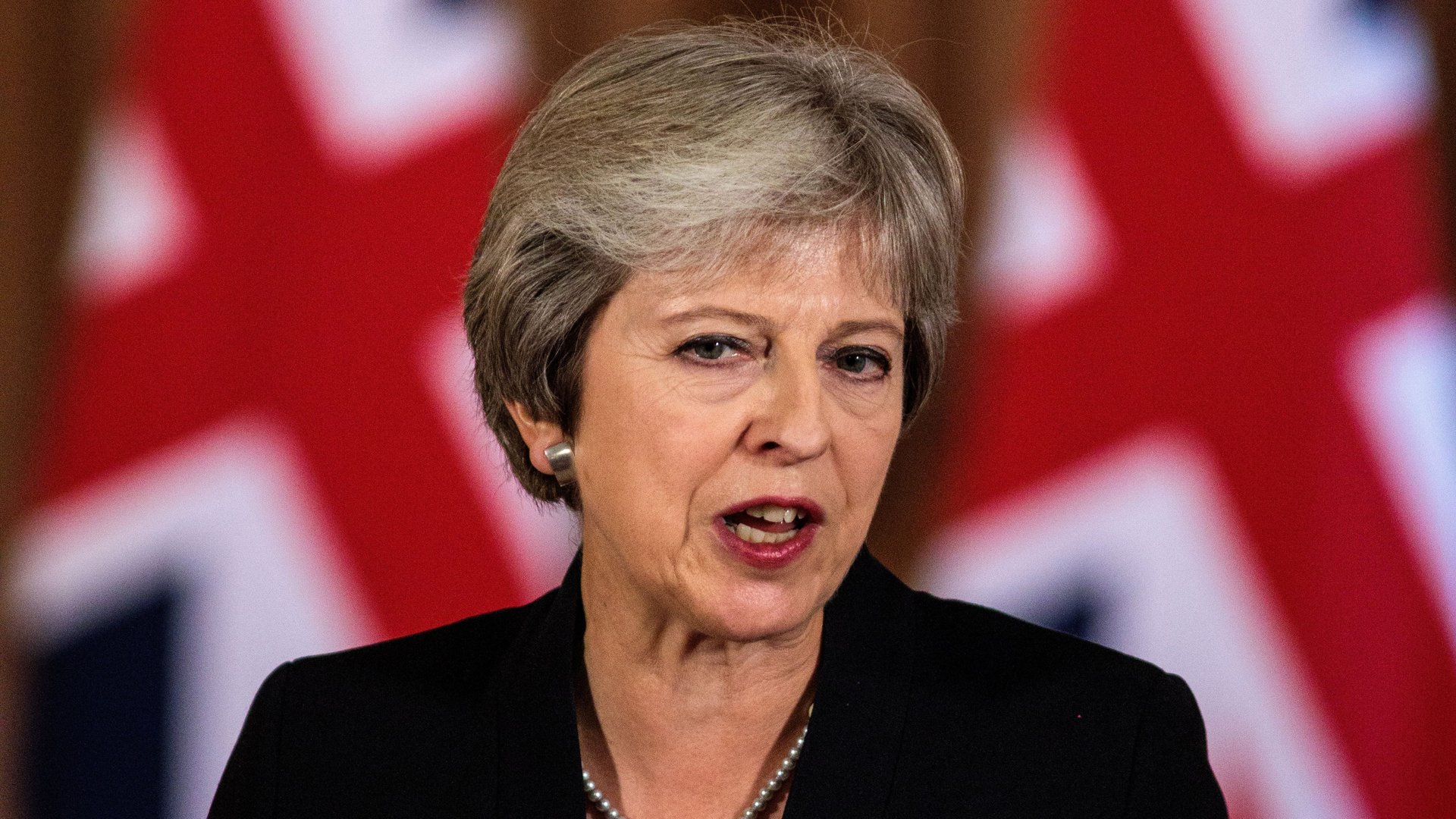
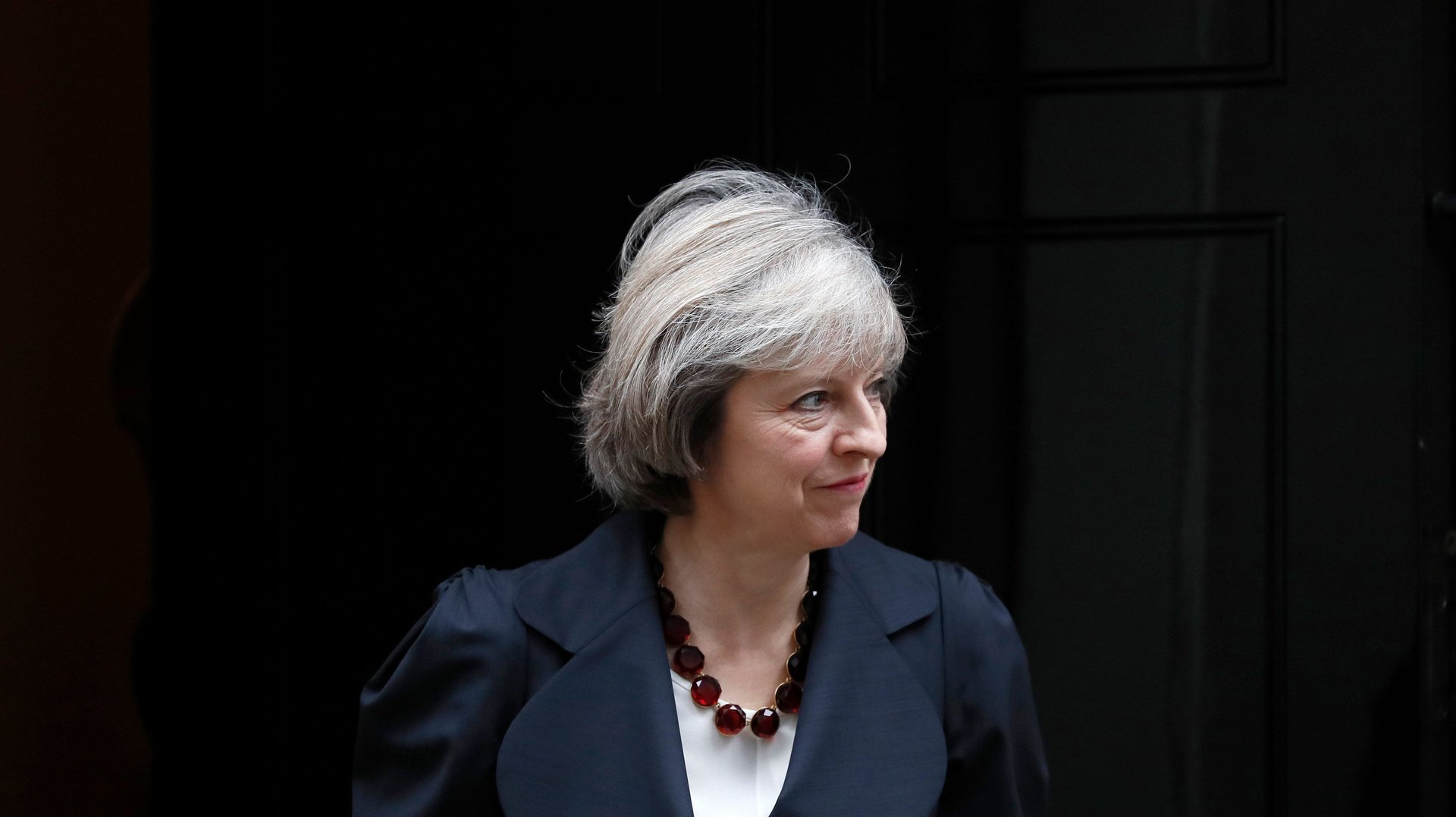
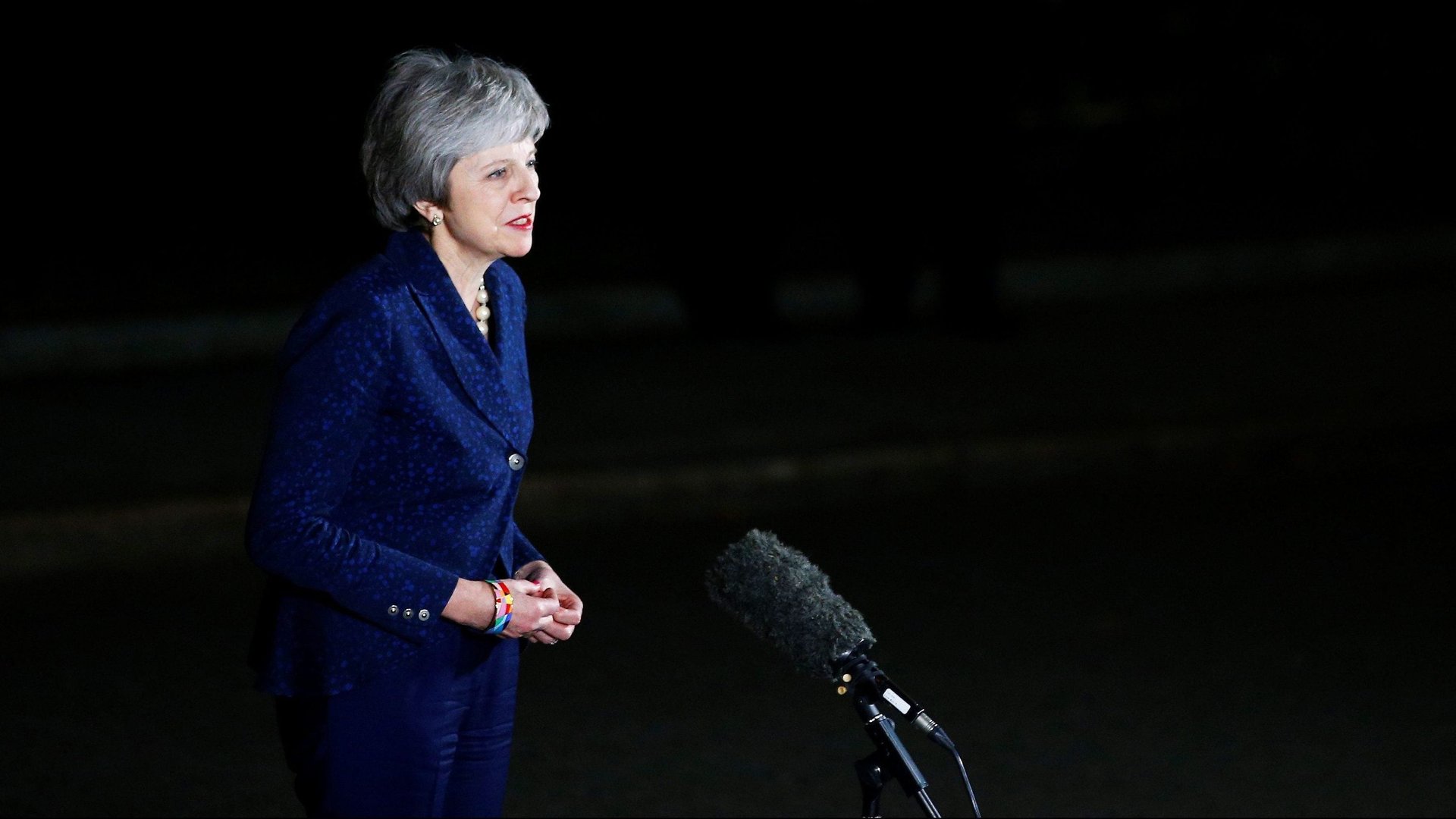
UK prime minister Theresa May narrowly won a no-confidence vote in her Conservative government tonight (Jan. 16) by 325 votes to 306. She is poised to stay on as leader—for now—but the victory won’t do much to break the political deadlock over Brexit.

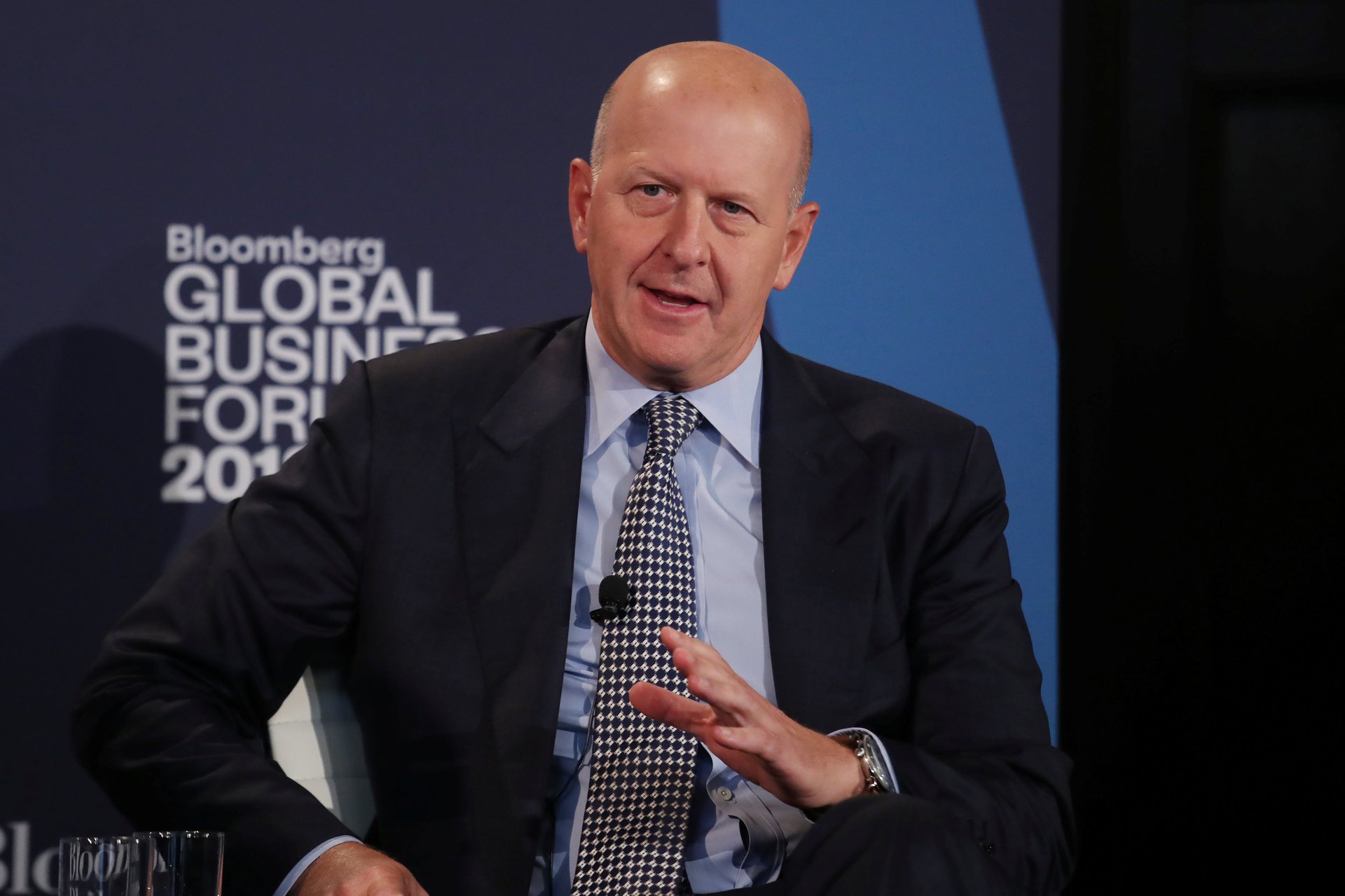
In his first earnings call as CEO, Goldman Sachs’ David Solomon had a few words for the people of Malaysia, whose government has filed criminal charges against the US bank and is seeking $7.5 billion in fines and refunds from Goldman’s role in the ongoing 1MDB scandal.

Parliament tonight issued a stinging rejection of prime minister Theresa May’s proposed agreement to leave the EU by a historic margin of 230 votes. The lopsided vote is the culmination of two years of intense negotiations since the UK first voted to leave the bloc.

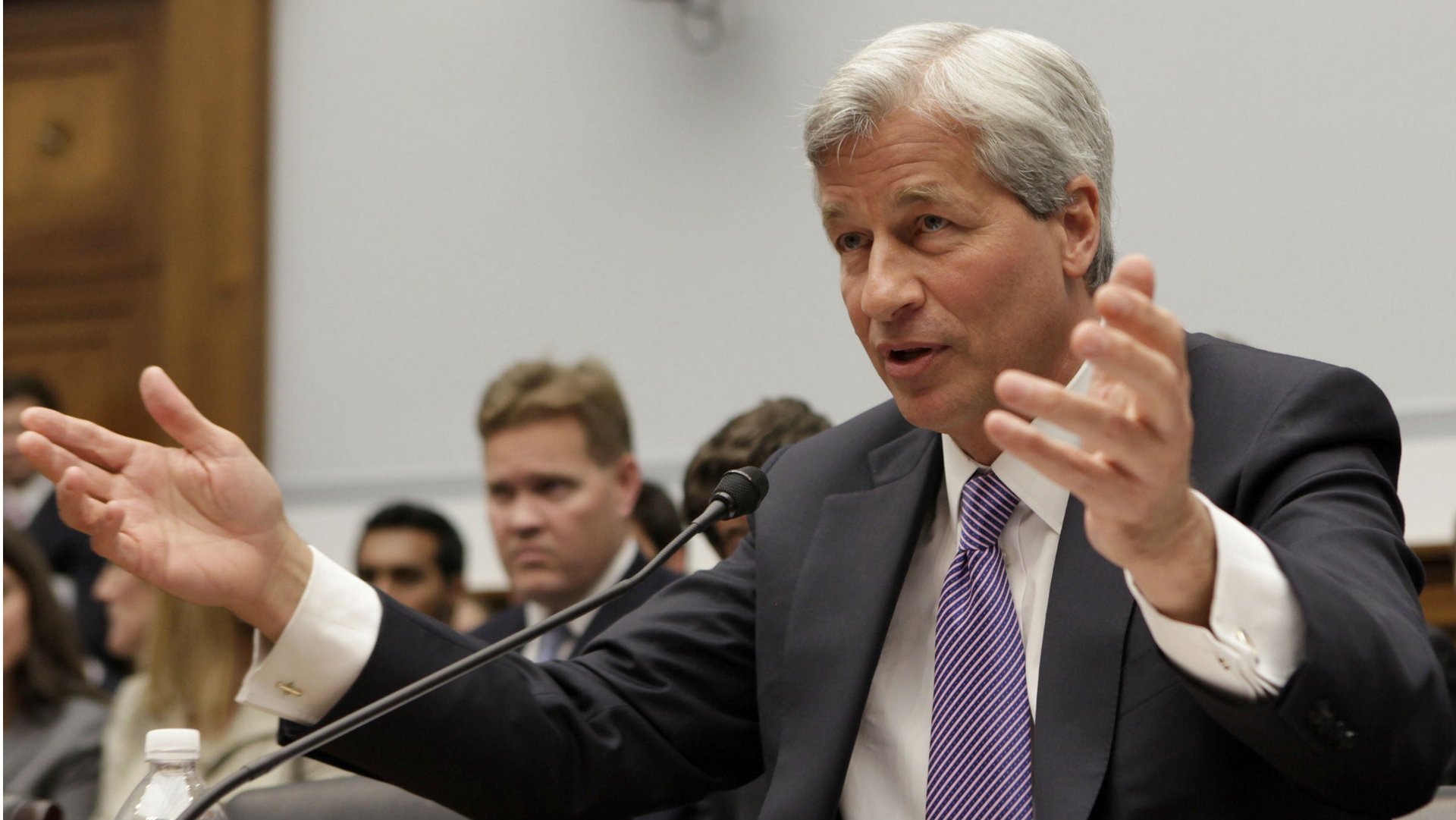
For the first time in nearly four years, JPMorgan Chase, the biggest bank in the US, had bad news for investors today (Jan. 15): Fourth-quarter earnings missed analysts’ expectations, sending its shares sliding about 2% before they recovering later in the afternoon.

It’s a shiny piece of metal that combines two German favorites: cash and bratwurst with curry sauce.

Britain teeters on a cliff’s edge. Tomorrow (Jan. 15), the country’s politicians will come together to have their say on UK prime minister Theresa May’s Brexit deal with the EU.

The world’s second-largest economy could be in trouble—and it risks bringing the global economy down with it. That’s the worst-case-scenario conclusion many analysts are tussling with after a slew of bad news out of China.

It’s all the machines’ fault.

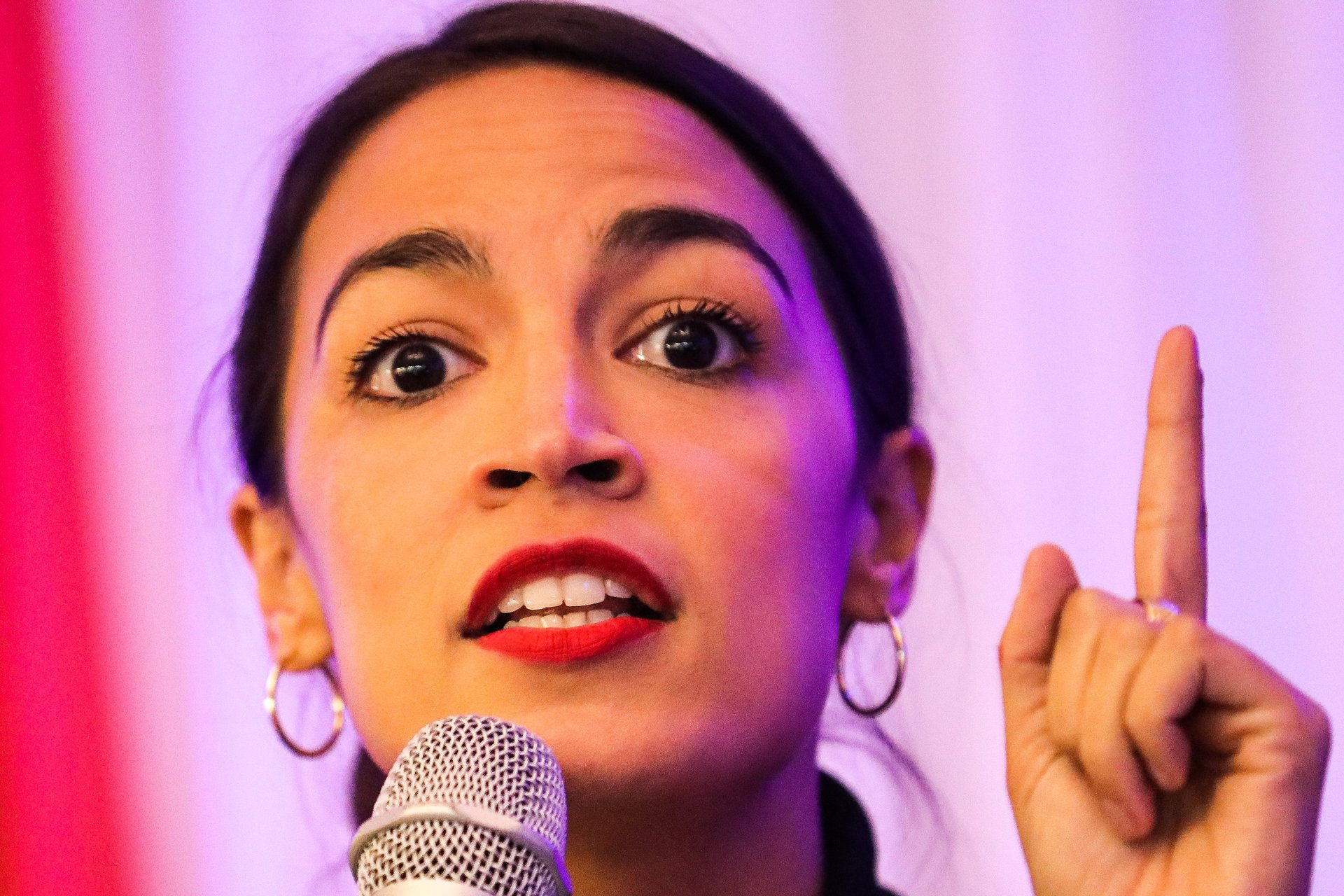
It’s being touted as the policy that might solve climate change, put the rich in their place, and get the US on track to being a haven of egalitarianism and opportunities for all. In an interview with CNN’s Anderson Cooper, Rep. Alexandria Ocasio-Cortez, a Democrat from New York, proposed a 70% tax rate on earnings over $10m, sparking dozens of think pieces and critiques and thousands upon thousands of tweets.

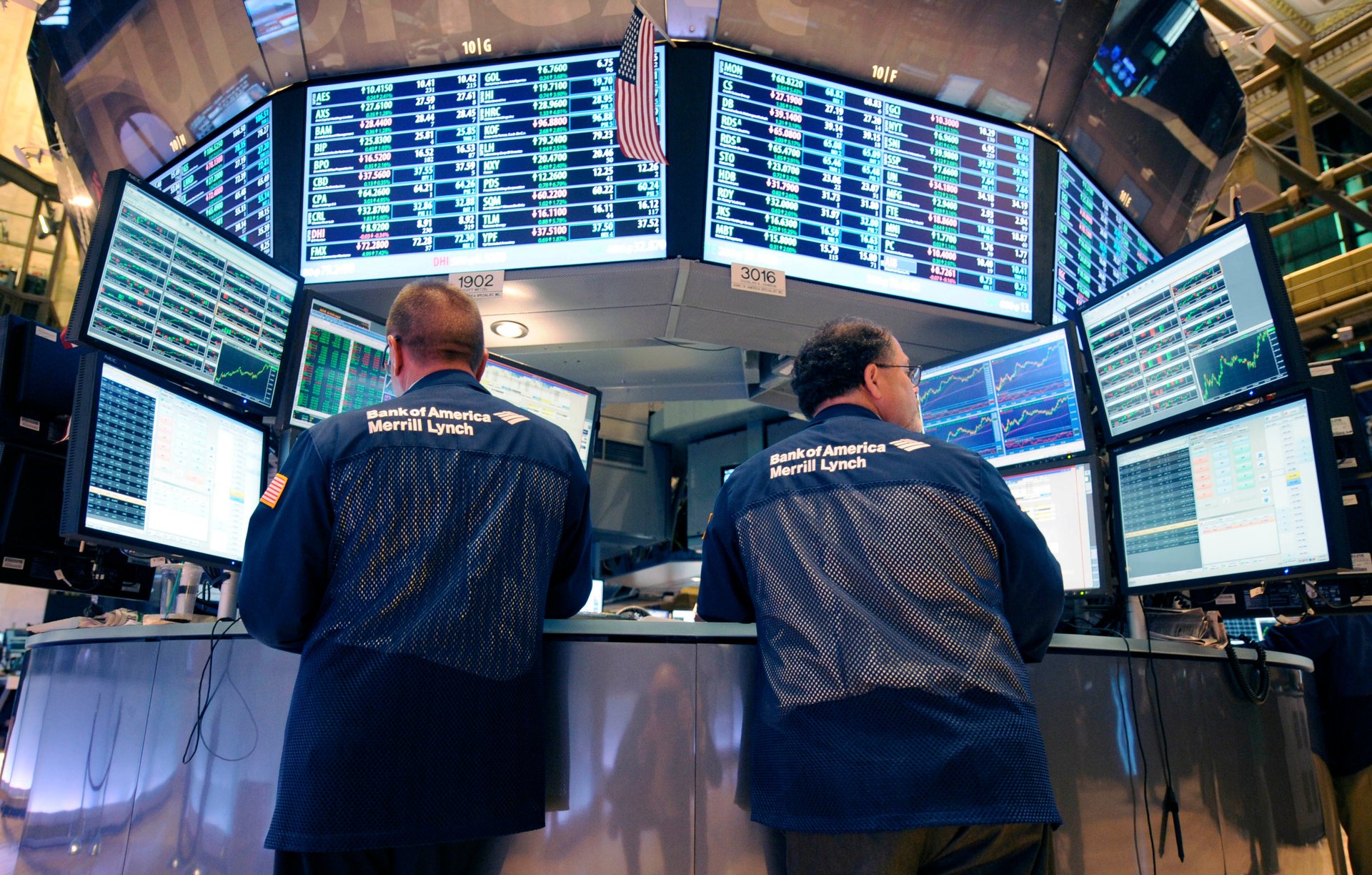
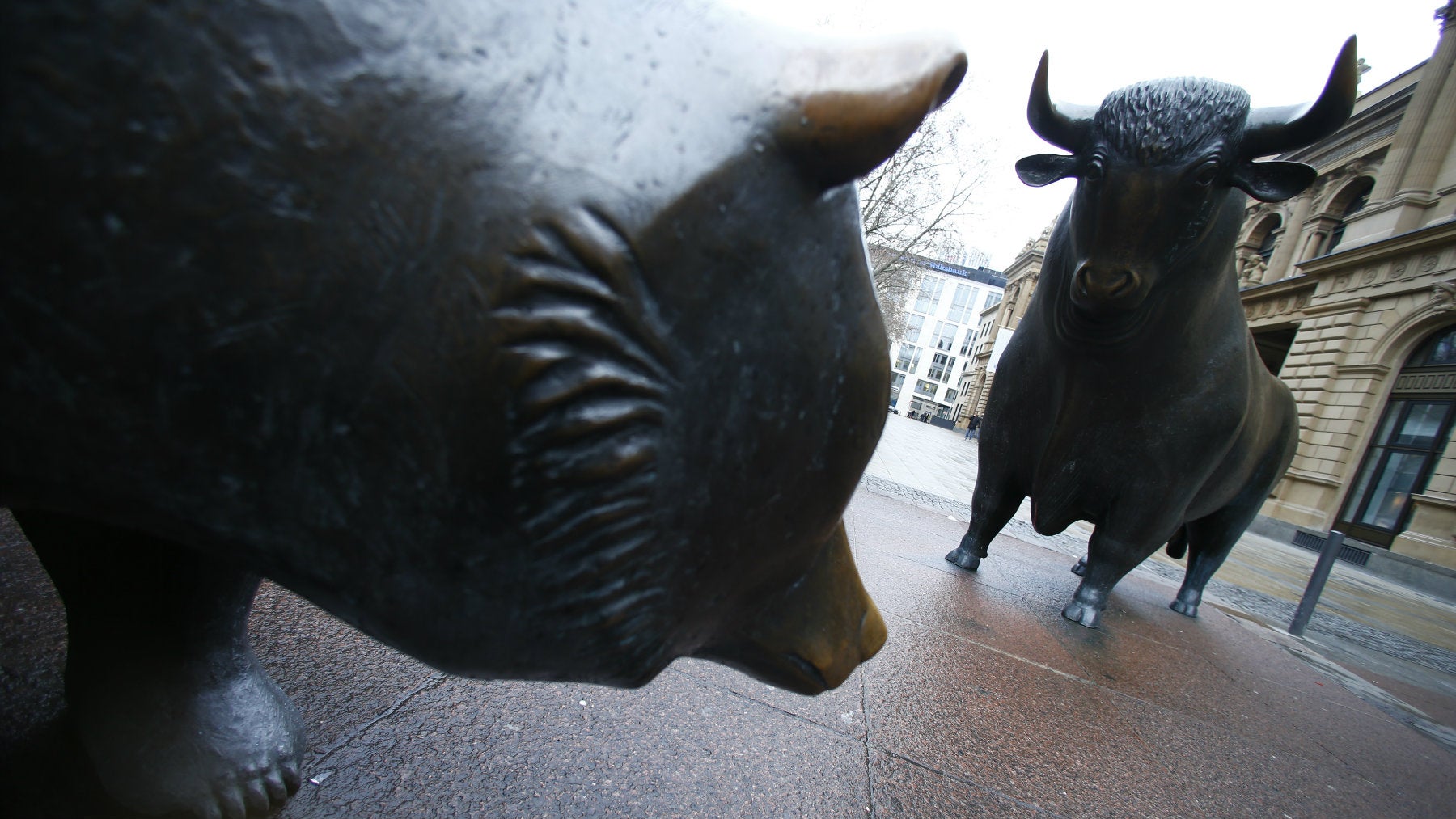
In the midst of the longest bull market in history, investors are starting to get nervous. What goes up must come down—but when?

It’s sometimes known as “millennial burnout”—even though the inability to complete seemingly uncomplicated tasks is by no means limited to one generation. In a viral tour-de-force for Buzzfeed, Anne Helen Petersen lays out the steps: paralysis, shame, and a failure to separate out medium-priority tasks from more pressing professional concerns. It’s all fed by overwork-fueled burnout that stultifies any effort to get things done, from completing paperwork for reimbursement to mailing a package.

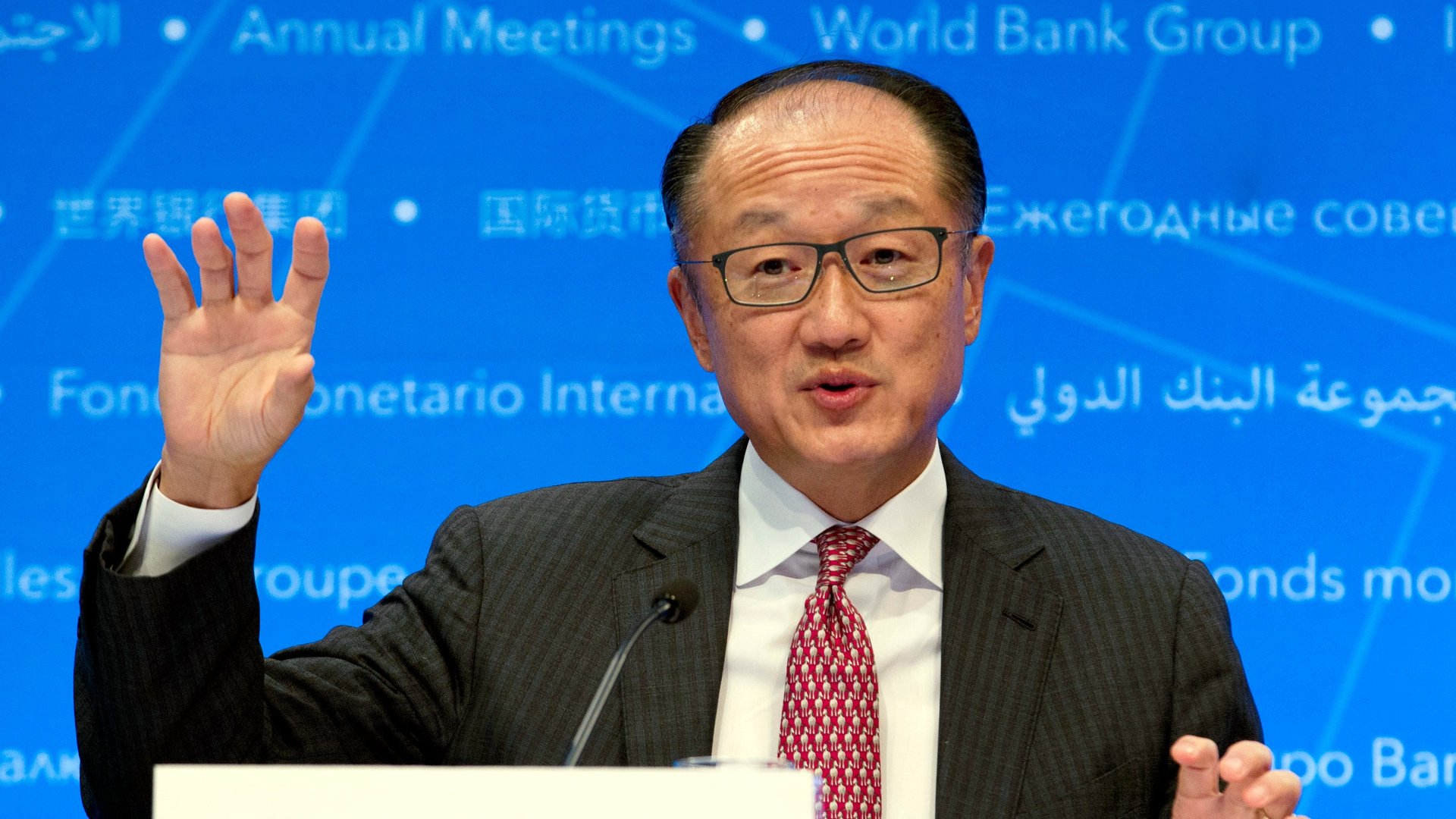
With three years left in his current term, World Bank president Jim Yong Kim announced he will resign on Feb. 1 after six years in the role. Immediately after his departure, he will “join a firm and focus on increasing infrastructure investments in developing countries,” the World Bank said, promising that more details would be announced soon.

Investors agree: 2018 was a bad year for markets.