
Business News
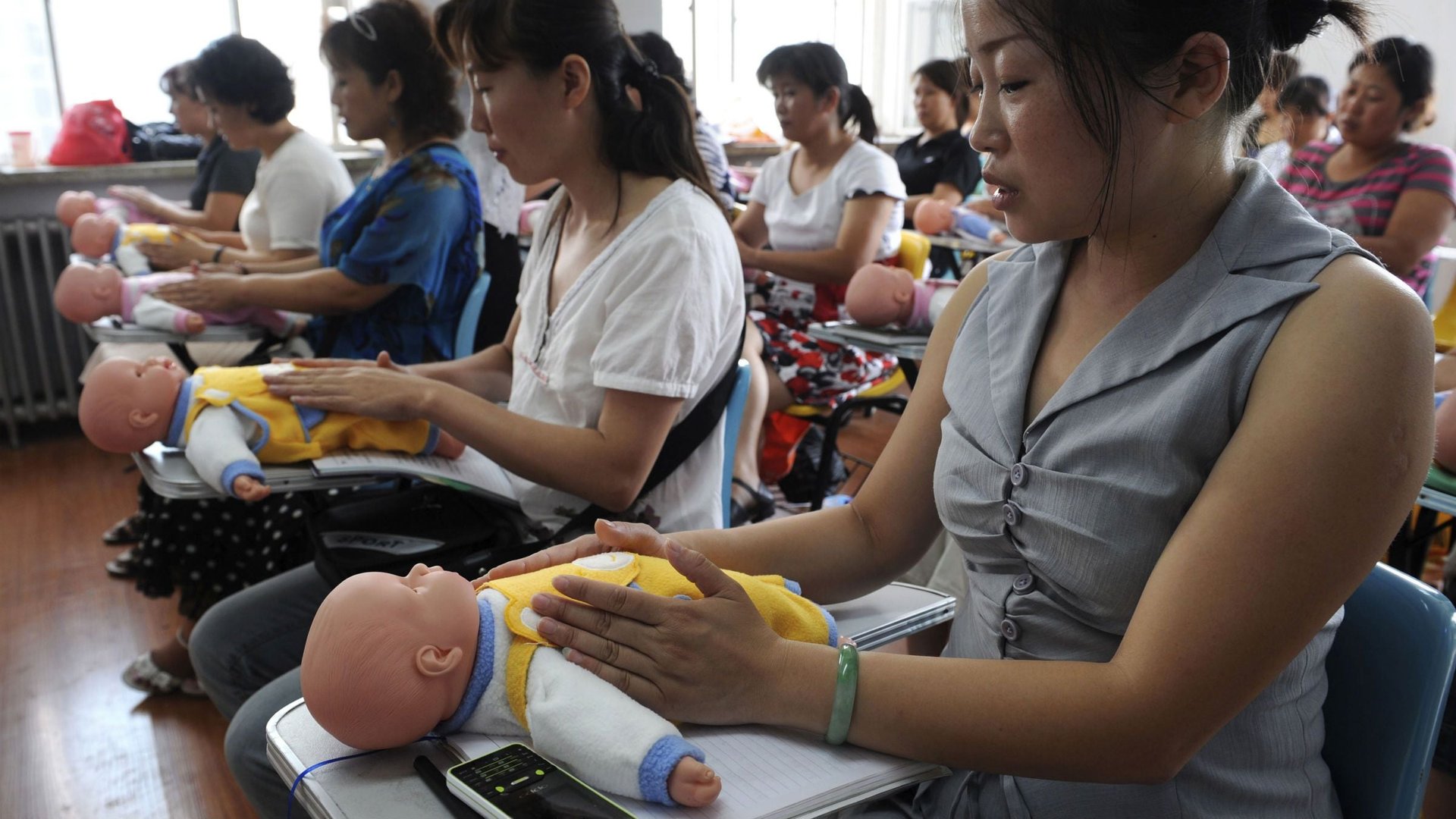
Even as babysitters, American men make more than womenIf scarcity imparts value, male babysitters have it all figured out.
Updated July 21, 20222 min read
If scarcity imparts value, male babysitters have it all figured out.

Among the things to hate about Barbie is that she’s styled such that no woman could ever have her proportions and remain bipedal. Many say she’s too thin, too made-up, and too passive-looking to be a role model for the modern girl. (Barbie’s response, of course, is #unapologetic.)

In Lean In, Facebook chief operating officer Sheryl Sandberg advised pregnant women not to “leave before you leave”—to spend their pre-pregnancy and pregnancy time aggressively climbing the ladder. She admits to jumping back onto her laptop after putting her children to bed at night. She’s missed doctors’ appointments and parent-teacher conferences. She has forgotten to dress her son in a green t-shirt on St. Patrick’s day. And she is a billionaire.

James Murphy, the former frontman of the band LCD Soundsystem, made what he called the biggest mistake of his life at 21, when he turned down a writing job on a sitcom that was about to launch.

The gender-wage gap still exists, but it isn’t as bad as we think it is—the apocryphal 77 cents on the dollar figure doesn’t accommodate the person’s profession or hours worked. When accounting for career choice, the gap might be as low as 5 cents, the author Christina Hoff Sommers wrote recently on the Daily Beast. Other sources have noted the same discrepancy. Writing in Slate last year, Hanna Rosin pointed out that women actually make about 91 cents on the dollar for doing the same work as men for the same number of hours.
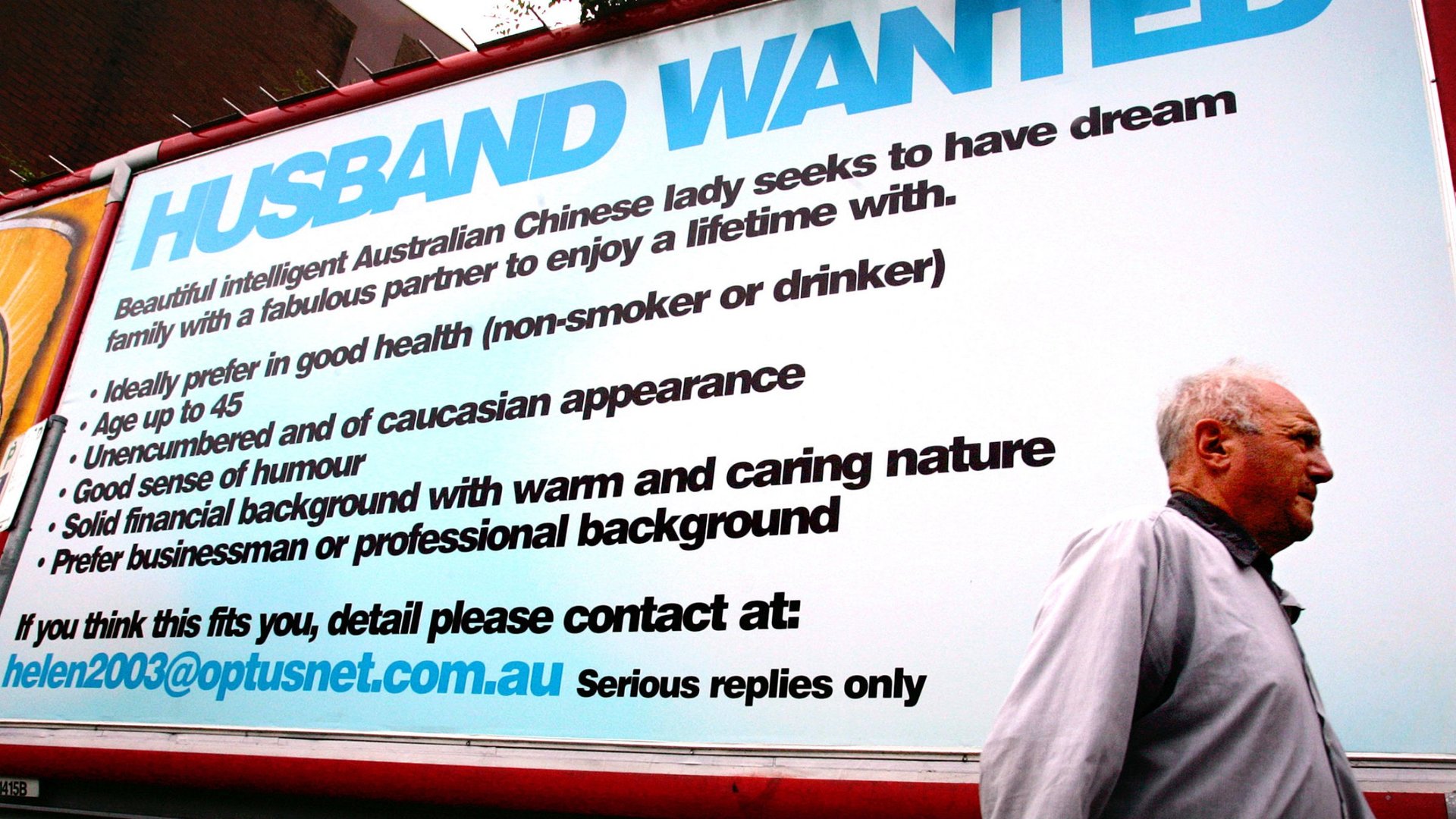
Edward Royzman, a psychology professor at the University of Pennsylvania, asks me to list four qualities on a piece of paper: physical attractiveness, income, kindness, and fidelity. Then he gives me 200 virtual “date points” that I’m to distribute among the four traits. The more I allocate to each attribute, the more highly I supposedly value that quality in a mate.
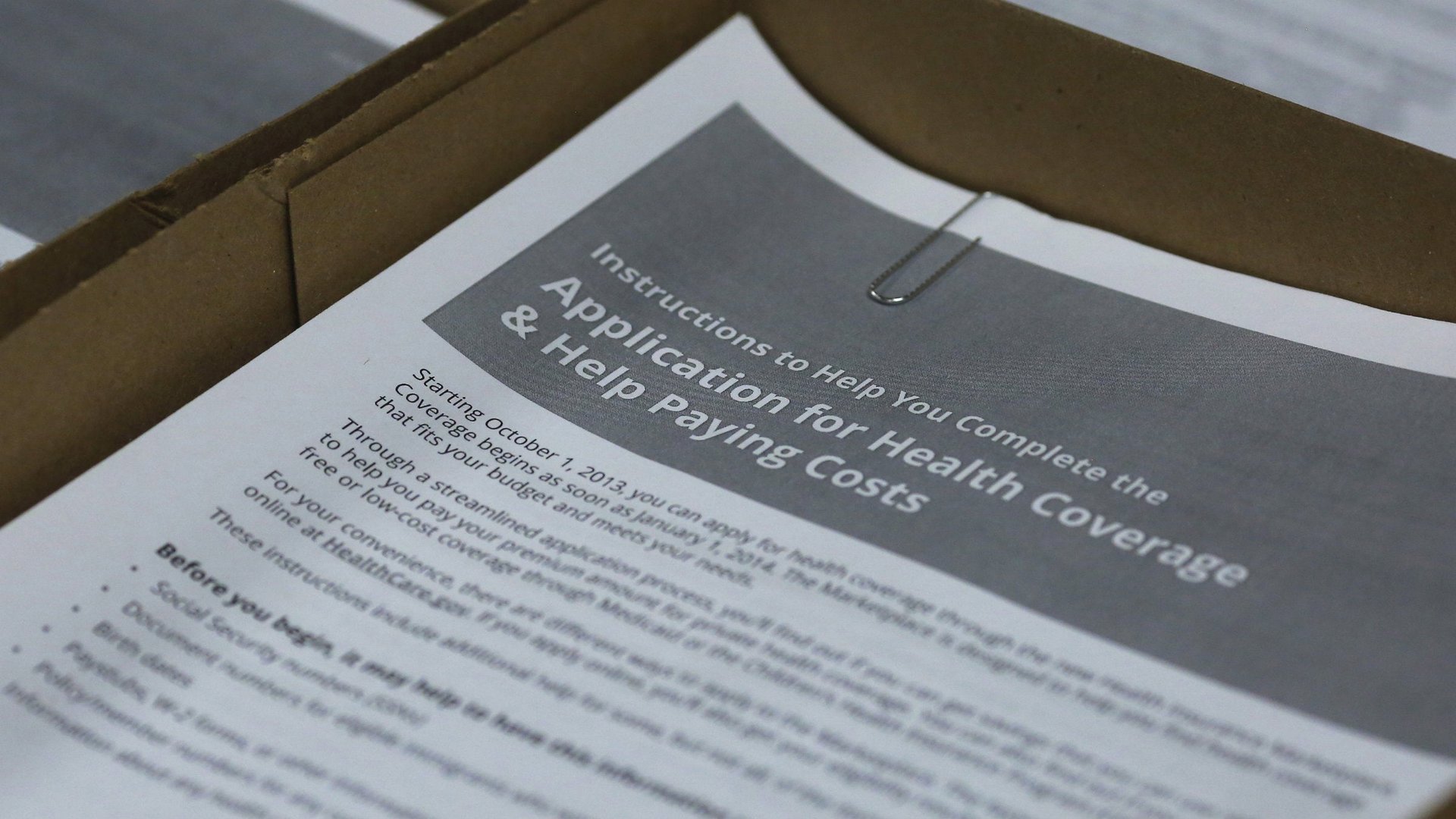
Since 1900, the average American lifespan has increased by 30 years, or by 62%. That nugget comes near the beginning of a new report taking stock of the US healthcare system, published in the Journal of the American Medical Association this week, and it’s also pretty much the last piece of good news in it.
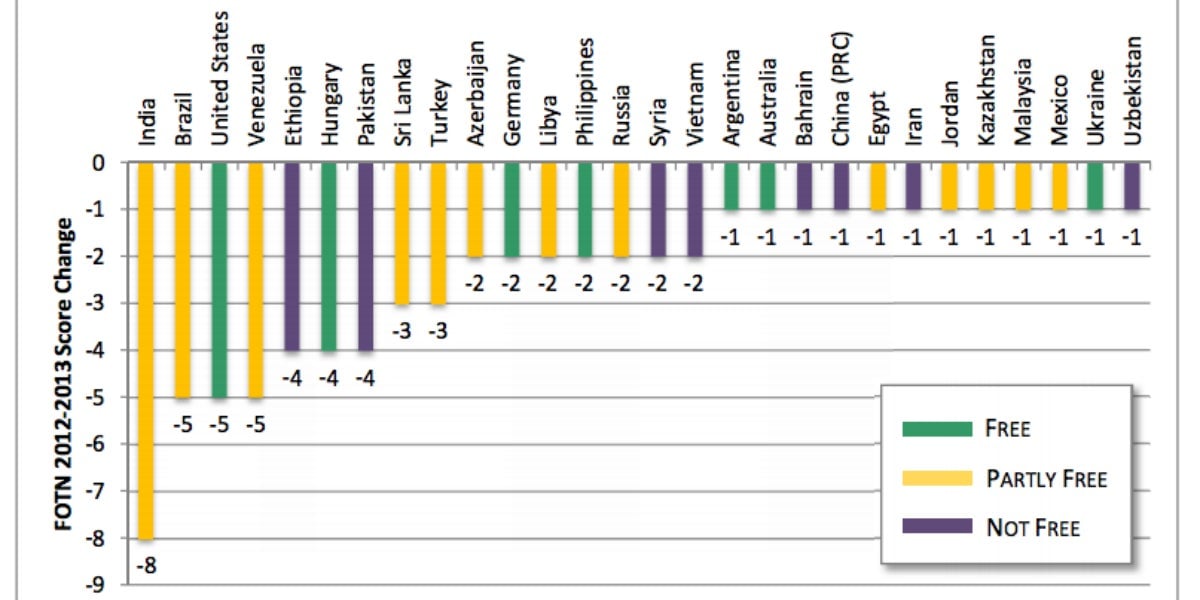
As much as we online journalists love reports that rank things, even we must sometimes resist the urge to blog about them, even “in one map.” Because honestly, some countries are just going to either be really good or bad at various things for the foreseeable future. Just as the Central African Republic is not going to be the best country for women within our lifetime, you’ll probably never see a Scandinavian nation on a “failed states” slideshow.
I’ll admit, I’m just as into ranking the world’s nations on various attributes as the next person. So I might be the last person you’d expect to come forward with a plea for caution on these things.
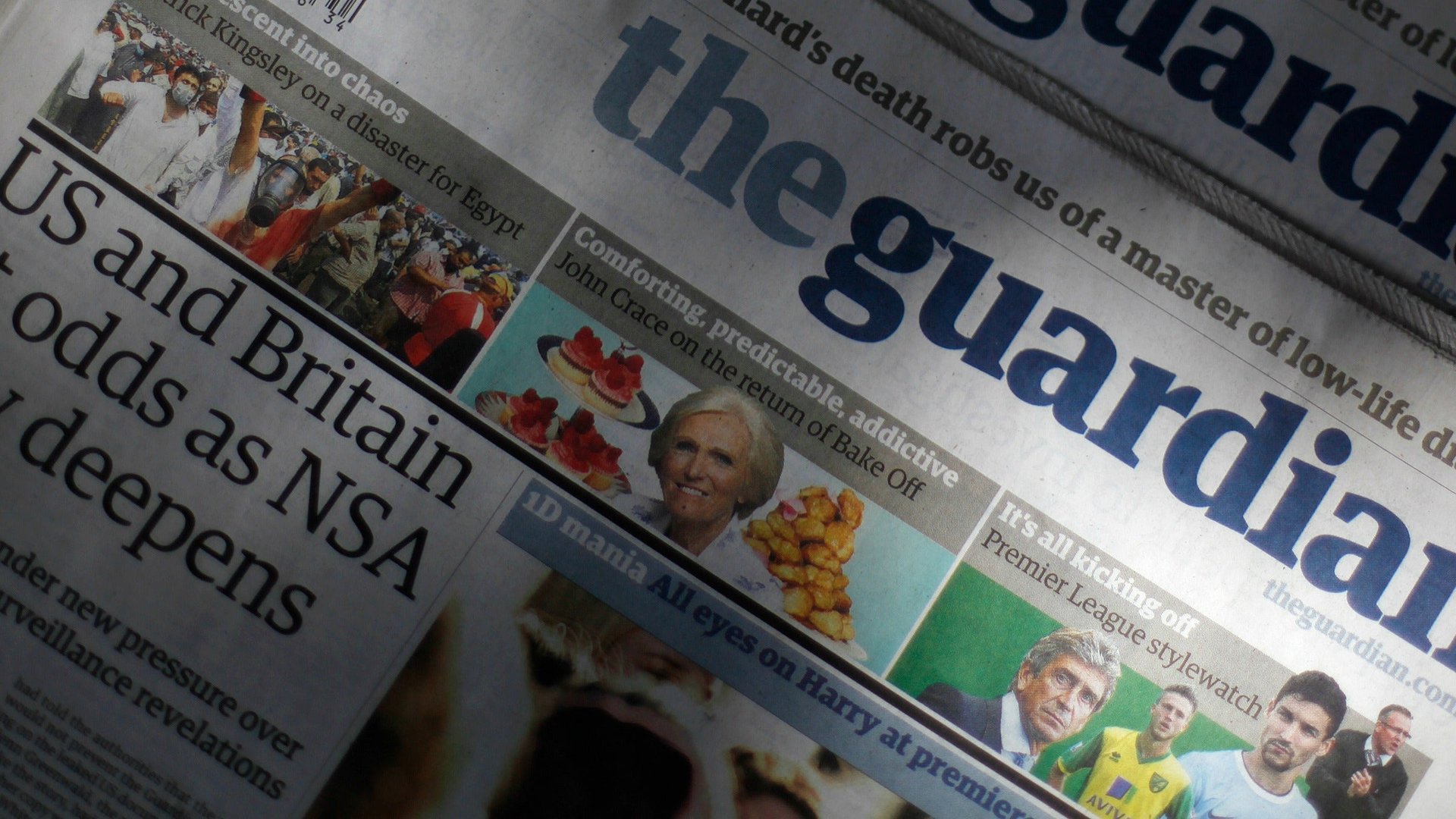
One Saturday in July, British intelligence officers watched as two Guardian employees used grinders to destroy hard drives and memory chips that held documents from the US and UK spying programs revealed by Edward Snowden. It was their only choice, the Guardian later wrote, other than to surrender the equipment to officials.
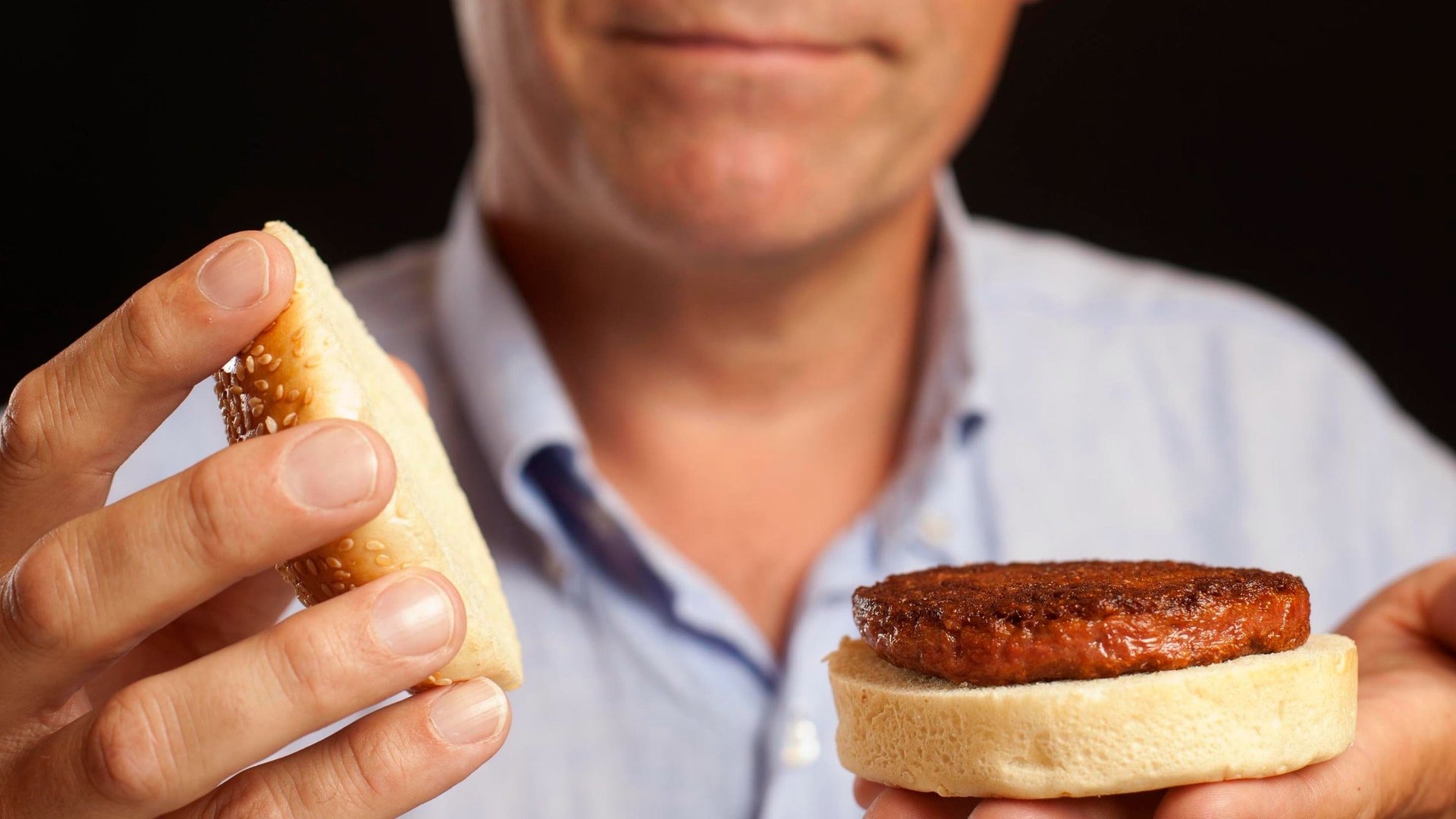
The hamburger grown from stem cells in a lab may have tasted kind of bad, but that didn’t seem to dampen hopes for its revolutionary potential:

Last week there was news of a rare victory—if you can call it that—in Americans’ decades-long battle against bulge: We’re no longer number one in obesity, it turns out, we’re number two. The dubious distinction of fattest country now goes to Mexico, where 32.8% of the population is obese, and where rates of obesity and overweight have tripled since 1980.

It’s hard not to get jealous when I talk to my extended family.
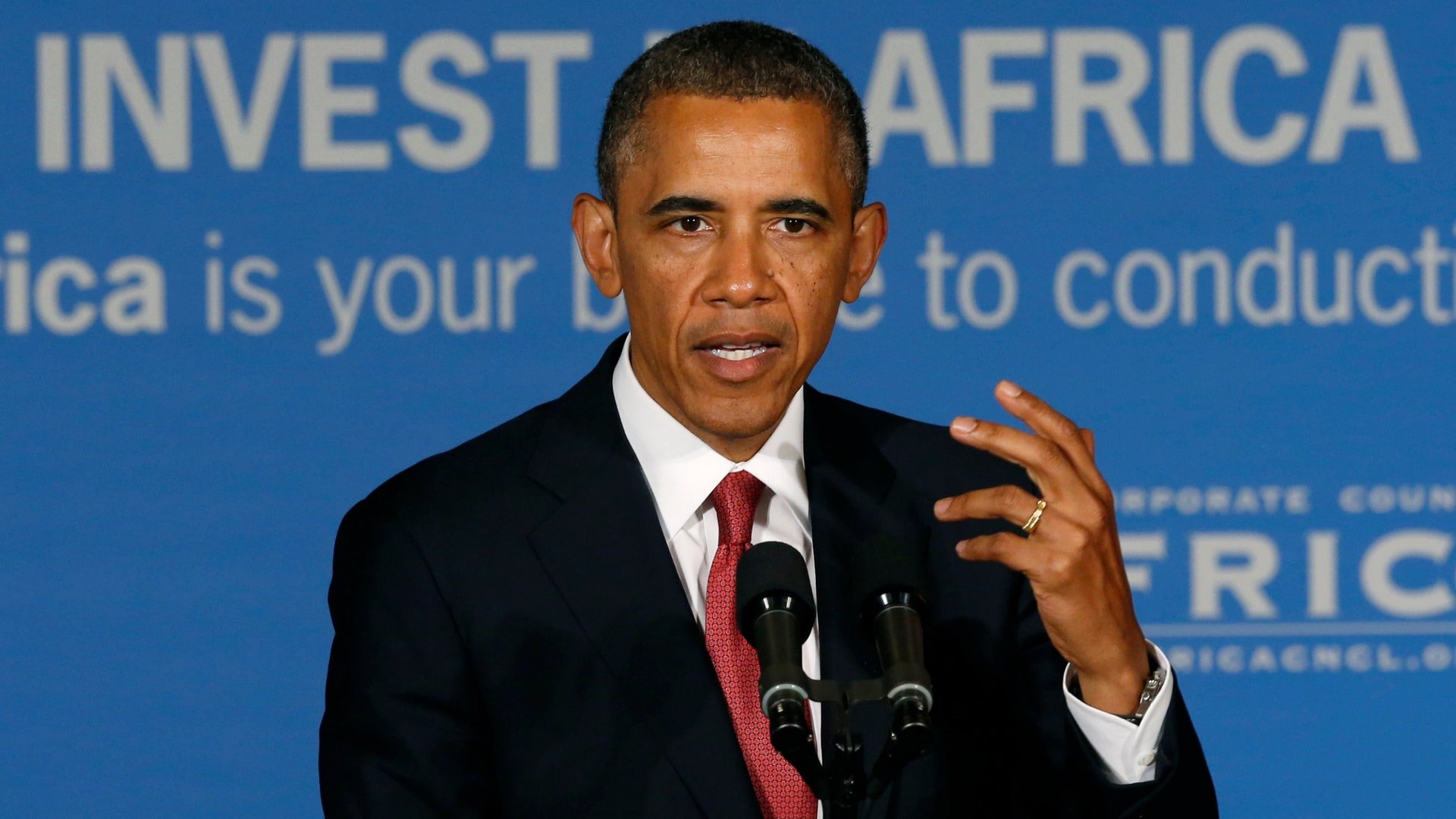
When Western officials have historically visited Africa, the major themes have been things like combatting poverty and fighting horrible diseases. So it was a bit of a departure for Obama to focus on investment and trade instead.

The good news is that fewer people are using heroin and cocaine, the UN Office on Drugs and Crime says, at least in the Western world. The bad news is that they’re finding all sorts of new, legal stuff to get high on.

In his interview from Hong Kong this weekend, NSA-leaker Edward Snowden floated the idea of heading to Iceland to seek asylum.

The revelation that the US National Security Agency seems to be collecting the phone records of millions of Verizon customers is shocking, but it’s actually part of a growing trend in which governments worldwide are relying on widespread, unrestricted surveillance in the name of national security.

As you might expect, North Korea’s “Internet” mirrors North Korea itself: Sad, secluded, and limited to just a handful of propagandistic sites.

OSLO, Norway—In a way, Lobsang Sangay ended up overseeing of one of the world’s longest-running political conflicts largely by accident. A Tibetan legal expert born to refugee parents in India, he was working at Harvard University when, on a lark, he ran for Tibet’s top government job as sikyong, or prime minister, in 2011.

There was some rare happy news out of Bangladesh today as Reshma Akhter, an 18-year-old seamstress, was dug out and rescued after 17 days of being trapped in the wreckage of a collapsed eight-story garment factory building where 1,045 other people have perished. The Rena Plaza incident is officially the worst disaster in the history of the global clothing industry, and it renewed calls for improved safety protections and building code standards in Bangladesh—a country that owes much of its recent economic growth largely to low-wage clothing work.

This Mother’s Day, you might find the best-off äitis in Finland, and the worst-off mamans in the Democratic Republic of Congo. Those are the best and worst countries for moms, respectively, according to one international ranking released this week:
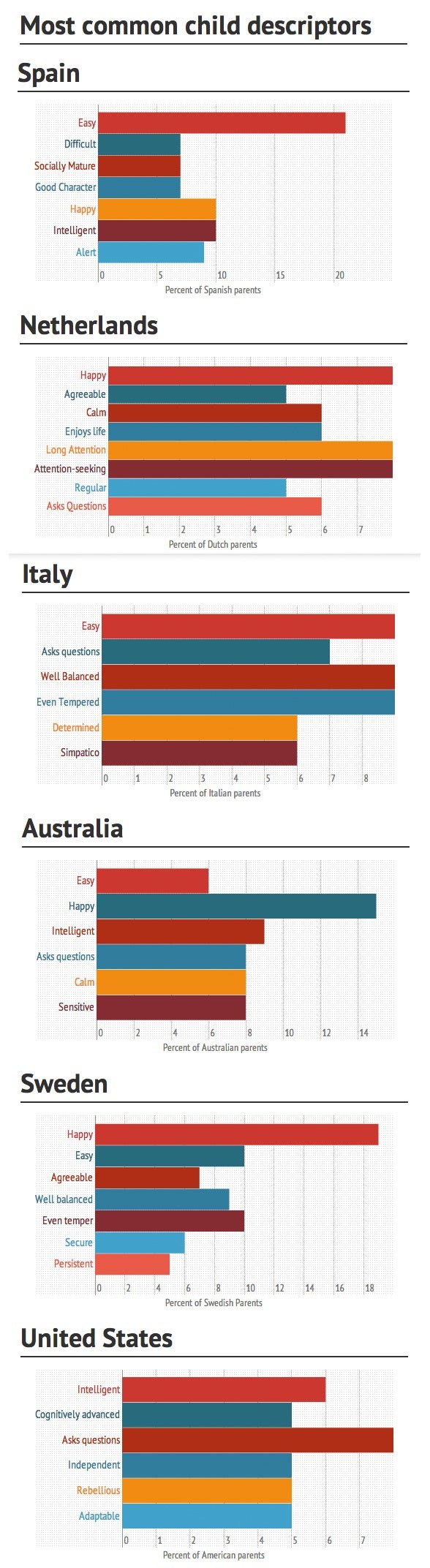
If you ask American moms, we are raising a nation of baby Einsteins. Here’s what one parent had to say about the intelligence of her 3-year-old, which was apparent to her from the very first moments of her life:
It’s been an alarming past few weeks for fans of international travel.