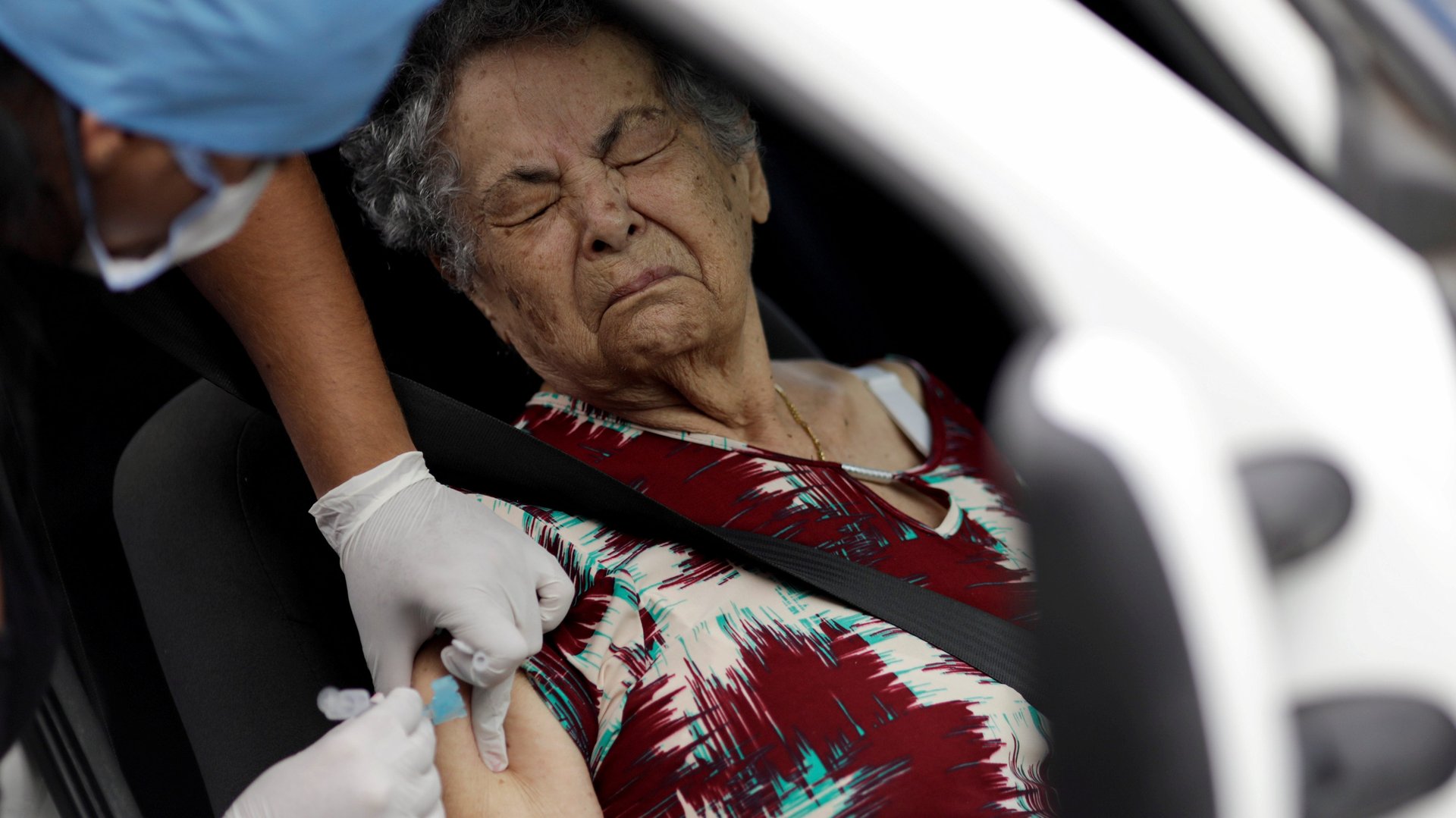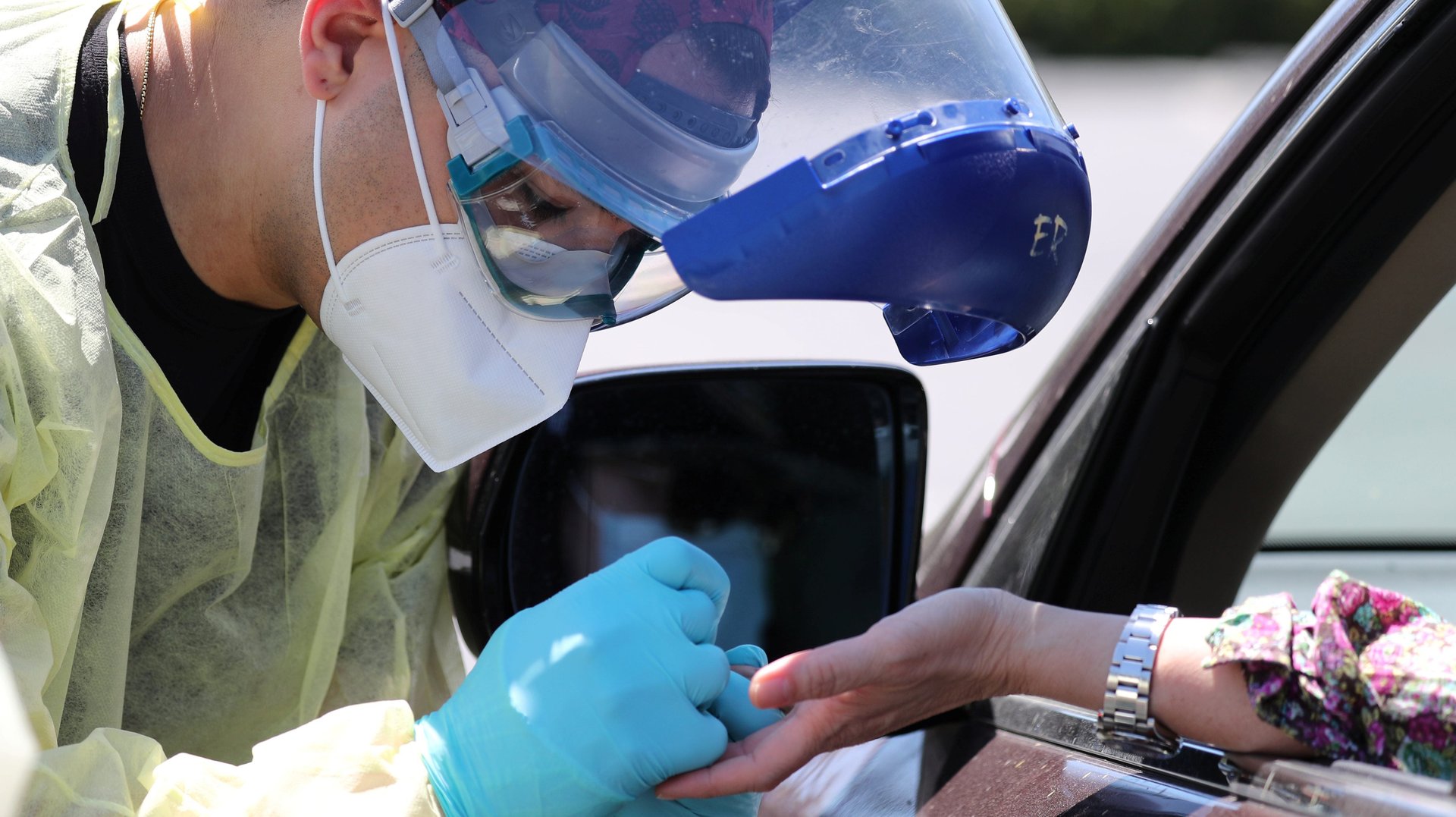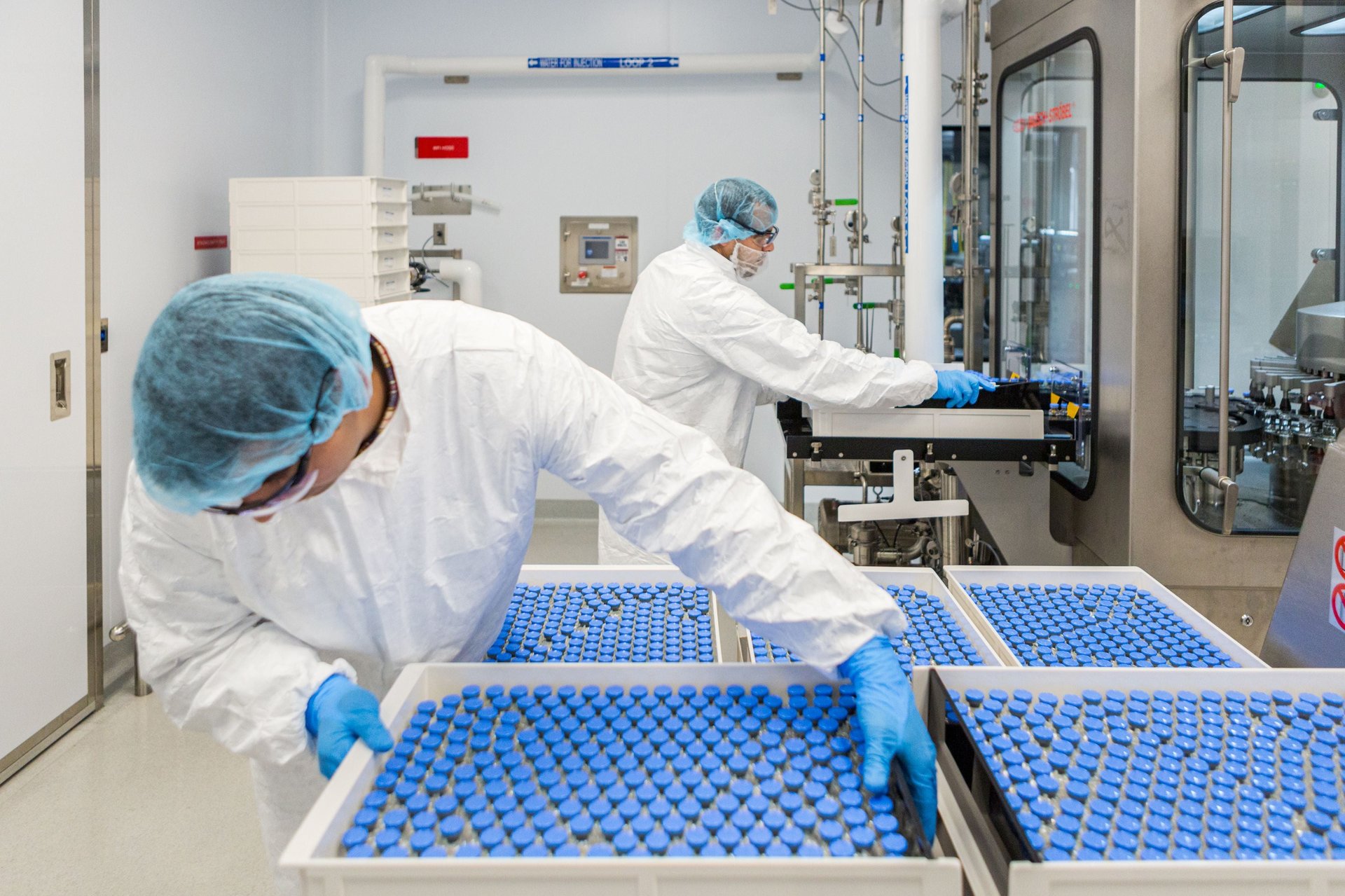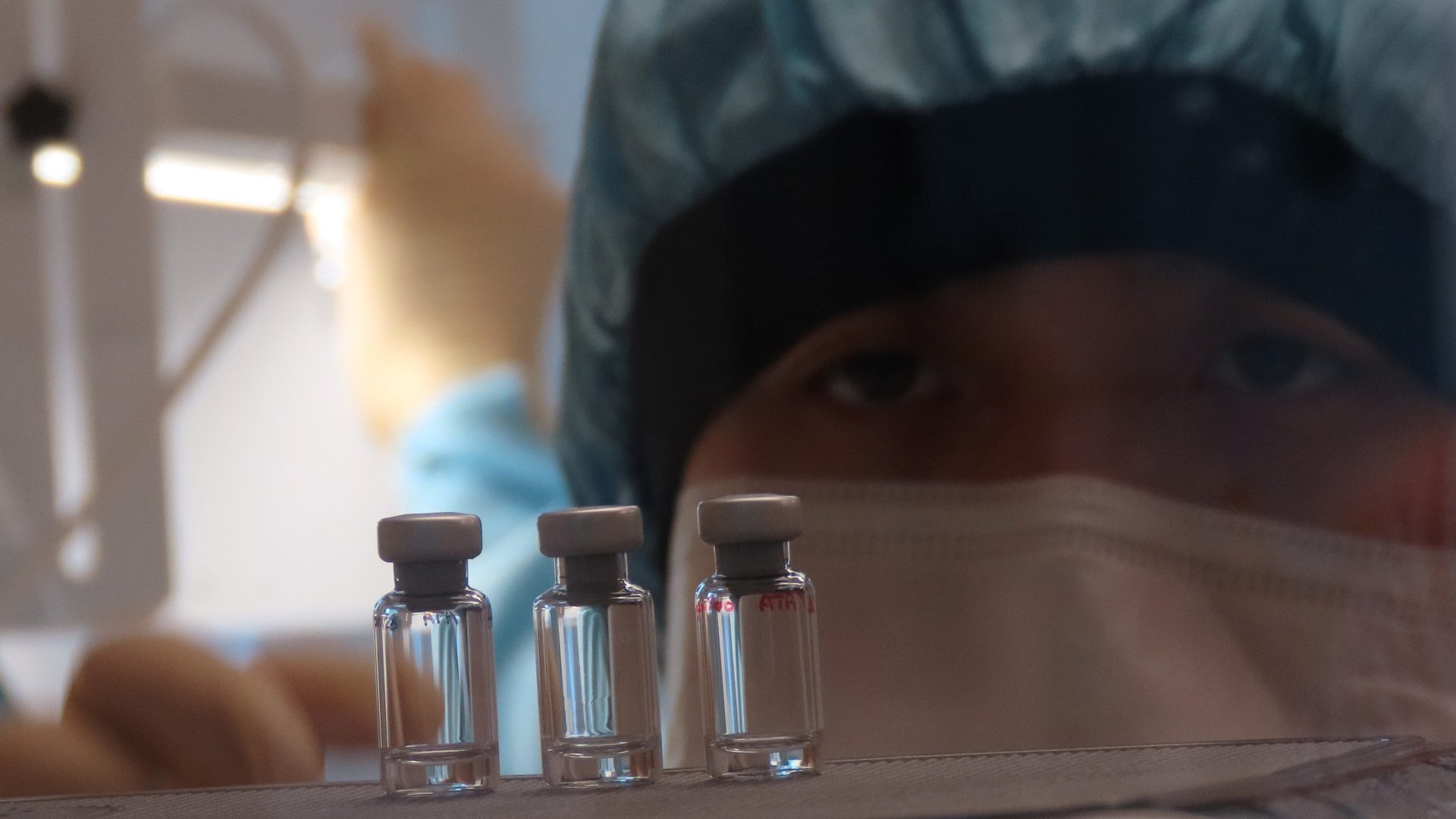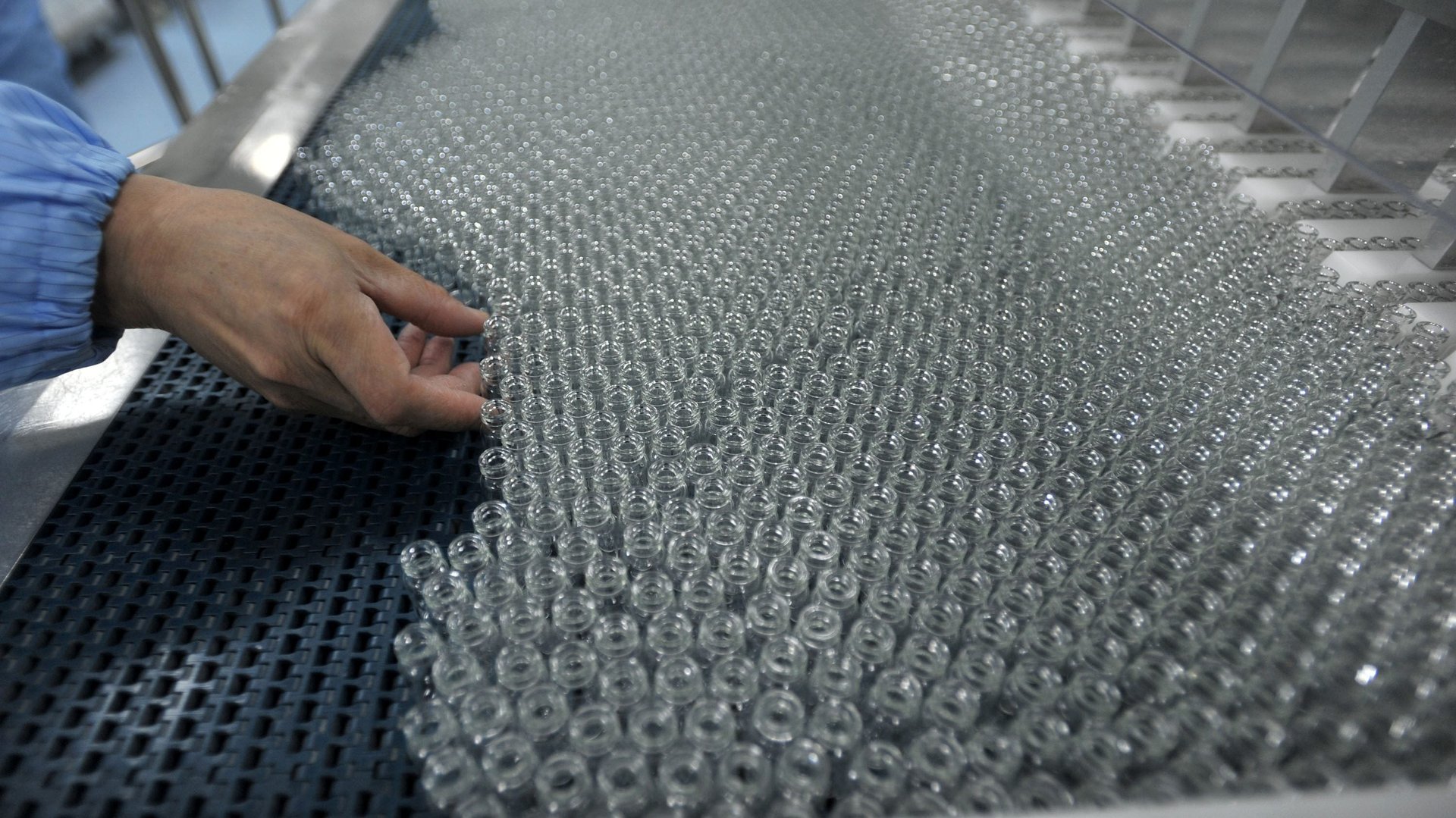
If scientists find a successful coronavirus vaccine—which is still “if,” rather than “when”—the companies that own the rights will face the difficult question of who gets the first doses.

If scientists find a successful coronavirus vaccine—which is still “if,” rather than “when”—the companies that own the rights will face the difficult question of who gets the first doses.

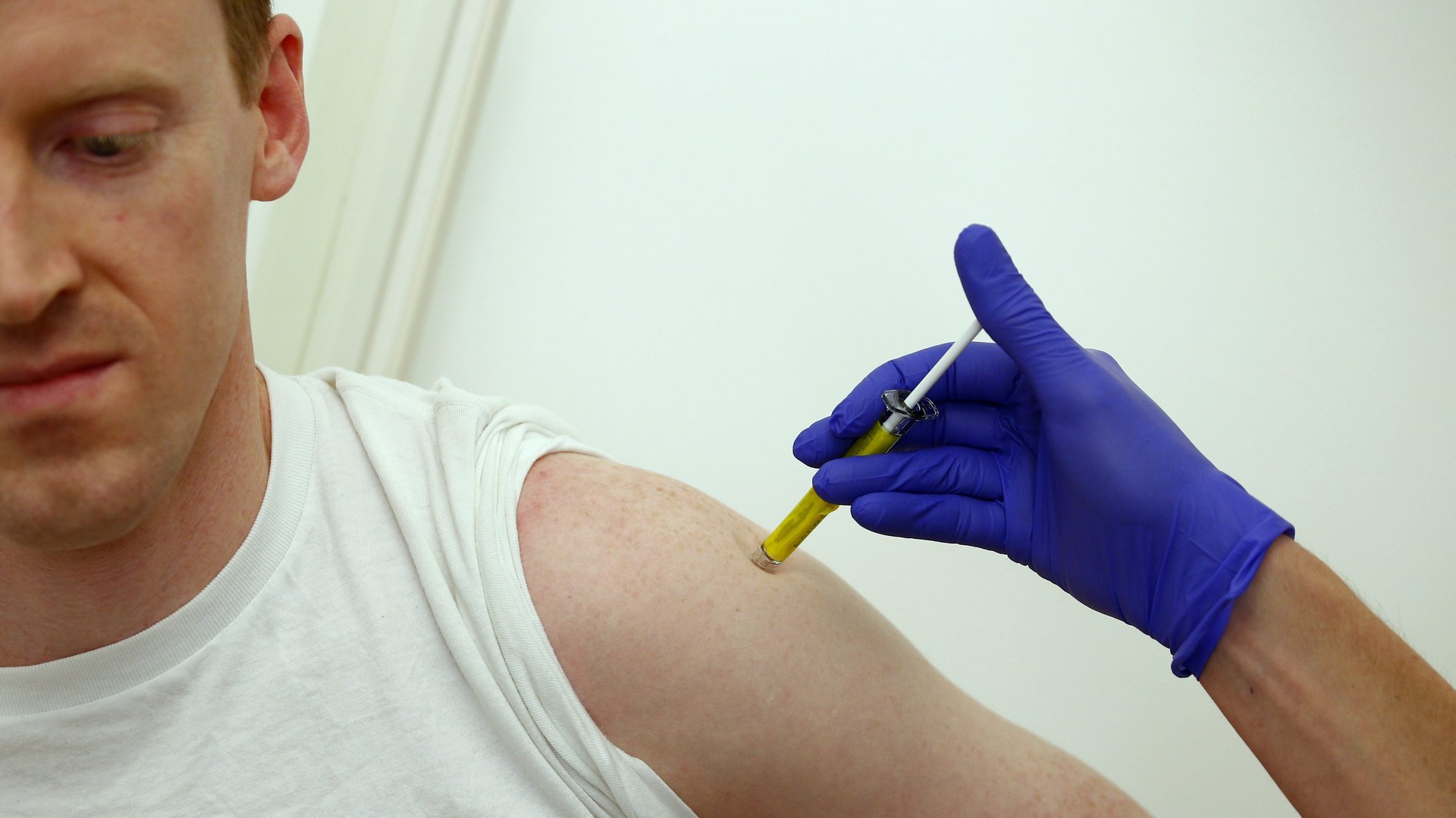
More than 30 coronavirus vaccines are being tested on humans worldwide, and North Korea just joined the race. On Saturday (Jul. 18), the country’s State Commission of Science and Technology announced government scientists had started on the first stage of human trials for a vaccine candidate, according to the Korea Herald.

Fighting a pandemic will take more than scientific expertise and a collective sense of panic. It will take billions and billions of dollars.

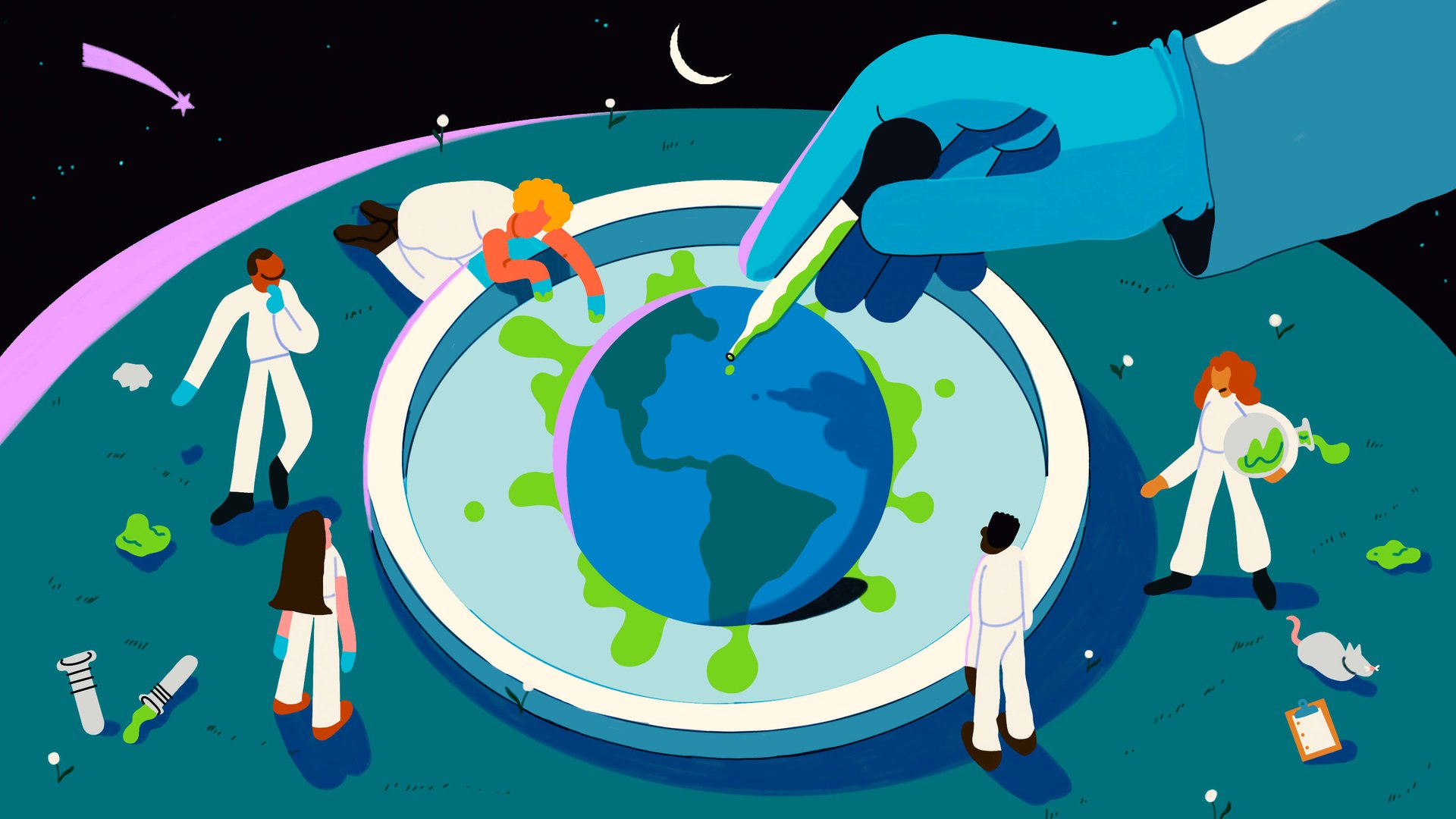
Scientists, like the rest of us, have abruptly abandoned their plans in the face of coronavirus. Genetically modified mice have enjoyed a rare break from scientific scrutiny, while new vaccines for everything from lung cancer to malaria are now on hold. The urgency of the pandemic has pushed many institutions to cast aside their established priorities, discarding samples and redirecting manufacturing plants in the rush to reallocate resources. Coronavirus has subsumed their work.

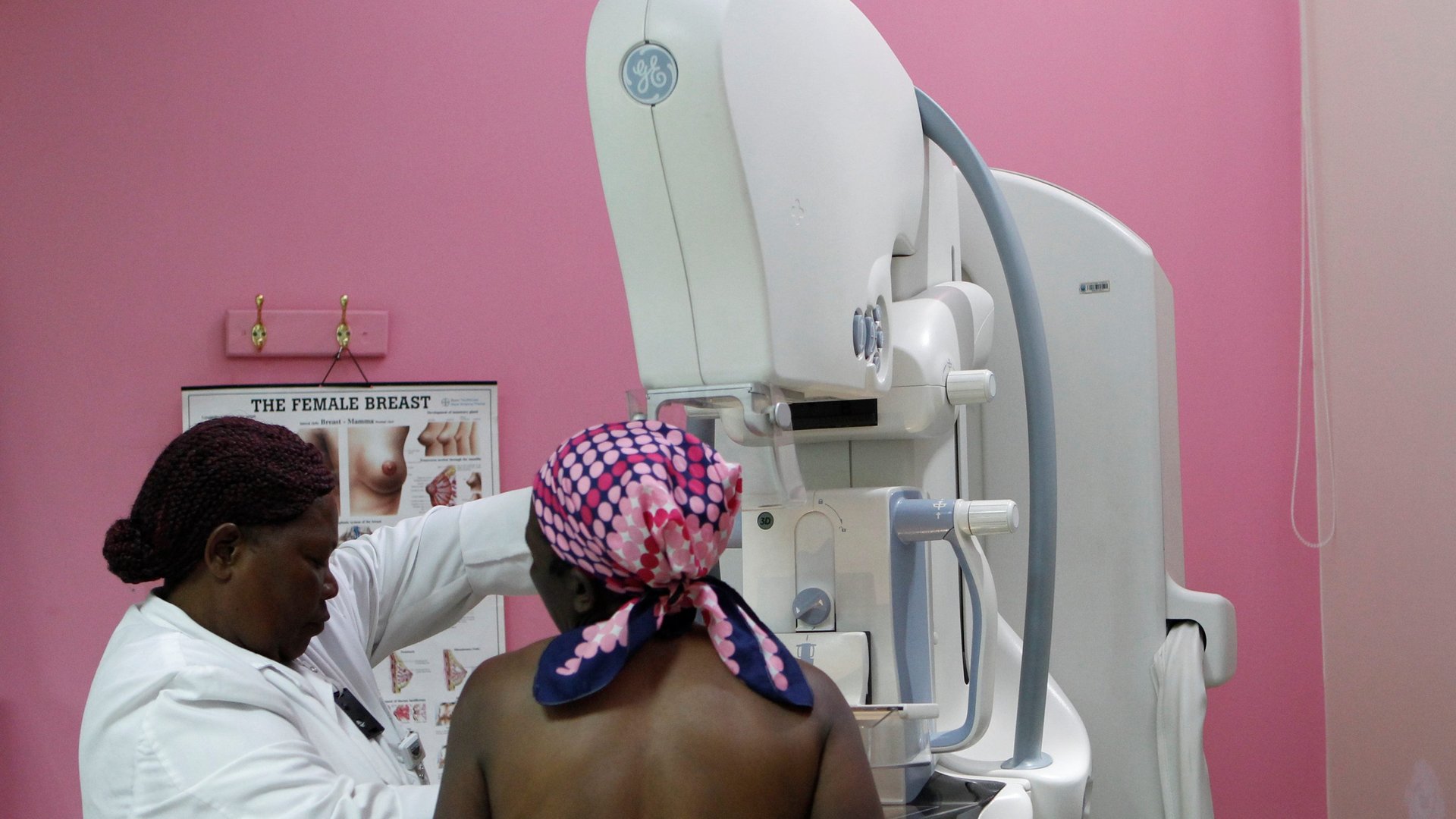
Non-essential doctor’s appointments are off the table as patients shelter at home to prevent the spread of coronavirus. Colonoscopies, mammograms, and screenings that diagnose cancer have fallen dramatically, as have other cancer-related appointments.

In April, Anthony Fauci, director of the US National Institute of Allergy and Infectious Disease (NIAID), said a coronavirus vaccine was “on track” to be distributed to the public in 12 to 18 months.

Faced with the threat of Covid-19, the world needs a vaccine, and fast. But typical timelines for vaccine development are years, even decades, long.

Several coronavirus antibody tests have been authorized for public use, but so far their accuracy has been iffy. A new test created by Roche and cleared by the US Food and Drug Administration (FDA) for emergency use today, May 3rd, significantly ups the standard.

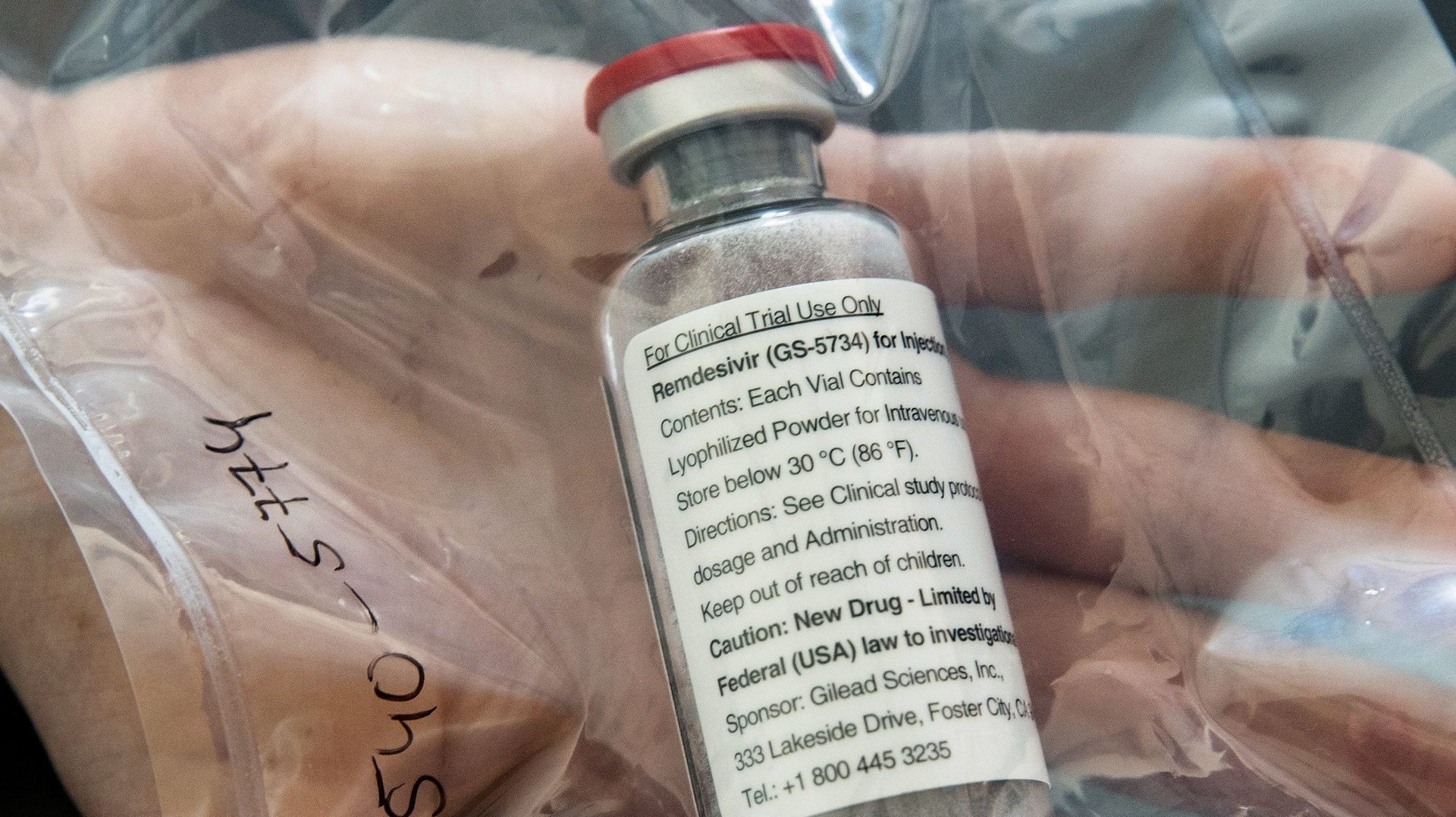
The pharmaceutical supply chain is moving rapidly to treat coronavirus patients. On May 1, the US Food and Drug Administration granted the antiviral drug remdesivir emergency use authorization, meaning it can be used as treatment. The head of the Gilead Sciences, which makes remdesivir, today said the company had donated its full supply to the US government, and that federal authorities will begin shipping the drug across the country in the next few days.

Around the world, millions of people are hoping for a vaccine to protect against Covid-19. Plenty of anti-vaxxers, though, are holding fast to their inoculation suspicions.

This week, results from a study of the antiviral drug remdesivir showed that the drug reduced recovery time in Covid-19 patients. And today (May 1), President Trump announced that remdesivir has been authorized for emergency use in coronavirus patients by the Food and Drug Administration. But scientists are still waiting to review the details of the study that supports this decision.

At-home diagnosis could be a valuable tool to stem the spread of Covid-19. Patients could avoid crowded medical centers, and healthcare workers wouldn’t need to use precious personal prospective equipment (PPE) to administer tests. So far, only one at-home diagnostic test meets US Food and Drug Administration (FDA) standards, but several companies are hoping to have their tests authorized soon.

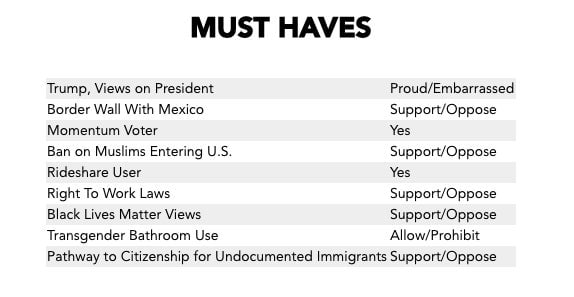
Cambridge Analytica is the most famous data company associated with President Trump’s online strategy but, according to former staffers, it was not the most influential. “Their whole personality profile turned out to be complete BS,” Matt Braynard, a former data director for Trump’s 2016 campaign, told Quartz. “But HaystaqDNA, however they did it—whether it was black magic or what—was incredibly effective.”

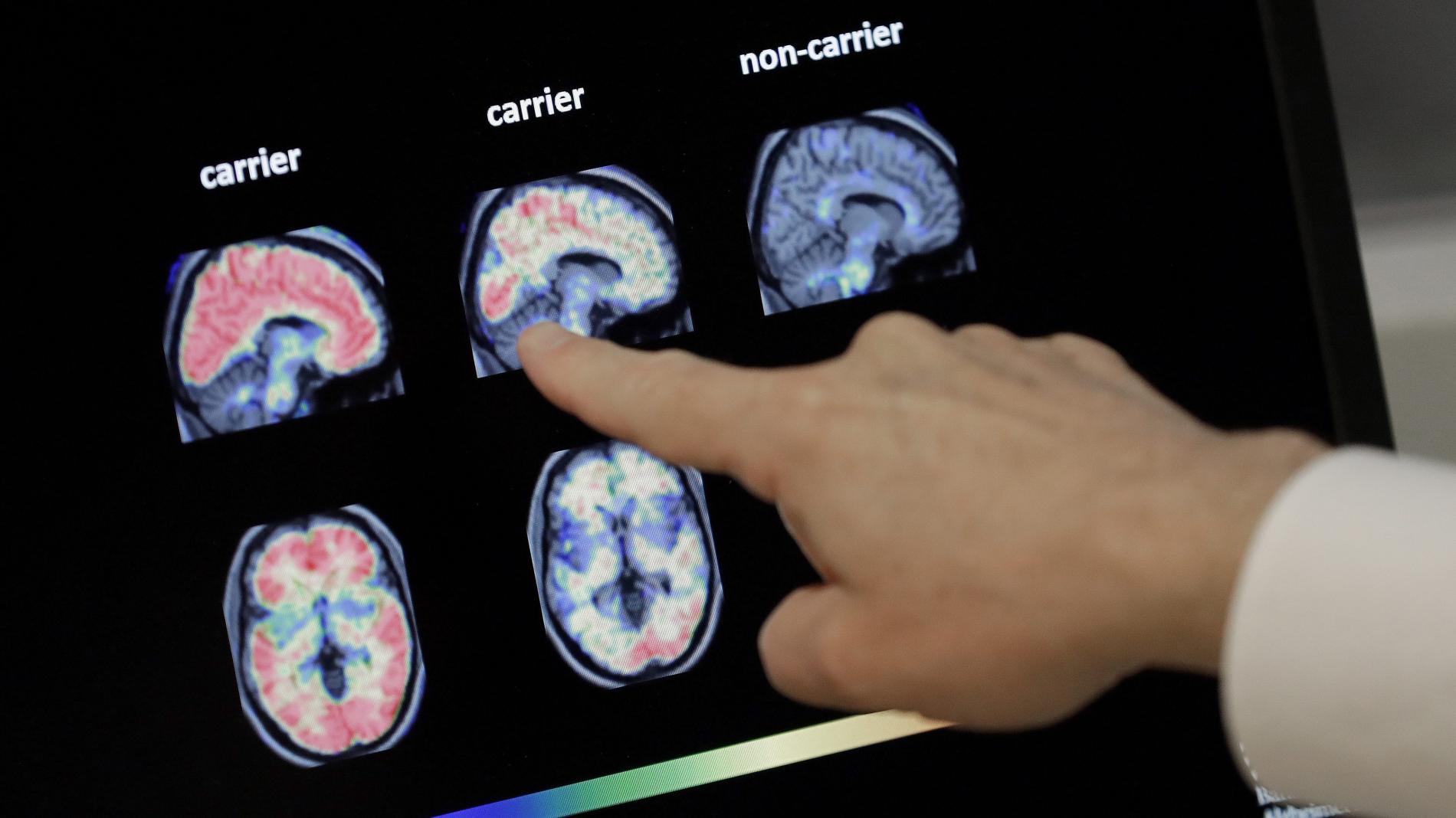
Last December, Biogen made an exciting announcement: The company was set to submit an Alzheimer’s drug, aducanumab, to the US Food and Drug Administration early in 2020 and strongly expected approval to be granted. Four months later, there’s been no sign of progress. And in an earning’s call today, Biogen said there would be further delays, with plans to submit the FDA application in the third quarter this year.

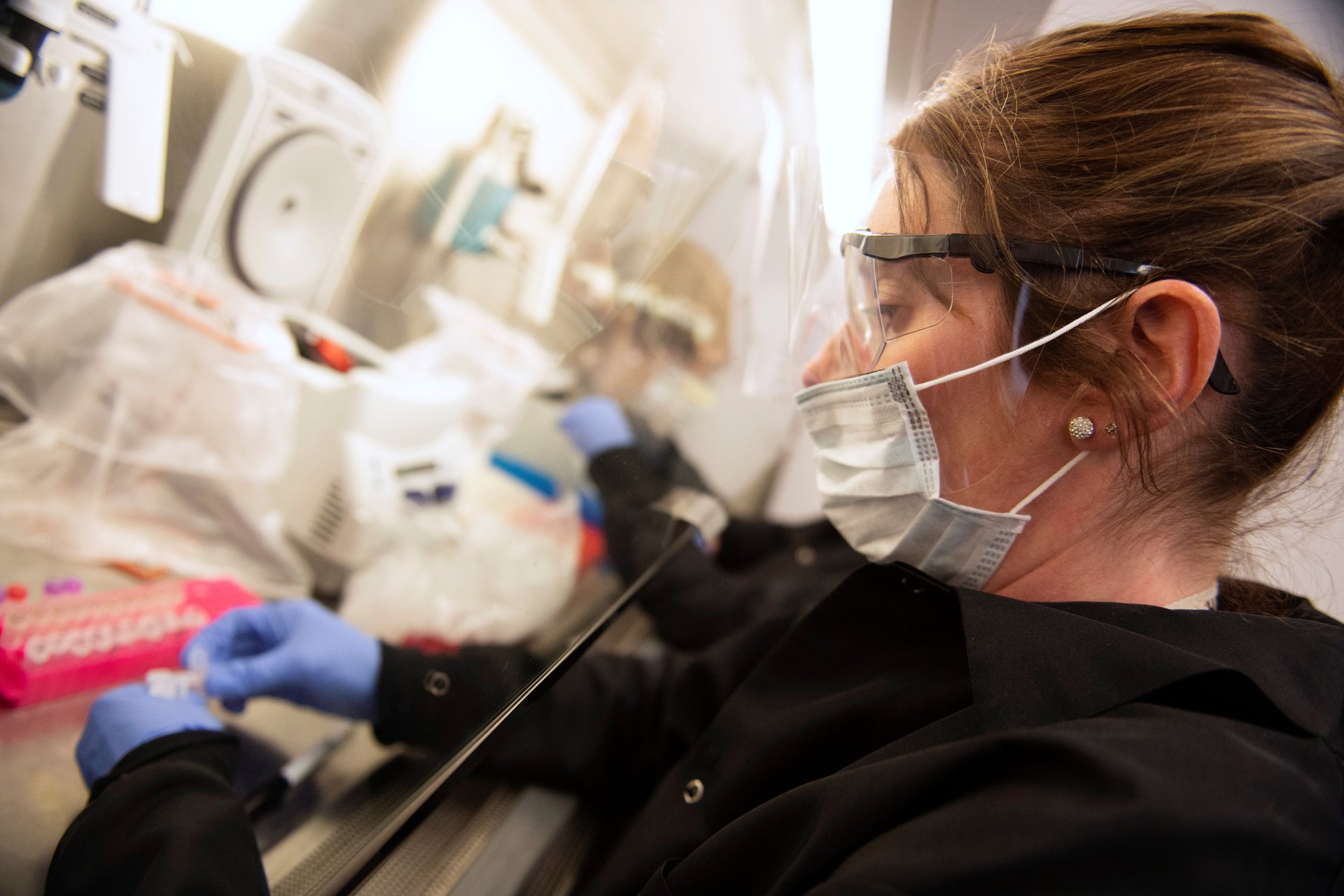
The world is months, if not years, away from a validated coronavirus vaccine. Small biotech firm Moderna, the first company to launch vaccine trials in humans, has barely begun its first safety study in a small group of 105 people. Yet the US government’s Biomedical Advanced Research and Development Authority (BARDA) has already invested $483 million to scale up the company’s vaccine production, along with hundreds of millions more for other vaccines that have yet to be tested.

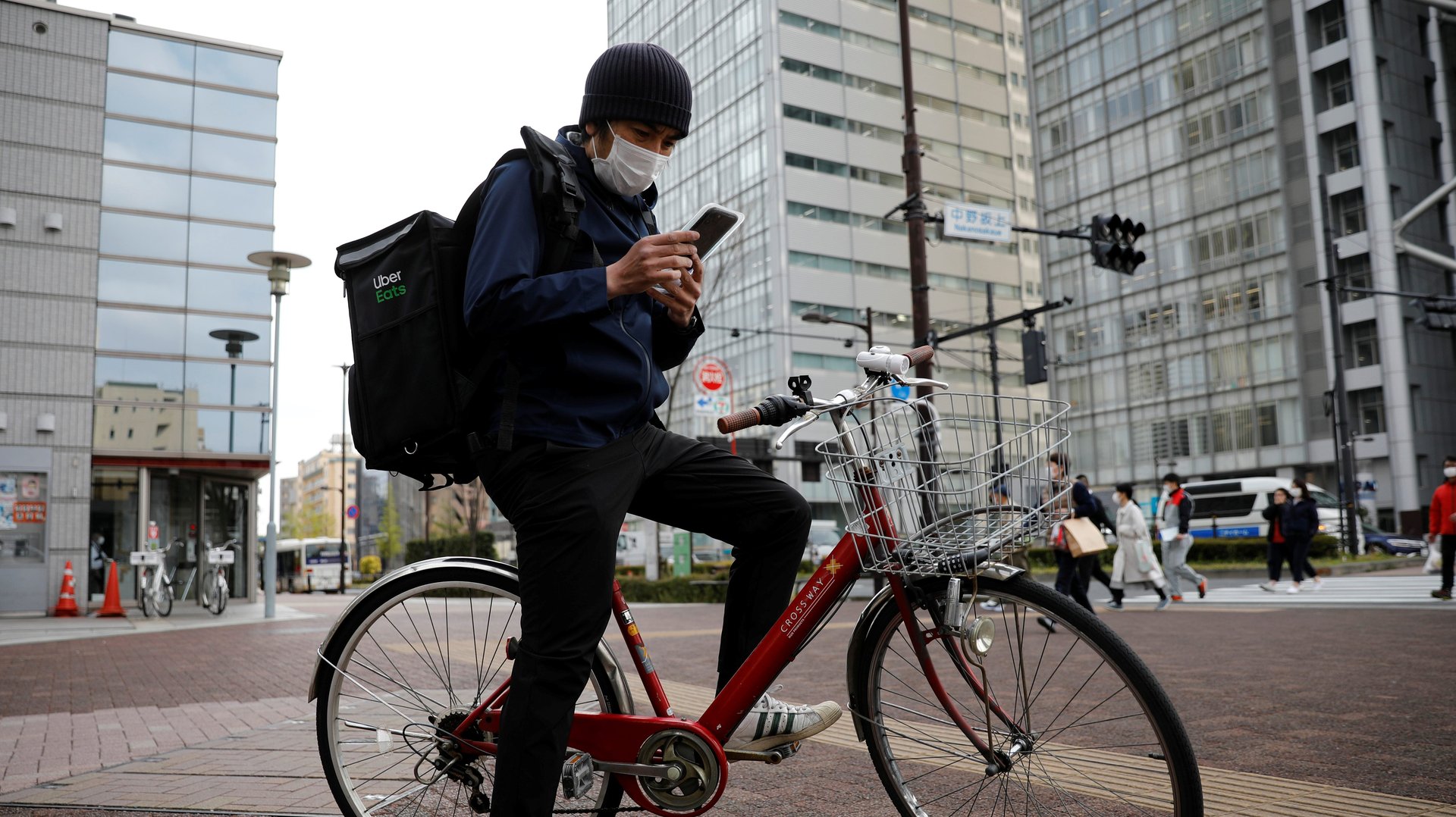
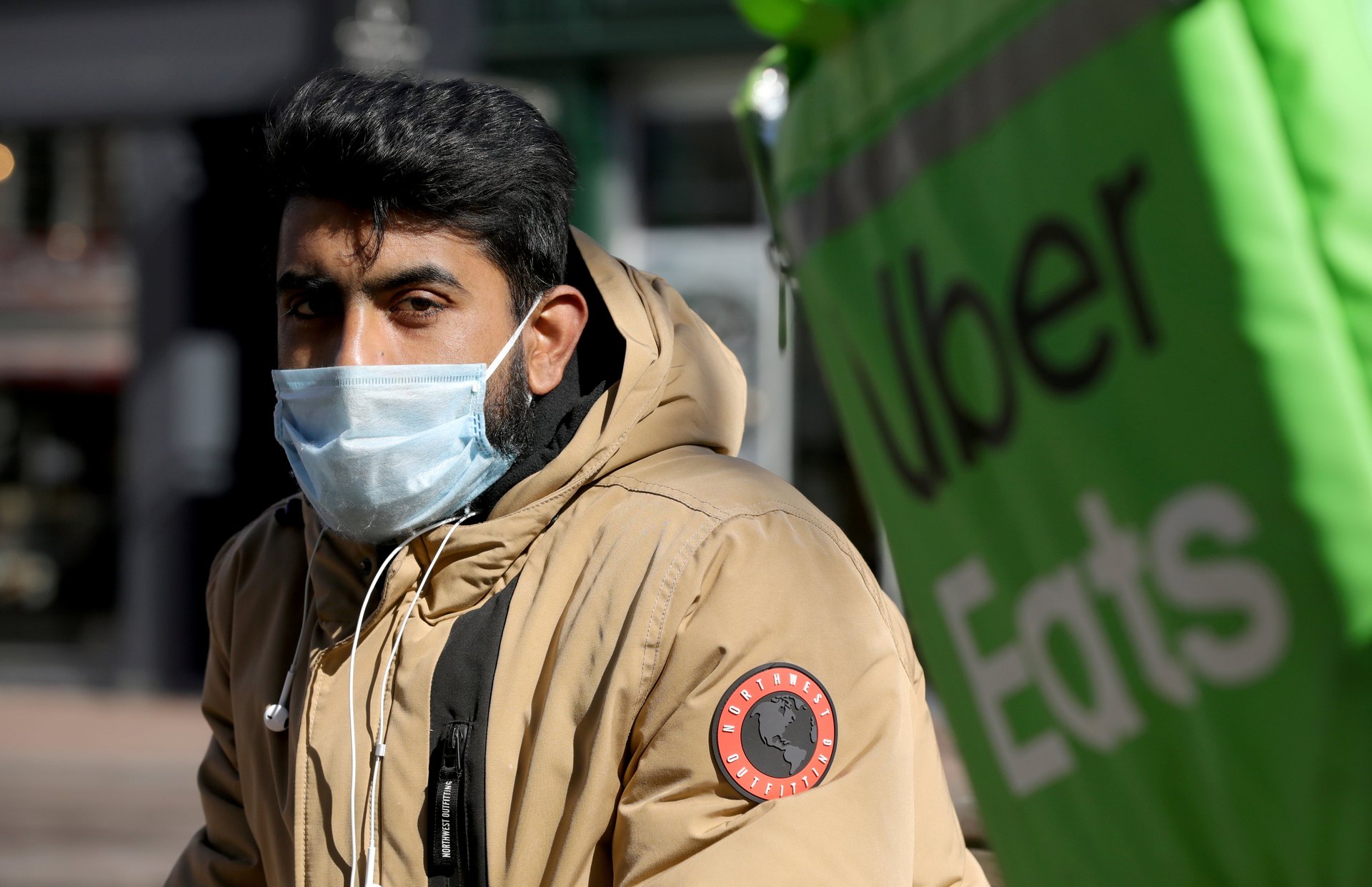
The coronavirus pandemic has made delivery workers essential. Major companies worldwide now face unprecedented public pressure to provide adequate benefits to these workers, who prior to the pandemic were frequently treated as expendable.

During a pandemic, even the simplest actions, like ordering takeout food, take on ethical weight.

The path to approving a clinical drug is a long, extremely expensive one. Trials typically begin with tests on animals, which take months or years. Then it takes several more years to prove a drug’s safety, transition to human testing, and finally to test efficacy in large groups.

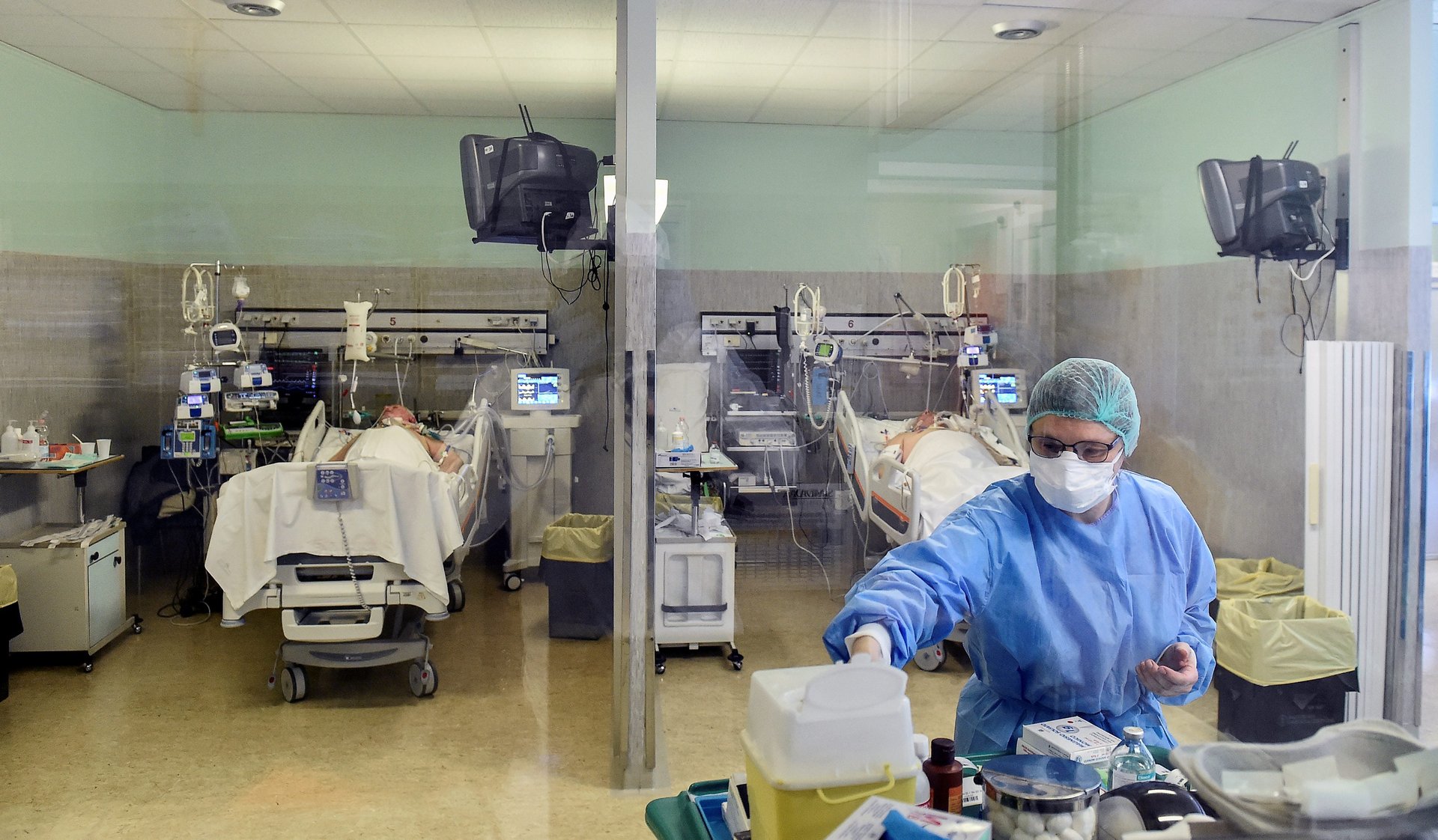
Pandemics bring ethical dilemmas into sharp, terrible focus. Around the world, hospitals have been unable to cope with the millions who need treatment for coronavirus. China created makeshift hospitals and denied treatment to those who needed non-coronavirus care; Italians wait an hour on the phone to get through to emergency services. Few countries will fare better: The United States has fewer than 100,000 ICU beds, and is expected to need a minimum of 200,000 to cope with coronavirus; the UK has just 8,200 ventilators and is getting an extra 3,800.

The single biggest way to protect yourself and others from coronavirus is to limit contact with others. For myriad reasons, this is far more accessible for wealthy people.

Earlier this week, I went through a process that will soon become commonplace: I quarantined myself. After going to a large journalism conference where someone later tested positive for coronavirus, it seemed like the prudent thing to do. The process is increasingly normal and medically endorsed; it’s already clear that limiting social contact is absolutely the best way to reduce the spread of coronavirus. But that doesn’t make it easy.

Stay inside, they said. Don’t leave the house. Whether following guidance for those who may have been exposed to coronavirus or choosing to self-isolate to help slow the spread, people around the world are faced with managing relationships with family members and partners while in close confines for weeks on end.

Amazon’s shopping site is presenting medically unverified advice and products to customers who search for coronavirus. The platform displays different results depending on one’s search history; Quartz did 12 searches (one from an incognito account while logged out and 11 from different accounts), and was shown a variety of misleading information, including holistic cures, prayer healing, and incorrect medical advice.

Over the past five years, scientific interest in psychedelics has boomed, with clinical trials on MDMA leading the way. Now the drug is on the cusp of becoming legal medicine. Early studies testing MDMA combined with talk therapy as treatment for post-traumatic stress disorder (PTSD) are promising, and the nonprofit behind the trials, the Multidisciplinary Association for Psychedelic Studies (MAPS), expects its treatment to be approved by 2022.