
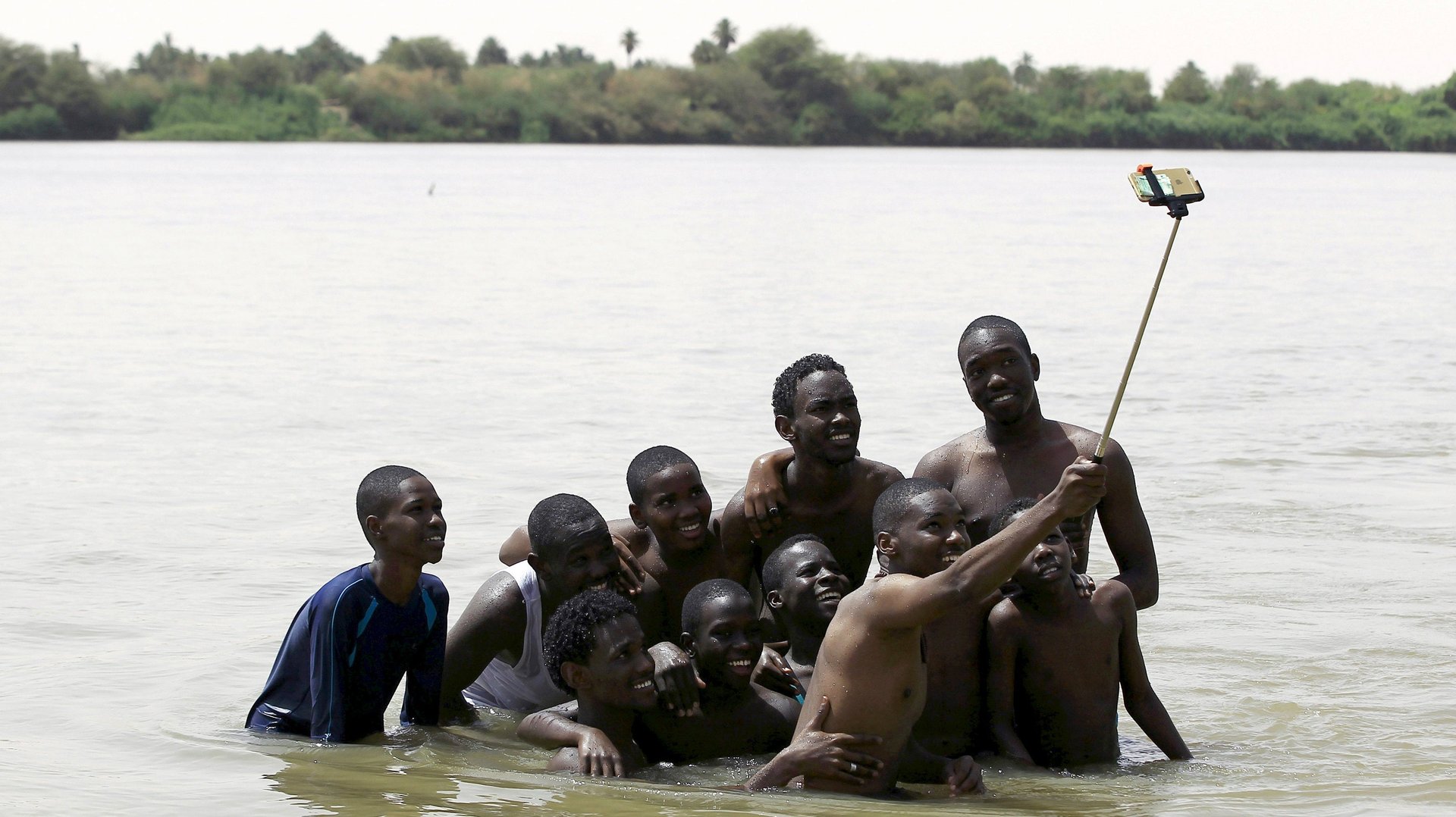
Tech & Innovation
A company owned by Vietnam’s military will put $1 billion into Tanzania’s mobile marketTanzania’s vibrant and competitive mobile space has a new player.
Updated July 21, 20222 min read
Tanzania’s vibrant and competitive mobile space has a new player.

Arsenal’s impressive victory over Bayern Munich wasn’t the only thing that made headlines in European soccer last night (Oct. 20).
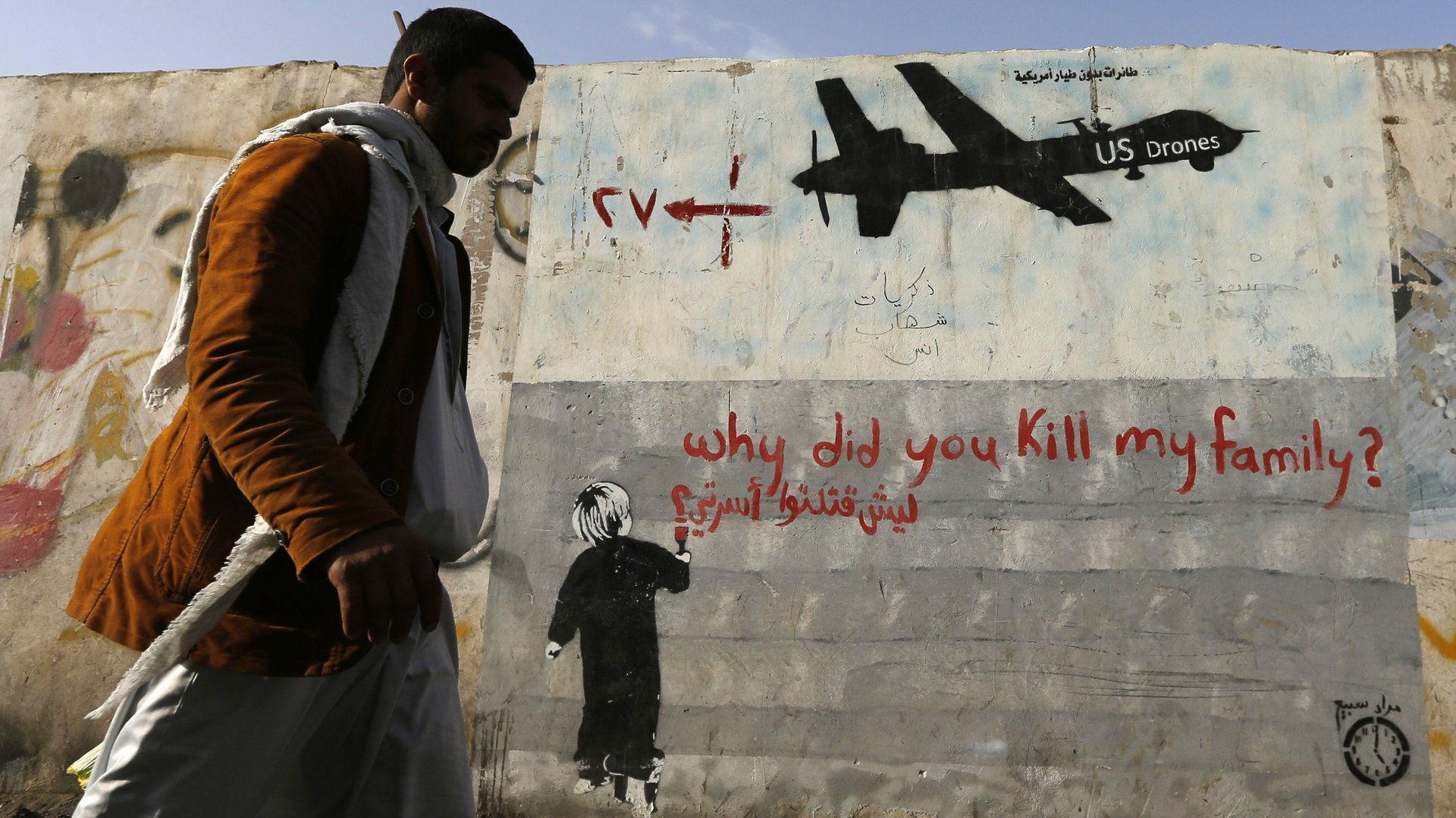
The US government has been running a “shadow war” from outposts in Africa using drones and manned aircrafts to strike targets in the region. So reports the Intercept, citing a leaked internal 2013 Pentagon study.
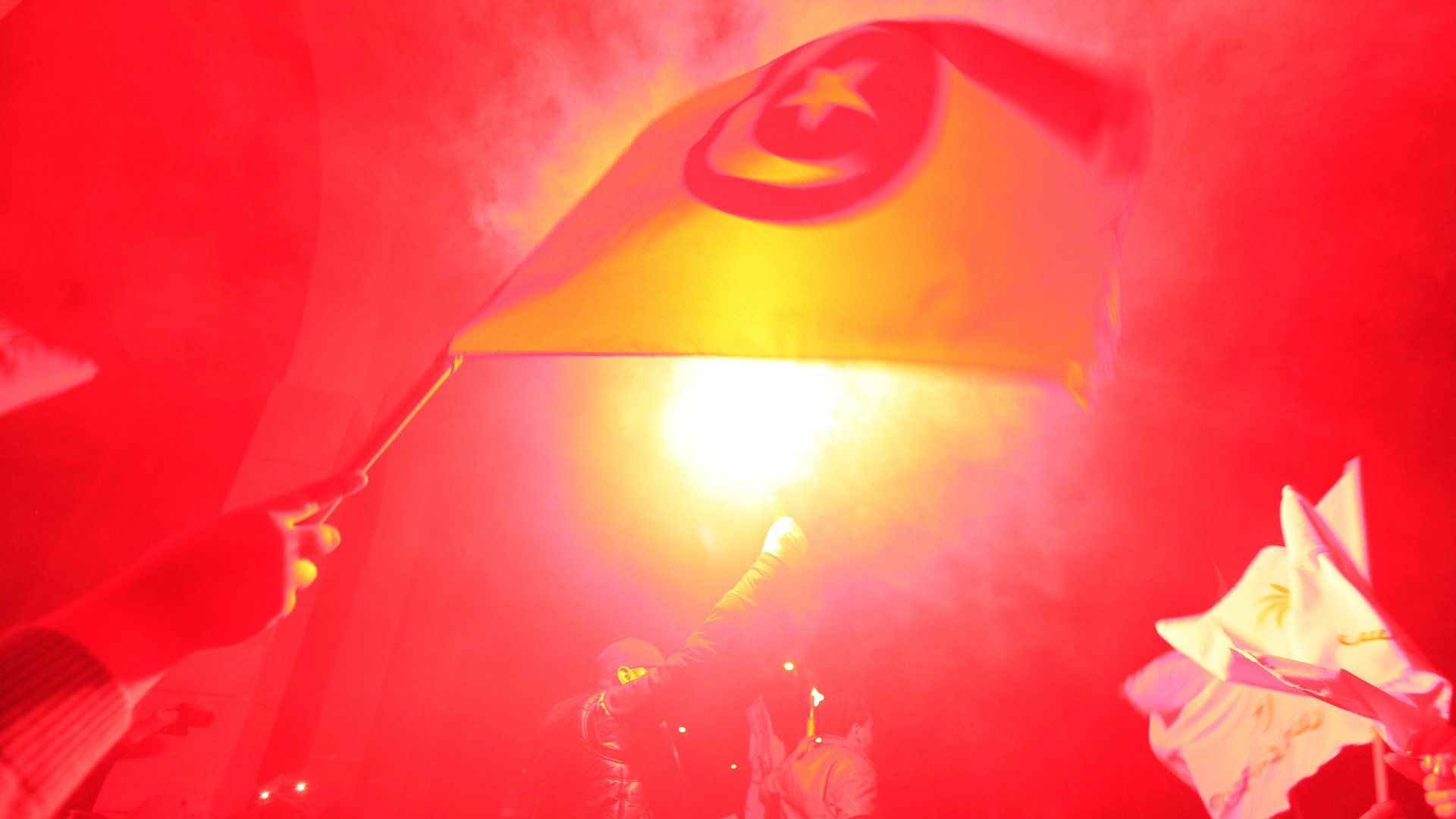
Tunisia is where the Arab Spring began. And of all the countries enveloped in the revolutions that followed, it is the only one where hopes of a democratic future remain strong. Just last week, the Nobel committee awarded the Tunisia’s National Dialogue Quartet this year’s peace prize, commending the group for “decisive contribution to the building of a pluralistic democracy in Tunisia in the wake of the Jasmine Revolution of 2011.”
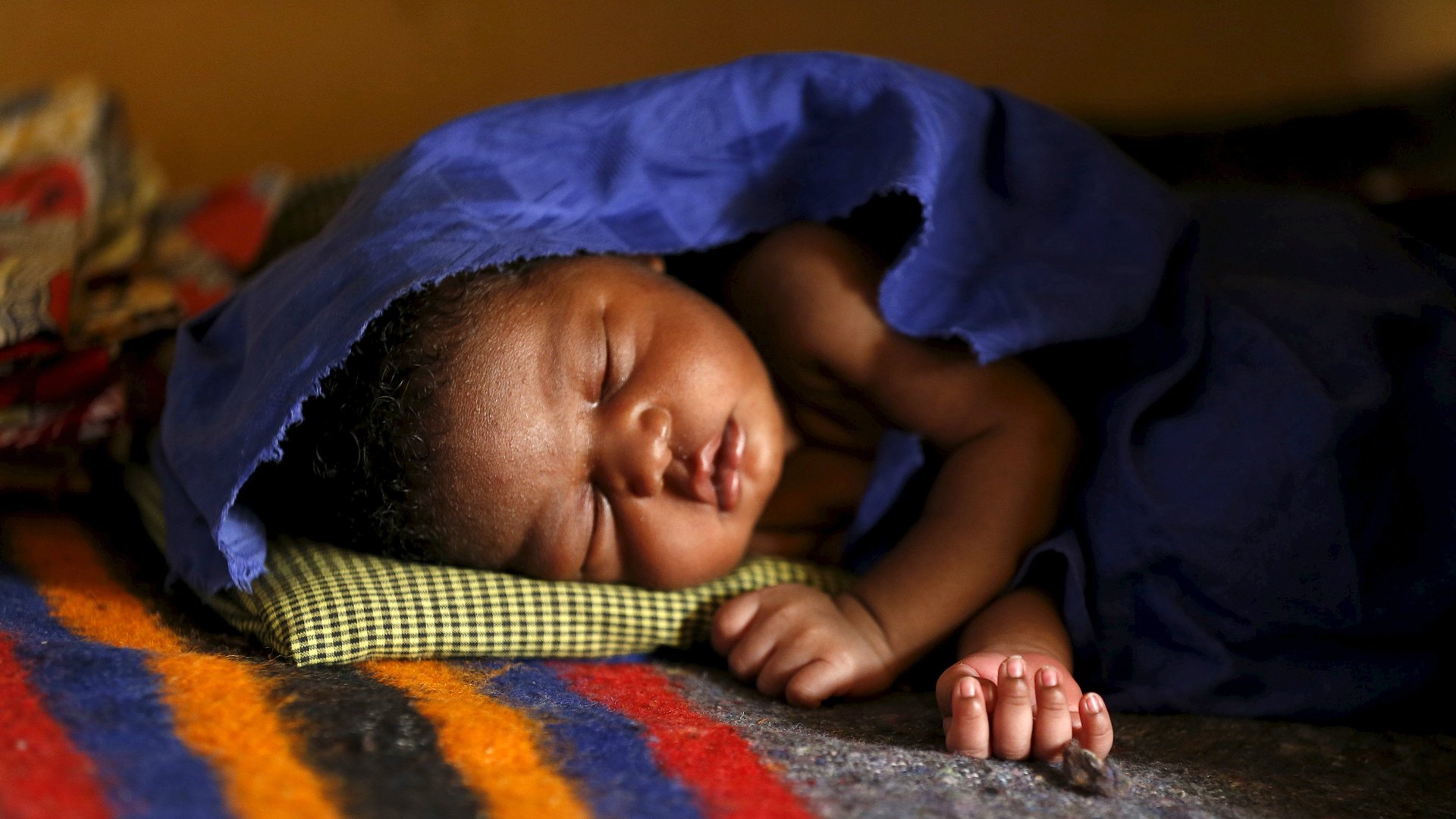
Here is a stat that should not be a reality in 21st century Tanzania. More than 90% of children in east Africa’s second largest economy have no birth certificates. This is despite a law mandating that new babies be registered.

The Africa rising mantra has been repeated so many times that it has become almost sacrilegious to question it.
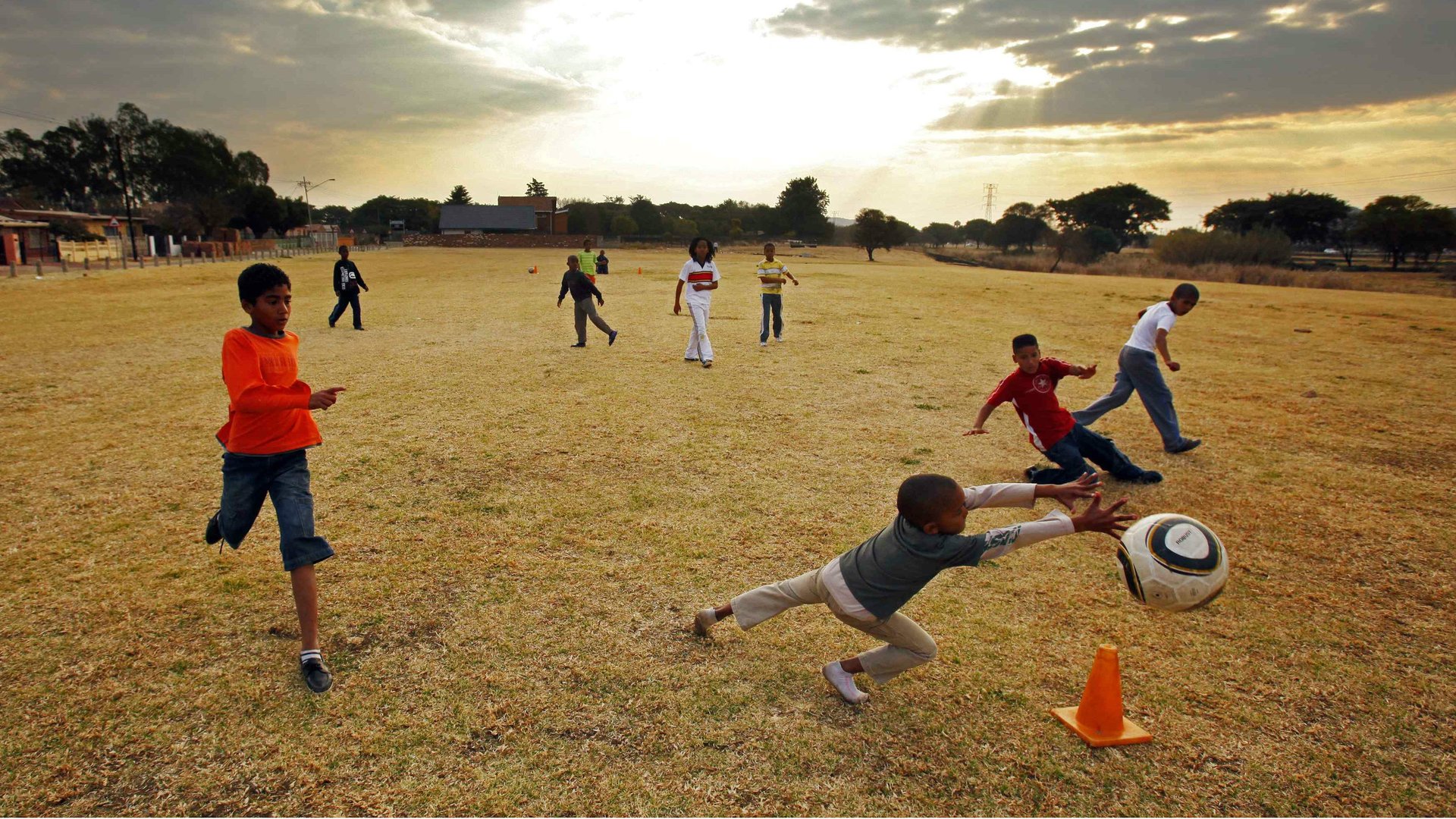
When FIFA’s corruption scandals first erupted in May, there were calls by some in Europe to end the organization as we know it. To save football, Europe needs to break away, they said. As long as Sepp Blatter remains at the helm of world soccer’s governing body, no substantial reforms can take place. Africa and Asia are responsible for propping up Blatter, the argument went. So, the only way to remove his stranglehold on the global game is to have its economic powerhouse, Europe, extricate itself from his influence.
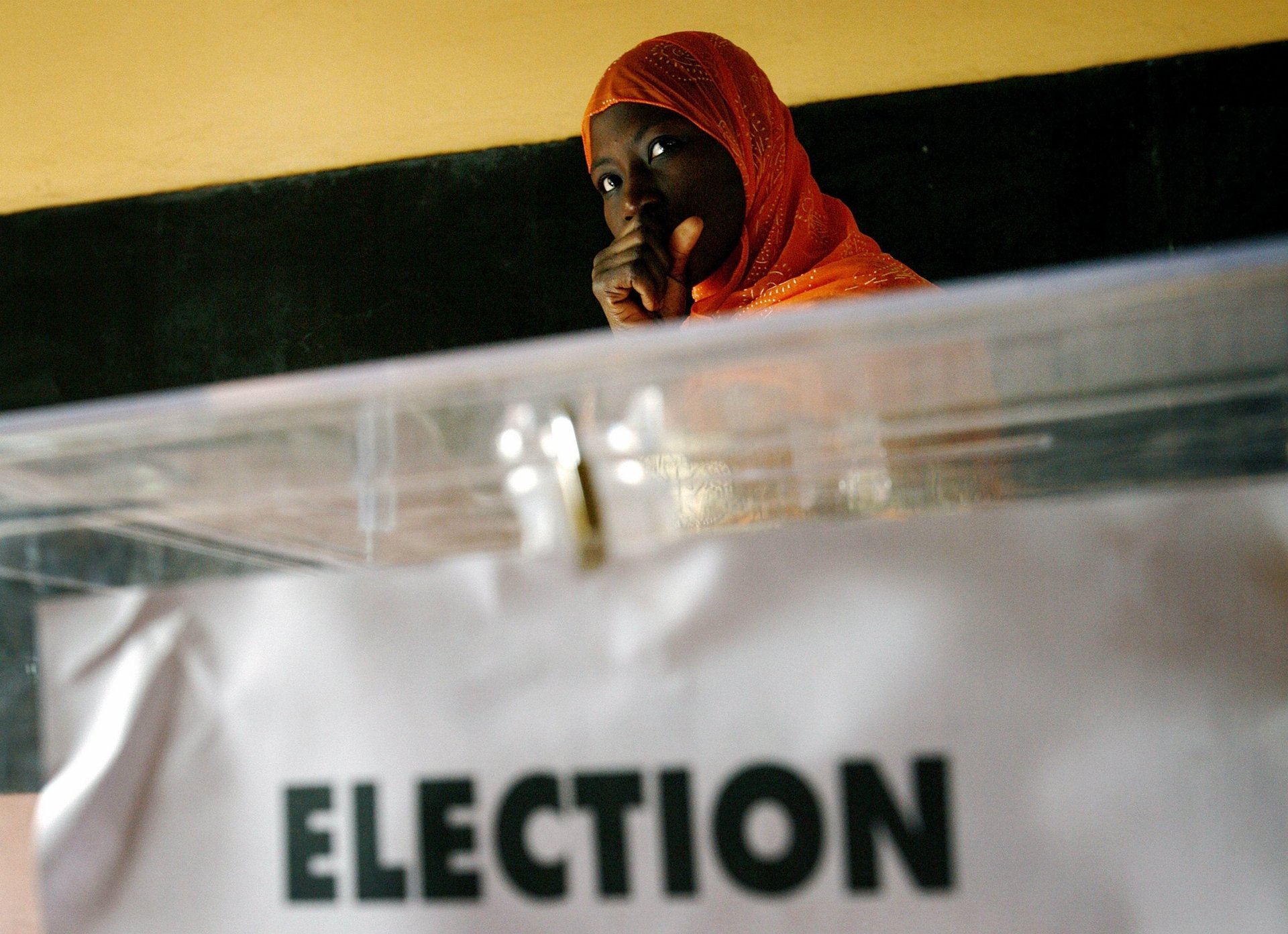
We live in a bipolar world. History has not quite ended even though it’s pretty much accepted that capitalism has triumphed over socialism. But which version of capitalism? There is the free market, democratic approach of most of the western world, with the US as its most visible example. Or there’s the state-dominated version epitomized by China. In Africa, it seems, both approaches are slugging it out for supremacy.
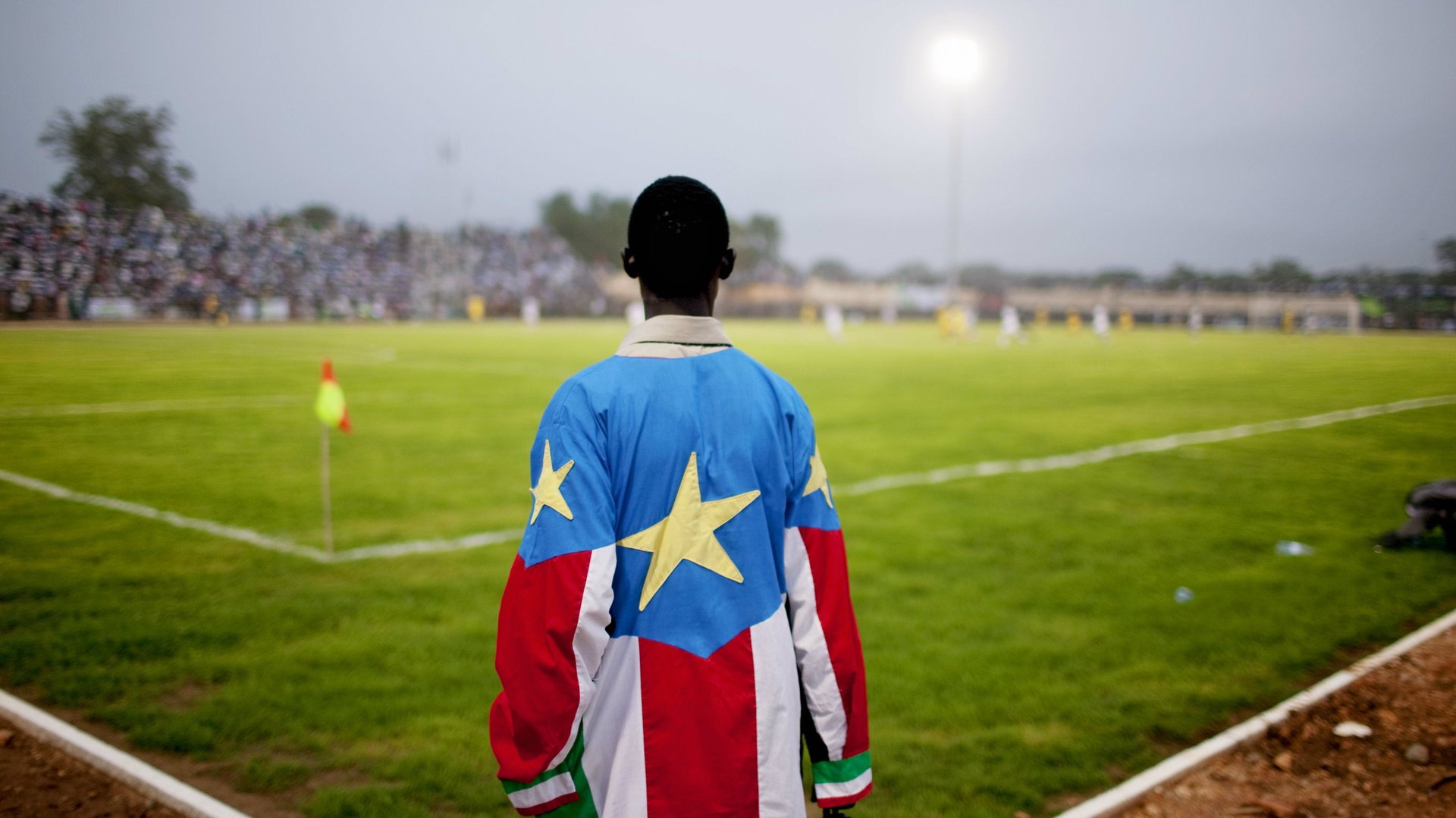
Since the euphoria that marked its independence from the north in 2011, things have not been easy for South Sudan. A power struggle between president Salva Kiir and his deputy vice president, Riek Macha, engulfed the new country in a new ethnic conflict that has left thousands dead and turned millions into refugees. A tenuous peace treaty agreed upon in August is barely holding. But all these divisions will be set aside as the country gets ready to play its first ever World Cup preliminary qualifier against Mauritania today (Oct. 7)
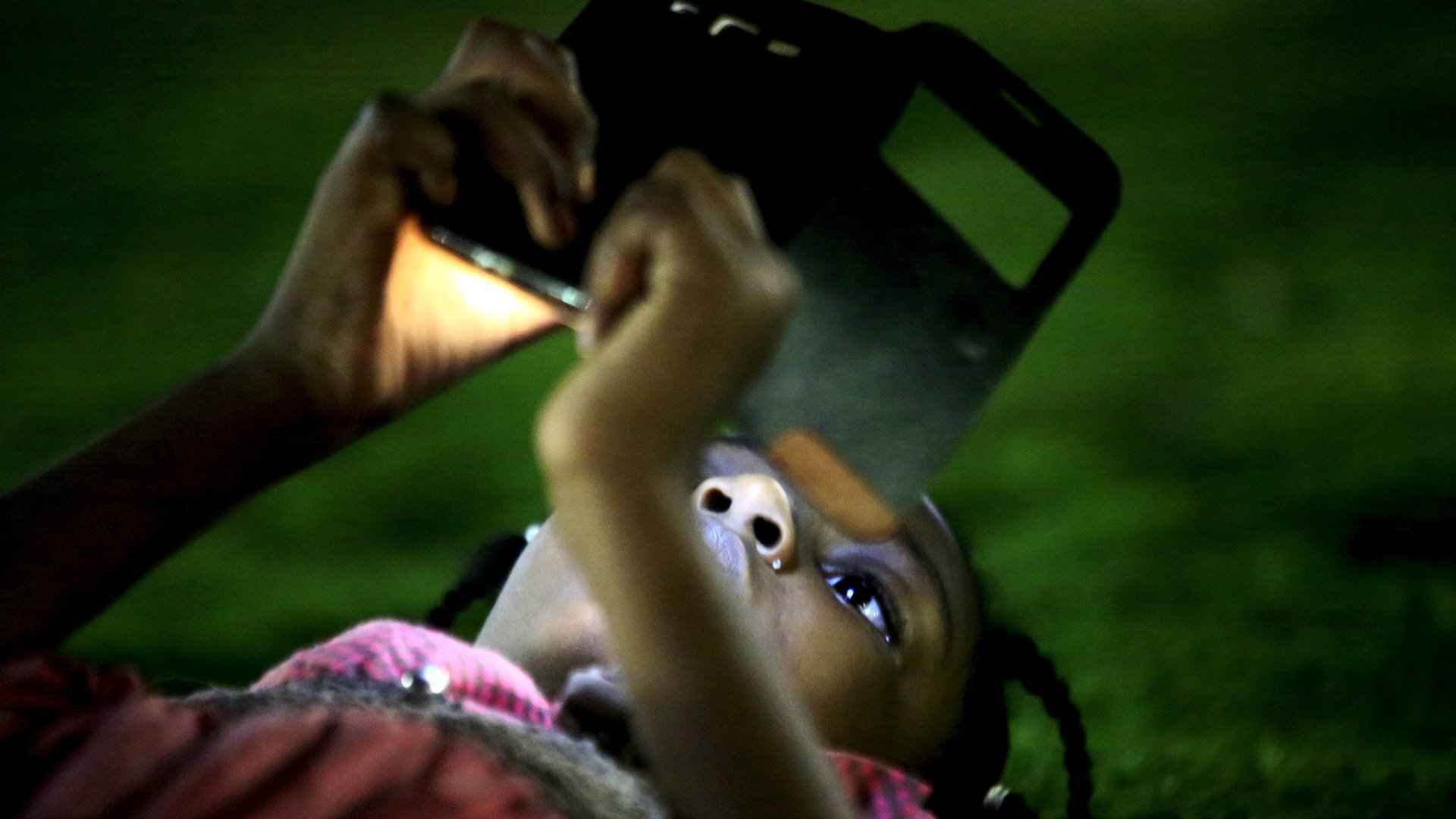
Yesterday’s (Oct. 5) announced partnership between Facebook and the French communications firm Eutelsat was a step toward CEO Mark Zuckerberg’s ambitious goal to ”beam internet to people from the sky” to the world’s unconnected via his initiative Internet.org.
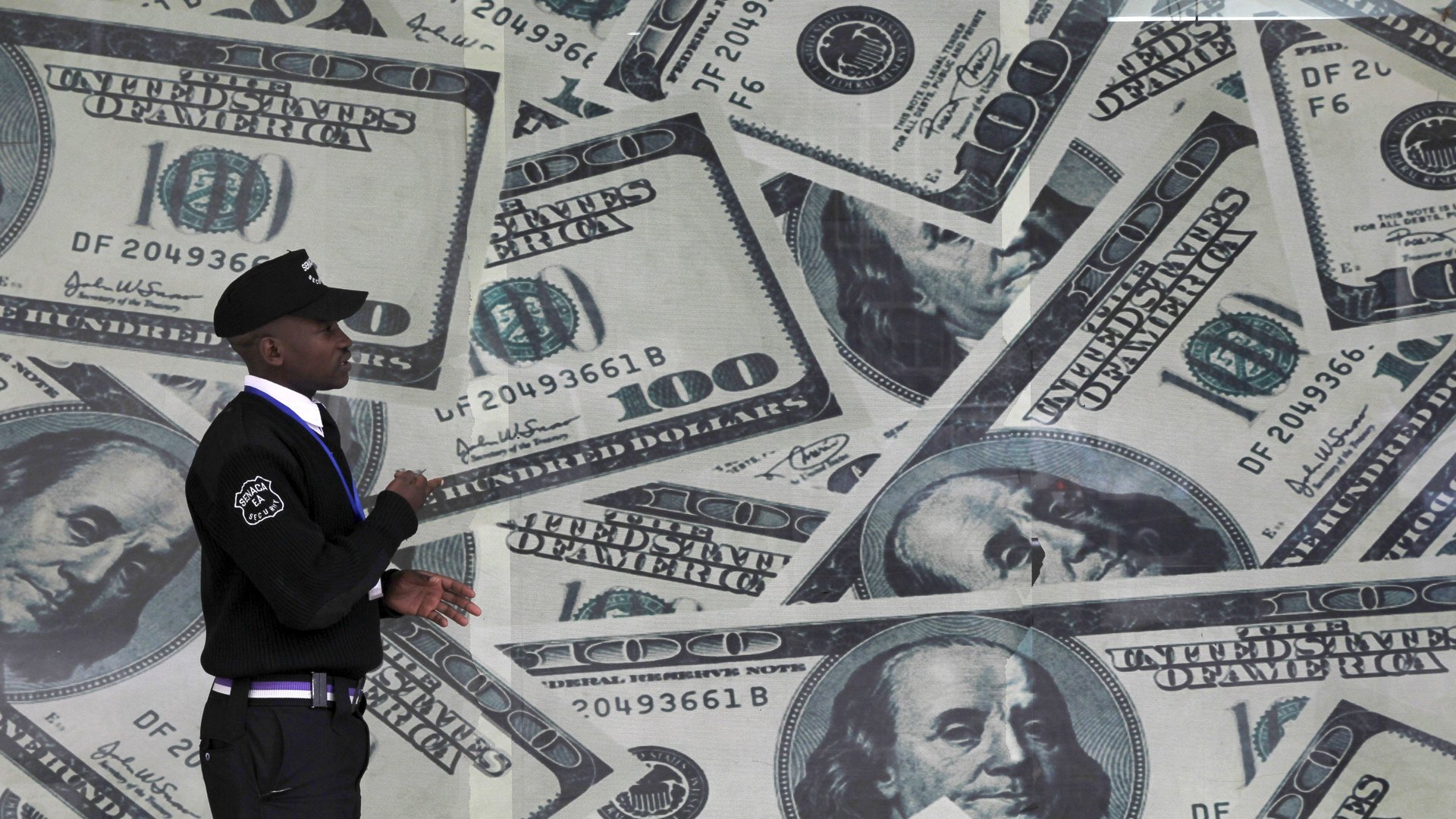
The world remains ravenous for big M&A deals. This year alone has seen a 21% jump in the value of deals compared to the same time last year, totaling $21 trillion.
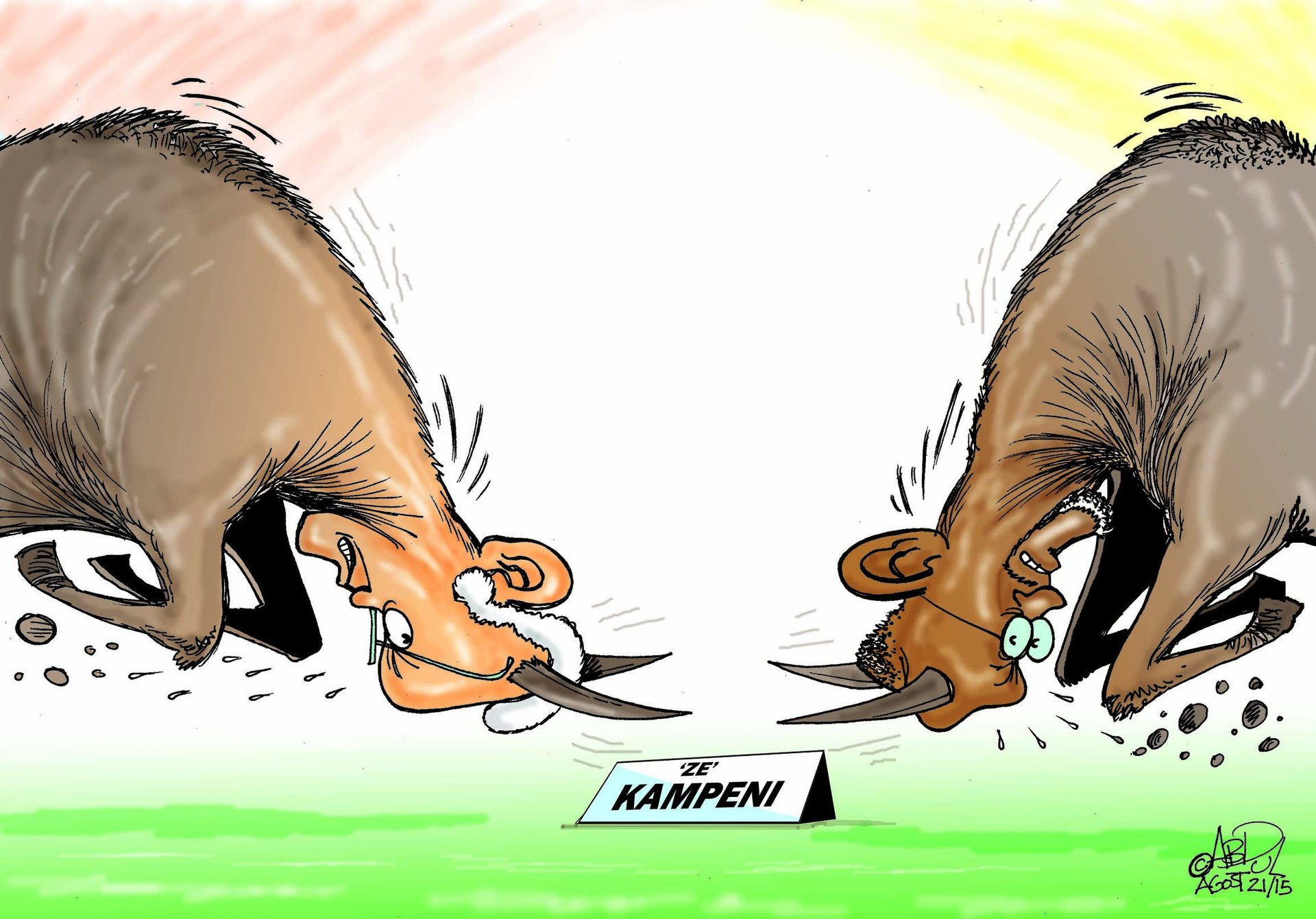
It’s been a drama-filled election season in Tanzania. A former president has branded the opposition “idiots.” One candidate took to doing pushups to demonstrate his fitness to be president. Another suggested he was worthy of support based on his religion. Meanwhile, a parliamentarian trying to hang onto his seat physically assaulted one of his challengers.
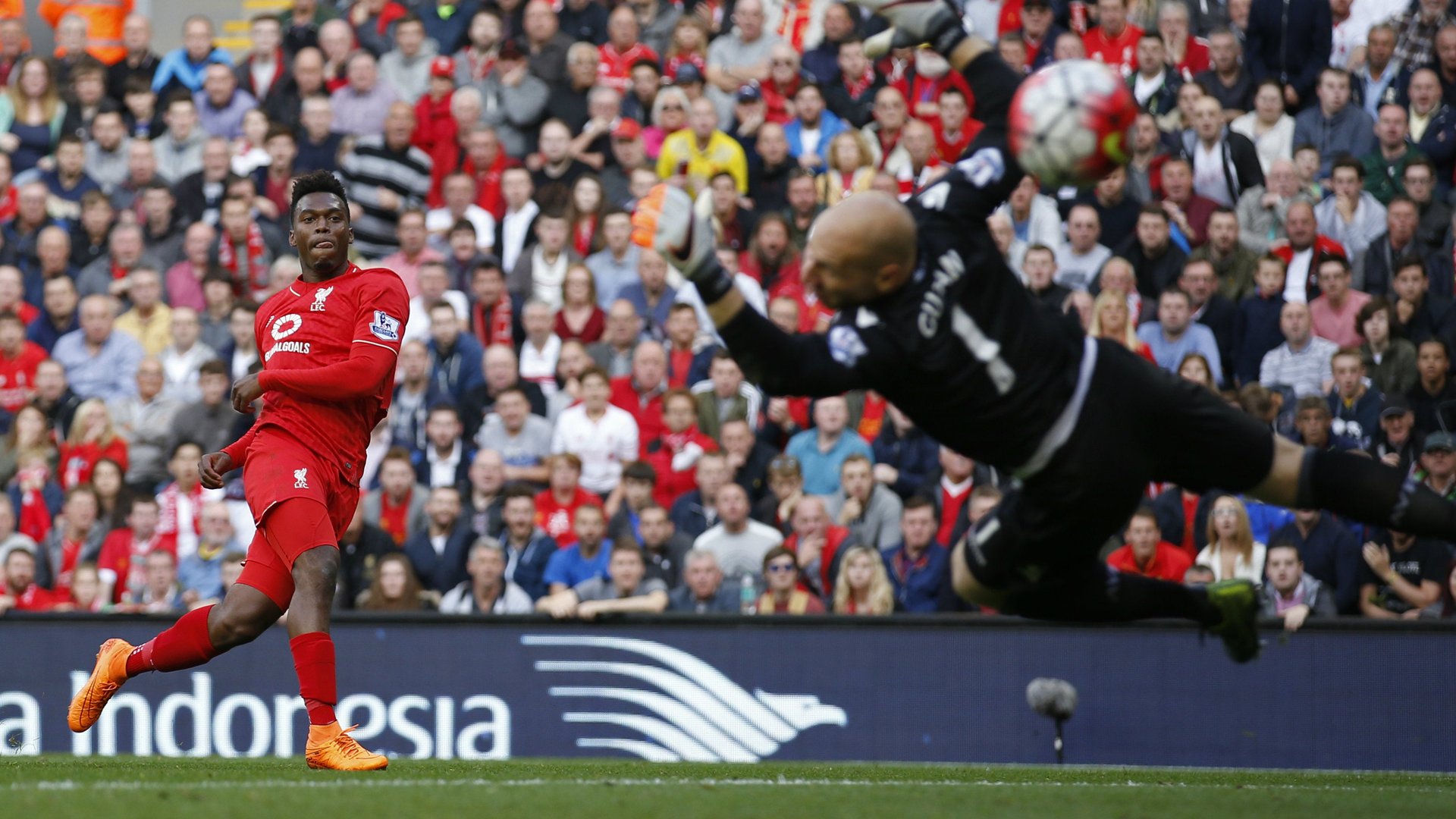
The English Premier League is arguably the best domestic soccer competition in the world. At the global level, over a billion fans passionately follow the travails of Chelsea, Arsenal, Liverpool and the two Manchester clubs, every weekend.
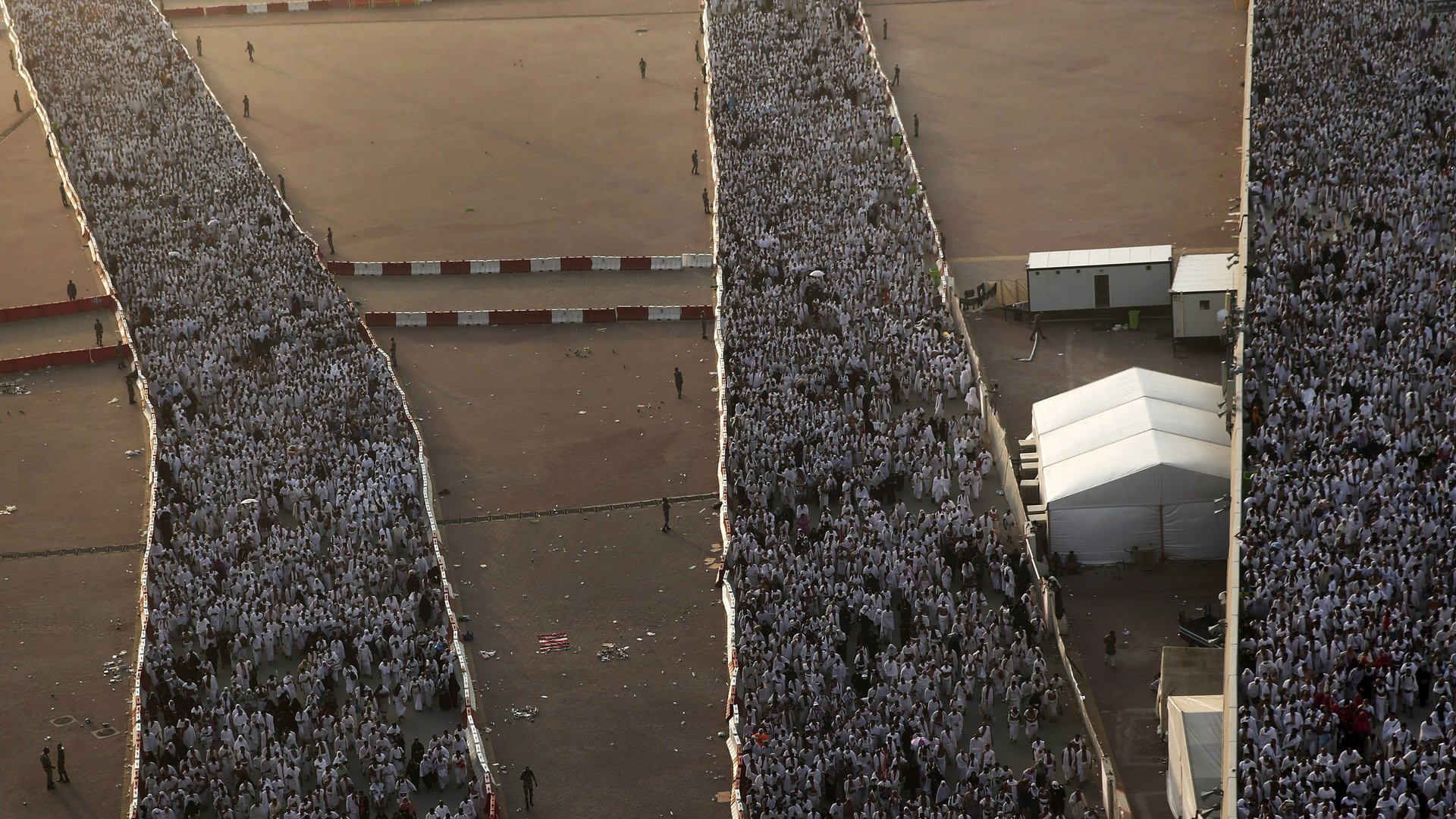
A Lagos-based Islamic human rights group says Saudi authorities are responsible for the stampede during the recent hajj that left more than 700 people dead and scores injured.

When people talk about the intersection of social media and politics, the focus is usually on the ways that Facebook and Twitter are changing how politicians connect with voters. Things are a bit different in Africa, where the mobile phone has changed not only the way people communicate but the very nature of their financial lives. In Tanzania, it is WhatsApp, the mobile instant-messaging app that boasts 900 million users around the world, that has transformed political communication in the country.
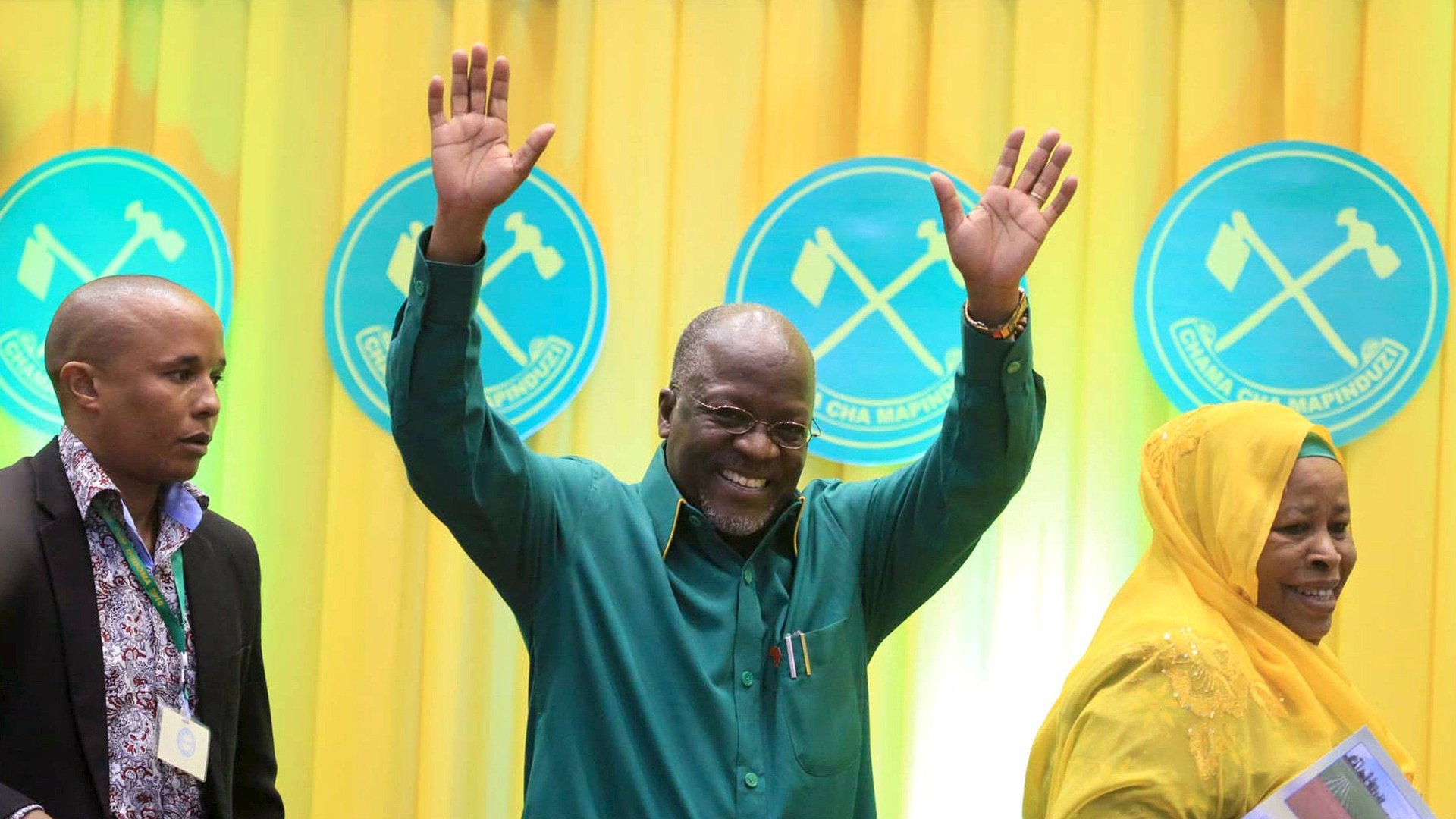
In what has been described as the most competitive presidential campaign in Tanzania’s history, presidential candidate John Magufuli of the ruling party Chama Cha Mapinduzi (CCM) has established a significant lead, a new poll shows.
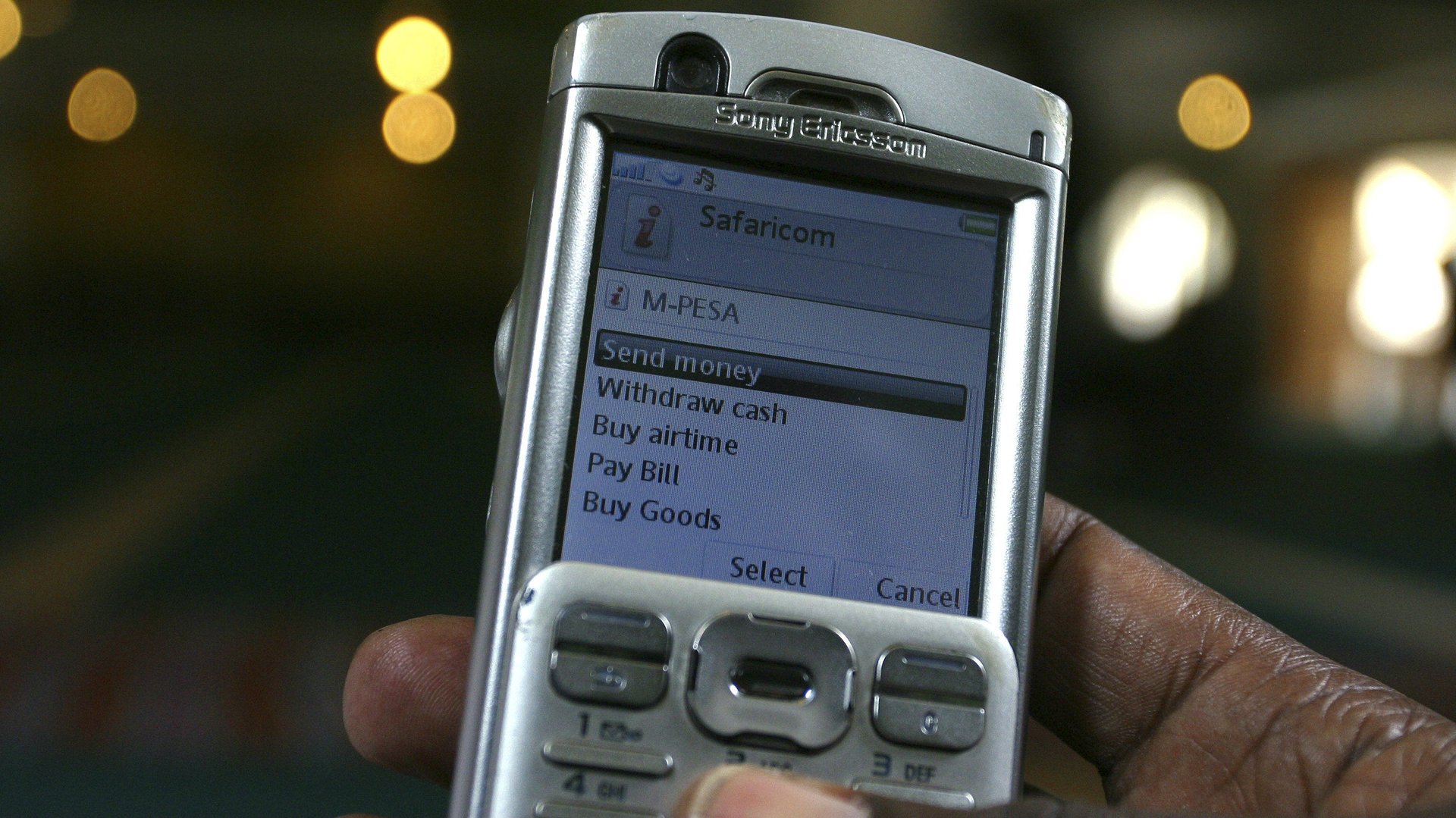
It’s no secret that mobile money is the primary banking tool of choice for many Africans. This year alone, $33 billion is expected to change hands via mobile services on the continent. That’s almost much as the GDP of Ghana.
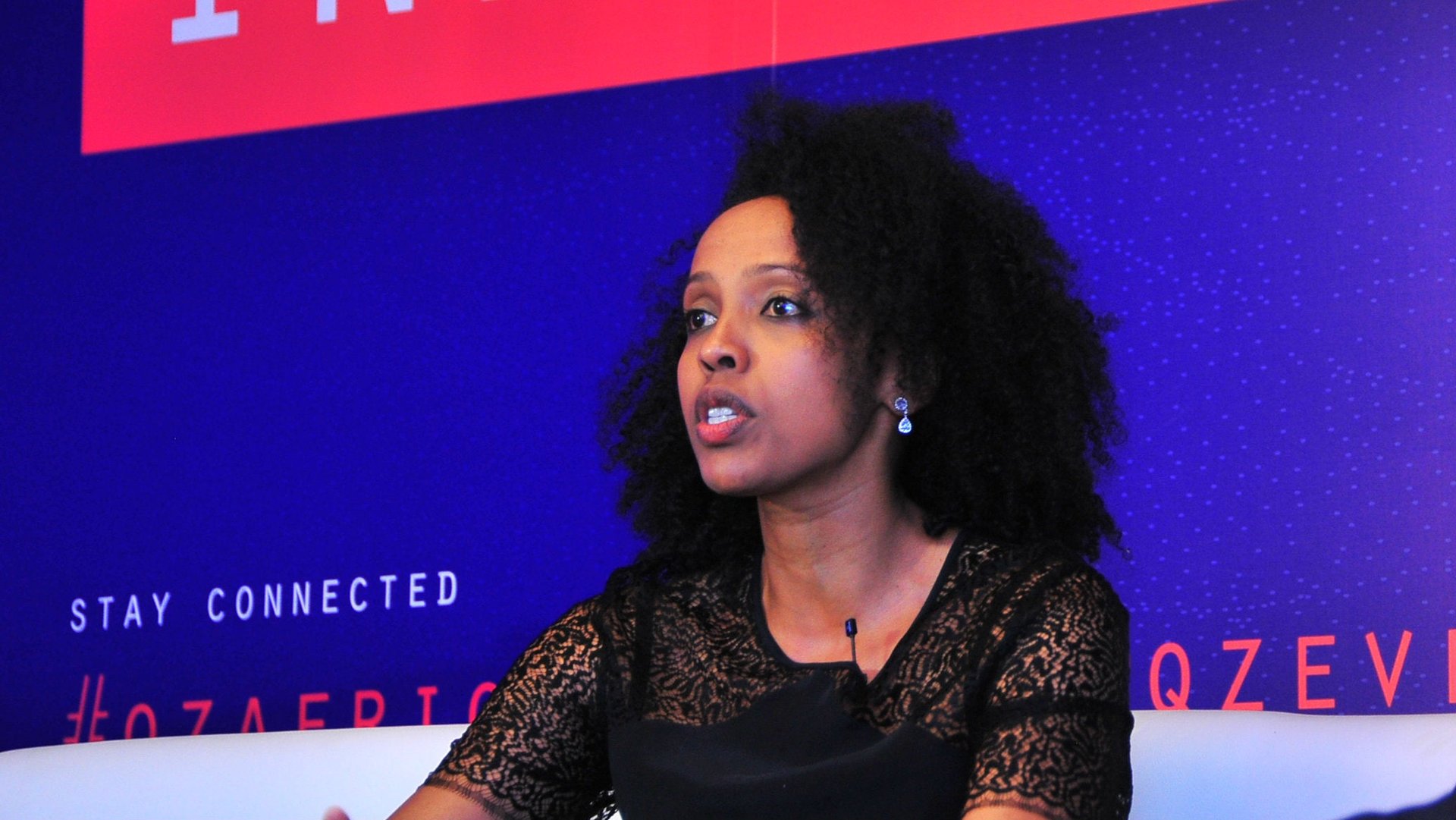
It is a truth universally acknowledged that access to reliable data in Africa is a massive challenge.
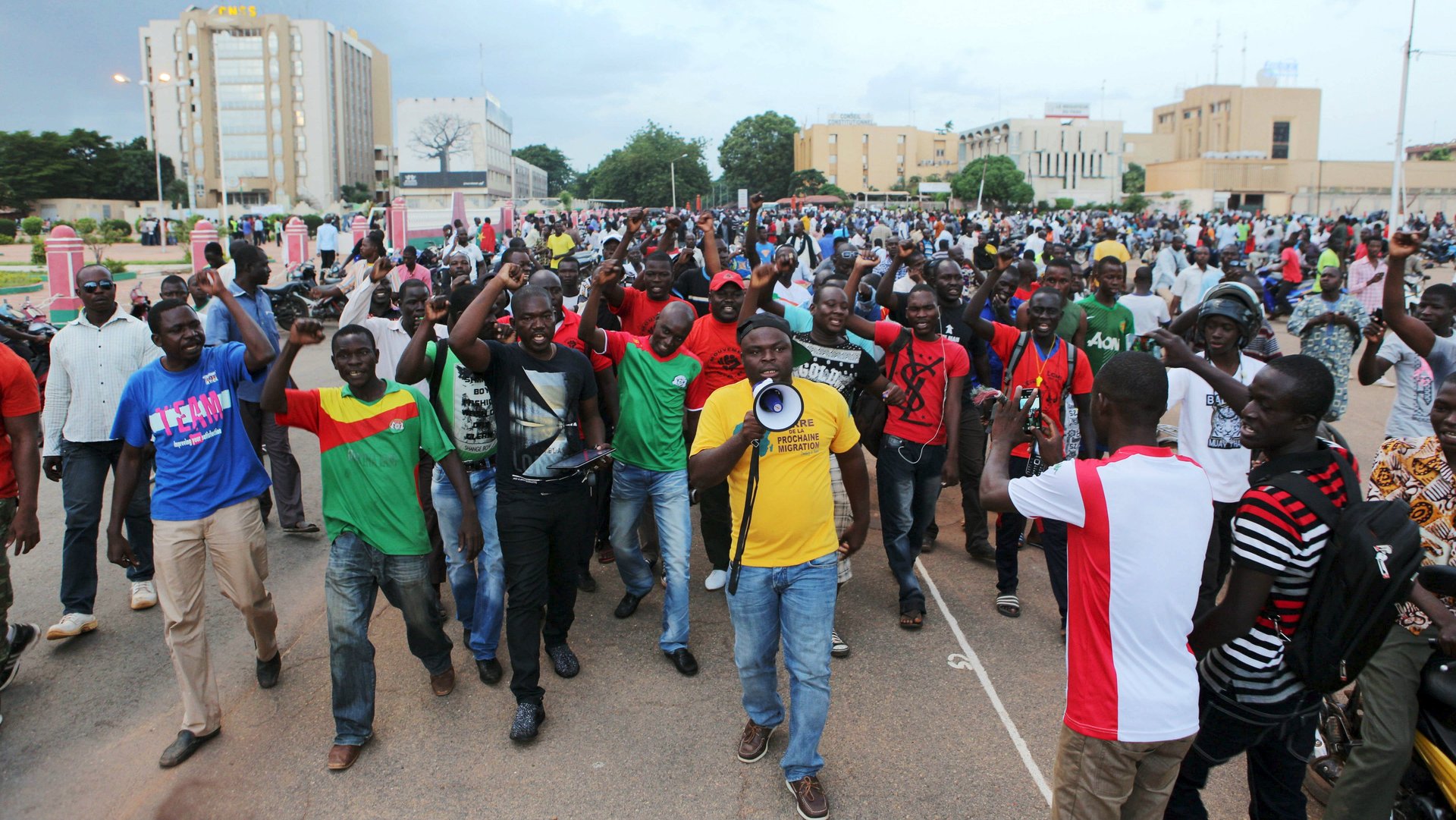
Burkina Faso is in the throes of a military coup led by a shadowy presidential guard that operates above the law and threatens to derail the fledgling democracy’s progress. Members of the Regiment of Presidential Security (RSP), allied with former president Blaise Compaoré, stormed a cabinet meeting yesterday (Sept. 16) arresting the interim president and prime minister, along with two other cabinet members. Military leaders have dissolved parliament and appointed Compaoré’s ex-chief of staff as president.
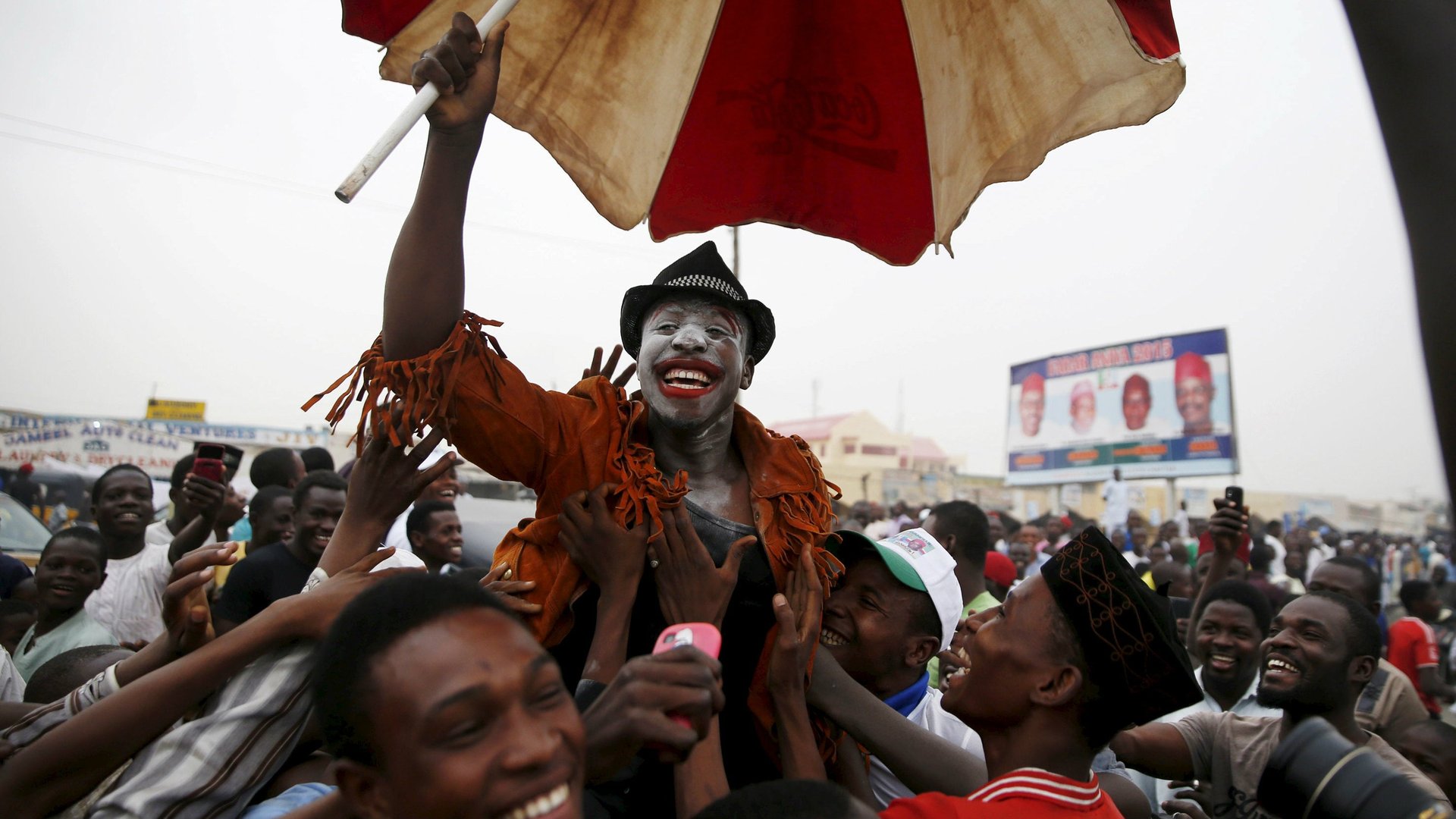
At the recent Quartz Africa Innovators Summit in Nairobi, the Kenyan journalist and activist Boniface Mwangi suggested that Africa needs a revolution. Not a violent one, he said, but a revolution at the ballot box. ”We need to be active citizens,” he explained onstage. ”We must dare to invent the future and reclaim our continent.”
Africa is changing. For a long time this change was initiated from the outside. Now, Africans are leading the continent’s transformation. The Quartz Africa Innovators’ Summit is celebrating these people. Among those recognized are Nigerian architect Kunle Adeyemi, Kenyan activist and photographer Boniface Mwanga, Ghanian social entrepreneur Bright Simons, and Kenya’s tech entrepreneur Ory Okolloh. Read about the 30 innovators we’ve selected here. Follow us via the event’s hashtag #qzafricasummit. Our live blog from the event on Sept. 14th is below.
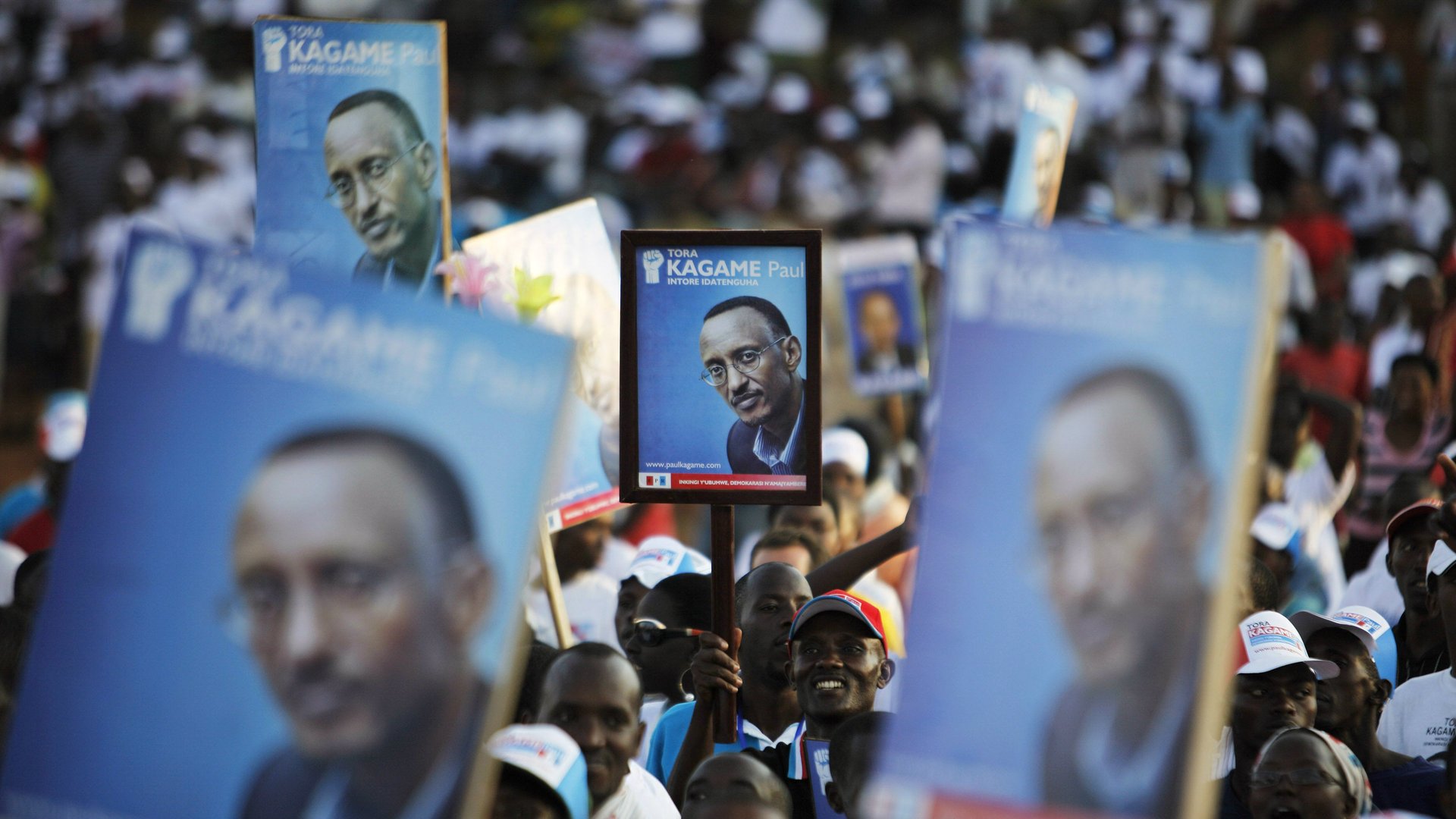
Rwanda’s Supreme Court has ruled that it will hear arguments against a proposed constitutional amendment that would allow presidents to serve more than two terms in office.
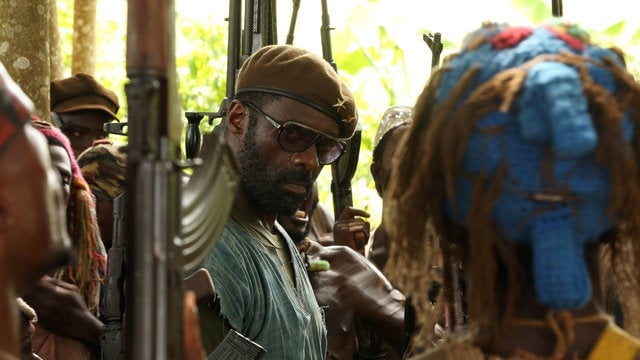
Having successfully upended the TV industry, Netflix is moving on to movies.

A medical evacuation plane that disappeared from radar off the coast of Senegal this weekend may have collided mid-air with a larger aircraft, Reuters reports.