When the US Supreme Court struck down a federal law banning sports betting in the US in May, football fans across the nation rejoiced.

When the US Supreme Court struck down a federal law banning sports betting in the US in May, football fans across the nation rejoiced.

Walmart, the world’s biggest company, is better known for cheap tube socks than its technical wizardry. But the company has thousands of developers plugging away in an airport-sized building at its headquarters in Bentonville, Arkansas, and has launched a tech incubator, Store No. 8, that is cooking up ways to combat rival Amazon.

Donald Trump’s tweet this morning (Aug. 17) with his latest idea for goosing the economy was immediately met with scorn and derision. And why not? Most of his business-policy proposals are half-baked or giveaways to big business and the rich.

Women make up little more than half the US population, but occupy only 18% of its corporate board seats. Meanwhile, more than a fifth of the 3,000 largest publicly traded US companies don’t have a single woman on the board (here’s a list). Even if women got an equal share of new board appointments, the US government estimates it could take four decades for America’s boardrooms to reach gender parity.

The remit of executive search firms is simple, but not easy: Assemble a slate of qualified candidates for the job. Traditionally, head hunters filling C-suite roles considered things like experience, a record of accomplishment, and leadership ability when putting forward names of potential chief executives, chief financial officers, and the like.

In its existential battle with Amazon, Walmart has one huge advantage: A network of nearly 5,000 stores and 1.5 million employees in the US, all in communities where its customers live and shop.

American sports have a proud history of being in the vanguard of social change. Jackie Robinson, Muhammed Ali, and Bille Jean King were among the athletes who used their platform and prominence to advance a cause.

While a number of professional degrees programs in the United States are at gender parity—there are more women than men enrolling in law school, for example, and more women than men earning graduate degrees overall—business schools have traditionally struggled to recruit women in equal numbers. So it’s notable that the University of Southern California will enroll more women than men into its MBA program this fall, making it the first top-tier business school to reach that milestone.

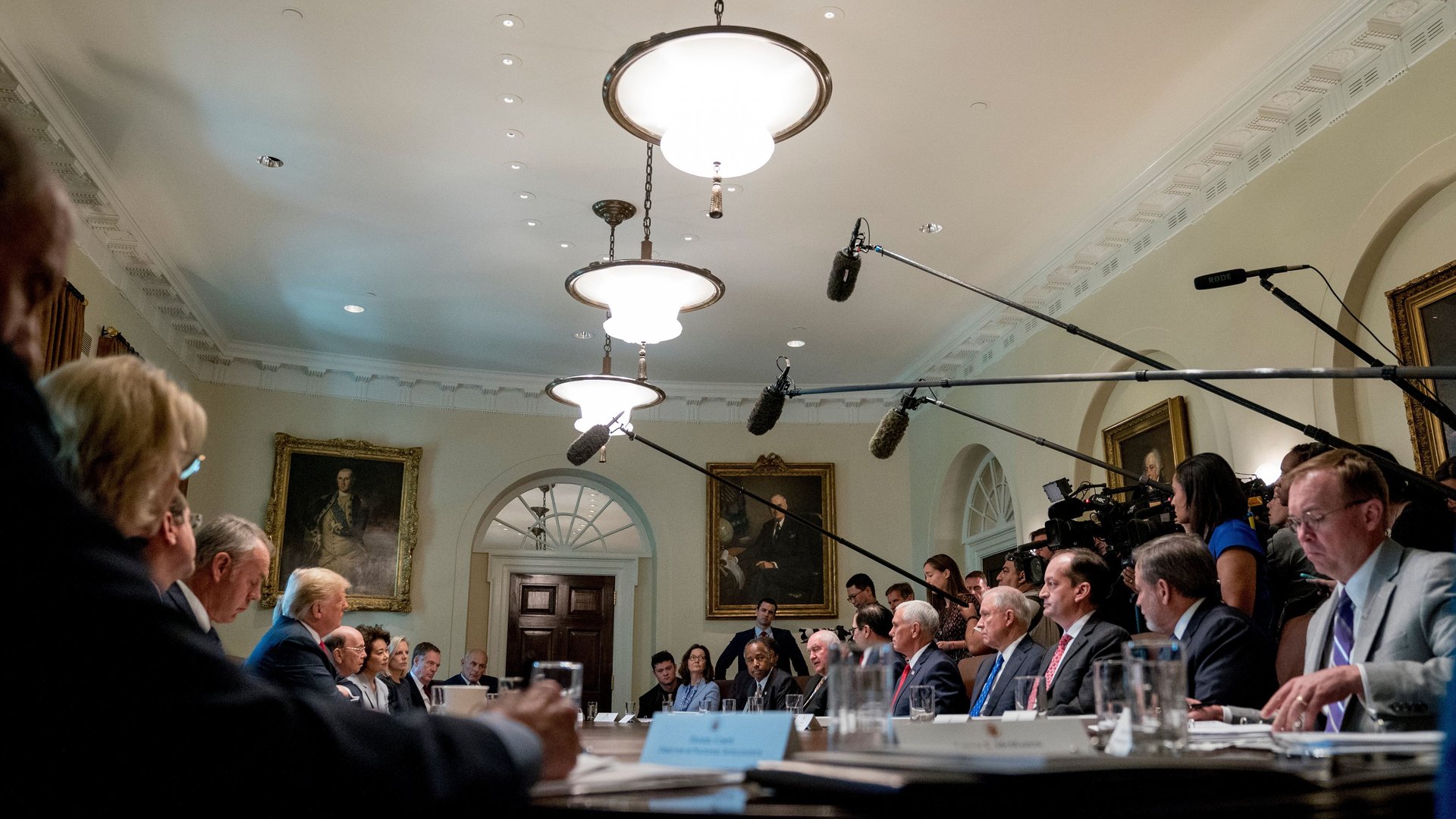
There are a number of strategies to make sure you’re not wasting time when you have a meeting. A big one is making sure everyone present knows why they’re there. Hal Barron, the chief science officer of UK pharma giant GlaxoSmithKline, begins every meeting by asking “What, exactly, is this meeting for?”

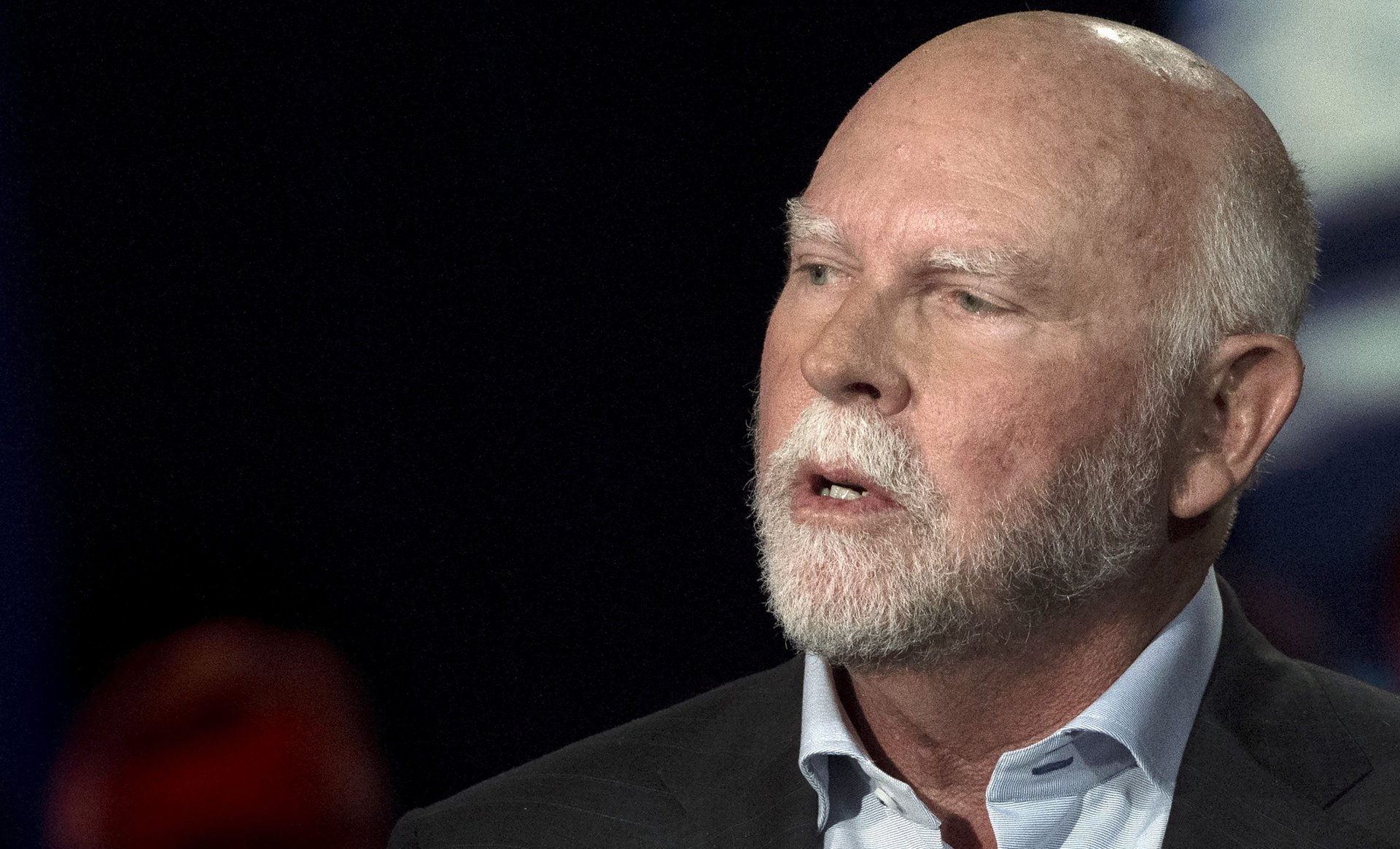
By almost any definition, J. Craig Venter is a really smart guy. Which makes the incredibly dumb thing he’s accused of doing so puzzling.

When creative types don’t have the time or money to shoot photos for websites and advertising, they turn to stock photos, generic images sold by photo agencies. Some of the images are laughably cheesy, inspiring memes like women eating salad, and, most famously, the distracted boyfriend. But usually they’re less memorable than that.

If you read the breathless business headlines about Amazon, Apple, Google, and Facebook, it would be easy to conclude the technology giants are the world’s biggest companies.

In the modern age of analytics in sports, where decisions are based more on the application of cold numbers than raw emotion, it’s easy to dismiss the motivational speech as a hokey relic.

Walmart is battling Amazon in online retail, groceries, and urban home delivery. It may now be opening up another front in its war: video streaming.

For decades now, the trend in business is toward informality. We refer to bosses by their first names, casual Friday is also observed Monday through Thursday, and rigid rows of cubicles have been replaced by laptop-using workers sprawling on couches.

John “Papa John” Schnatter resigned as chairman of the pizza company that bears his name yesterday after confirming reports from Forbes that he used a racist slur in a conference call in May.

Once, extracting an apology from a corporation was near impossible. Not anymore. Facebook, Uber, and Wells Fargo—three companies tainted by scandal—are very publicly hanging their heads in shame, eager to use apologies to win back lost customers, reassure policy makers, and repair their tattered reputations.

Like many Americans, I’m a relatively late convert to soccer fandom. In the last six or so years that I’ve applied myself to following the sport, I’ve become fascinated with the elegant flow of the game, with the individual artistry of its players, and by the global sweep of world football.

In the months since sexual harassment in the workplace exploded into the public consciousness, a growing range of organizations—from Fortune 500 companies to the US Senate and the United Nations—are reconsidering their policies and procedures. Often, that means taking a new look at the training they provide employees, which may not have been updated in years or even decades.

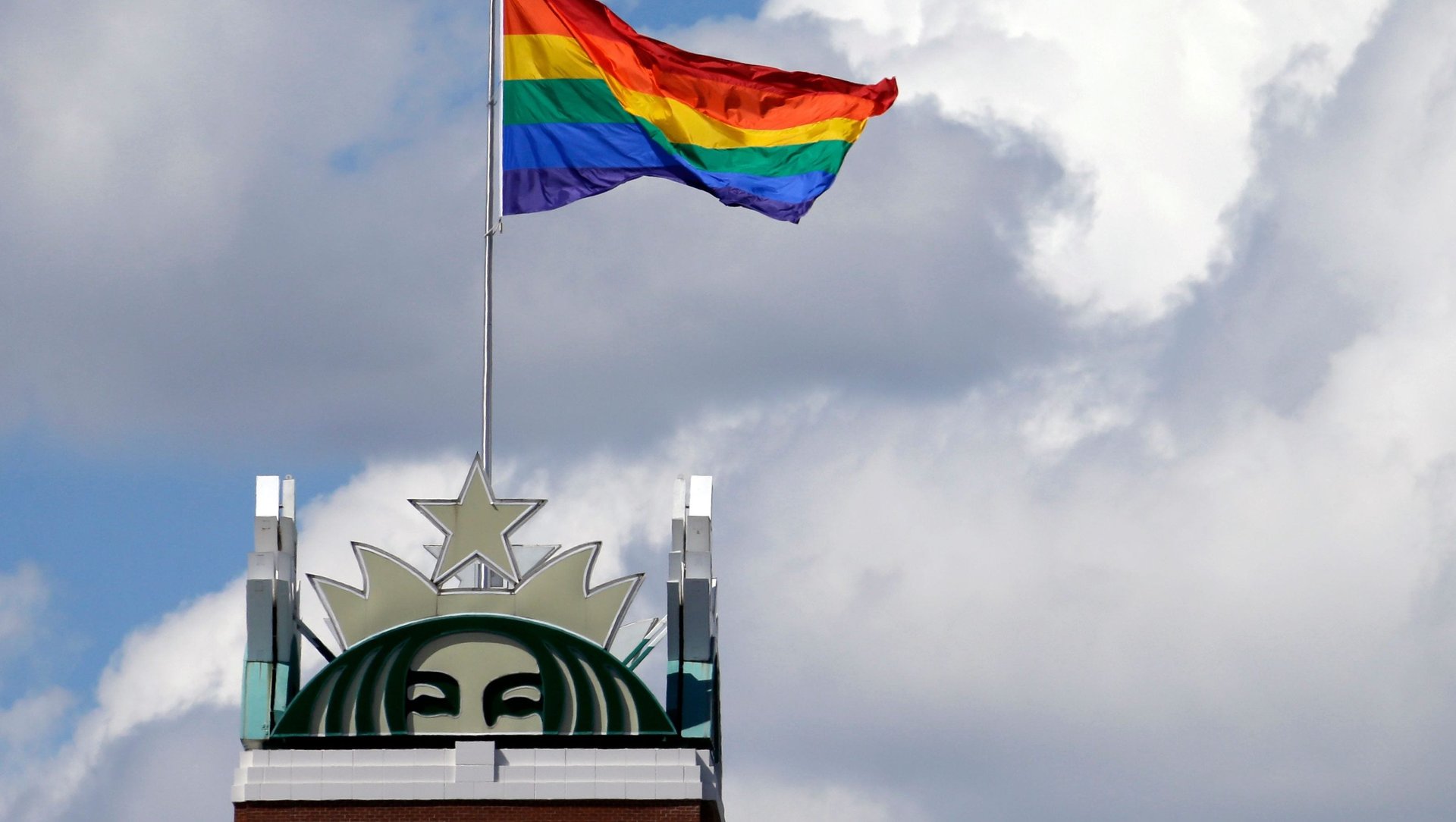
Starbucks has made generous employee benefits part of its corporate identity, and it’s doing so again with an expanded coverage of medical procedures for its trans workers.

The scramble to hire the best and brightest is transforming business, and particularly tech companies, around the globe. It’s pushing companies to offer previously unheard-of benefits, rethink their corporate identities, and raise pay to the point where it’s creating housing crises in Seattle and San Francisco.

Like a lot of tech companies, the Zillow Group has a diversity problem. To solve it, the company has made small changes in how it recruits and hires. None of the steps are radical, but together have resulted in more women and minority members joining the company, and more moving up its ranks.

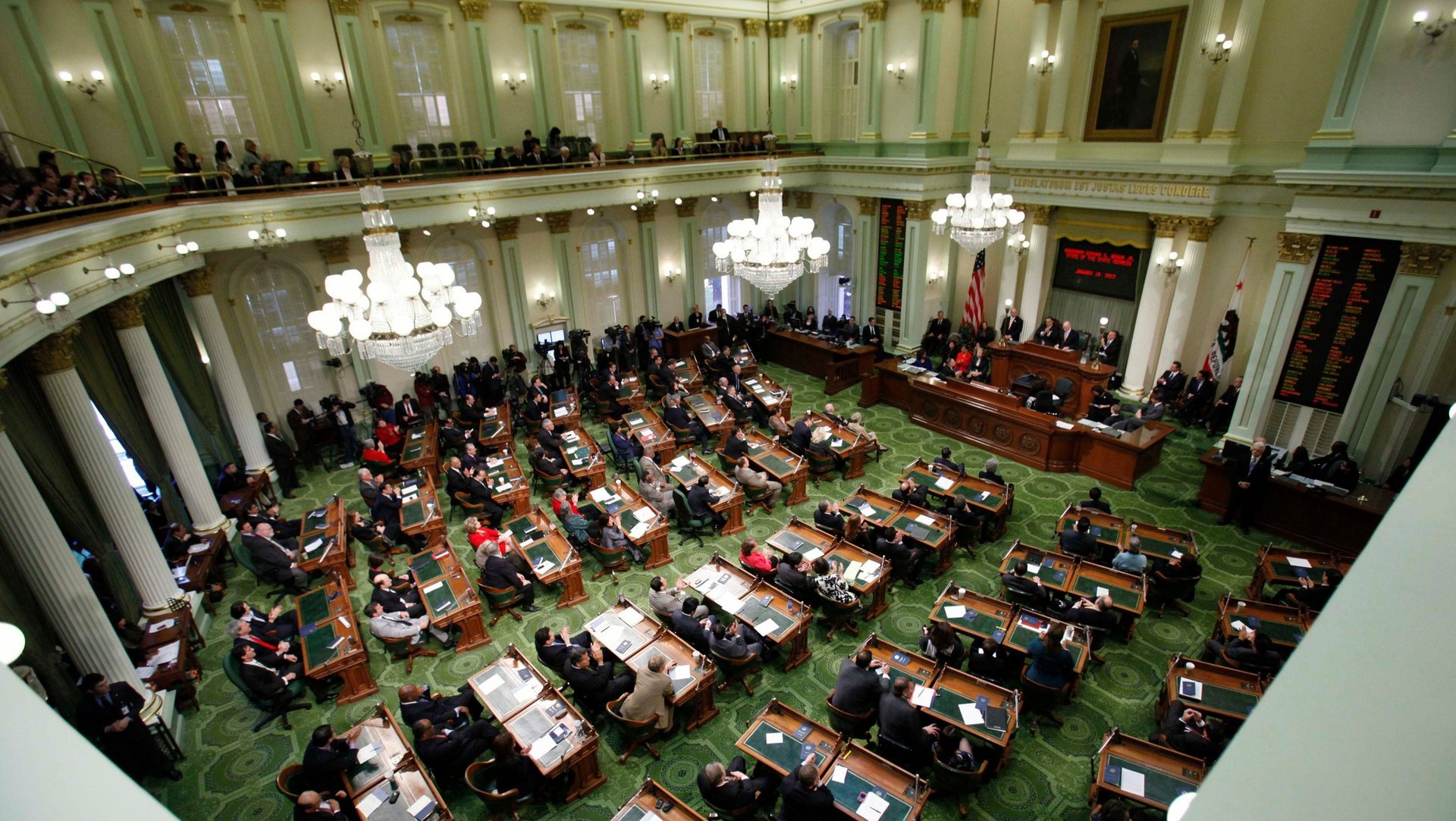
For decades, Republicans have attempted, and failed, to abolish the US Department of Education. Former president Ronald Reagan was the first to try to take an axe to it in 1981, just two years after it was established by his democratic predecessor Jimmy Carter in 1979. Last year, House Republicans tried again.

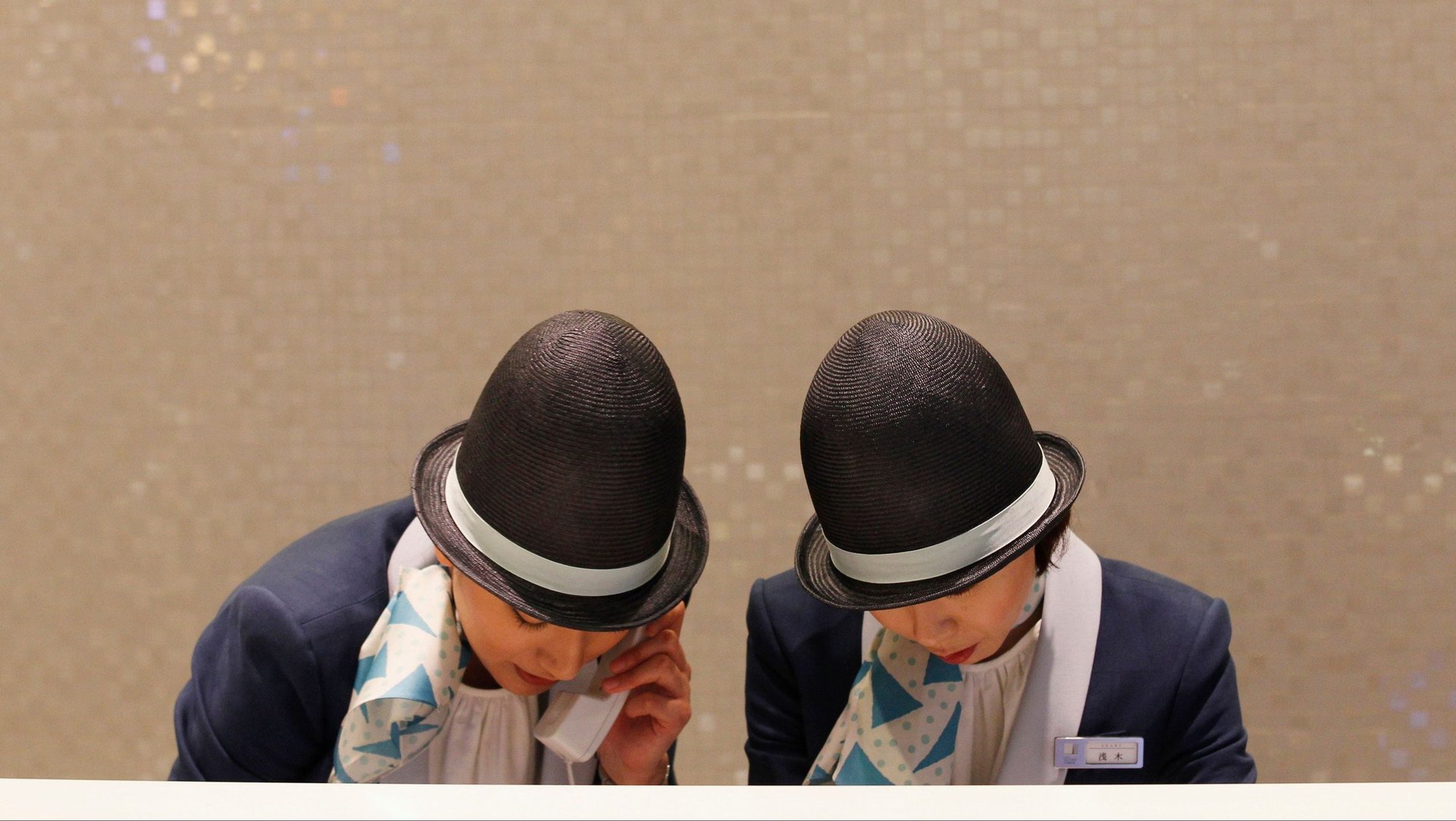
Cheerful and helpful workers are beloved by their bosses, and just about everyone else, really. Enthusiastic optimists make for great colleagues, rarely cause problems, and can always be counted on.