Covid-19-induced lockdowns were expected to take a toll on India’s economy, like anywhere else. But the first-quarter GDP numbers paint a much grimmer picture than expected.

Covid-19-induced lockdowns were expected to take a toll on India’s economy, like anywhere else. But the first-quarter GDP numbers paint a much grimmer picture than expected.

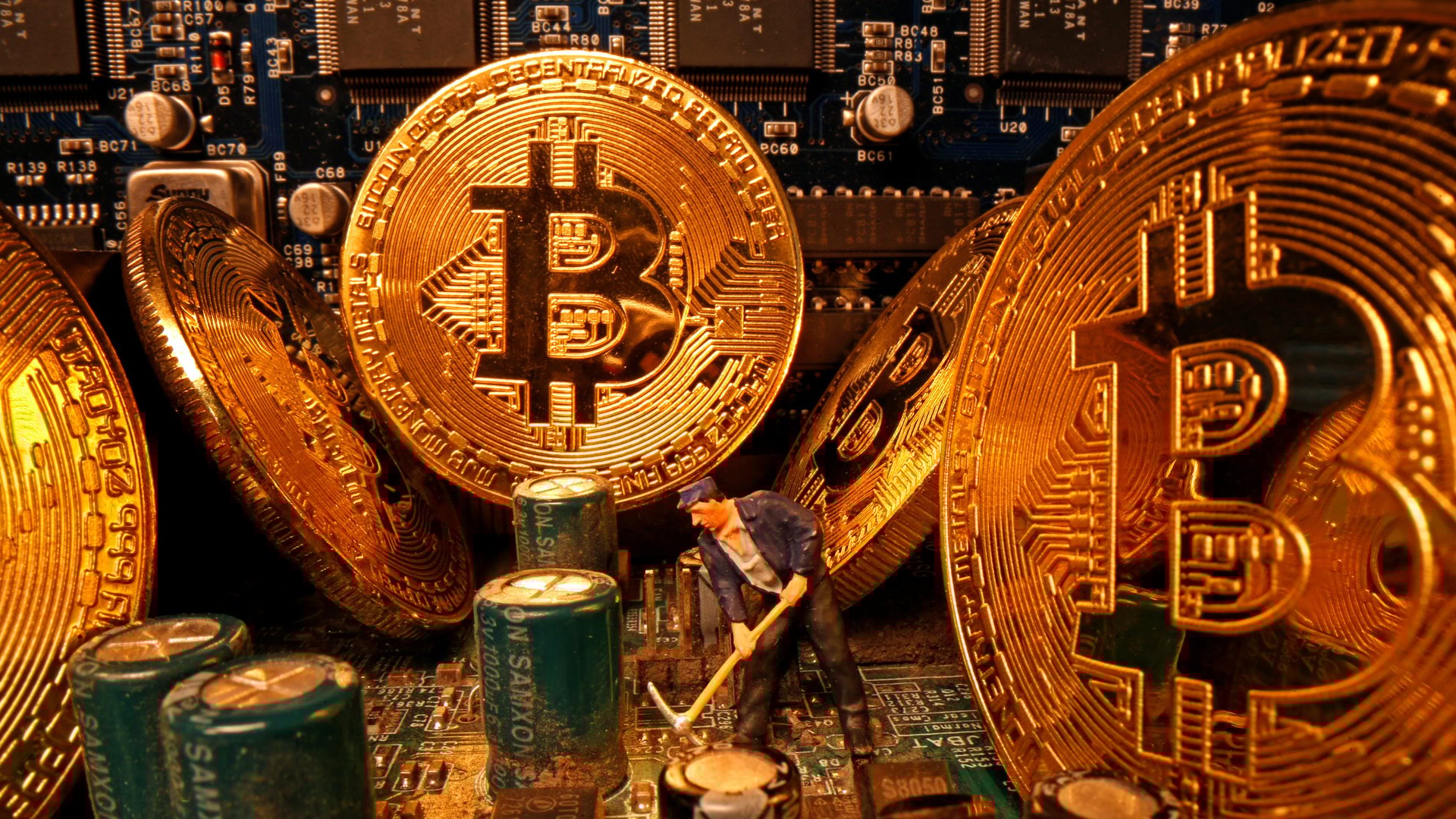
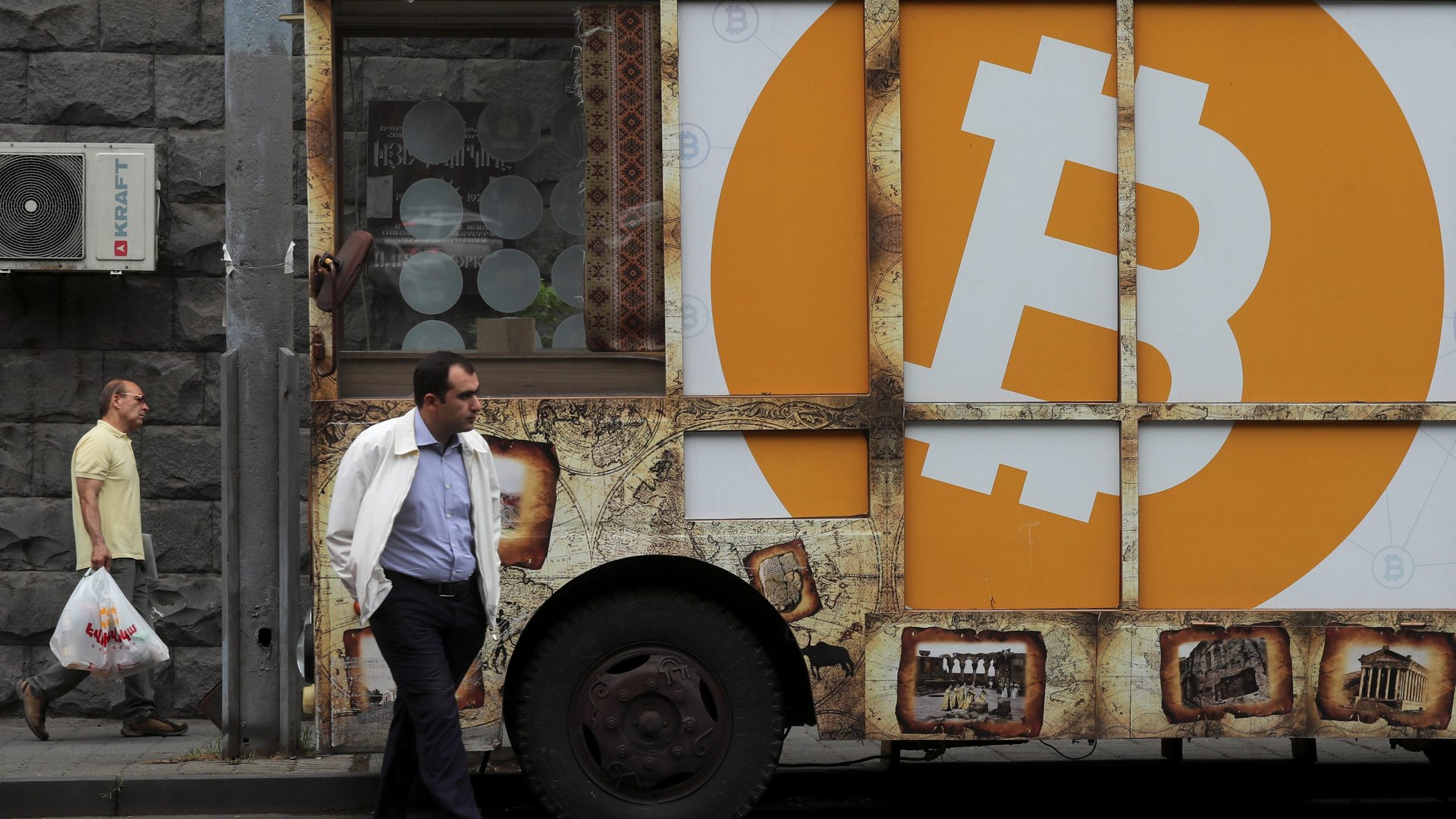
Indians have a clear favourite when it comes to cryptocurrencies. The world’s largest virtual currency by market capitalisation—bitcoin—is the most traded cryptocurrency in India.

As the Covid-19-induced economic slowdown deepens, Indian banks have been preparing for the worst. But what they are considering worst might still be conservative.

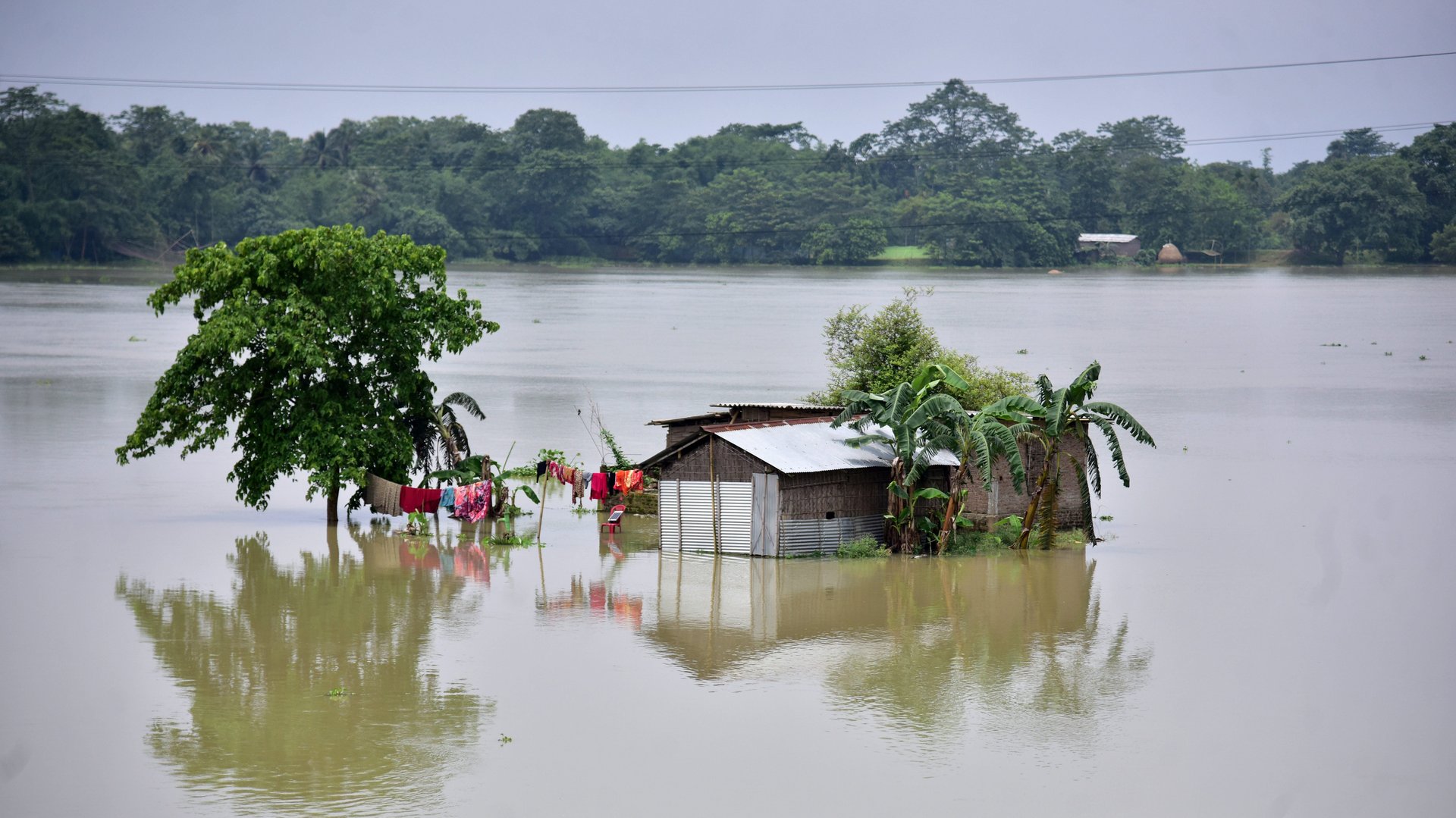
The only silver lining in India’s worst-ever quarterly GDP contraction was the agriculture sector. Between April and June, when the economy contracted by 23.9%, the sector posted a growth of 3.4%.

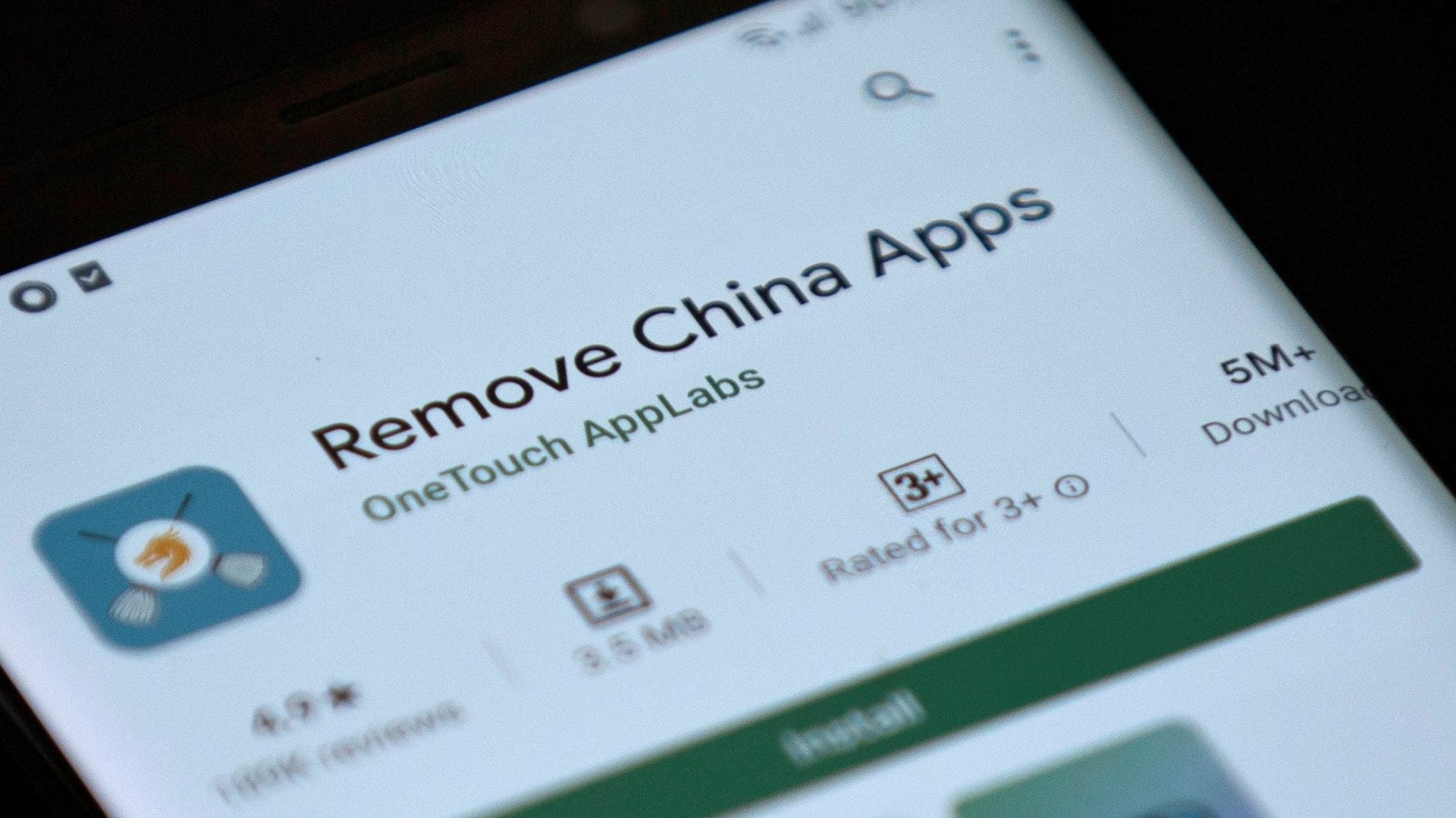
The Narendra Modi government has built a great Indian internet firewall against Chinese apps due to concerns over data security. But there is a potential gap that the government has so far ignored, which experts warn could prove risky.

The Covid-19 pandemic has not stopped Indians from investing so far. Over recent months, millions of new Indian investors have entered the stock markets and demand for gold is off the roof in the country. Cryptocurrencies have also emerged as a lucrative option because they have outperformed all other asset classes.

After nearly 70 days of complete lockdown to curb the spread of Covid-19 in April and May, businesses in India were reopened in a phased manner starting June 1. While industries, malls, offices, restaurants, shops, and religious places were allowed to open with a bunch of caveats, cinema halls, pubs, and public transport—including railways and metros—have remained shut. Some “containment zones” that have a high number of Covid-19 cases are still under lockdown.

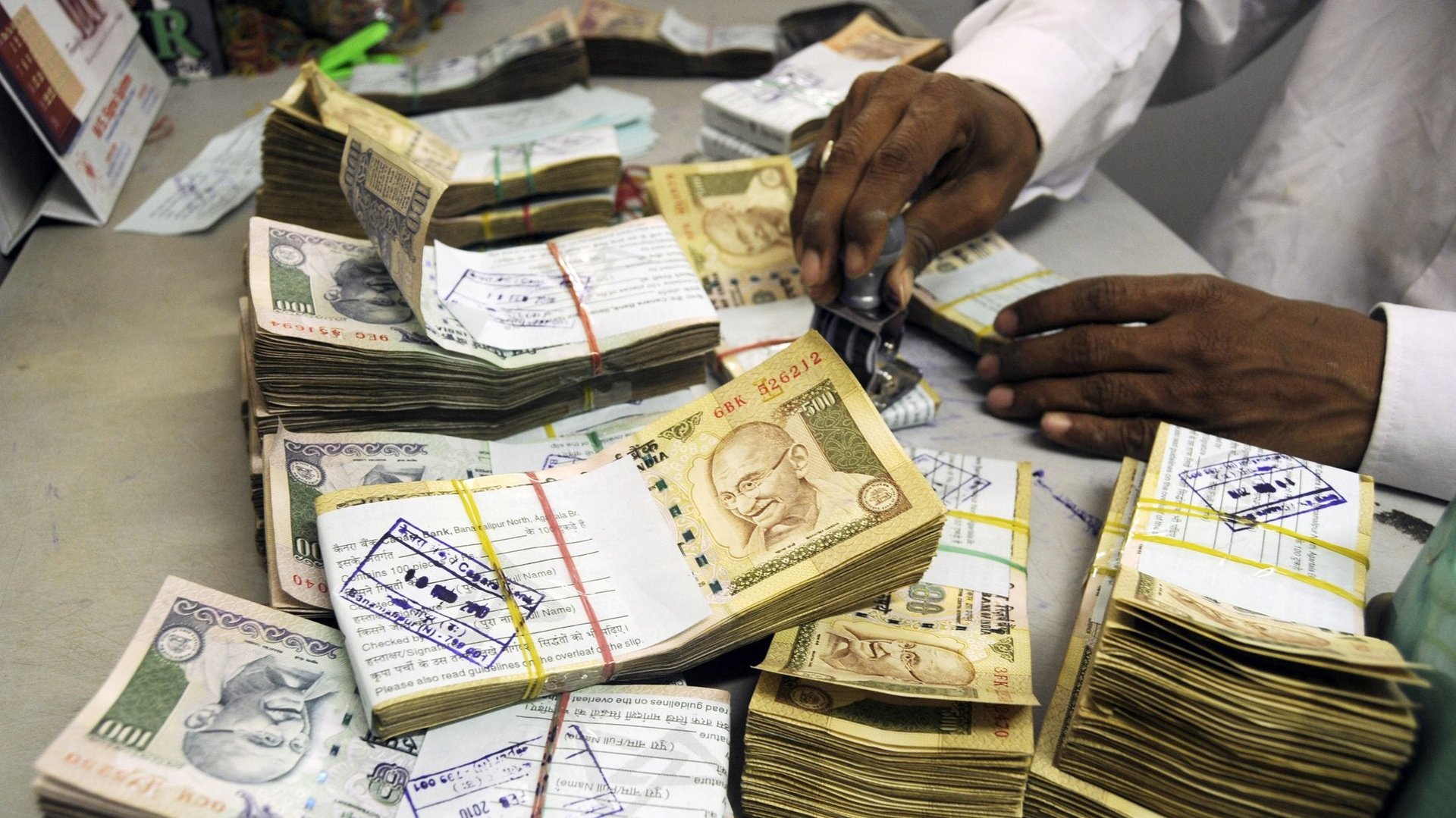
For over a decade, India’s banking sector has been grappling with the problem of rising bad loans. Primarily, this problem is a byproduct of “irrational exuberance” in the early 2000s and the use of public sector banks by successive governments to propel the economy.

Facebook-owned social messaging service WhatsApp is all set to take India’s fintech space by storm.

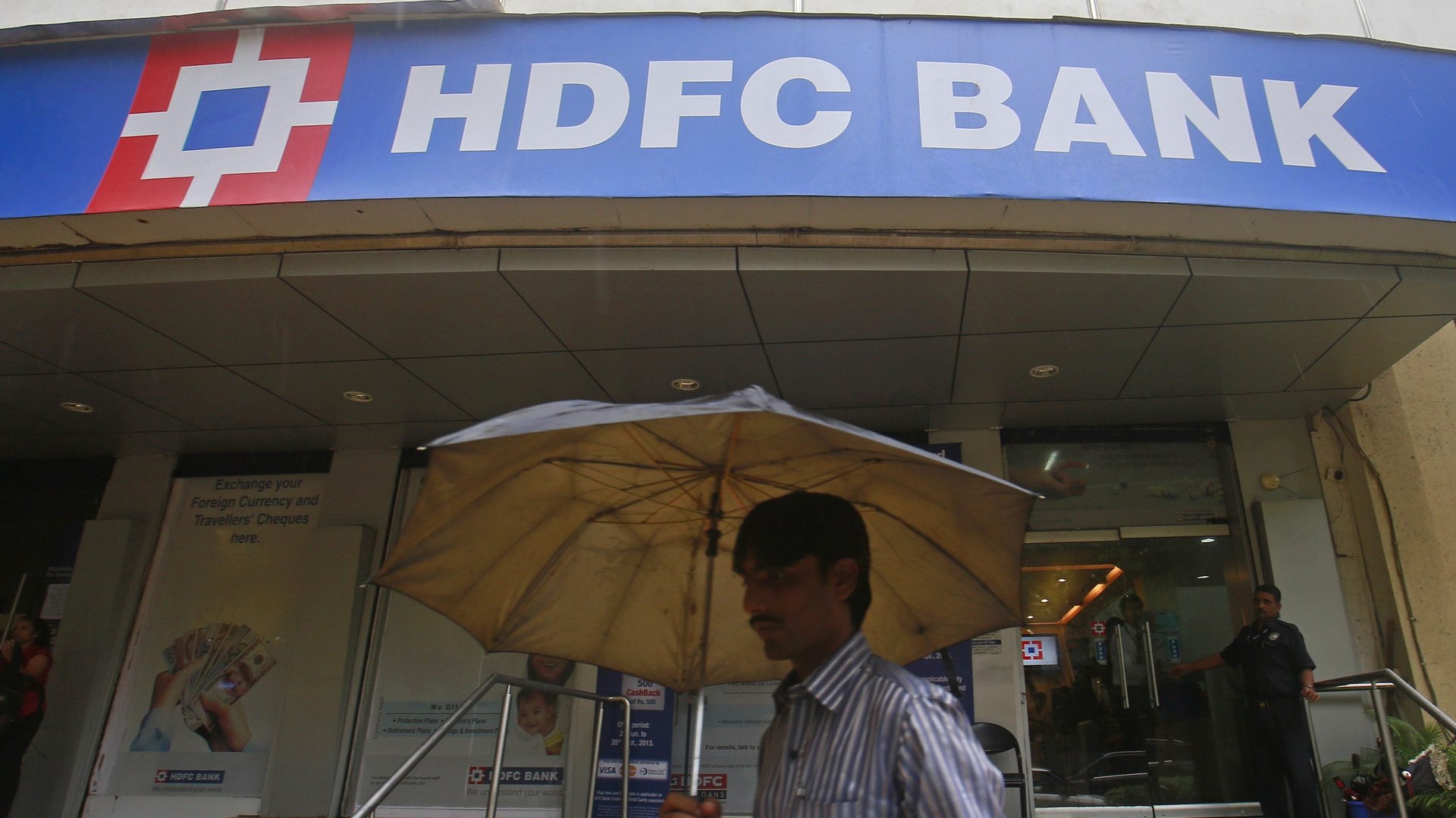
The crown jewel of India’s banking system is losing its sparkle.

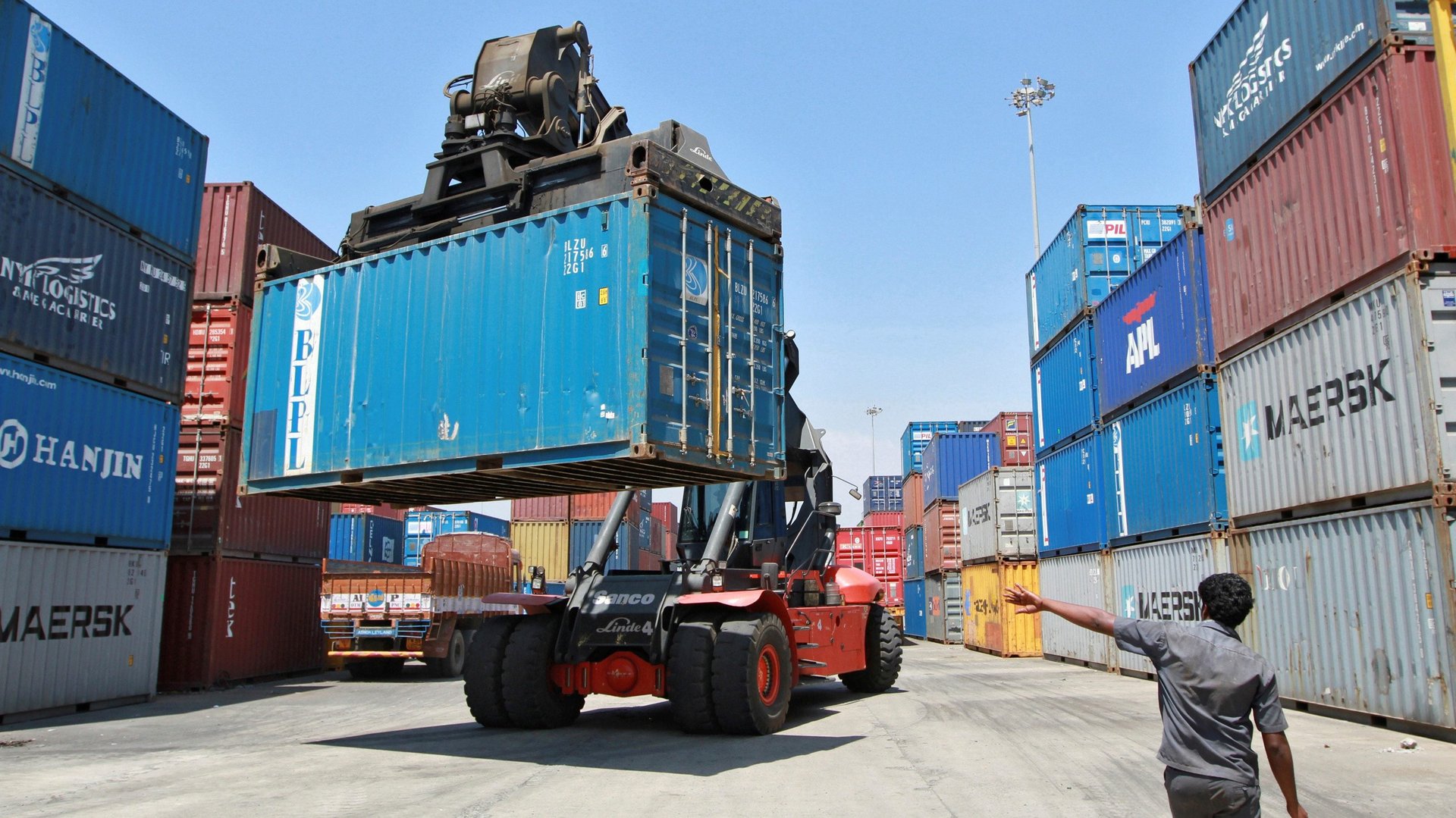
India became a net exporter in June for the first time in 18 years, with exports of goods and services outweighing imports by $800 million. The Indian government was quick to celebrate its trade surplus, with union minister Piyush Goyal attributing it to prime minister Narendra Modi’s call for Aatma Nirbhar Bharat (self-sufficient India). But economists and experts believe such rejoicing is misguided.

States in India—which already have higher debts than states in other BRICS and emerging countries—will be forced to borrow even more this year.

Small and medium-sized businesses have been at the center of the Narendra Modi government’s plans to revive the Indian economy from the Covid-19-triggered slump. Yet, experts believe, not much has changed for such firms and the pandemic could prove to be a “mass-extinction event” for them.

The rising inflation levels may spell bad news for the Indian economy’s growth prospects.

Large-scale protests. Ruthless crackdowns. A draconian law. Hong Kong’s relationship with the world has been completely altered by China after it imposed a new national security law on June 30, undermining Asia’s top financial center.

India’s private banks may soon be visited by ghosts of the past.

India’s central bank wanted to ease the pain for Indians struggling with job losses and pay cuts when it announced a moratorium on loan repayments and slashed its lending rates to record lows earlier this year. But banks, it seems, are not on-board with the Reserve Bank of India’s (RBI) efforts.

At a time when thousands of Indians are grappling with salary cuts and job losses, the centre and state governments in the country are increasing taxes charged on petrol, diesel and cooking gas to manage their own finances.

India’s shadow banking industry is going through one of its worst-ever crisis. But there are some players in the sector who have emerged as outliers.

“We know from past financial crises that they leave a permanent scar,” said Andy Haldane, the chief economist from Bank of England post the 2008 global financial crisis. In all likelihood, this time won’t be different.

This post has been updated.

While economic activity in India is limping back to normality, the lengthy pandemic lockdown has left a trail of damage. Shops, malls, construction sites, industries, and offices were shut for almost two months, resulting in the complete collapse of demand.

The Narendra Modi government has had a pretty dubious track record of estimating and calculating India’s economic growth, and the pandemic may make things worse.

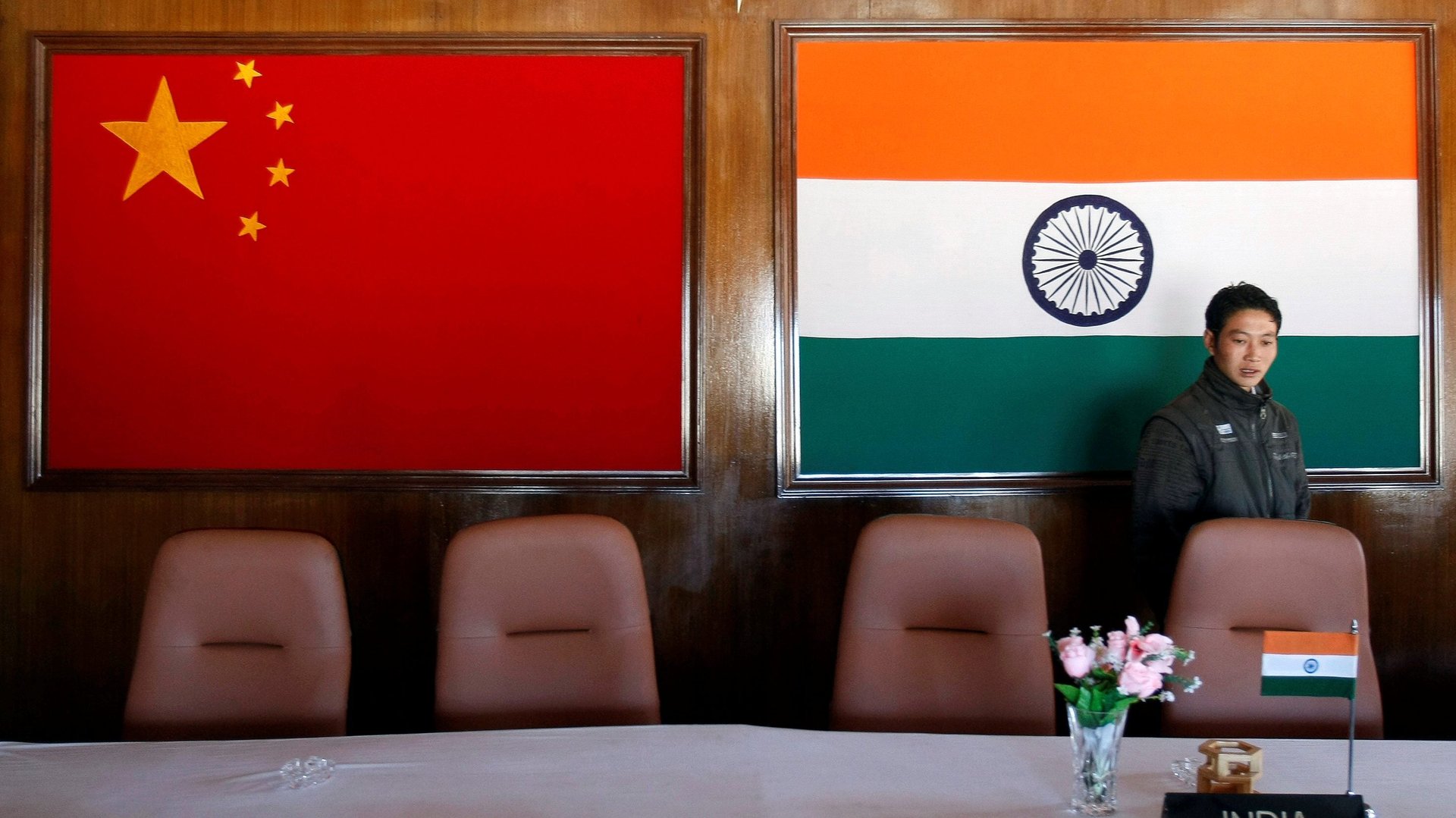
Anger over the death of Indian soldiers in the Galwan Valley has translated into calls for cutting all ties with China. But if any move is made in that direction, India stands to lose much more than China.