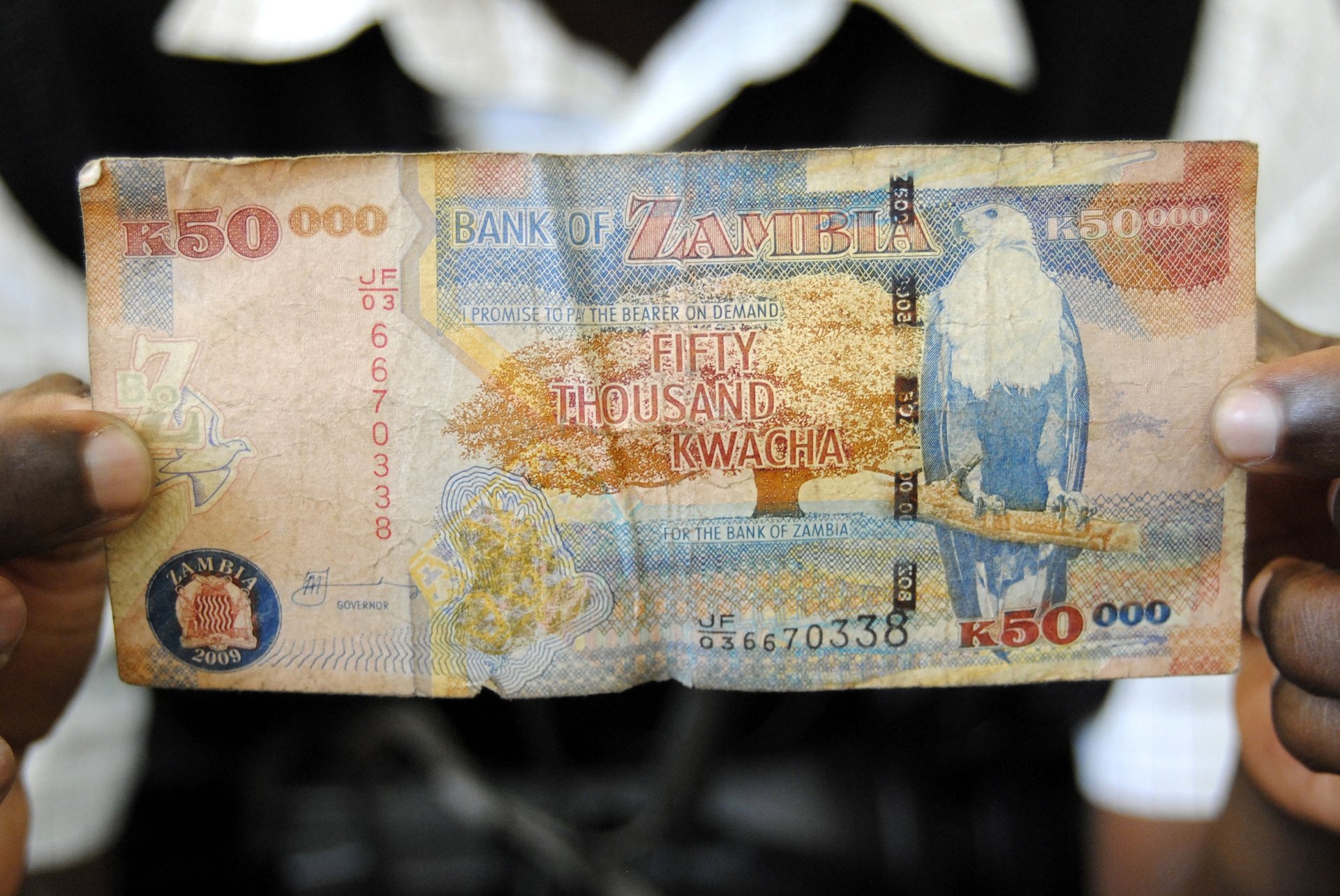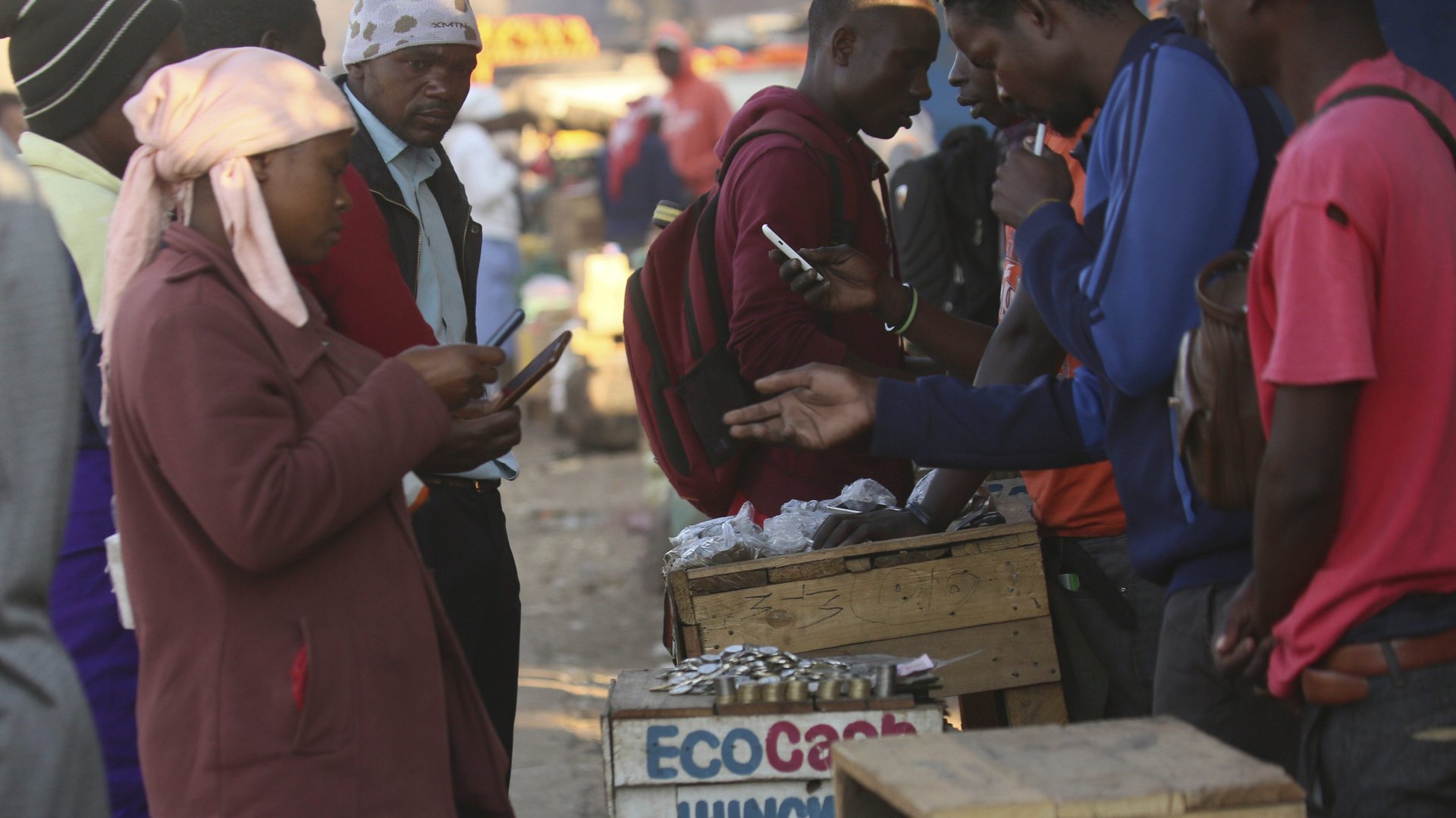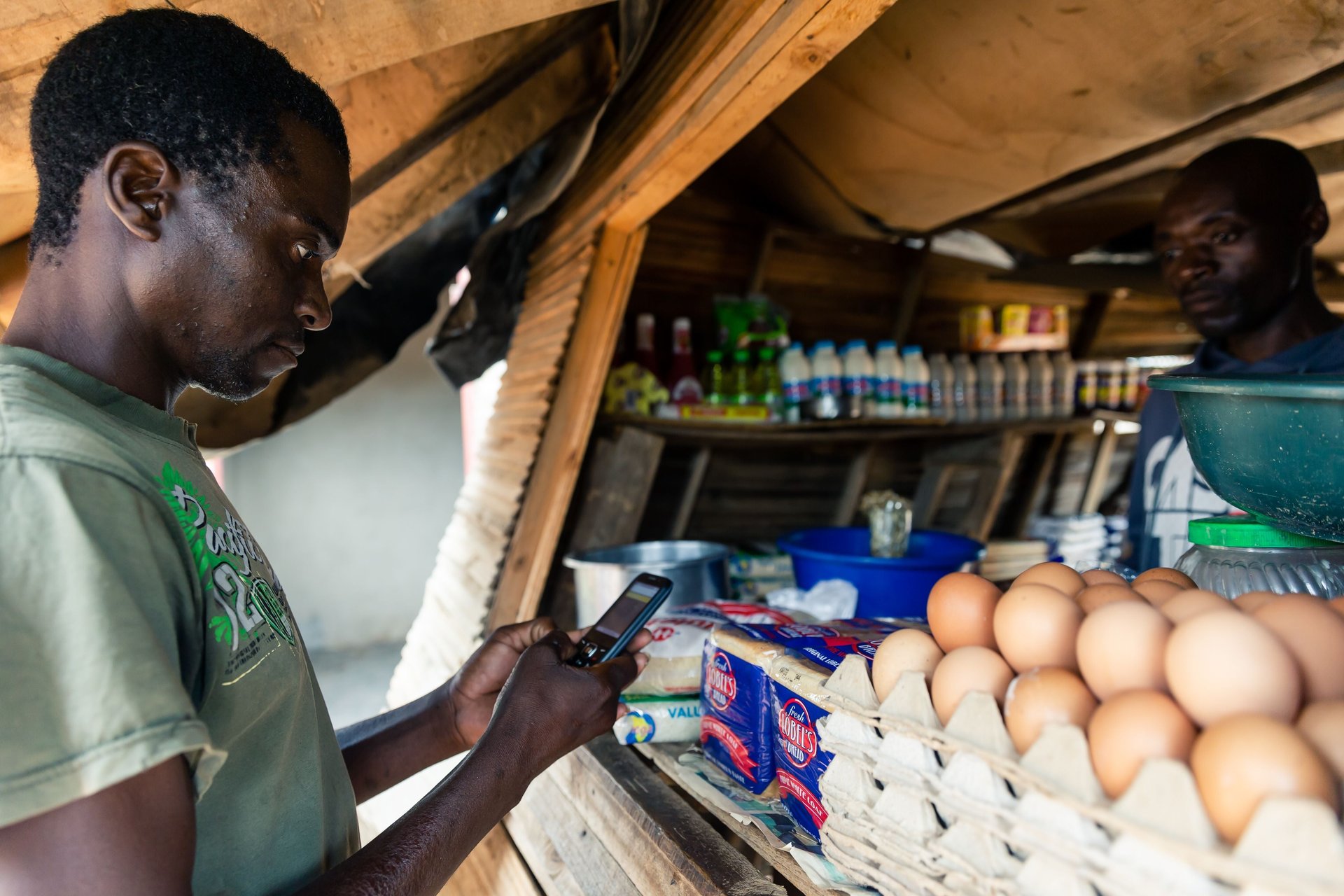
The scramble is on for Zimbabwe’s billion dollar remittance industry with local and international fintech institutions vying for a share of the pie against legacy banks and traditional money transfer agencies.

The scramble is on for Zimbabwe’s billion dollar remittance industry with local and international fintech institutions vying for a share of the pie against legacy banks and traditional money transfer agencies.

The rise of e-commerce on the continent, plus greater access to global supply chains, presents enormous upside for both buyers and sellers. But taking advantage of that upside still often requires access to bank-underpinned debit and credit cards.


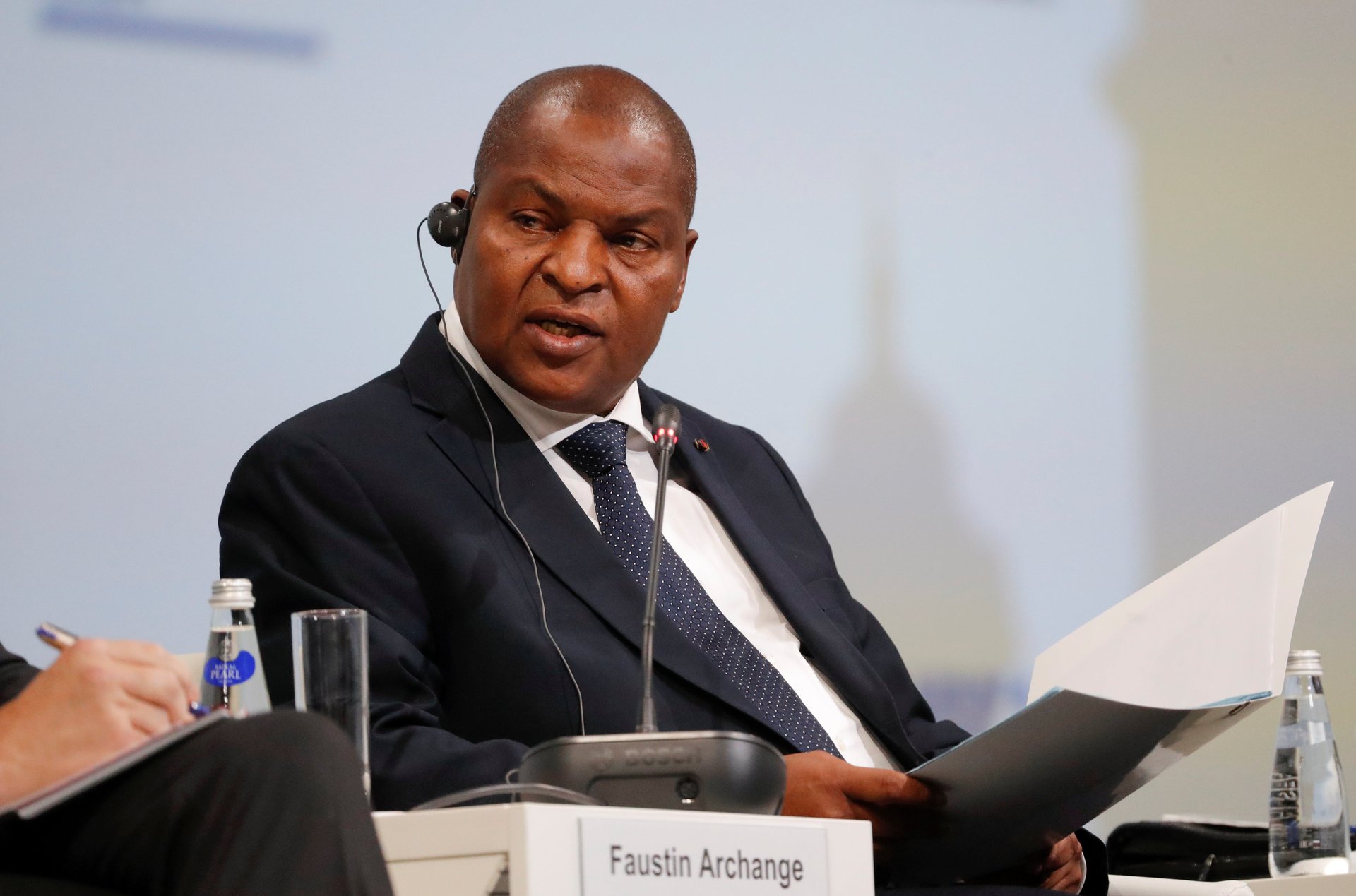
The Central African Republic has overtaken regional cryptocurrency front-runners such as Kenya and Nigeria to become the continent’s first nation to officially adopt bitcoin as legal tender.

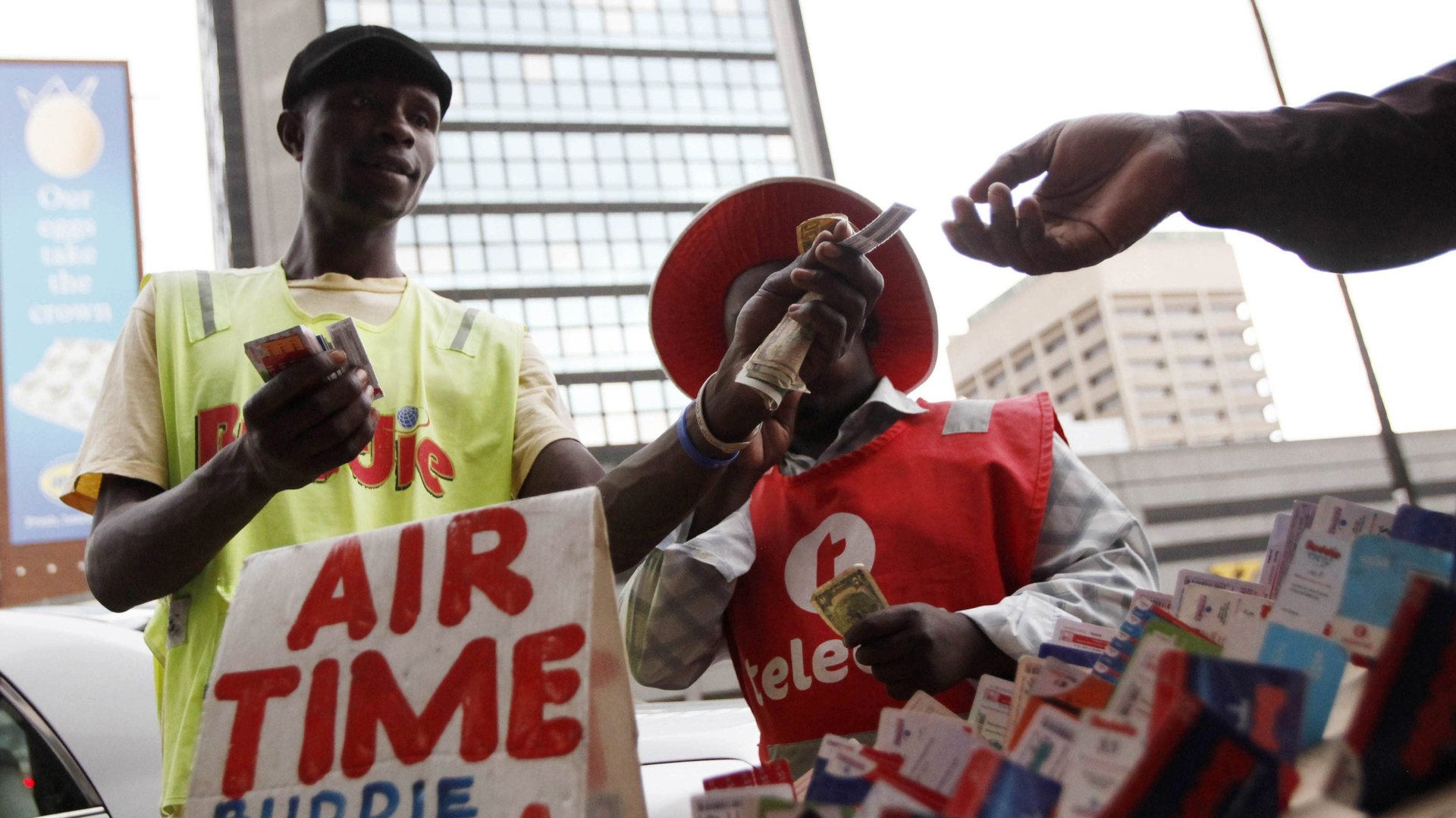
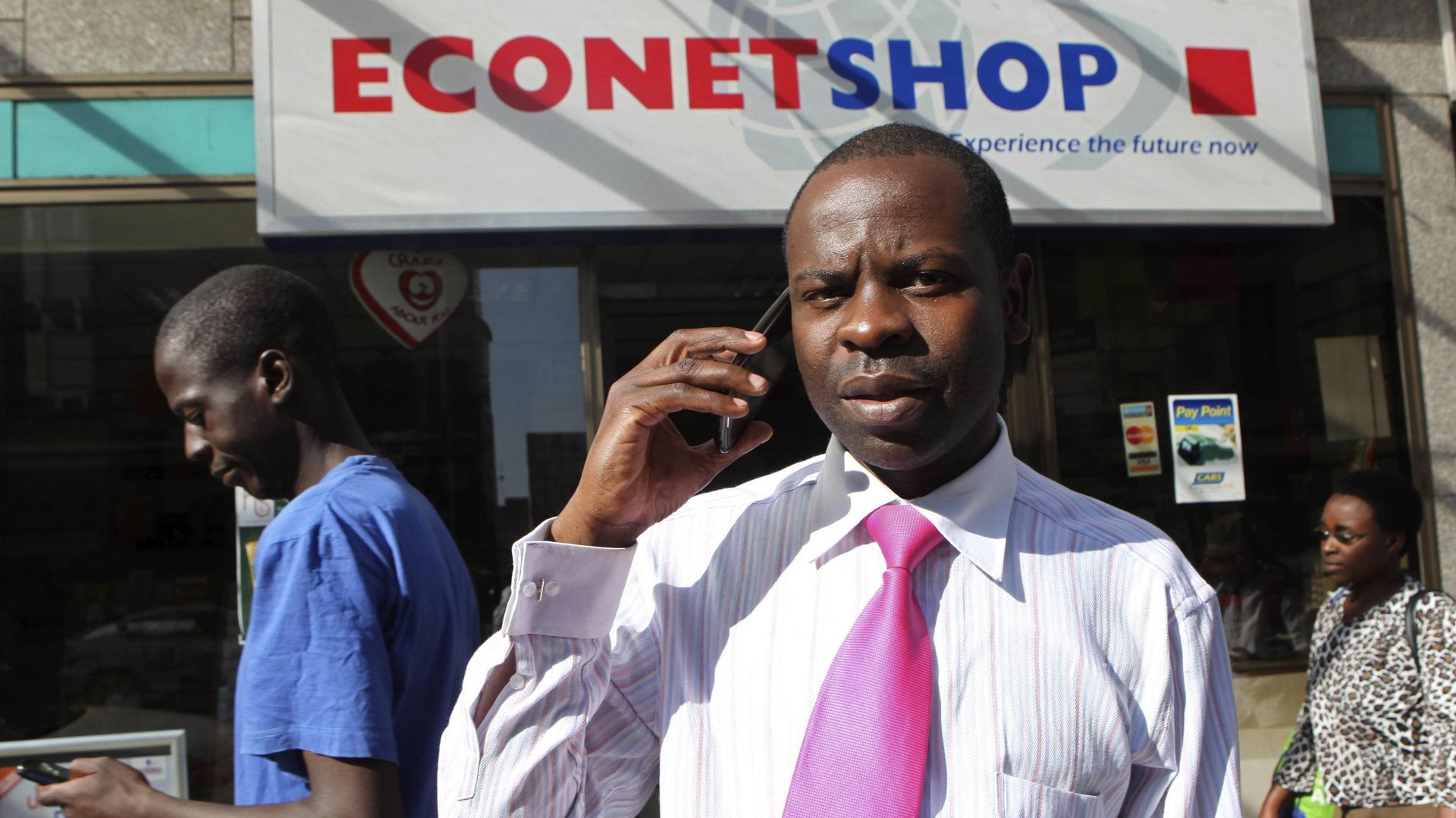
Zimbabwe is cracking down on its mobile money sector through a wave of regulatory chokeholds, including shutdowns and strict requirements to by-pass agent networks for US dollar cash-in and cash-outs from mobile wallets.

In what could be a win for intellectual property in Africa, a South African court has ordered Vodacom, Africa’s second largest mobile operator, to make a huge payout to South African inventor, Nkosana Makate. Makate is credited with having invented the ‘Please Call me’ functionality, a popular function in the mobile telecom industry allowing users to use USSD even when they don’t have credit to call.

Zimbabwe and Nigeria are the latest African countries to lay out plans for the collection of taxes from e-commerce and digital companies such as Netflix, Google, YouTube, and Amazon.

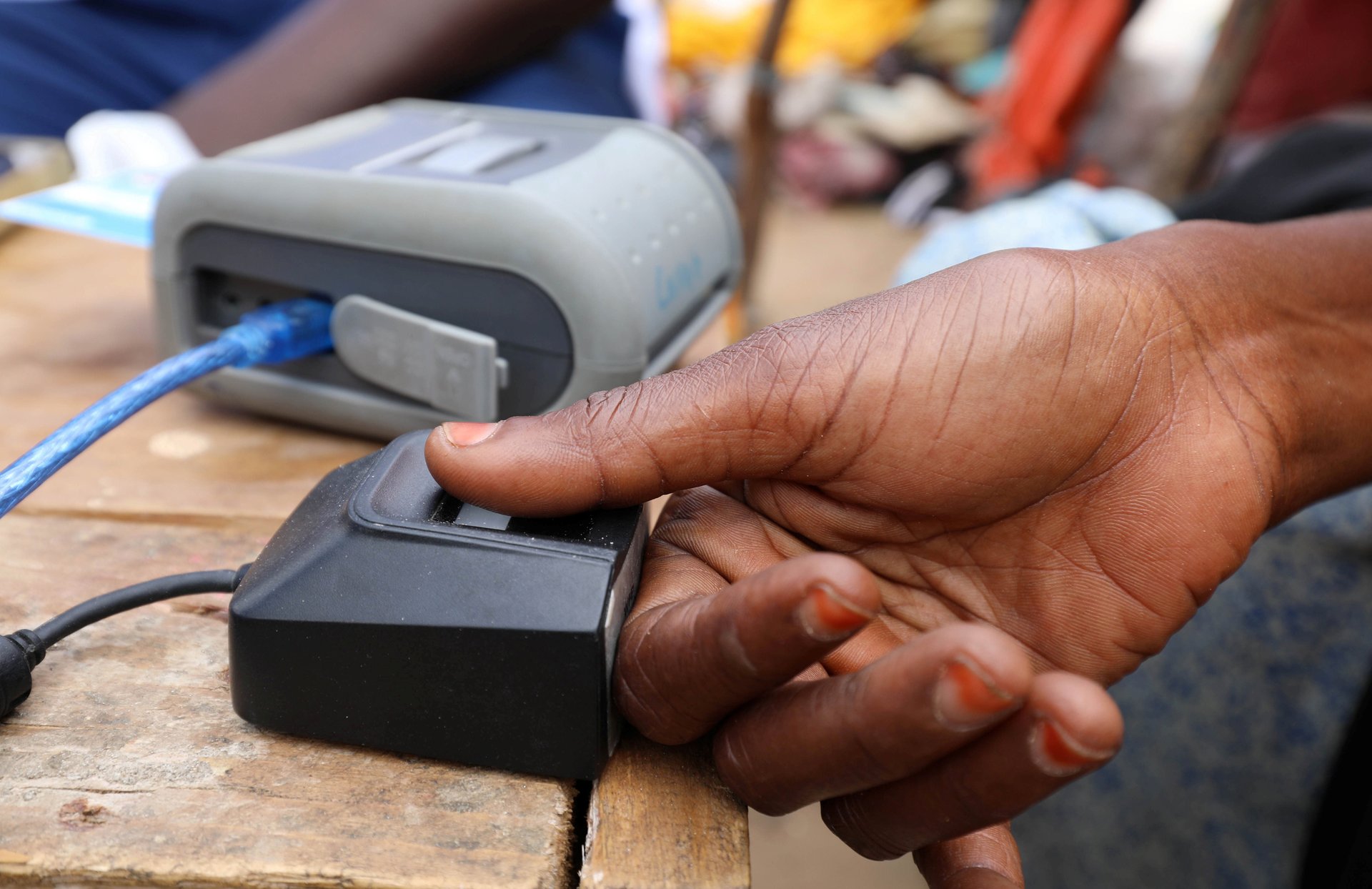
Ghana has moved to integrate telecommunications, banking, and mobile money platforms under the Ghana Card—a biometric means of personal identity—which will now be a prerequisite for all financial transactions starting July 1.

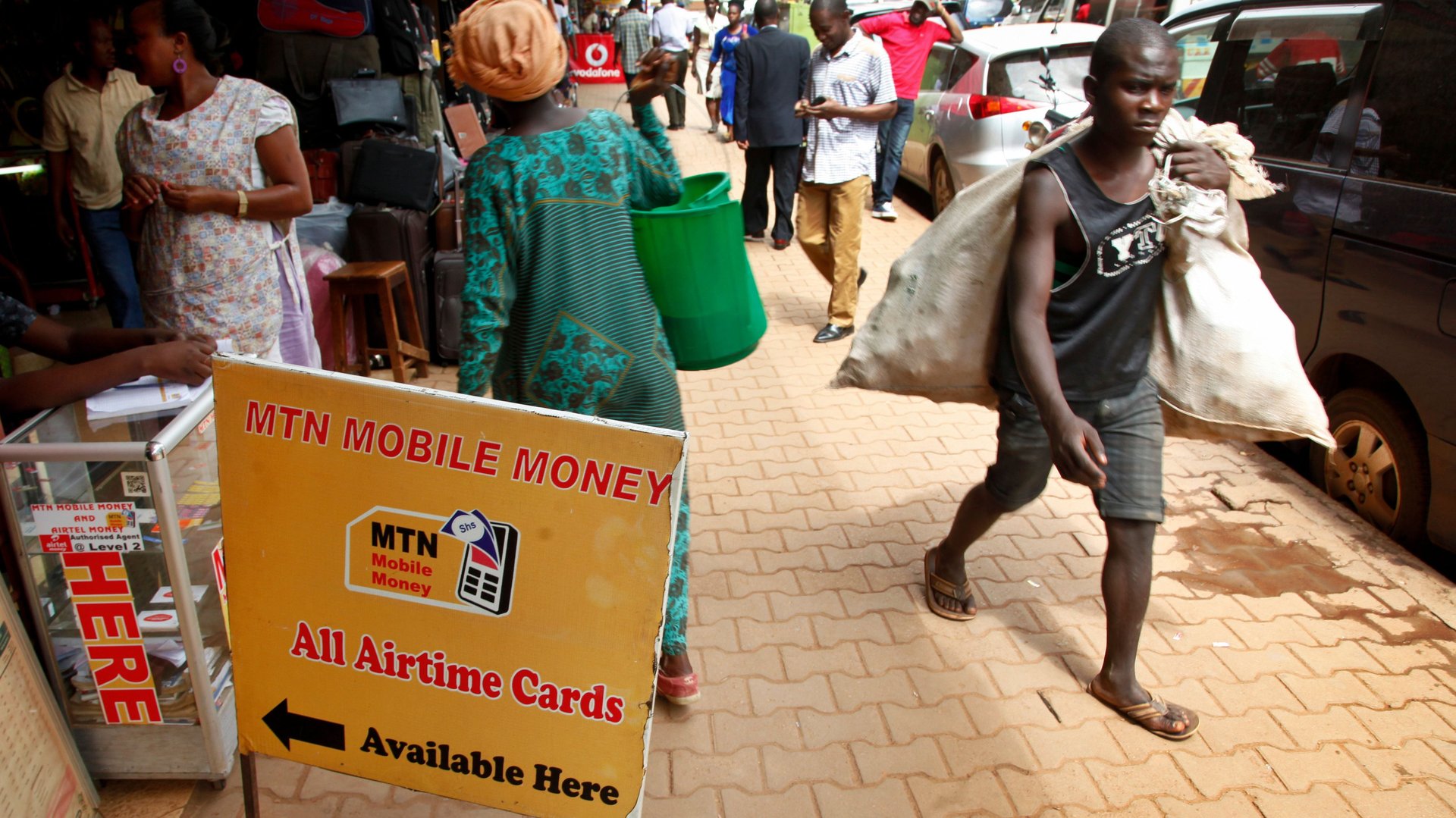
Uganda is seeking to shore up electronic and mobile money transactions by moving away from cheque payments for amounts above the equivalent of about $2,800 in local and foreign currency starting Jan. 15.

Zimbabwean president, Emerson Mnangagwa is pushing for the landmark return of colonial war trophies such as skulls of native leaders that were shipped to the UK and elsewhere in Europe in return for the remains of British colonialist Cecil Rhodes who is buried in the southern African country.

A call by Africa’s biggest mobile operator MTN, for all employees to get vaccinated or risk dismissal from work beginning next year signals a shift in how the continent’s largest companies are dealing with the pandemic.

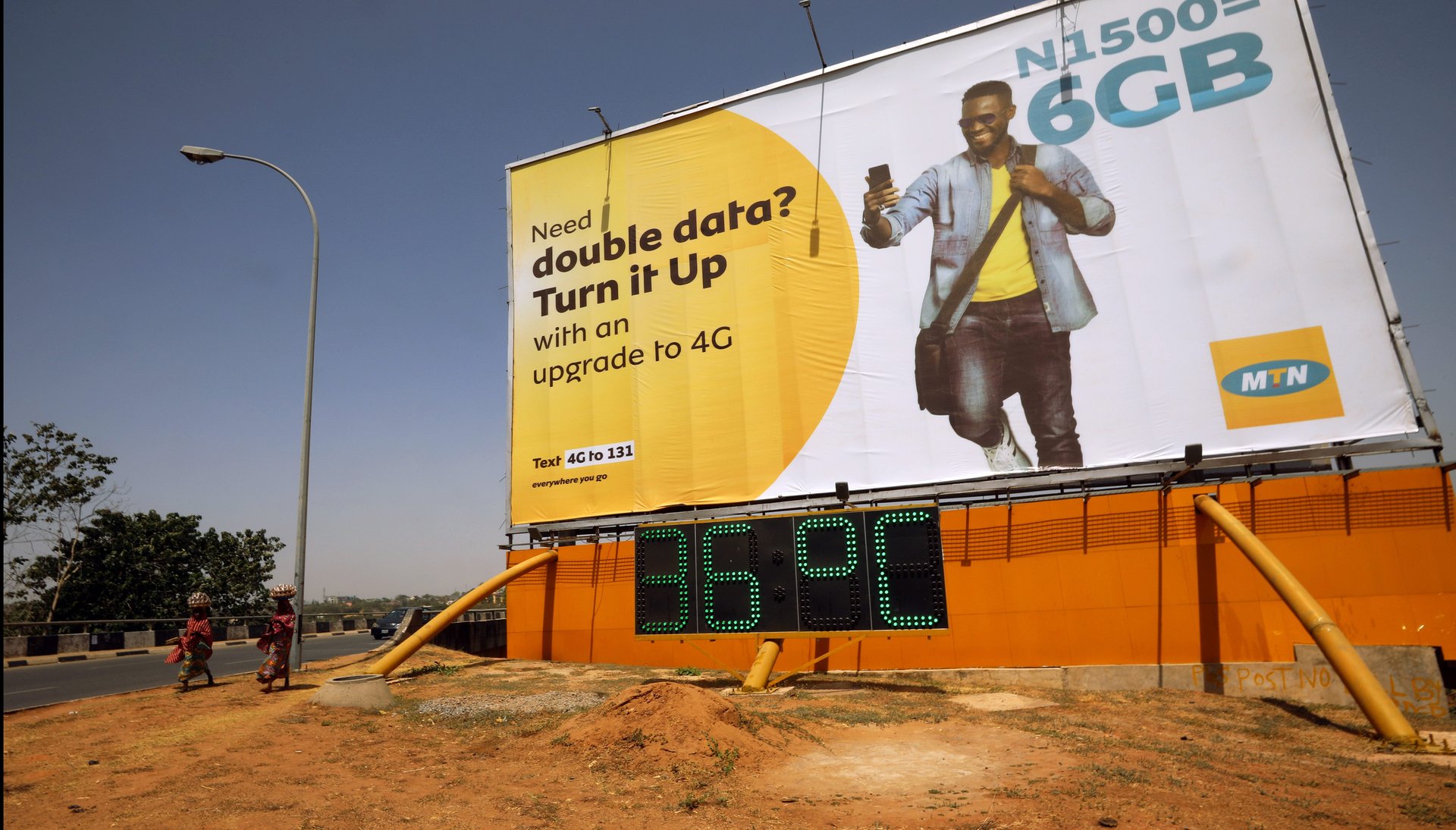
Zimbabwe, which already levies a 25% tax on imports of smartphones and another on voice and data top-ups, has introduced a new $50 levy on imported cell-phone devices. This is part of a move to ramp up revenues to meet government expenditure which is expected to nearly double to $8 billion in 2022.

This story has been updated with news of WHO’s classification of the variant.

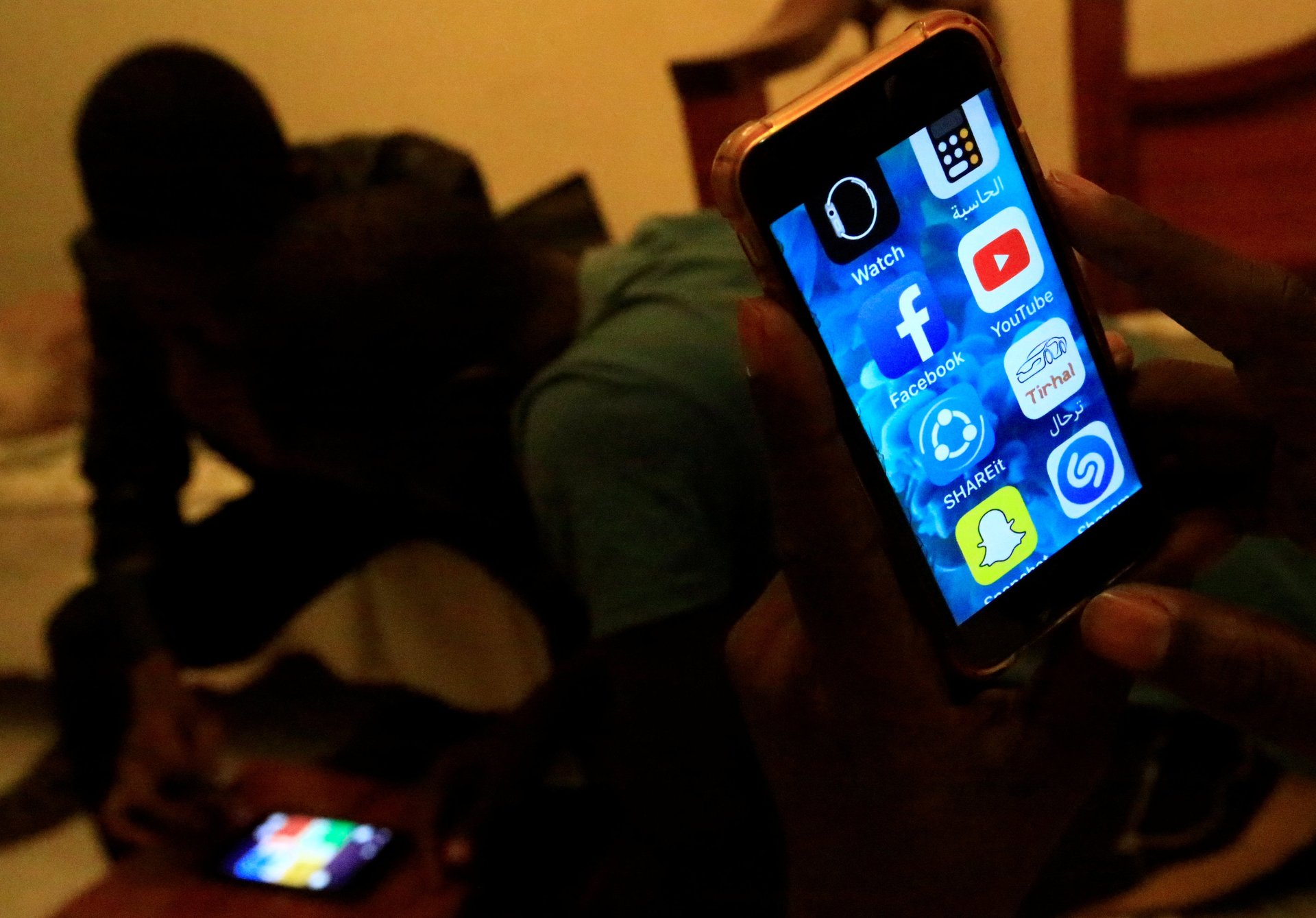
Sudan’s ongoing internet blockade in the aftermath of a coup on Monday, Oct. 25 could persist for longer as previous trends in the crisis ravaged African country show the military extending connectivity outages for more than one month.

Zimbabwe is cracking down on social media and mobile money platforms to root out alleged “illegal currency dealers” that the government blames for a plunge in the value of the country’s local unit of exchange. But economists and tech experts warn that this amounts to shooting the wrong target.

A new highly mutated variant of the Covid-19 virus has been identified in South Africa as the country continues to battle high infections and death rates from the pandemic. Due to the fast evolving nature of the pandemic, this new variant from South Africa—the continent’s worst hit country with over 2.8 million cases—poses new challenges to regional efforts to contain the pandemic.

Unemployment in South Africa, one of the biggest economies on the continent, has hit record levels, with young people and women the hardest hit.

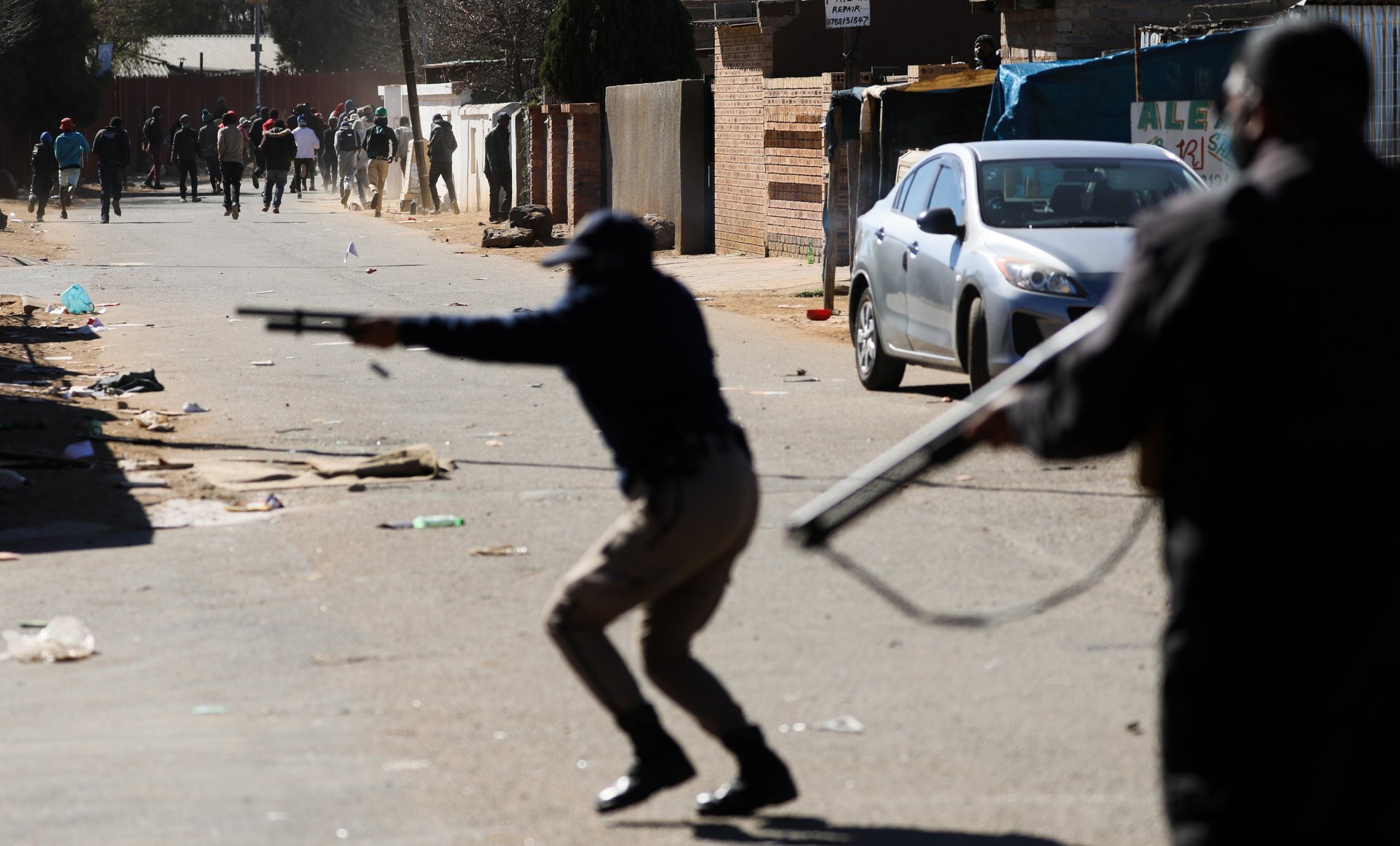
South Africa, rocked by violent protests that have turned deadly, is now looking to social media networks such as Facebook and Twitter to crack down on looting and destruction of property and infrastructure by demonstrators.

There is a wave of optimism around the first four African startups to hit a $1 billion valuation. These $1 billion+ companies—typically referred to as unicorns—are Flutterwave, Interswitch, and Fawry in fintech, and Jumia in e-commerce. Emerging markets investment analysts are betting on these two sectors, staked on the continent’s tech-savvy population, to provide even more unicorn status companies for the region.

With the internet shut down and under the cover of darkness, government forces went after protestors in Africa’s last absolute monarchy of Eswatini. All this while Eswatini’s dominant neighbor, South Africa, remained silent in the midst of former president Zuma’s court sentencing trials.

From e-commerce to edtech and fintech, Egypt’s start-ups are emerging as the preferred destination for global and regional investment, threatening to overtake South Africa, Kenya, and Nigeria.

South Africa is officially embracing cryptocurrency trade and investment laws, with its financial and capital markets regulators predicting an increase of crypto activity in the country.

Telecom and tech companies in Africa are reaching new milestones, capitalizing on renewed international investor interest to pour money into infrastructure development, finance the roll-out of data centers, propel fiber connectivity to new areas, and deploy new mobile networks in key markets.