Sensors in your phone that collect seemingly harmless data could leave you vulnerable to cyber attack, according to new research. And saying no to apps that ask for your location is not enough to prevent the tracking of your device.

Sensors in your phone that collect seemingly harmless data could leave you vulnerable to cyber attack, according to new research. And saying no to apps that ask for your location is not enough to prevent the tracking of your device.

Y Combinator is known for backing highly successful technology startups such as Airbnb and Dropbox. Now the incubator is looking for opportunities in biotechnology, an industry that was considered unfit for the model as recently as 2008. And with a new wave of bootstrapped biotech companies, we can expect to see riskier—and perhaps more fruitful—efforts at curing and preventing disease.

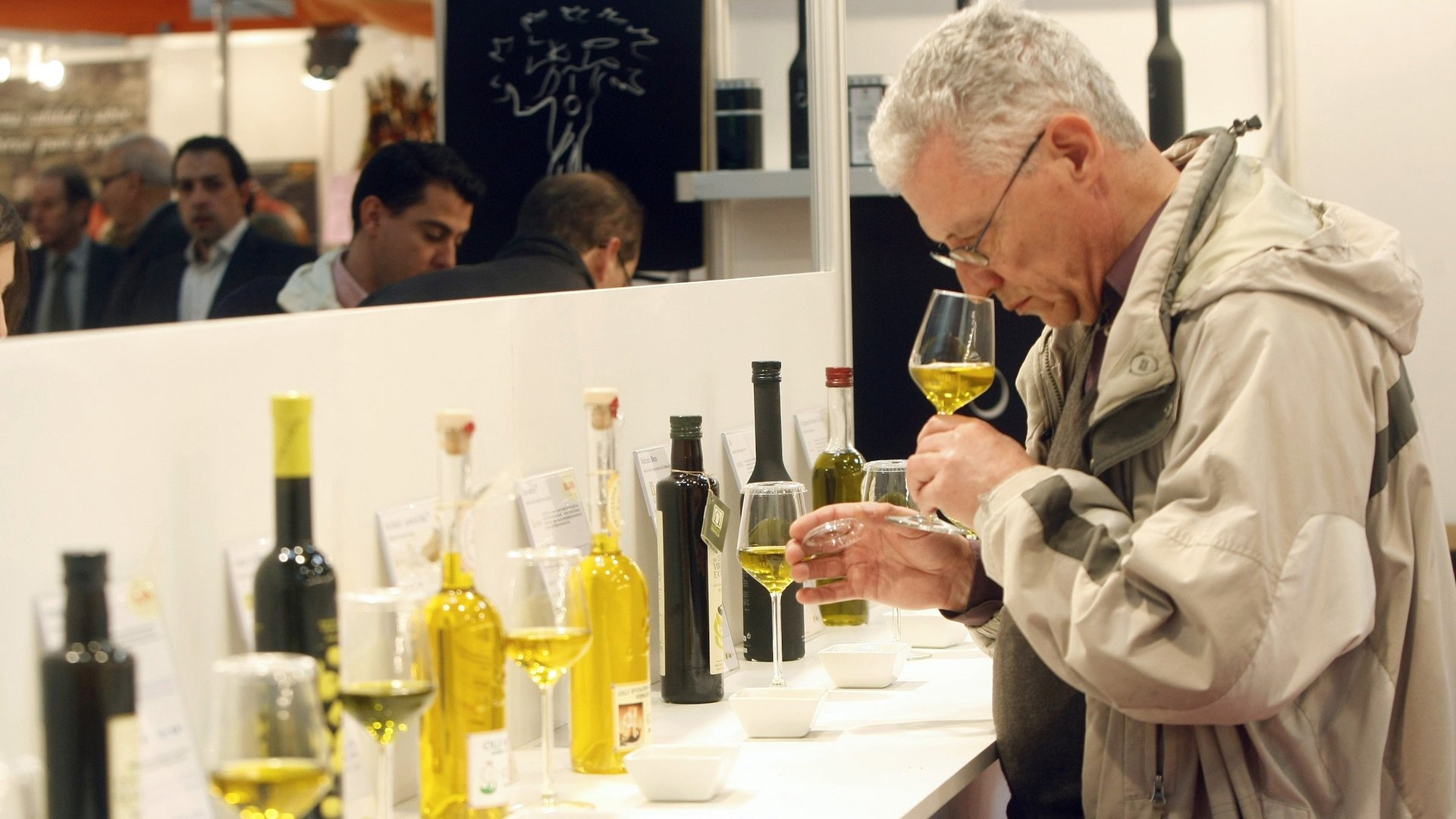
A new method of labeling olive oil could prevent fraud in the supermarket. By “labeling” oils with unique tags of DNA, new research suggests (paywall), regulators can make certain that supplies of olive oil—and other oils, including fuels and cosmetic ingredients—stay pure.

Speed reading apps like Spritz are a nifty way to plow through text at a breakneck pace, but they’re not perfect. Such apps might rob you of your comprehension, according to new research (paywall).

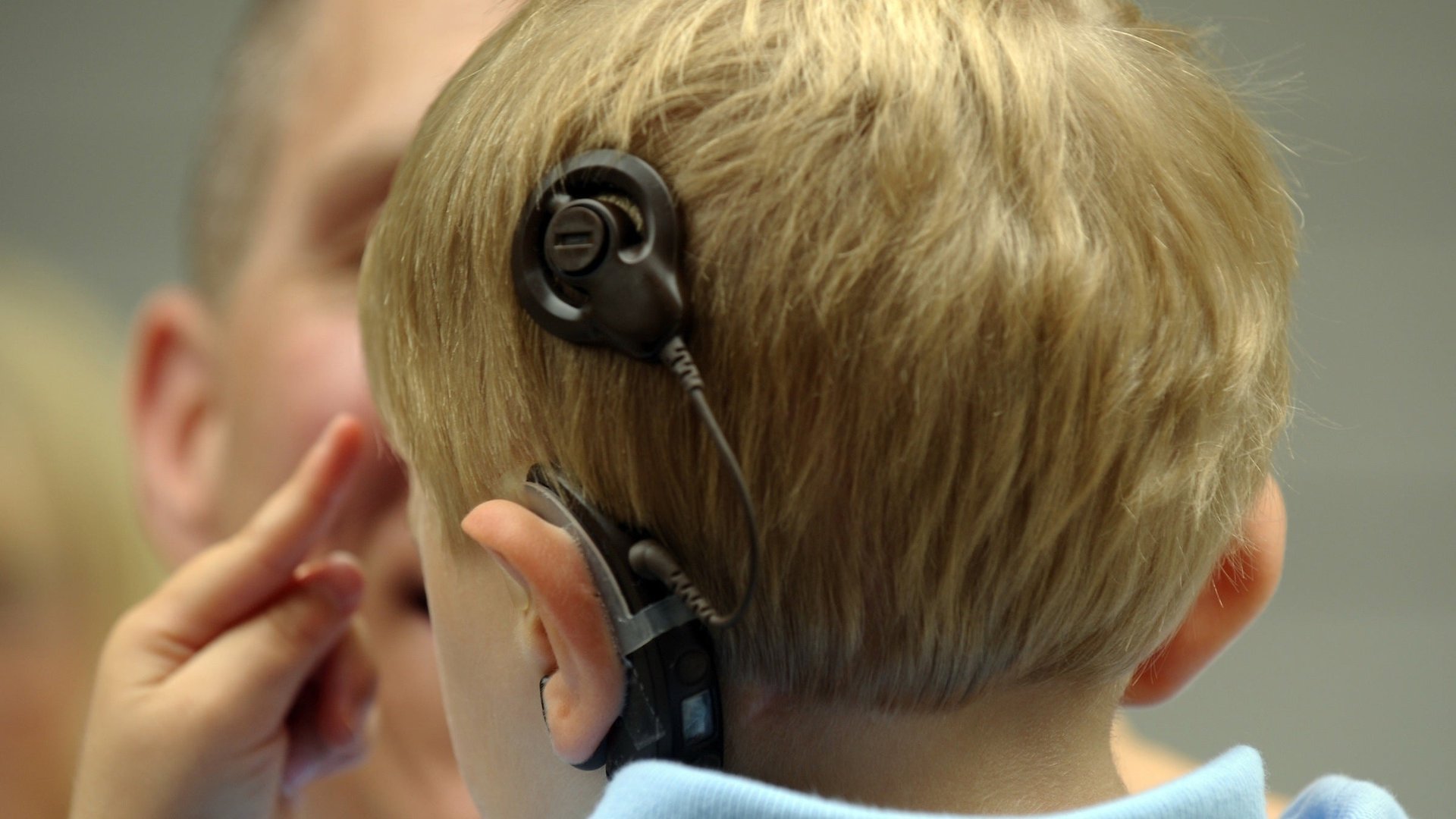
When someone’s auditory nerve is damaged, a cochlear implant acts as a substitute for the lack of vital nerve cells. But one day, it turns out, the implants could help those cells regrow. Gary Housley, director of the Translational Neuroscience Facility at the University of New South Wales, has published a study (paywall) demonstrating the process in animal models.

Tech company valuations are becoming so inflated that some think there’s a bubble about to burst. But how do offices with a few dozen people in them get to be worth billions, and what do those numbers mean? Kyle Chayka at Pacific Standard has a good explainer on what makes a new company valuable (spoiler: it’s not the promise of future profitability):

Most people in the UK tell very few lies, according to new research. But among those who do fib are a subset of “prolific liars,” who tell six “white lies” (those they consider harmless) and three “big lies” each day. And in the UK, that subset may make up as much as 9.7% of the total population.

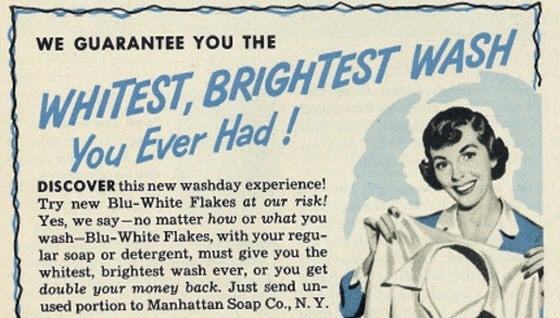
LED lightbulbs are incredibly energy efficient (pdf), but they could do a number on your crisp white button-downs: According to a new study led by Kevin Houser, a professor of architectural engineering at Penn State University, the most common type of LED lightbulb renders clothing brighteners—the chemicals in detergents that claim to make your whites whiter—useless.

Poor-quality medication—that is, counterfeit drugs, or ones not made to the right specifications—are a huge problem. But it has traditionally been hard to measure how pervasive the problem is. “You’d have to sample drugs across the whole country, in every country,” Facundo Fernandez, professor of chemistry at Georgia Tech, told Quartz. Fernandez has been working for a decade to develop tools for faster and easier drug screening.

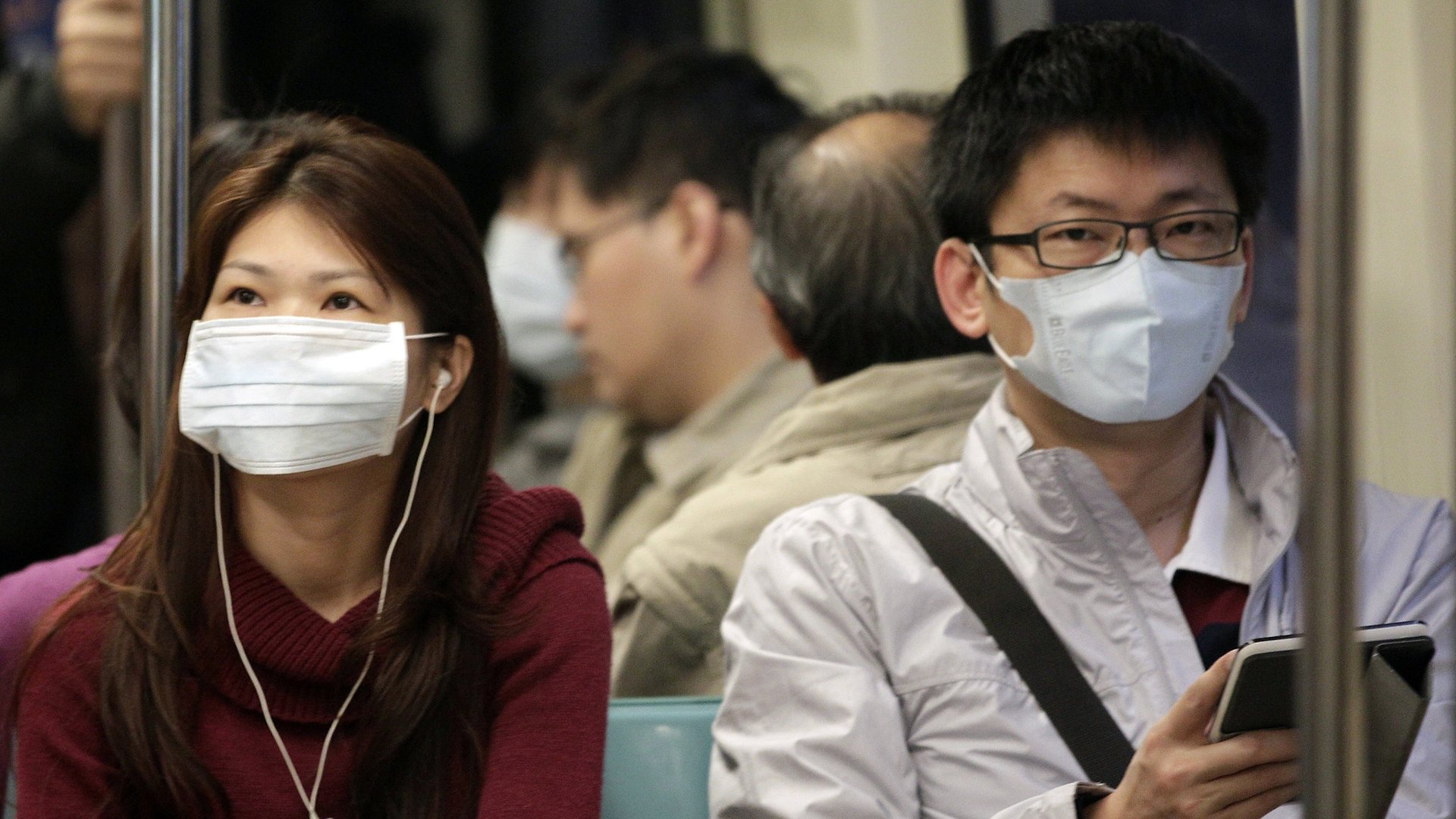
Wikipedia traffic could be used to provide realtime tracking of flu cases, according to a study published today. John Brownstein, a professor of pediatrics at Harvard Medical School and director of Boston Children’s Hospital’s computational epidemiology group, along with follow researcher David McIver, has developed an algorithm for pulling daily flu metrics from data on which flu-related terms are viewed in the online open-source encyclopedia.

Optimizing your work day to maximize your productivity and happiness admittedly isn’t a hard science. Differences in body chemistry, sleep routine, personality, profession, and office culture mean that one person’s ideal day is another’s productivity nightmare. But there are some evidence-based guidelines you can follow to get yourself on the right track. Here’s our take on a top-notch schedule:

Americans are, unsurprisingly, distrustful of unmanned aerial vehicles, or drones, according to new data from Pew Research Center. When asked about the possibility of drones (commercial and personal) being allowed to fly in most US airspace, 63% of adults surveyed said such a policy would be a change for the worse; only 22% thought it would be for the better.

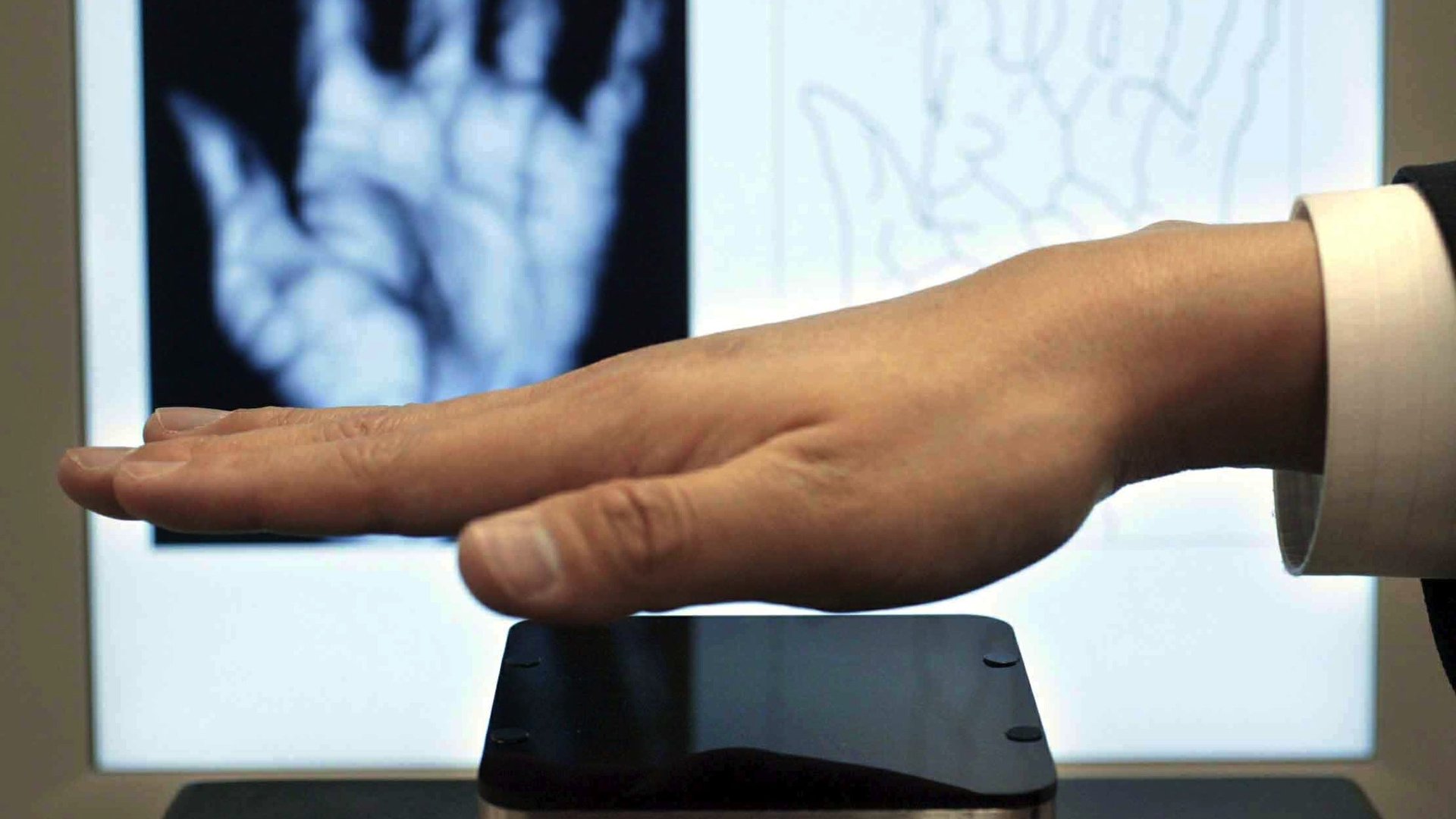
Fingerprint scanners like those on the latest iPhones could soon give way to another biometric identifier: The geometry of the veins in your hands.

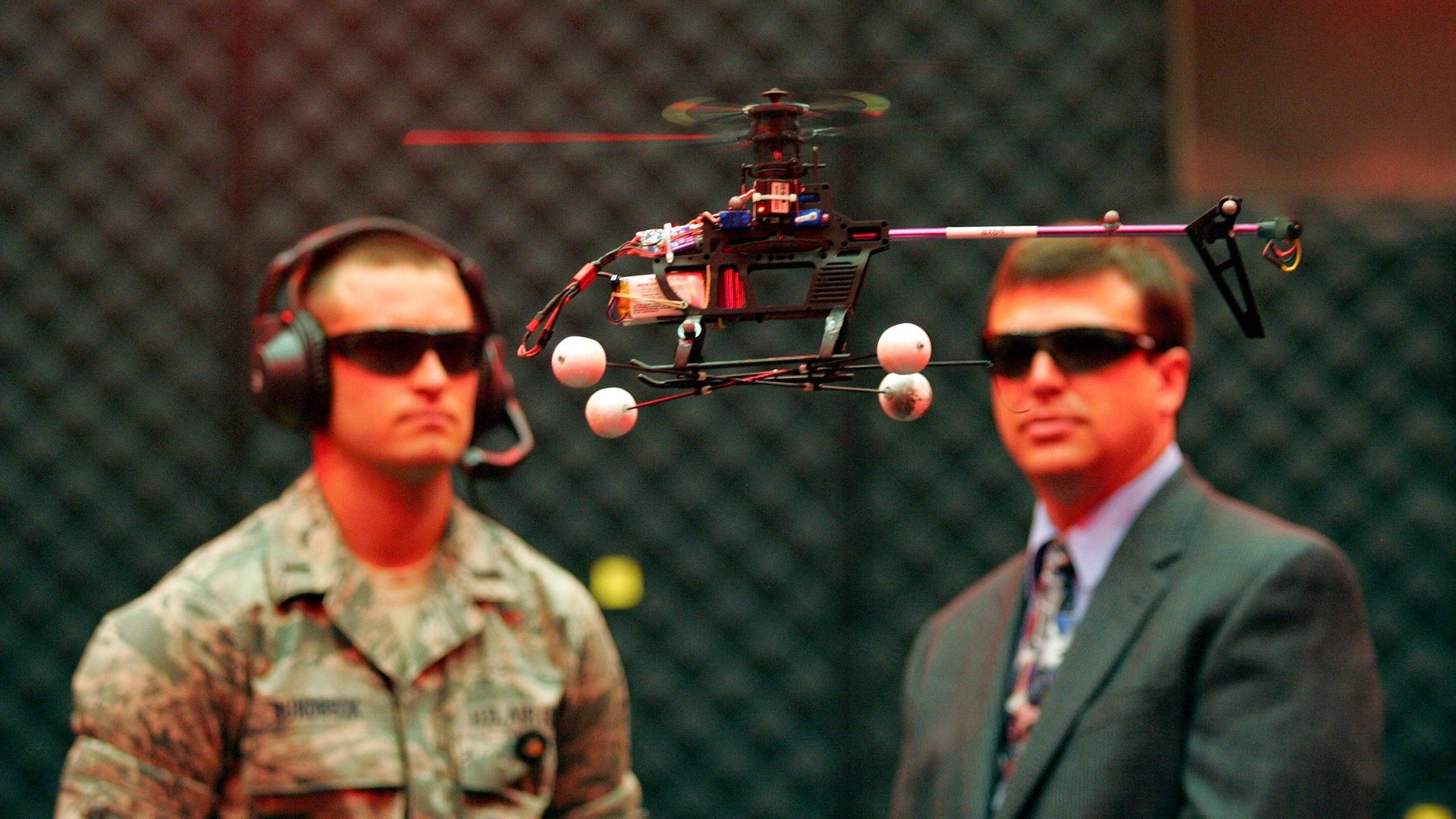
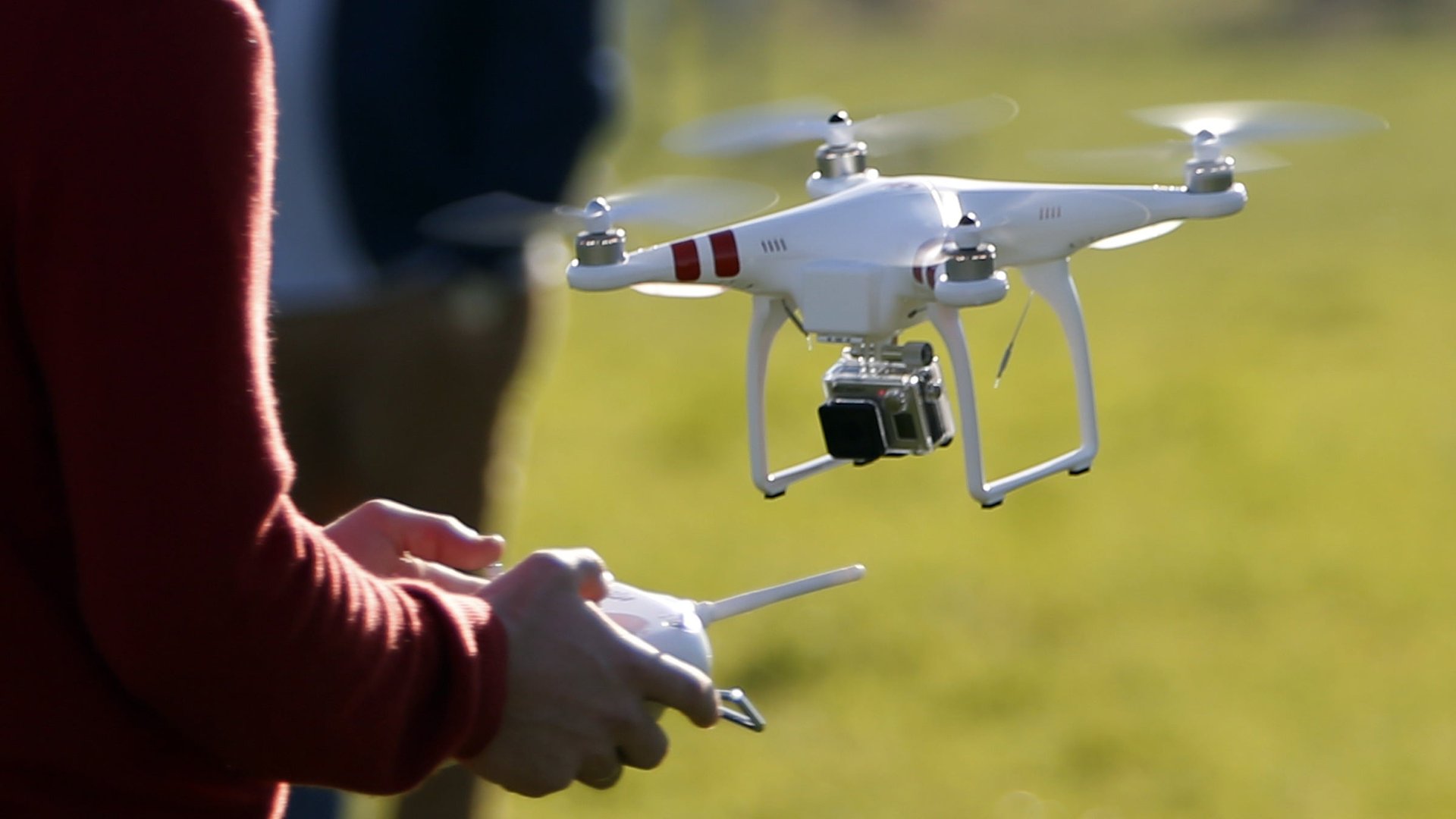
Since 2005, not-for-profit Texas EquuSearch (TES) has used drones as part of its volunteer search-and-rescue efforts across the US. In 2012, a single 15-minute flight located the body of Devon Davis, a missing two-year-old. The boy, who was spotted by the color of his shirt, had been missed by those searching the area in kayaks. TES’s five pound, remote controlled aircraft was able to take aerial photos cheaply and quickly, with no need for a helicopter or added manpower.

When we talk about the food we like most, we often use the language of sex and drugs—sensuality and addiction. That’s what a study of nearly 900,000 online amateur restaurant reviews (covering 6,548 restaurants) found. And researchers say those linguistic patterns offer insights into the way we eat—and how we feel about it afterwards.

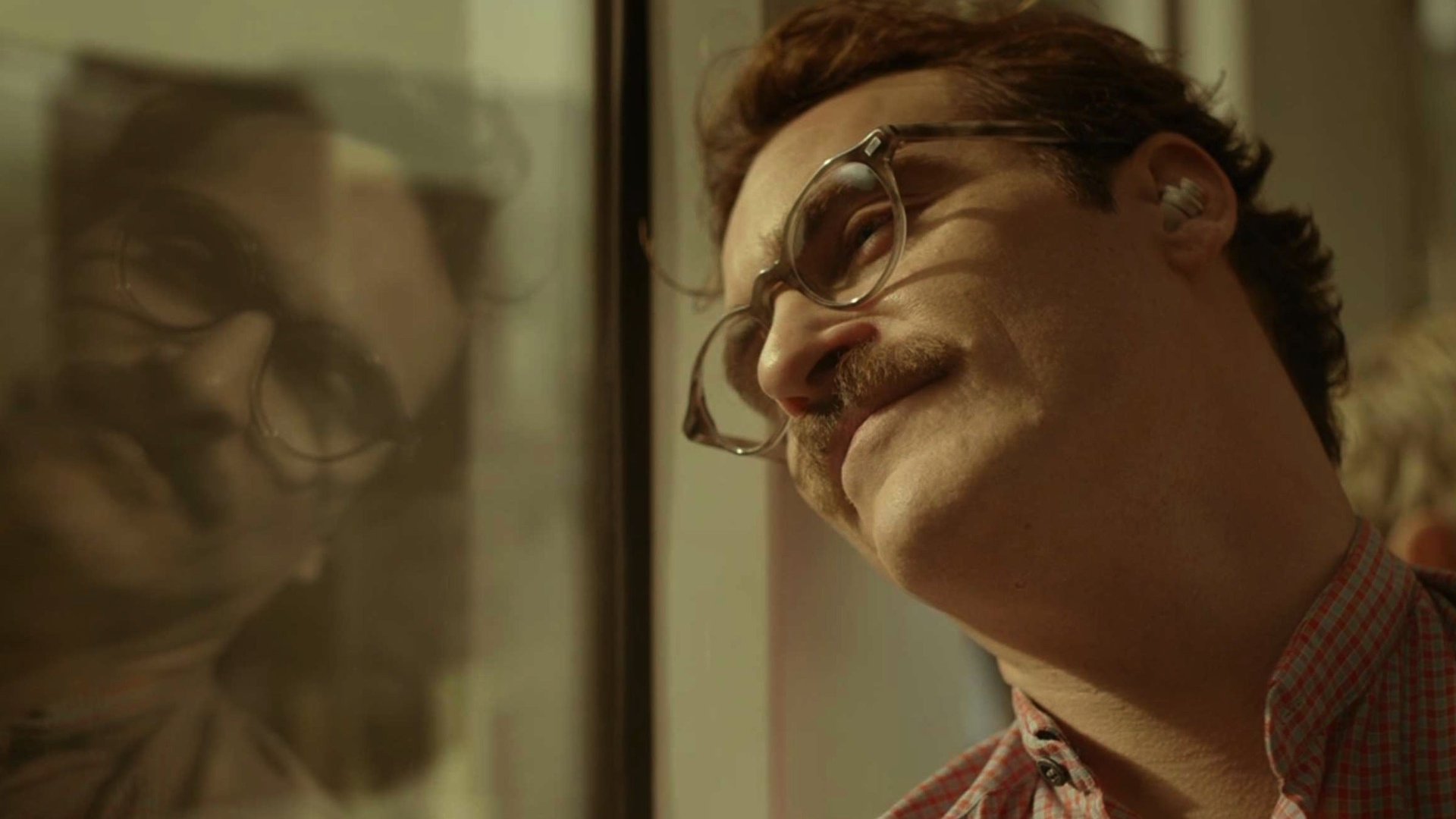
The future of “smart” wearable devices could be in your ear, according to the “wireless evangelist” Nick Hunn. Hunn is working on a new market forecast report for wearable tech, and wrote in a preview that he expects “hearables,” or smart earbuds, to be worth over $5 billion by 2018. For context, a recent forecast (pdf) predicted a total market of $30 to $50 billion for wearables by that year. Here’s why he could be right:

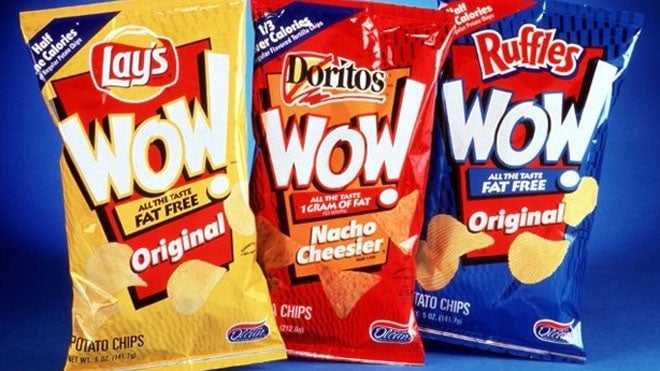
Remember Olestra? The molecule has the same taste and mouthfeel as regular fat, but your intestines can’t absorb it. That means delicious, satiating potato chips that essentially slide right through you. Olestra, which was marketed under the brand name Olean, was a dieter’s dream when it was marketed in the 1990s, during the low-fat craze.

As you’ve probably heard, the Heartbleed bug exposes websites that use a popular encryption technology to malicious attacks, and some of your passwords—and personal data—may well have been compromised. The vulnerable software, OpenSSL, is used to encrypt something like two-thirds of all sites on the web.

Antimicrobial hand soaps could actually make you more susceptible to deadly staph infections, according to new research published today. Triclosan, the active ingredient in many bacteria-fighting soaps and gingivitis-fighting toothpastes, appears to help the bacteria Staphylococcus aureus, known for its antibiotic-resistant strain called MRSA, colonize human nasal passages. Having those bacteria in your nose isn’t dangerous, or even unusual, if you’re healthy—but their presence can result in serious infections when people undergo medical stresses such as surgery.

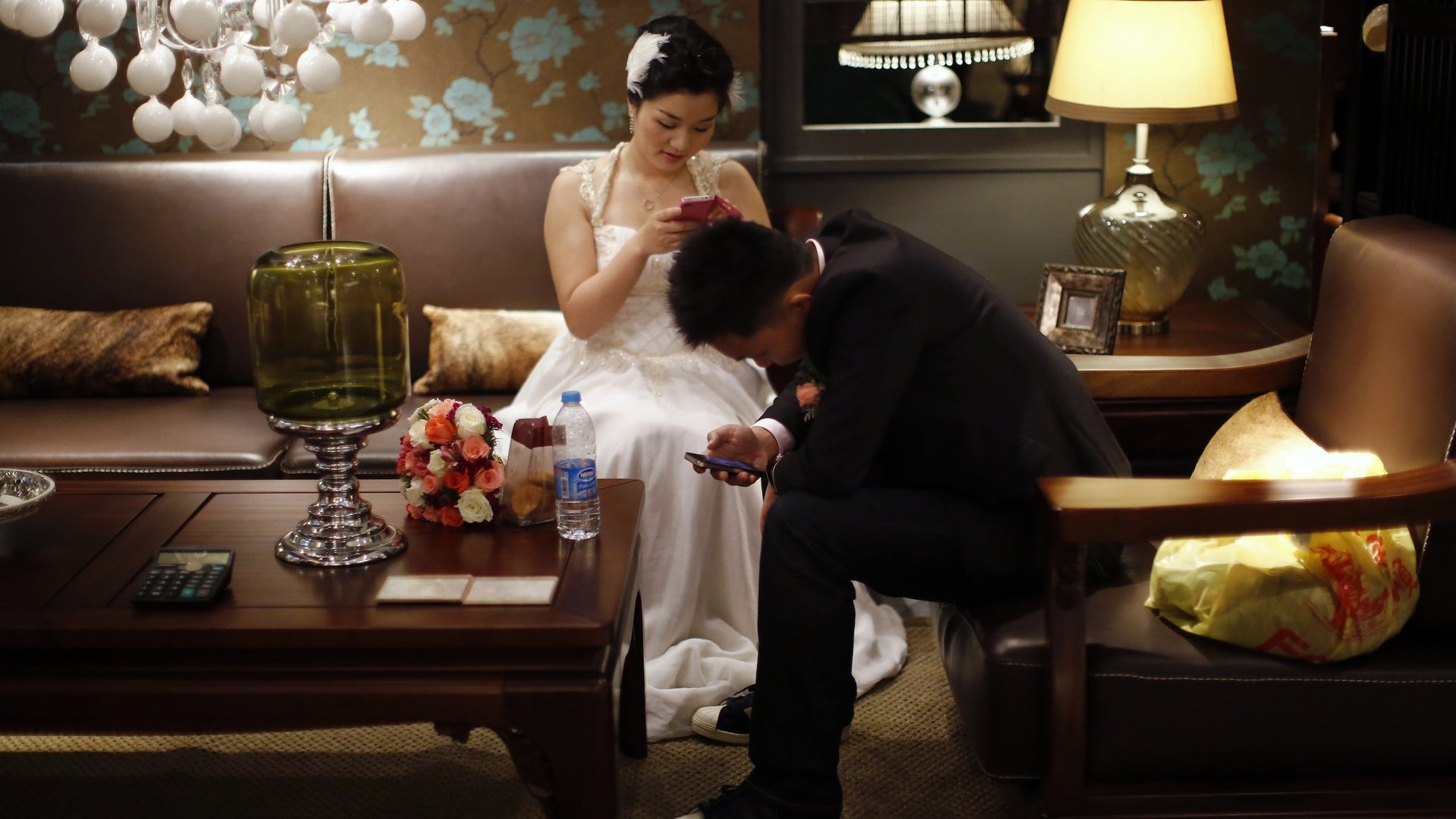
It should come as no surprise that more and more people meet their spouses online. But not all of those romances start on websites that are meant for finding partners. A recent study by Jeffrey Hall, an associate professor of communication studies at University of Kansas, found that among people who met their spouse online, more than half had done so somewhere other than a dating site.

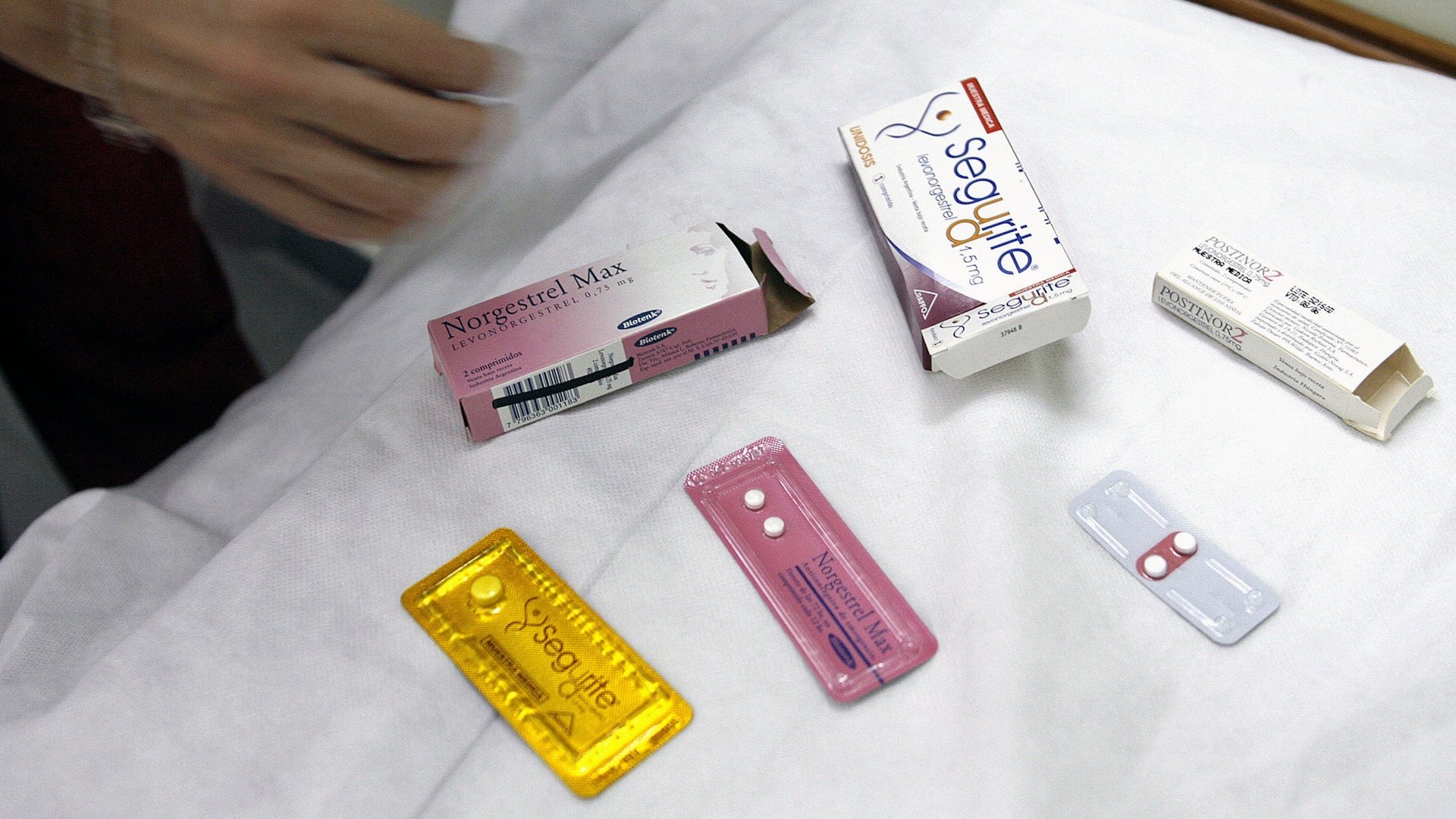
Tracking every possible personal data point is a rising trend, and we have an increasing number of tools to help us “quantify” ourselves. But for now, their uses are mostly pretty frivolous: Fitness trackers feel like glorified pedometers, calorie and caffeine trackers like sophisticated food diaries. But the makers of quantification gadgets and apps could be missing a major opportunity: Contraception.

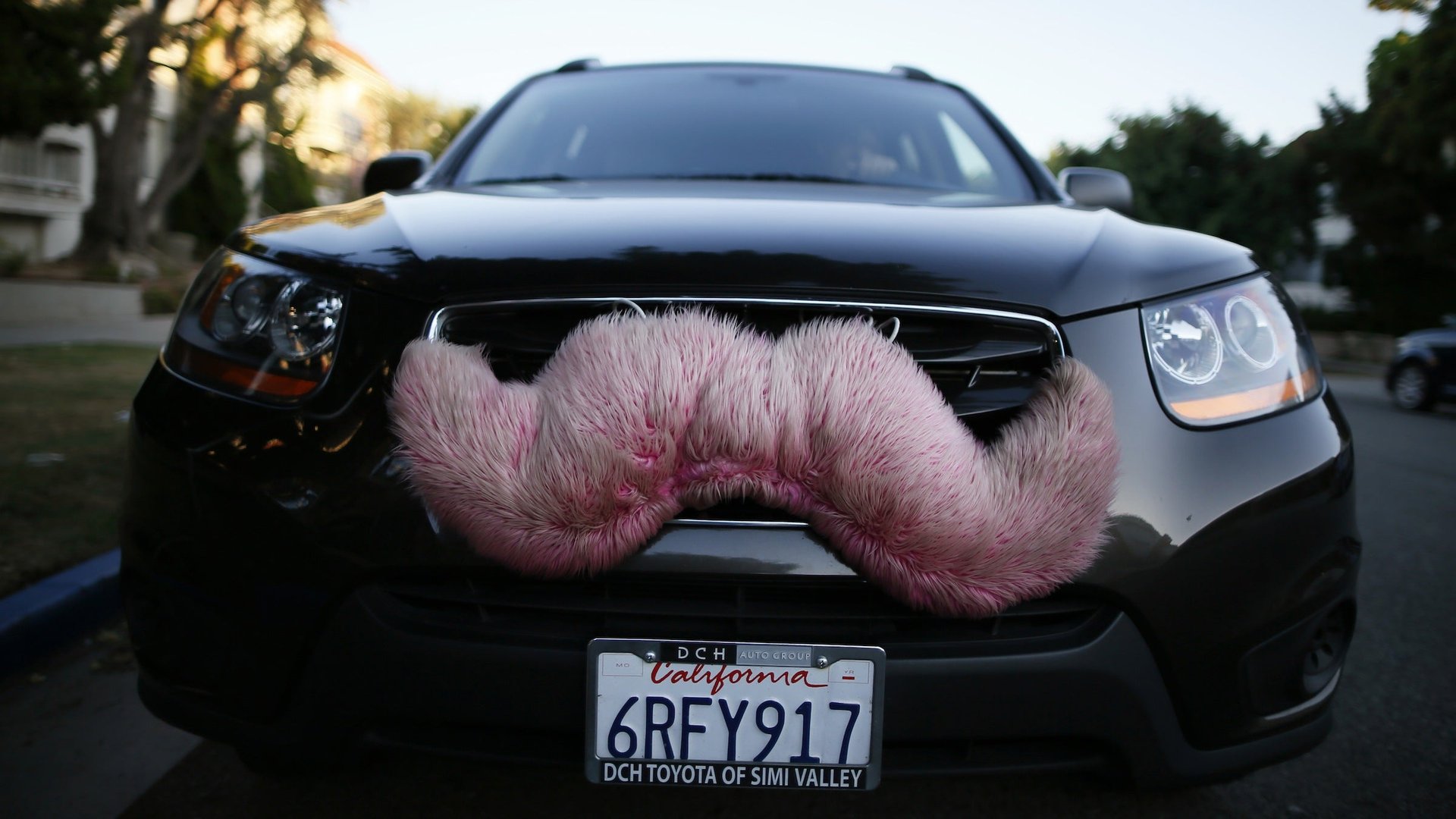
Which taxi alternative will dominate cities of the future may come down to who develops the best software. Right now, Lyft and Uber are two sides of the same ride-sharing coin: Lyft brands itself as a “sharing” experience, reminding its users that their driver is just an average Joe with time to drive you around for money. They’re essentially cab drivers, but they obey instructions from the cloud instead of a human dispatcher, and can work as they please. Uber focuses on the ride itself—the convenient and even luxurious experience of getting a car and driver exactly when you want them.

Good news: You can turn your 3D printer into a tattoo machine. But the prototype, a MakerBot reconfigured by a group of students in France, isn’t the first attempt at making a robotic tattoo artist.

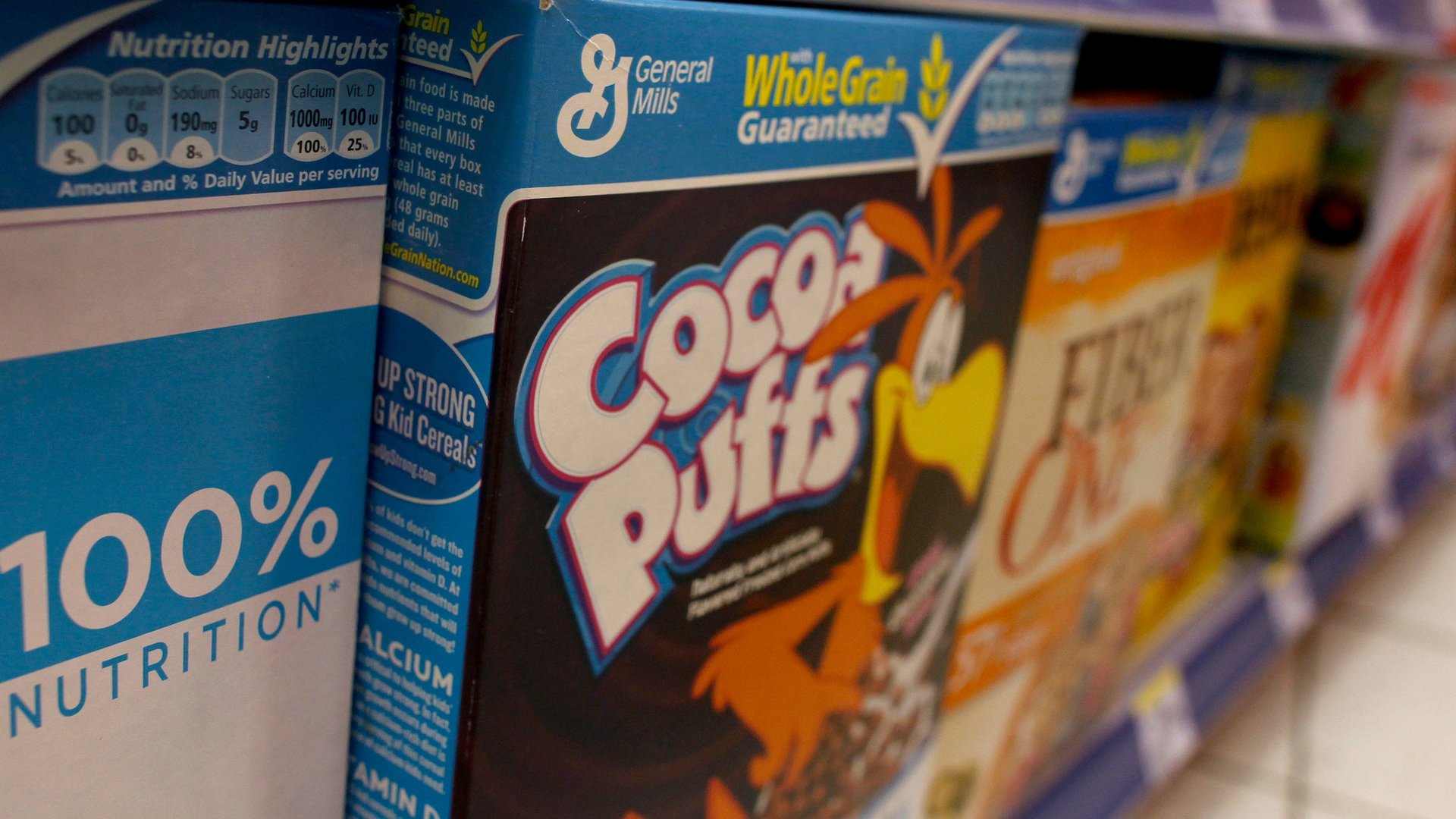
How do sugary cereals snag the attention of kids in the grocery store aisle? According to a new study, brand mascots like Captain Crunch and Tony the Tiger aren’t just there to make you smile. The people (and animals) on cereal boxes are designed to make eye contact with the brand’s target audience. And being fixed with Count Chocula’s unwavering gaze makes you want his cereal more.