

Money & Markets
A new UK official is in charge of preparing the country for winterWinter is coming, Jonathan Mills knows. It’s his job to ensure that the season won’t be too cold and bitter for Britons.
Updated July 20, 20222 min read
Winter is coming, Jonathan Mills knows. It’s his job to ensure that the season won’t be too cold and bitter for Britons.

The US is leading a G-7 effort to have its cake and eat it too. A proposed “price cap” on Russian oil shipments is designed to keep Russian revenues low while simultaneously taming Western inflation rates.

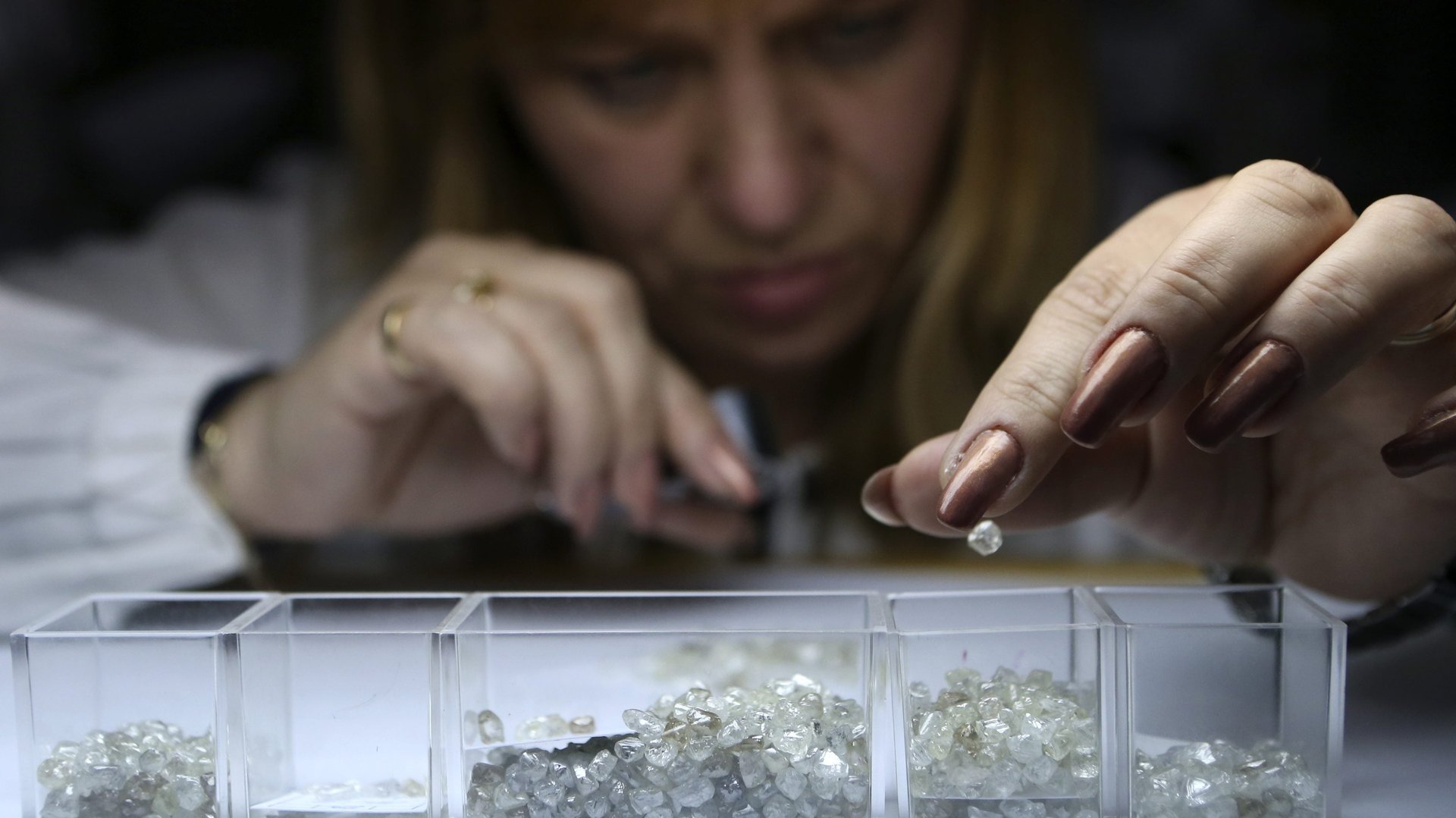
Russia has thwarted a Western effort to have its crude diamonds labeled as “conflict diamonds”—thwarted it so effectively that the Russia-Ukraine war won’t even be discussed at a crucial meeting of diamond producers this week.
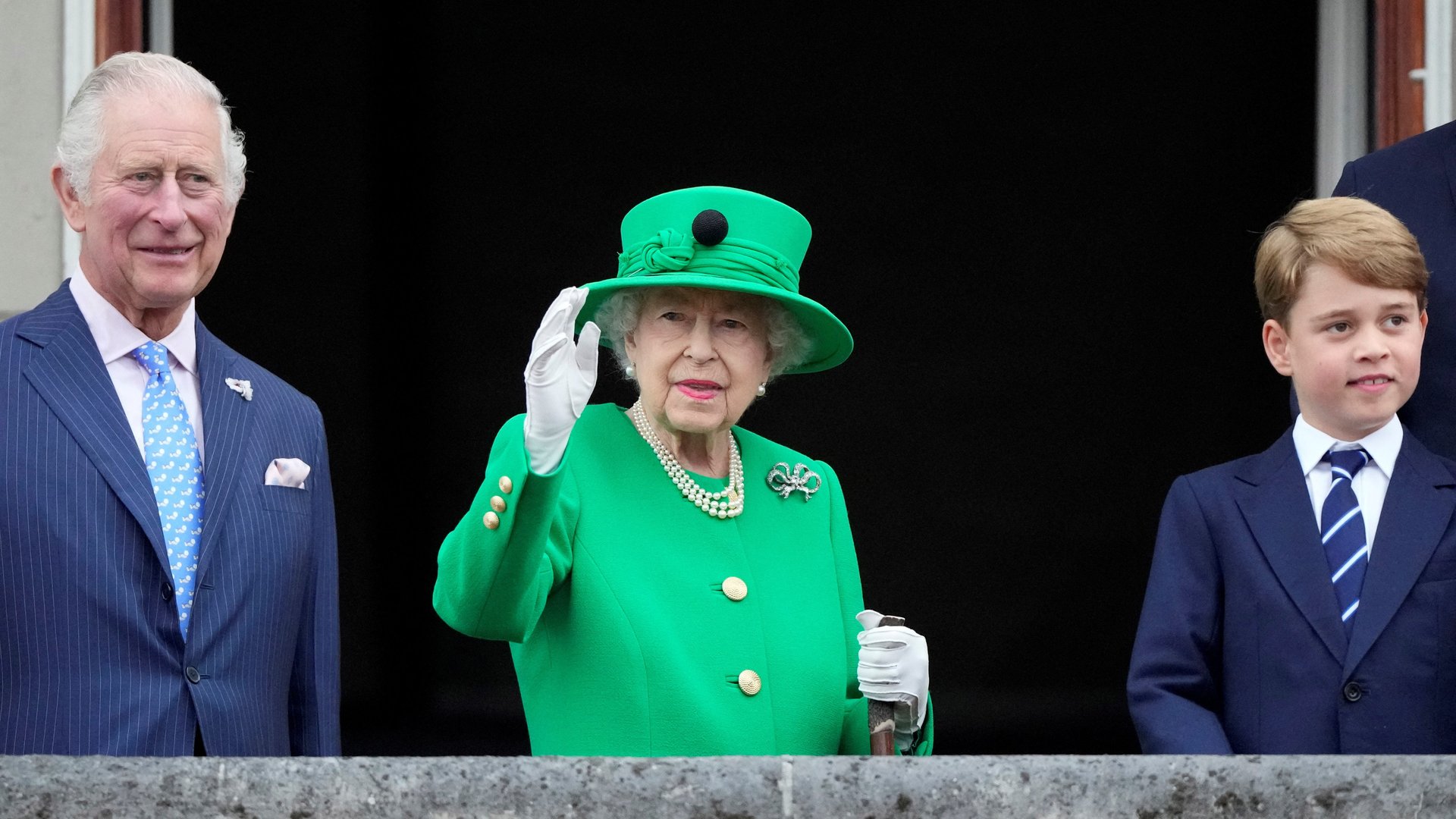
During the four days of celebrations that marked the 70th anniversary of Queen Elizabeth II’s accession to the British throne, the queen herself was rarely seen. Her hologram rode a golden carriage, and Paddington Bear joined her for tea in a video, but she made only one appearance in public, waving from the balcony of Buckingham Palace.

The last time the US Federal Reserve raised interest rates by 75 basis points, a Democratic president was in the second year of his term, the stock market had just enjoyed a buoyant couple of years, and a Tom Cruise movie was in the theaters. Not so different from now—except that it was 1994, no one was worrying about a recession, and there was no inflation to speak of.

Governments are slashing gasoline levies to bring prices down. So why are customers paying record prices to fuel up?
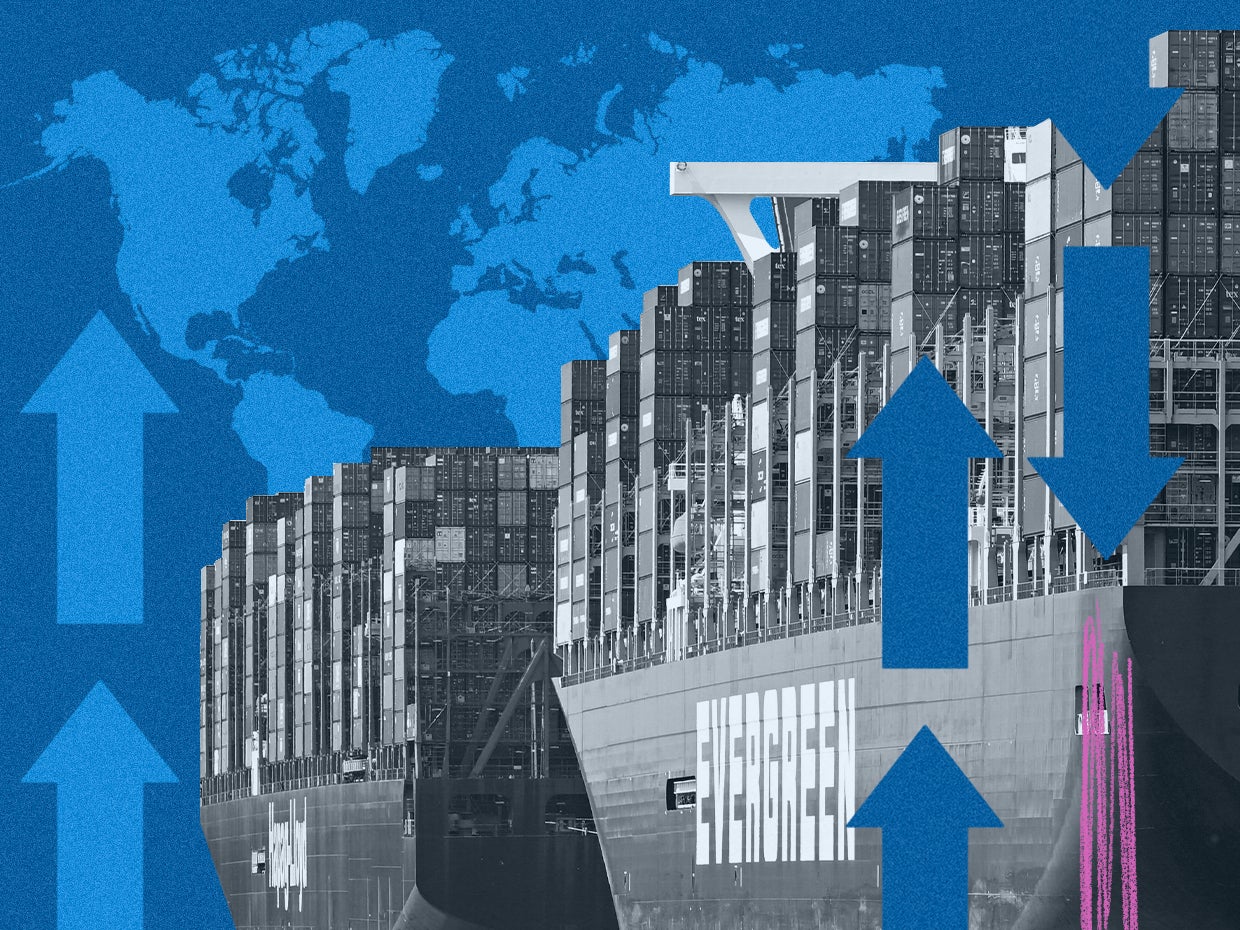
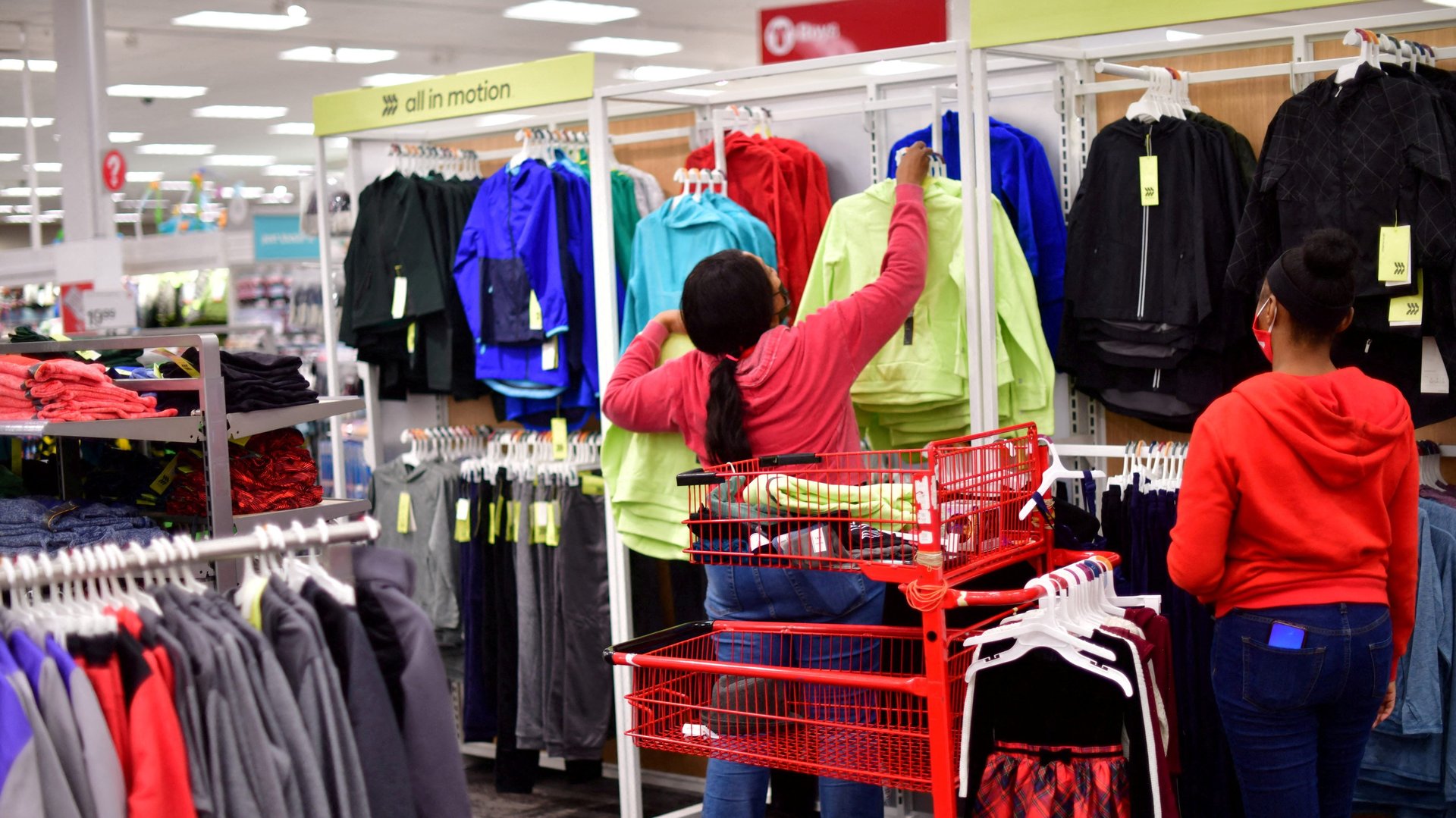
For two-and-a-half years now, US retailers have struggled to calibrate their inventory levels. Sometimes they have too much. Sometimes they have too little. It’s proved difficult to get it just right.

The EU’s new rule, requiring all consumer electronics to come with USB-C charging ports by 2026, is premised on both sustainability and common sense. Expired charging cords account for thousands of tons of landfill every year, but even when they’re functional, they’re doing the same job in needlessly different ways.

The word is clumsy enough: “friendshoring,” a portmanteau buzzword for the business strategy of running supply chains only through countries that are close political partners. As a concept, though, it’s even clumsier—not to mention damaging to the world’s economy.


Greetings, delegates and Davos-watchers!
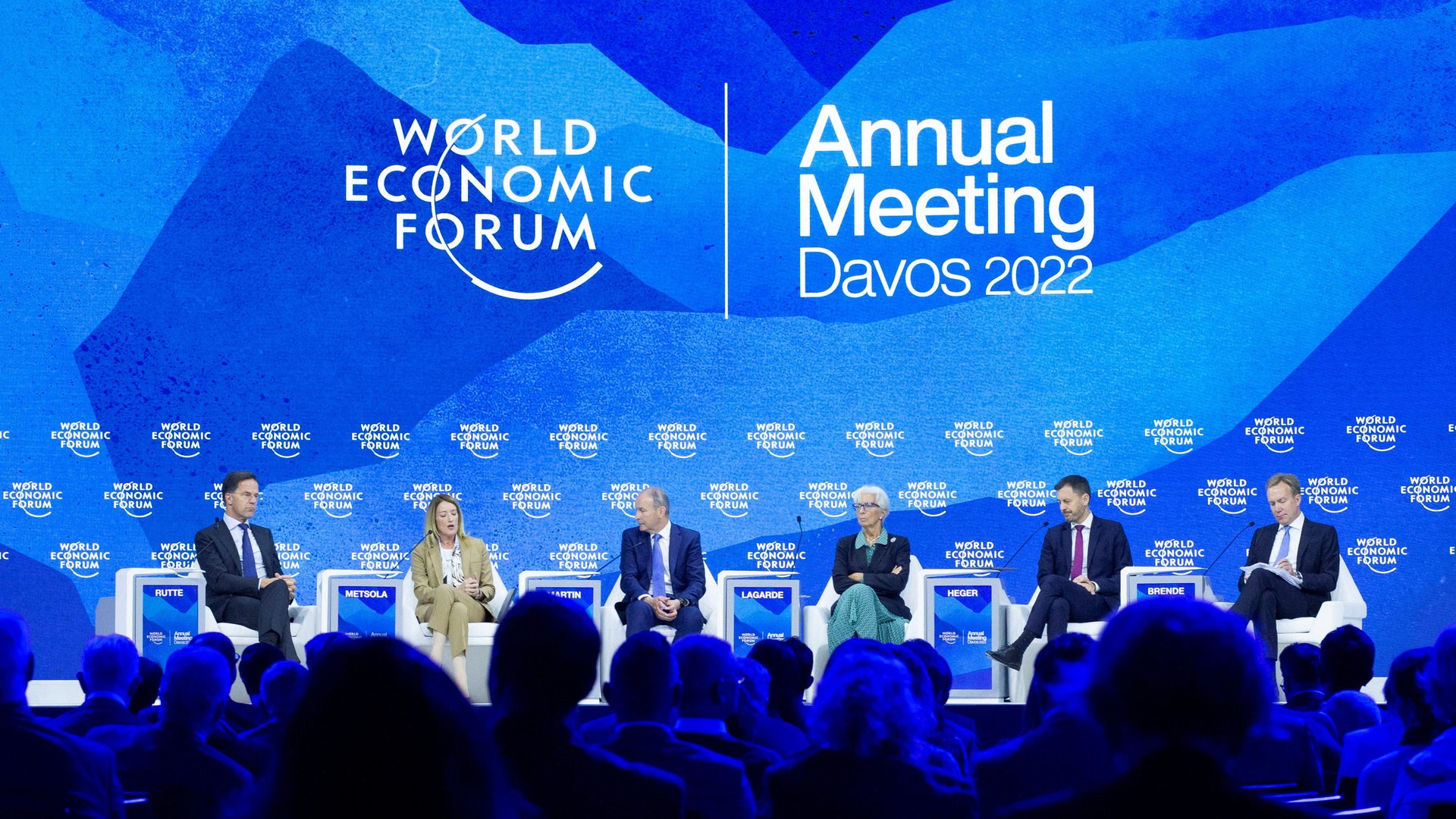
In a wonk-fest like the World Economic Forum, jargon is everywhere. Panelists drop phrases that are well-known only in their particular sectors—and sometimes not even there. Only the most patient speakers stop to explain what they mean. We collected five of the choicest items of gobbledygook and set up a quiz to test your mettle. How well would you fare in the audience at Davos?
Greetings, delegates and Davos-watchers!

Greetings, delegates and WEF watchers!

It was so important that George Soros said it twice: “Our civilization may not survive.”
Greetings, delegates and WEF watchers!
Welcome back, Davos delegates and WEF watchers!
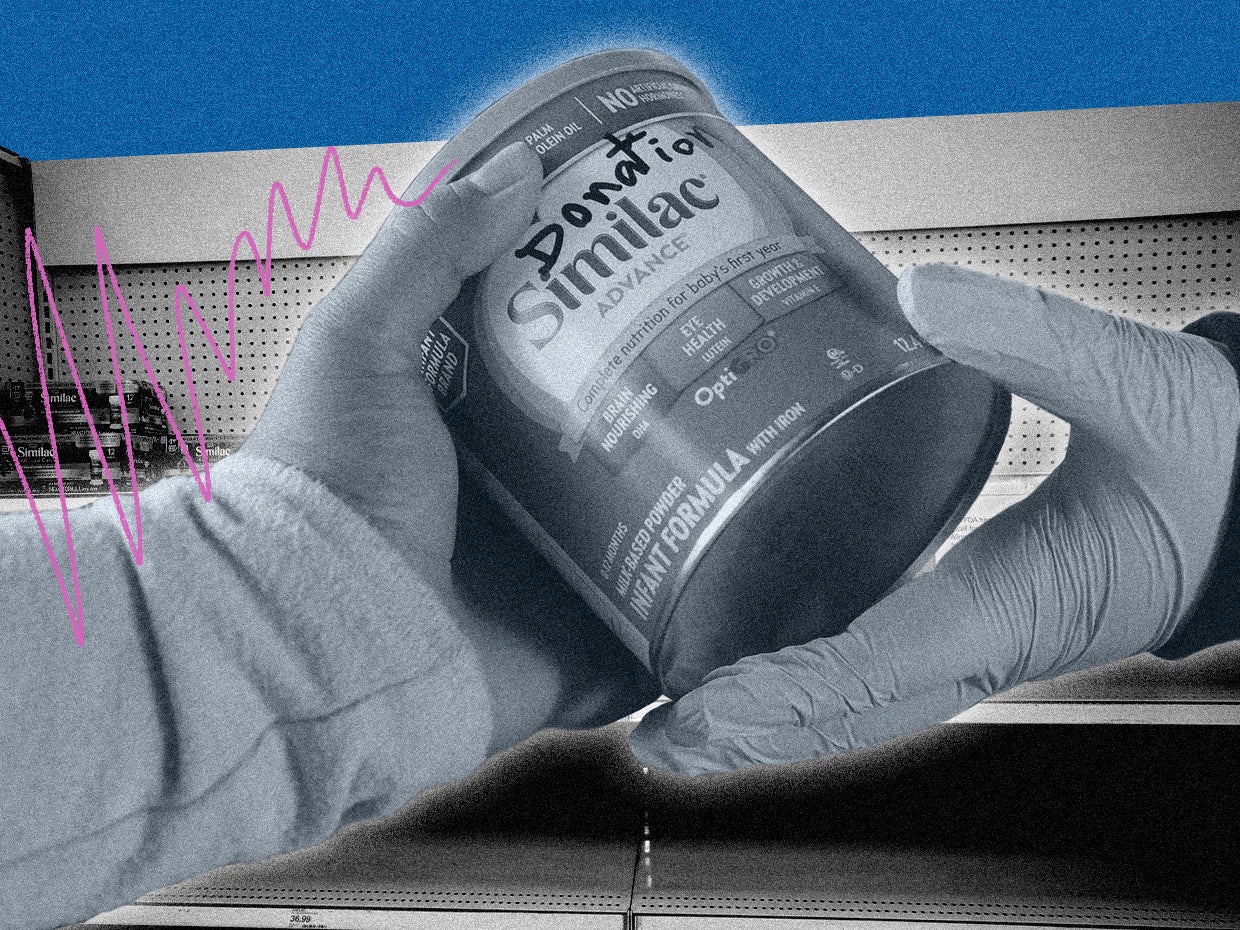
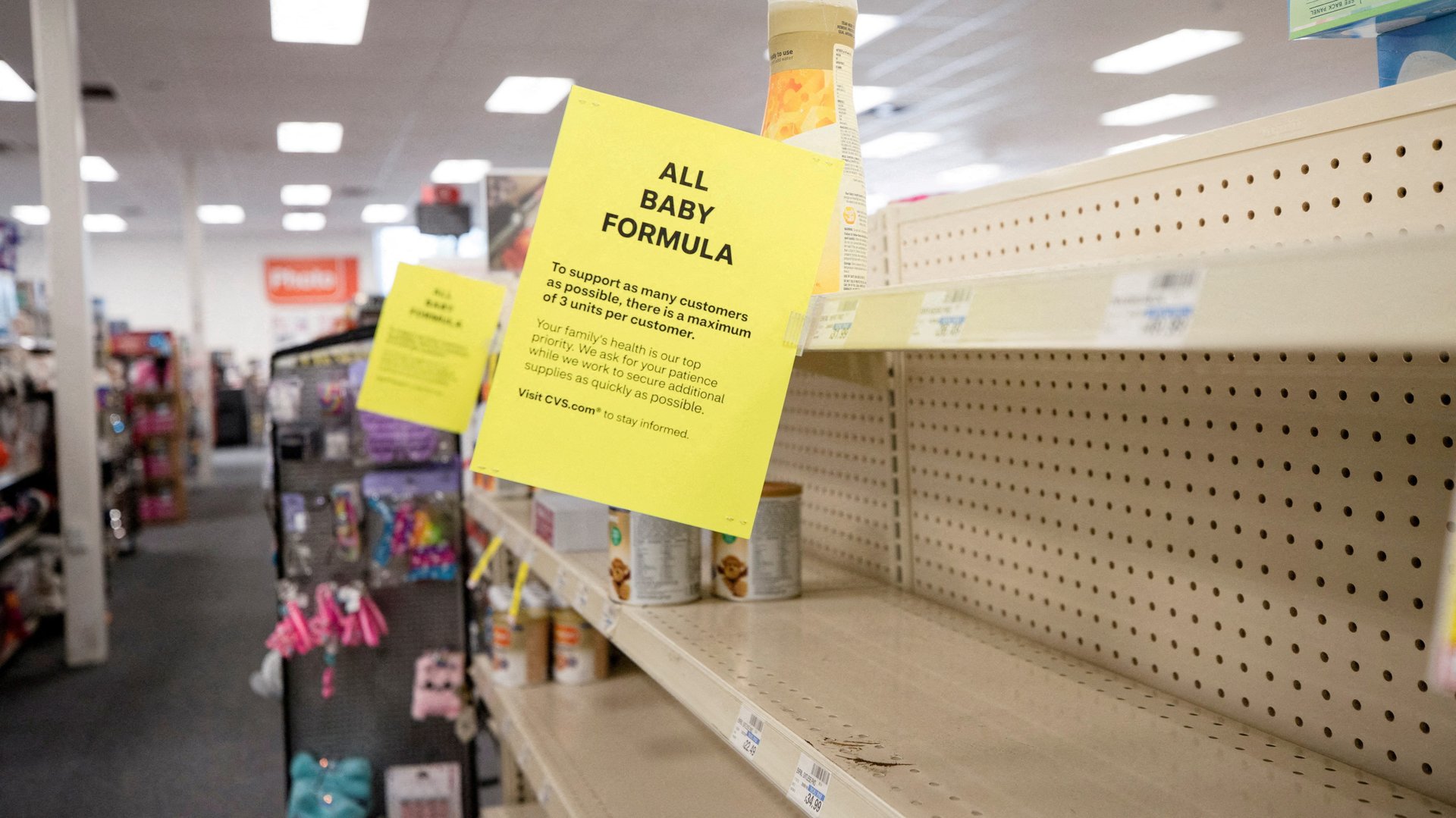
The US’ vast shortage in infant formula has one immediate cause: the suspension of operations in an Abbott Laboratories plant in Michigan earlier this year, after samples of a lethal bacteria were found in it. But beyond that lies a bigger structural problem plaguing the American economy: a tendency for many sectors to be controlled by a few companies, or even just one.
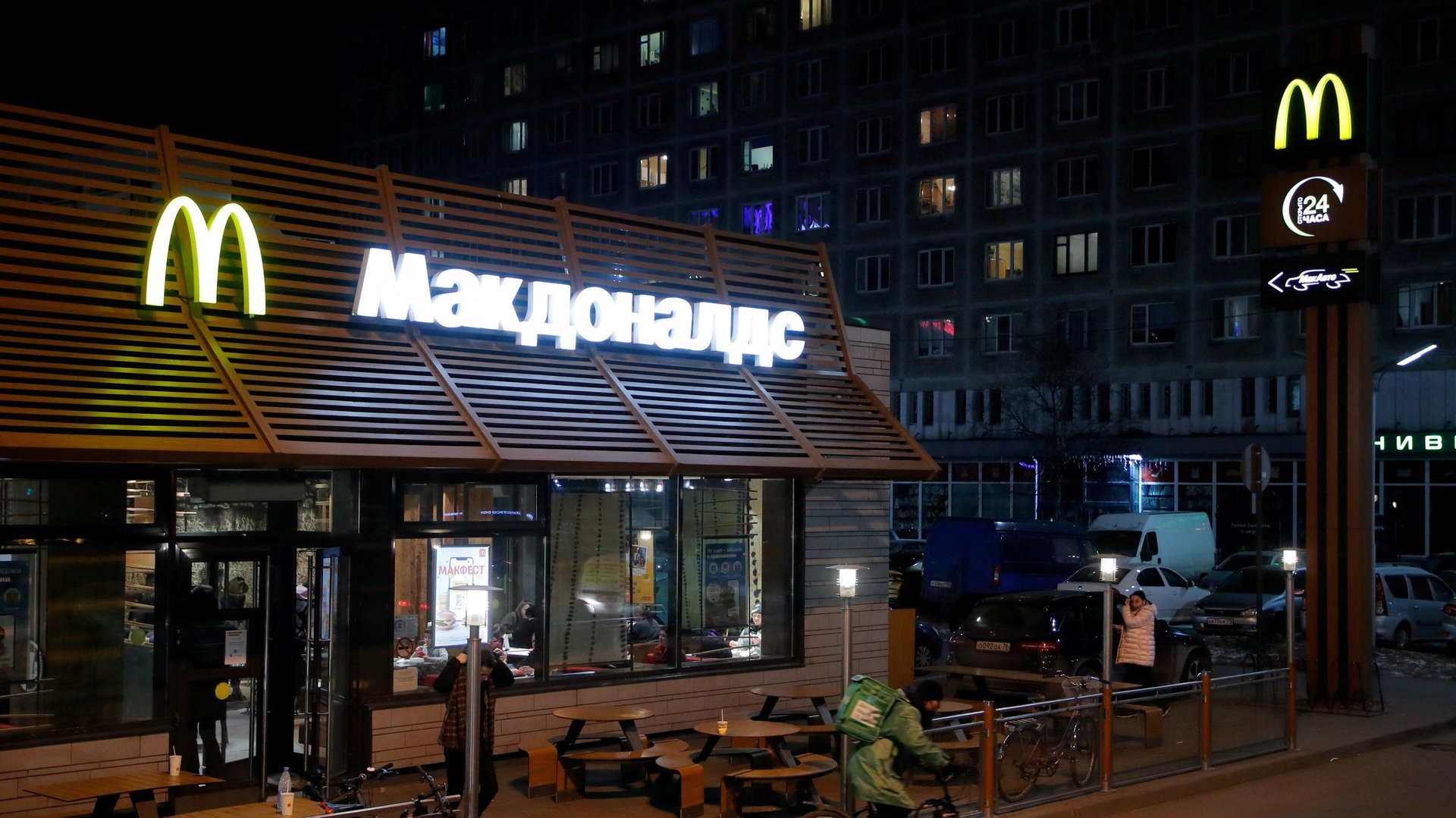
As companies flee Russia, their Russian employees are seeing their jobs suddenly vanish. Tens of thousands of such employees will be cut loose into an economy where inflation is at a 20-year-high, and where diverse, flourishing jobs were hard to find even before the Ukraine war.

When the final of the Eurovision Song Contest kicks off May 14 in Turin, Ukraine’s Kalush Orchestra will start as heavy favorites. The band’s entry, a song called “Stefania,” evokes the sadness of the ongoing war (“I’ll always find my home, even if all the roads are destroyed”). Just by being there, Kalush Orchestra will earn the benefit of public goodwill for Ukraine—and that is likely to translate into a wave of public votes, which determine the Eurovision winner every year.
Update: On June 24, 2022 the US Supreme Court voted to overturn Roe v. Wade, writing that “the Constitution does not confer a right to abortion.”