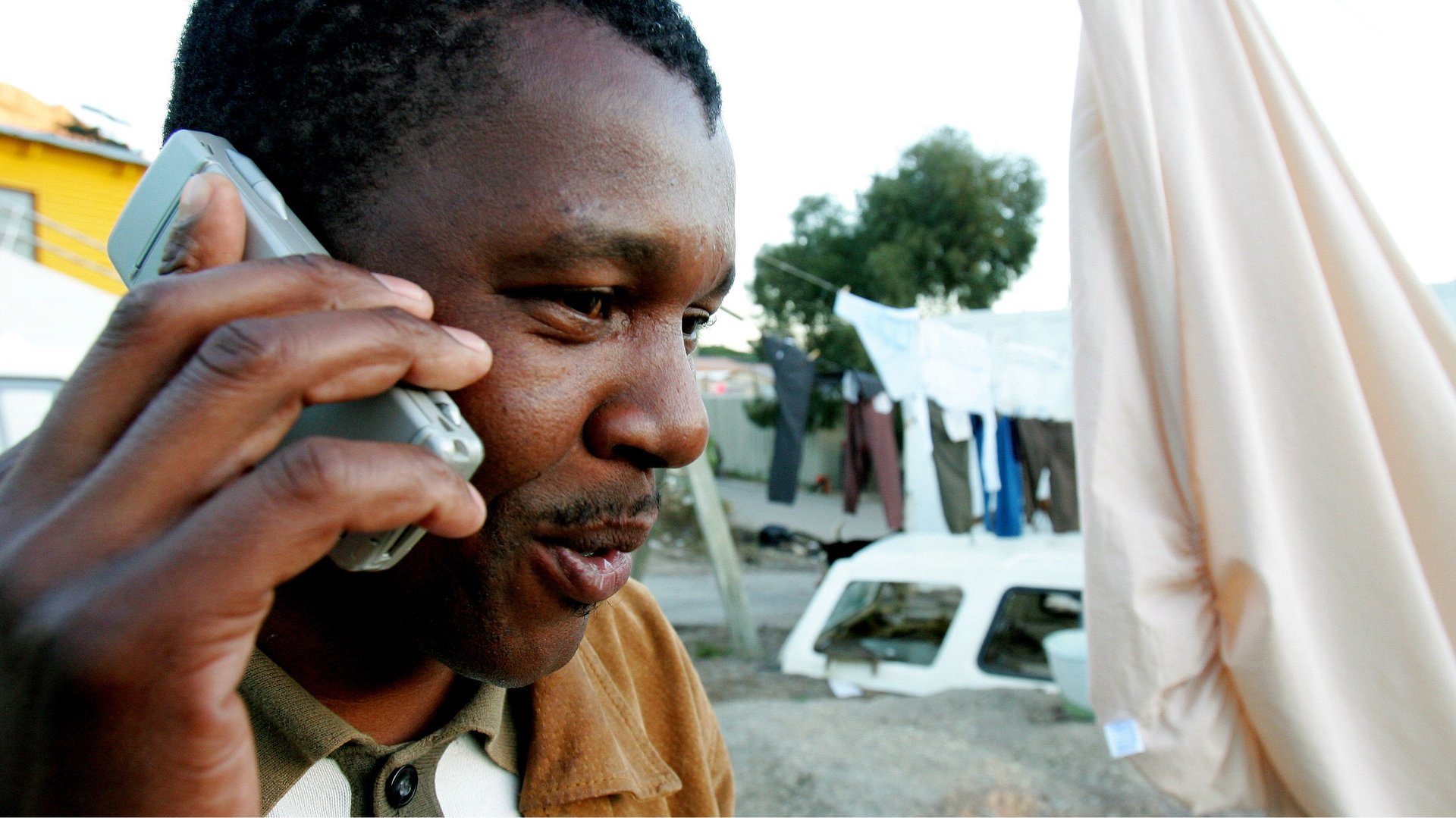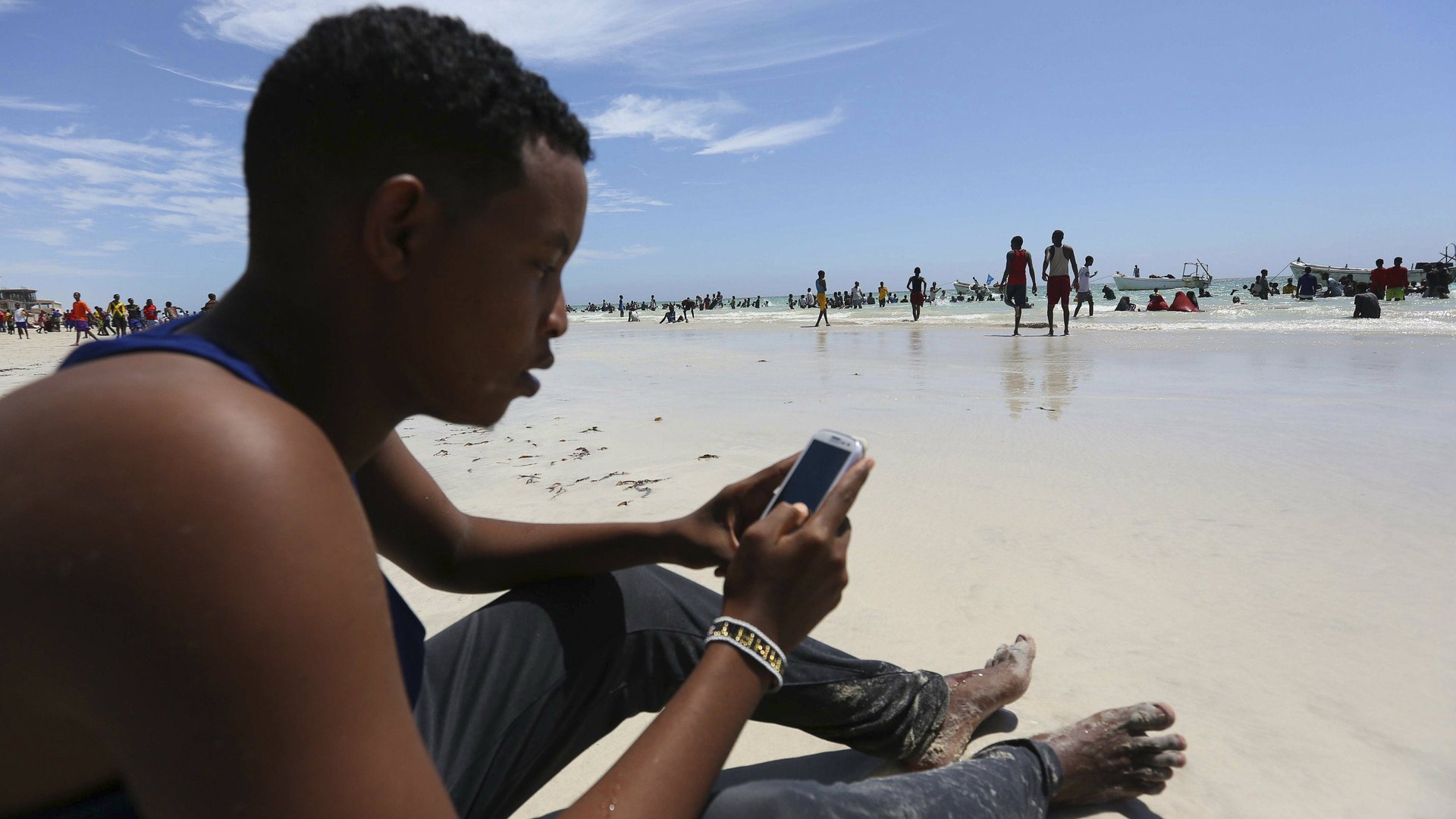
As the African continent edges closer to 1 billion mobile subscribers, offering sufficient internet capacity will become more important as demand for connectivity rises.

As the African continent edges closer to 1 billion mobile subscribers, offering sufficient internet capacity will become more important as demand for connectivity rises.

Telkom, the telecommunications company which has a monopoly on South Africa’s fixed-lines, is mulling a deal which could make it the country’s third largest mobile network.

Alan Knott-Craig Jr, former CEO of Mxit, which was once Africa’s largest social network, wants to take over South Africa’s wireless internet market.

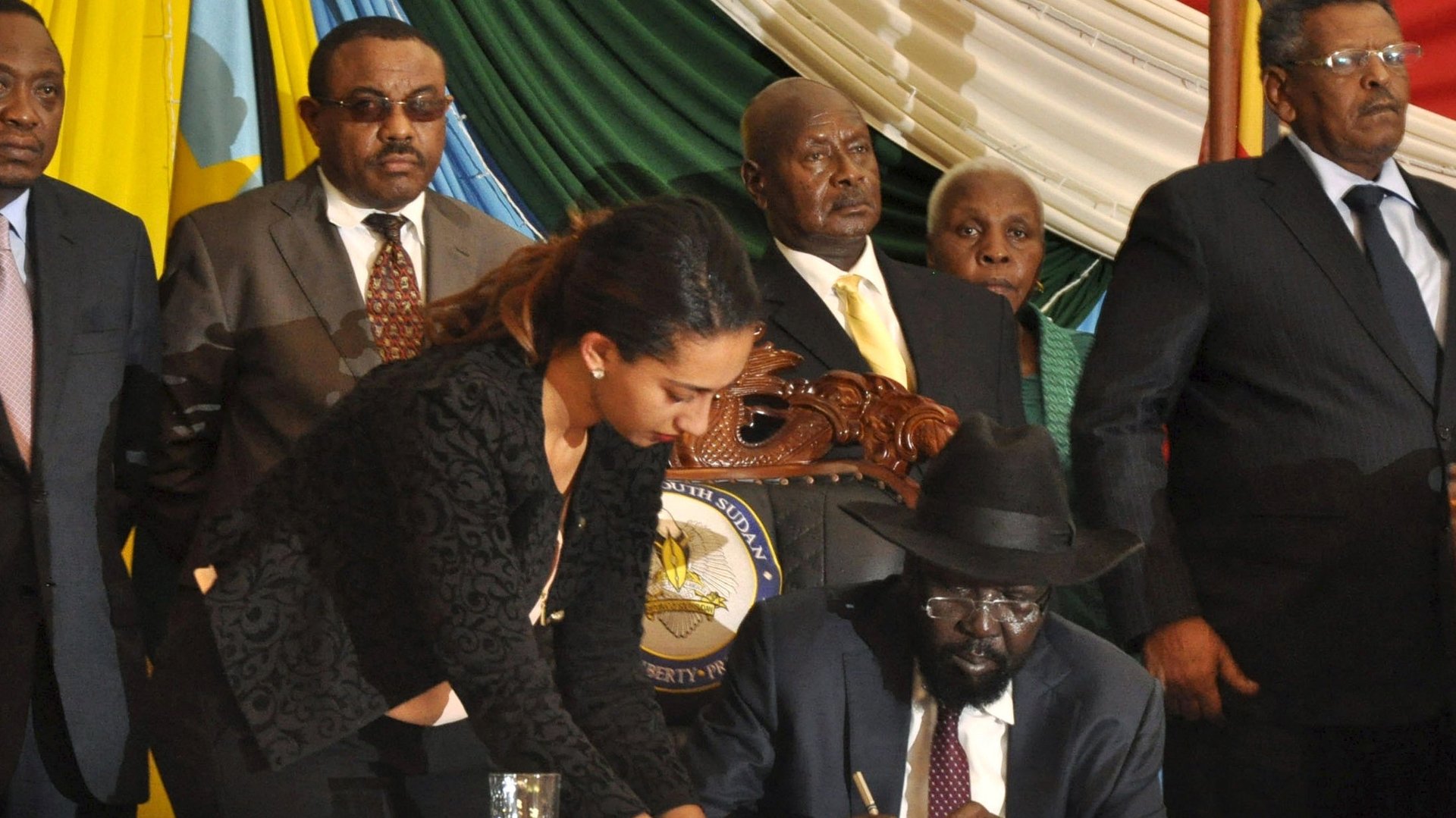
Salva Kiir, president of the world’s newest country, South Sudan, has finally signed the peace agreement to end the conflict with rebel forces.

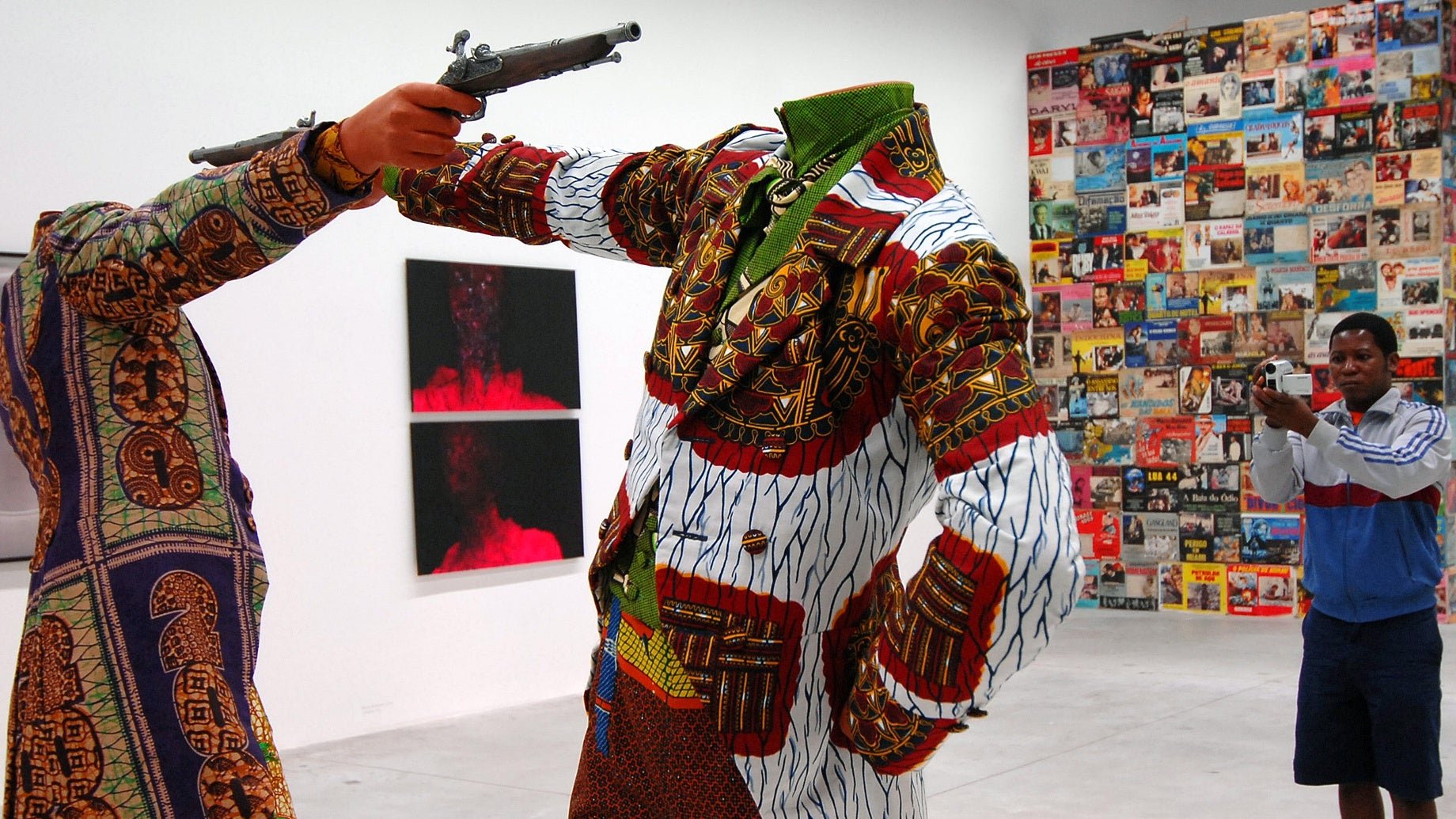
While contemporary African art is on the rise, the trope that African artists should produce art that looks and feels “African” still persists. But in Jamestown, an old slave town in Ghana, you will find a different kind of African art.

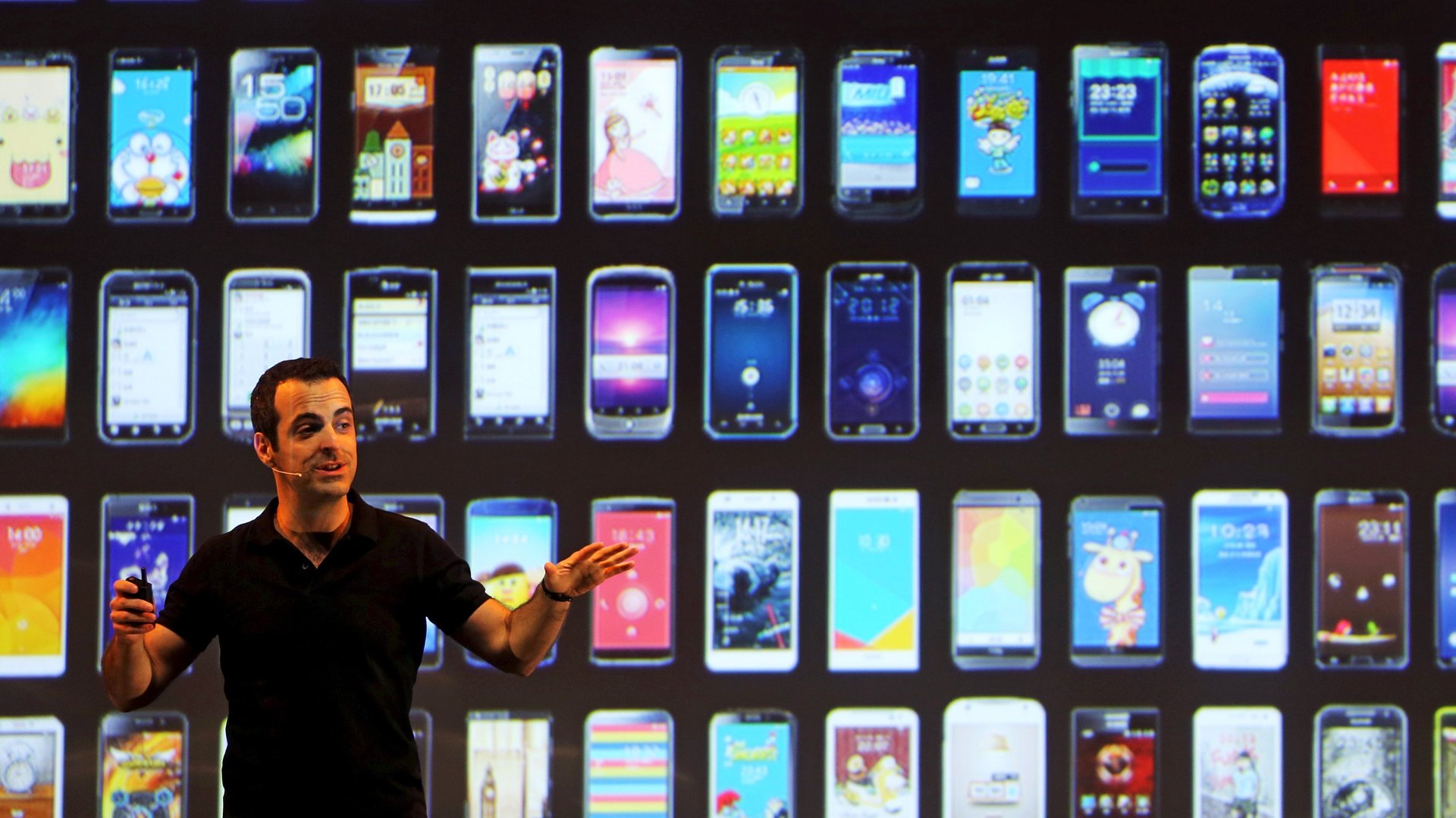
The so-called “Apple of China”, Xiaomi, made its name producing attractive, quality smartphones at affordable prices—and it’s bringing its unique blend of sharp design and slick marketing to several African markets next month.

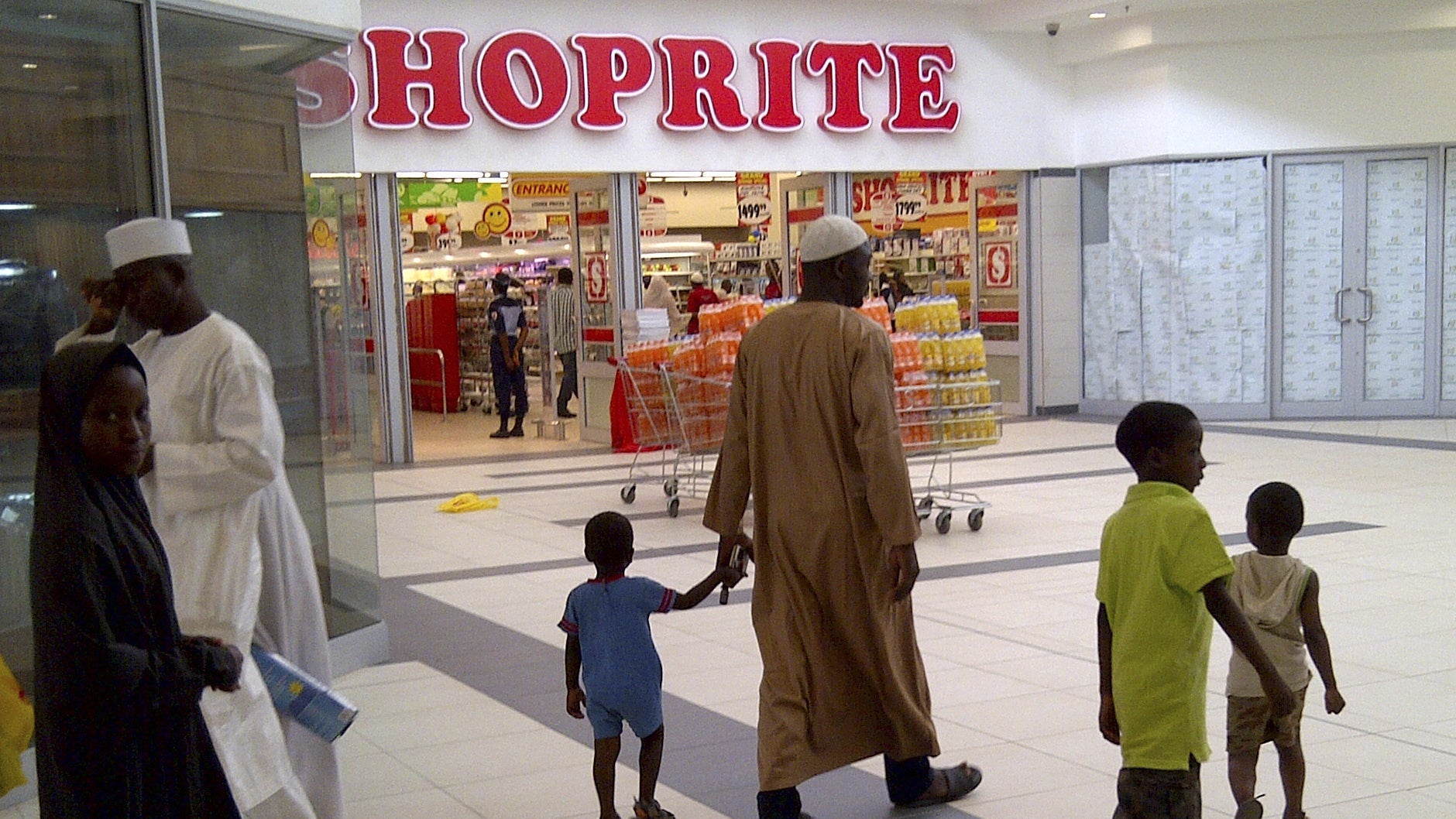
Get ready for the Nigerian supermarket wars. Within weeks of each other, two major retailers have announced their intention to battle it out in Africa’s largest consumer-goods market.

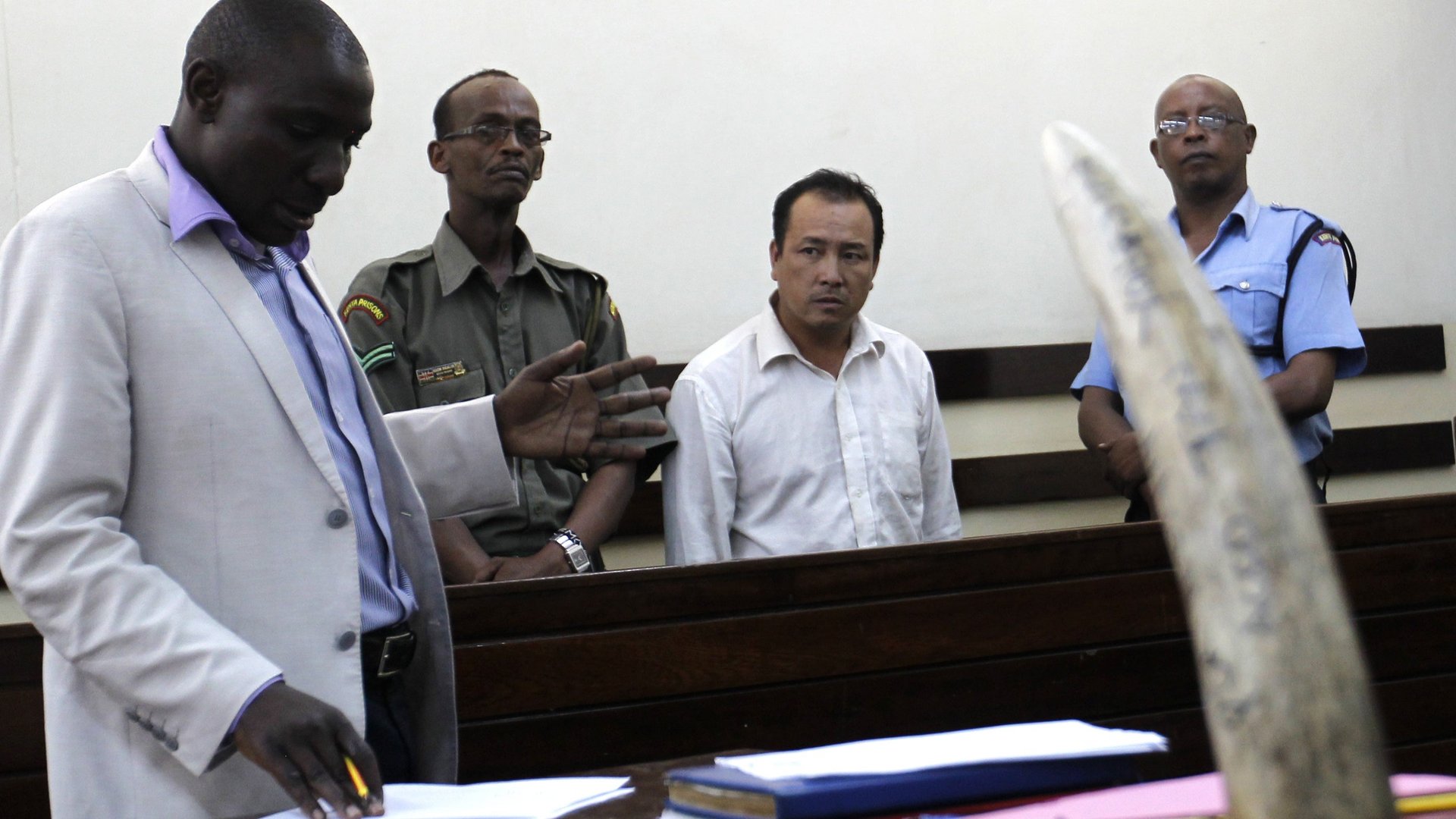
Each year, over 30,000 elephants are poached on the African continent, mainly for their ivory. Bryan Christy, an investigative journalist with National Geographic, decided to track how ivory is smuggled. He commissioned a taxidermist to create two fake elephant tusks, embedded with GPS tracking devices, and these were planted in the Central African Republic’s (CAR) ivory smuggling chain.

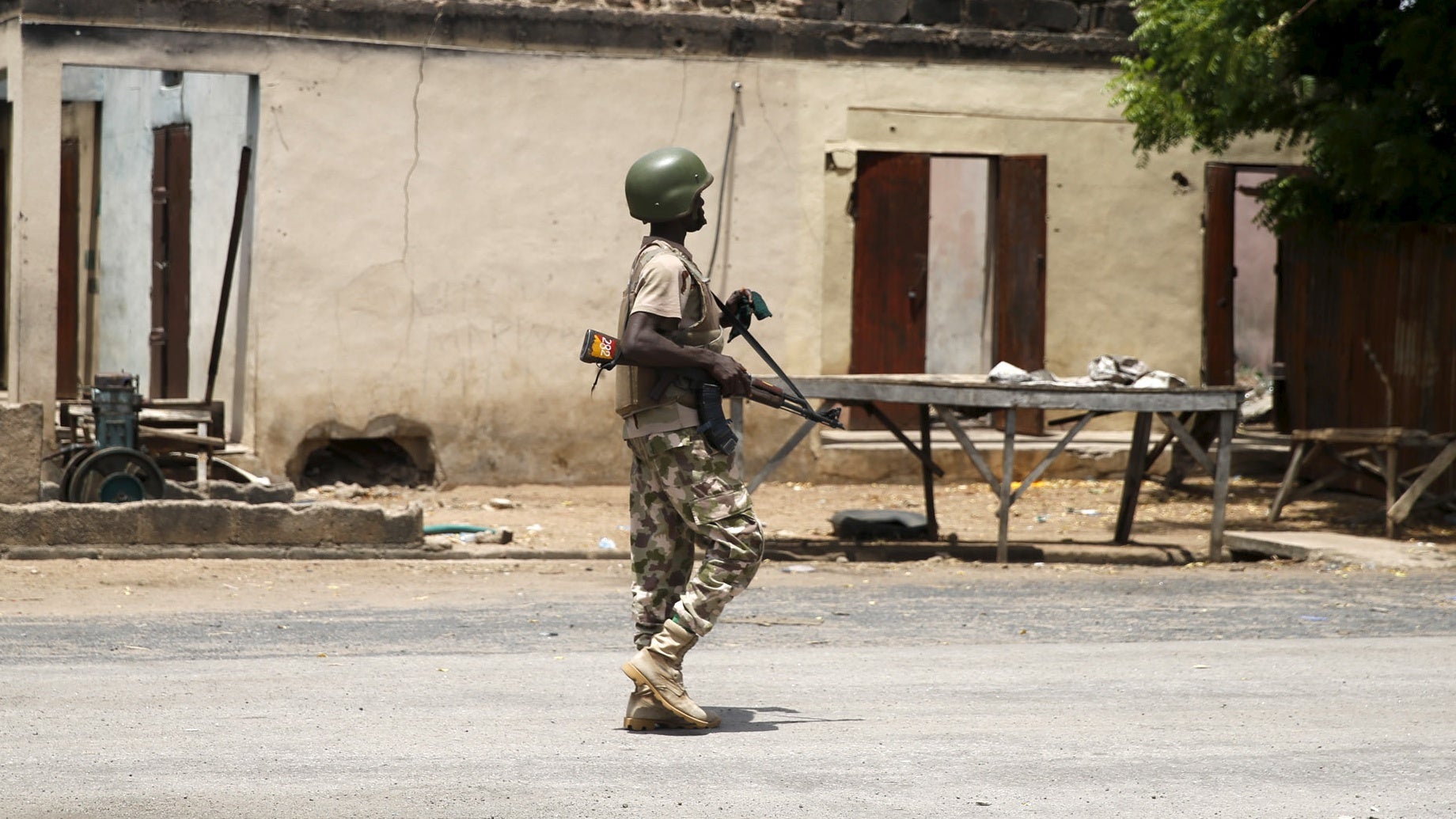
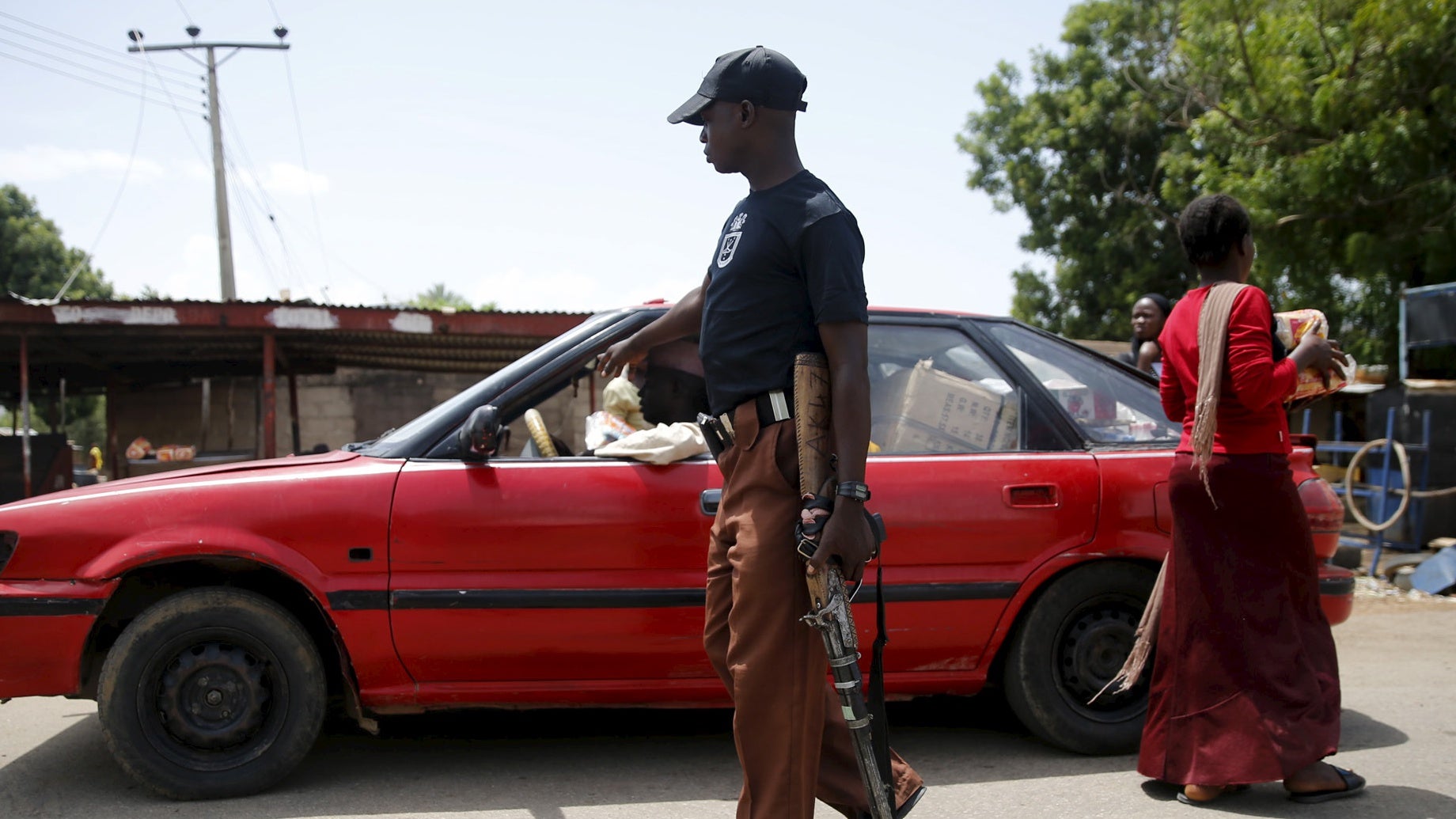
While he may have been “missing in action” for the past 5 months, Abubakar Shekau–the controversial leader of the Nigerian-based Islamist insurgency group Boko Haram–says that reports of his ousting are false: he is still alive and remains in charge of the insurgency group.

Boko Haram apparently has a new leader, and he is willing to negotiate with Nigeria.

When it eventually launches in South Africa, the popular video-on-demand service, Netflix, will find a competitor waiting for it. TechCentral reports that Naspers, South Africa’s largest media company, is set to announce its new streaming video service on Aug. 19.

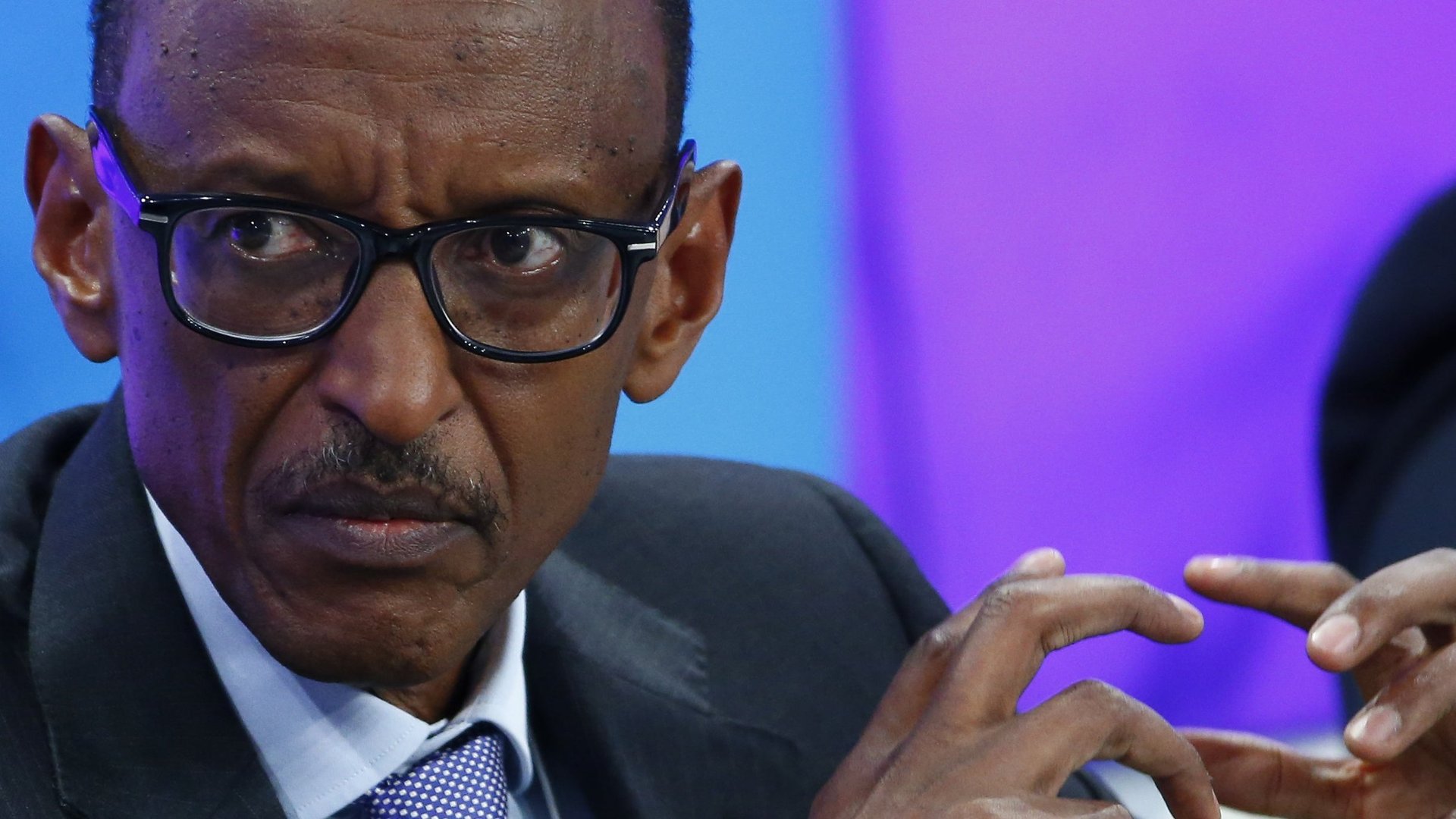
Can a president really be that popular? The New Times, a Rwandan daily, reports that after a three-week countrywide consultation of “millions of Rwandans,” the country’s lawmakers found only 10 people who were against letting Paul Kagame run for a third term as president.

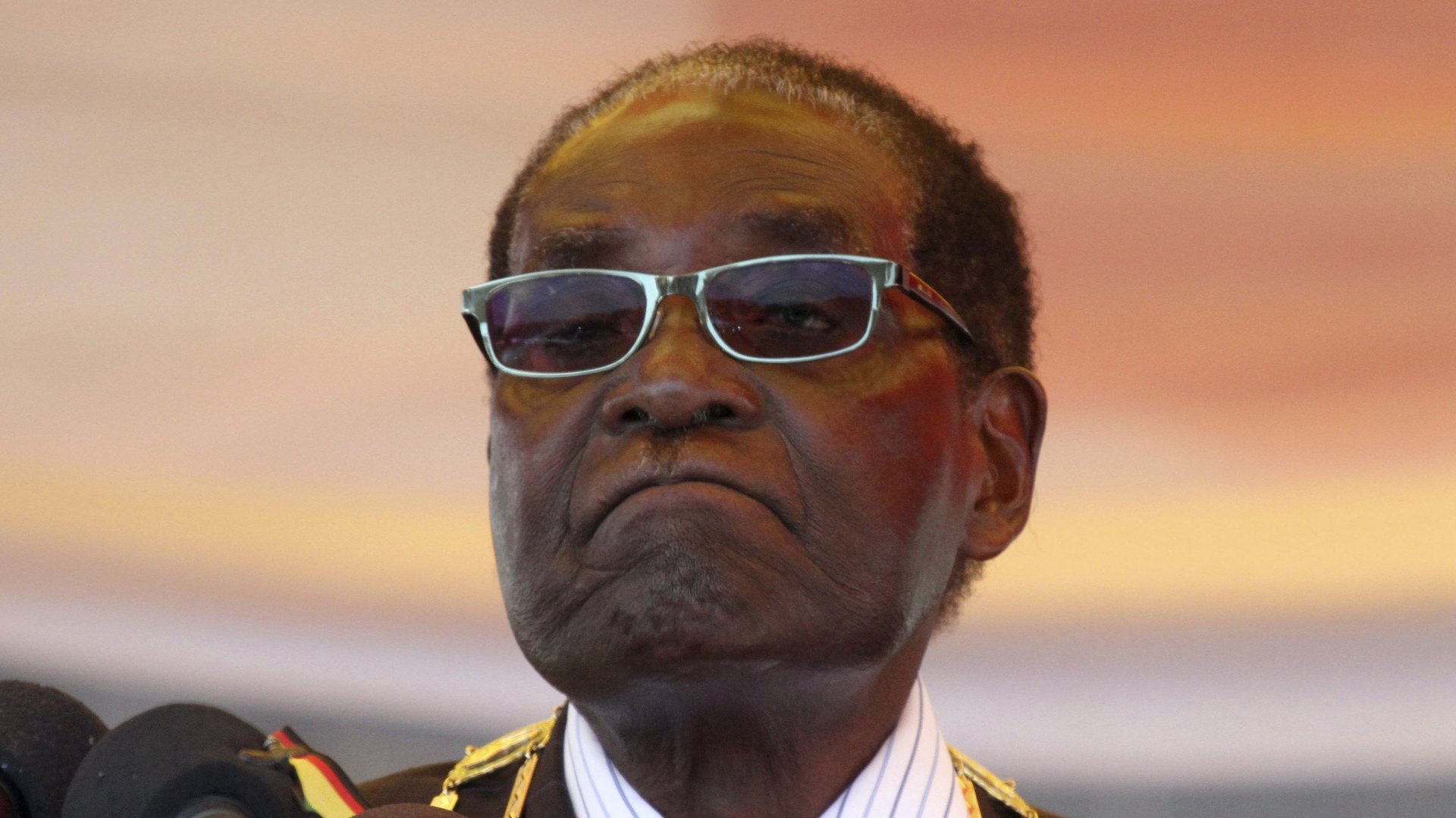
Within four weeks of a court ruling that has made it easier for companies to fire employees in Zimbabwe, a reported 20,000 workers have joined the ranks of the unemployed, prompting president Robert Mugabe to promise a new labor law that would prevent mass job losses in the country.

Zimbabwe’s temporary ban on trophy hunting lasted for just over a week. South Africa’s News24 reported yesterday that the ban, introduced after last month’s scandal over the killing of Cecil the lion, has been lifted.

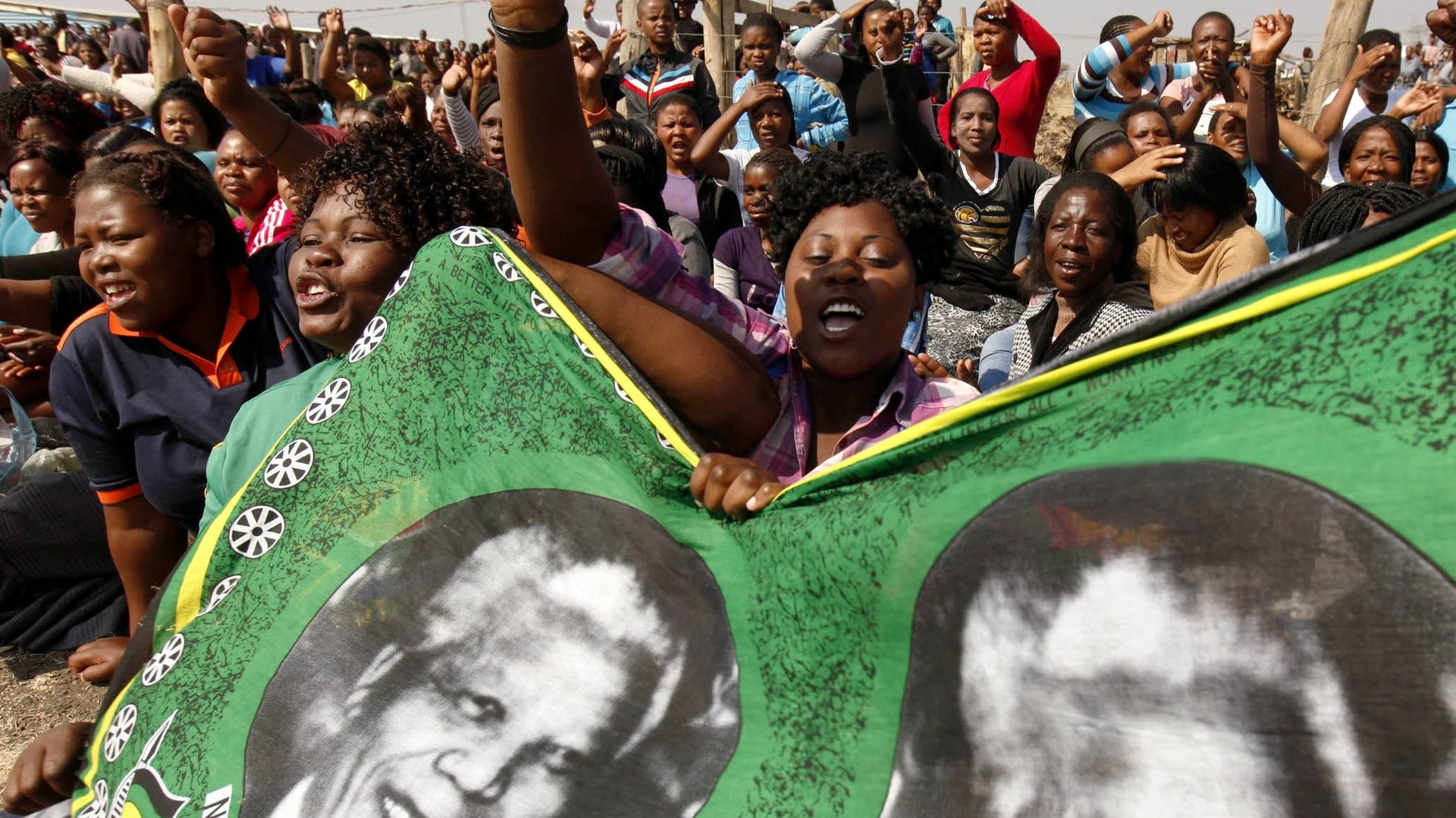
South Africa’s National Women’s Day (pdf) commemorates the march by 20,000 women on Aug. 9, 1956, to petition against the apartheid regime’s racist “pass laws.” But like the annual Women’s Month of which it’s now a part, the day is mostly reserved for platitudes. A senior politician—usually male—takes to the stage and pays lip service to the courage and determination of the exemplary women of 1956, adding a few well-meaning chestnuts about the role women play in society and the need for women’s empowerment.

China, the world’s biggest consumer of ivory, has donated equipment worth $2 million to assist Zimbabwe’s anti-poaching efforts.

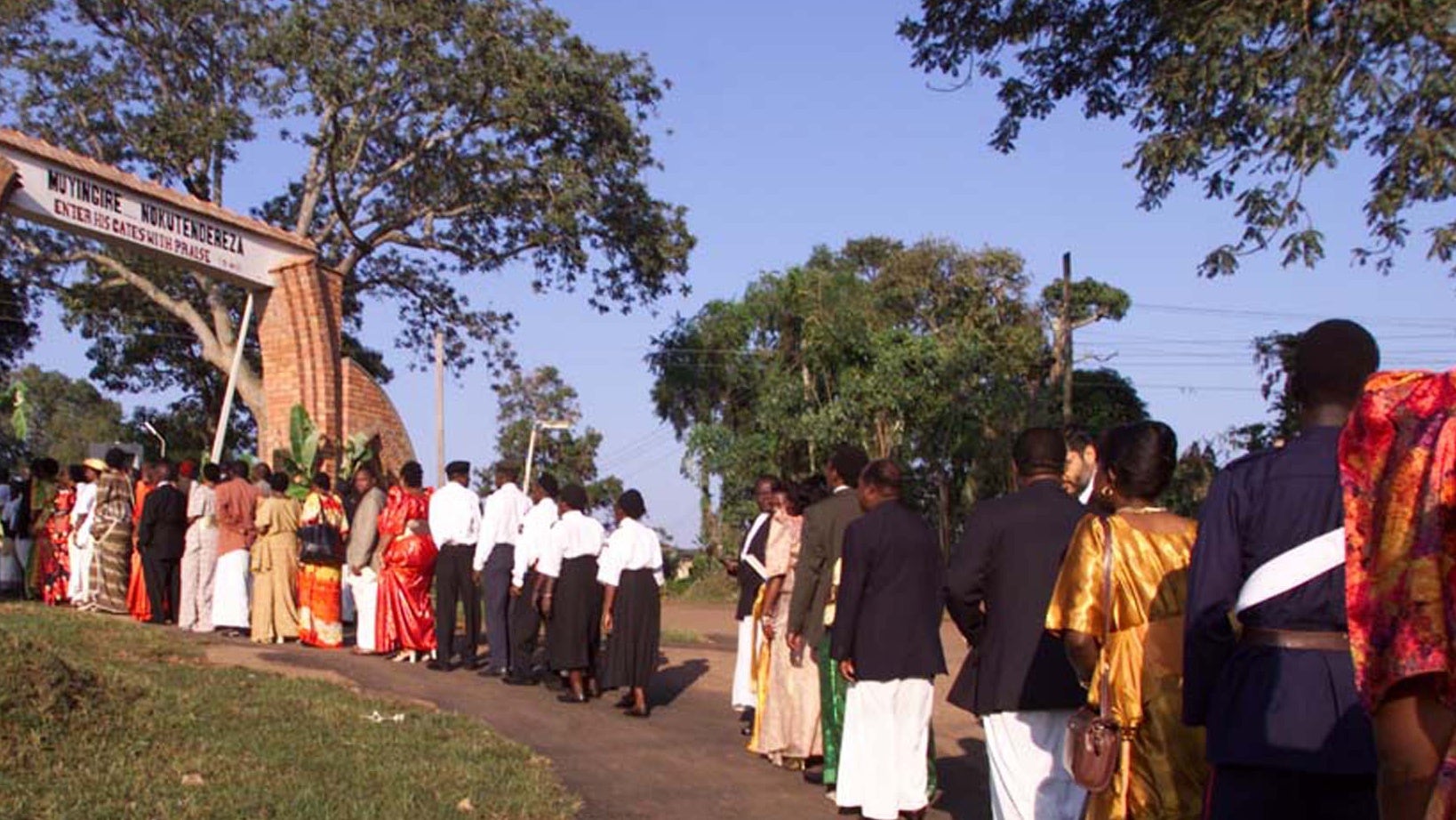
In Uganda—as in many other countries such as China, India, and Nigeria—it is customary for the groom to give money or property to the bride’s family as a token of goodwill before marriage. This dowry is called a bride price in Uganda. But what happens if you get divorced?

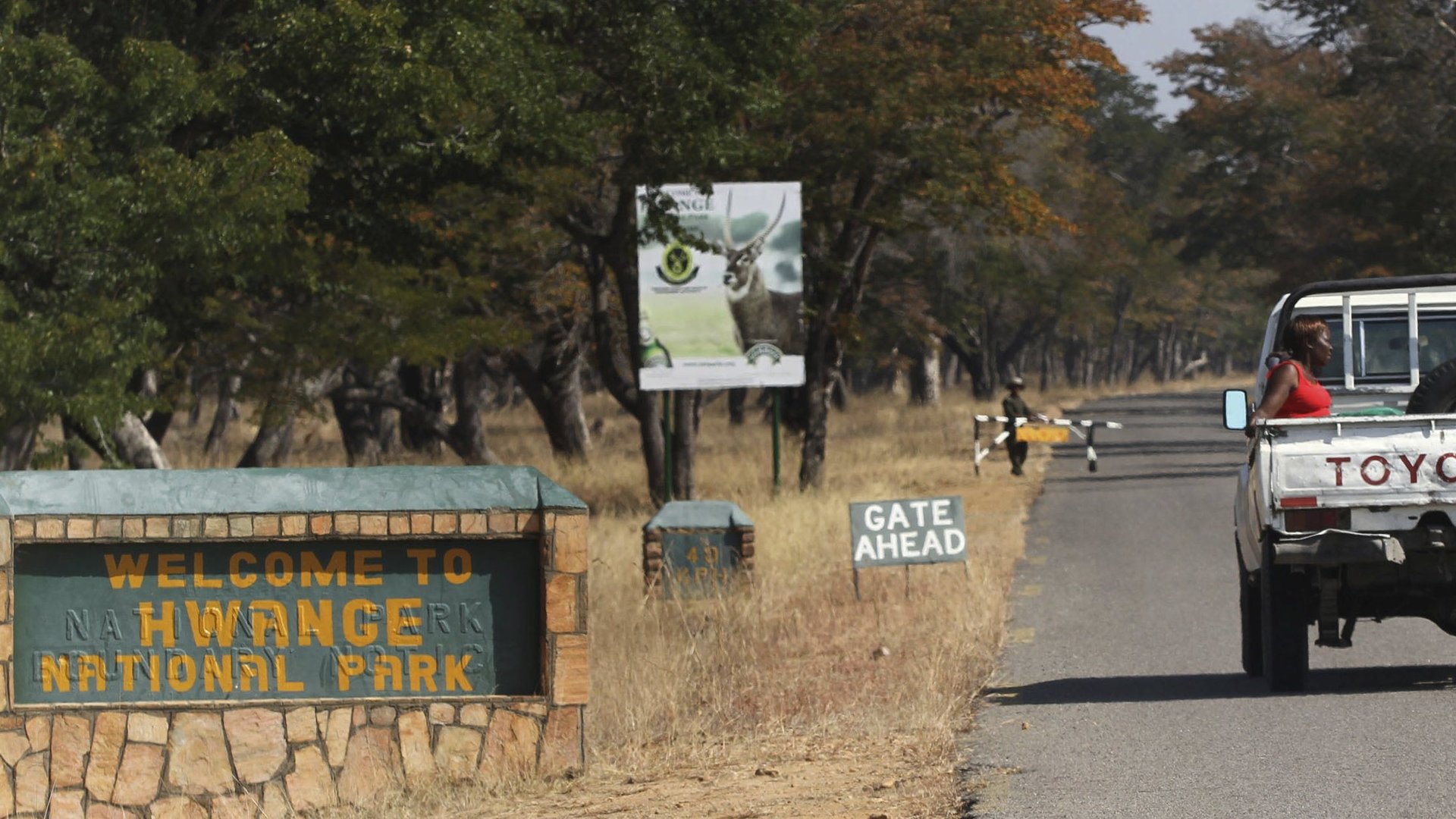
The controversial killing of the famous lion Cecil has prompted Zimbabwe to suspend the hunting of lions, leopards and elephants in areas surrounding the Hwange National Park.

With just one million subscribers at the end of March 2015—the uptake of the mobile money platform M-Pesa has been labelled a failure in South Africa.

Walter Palmer, the American dentist responsible for the killing of Zimbabwe’s much-loved lion, Cecil, is facing calls for his extradition from the US to face criminal charges for the illegal hunt and the lion’s death.

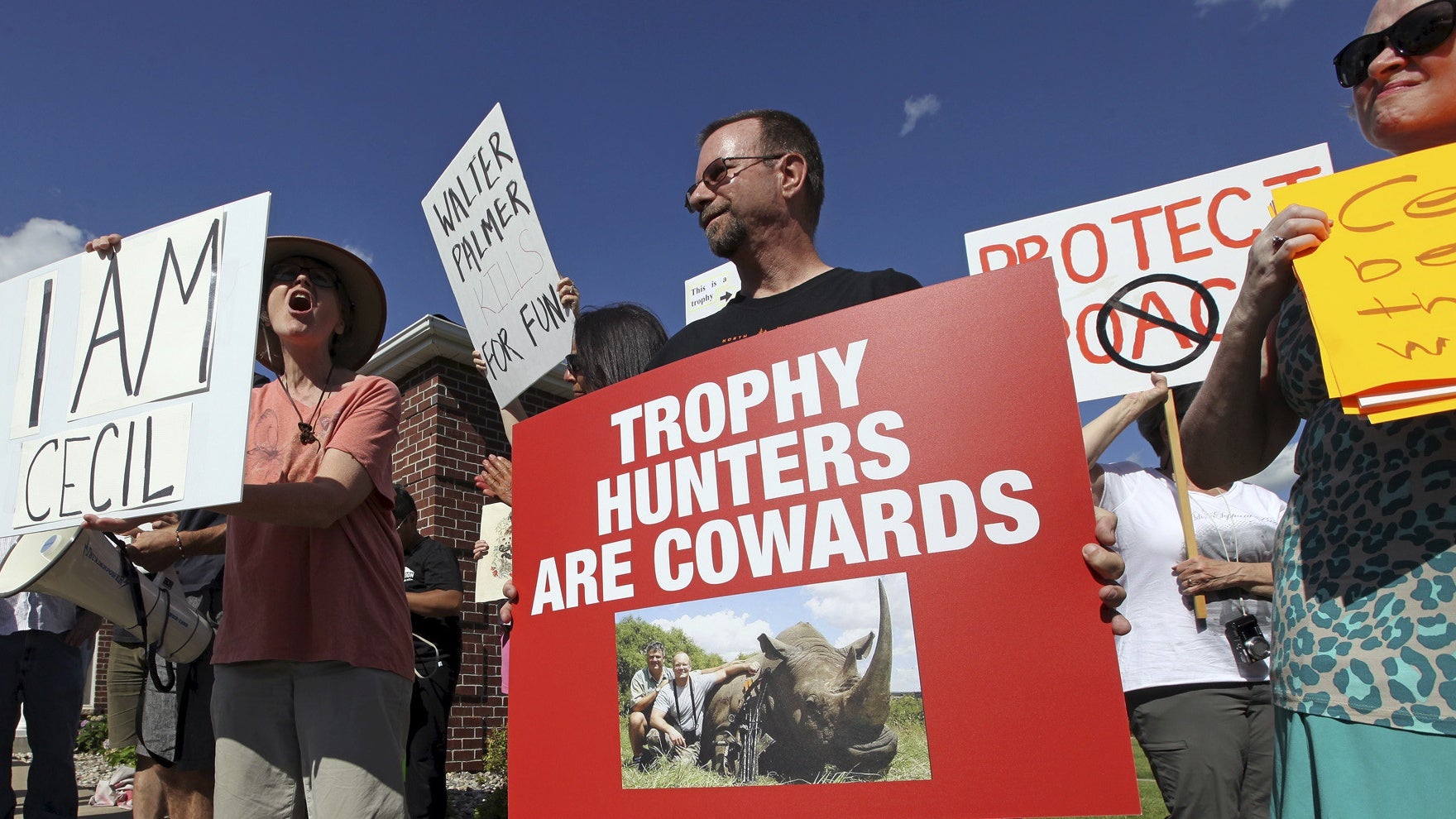
Public outrage over the killing of Cecil the lion hasn’t just drawn attention to the problems of trophy hunting. It’s also made for an opportune moment for politicians and activists to further their causes.

Airbnb has ambitious plans for Africa, as its CEO, Brian Chesky, announced in Johannesburg on July 27. Already in 17 countries on the continent, the accommodation listings company has seen its listings in Africa more than double over the past 12 months, and the number of visitors increase by 145%. Airbnb has named a general manager for the region, is considering opening regional offices, and plans to extend its “host guarantee” (which compensates homeowners for damage caused by guests) to Africa.

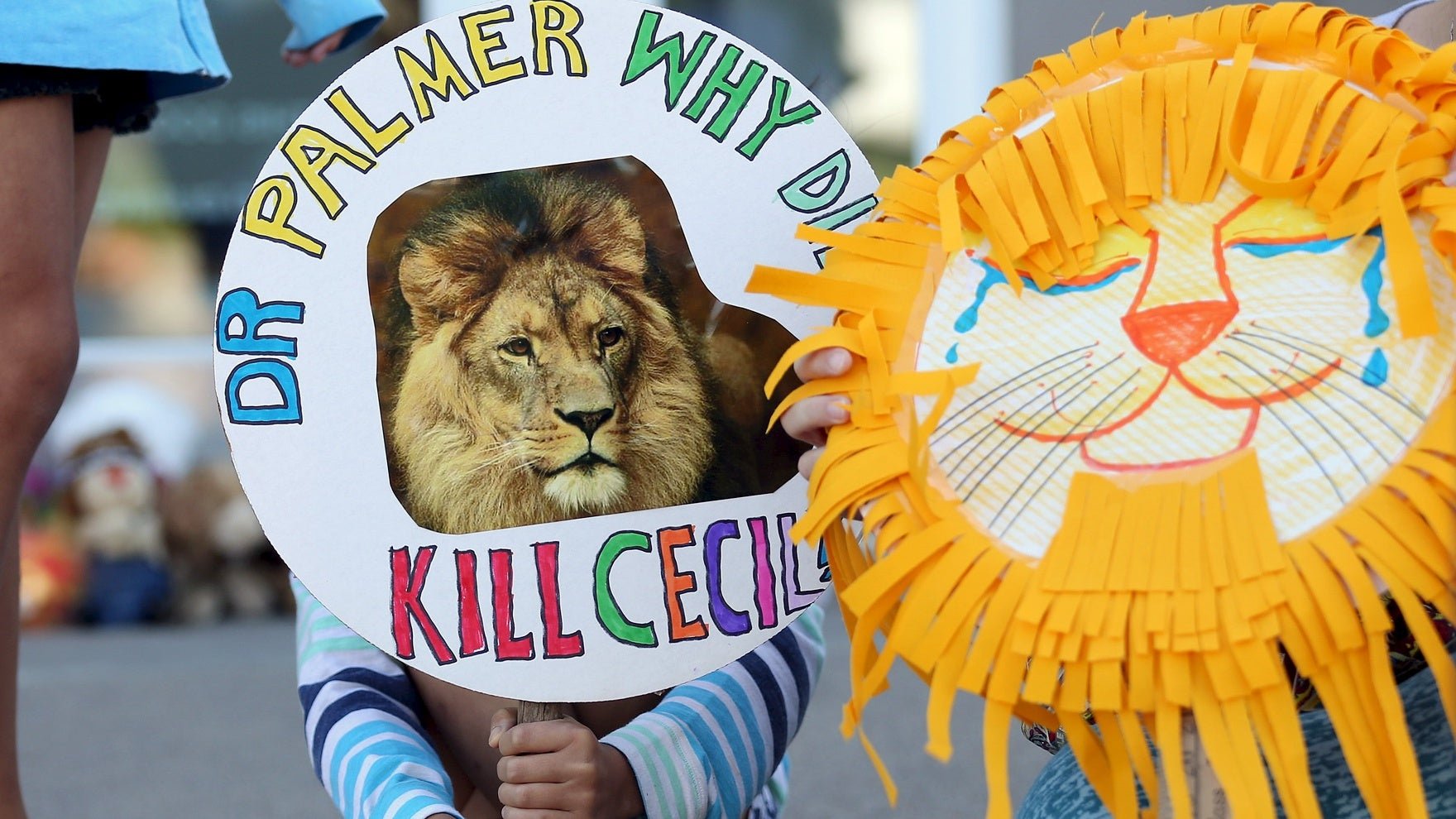
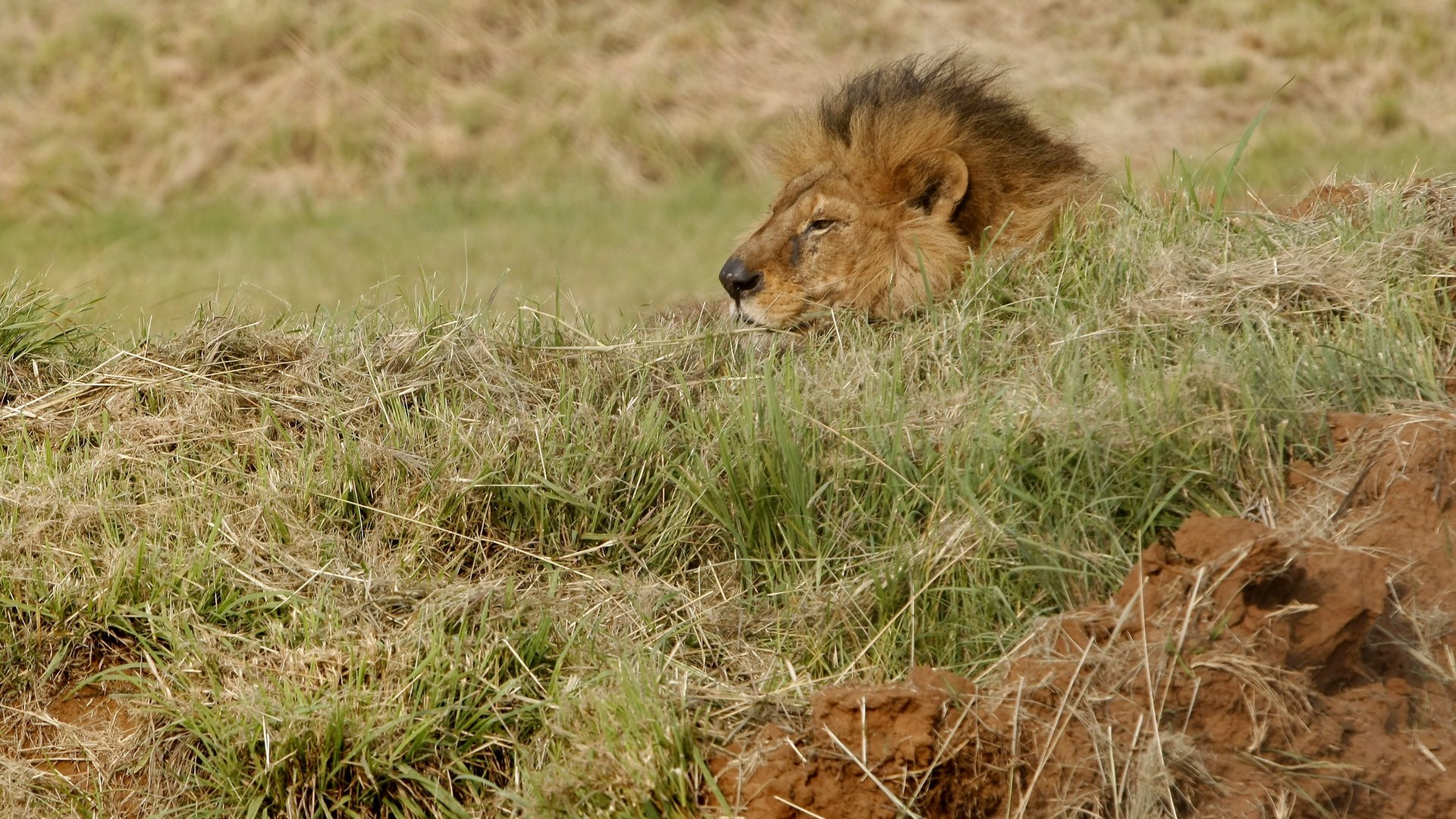
Cecil, Zimbabwe’s most famous lion, was killed by an American dentist with the help of a Zimbabwean professional hunter.

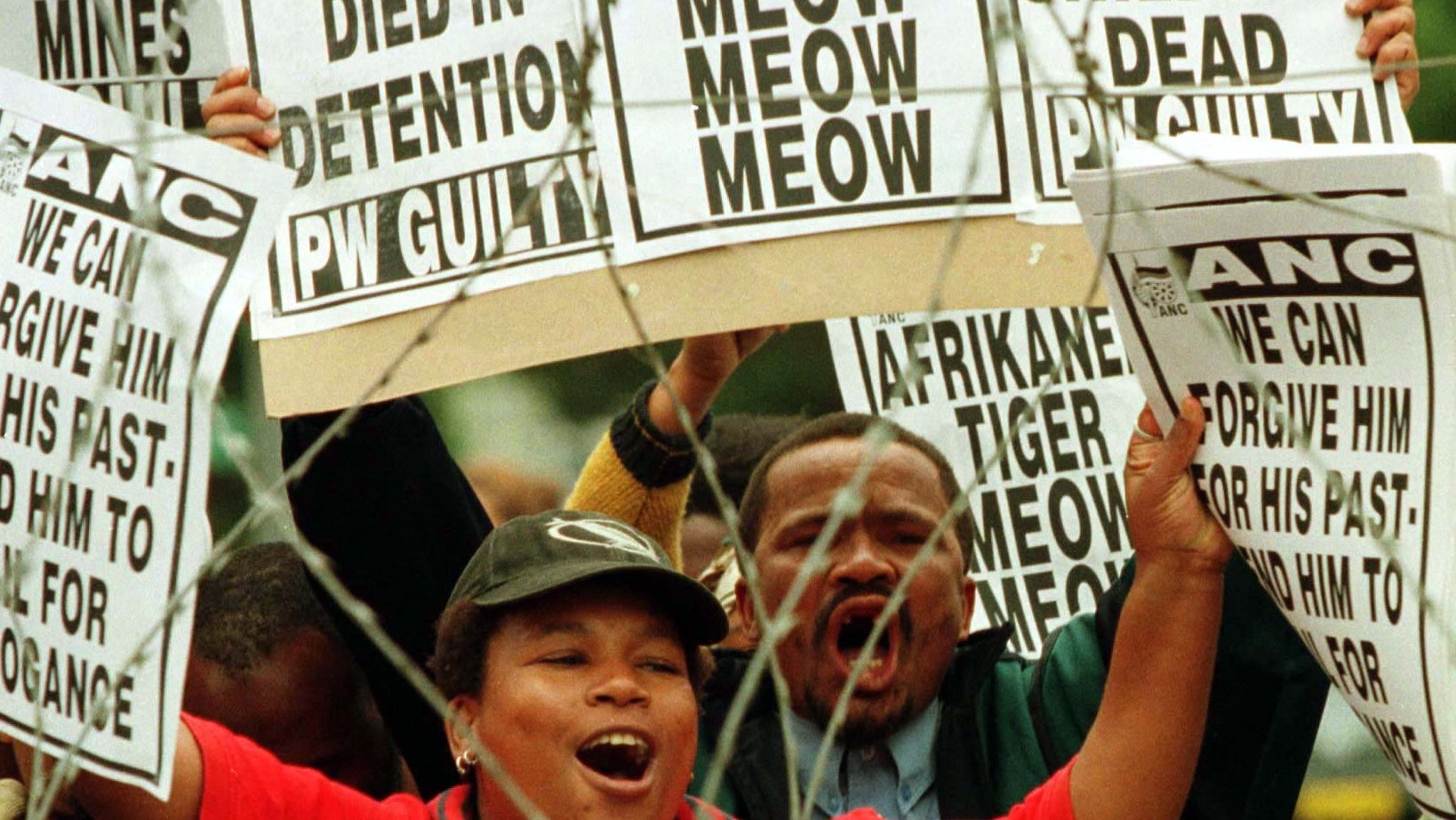
This past weekend, South Africa’s biggest media group, Naspers, did something it should have done 19 years ago: apologize for the key role it played during Apartheid.