

Lifestyle
Russell Peters on stereotypes, politics, and religion in his comedyRussell Peters is back—to entertain, offend, or both, depending on where you stand.
Updated July 21, 20229 min read
Russell Peters is back—to entertain, offend, or both, depending on where you stand.
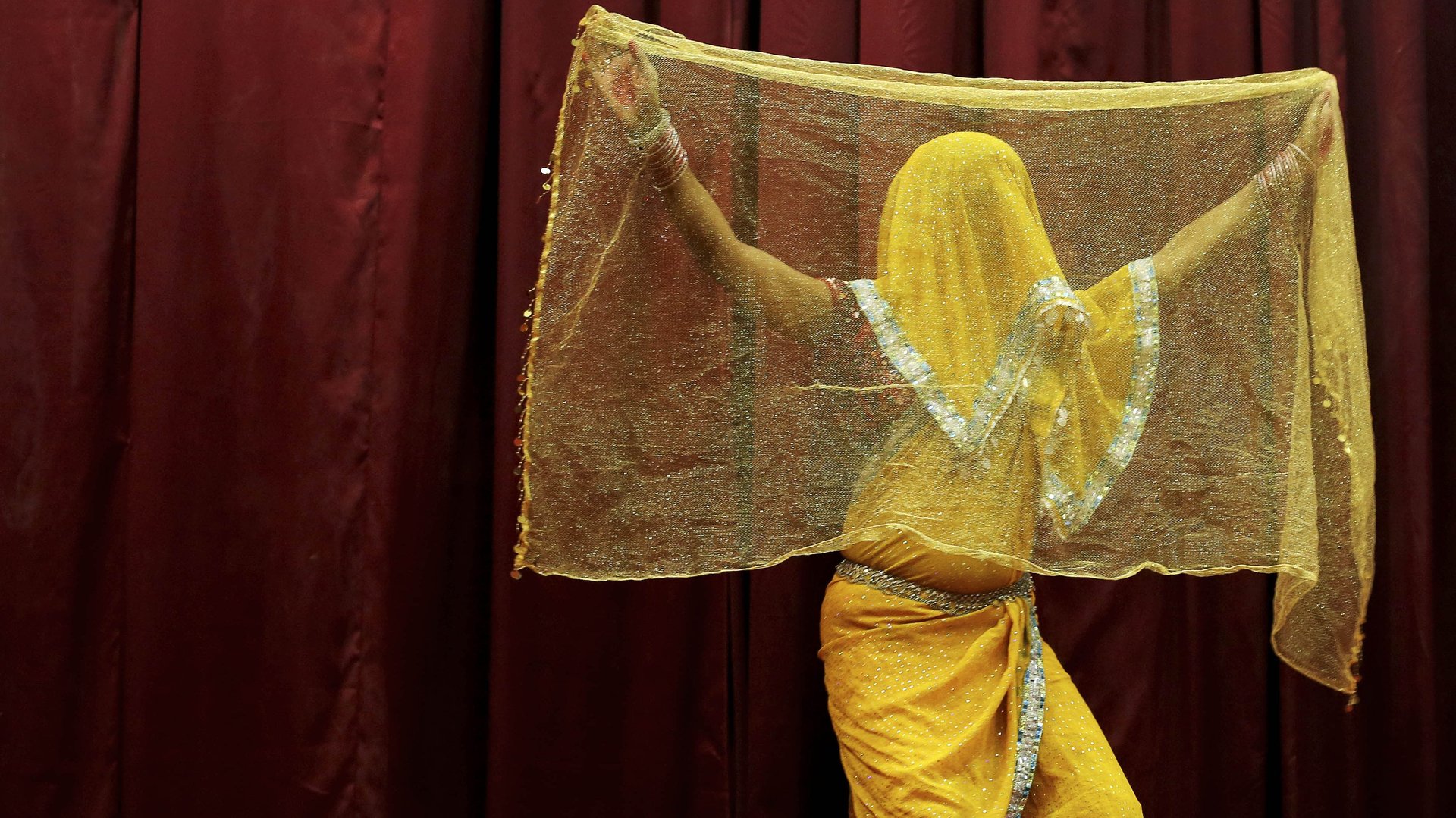
In June 1857, when Indian soldiers laid siege to Cawnpore (now Kanpur), enclosing British East India Company officials, they were accompanied by a courtesan. In the midst of the confrontation, as shots whizzed around, the courtesan was seen by at least one eyewitness armed with pistols.

Mumbai’s startling inequality presents itself in a variety of ways. It is visible when driving down the busy roads and from the windows of its suburban trains—swanky high-rises often stand in proximity to a sprawling network of shanties. But the clearest view of the disparity comes from up in the sky.

Opportunities for distraction have never been so plentiful. We have a dozen social networks that are so woven into the fabric of our daily lives that using them is as habitual as brushing our teeth and millions of websites ranging from mild entertainment to intellectual porn (articles like this, that make us feel we’re doing something when we’re just consuming). Walk through an airport, a mall, a grocery store, or even a bar on a Saturday night, and it’s not uncommon to see people looking at their phones.

It’s easy to identify what a German Shepherd, Labrador, and Saint Bernard have in common: they’re furry, adorable canine companions with massive fan bases all over the world. But what about the Chippiparai, Jonangi, and Kombai?

If most of us, myself included, were completely honest about our balance between consumption and creation, we’d see that it’s pretty out of whack. We consume far more than we create, when it should be the opposite. Every day our consumption diet includes some combination of articles, emails, social media updates, podcasts, online shopping and Netflix, YouTube, and Hulu.