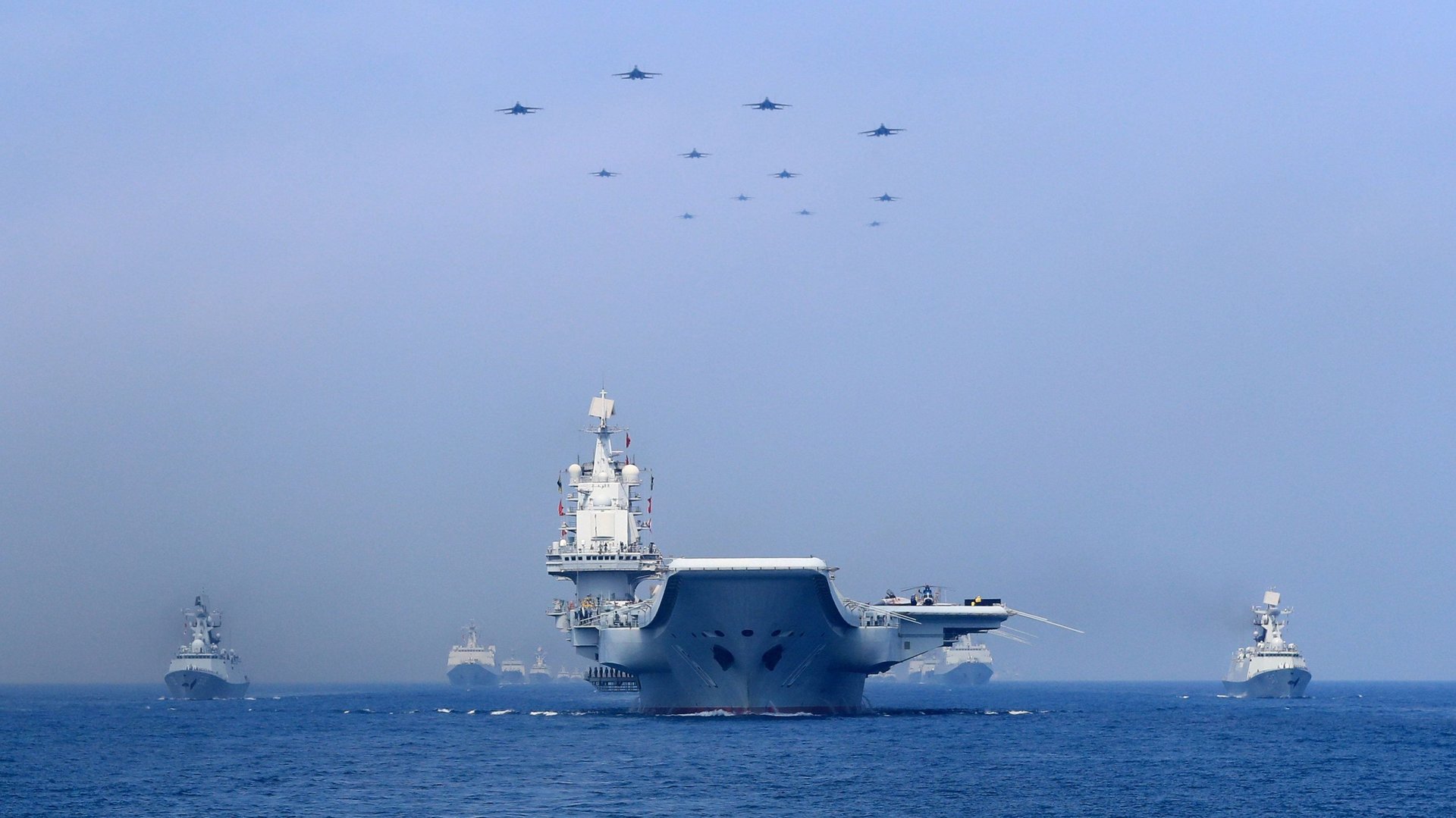
China’s landing of a rover on the far side of the moon grabbed headlines around the world this week. Less noticed, the country’s state media reported on progress in another arena: game-changing naval weaponry.

China’s landing of a rover on the far side of the moon grabbed headlines around the world this week. Less noticed, the country’s state media reported on progress in another arena: game-changing naval weaponry.

Monty Python star Michael Palin has been knighted—just not for the first time.

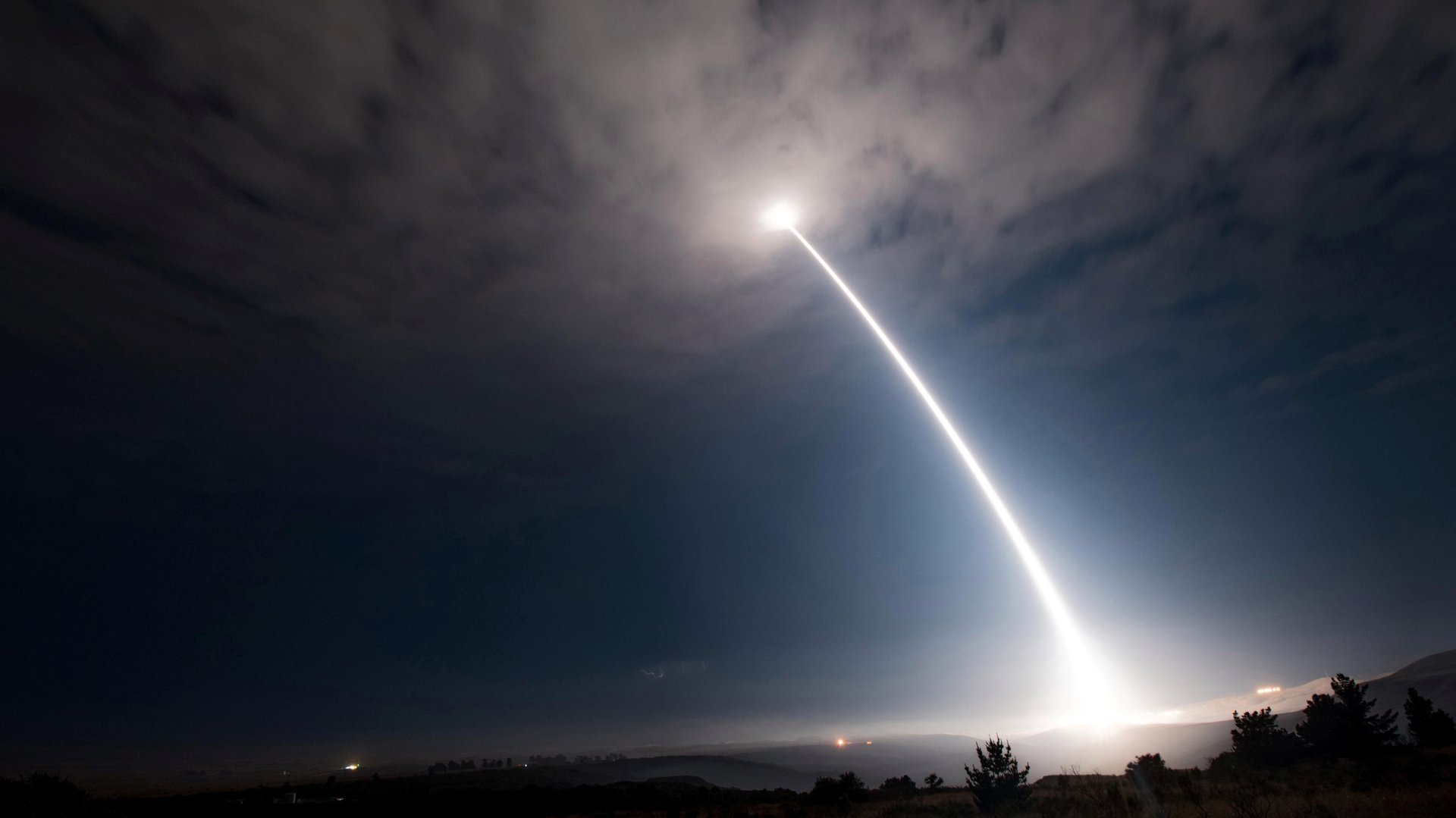
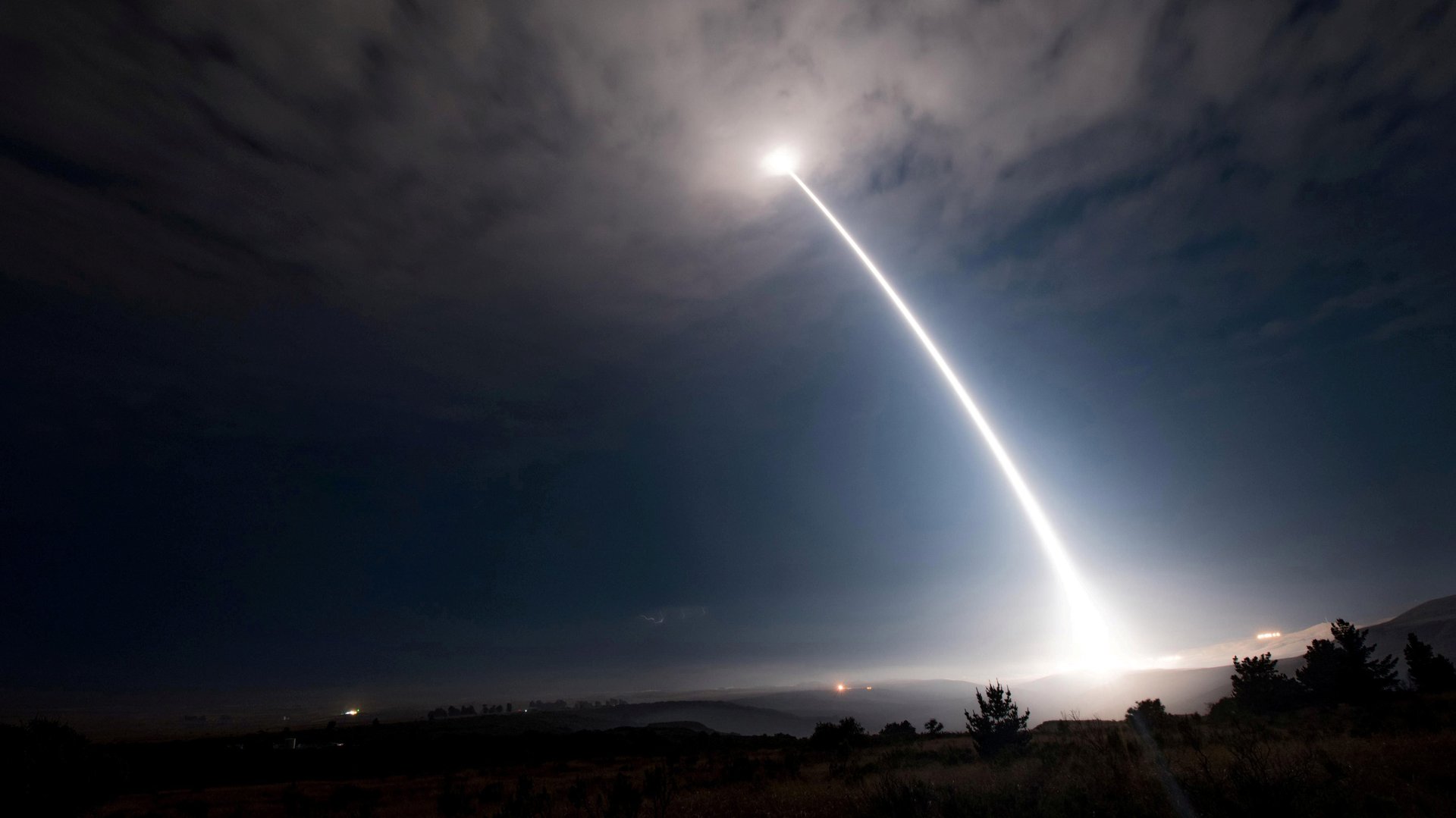
Russia conducted a hypersonic weapons test today, and Vladimir Putin is clearly excited about it. Speaking from a defense ministry control room after watching a live feed of the demonstration, the Russian president boasted to his military leaders that the intercontinental, nuclear-capable weapon is “invulnerable to intercept by any existing and prospective missile defense means of the potential adversary.”

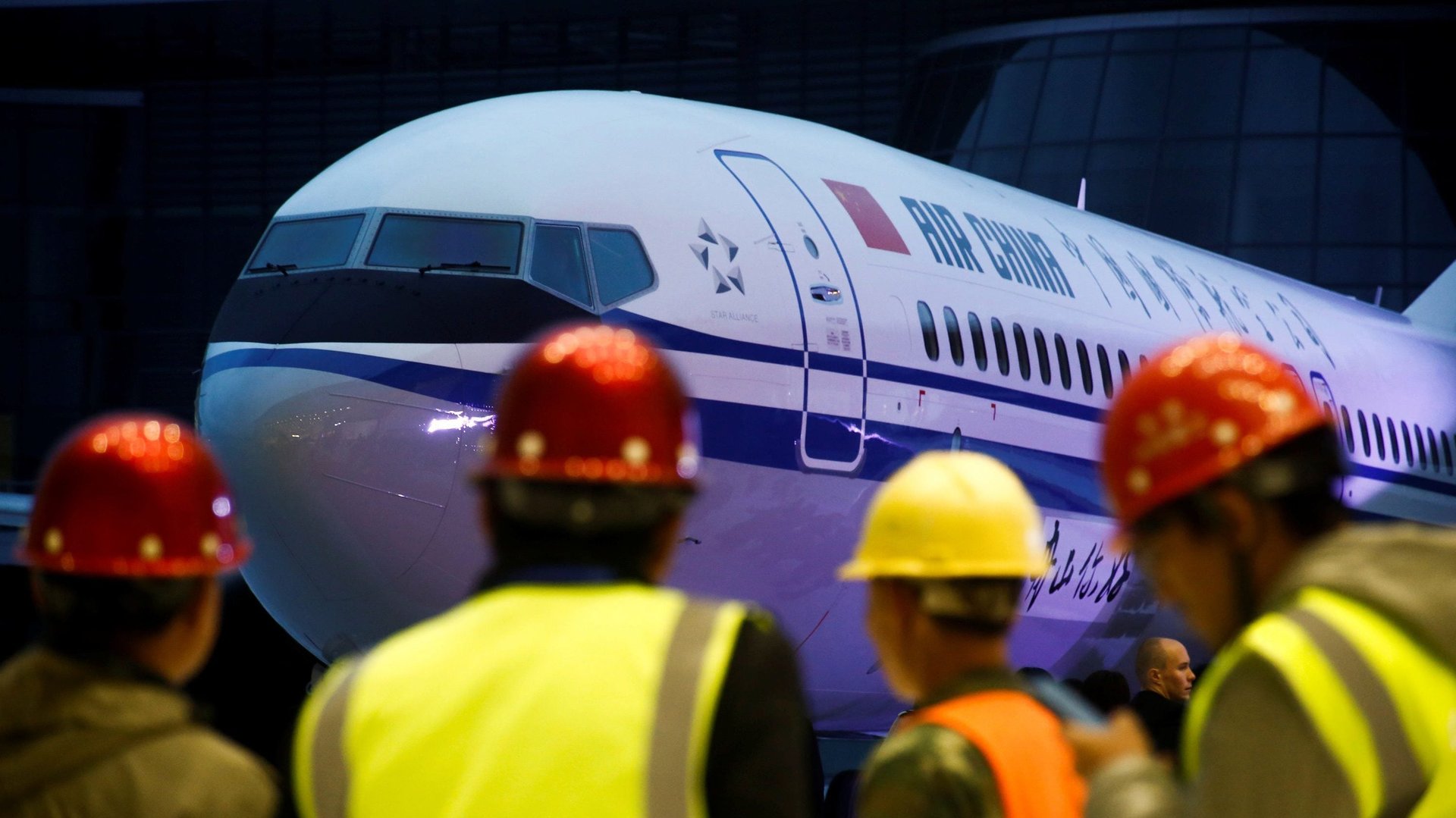
Boeing, America’s largest exporter, delivered its first plane finished in China this weekend. Built for Air China, the 737 Max was completed and delivered on Saturday at a new facility in Zhoushan, outside of Shanghai.

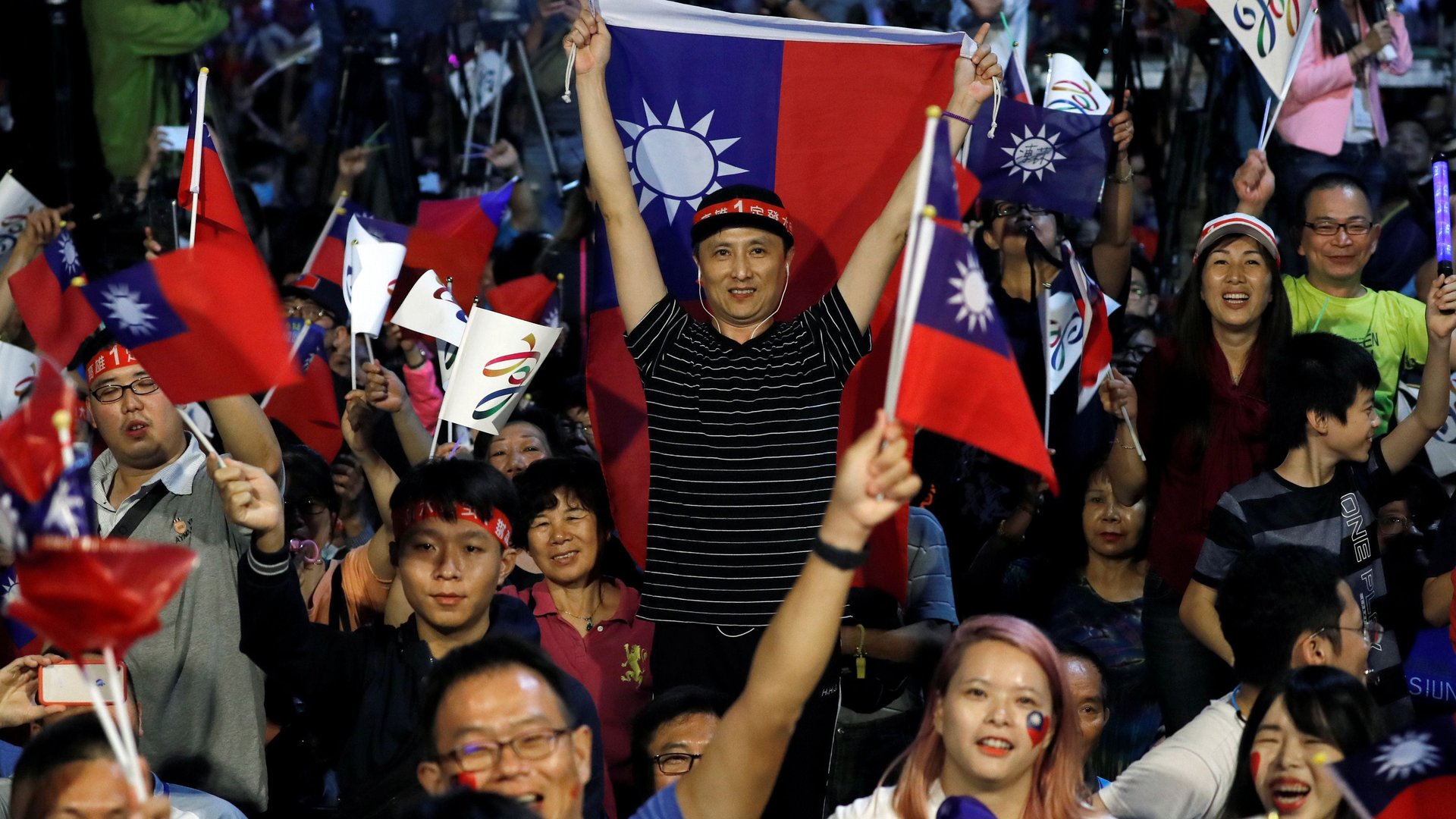
Local elections in Taiwan went poorly for the ruling party on Saturday (Nov. 24). But in China, Beijing has been given much to celebrate.

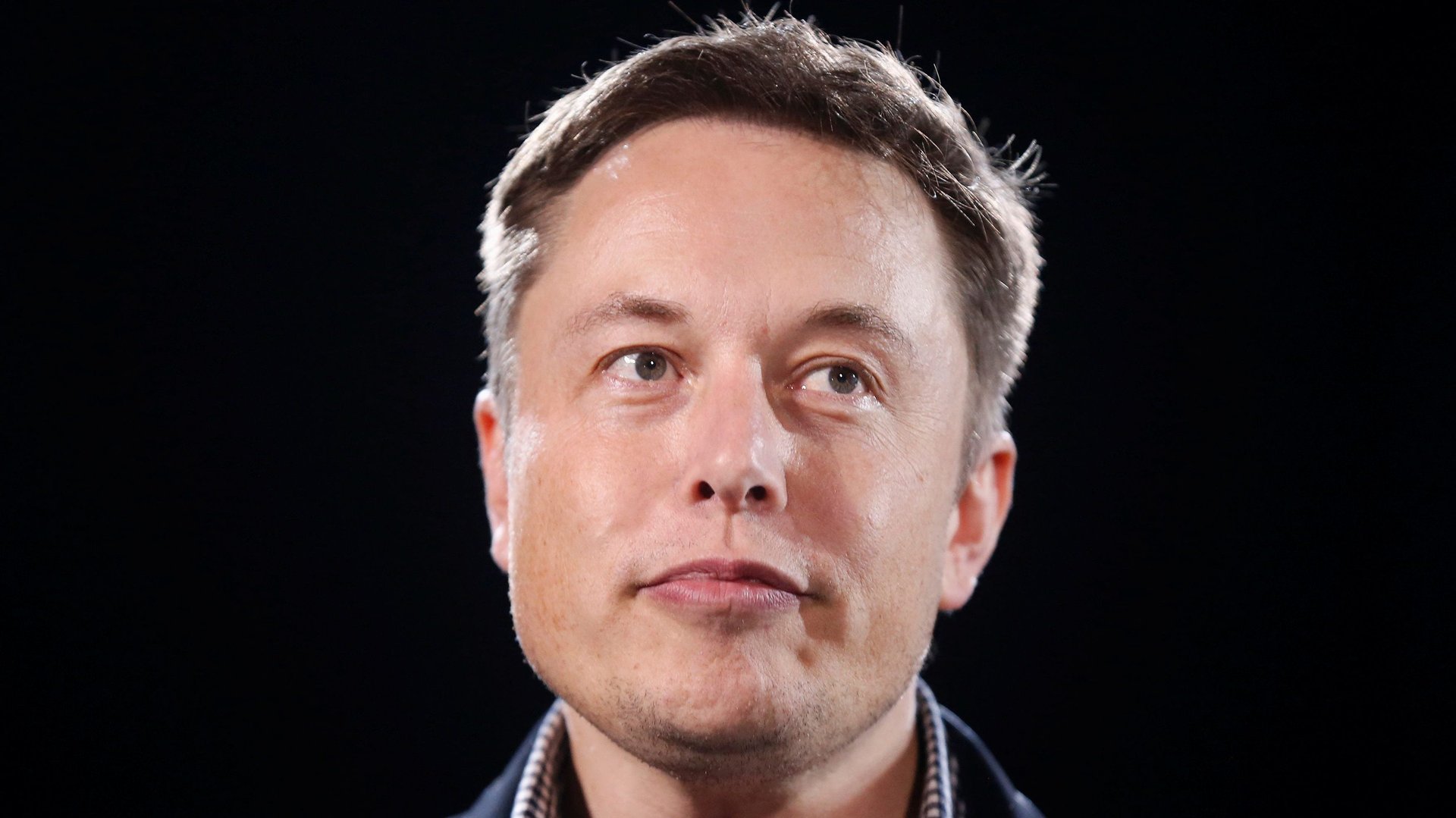
It could have been worse. In a settlement with the US Securities and Exchange Commission announced today, Elon Musk and Tesla will each pay a $20 million penalty, while Musk has 45 days to step down as chairman and will be ineligible from holding that title for at least three years. The company will also appoint two new independent directors to its board.

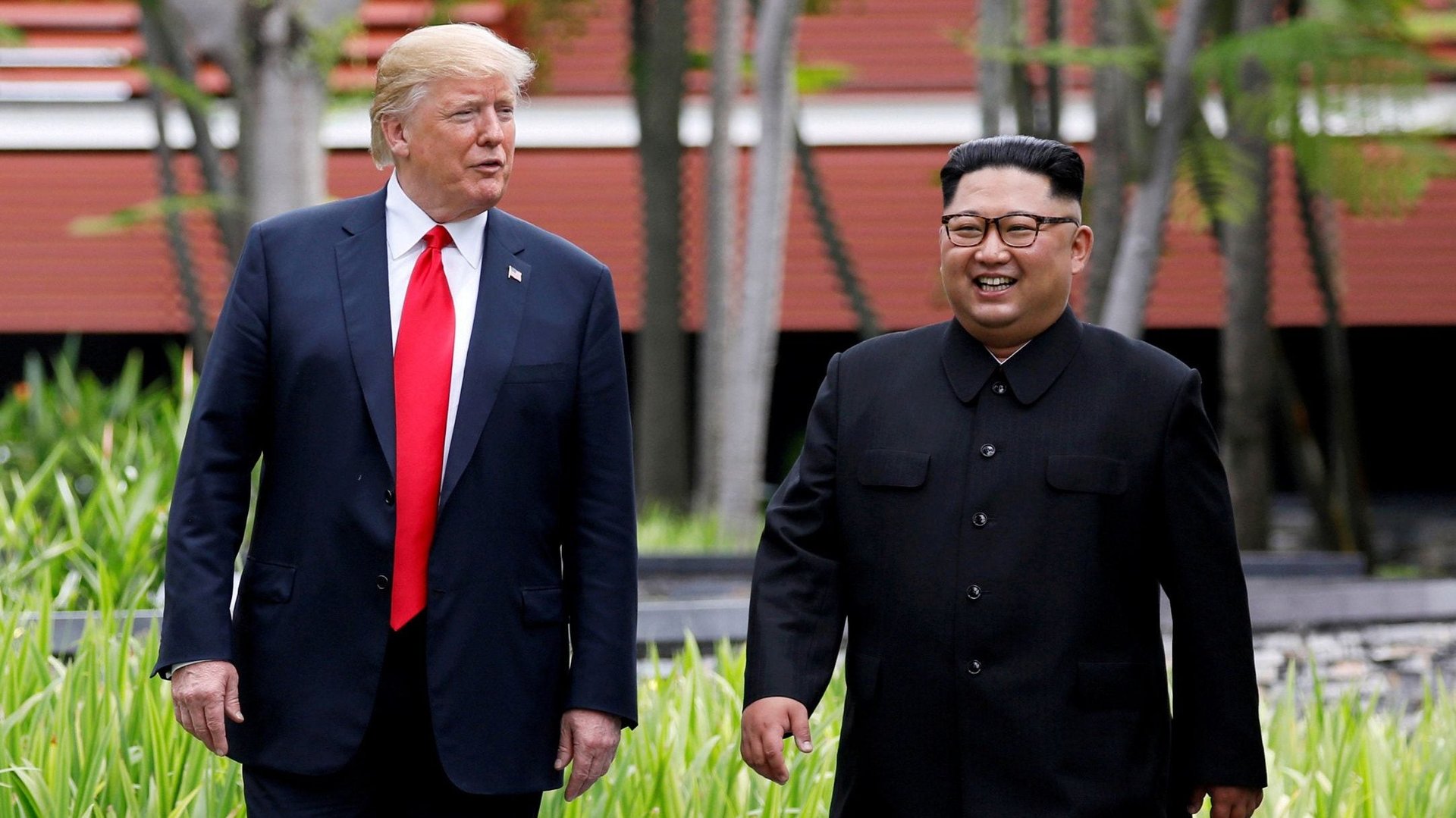
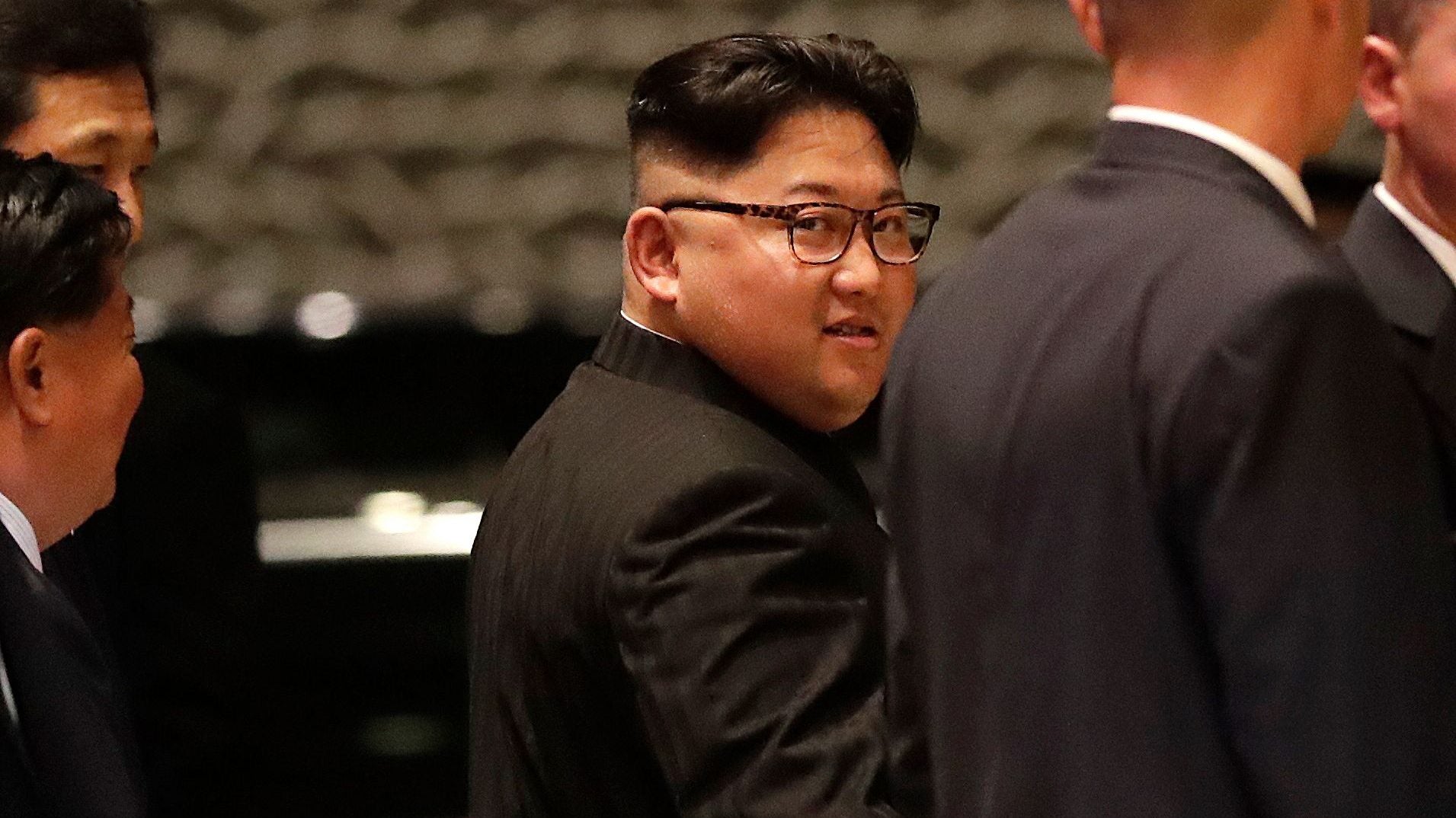
North Korean leader Kim Jong Un is ready for a second meeting with US president Donald Trump. Certainly the first one in June went well for him, giving his iron-fisted regime a credibility boost on the world stage and in the eyes of many North Koreans, who were told by state media it was the “treasured sword” of nuclear weapons that forced the US to the table.

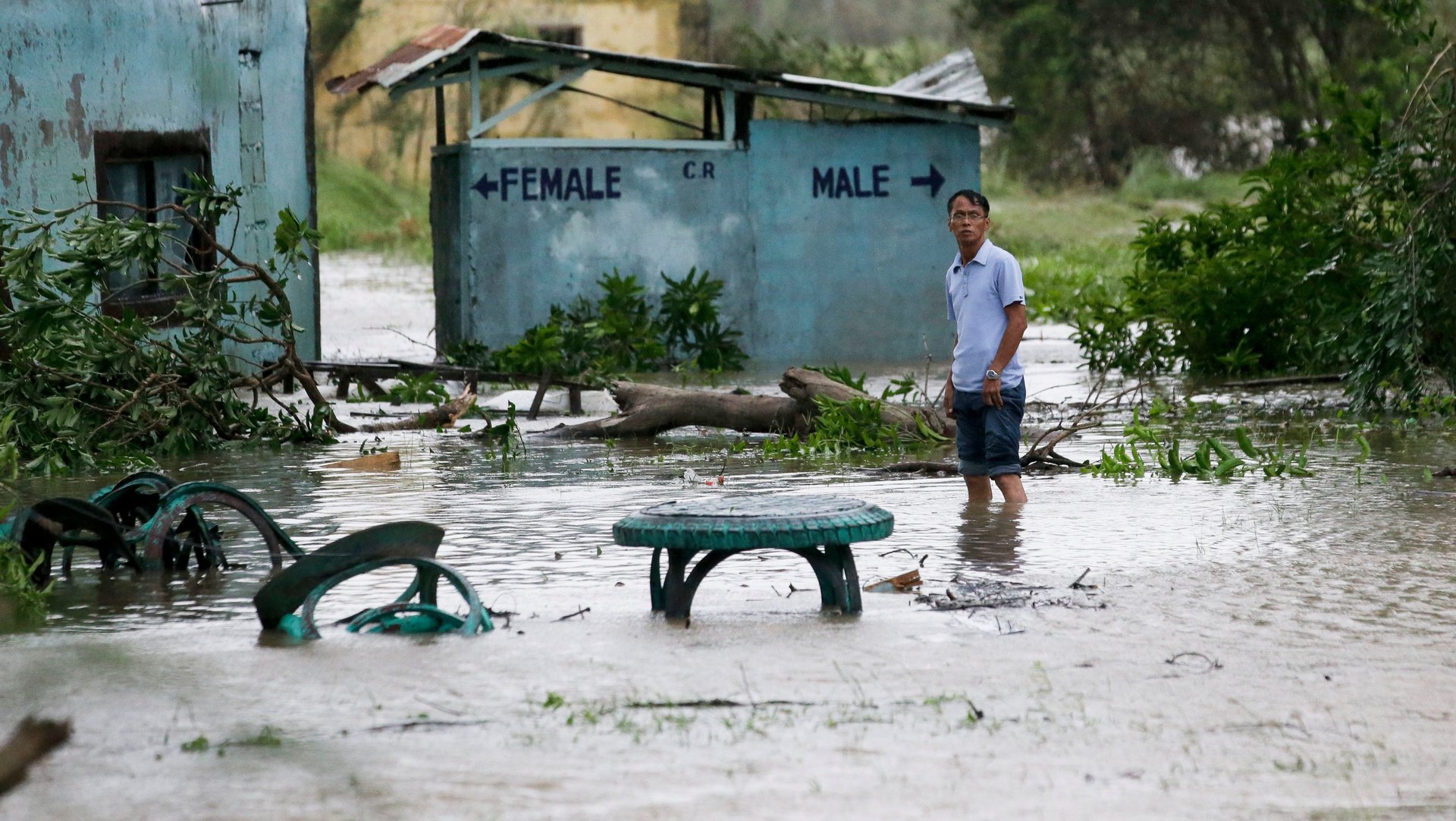
Typhon Mangkhut ripped across part of the Philippines early Saturday with winds hitting over 125 miles per hour (200 km/h). Ranked by meteorologists as the year’s most powerful storm worldwide, Mangkhut caused widespread flooding, triggered dozens of landslides, and sent trees and roofs flying on Luzon island’s northern end. At least 16 people lost their lives, with the toll likely to rise.

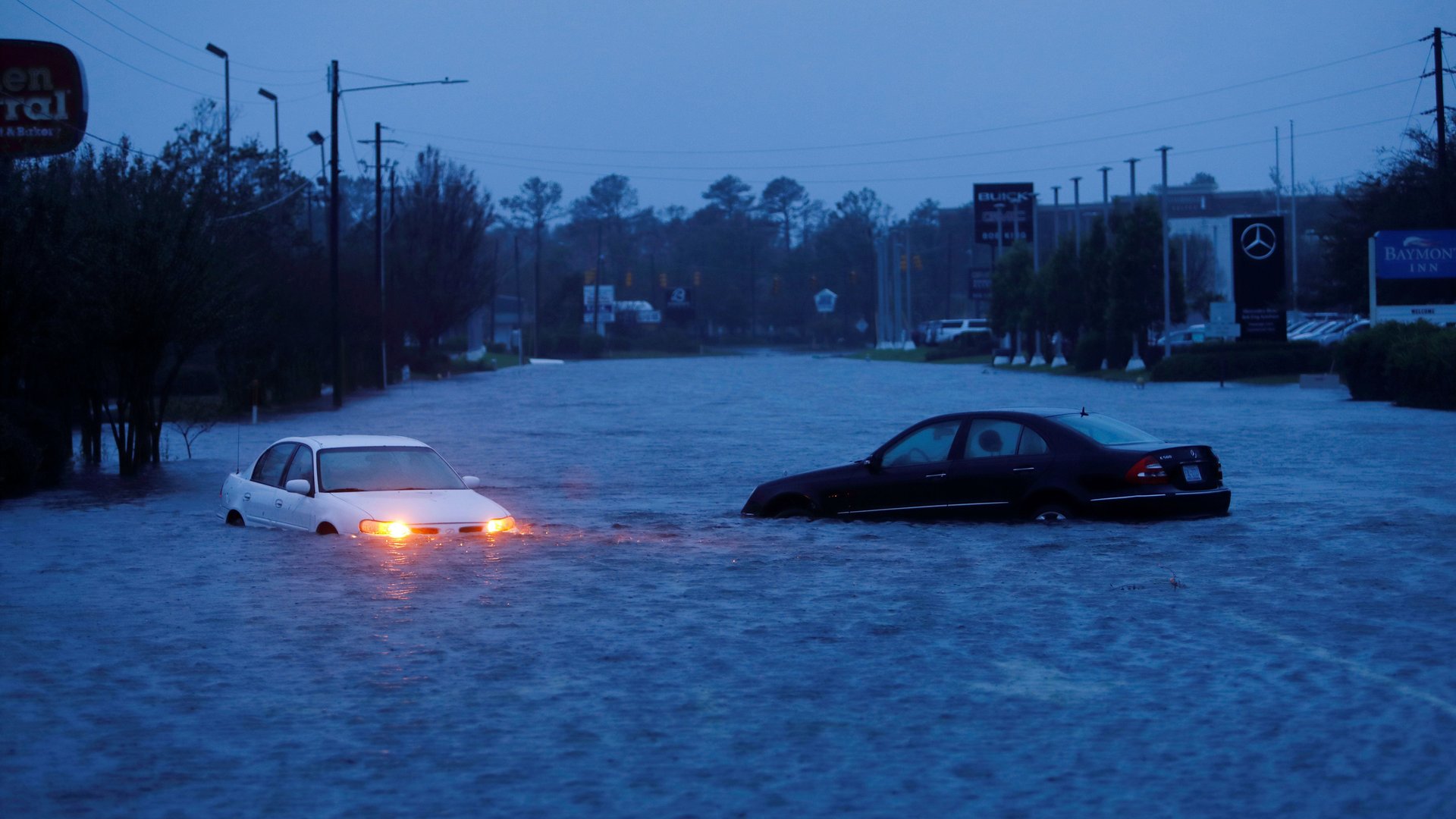
The fact that Hurricane Florence was downgraded to a tropical storm yesterday (Sept. 14) might have led some to believe that the areas in its path—primarily North and South Carolina—would be spared major damage. Florence, though, is one massive storm, and the real danger isn’t the wind, but the relentless rain and the resulting floodwaters.

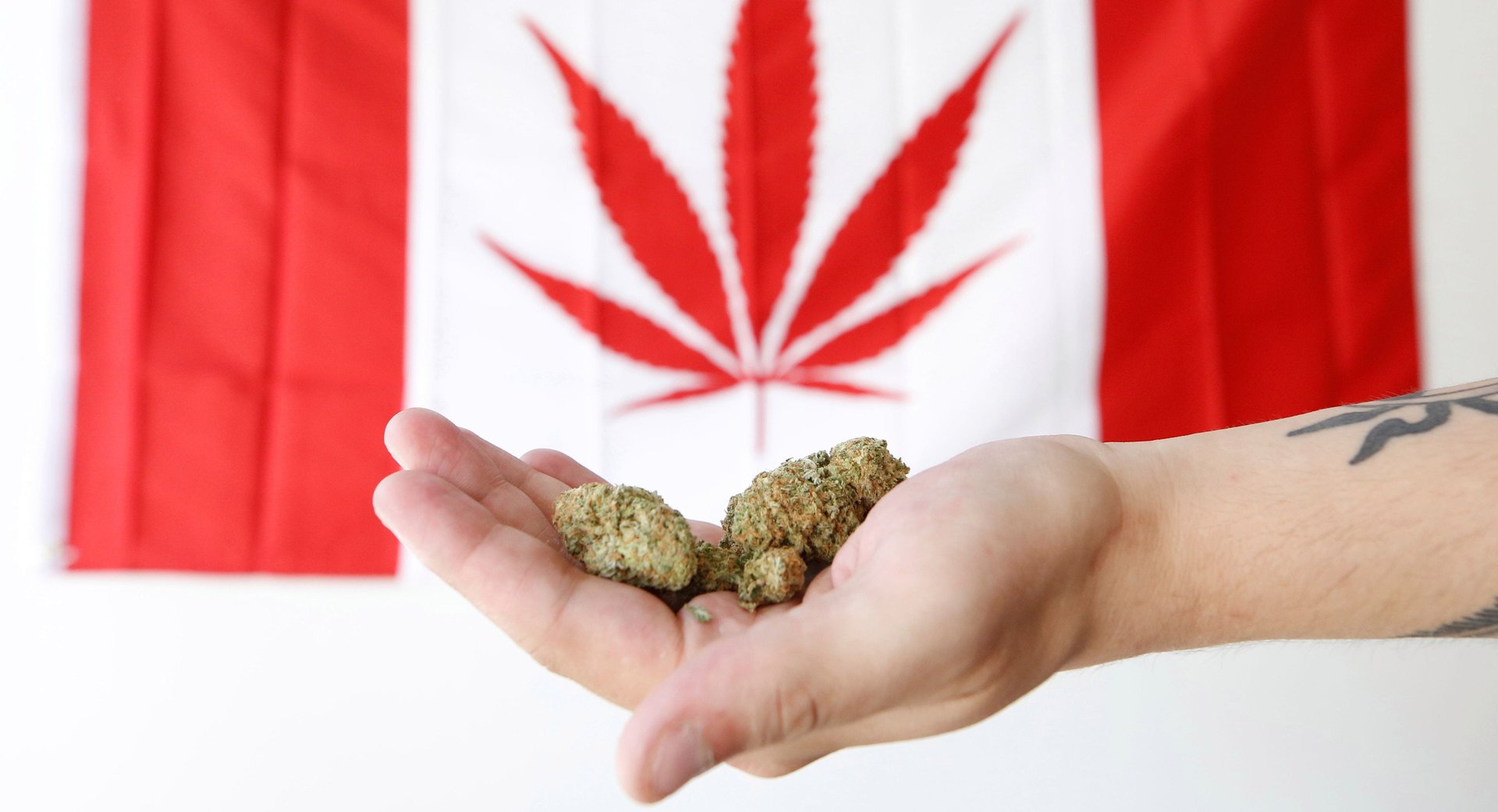
Recreational marijuana will become legal in Canada on Oct. 17, but South Korea has issued a strict warning to its citizens not to light up.

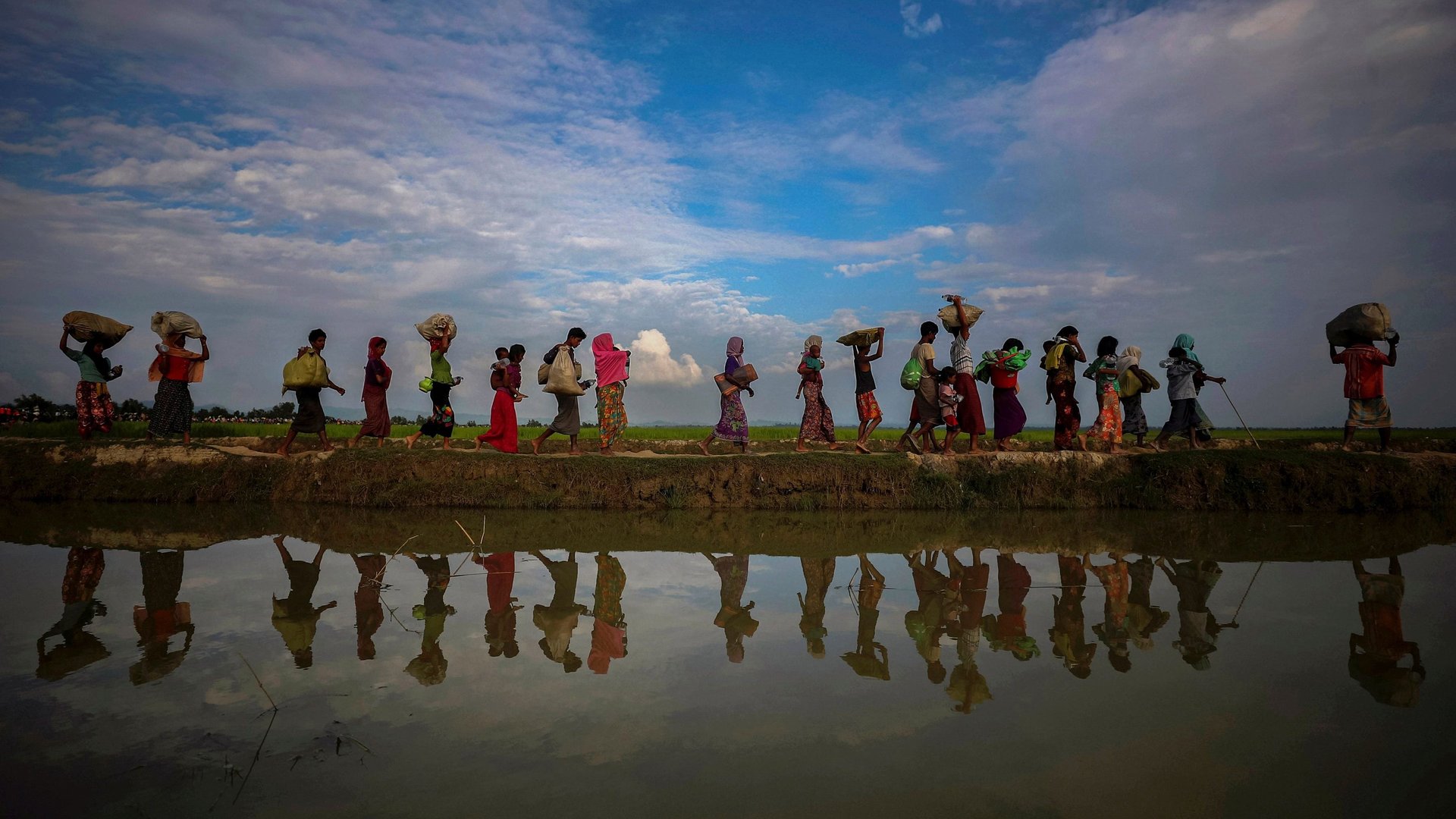
Senior military leaders in Myanmar must be prosecuted for genocide and war crimes against the Rohingya Muslims, concludes a United Nations report released today.

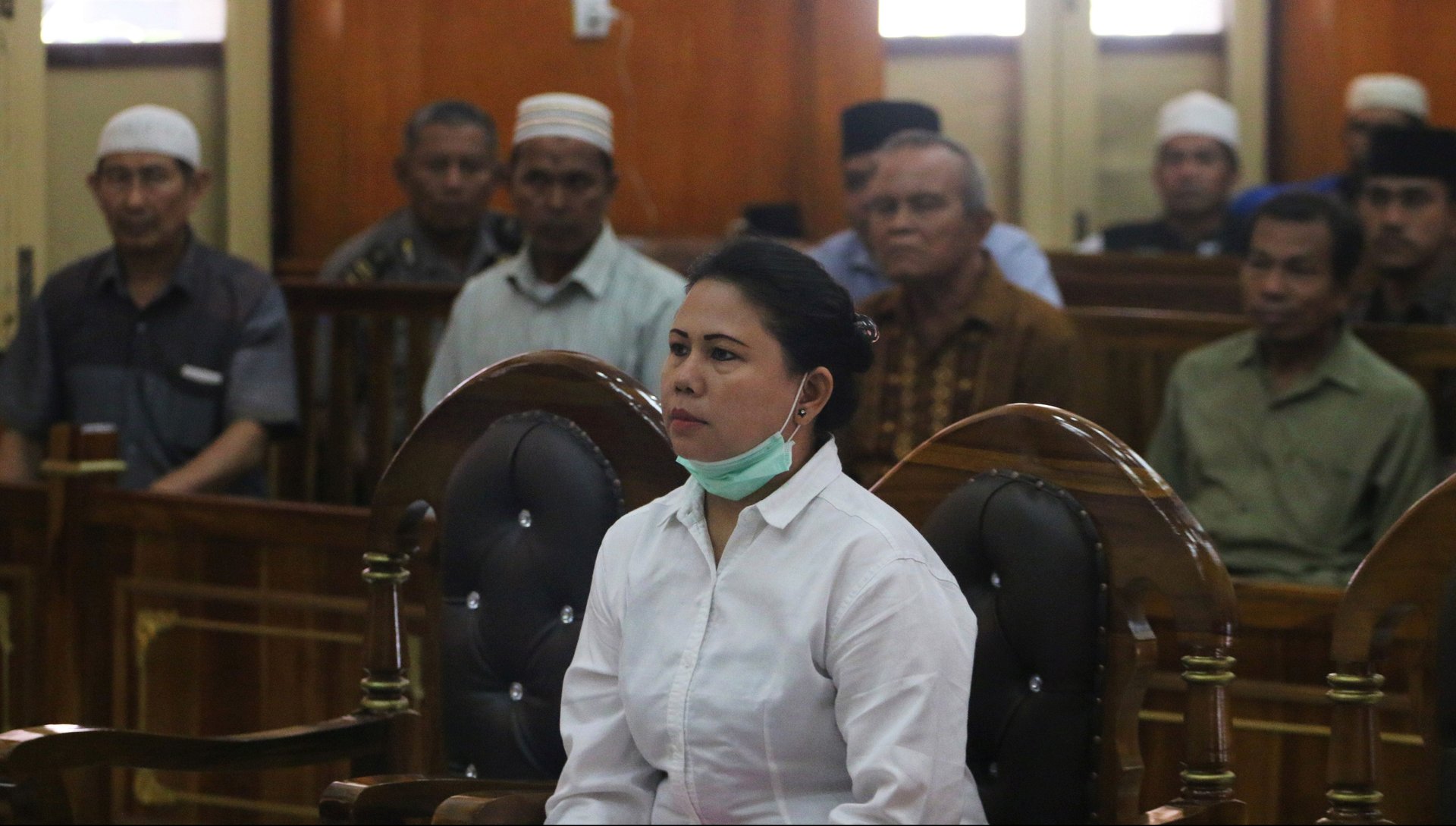
An Indonesian woman was sentenced to 18 months in prison this week. Her crime? Saying that a mosque near her home was cranking up the volume too high during the call to prayer.

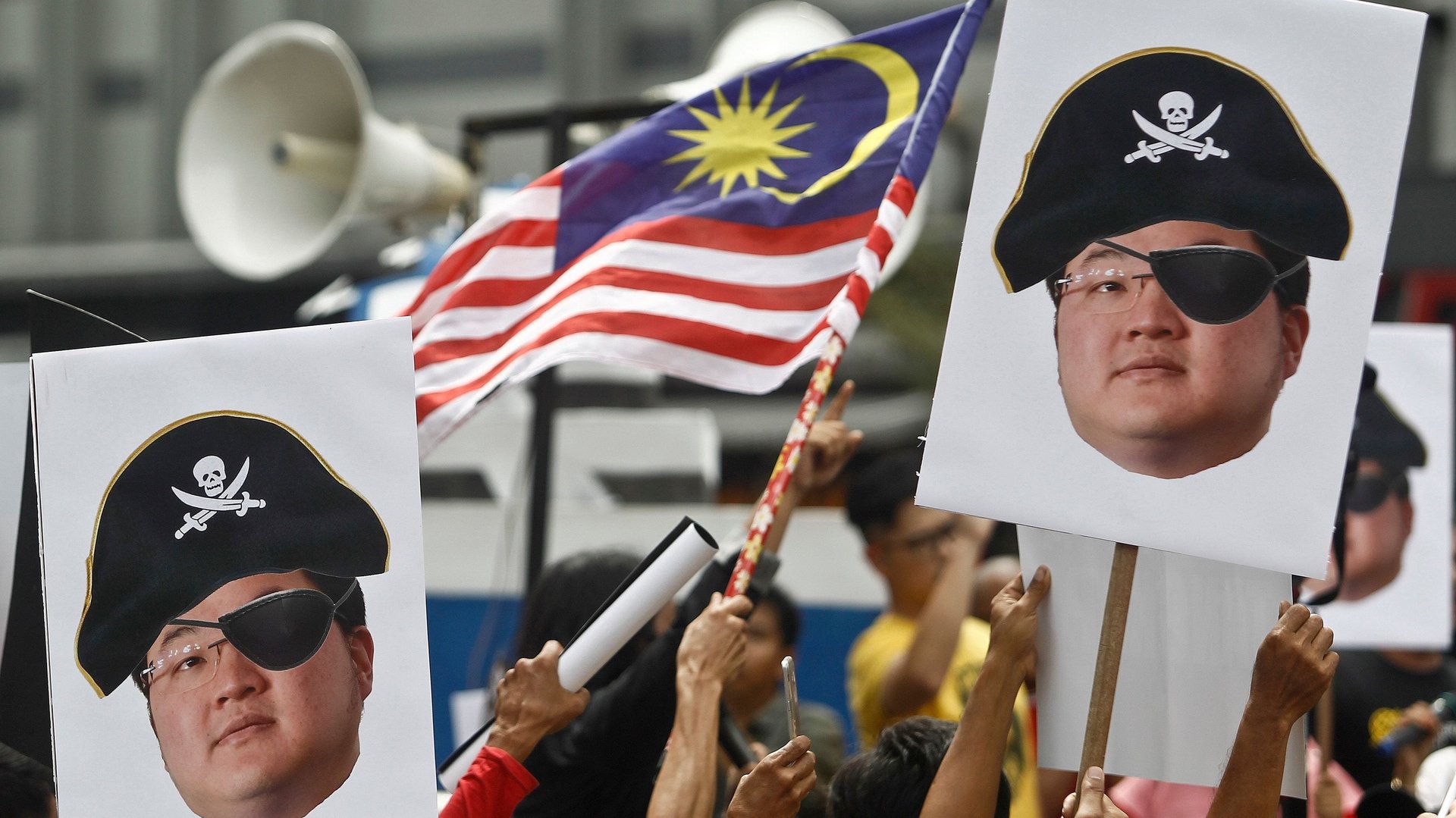
Malaysian police have filed the first charges against Low Taek Jho, alleged mastermind of the financial scandal involving state development fund 1Malaysia Development Berhad (1MDB). Low’s whereabouts are a mystery, though some believe he is in China.

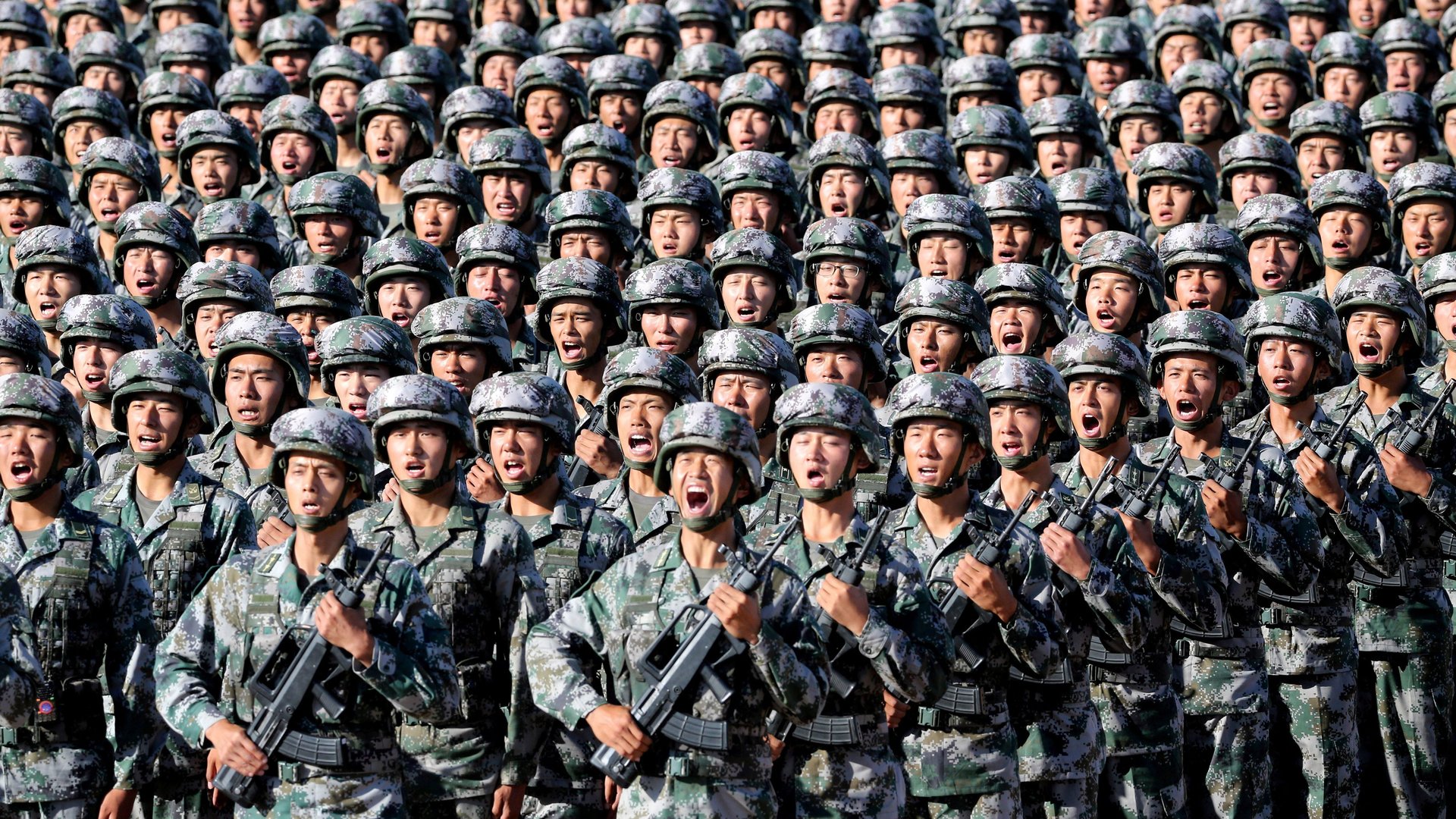
China will soon take part in unprecedented joint military exercises in Russia, sending 30 aircraft, 900 tanks, and 3,200 personnel to its neighbor’s far east.

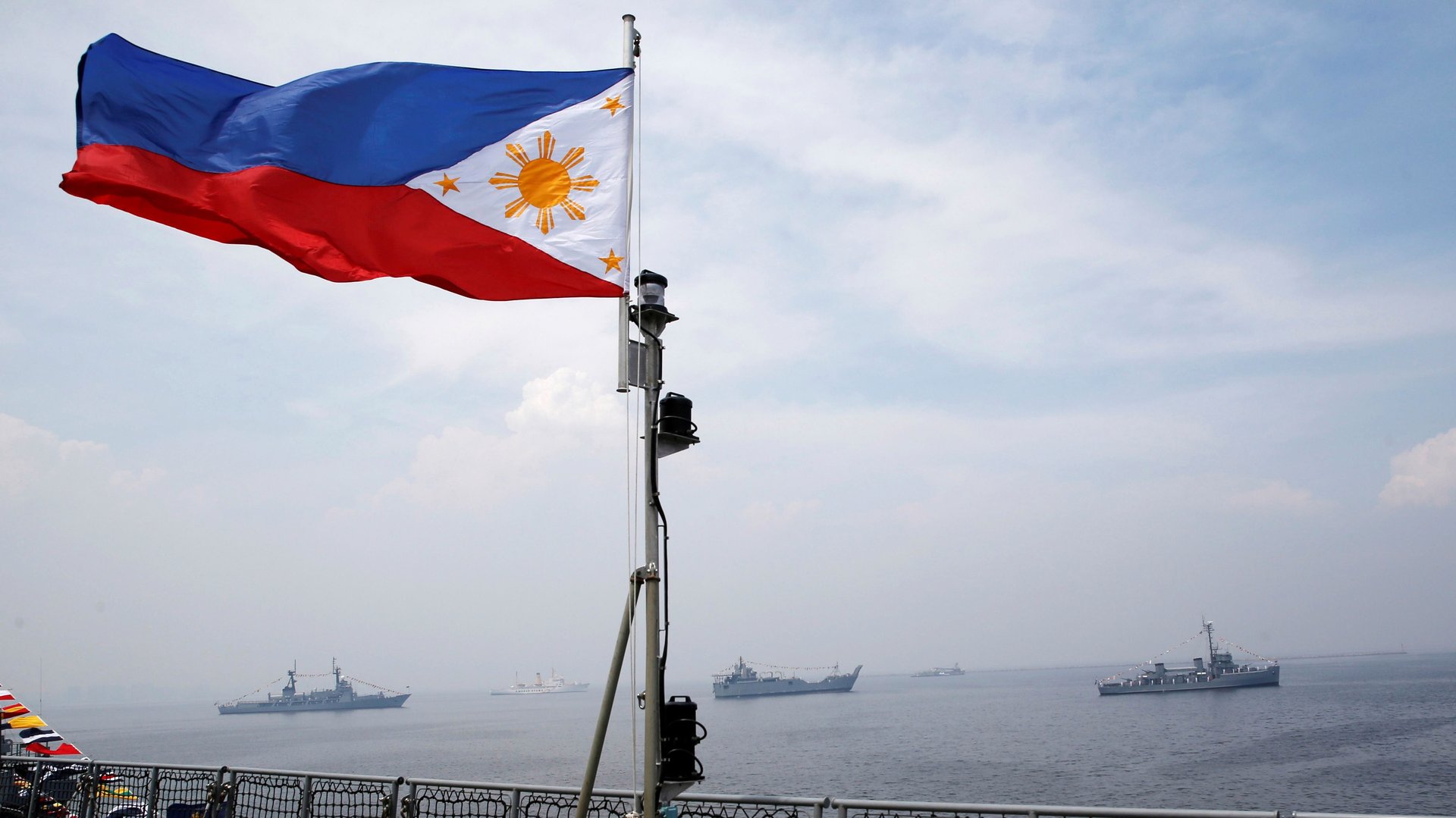
With the South China Sea being a geopolitical hotspot, and the Philippines claiming territory in it, one might assume the island nation has a decent navy to defend its maritime interests. But an achievement being celebrated this week shows, if anything, just how woefully far behind it is.

China has successfully tested a new hypersonic aircraft that would likely make a mockery of US missile defense systems in battle. The experimental “waverider” vehicle, China’s first, rides the shock waves generated during hypersonic flight. It could one day carry multiple nuclear warheads.

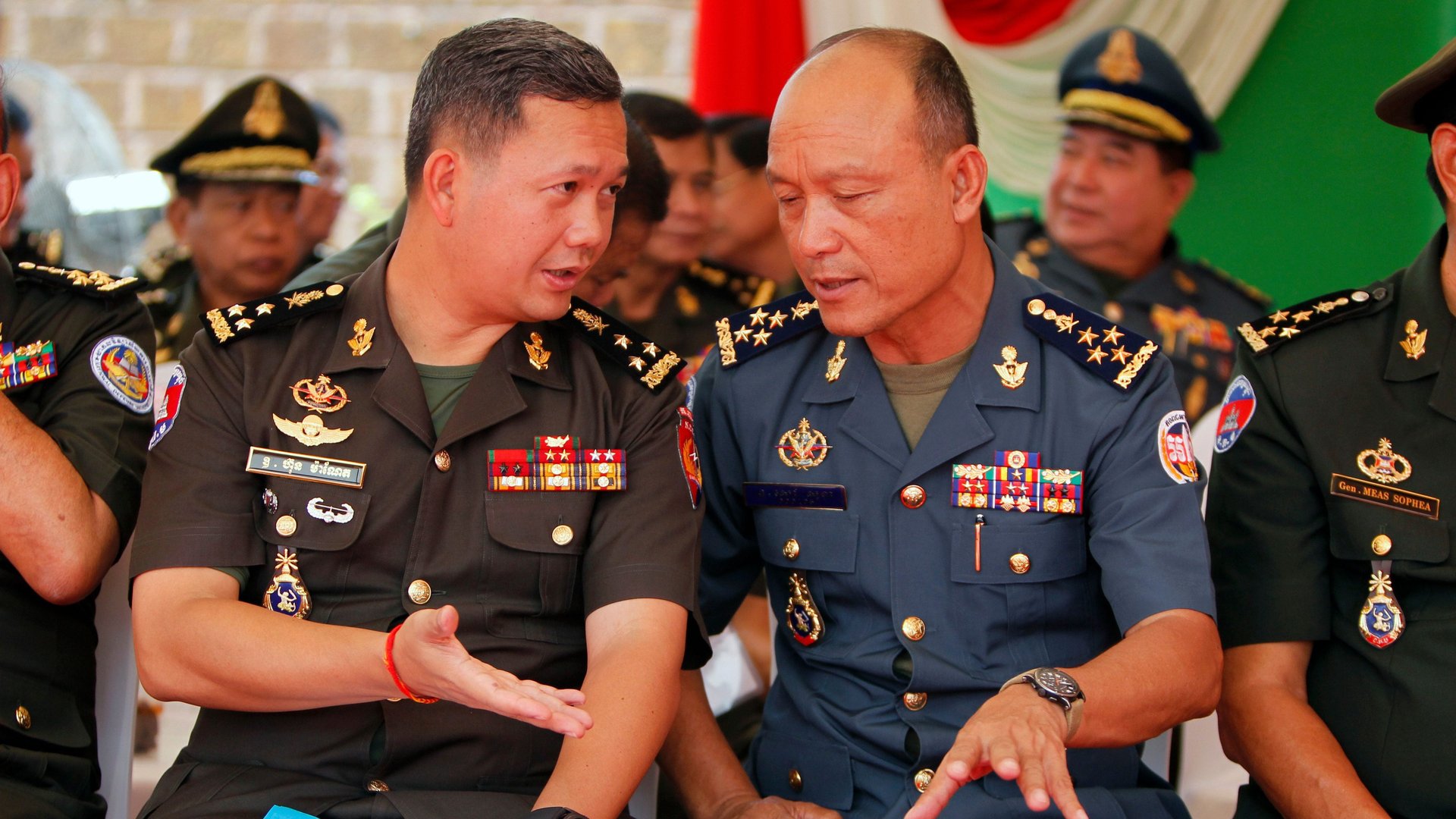
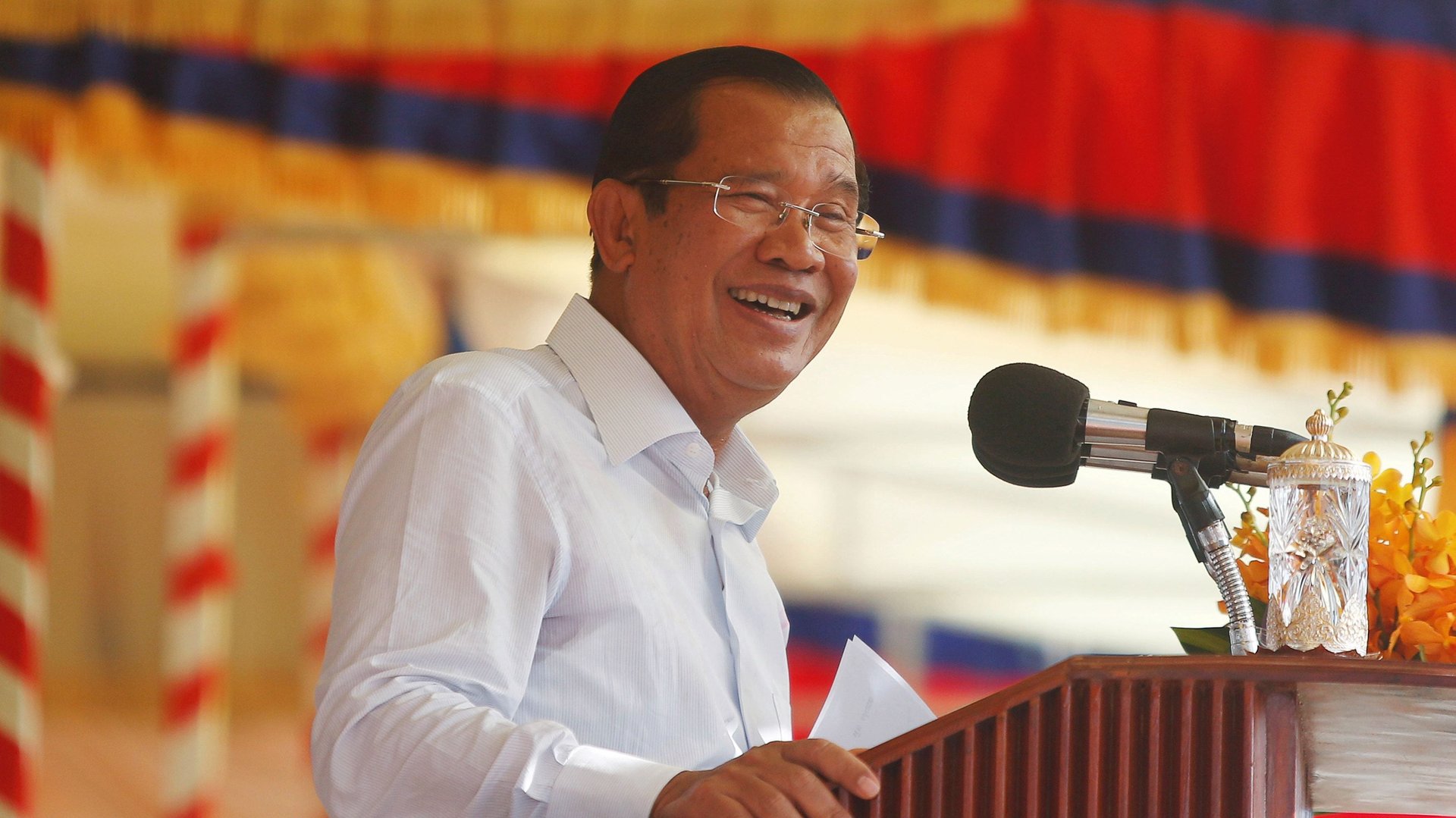
Cambodia held elections last month, but the outcome was never in doubt. Prime minister Hun Sen and his Cambodian People’s Party (CPP) won with ease, in what was widely considered a rigged contest. The only credible opposition party was dissolved last year on dubious charges.

Apple has just reported its highest-ever third-quarter revenue—$53.3 billion—and a 32% jump in profit from year ago. The iPhone maker is getting close to becoming America’s first trillion-dollar public company.

Last month, Cambodian prime minister Hun Sen made made a strange demand ahead of his country’s general elections on July 29: Rival candidates, he said, must refrain from criticizing the ruling Cambodian People’s Party (CPP) he leads. To outsiders accustomed to politicians relentlessly attacking one another, such a demand is absurd. But so is much else about the contest, which Hun Sen will win, without a doubt.

Cambodia holds general elections on Sunday (July 29). The result has never been in doubt.

Today in Tokyo, the European Union and Japan just signed the largest trade deal in either’s history, eliminating nearly all tariffs. Donald Trump, unwittingly, helped spur things along.

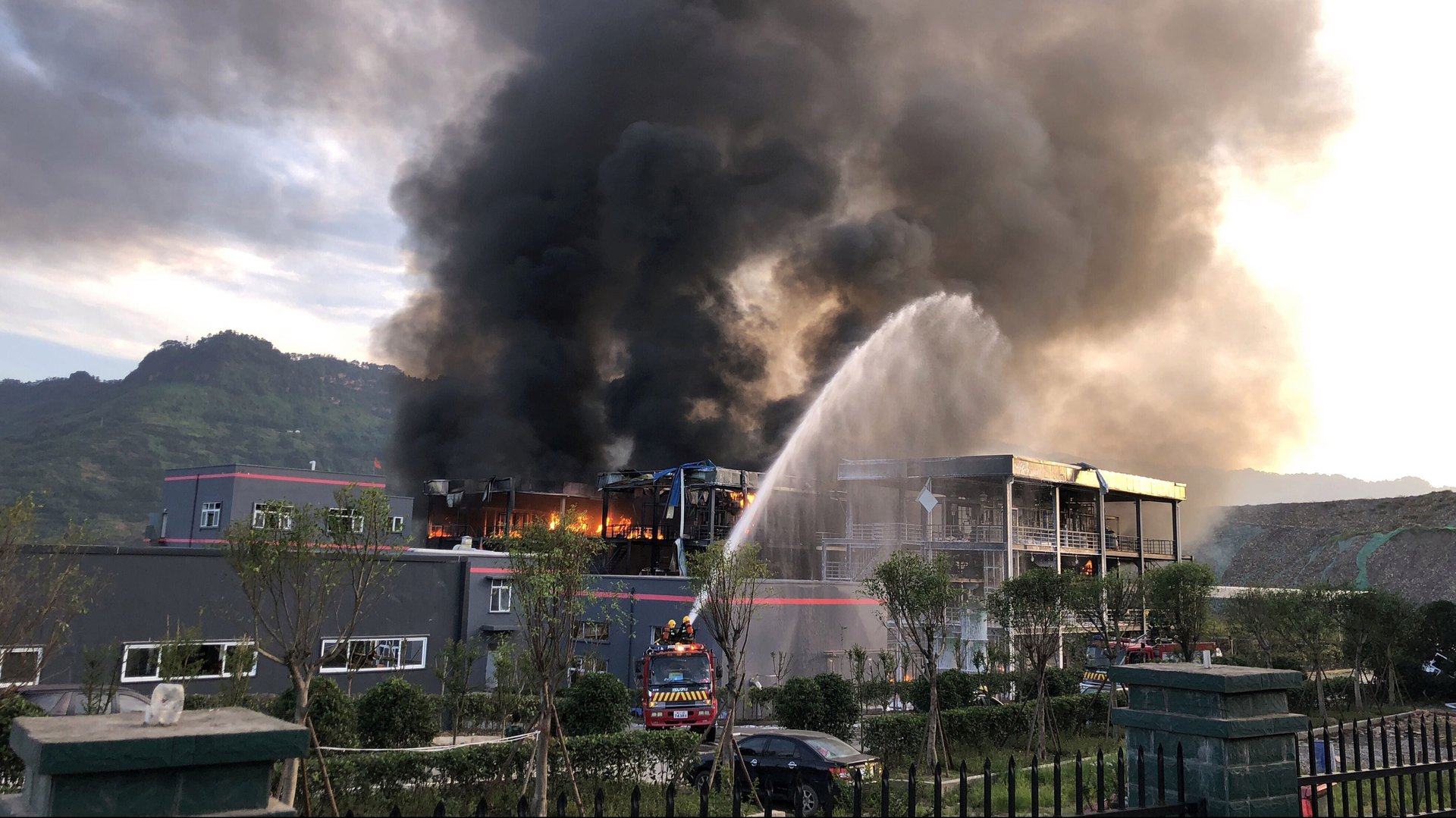
In August 2015, deadly explosions ripped apart warehouses storing dangerous chemicals in the port city of Tianjin, China, killing over 160 people and forming a crater visible from space. After revelations that the company involved had been illegally operating for years thanks to its owners’ strong political ties, the government vowed to improve the nation’s lax safety standards and crack down on corruption. Chinese president Xi Jinping said authorities should learn the lessons paid for in blood.

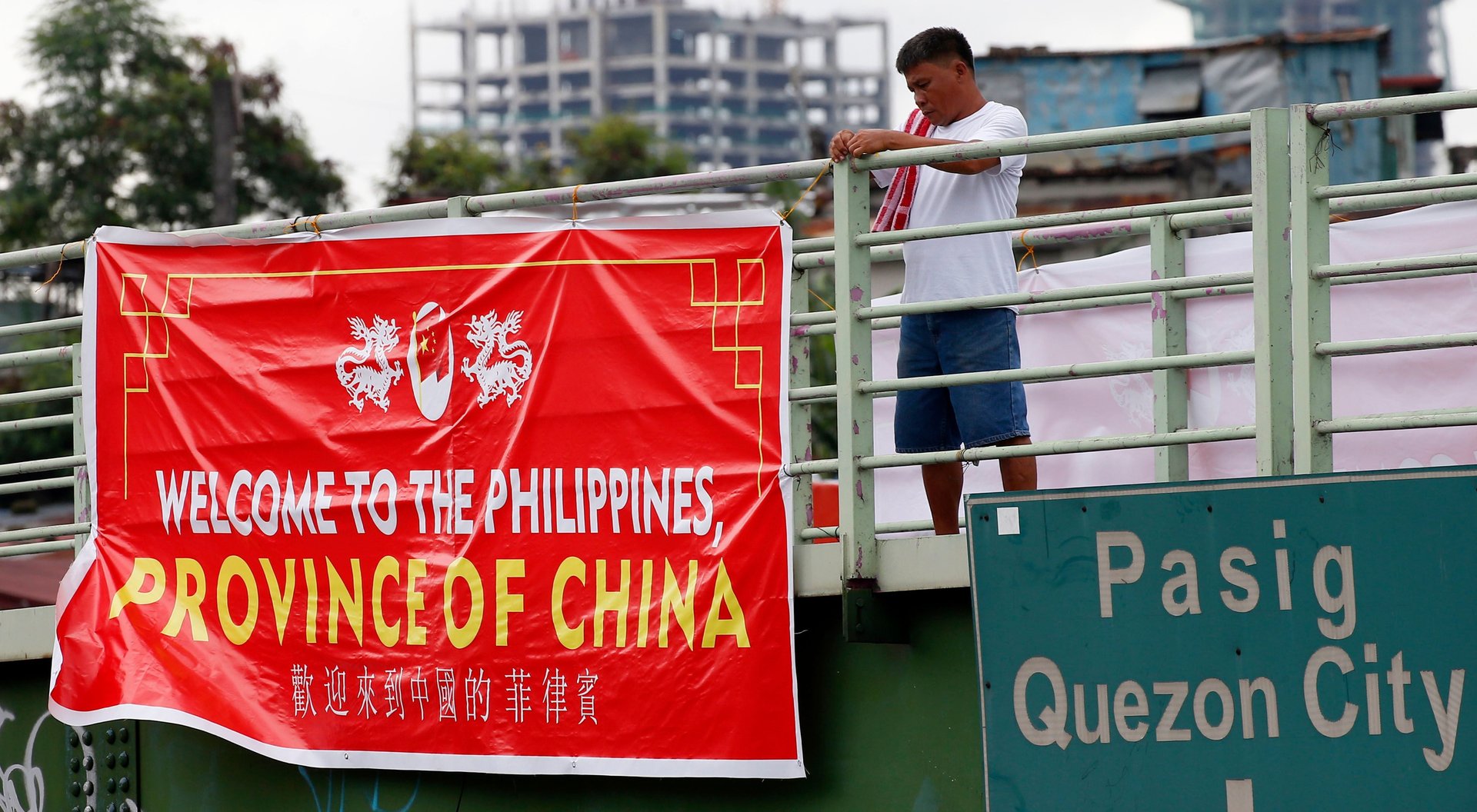
Two years ago today, the Philippines won a major legal victory over China. An international tribunal ruled on July 12, 2016, that China’s sweeping territorial claims in the South China Sea were invalid. But now, on what should be a day of celebration, some are using sarcasm to convey the disappointment over what’s transpired since the ruling.

After his historic summit with Kim Jong Un last month, Donald Trump noted the business potential of North Korea, as seen from a property developer’s point of view. Speaking to reporters, he said, “Think of it from a real estate perspective. You have South Korea, you have China, and they own the land in the middle. How bad is that, right? It’s great.”