
Business News
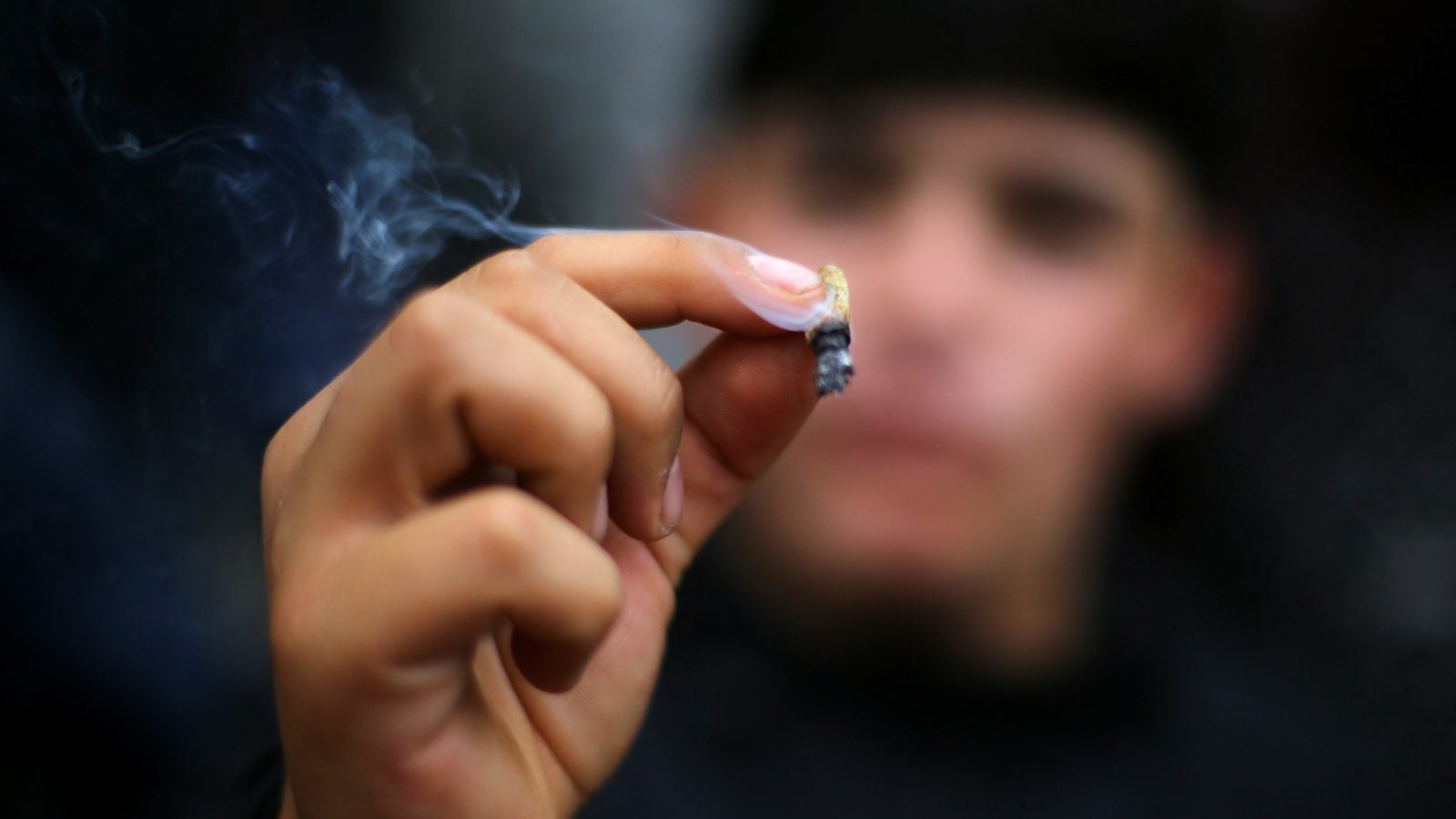
IIT-Kanpur students are so stoned that it’s called in the copsOne of India’s best engineering colleges is struggling with drug abuse on campus.
Updated July 20, 20222 min read
One of India’s best engineering colleges is struggling with drug abuse on campus.
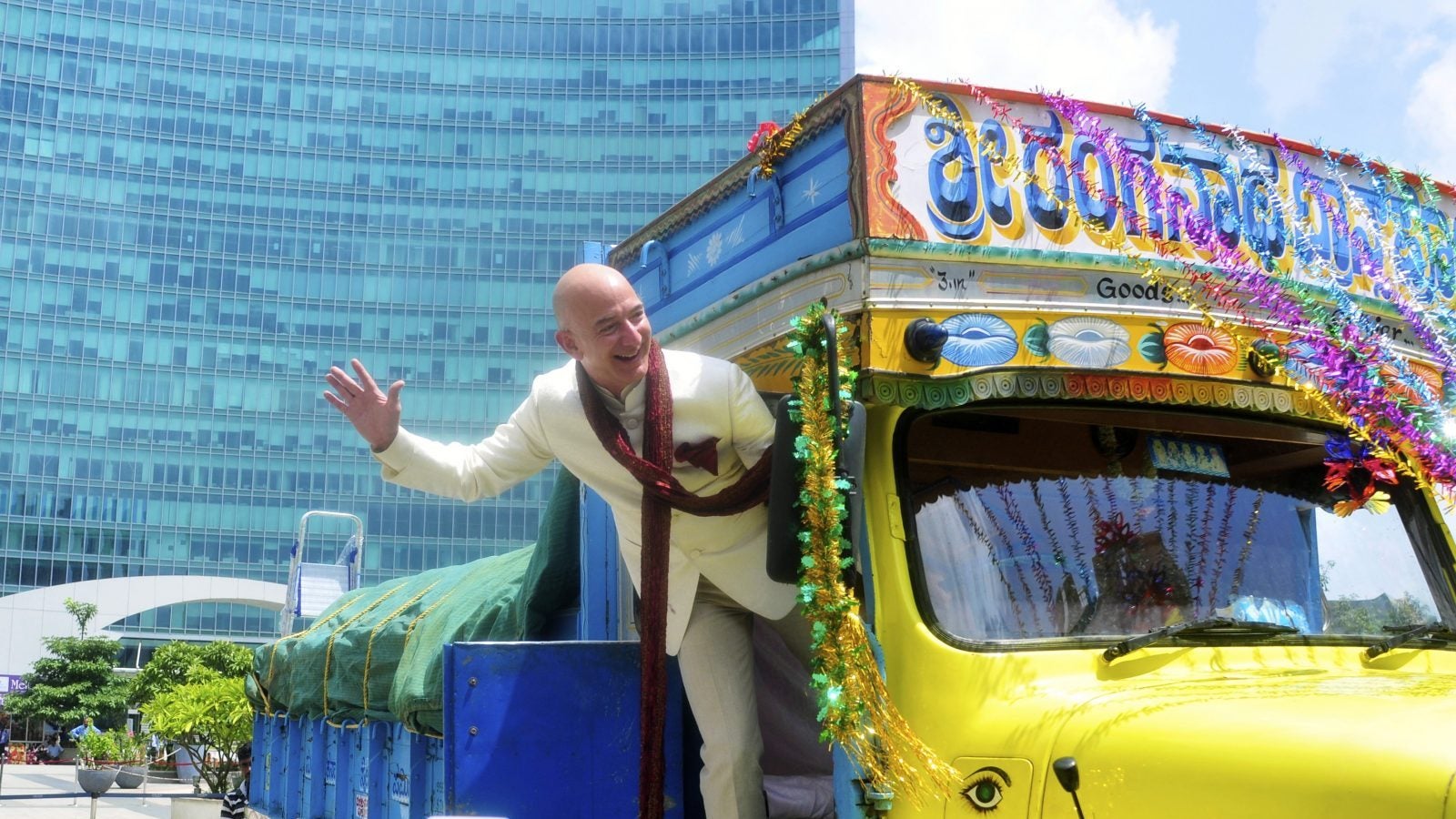
At least on one front, homegrown Flipkart appears to be inching ahead in its fierce battle against American e-commerce major Amazon.
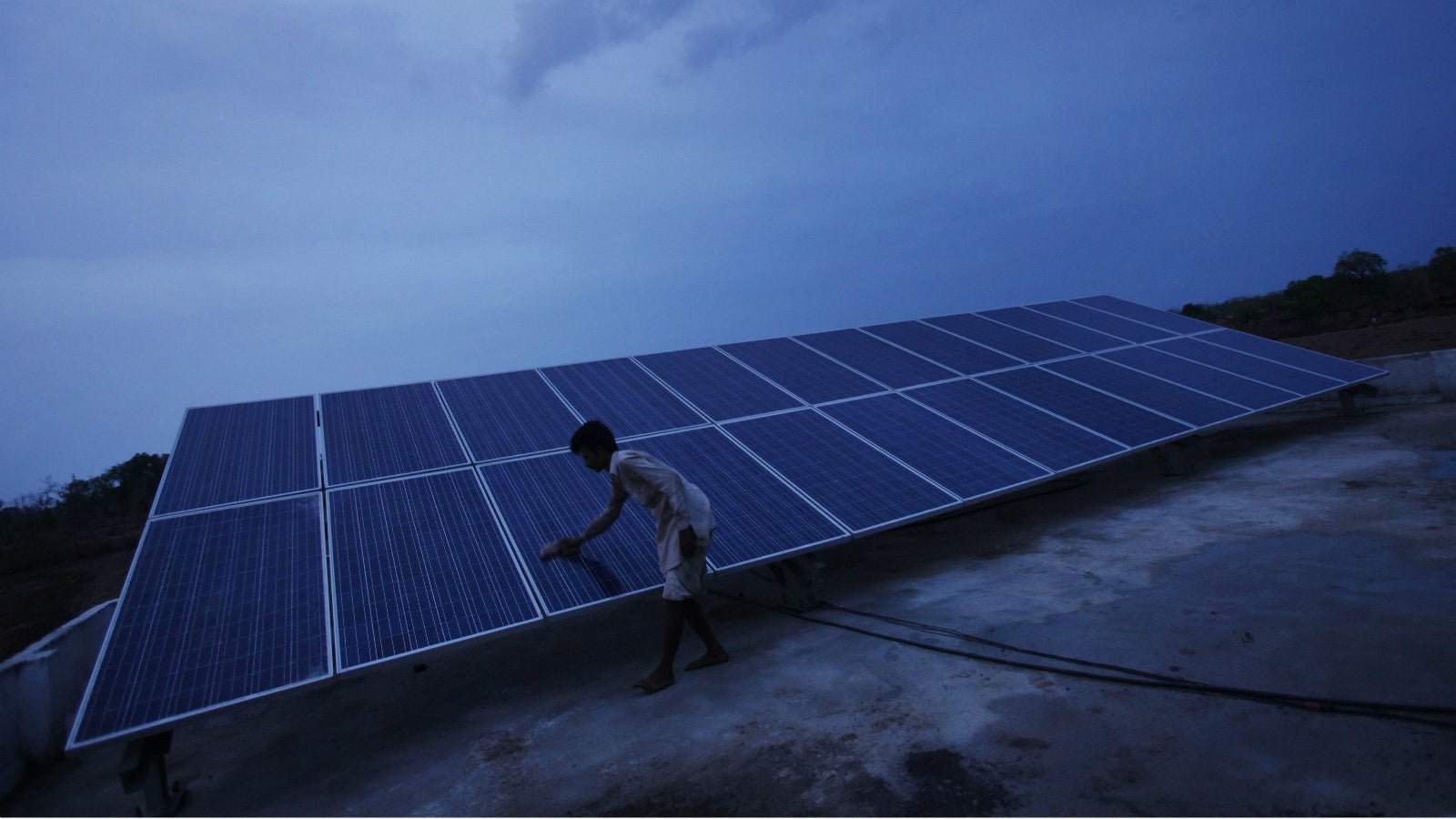
The solar revolution on India’s rooftops is gaining momentum.
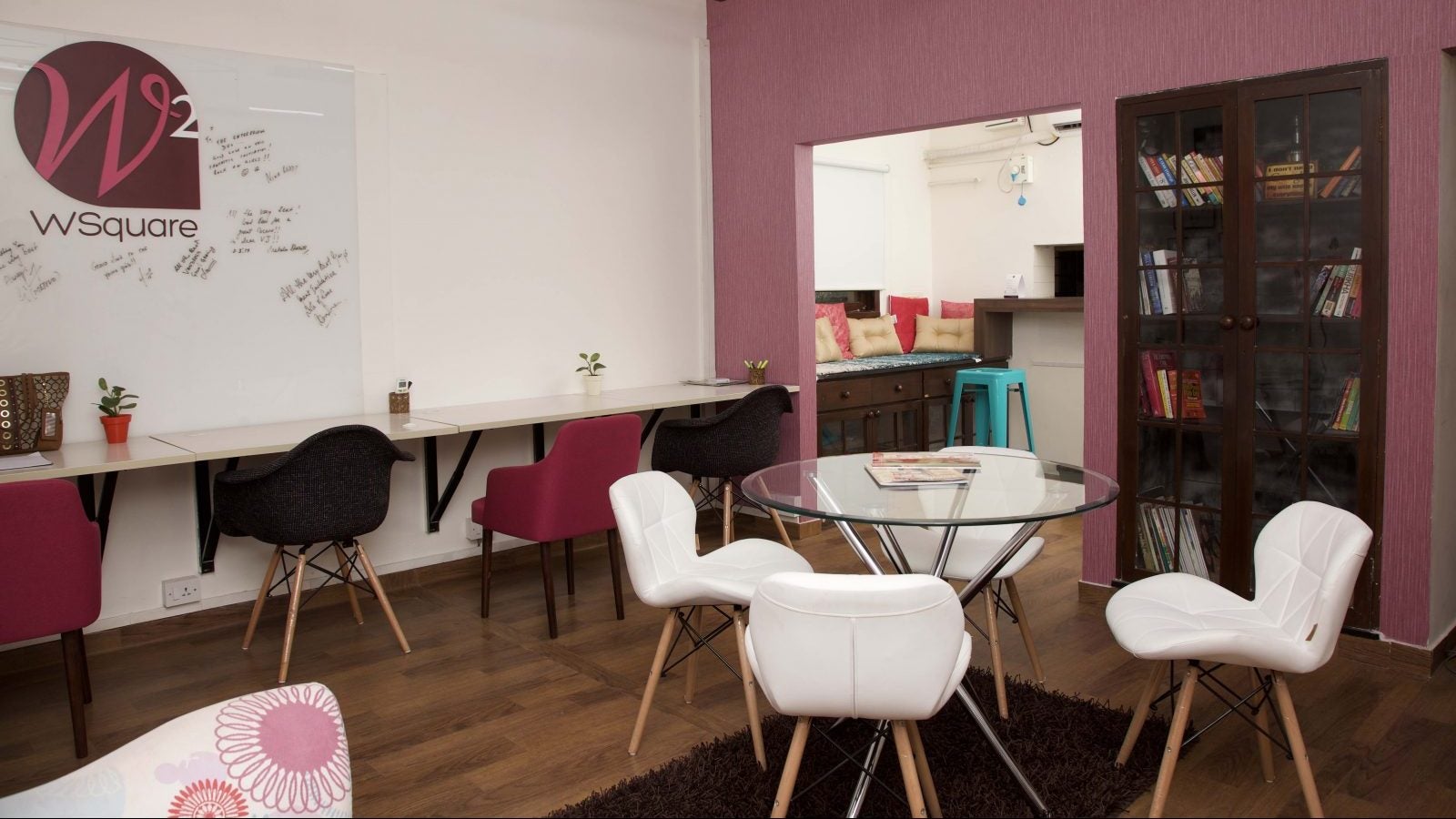
In 2015, when Vandhana Ramanathan (30) and Jinal Patel (26) launched their digital marketing agency, they realised that running a business involved a lot more than just having a great idea. Initially, the two marketing professionals from Chennai only worked out of coffee shops but, as they grew in scale, they felt the need to have an office. Yet, this meant spending a lot of time and resources on administrative work, distracting them from solely focusing on the business.
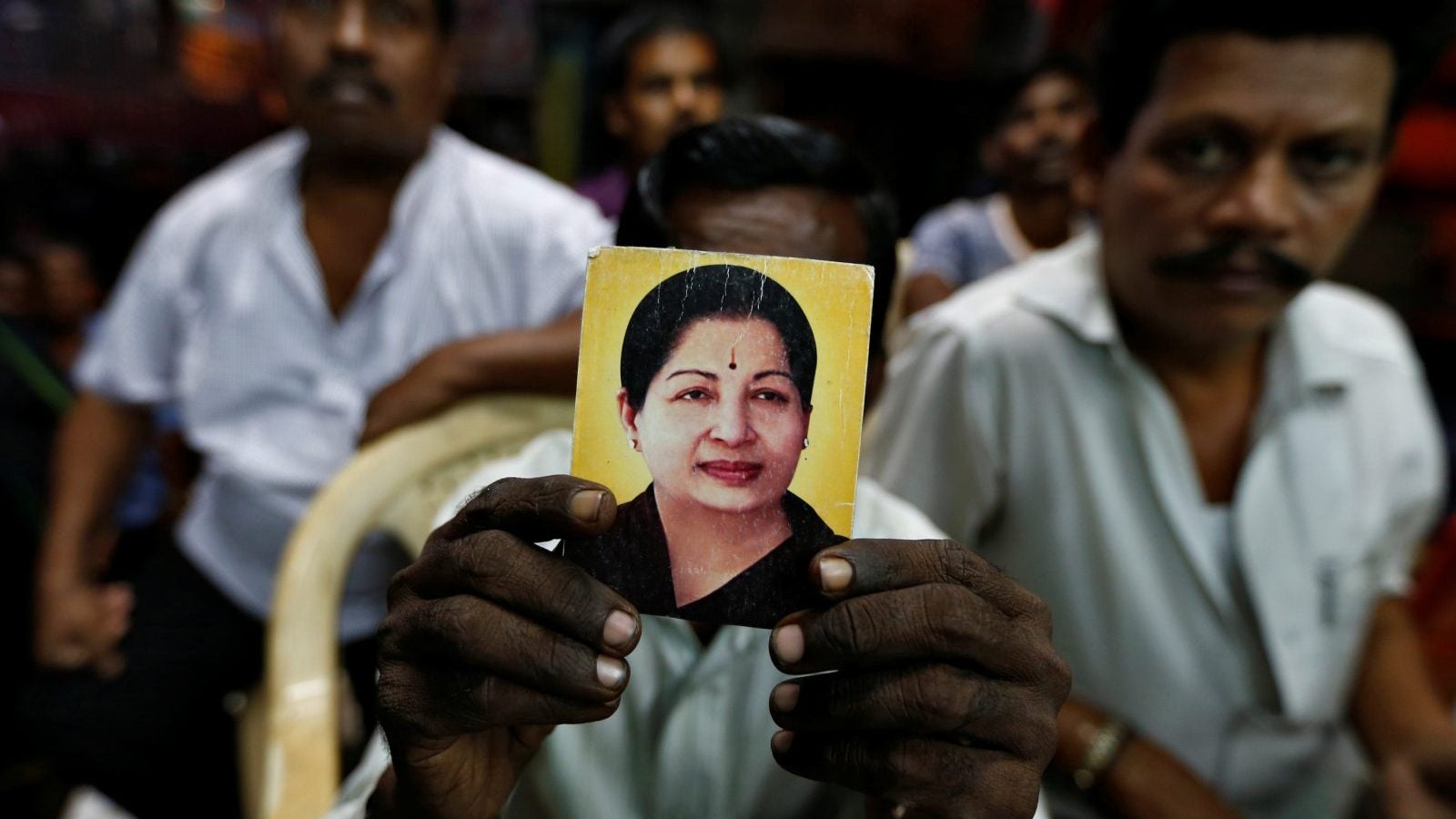
Chennai, India

They rose to the top despite the cultural, professional, and social biases against women, but that’s not what they want to pass on to their daughters.
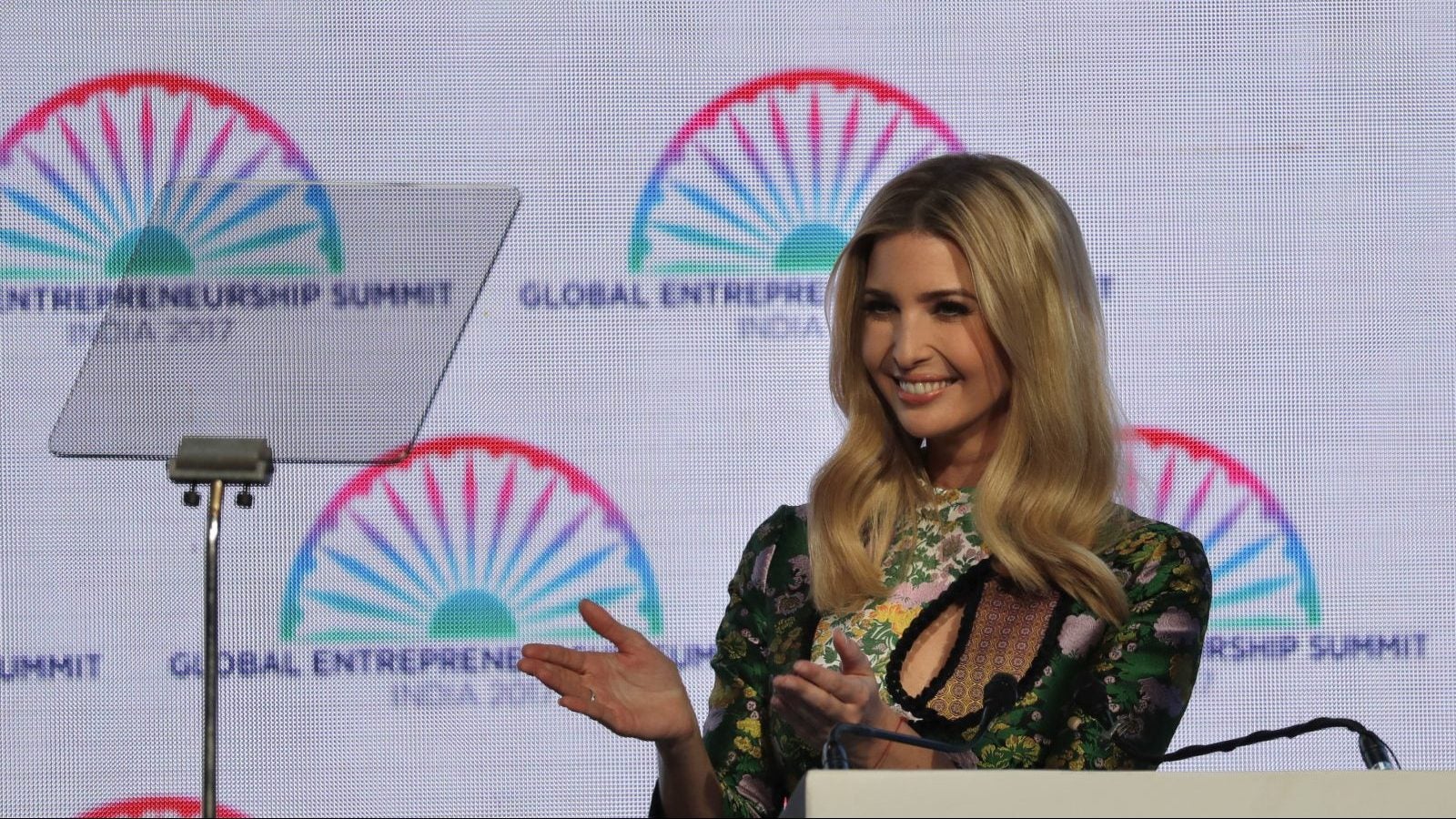
Ivanka Trump’s speech had it all, almost.
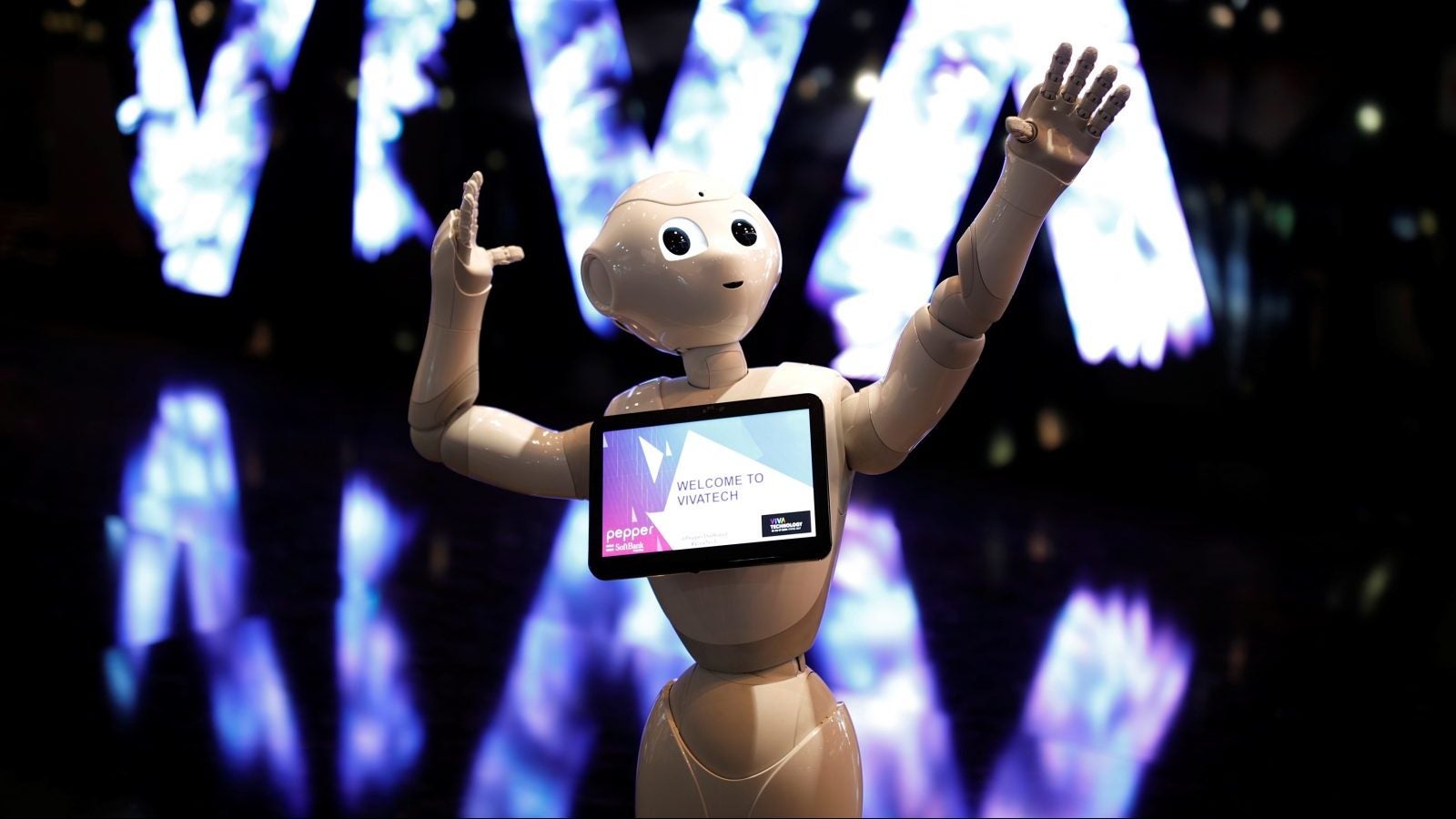
Fourteen-year-old Hargobind Khurana had always been fascinated with computers, electronics, and robots. Since his school curriculum didn’t offer much in this regard, he’d spend hours on the internet trying to learn the basics. But even online, the information was often unorganised, with no one to explain complex ideas to him.
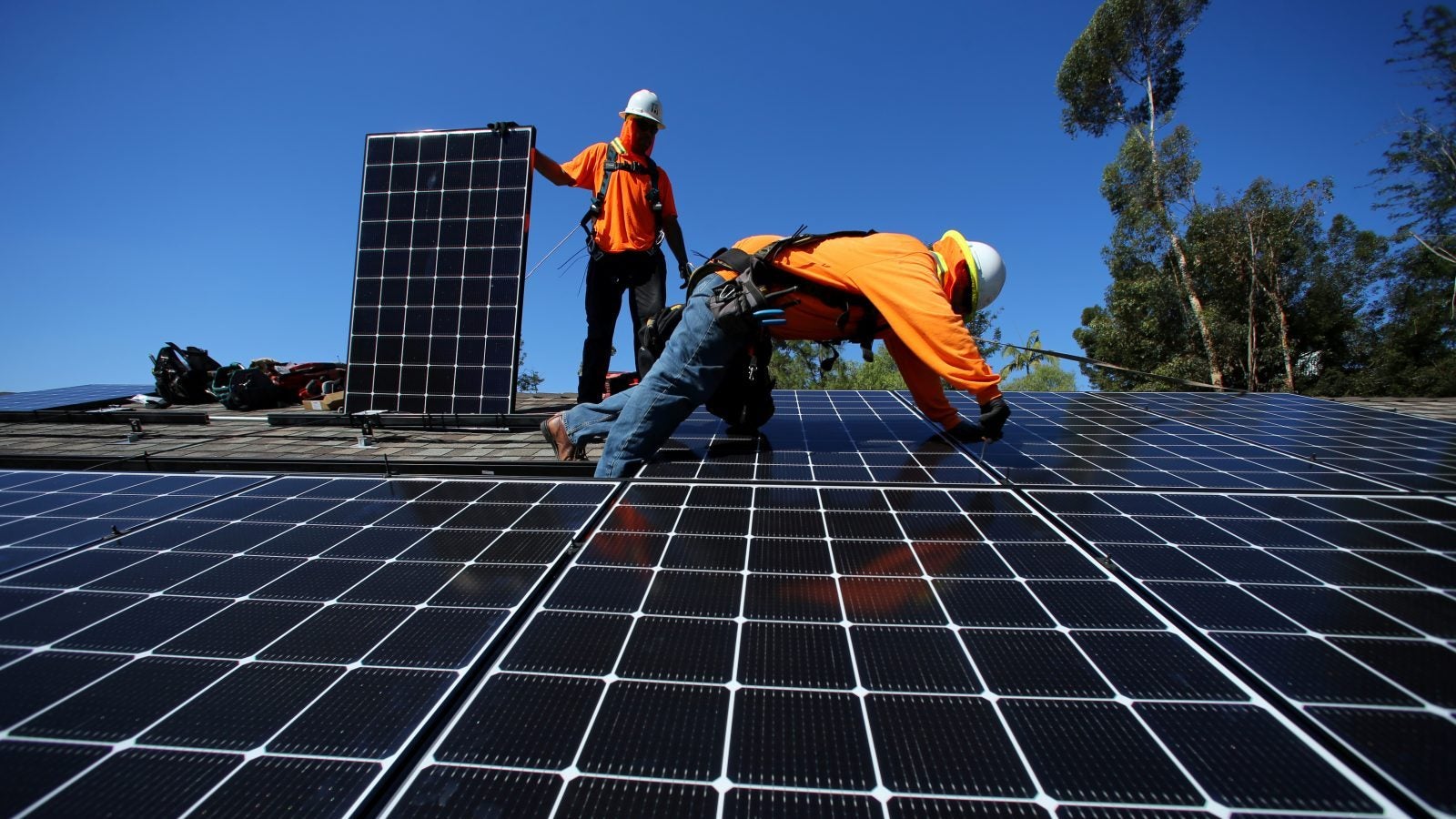
India’s major renewable energy push could be as much about poverty reduction and job creation as it is about energy security and climate change.

In an industry where only 7% of women reach the C-suite, and 45% move out of core engineering roles within the first eight years of their careers, S Saichitra is an anomaly.
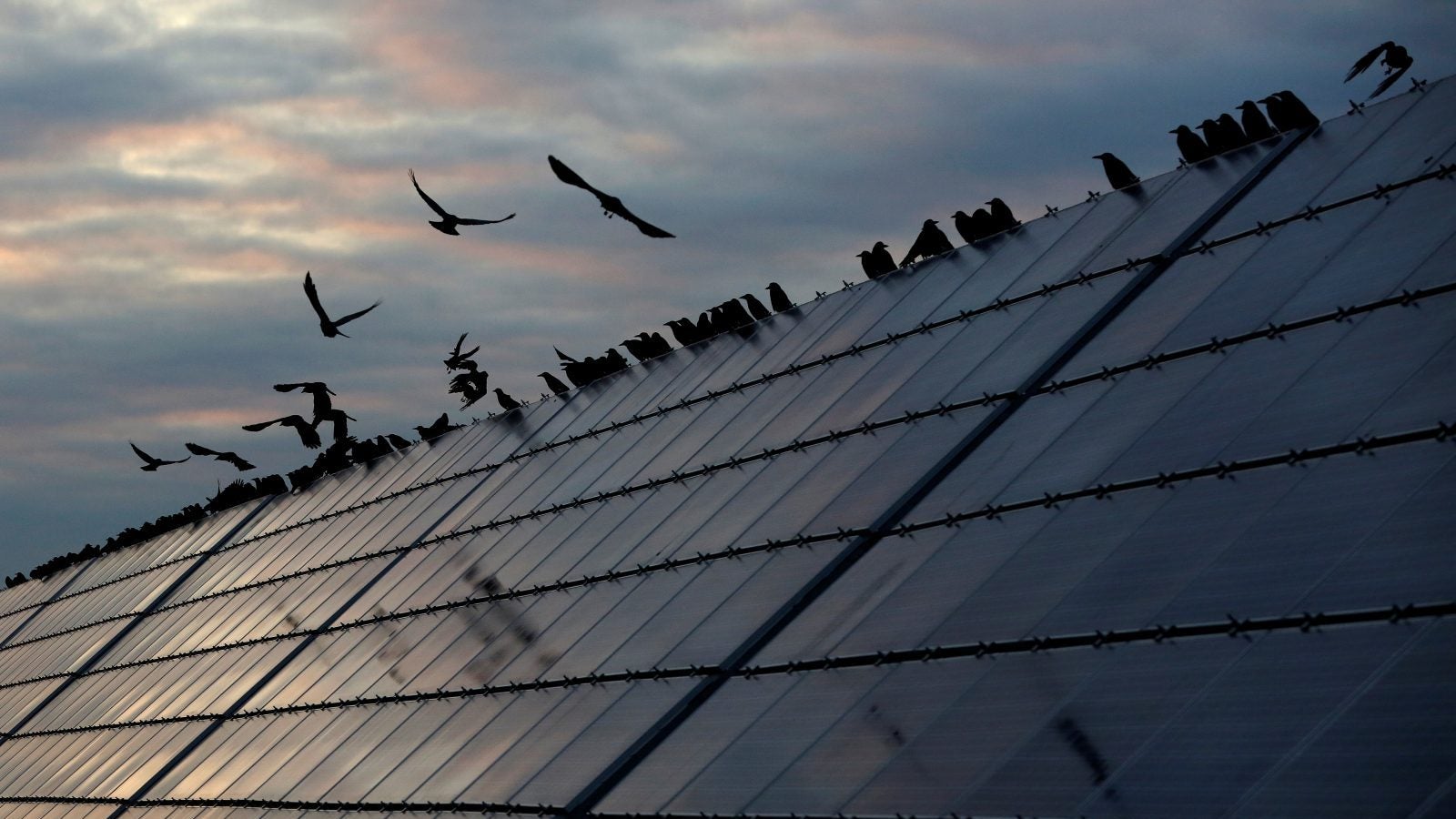
The solar energy sector has accounted for the largest capacity addition to the Indian electricity grid so far this year.
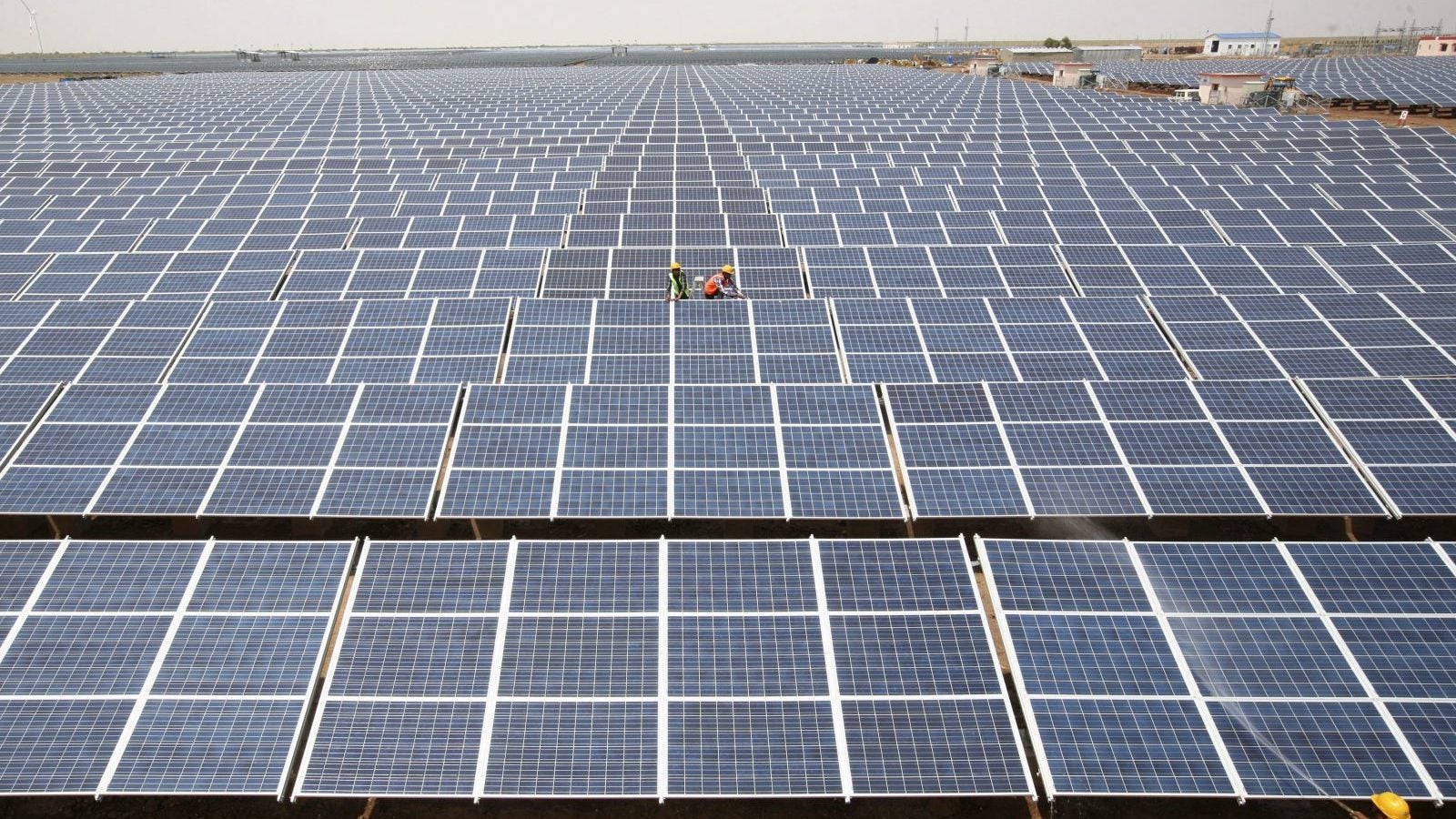
India’s solar power sector is staring at yet another policy intervention that could put the viability of projects in the country under question.
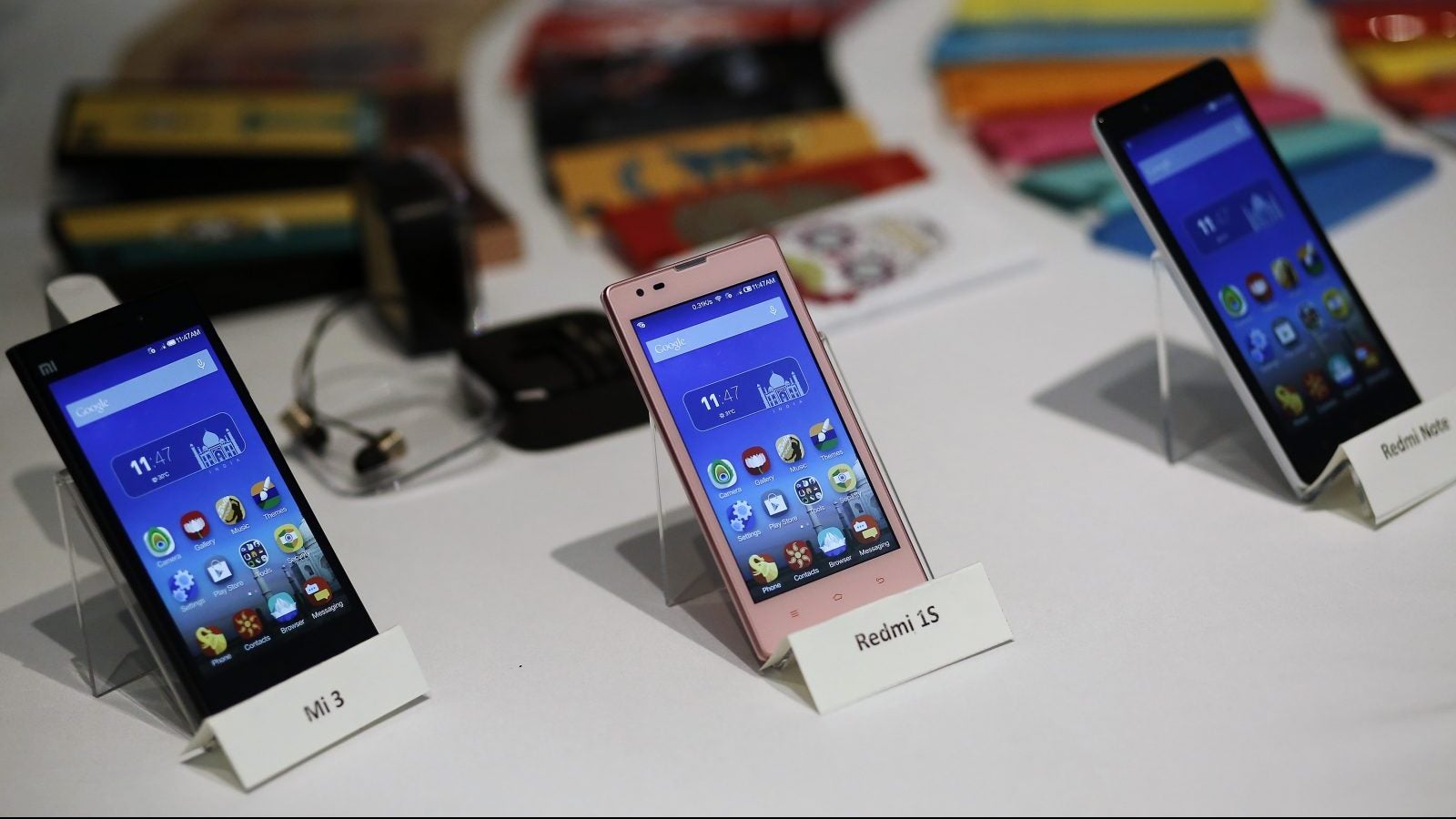
Smartphone shipments in India have hit a new high.
The query posed on Quora was straightforward: Does India actually need a bullet train?
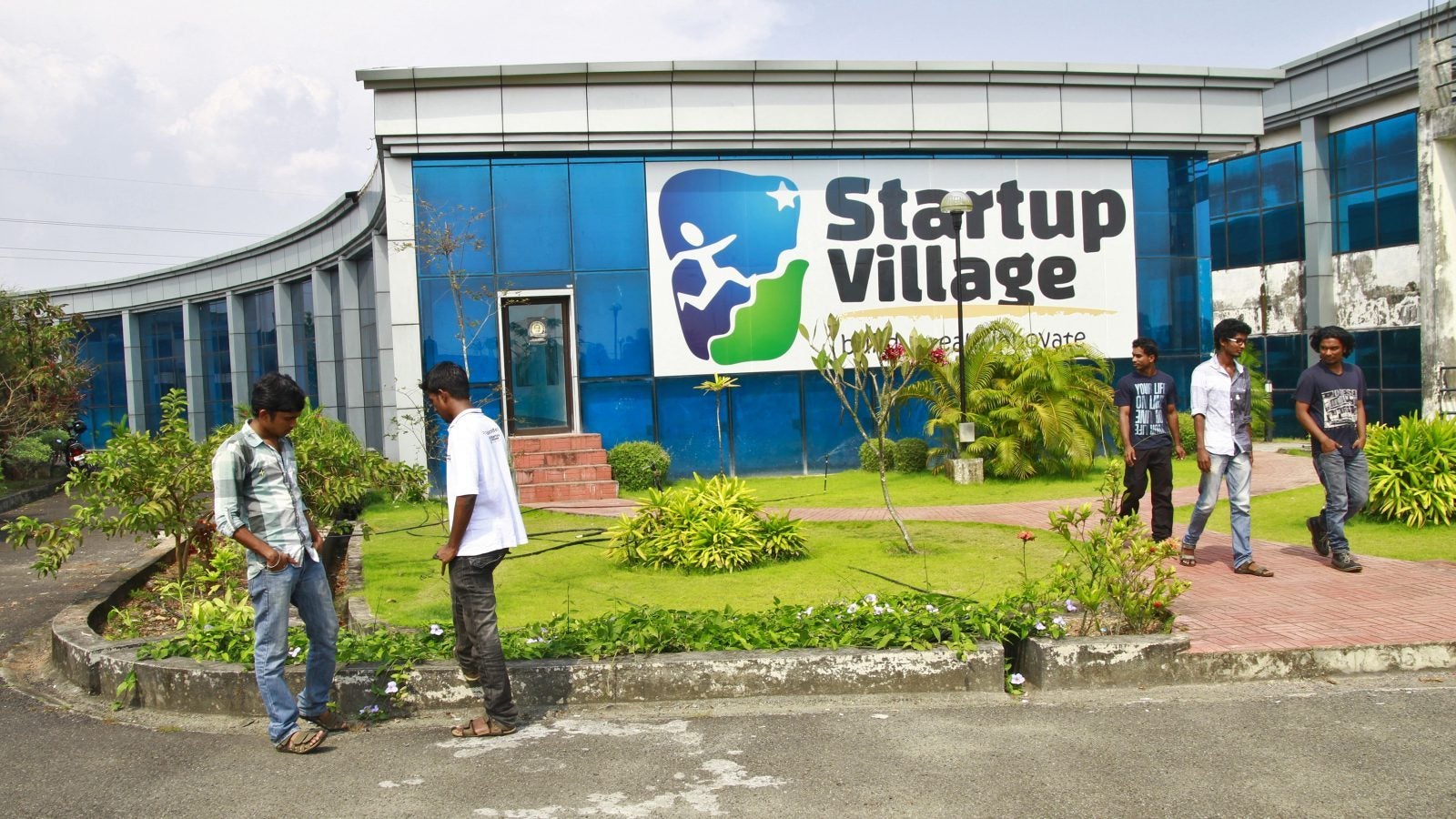
Bengaluru and New Delhi may be the big boys of India’s startup club, but a bunch of smaller cities are increasingly making their presence felt.

Despite the perennially gridlocked traffic, flooded streets, lakes that spew toxic froth, and a looming water crisis, business leaders are enthralled by Bengaluru.

At a time when the internet is changing the way Indians buy groceries, pay bills, and commute, three young entrepreneurs are using technology to help men upgrade to better underwear.
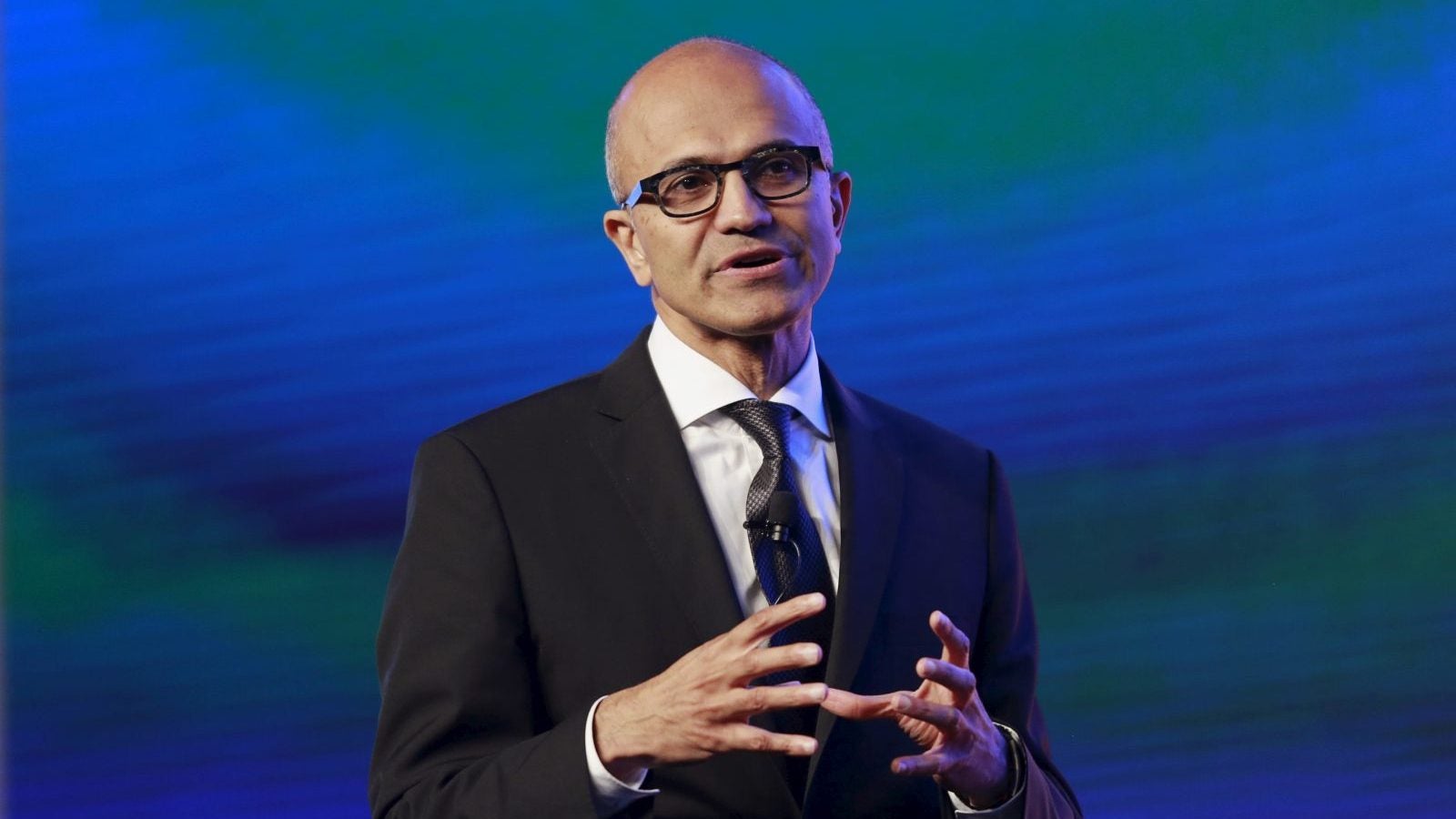
Satya Nadella grew up in the southern Indian city of Hyderabad and studied engineering at the Manipal Institute of Technology, before moving to the US and finding his way to the corner office at Microsoft in 2014.
After nearly a decade of e-commerce and ride-hailing dominating the ecosystem, business-to-business (B2B) startups in India are finally having their day in the sun.
A seven-year-old Chinese manufacturer is taking over the world’s second-largest smartphone market.
CIEL HR, a Bengaluru-based recruitment firm, now has a wonder employee called Tony.

India’s $150 billion legacy IT services industry is banking on a clutch of startups to give it a fresh lease of life.
In 2006, India’s startup scene was almost non-existent. Flipkart, currently the country’s biggest unicorn, had not even set up shop, and names like Softbank and Tiger Global were hardly known. Those few experimenting with new technologies depended on friends and family to play angel investors—individuals who provide capital in exchange for equity—with deals often sealed over dinner-table conversations.
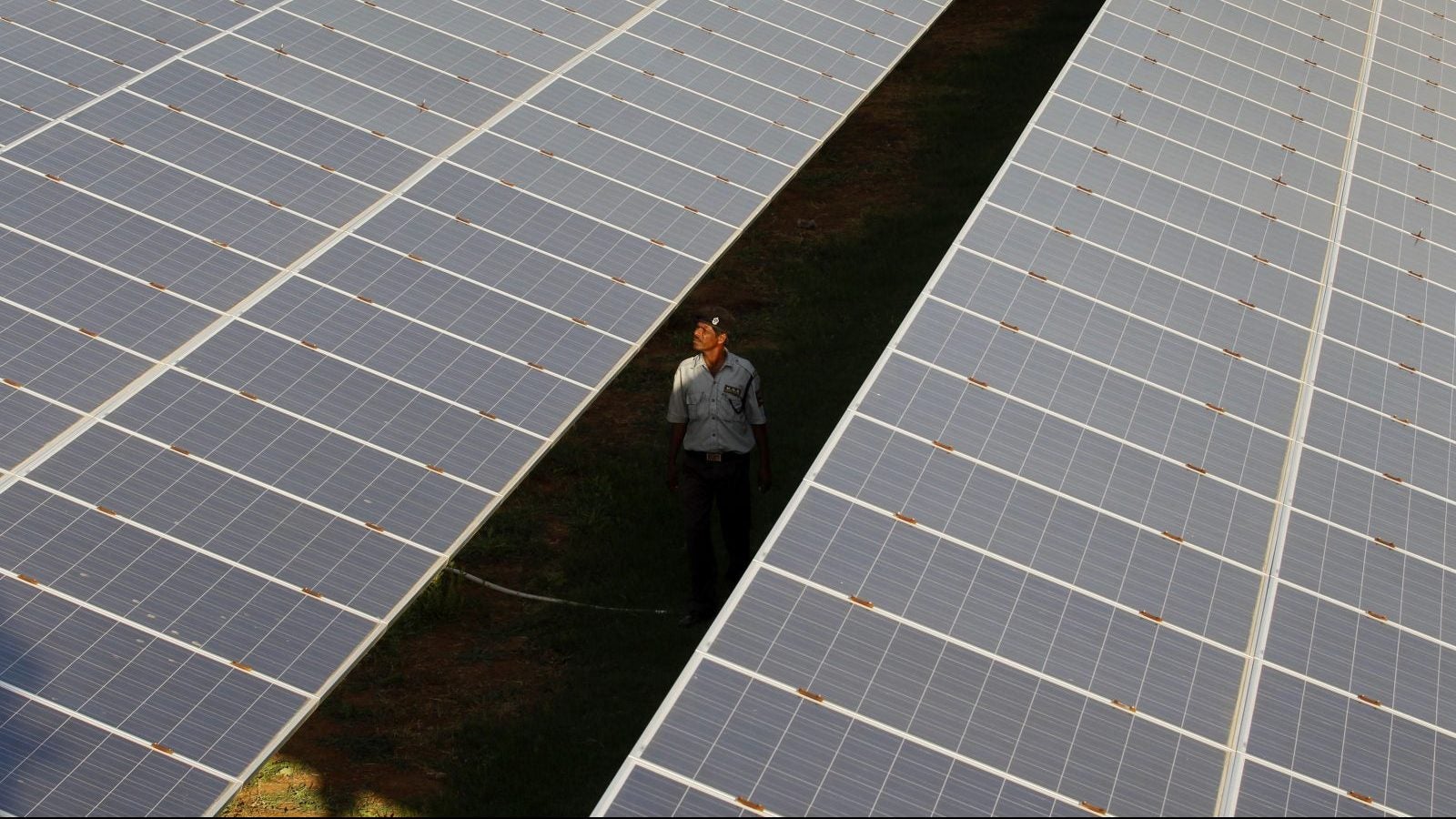
One of the major gaps in India’s renewable energy sector is getting plugged.