

Money & Markets
A pioneer that introduced digital payments to the world now wants to ride India’s boomAmerican online payments firm PayPal is looking at a bigger payoff from its bets in India.
Updated July 20, 20224 min read
American online payments firm PayPal is looking at a bigger payoff from its bets in India.

After a steep fall in solar power prices in India, it is now the turn of wind energy.
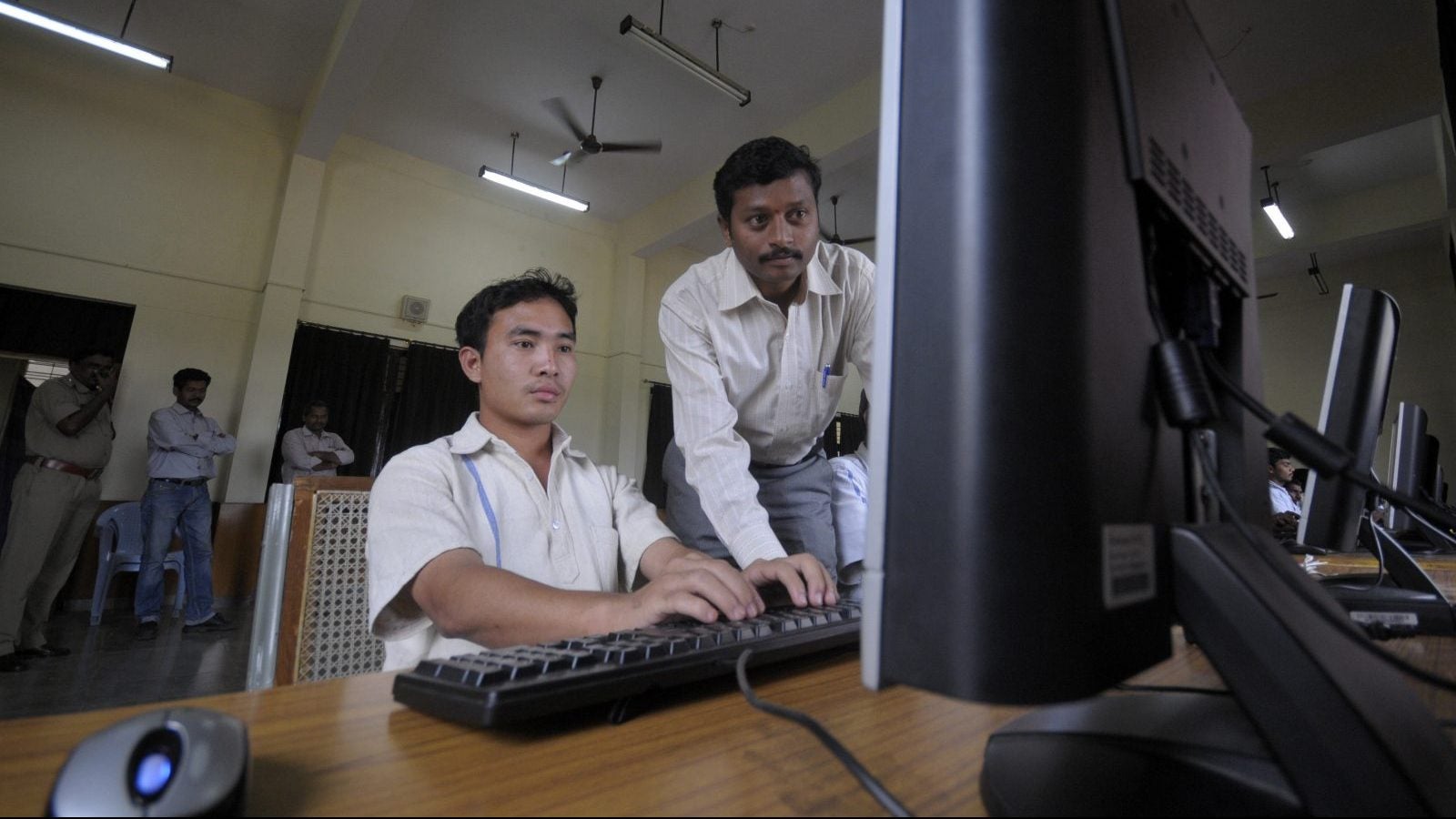
A new, parallel skilling ecosystem is evolving in India to feed the starving $150 billion IT sector.

In just nine months of 2017, Indian companies have raised record investments from venture capital investors (VCs) and private equity firms (PEs).
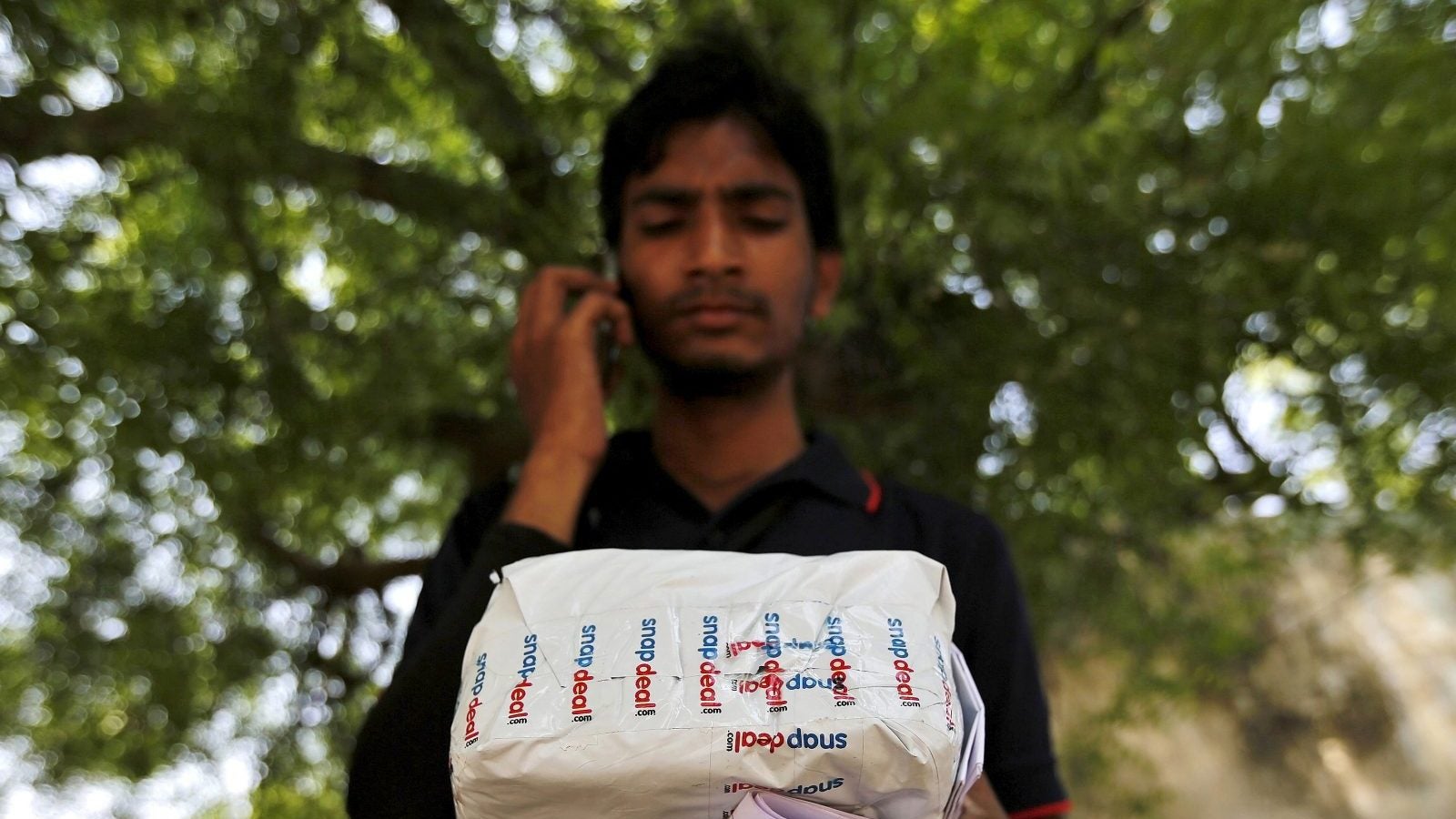
Amidst devaluations and a funding crunch, Indian e-commerce companies have been battling a brutal year, but experts say explosive growth lies ahead.
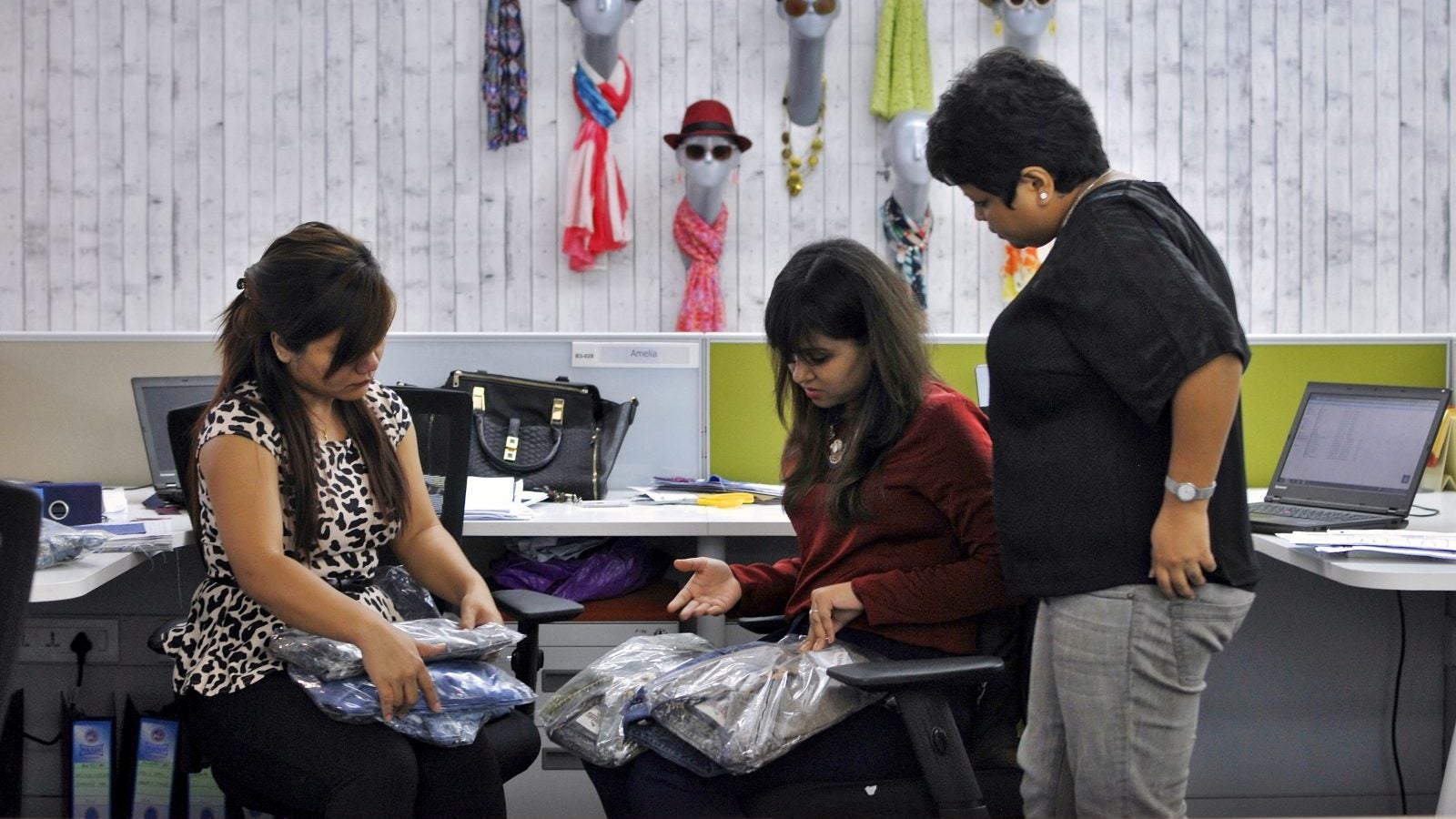
From Versace bags to Prada shoes and even lehengas designed by Ritu Kumar, Indians are living their dreams at a fraction of the products’ actual cost—thanks to the boom in rental startups in the country.
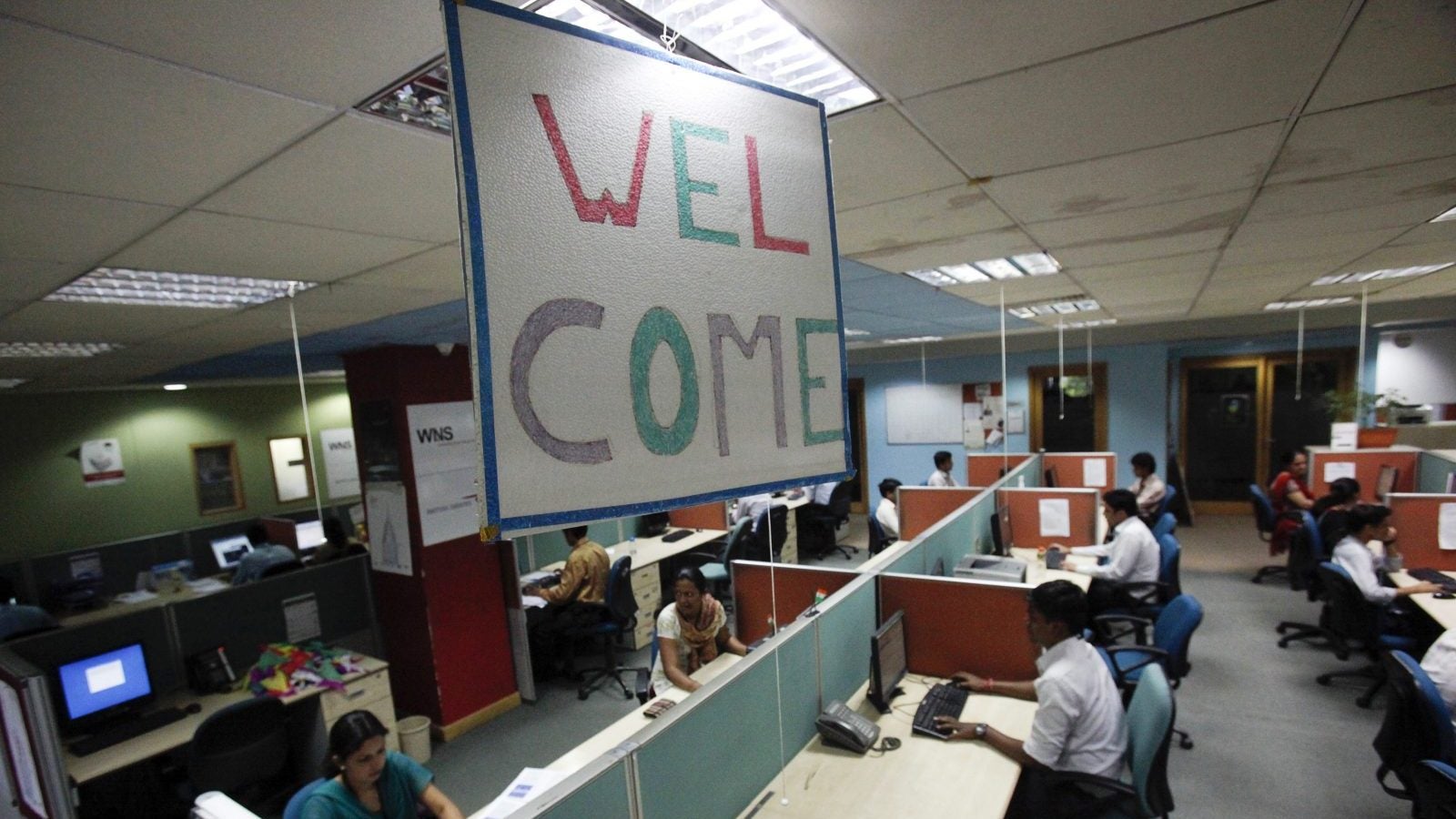
Indian companies are losing popularity among their employees even on home turf.

What funding crunch and pressure for profits? It’s India’s biggest festive season and, as usual, e-commerce players are splurging.
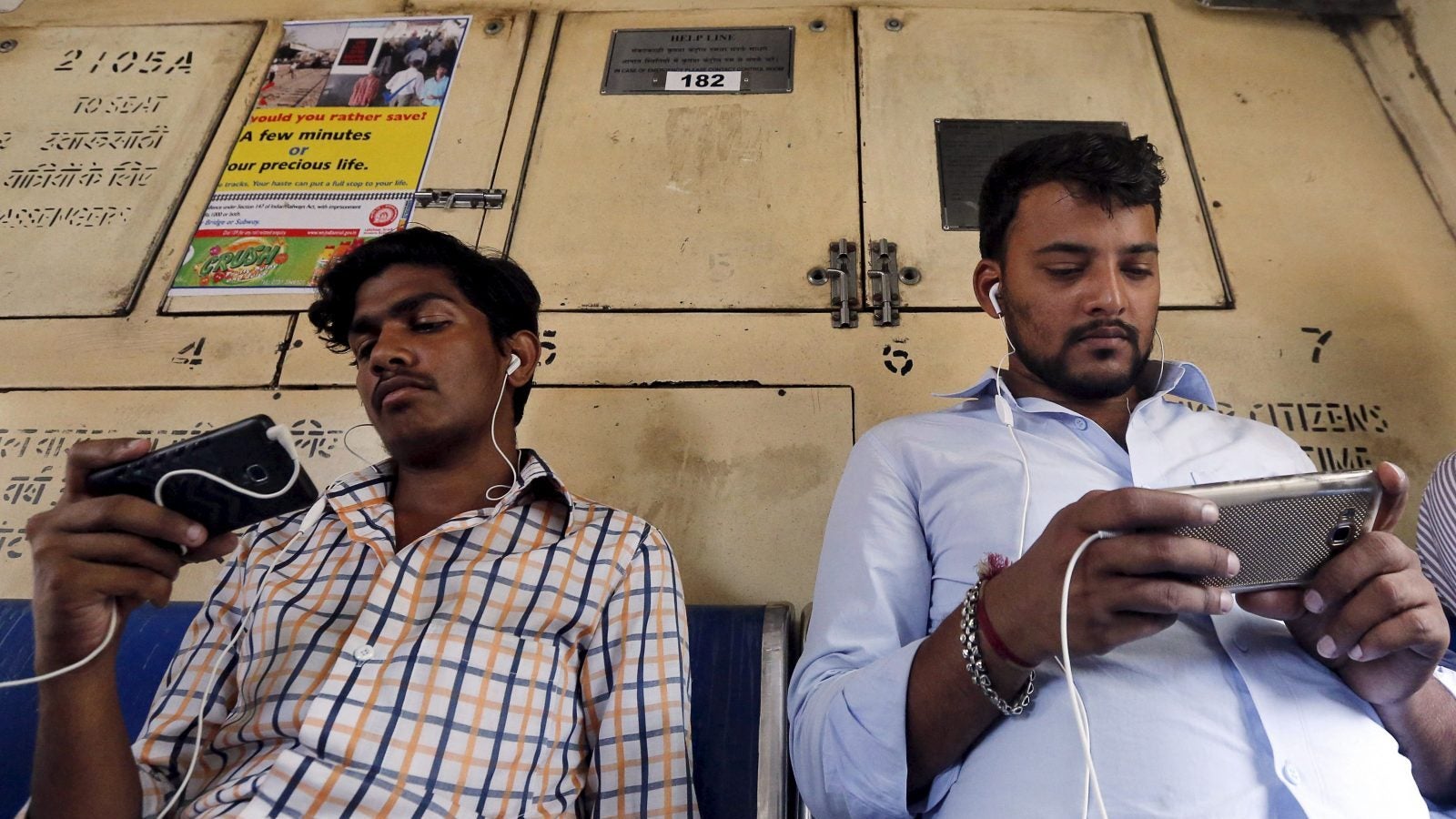
Online video consumption in India is on fire, but content companies are struggling.

At a time when media houses the world over are struggling for eyeballs, a 27-year-old from Indore, Madhya Pradesh, has found a way to get most of the content on his website to go viral.
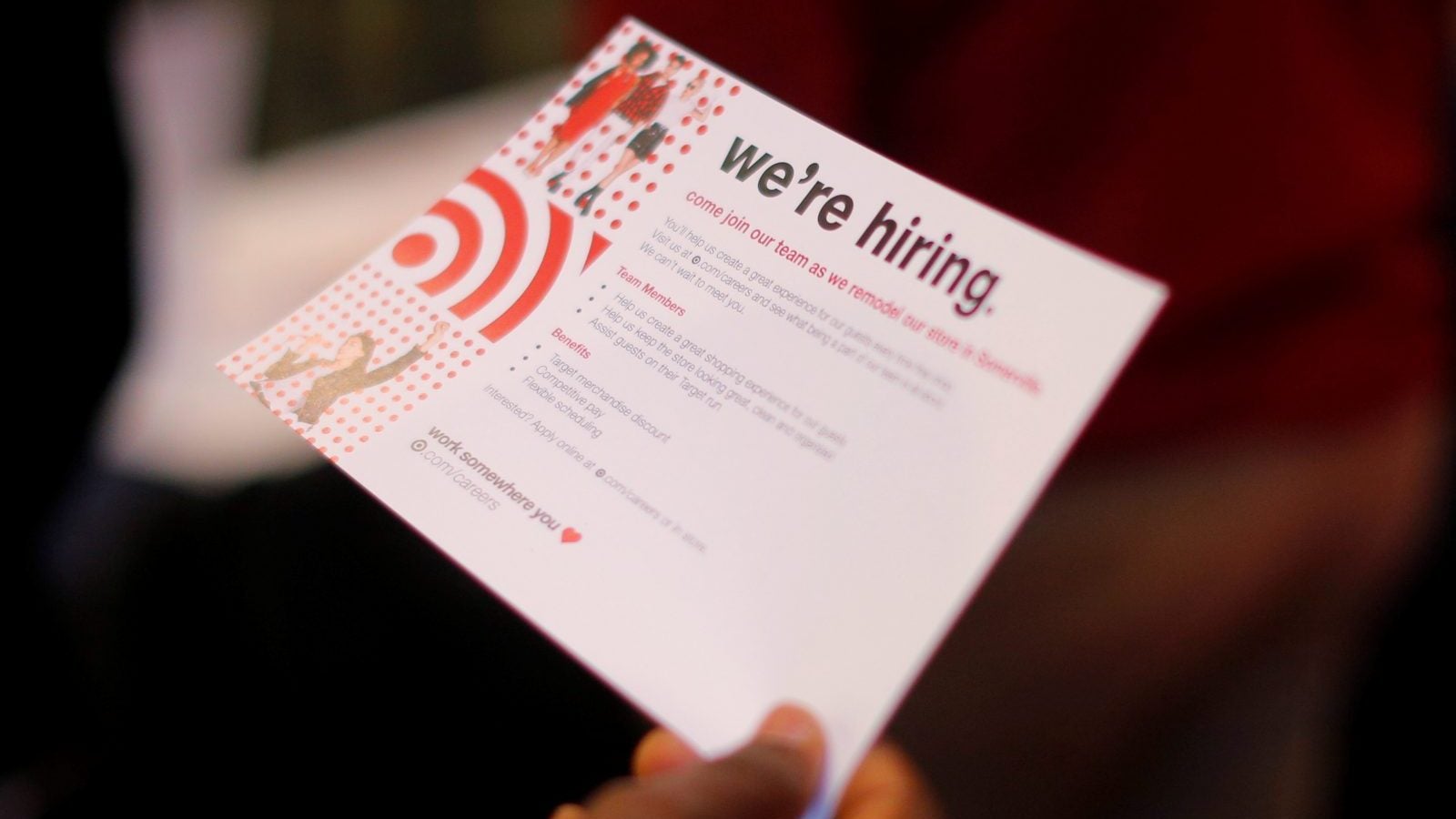
Indian job seekers may finally have some reason to rejoice.

Dating apps like Tinder and Woo may be trendy, but when it gets serious, it is India’s matrimonial websites that still rule the roost.

Researchers may believe that having more woman employees results in higher revenue, but Indian technology firms don’t seem to care much about that.
After lurching from one disaster to another in 2016, Japan’s Softbank is hitting all the right notes this year.

“I’ll watch how Infosys is progressing…from outside.”
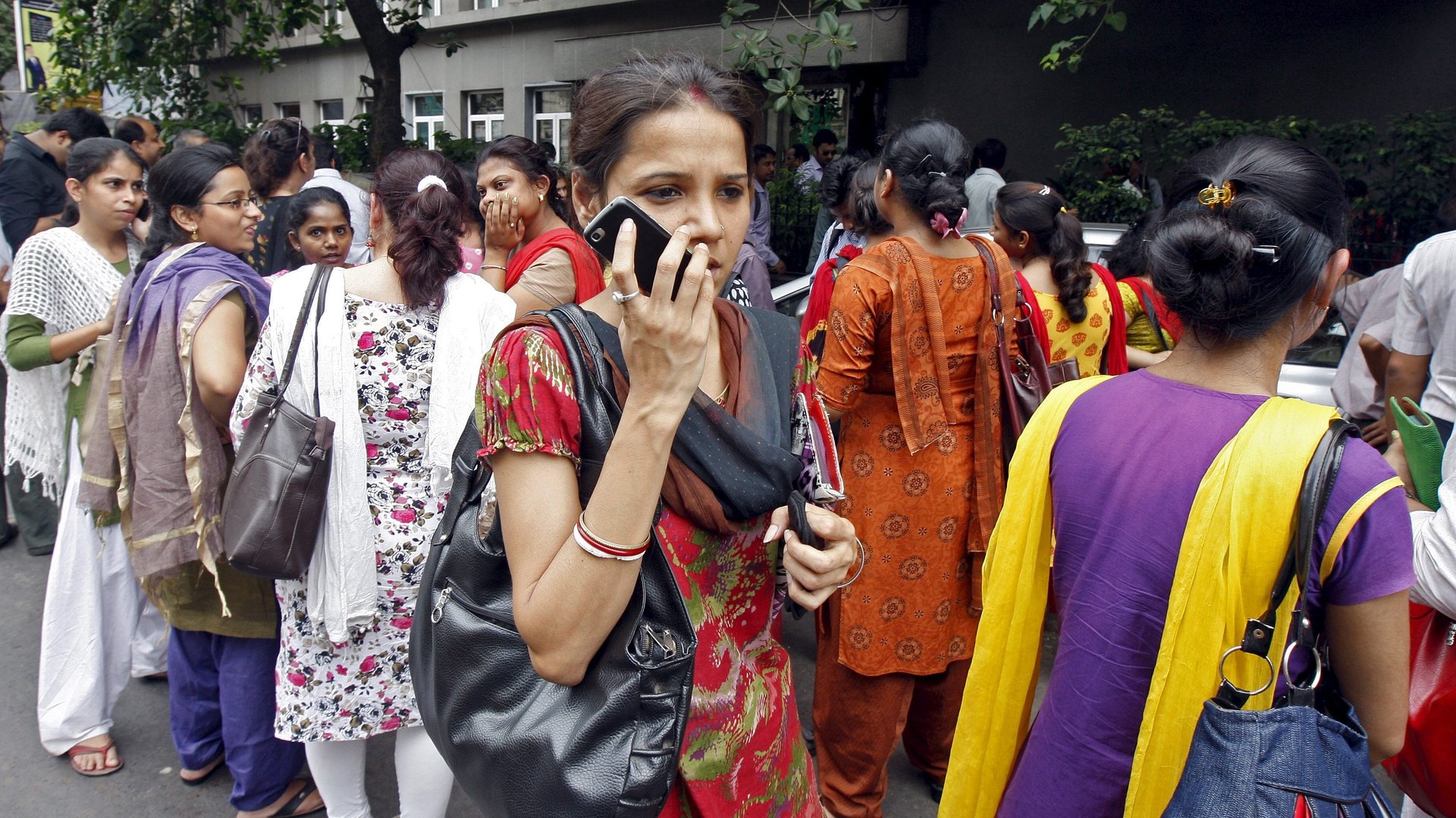
The world’s second-largest smartphone market hasn’t had it easy over the past few months.

It began in June with a stream of panic calls from small-business owners who had just heard that the goods and services tax (GST) was actually kicking in. All they had were a few weeks to become GST-compliant, which meant moving to a new online tax-filing system, leaving them desperate for help.

Chennai/New Delhi

The CEO of India’s biggest mobile wallet firm, Paytm, recently sent out a tweet seeking applications for a product manager’s job. It read:

Last year, the Indian wind energy industry was flying high.
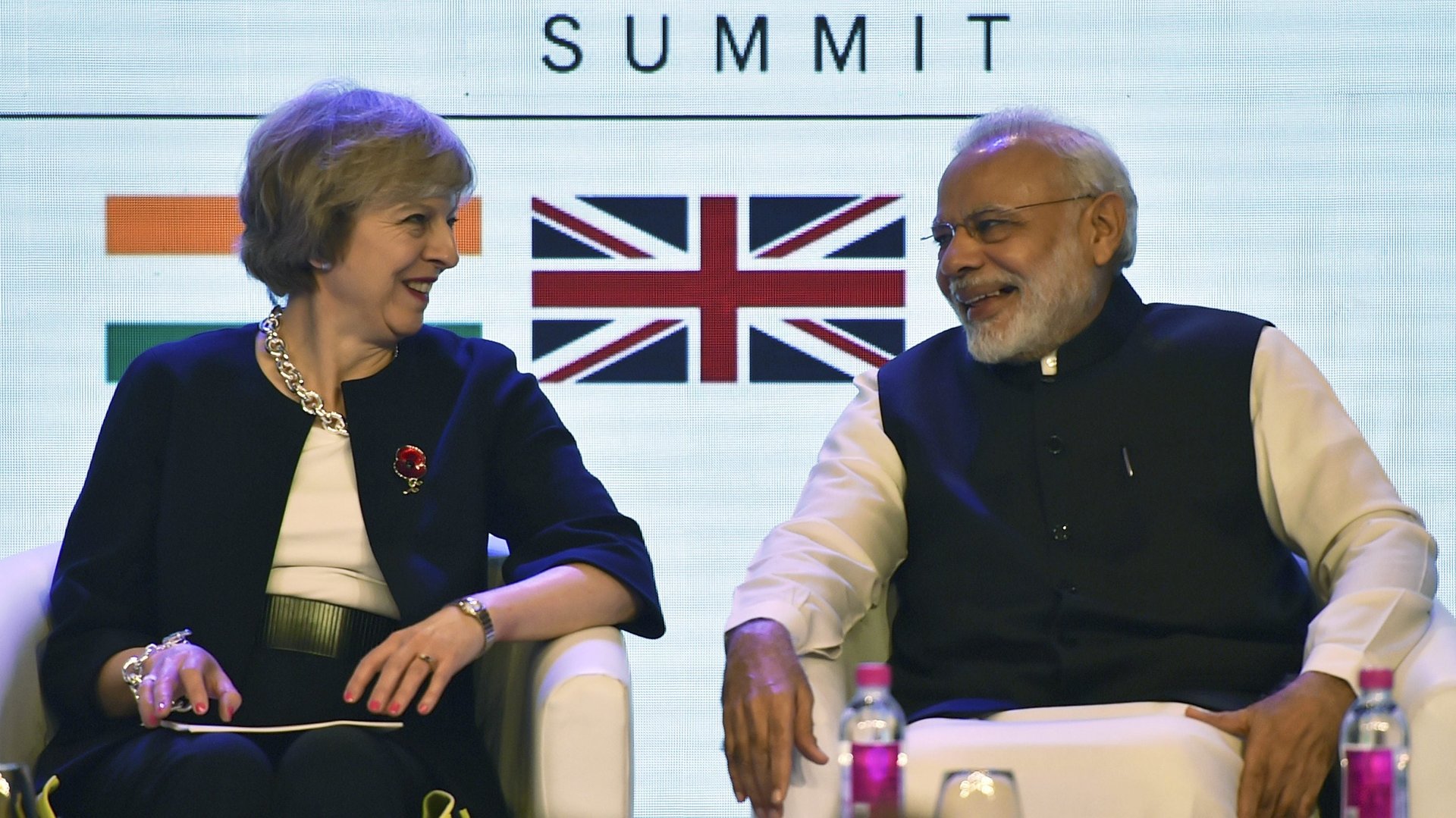
With their relationship with America going cold, India’s information technology (IT) giants are warming up to Europe.

Not inclined to pursue his studies beyond high school, 17-year old Abdul Alim dropped out of school in 2013. Unable to find a job in his hometown in northeast India, Alim moved to Chennai in the south with nothing more than Rs200 in his pockets. He spent months job-hunting before fate finally brought him to the gates of Zoho Corporation, a software products maker, as a security guard. Four years down the line, Alim still works at Zoho, but he no longer mans the gates. He is part of the company’s reports team, and spends his days using code to create charts and data visualisations.

With venture capital (VC) investors turning cautious, fewer entrepreneurs entered the Indian startup sector in 2016—and an even smaller number signed up in 2017.

Going virtual is the new way forward for startup incubators around the world. But months before Silicon Valley’s famous Y Combinator took its expertise online, establishing a Startup School, a small collaboration and networking platform was making a name for itself among techies in India.