What an irony it will be for American liberals if Donald Trump’s campaign crashes on the rocky shores of Iowa’s powerful bloc of evangelical voters.

What an irony it will be for American liberals if Donald Trump’s campaign crashes on the rocky shores of Iowa’s powerful bloc of evangelical voters.

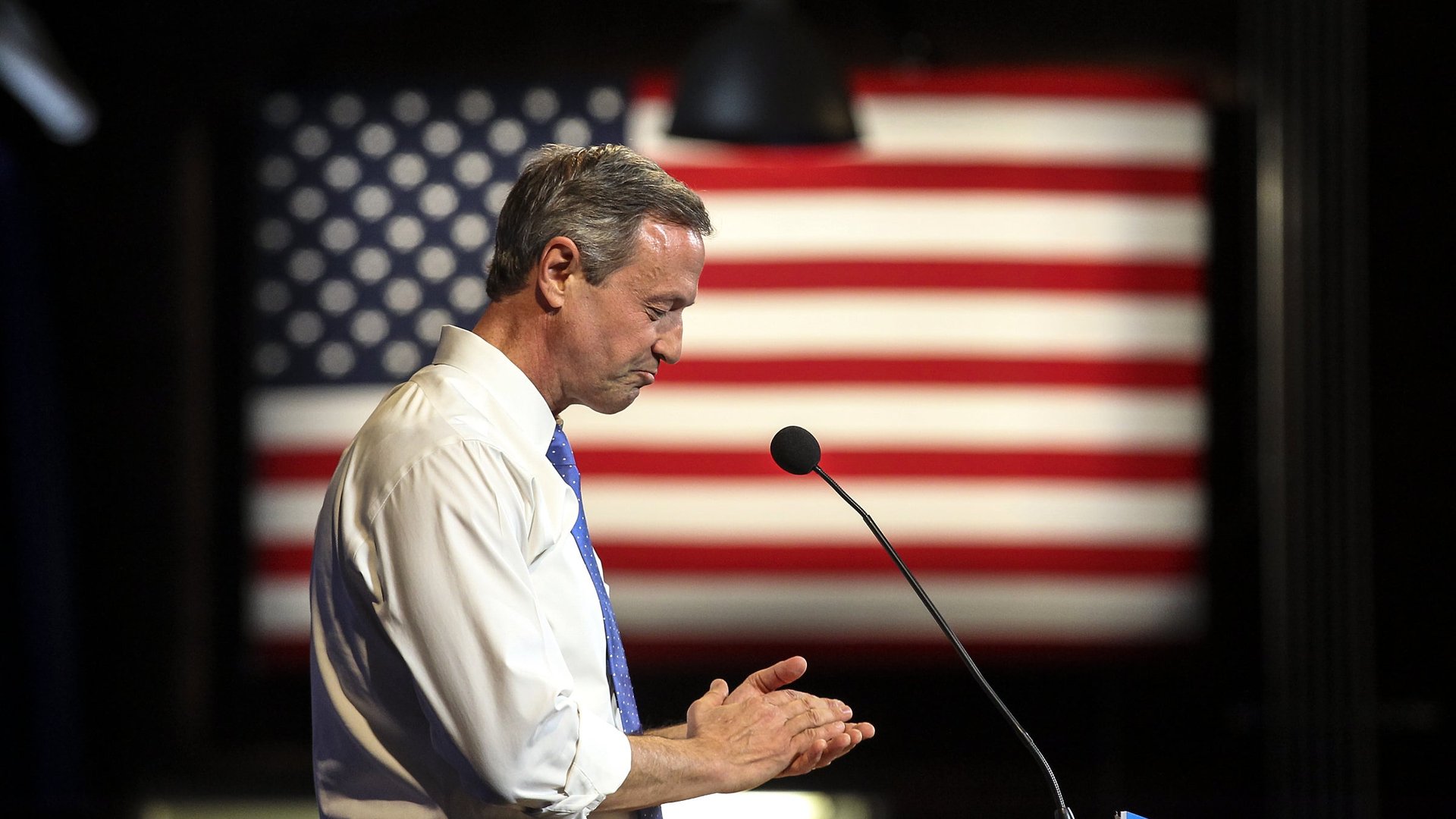
Maryland Governor Martin O’Malley has apparently become the first 2016 presidential candidate to visit a mosque and stand with American Muslims at time of increasingly hateful rhetoric about the religion.

Does a true venture capitalist always side with entrepreneurs, no matter the plan?

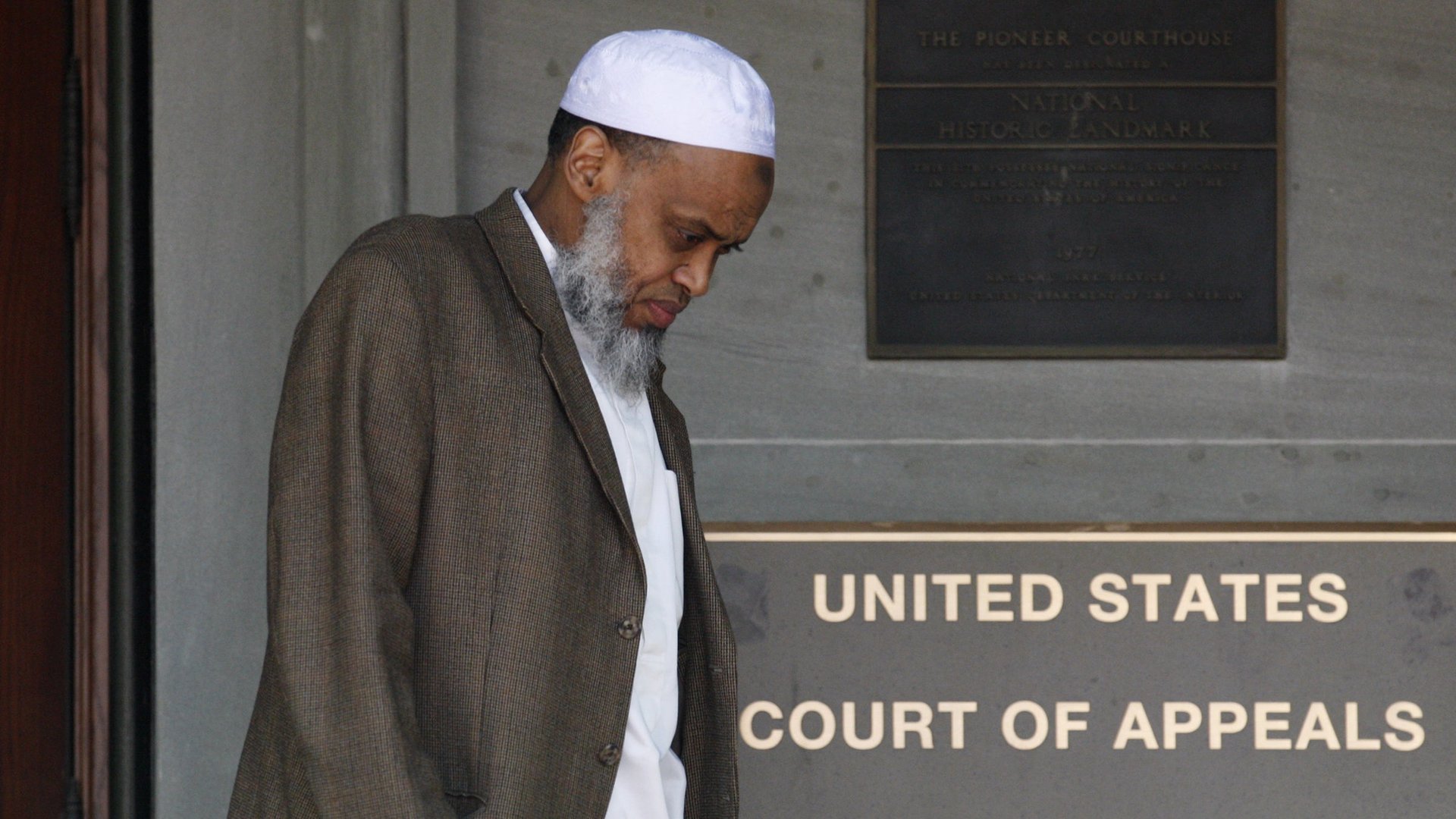
Lawyers from the venerable American Civil Liberties Union will argue in a federal court today (Dec. 9) that the so-called “no-fly list” violates Americans’ due process—even as the political stakes over its very existence have flipped.

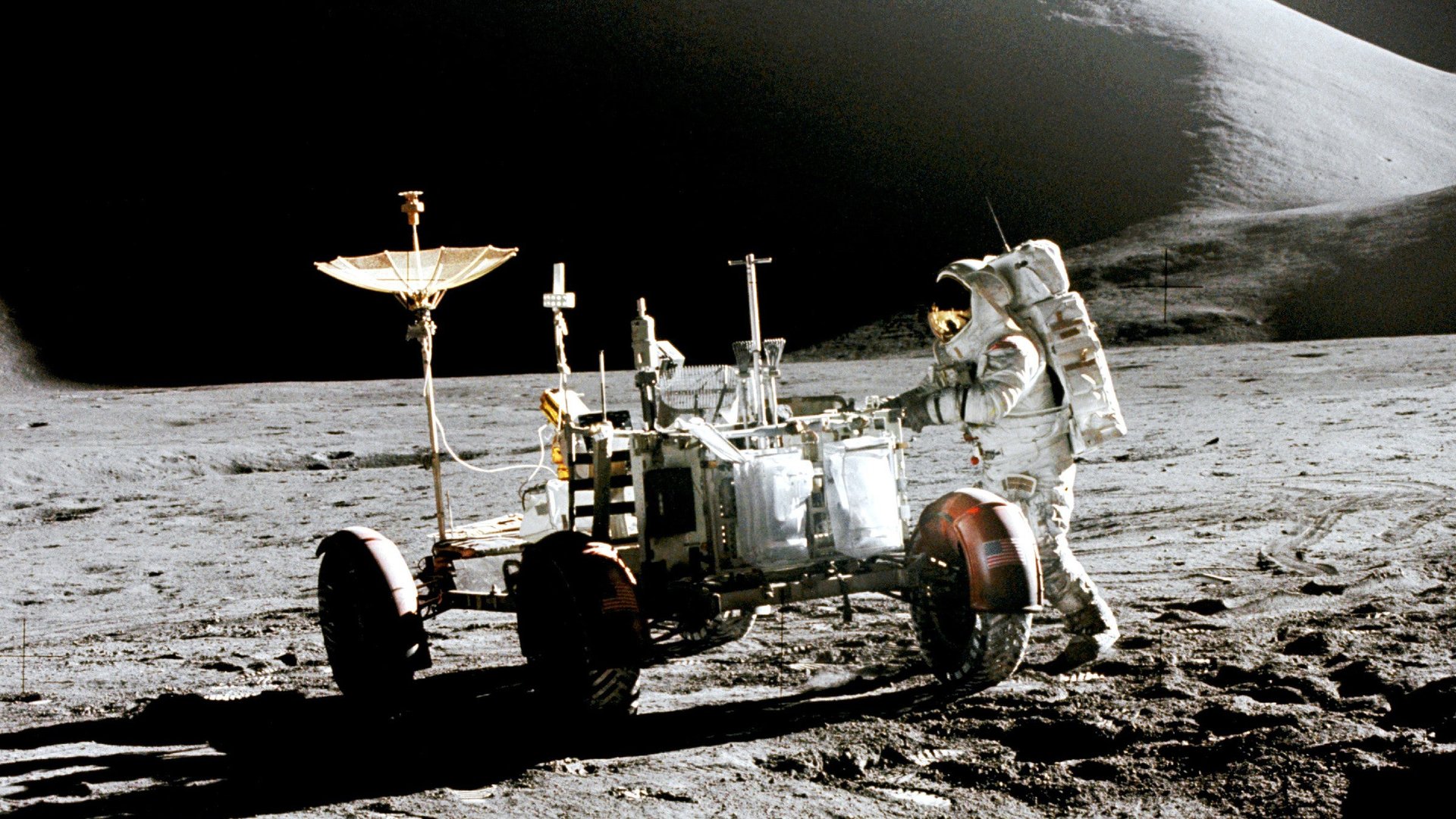
It took five years of deadline extensions and an extra $10 million in prize money, but two private organizations have paid for launches in 2017 that they hope will make them the first private groups to land a robot on the moon.

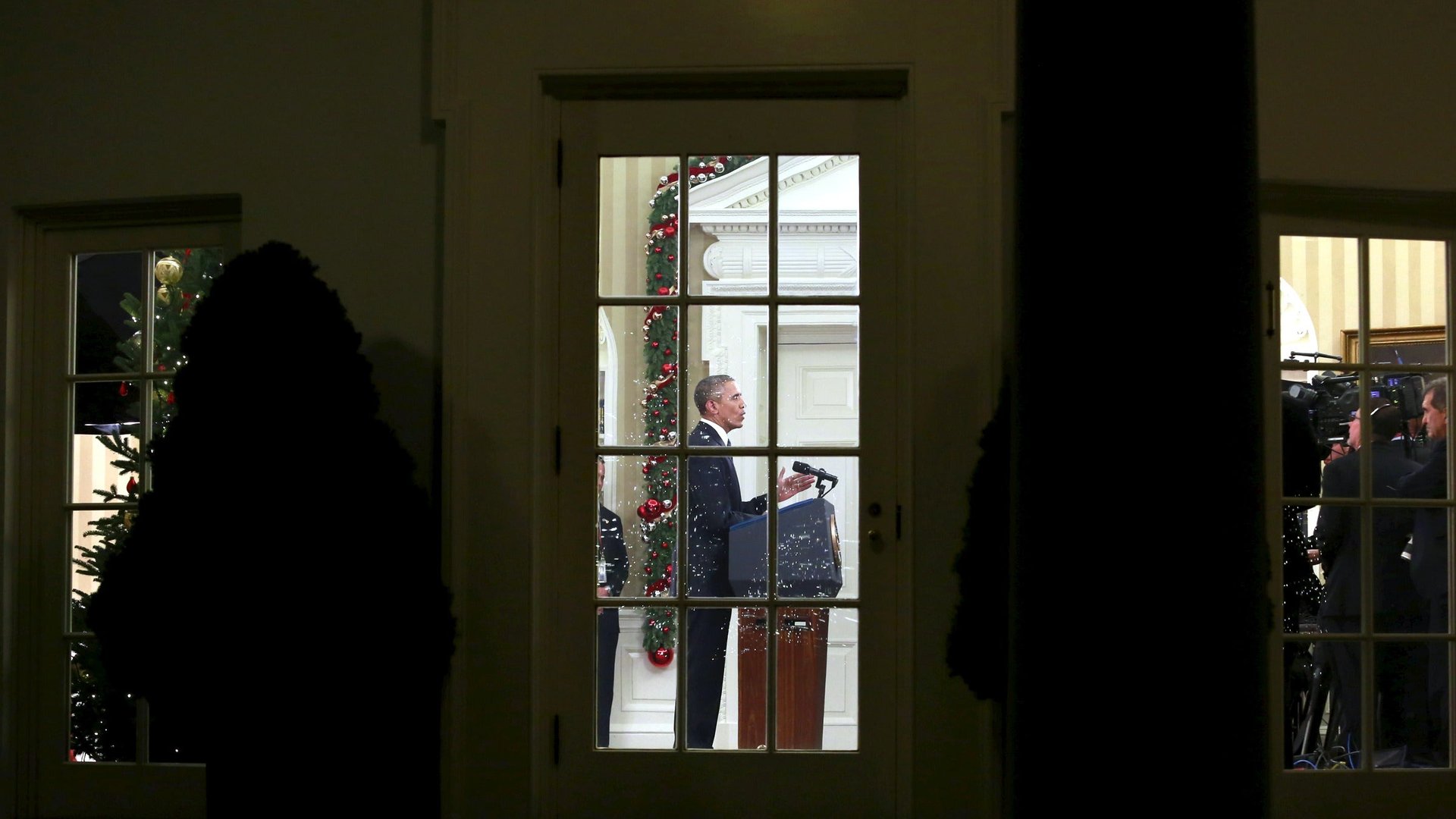
The reviews are in after President Barack Obama’s speech to the American people yesterday: It was weak-sauce, it was a yawner, he didn’t change anything!

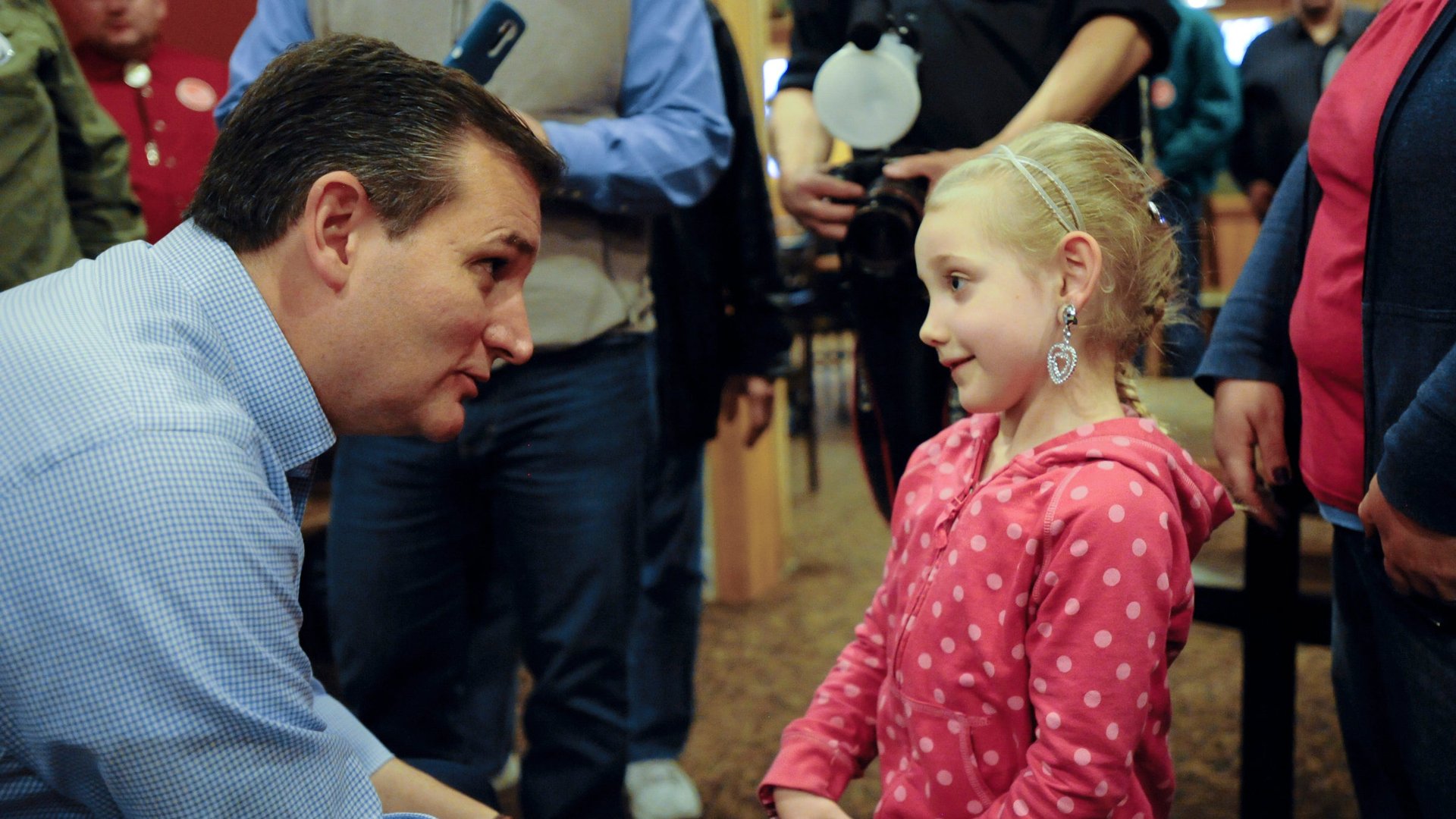
Breaking! A Republican presidential candidate has said something interesting about monetary policy, and it’s Texas Senator Ted Cruz, which makes it doubly interesting.

In the run-up to the 2016 US presidential election, there are two races: The one you see in the media, and the one poorly defined by an inchoate electorate, two-thirds of whom are likely to wait until a month before Election Day to make up their minds about who to support.

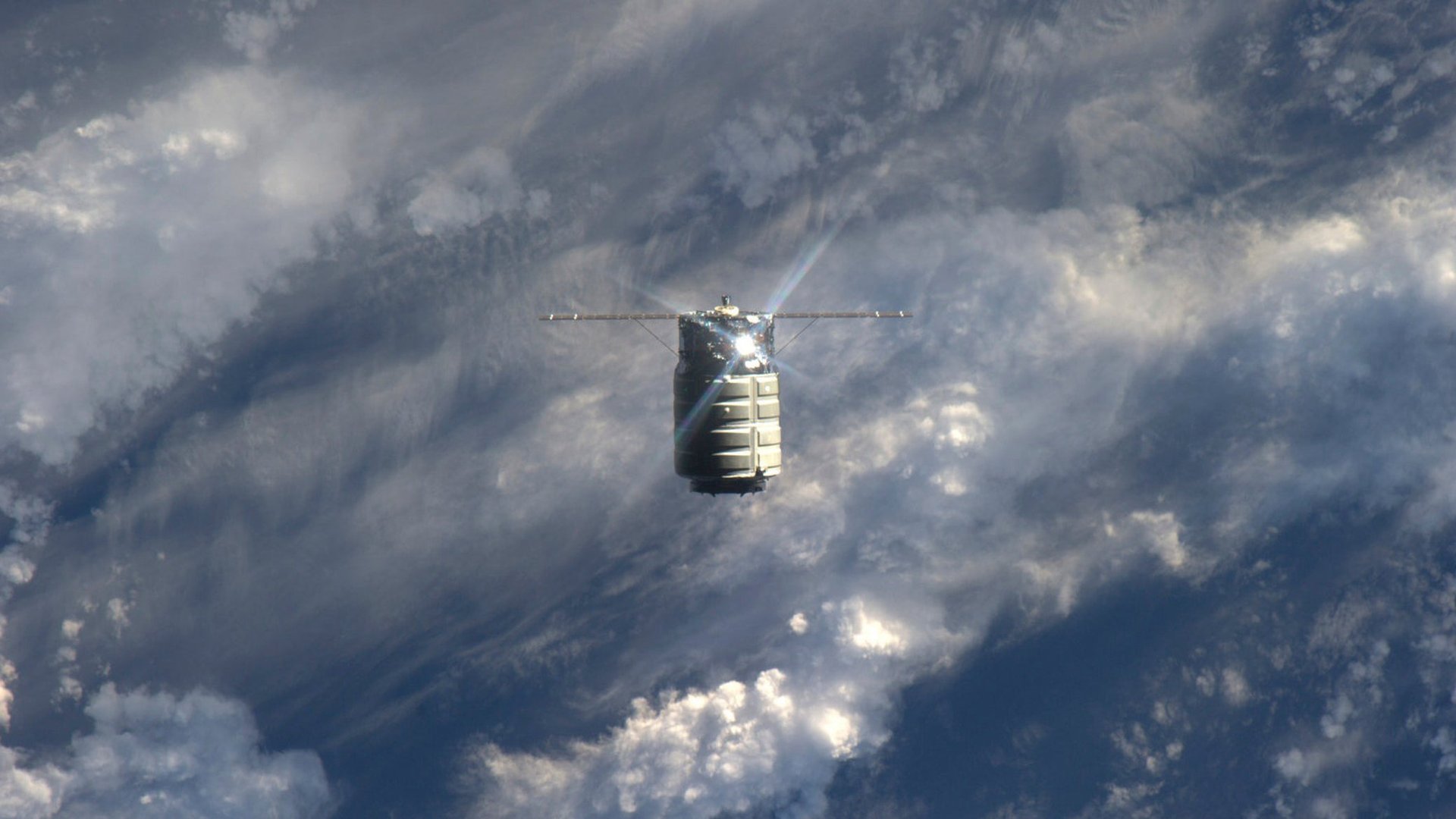
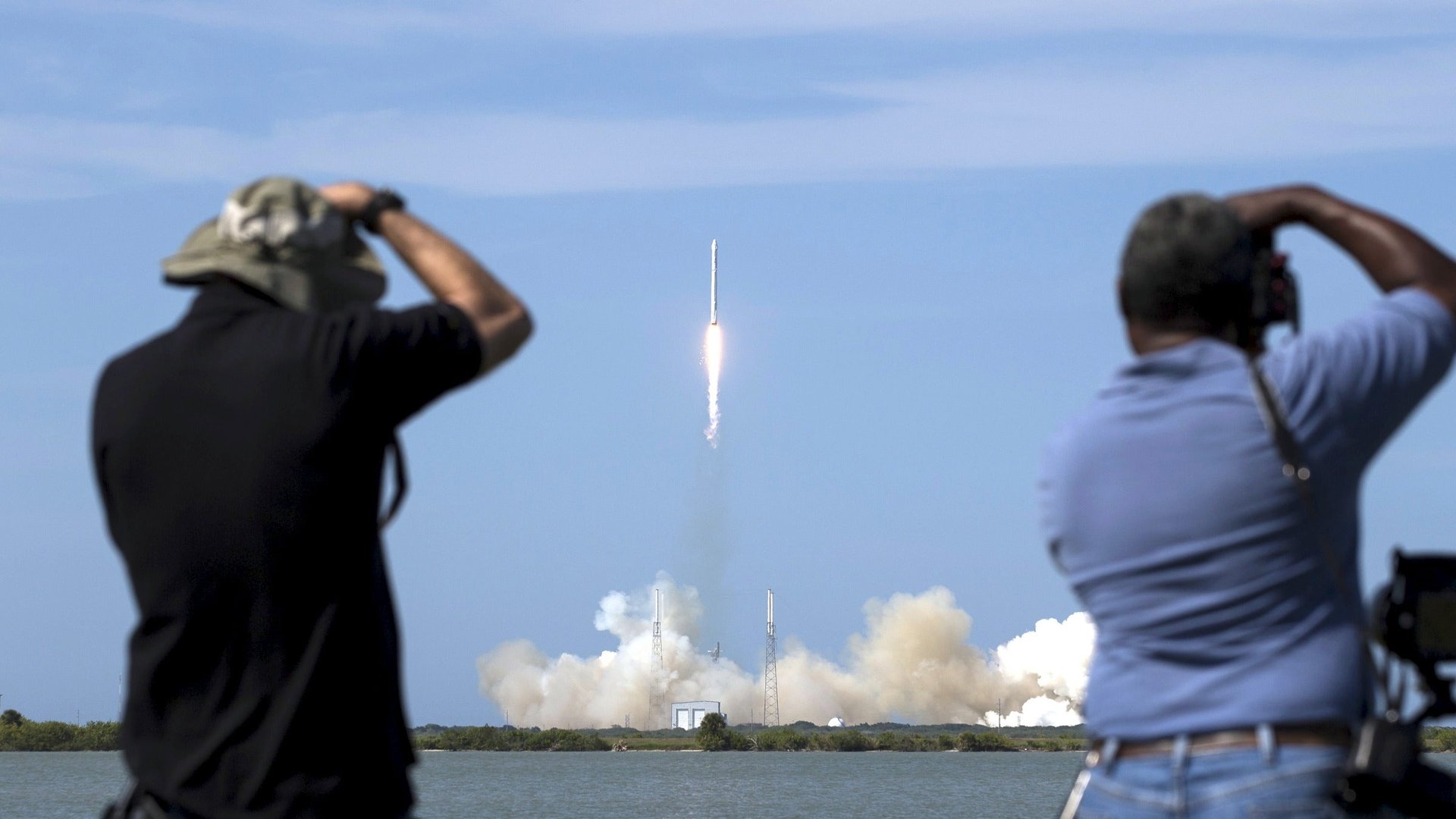
Can private companies handle the responsibility of keeping the International Space Station resupplied? The proposition will be tested today when a US rocket attempts to fly nearly four tons (3.5 metric tons) of food and supplies to the six residents of humanity’s orbital outpost.

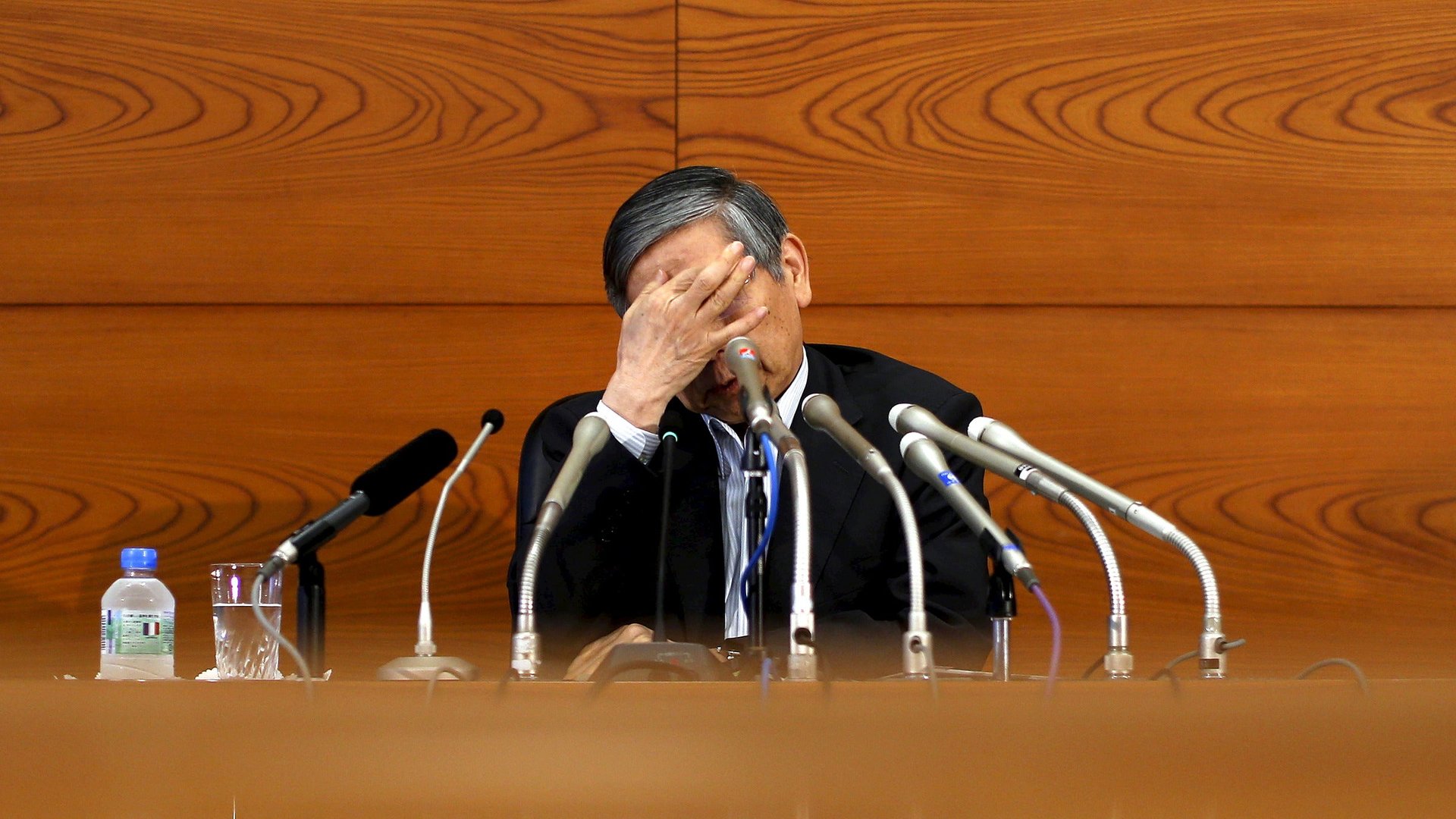
It takes rare circumstances to get a country’s top banker to demand bigger pay raises for union workers, but that’s exactly what we are seeing in deflation-scarred Japan.

The competition between US billionaires to develop and deploy next-generation rocket technology is about to enter a new stage.

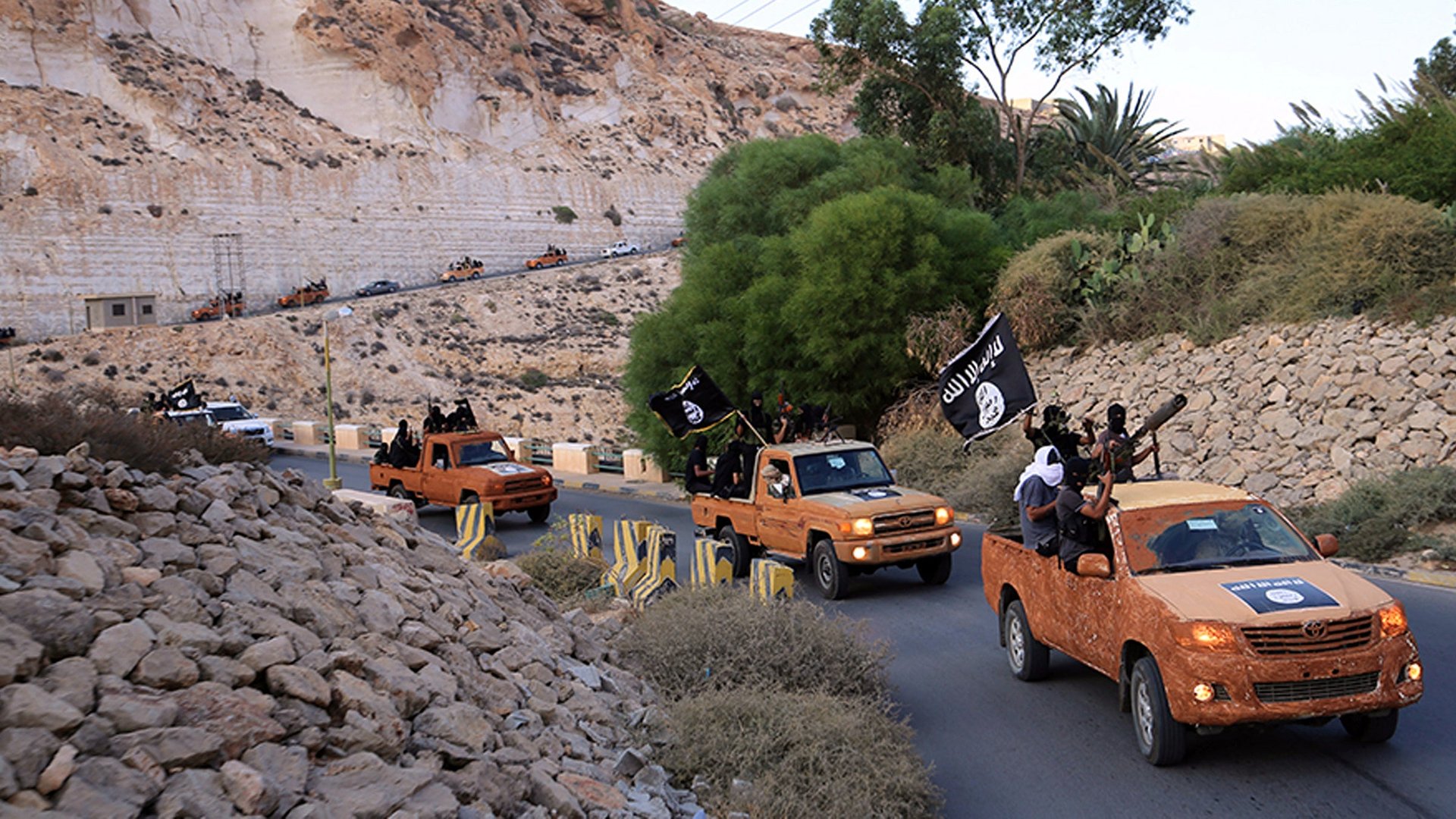
Thomas Piketty, the French economist whose data on worsening inequality in advanced economies has captivated the public, makes a compelling—if not original—argument that economic disparities in the Middle East are a key motivation for terror attacks, including the recent ISIL murders in Paris.

The US military research lab that funds some of the most important (and terrifying) scientific work out there is scrapping a program that would have launched satellites with fighter jets, after the next-generation rocket fuel involved turned out to be a little too explosive.

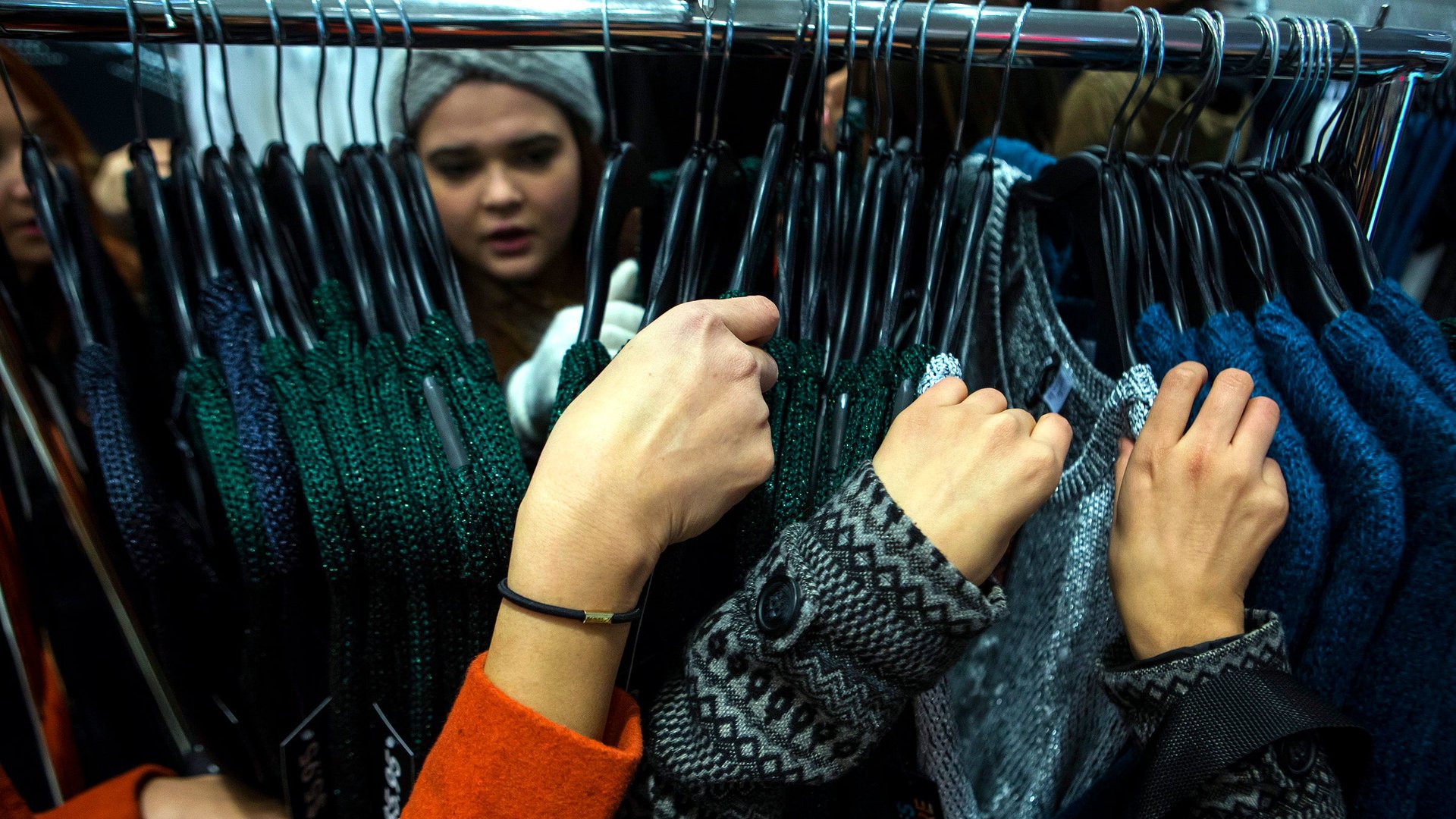
This week, Actuality slips into some fast fashion and learns how it pushes your brain’s buttons to make you buy. But the trick means hiding the true cost of the clothes—including some surprisingly bad news for the environment.

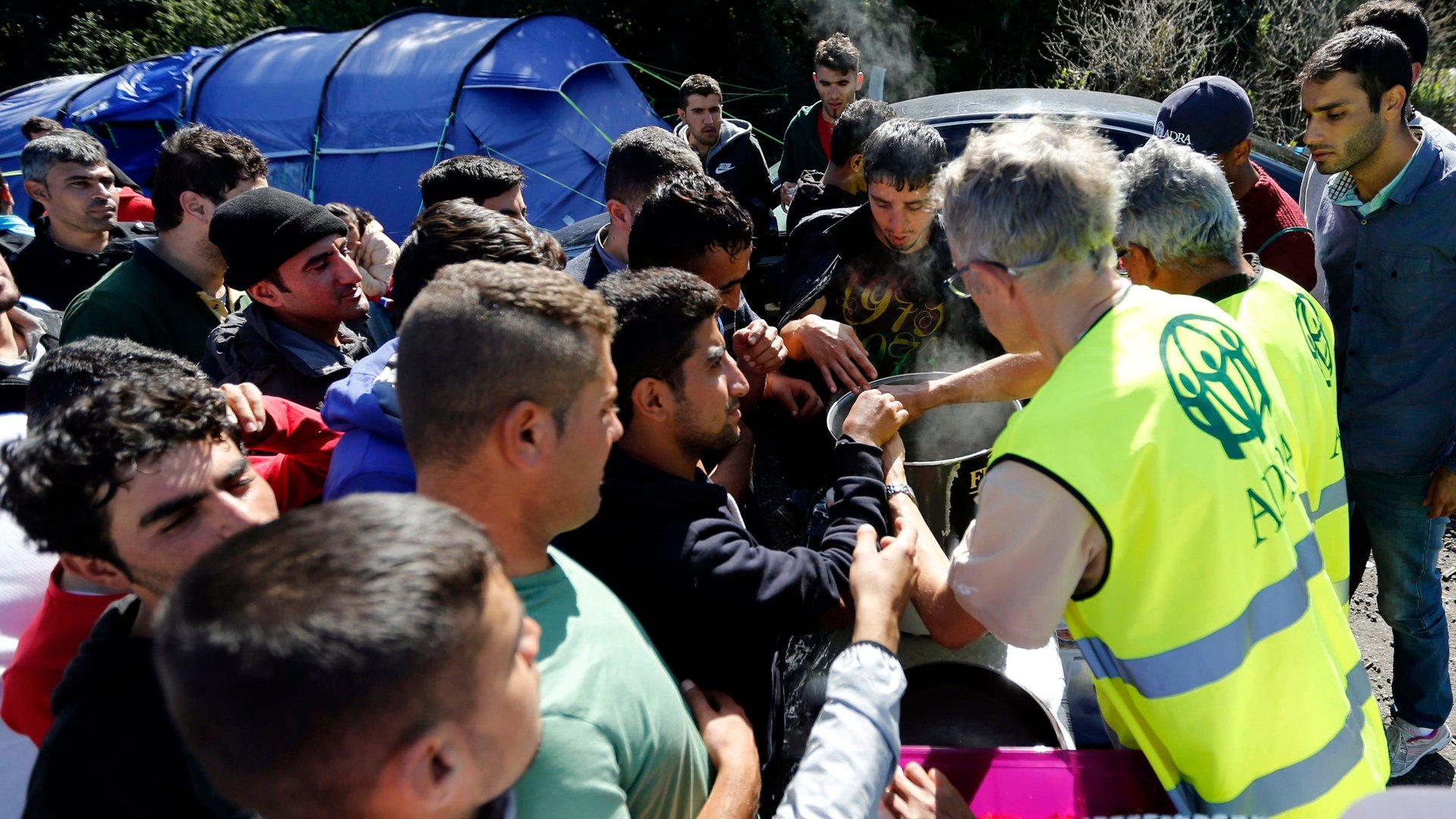
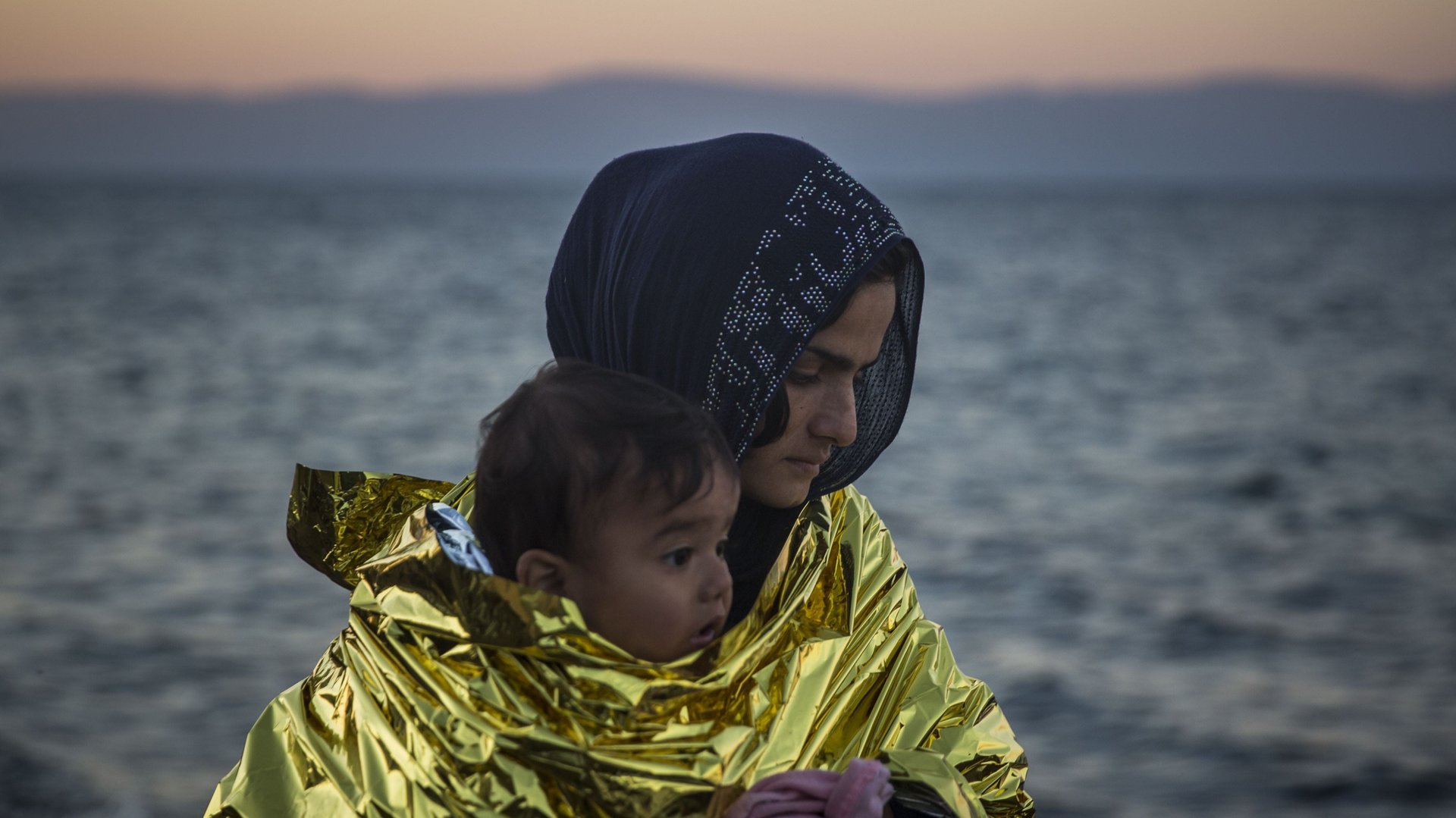
In a holiday bonus episode, Actuality gets grateful after a visit to a refugee camp in France where migrants from the Middle East and Africa await asylum, and a reporter was surprised to learn her own family’s refugee story.

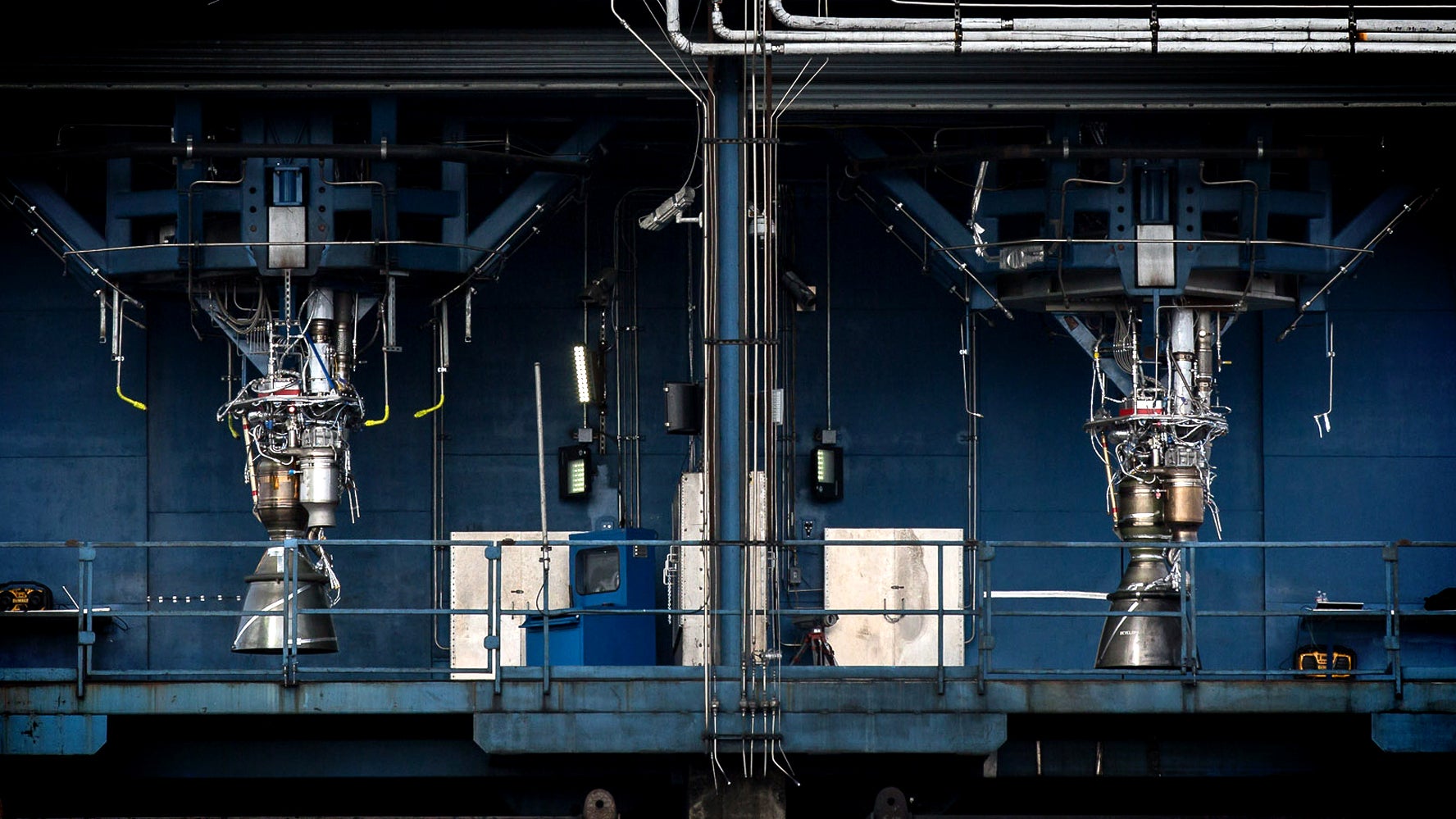
Blue Origin, the space company started by billionaire and Amazon CEO Jeff Bezos, is finally catching up to Elon Musk’s SpaceX in the next generation rockets business.

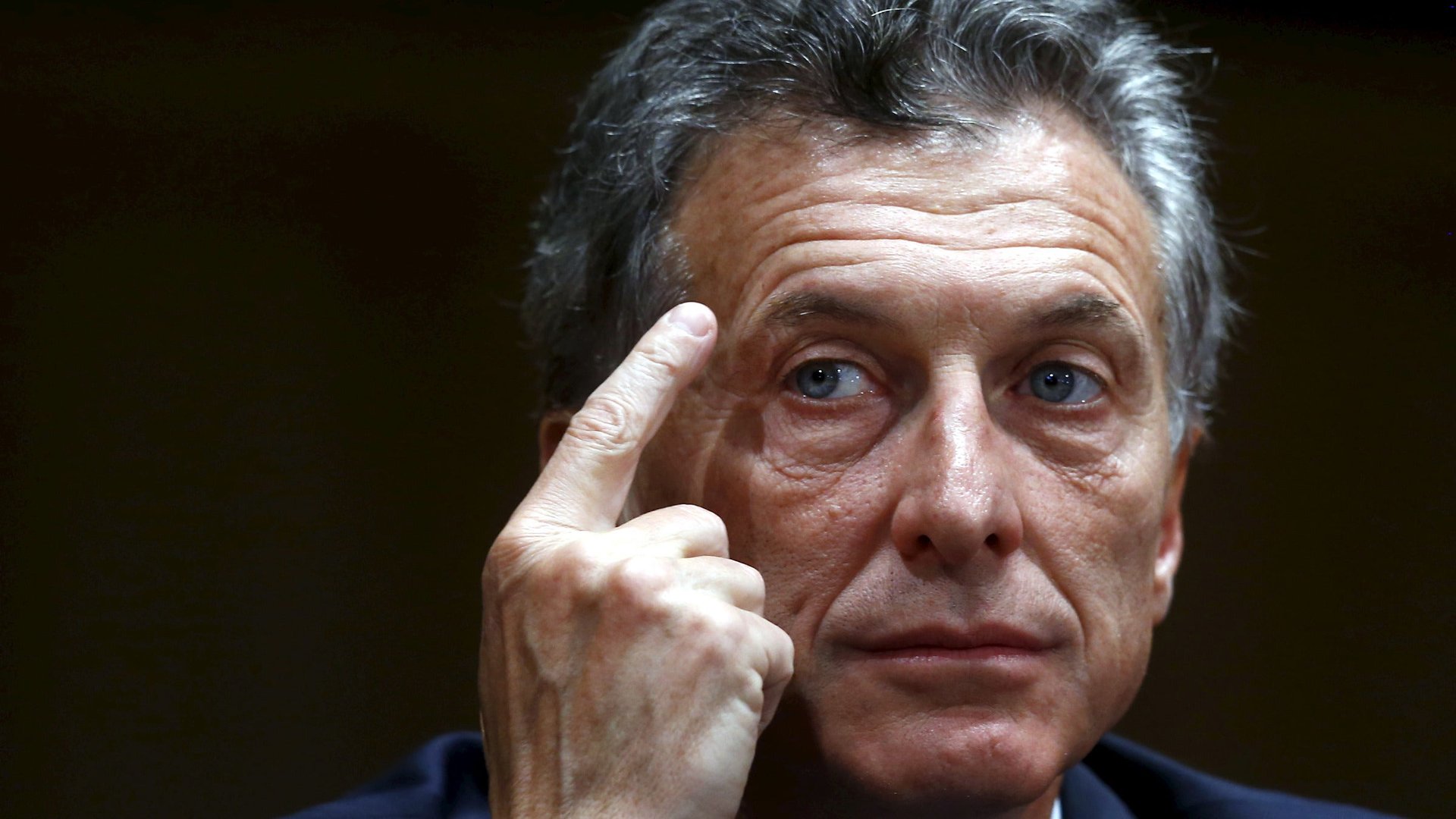
Even as he celebrates his upset victory, Argentina’s president-elect, Mauricio Macri, knows he faces political and economic challenges that make his new job one of the toughest in geopolitics.

Panic isn’t pretty, but American political leaders have produced it in quantity since the attacks in Paris a week ago.

The US Congress’s scramble to score political points in the wake of the Paris attacks by passing a freeze on refugees coming to the US will do nothing to help keep the US safe.

It hasn’t been a week since the terror attacks in Paris, but markets already indicate that the geopolitical game has changed.

It took SpaceX several years of rigorous inspections and a lawsuit to earn the right to bid for US military satellite launches. Now the company looks set to win its first competitive bid—but only after the sole opposing bidder bowed out, citing a US ban on business with Russia.

In a footnote to the tragedy in Paris, the digital car service Uber came under harsh criticism for business tactics it did not deploy, a warning for the company’s battle-scared public relations efforts.

With all the focus on fund-manager Fidelity’s 25% markdown of its investment in Snapchat last week, one of the few private investments the firm boosted flew under the radar: Fidelity said its stake in Elon Musk’s rocket-maker SpaceX grew by 15% since January, which would value the company at more than $11.5 billion.

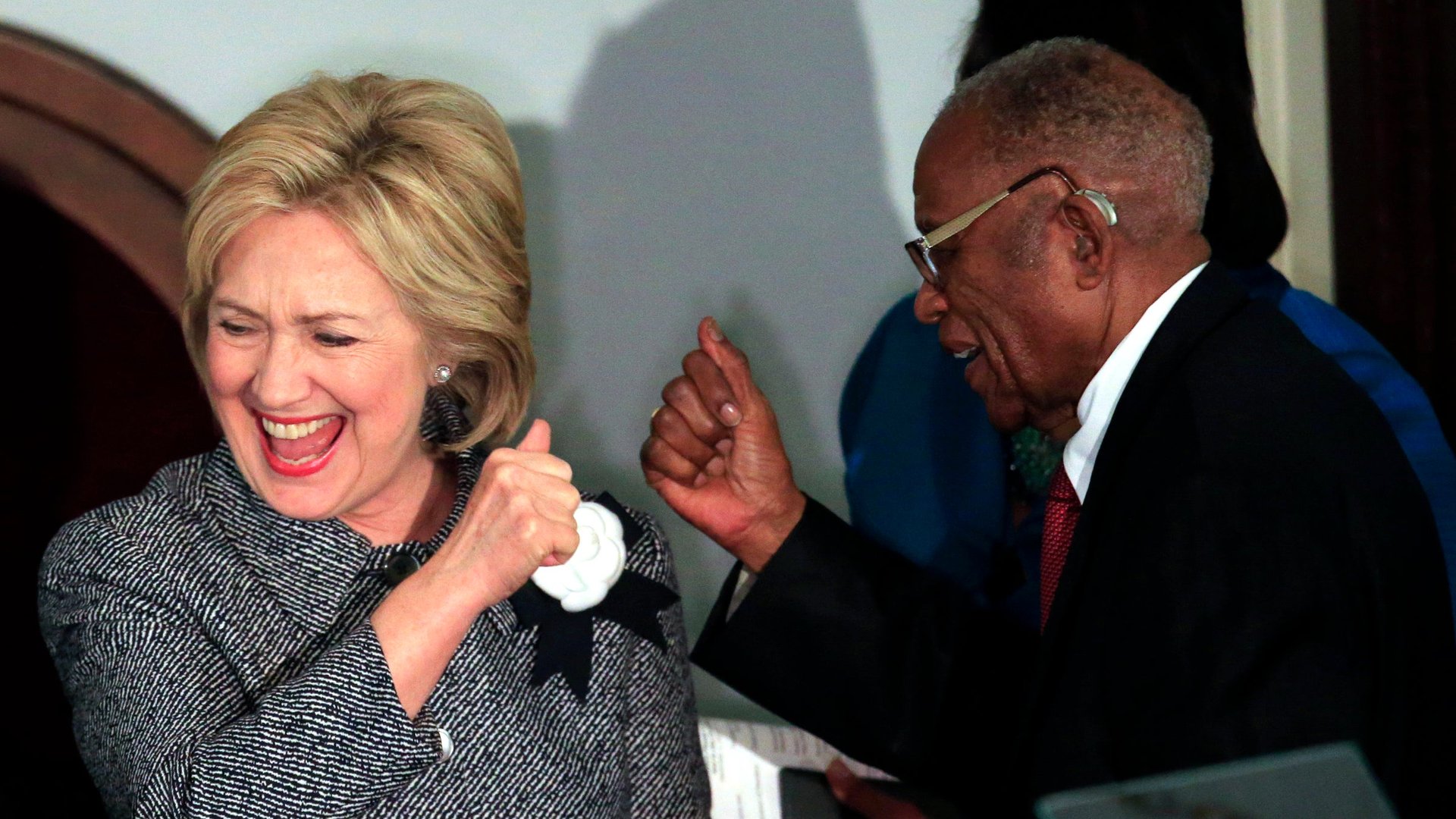
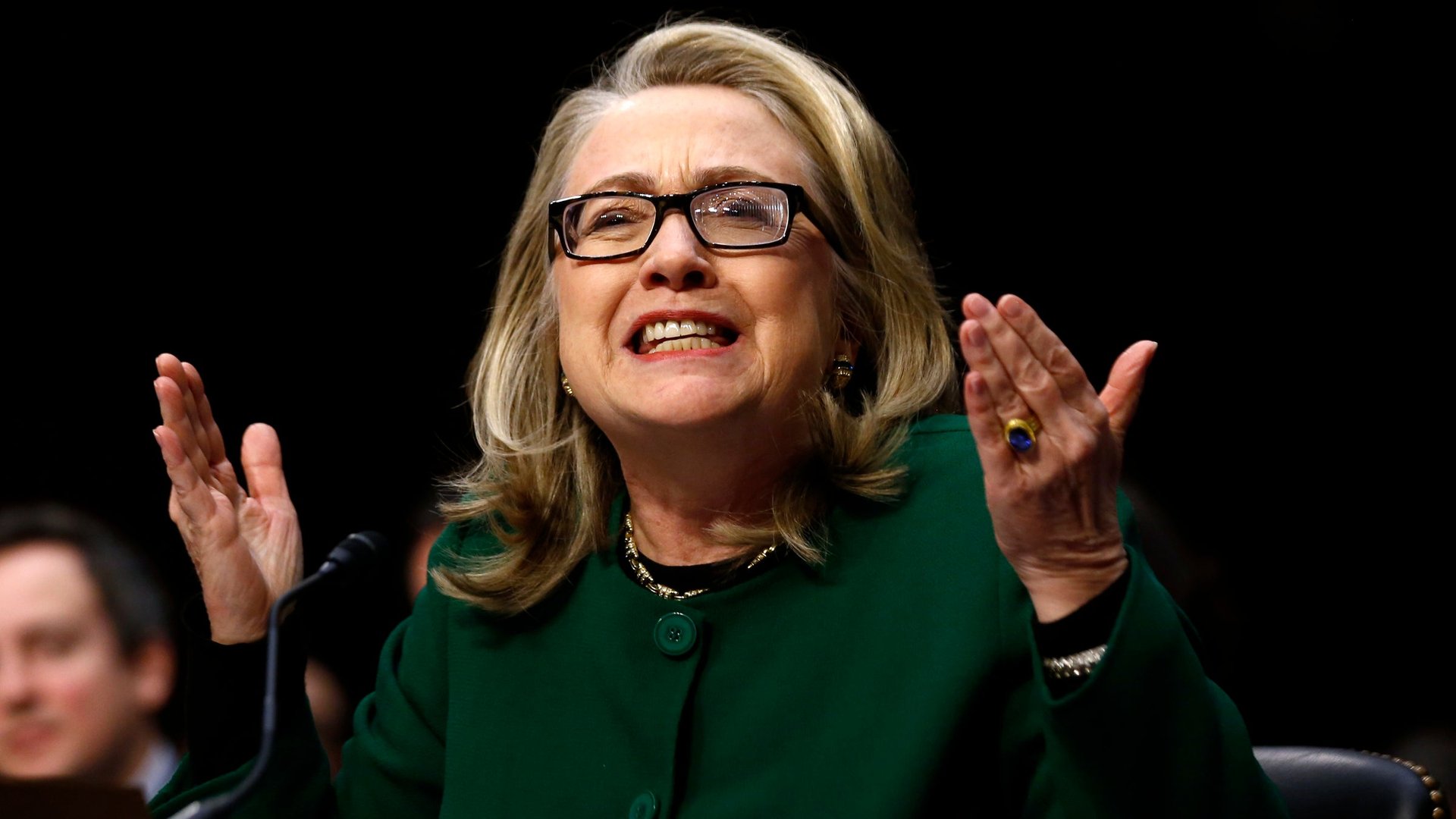
The 2016 presidential campaign has US voters debating which government officials to hold responsible for past security failures: Hillary Clinton faces vociferous scrutiny for her actions before the Benghazi, Libya attacks on Sept. 11, 2012, while Jeb Bush has been criticized for claiming that his brother, former president George W. Bush, “kept us safe” despite his failure to prevent the Sept. 11, 2001 attacks in the US.