
Business News
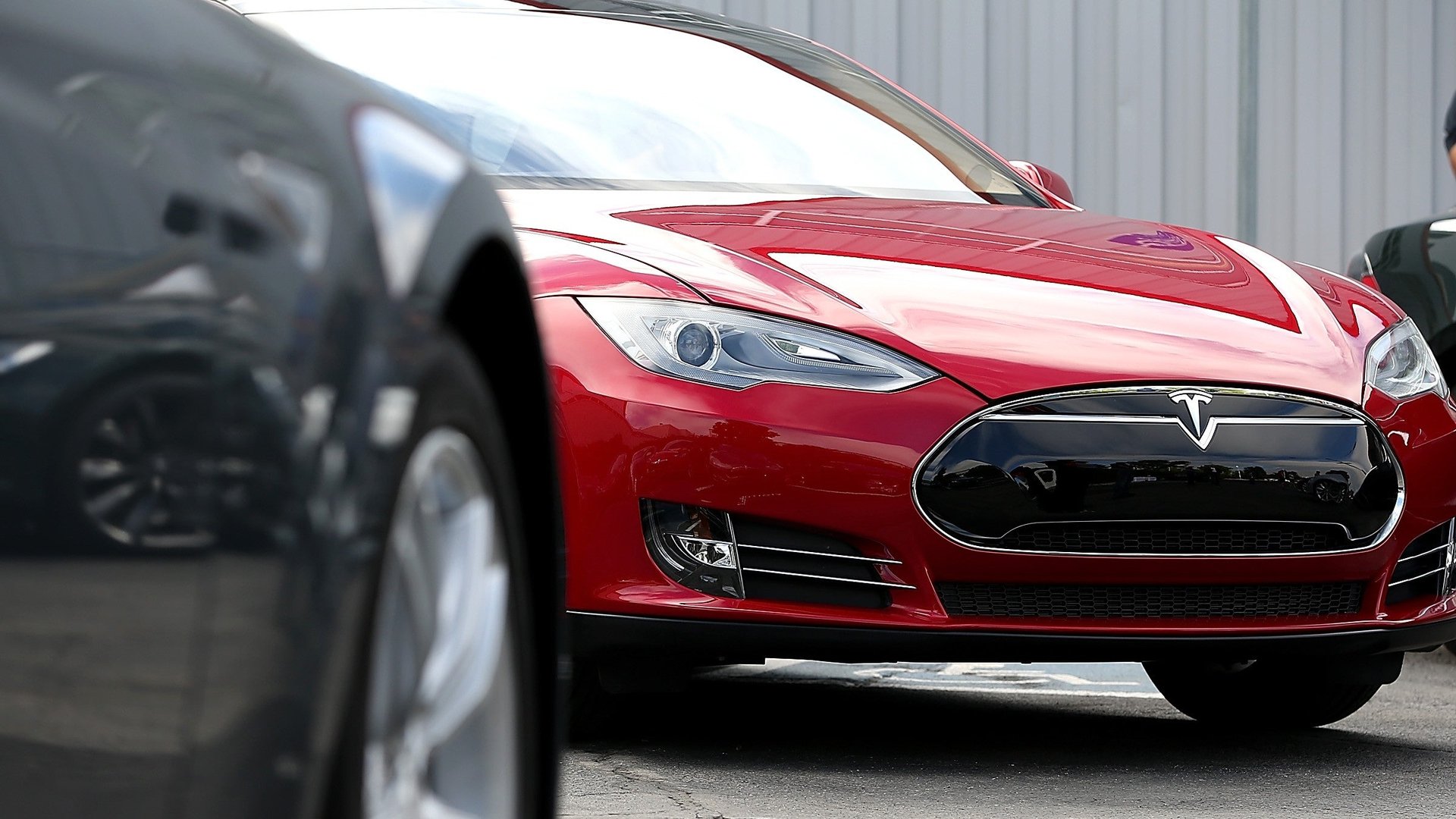
Elon Musk offers Model S owners a fireproof guaranteeElon Musk has taken to his blog to put the brakes on Tesla Motors’s sliding stock.
Updated July 21, 20222 min read
Elon Musk has taken to his blog to put the brakes on Tesla Motors’s sliding stock.
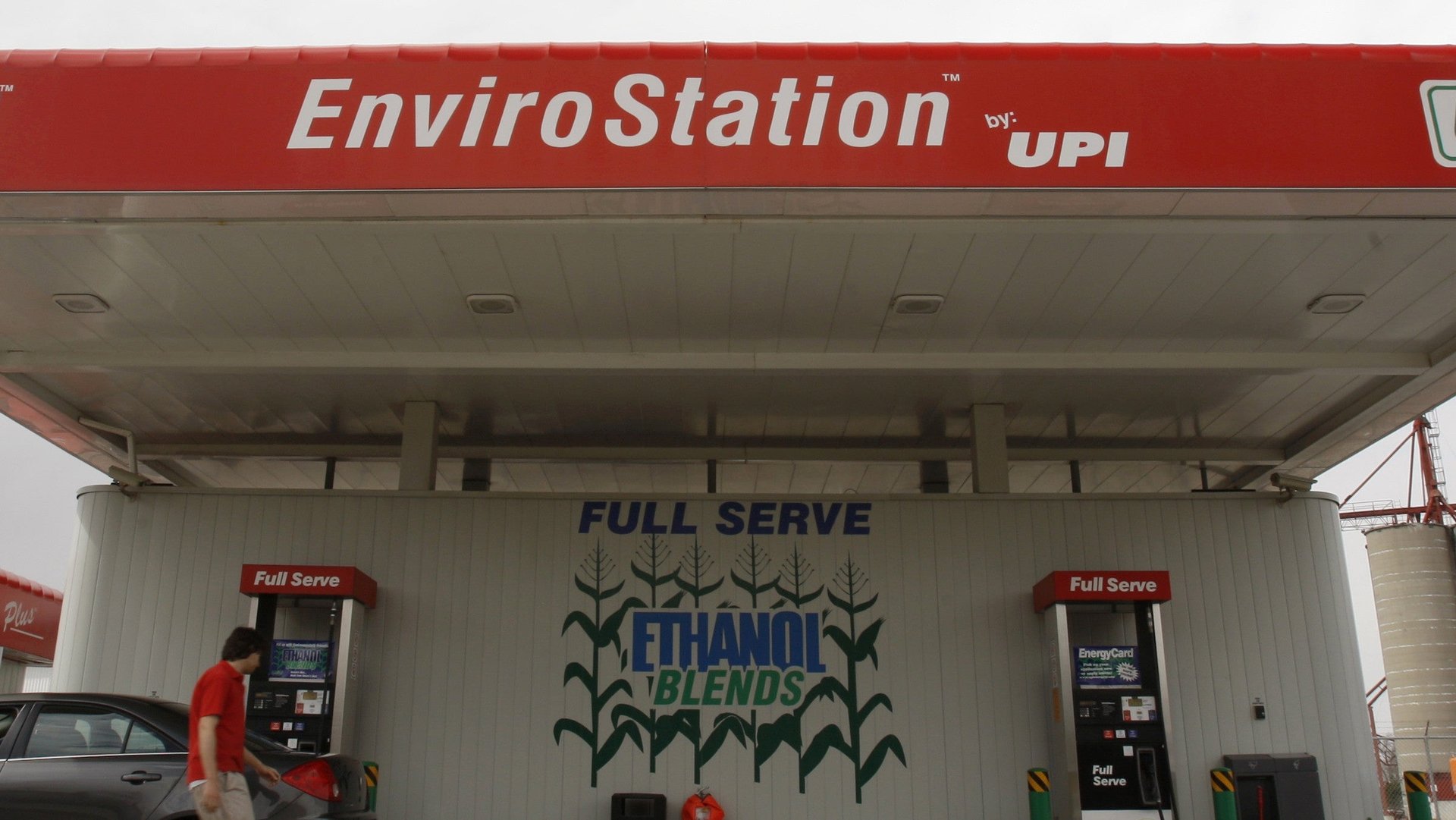
The US government is bowing to the reality that the biofuel-powered future is not going to arrive as soon as it had hoped. In 2007, Congress passed a law setting quotas for the production of low-carbon biofuels to fight climate change. This year, for instance, the country should be producing 1.75 billion gallons of cellulosic biofuels – go-go juice made from the inedible parts of plants. It has not quite worked out that way.
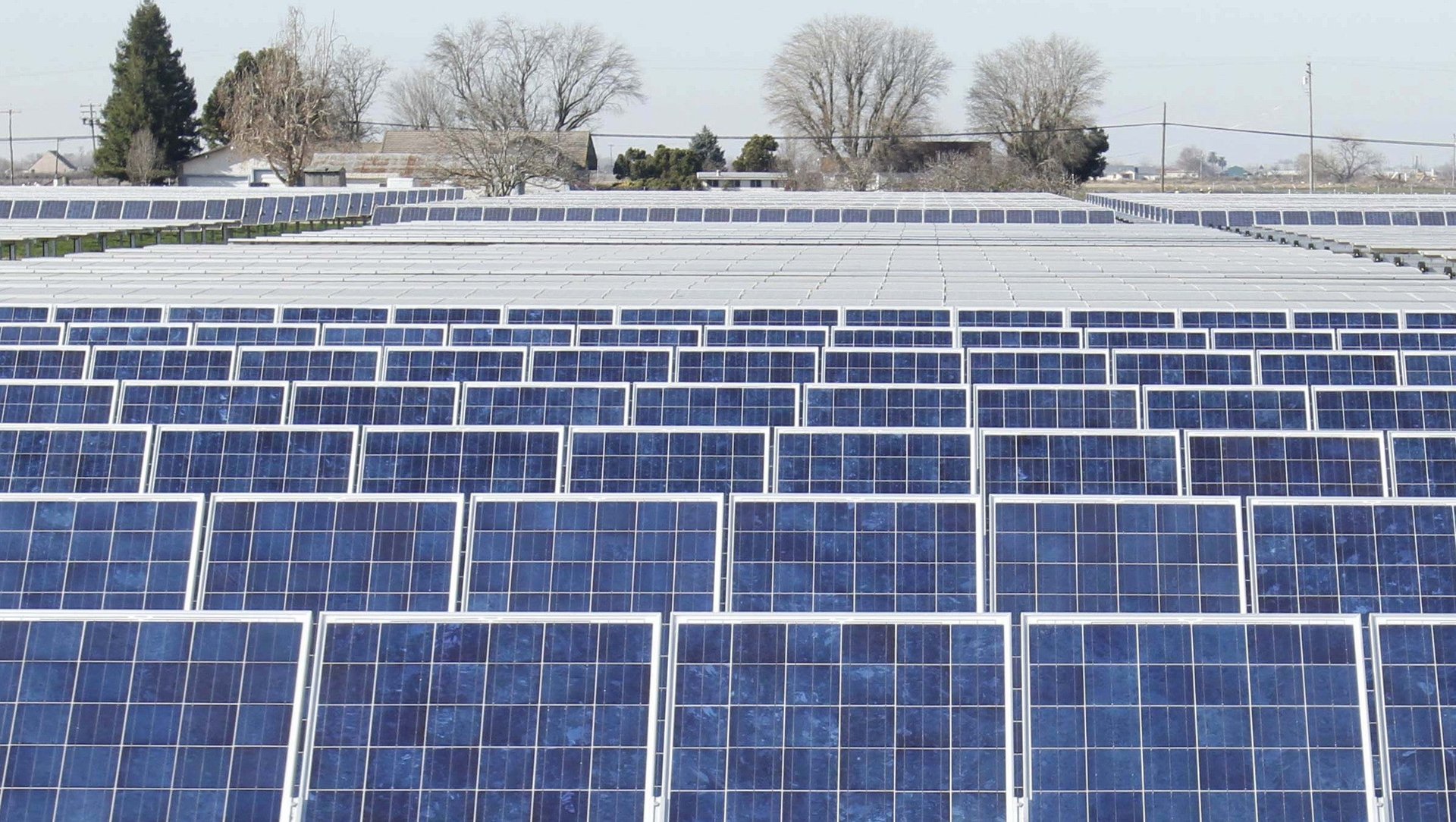
As key US tax incentives for renewable energy begin to disappear in the coming years, expect the pace of deal making to accelerate as investors try to lock in the tax advantages. Case in point: Today’s move by New York investment firm KKR and Google to buy six solar power plants under construction in California and Arizona for $400 million.
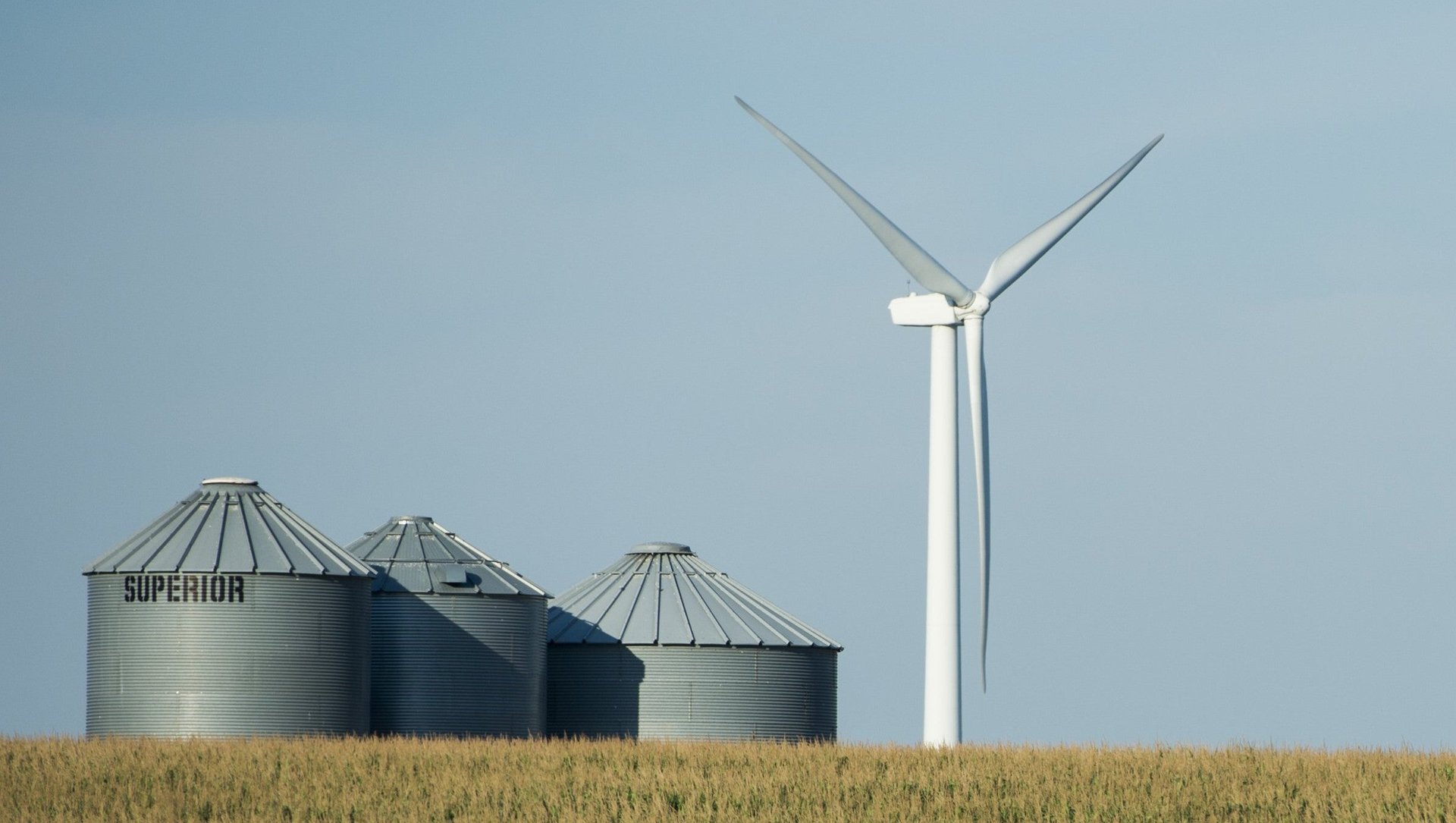
Not to be outdone by Apple, Google and Microsoft, Facebook is jumping on the green bandwagon, announcing today that a 138-megawatt wind farm will supply electricity for its new data center in Iowa when it goes online in 2015.
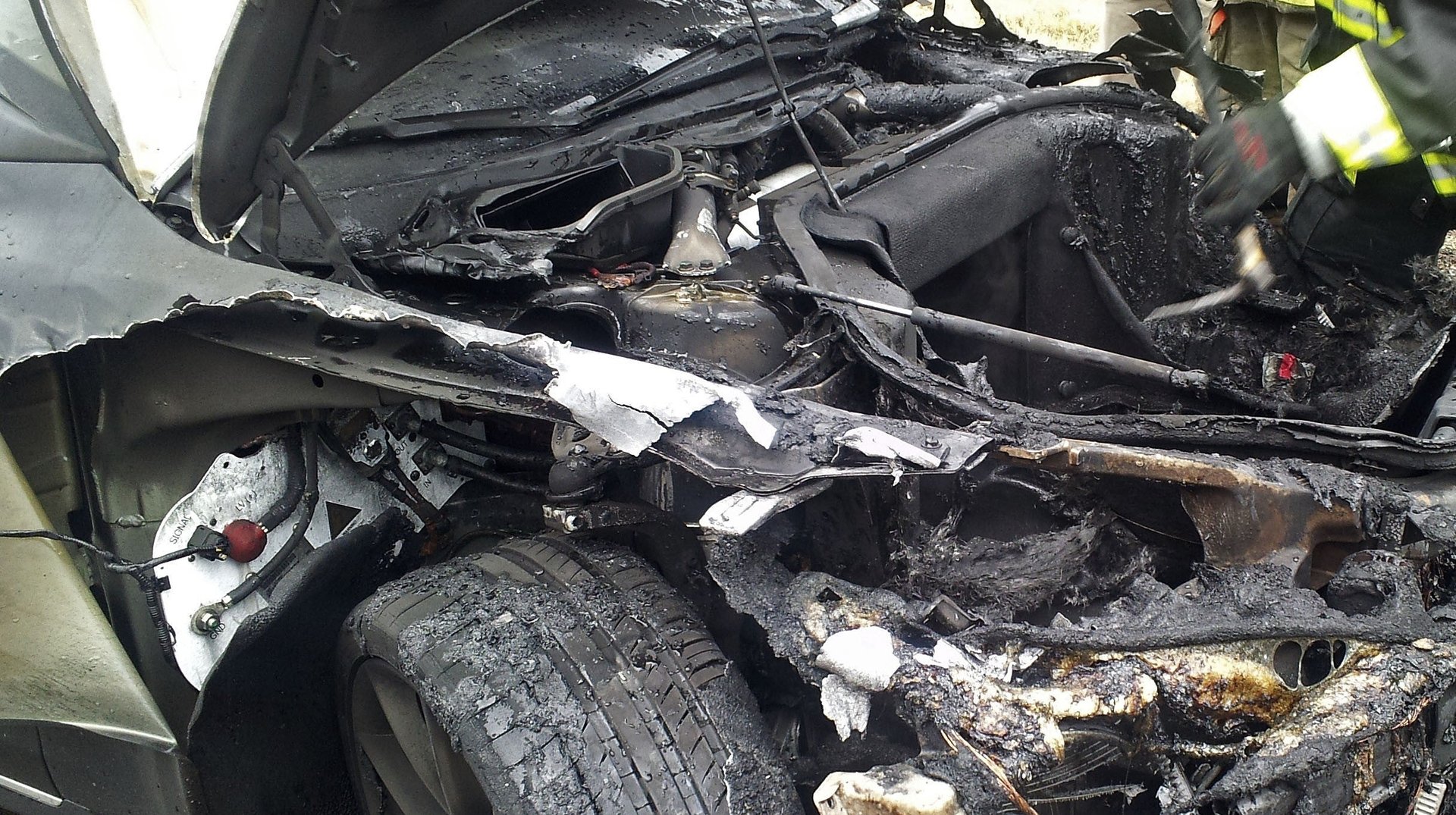
For Tesla Motors, the question is, what about the fire next time?
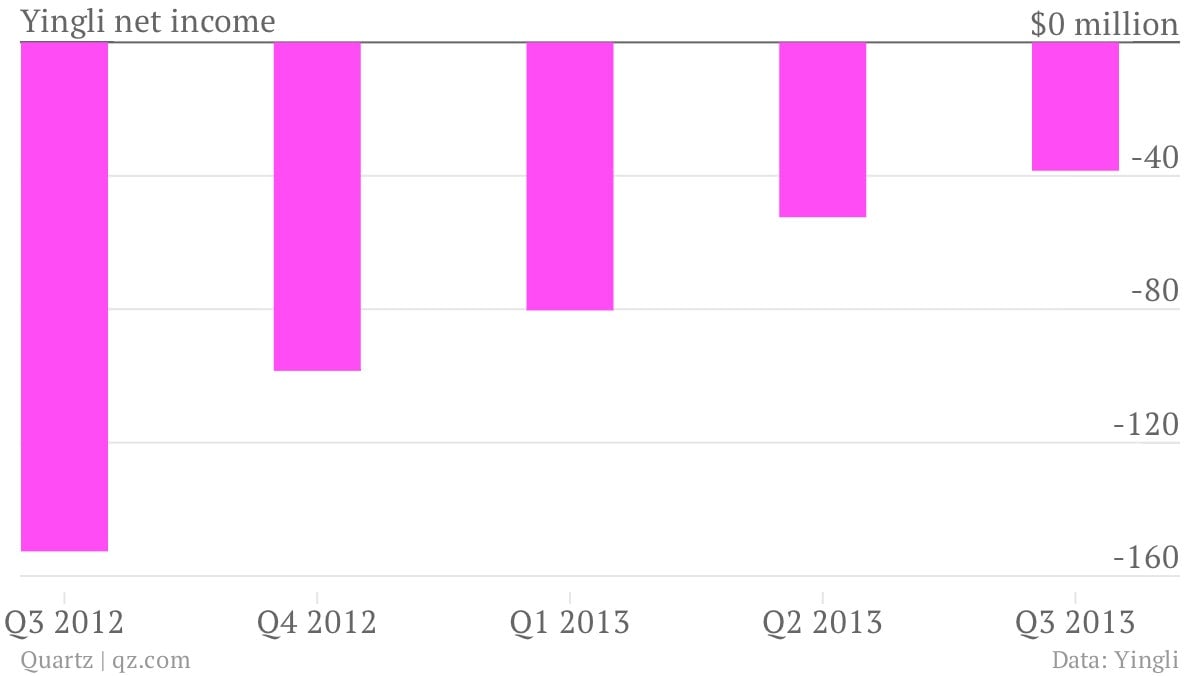
The numbers: Not bad considering that Chinese solar panel manufacturers have been losing huge amounts of money in recent years, as they deal with massive overcapacity while carrying billions of dollars on debt on their books. As the world’s largest photovoltaic module maker, Yingli is a bellwether for the industry. The company is still losing money but reported that net losses have fallen sharply over the past year, from $152 million in the third quarter of 2012 to $39 million in the third quarter of this year.

Australia just experienced its hottest October on record and 2013 is set to be the hottest year ever, according to a new report issued as the country recovers from devastating bush fires scientists have linked to climate change. That’s sure to stoke the controversy over reports that new Prime Minister Tony Abbott’s will fire nearly a quarter of the scientists that work for Australia’s leading government research organization.
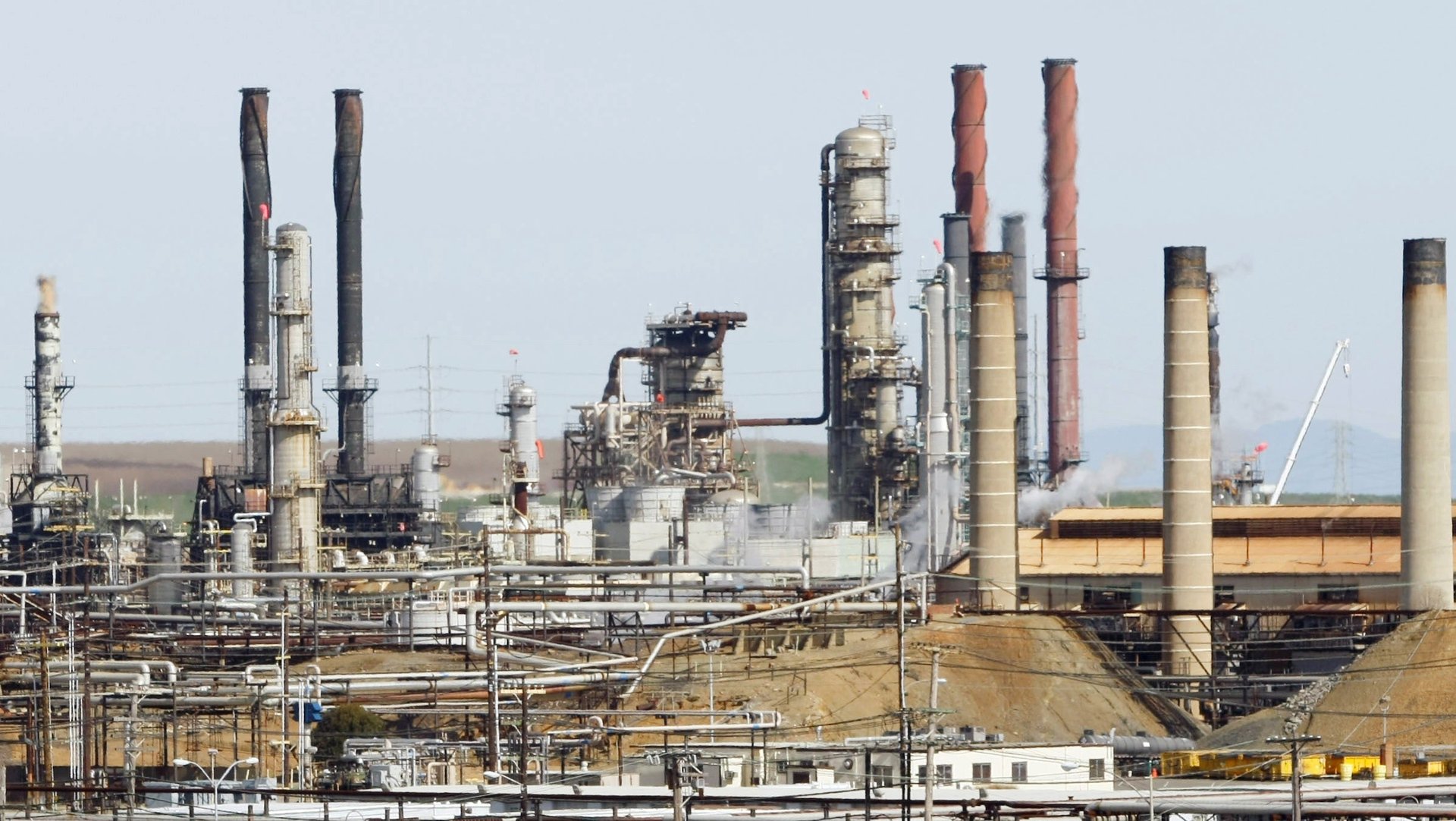
As global leaders gather in Warsaw next week for the biannual exercise in dithering about climate change, San Francisco Bay Area regulators this week quietly took a potentially far-reaching step to radically slash carbon emissions that could serve as a model elsewhere.
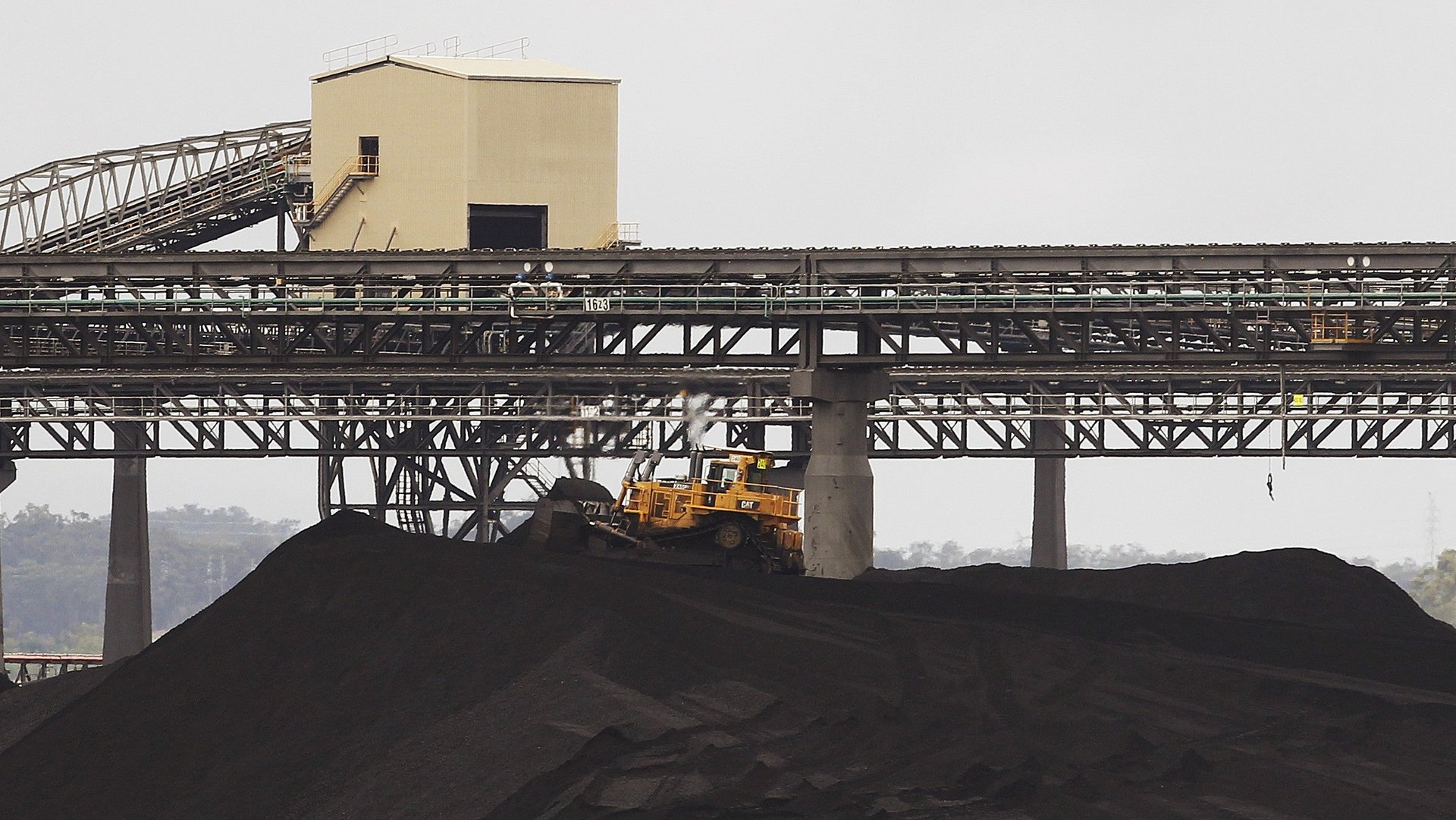
Climate-change debates often focus on how to cut the carbon spew of particular countries—China and the US above all. But another way to do such carbon accounting is to look at individual fossil-fuel projects. All it takes is single massive coal mine to outstrip the CO2 emissions of many countries.
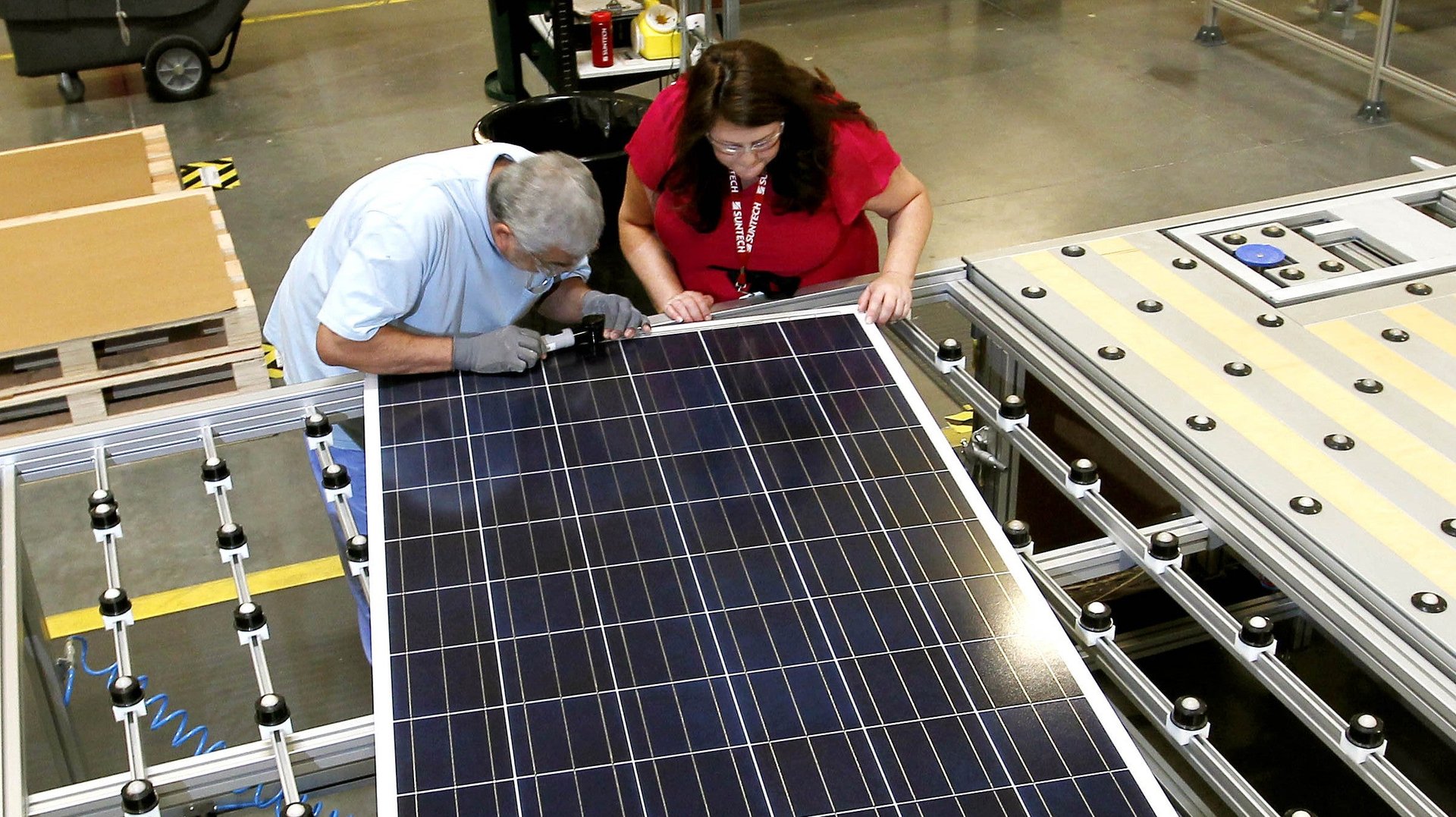
Suntech, one of China’s best-known global brands, is abandoning the technology that once made it the world’s largest solar manufacturer.
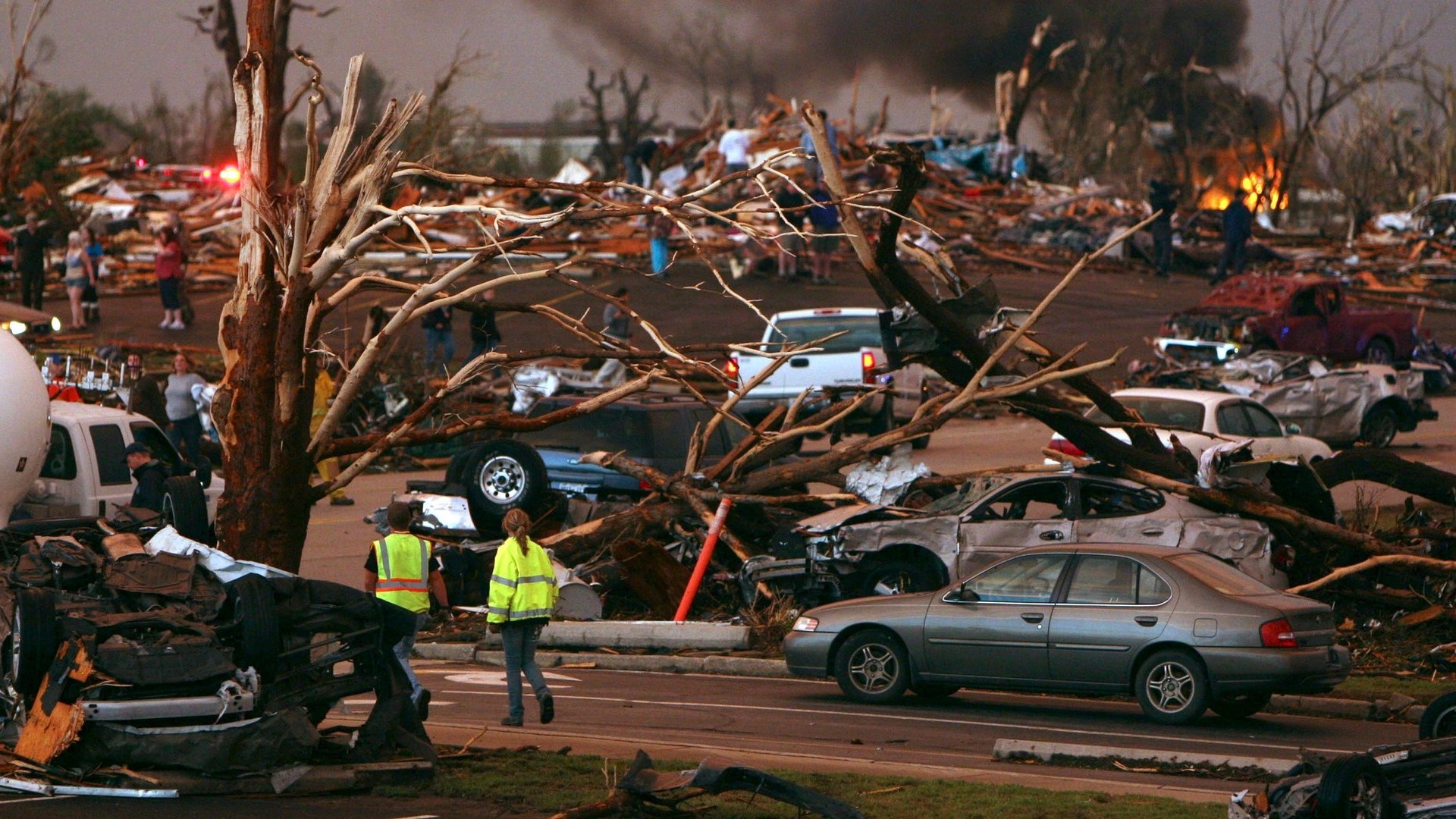
For climate change optimists, California is indeed the golden state when it comes to aggressive policies designed to avoid catastrophic climate change. But as a new report makes depressingly clear, even Ecotopia will fall far short of hitting a target of reducing greenhouse gas emissions 80% by 2050 without the invention of new technologies and imposition of more draconian green mandates.

The crowd of protestors thronging the sidewalks of Chinese automaker BYD’s Los Angeles headquarters last week wasn’t quite the welcome the company hoped for when it opened a factory in California to assemble electric buses for local transit agencies. As we’ve written, BYD hopes to use its battery-powered bus to build its brand in the US so it can break into the American car market with an electric sports utility vehicle called the e6.
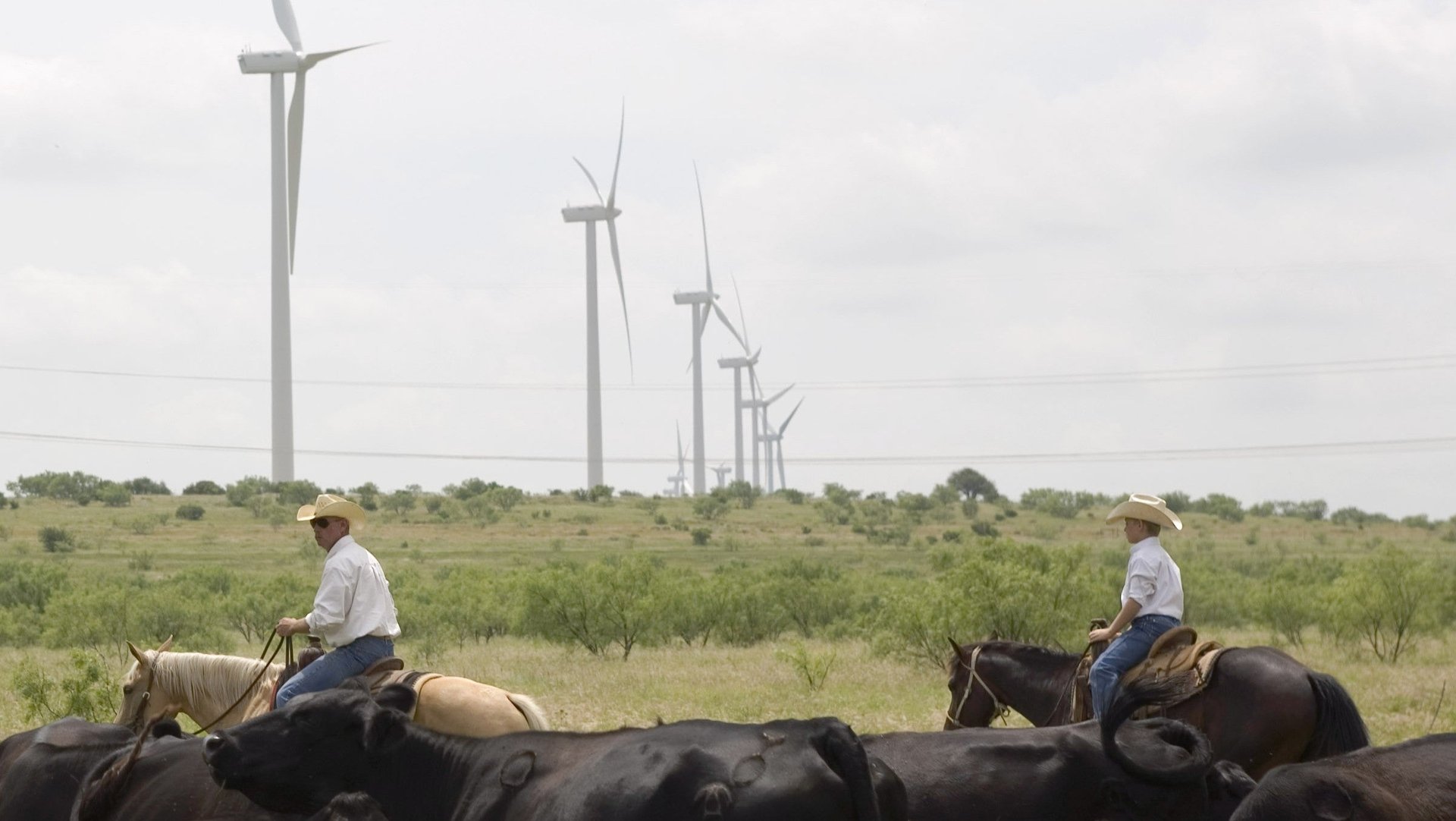
Google and Microsoft aren’t just battling for supremacy in search engines, mobile phones and tablet computers. They’re competing to be the top tech do-gooder in renewable energy.

A quarter of the world’s food crops are now being grown in regions that are highly water-stressed, according to a report released yesterday by the nonprofit World Resources Institute (WRI). It gets worse: Half the planet’s irrigated cropland, which produce 40% of the global food supply, is located in areas facing severe water shortages as climate change exacerbates drought.
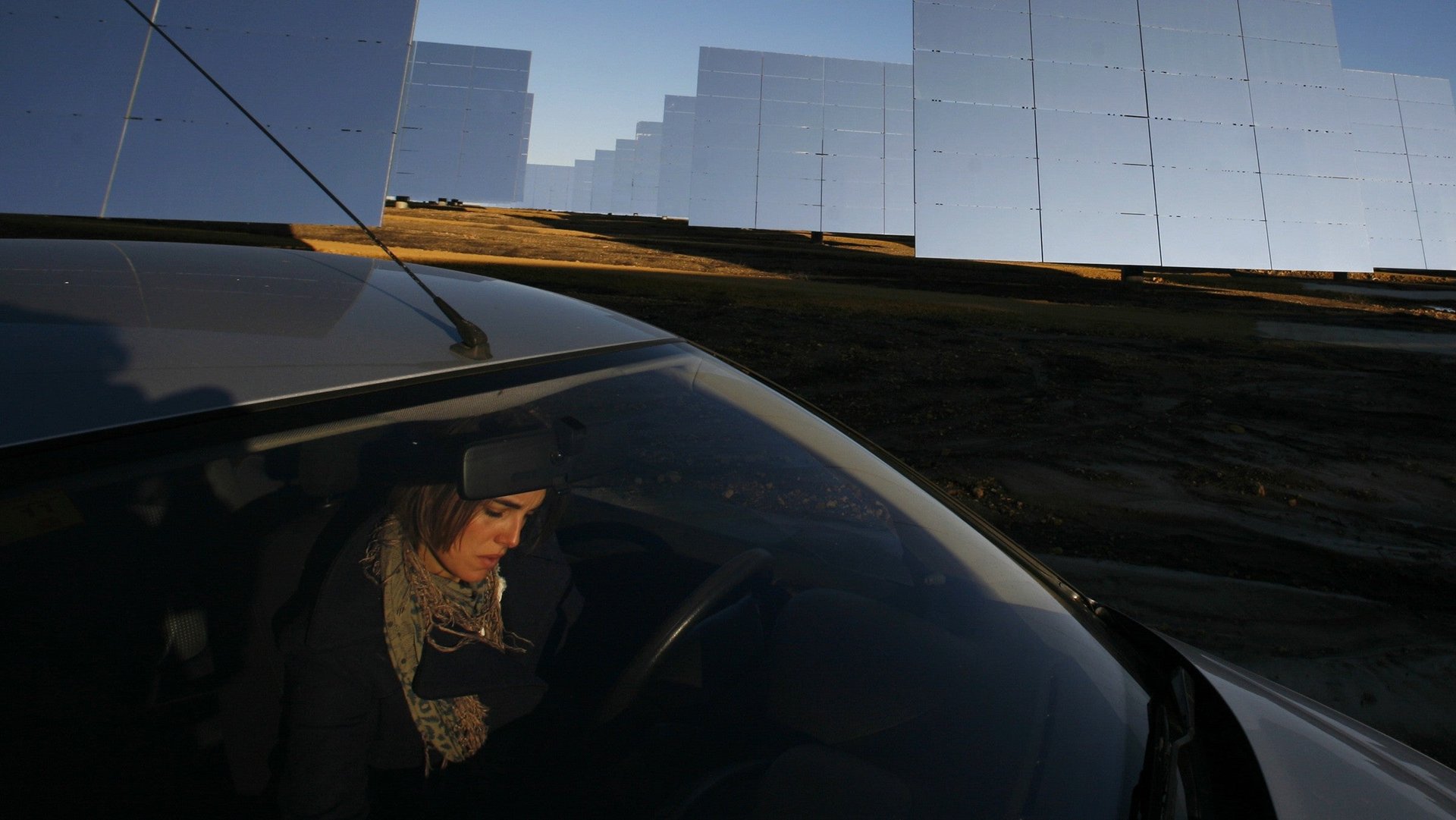
After years of slumping profits and a global glut of photovoltaic panels, solar companies are beginning to expand production again. SunPower said yesterday that it will boost manufacturing by 25% by 2015 with the construction of an additional 350 megawatts (MW) of photovoltaic module capacity in the Philippines, bringing total annual capacity to 1,800 MW.
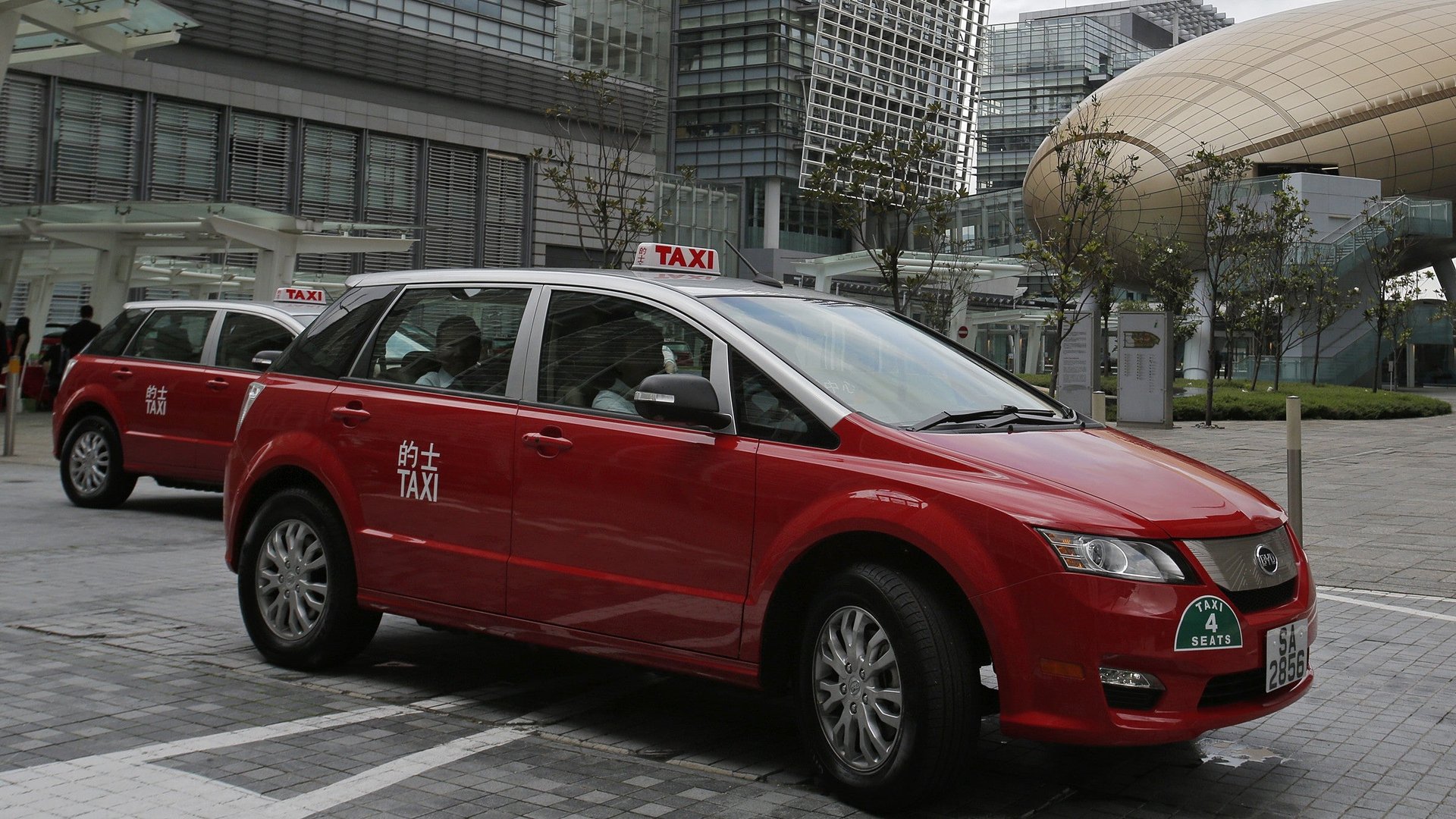
If you drive around Los Angeles you just might spot a silent-running sport utility vehicle sporting an unfamiliar automaker’s badge. The electric car can go nearly 200 miles on a charge, and at the touch of a button its battery will power your house if there’s a blackout. The manufacturer is not some Silicon Valley startup but BYD, the $30 billion Chinese conglomerate. It’s quietly entering the US market by placing small numbers of of the SUV, called the e6, in corporate fleets.
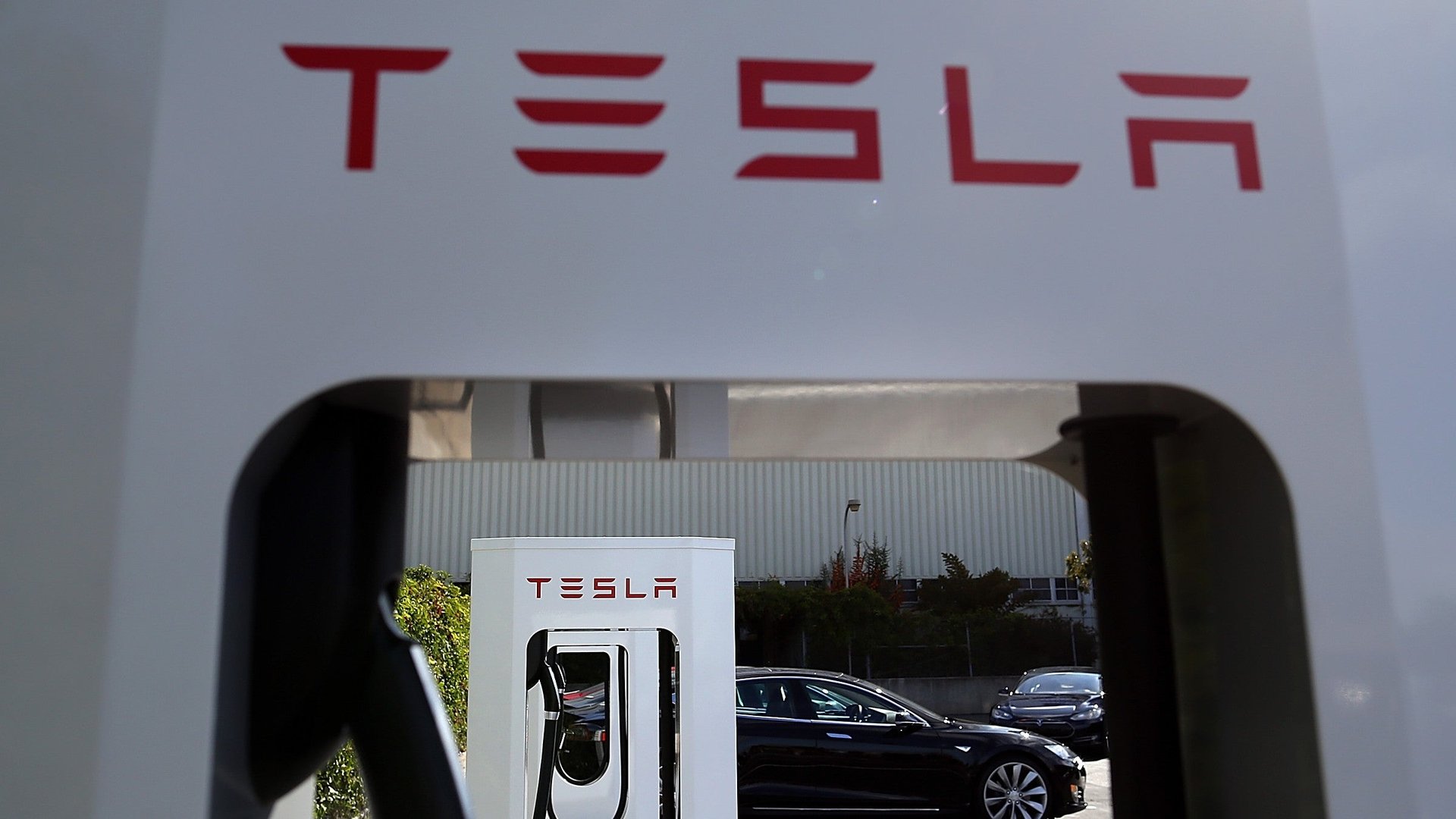
Yesterday we wrote about the emergence of a 21st century Ecotopia as California, Oregon, Washington State, and British Columbia signed a climate change pact to forge a Pacific coast economy powered by renewable energy and electric cars. As of this morning, you can now take a carbon-free, 1,750-mile (2,816 kilometers) road trip from one end of Ecotopia to the other, from San Diego to Vancouver for free.

In Ernest Callenbach’s 1975 novel Ecotopia, northern California, Oregon and Washington secede from a US in financial collapse to form an ecological superpower fueled by renewable energy and electric cars. Yesterday, California, Oregon and Washington, along with British Columbia, signed a pact to form an environmental alliance powered by renewable energy and electric cars. The future is now.
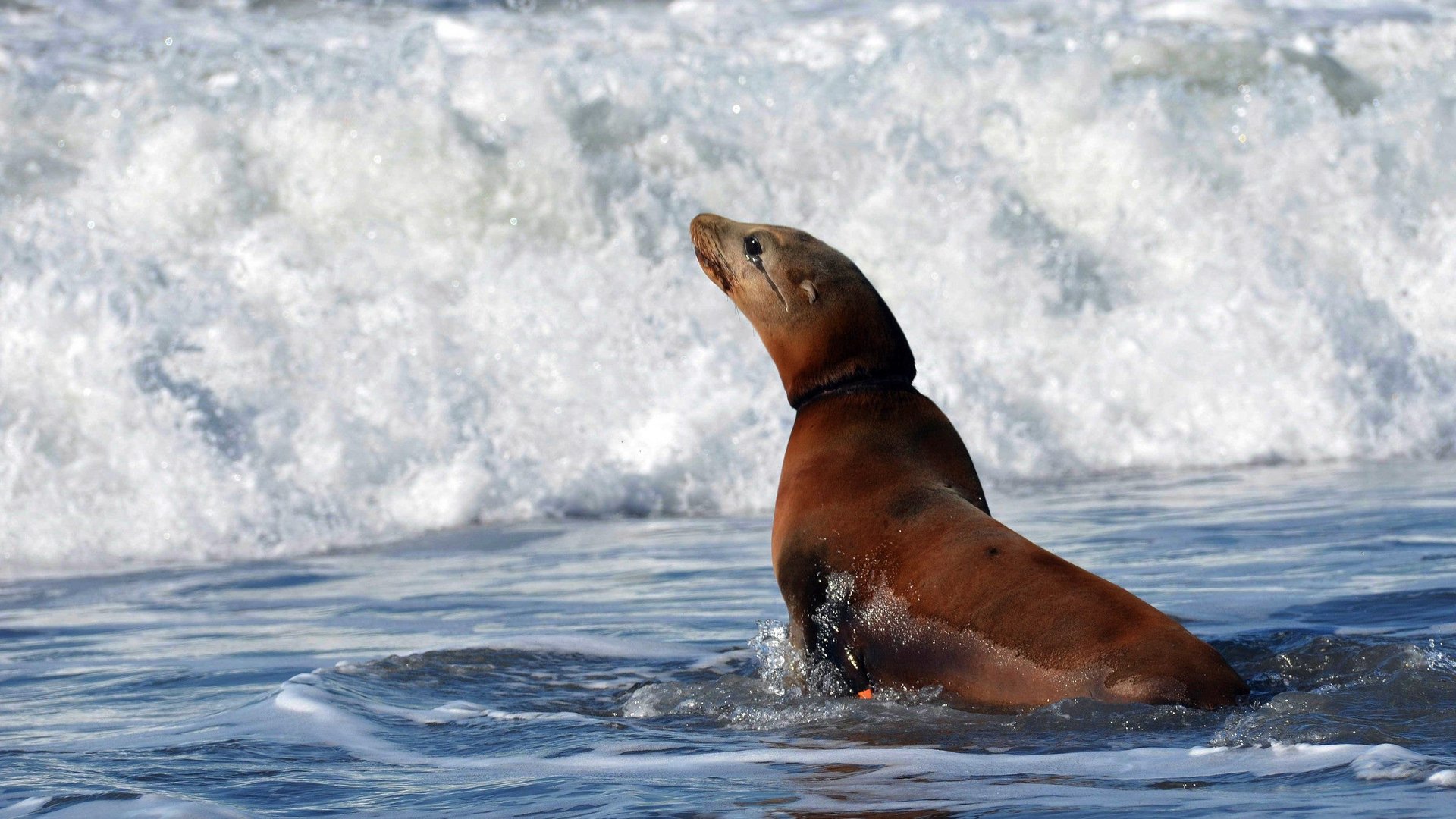
Remnants of your beauty products could be making their way into your gut via a rather circuitous route.
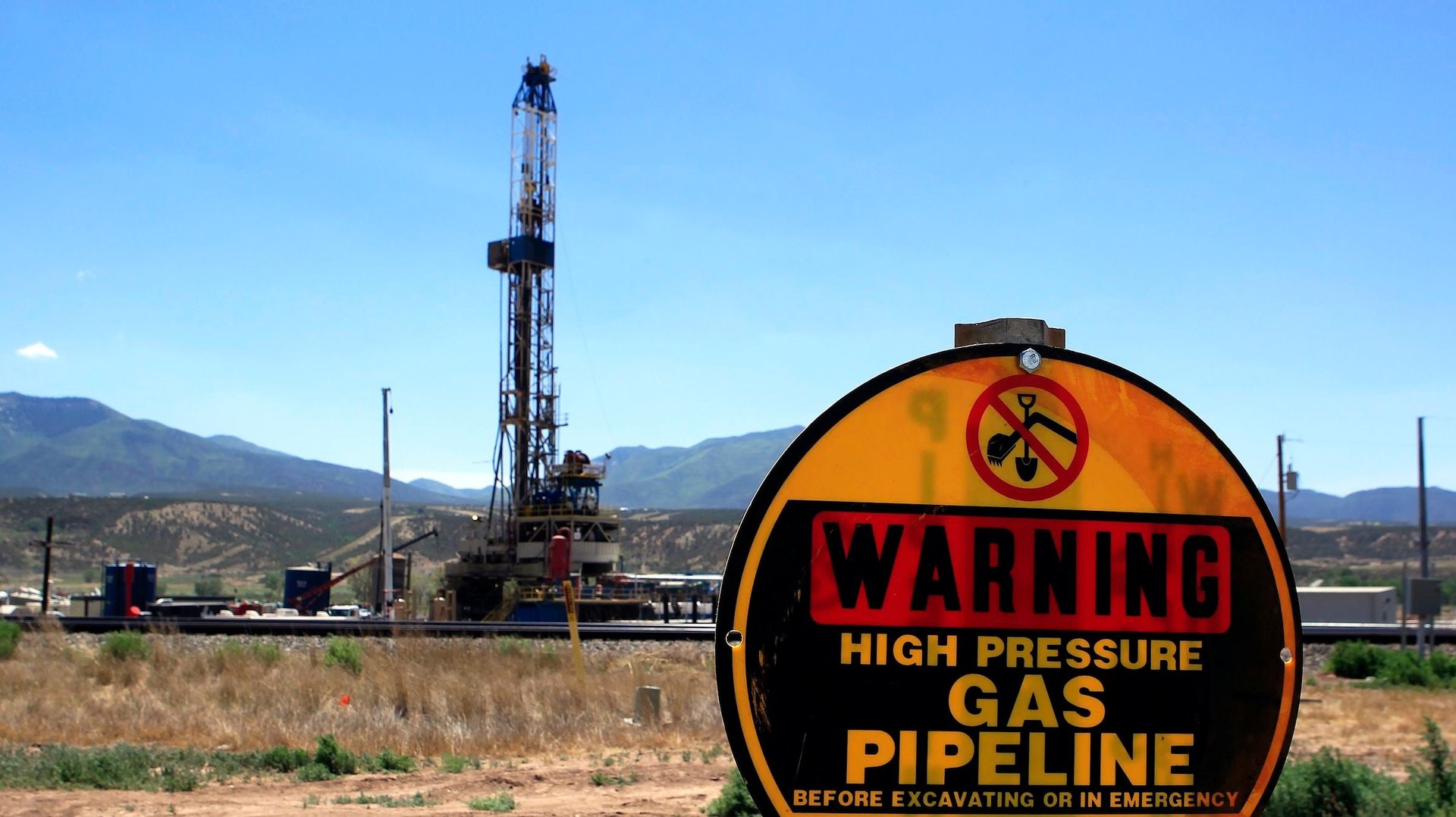
Estimating natural gas production in the US used to be pretty simple for government energy statisticians: They simply counted the number of drilling rigs. More rigs meant more natural gas. Not any more.
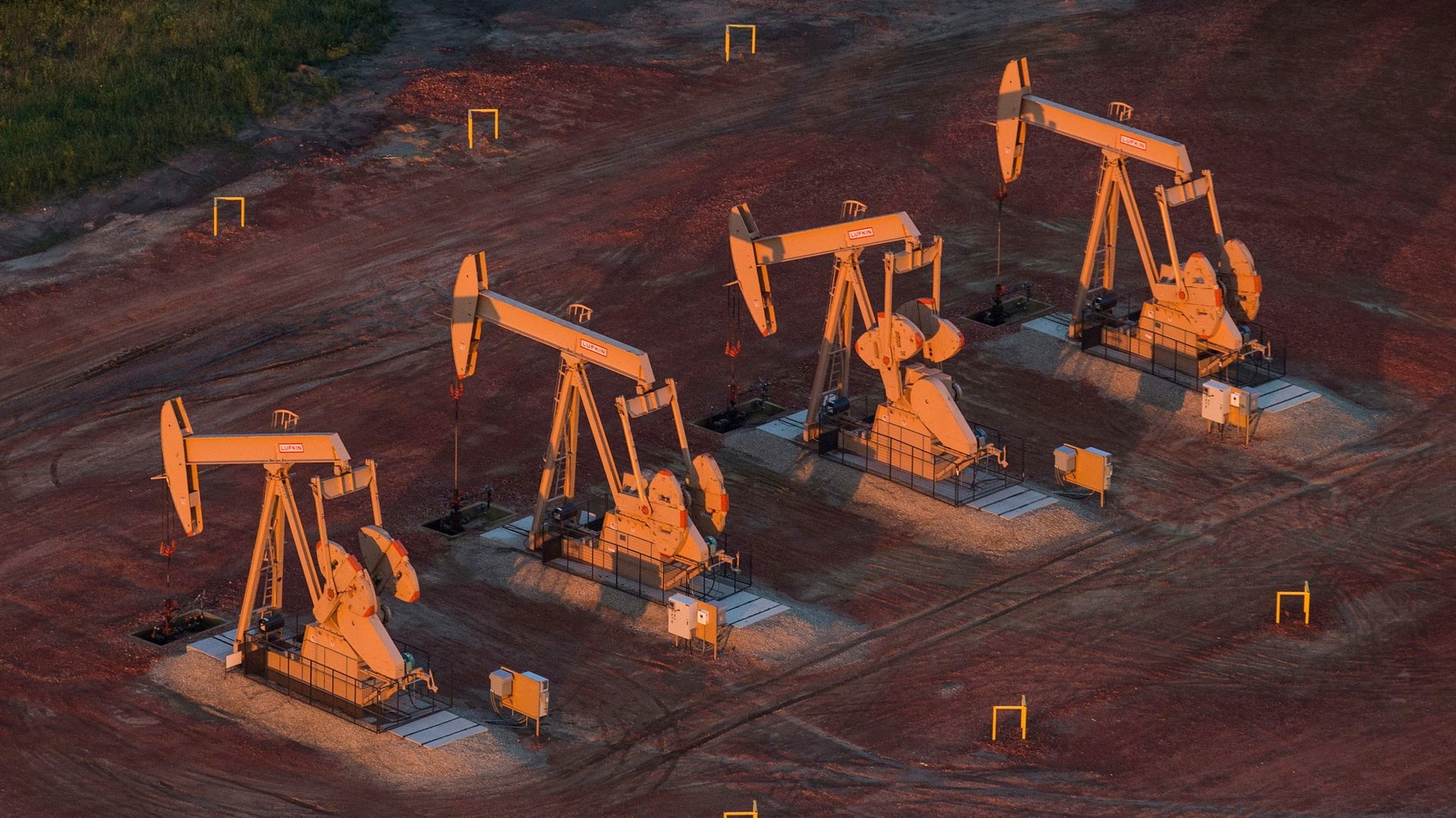
The International Energy Agency last year warned that if humanity is to have any hope of avoiding catastrophic climate change, a third of the world’s fossil fuel reserves must be put off limits until 2050. That prompted HSBC Global Research to estimate that some oil giants could lose up to half their market value. In other words, we’re talking about trillions of dollars in revenues going up in smoke if governments ever get their act together and issue a no-burn order.
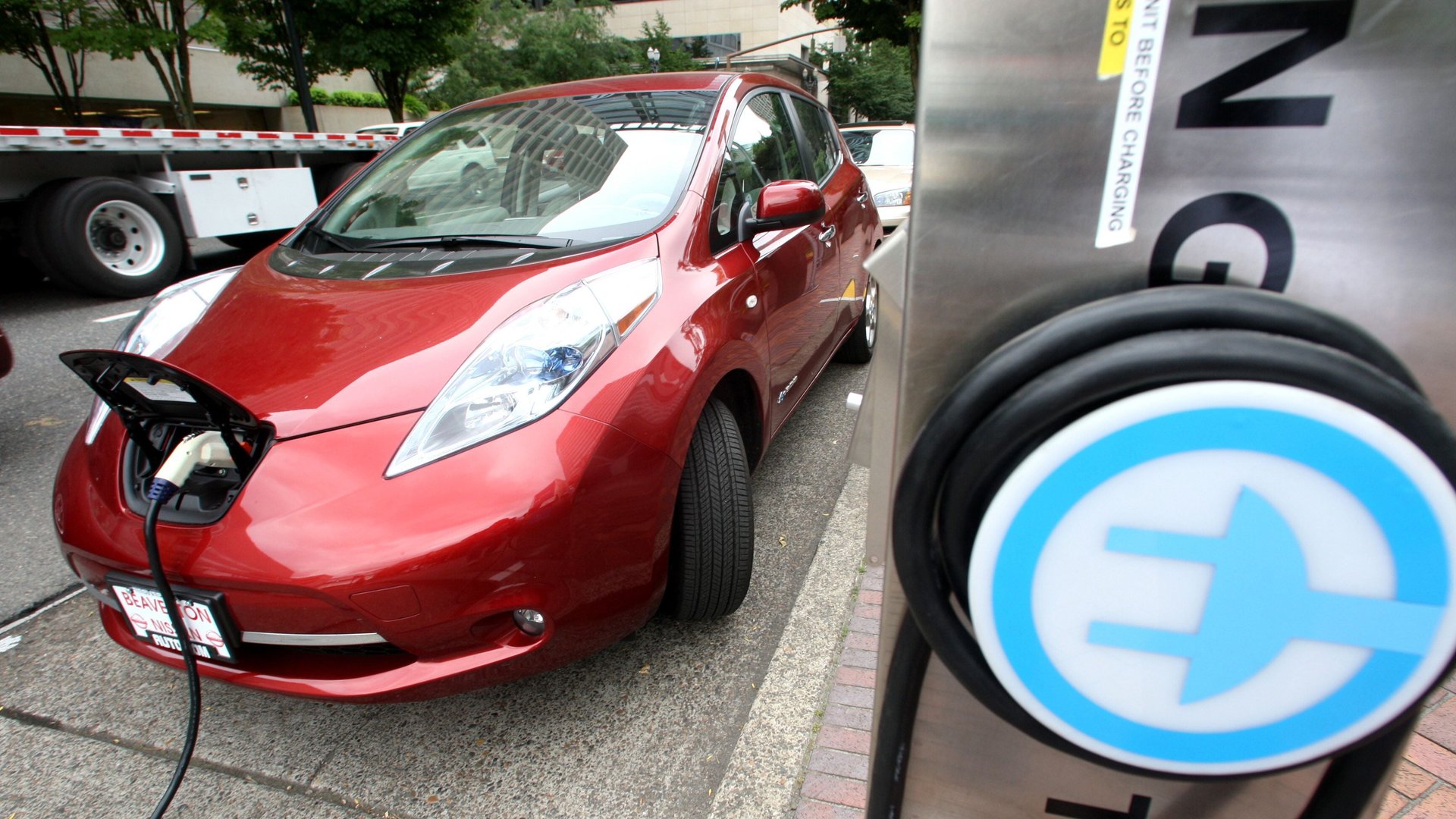
California, New York and six other US states announced yesterday they would collaborate to put 3.3 million electric cars on the road by 2025, by promoting the installation of charging stations and encouraging ownership of zero-emission vehicles. (Separately, the federal government has set a target of 1 million electric cars by 2015.)

When Brazilian airline GOL announced a deal yesterday to buy aviation biofuel from California company Amyris, it was just the latest move by the South American country to green up its aviation industry. And that, by default, could make flying more sustainable for everyone as Brazil helps jumpstart the nascent market for green jet fuel.
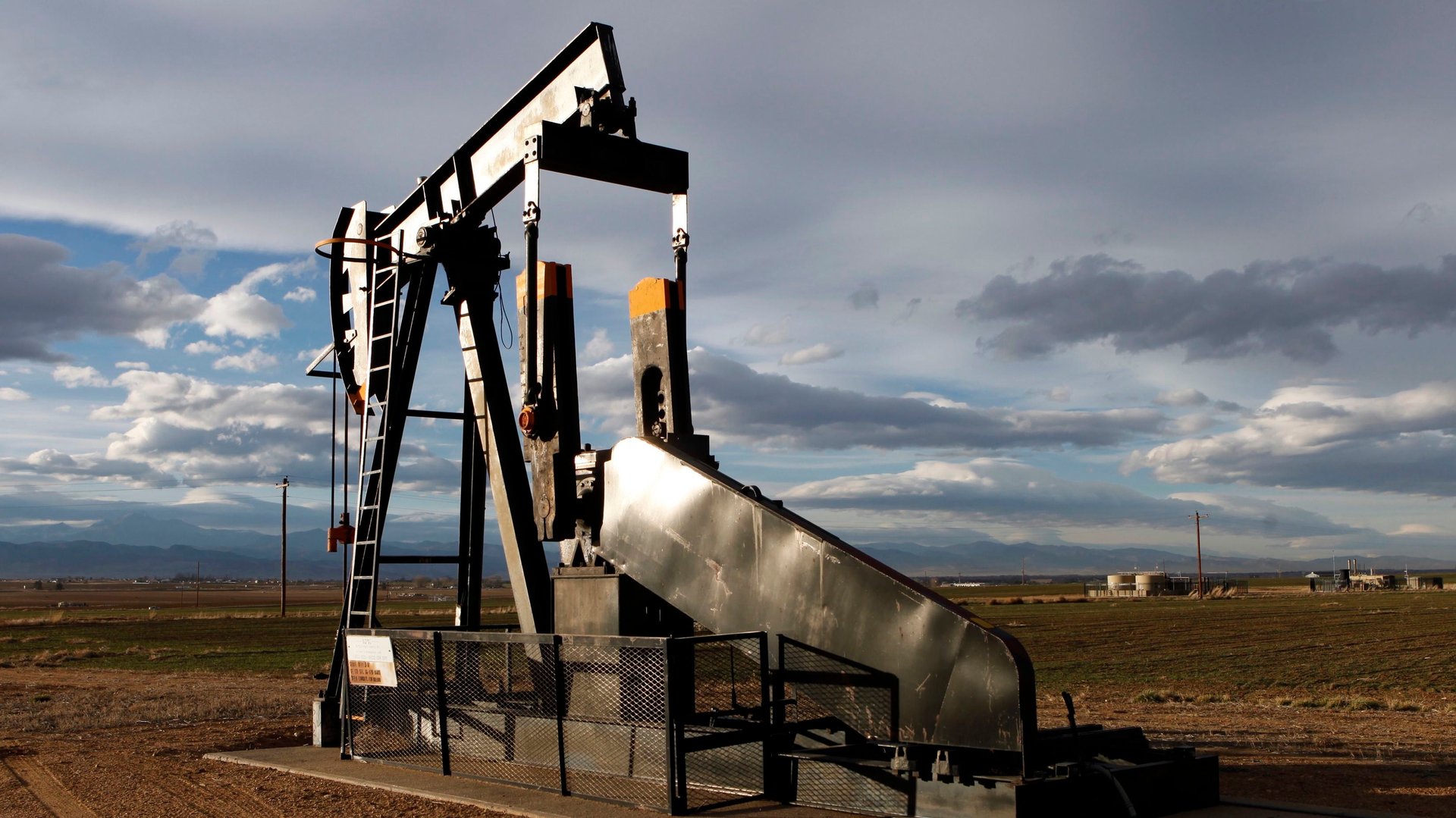
More evidence that the US shale gas boom is changing the nation’s energy landscape: Shale gas accounted for 39% of total natural gas production in 2012, according to statistics released today by the US Energy Information Administration (EIA).