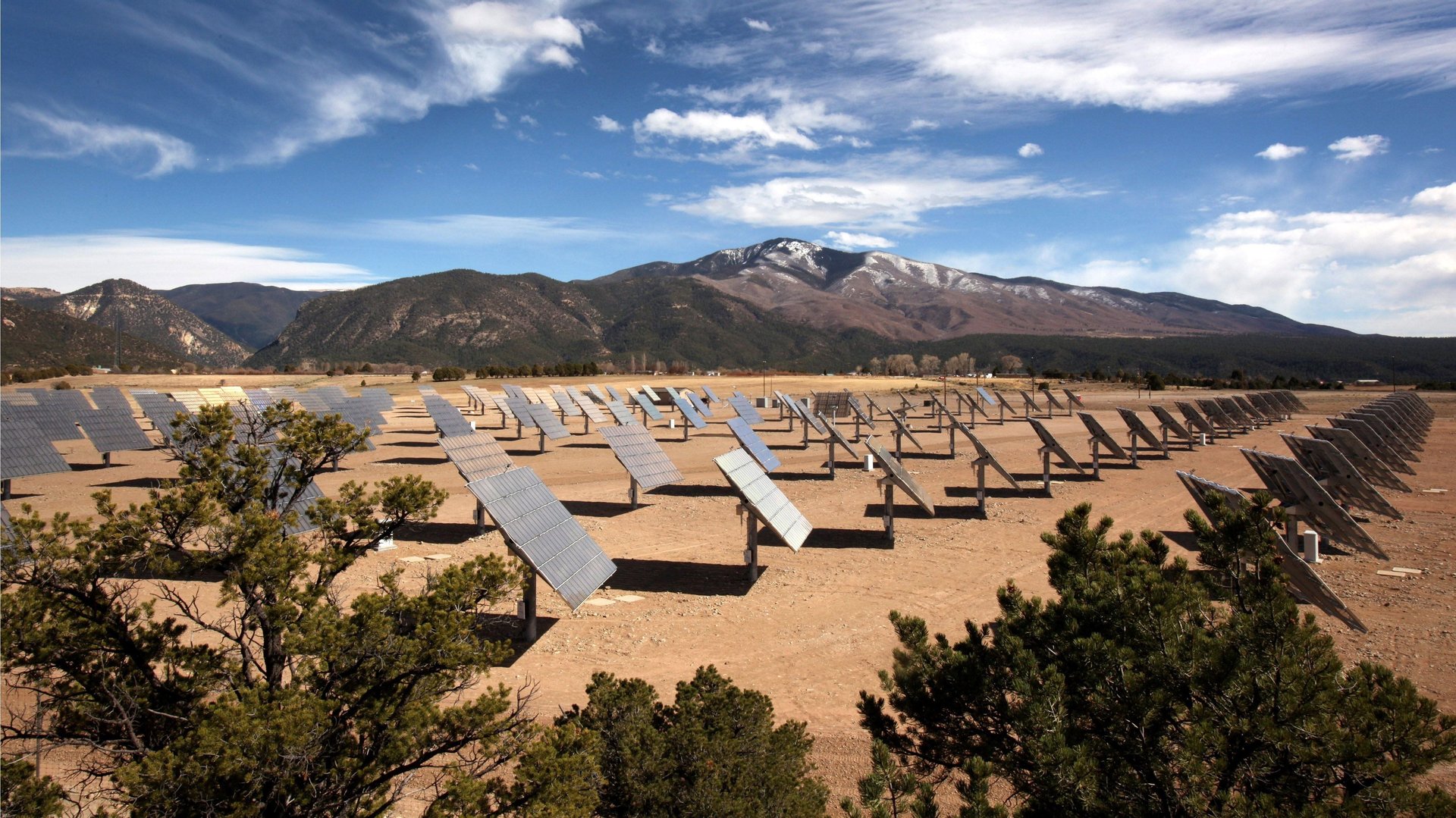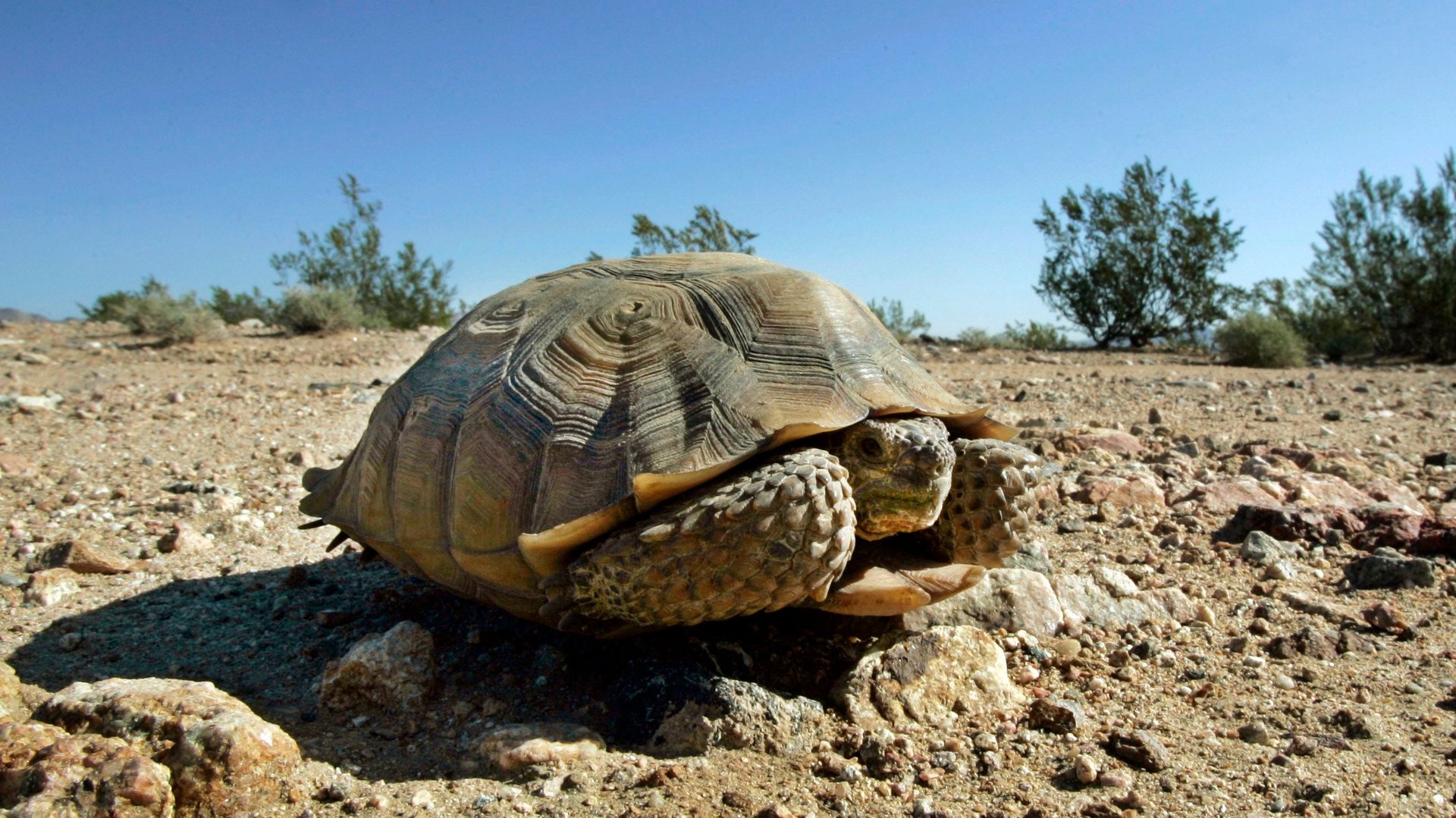
It’s an unfortunate tradeoff for staunch environmentalists: Building giant solar power plants in the desert could save the desert tortoise from climate change but also risk bulldozing them into oblivion during construction of the projects.

It’s an unfortunate tradeoff for staunch environmentalists: Building giant solar power plants in the desert could save the desert tortoise from climate change but also risk bulldozing them into oblivion during construction of the projects.

The US economy was both green and growing in 2012 as energy-related carbon dioxide emissions dropped 3.8% even as the gross domestic product (GDP) jumped 2.8%. That’s the largest decline in emissions since 1994 and the first time the nation’s carbon spew has fallen when per capita economic output increased by more than 2%. Most significantly, 2012 marked the biggest drop in the carbon intensity of the economy—6.5%—since record-keeping began in 1949, according to the US Energy Information Administration (EIA).

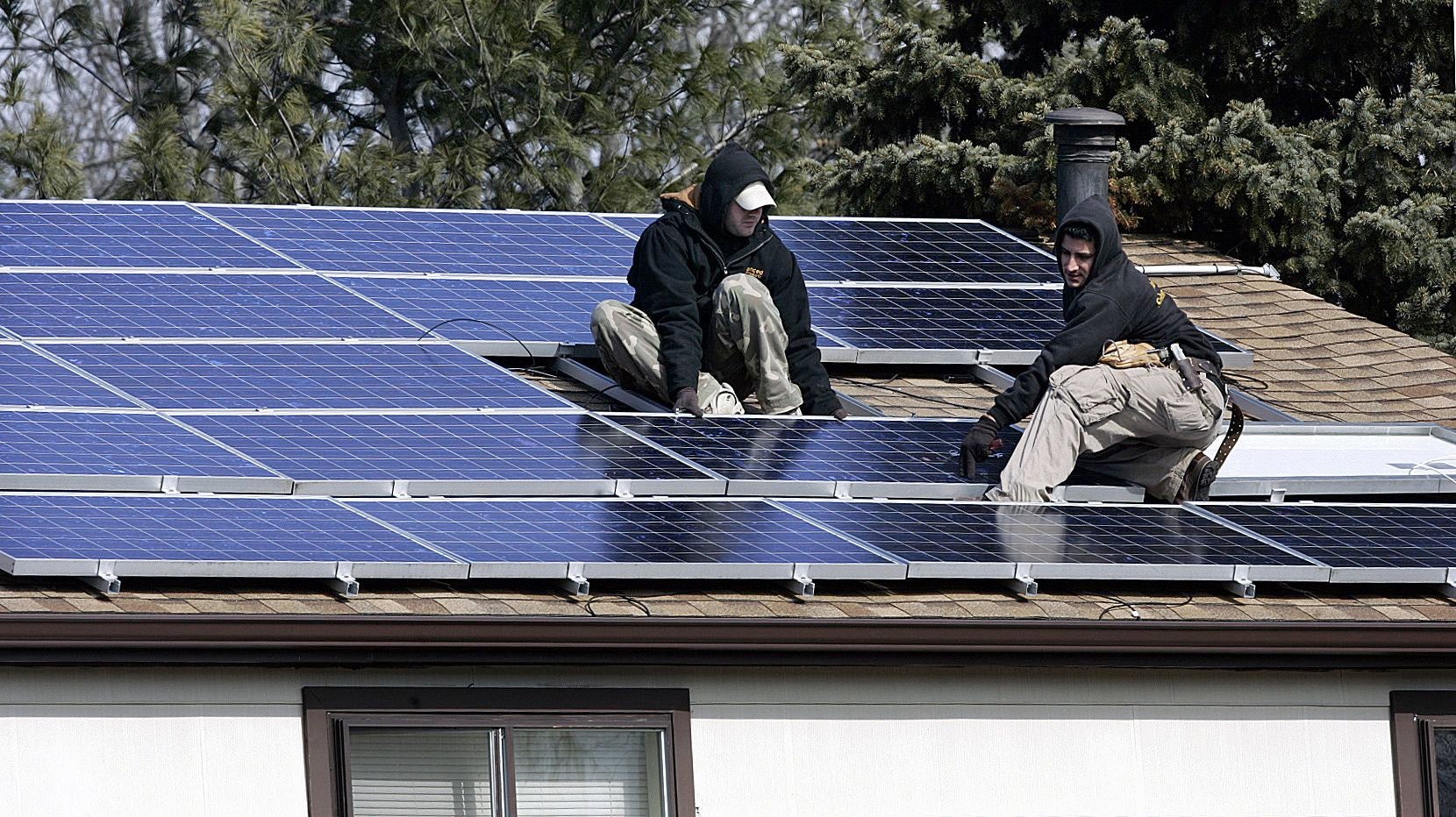
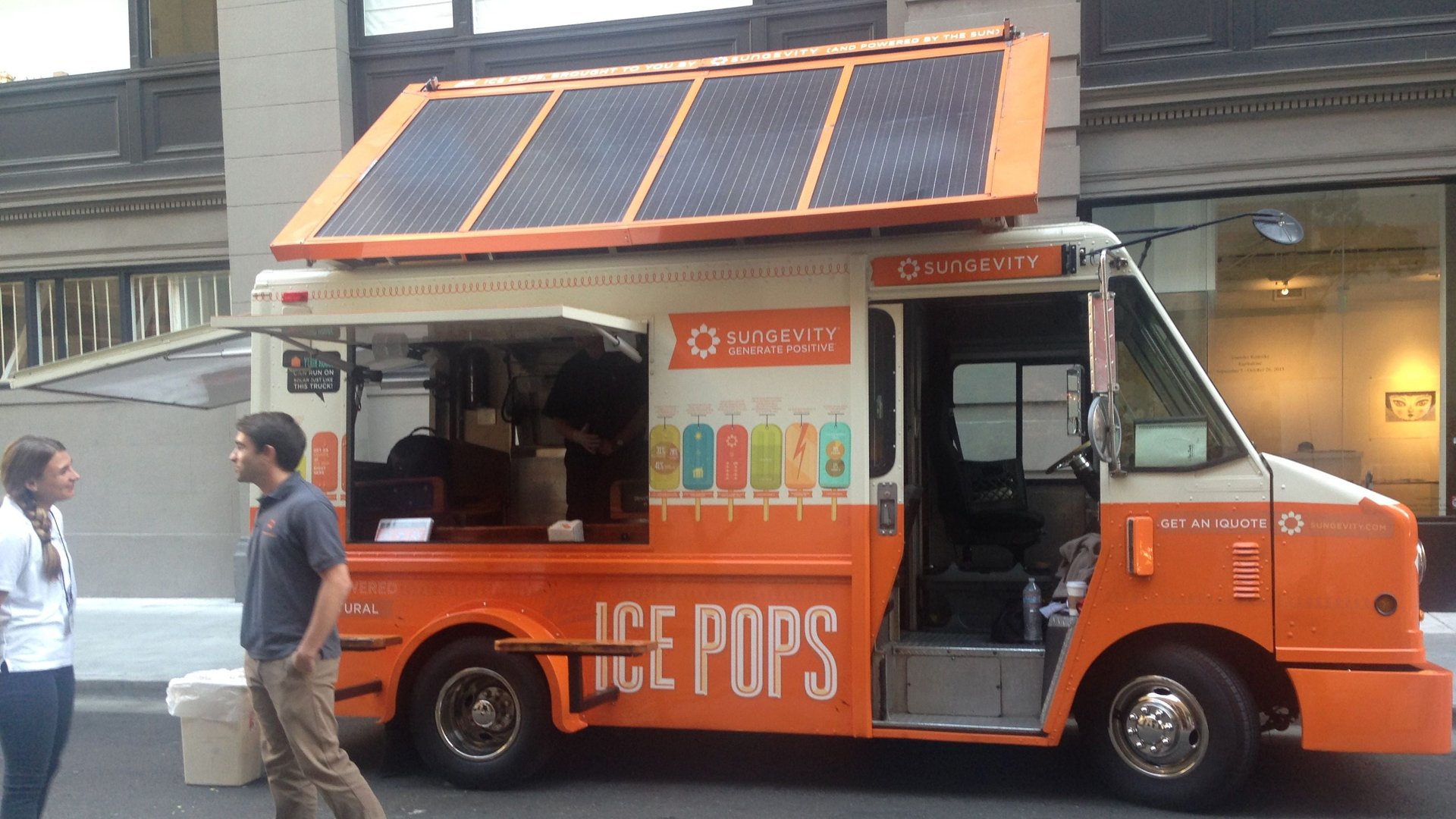
American utility executives worry that the solar boom will cost them revenue as homeowners generate their own electricity. Some have depicted solar enthusiasts as green elites who will saddle their less wealthy neighbors with higher energy costs as rates are raised to maintain the power grid.

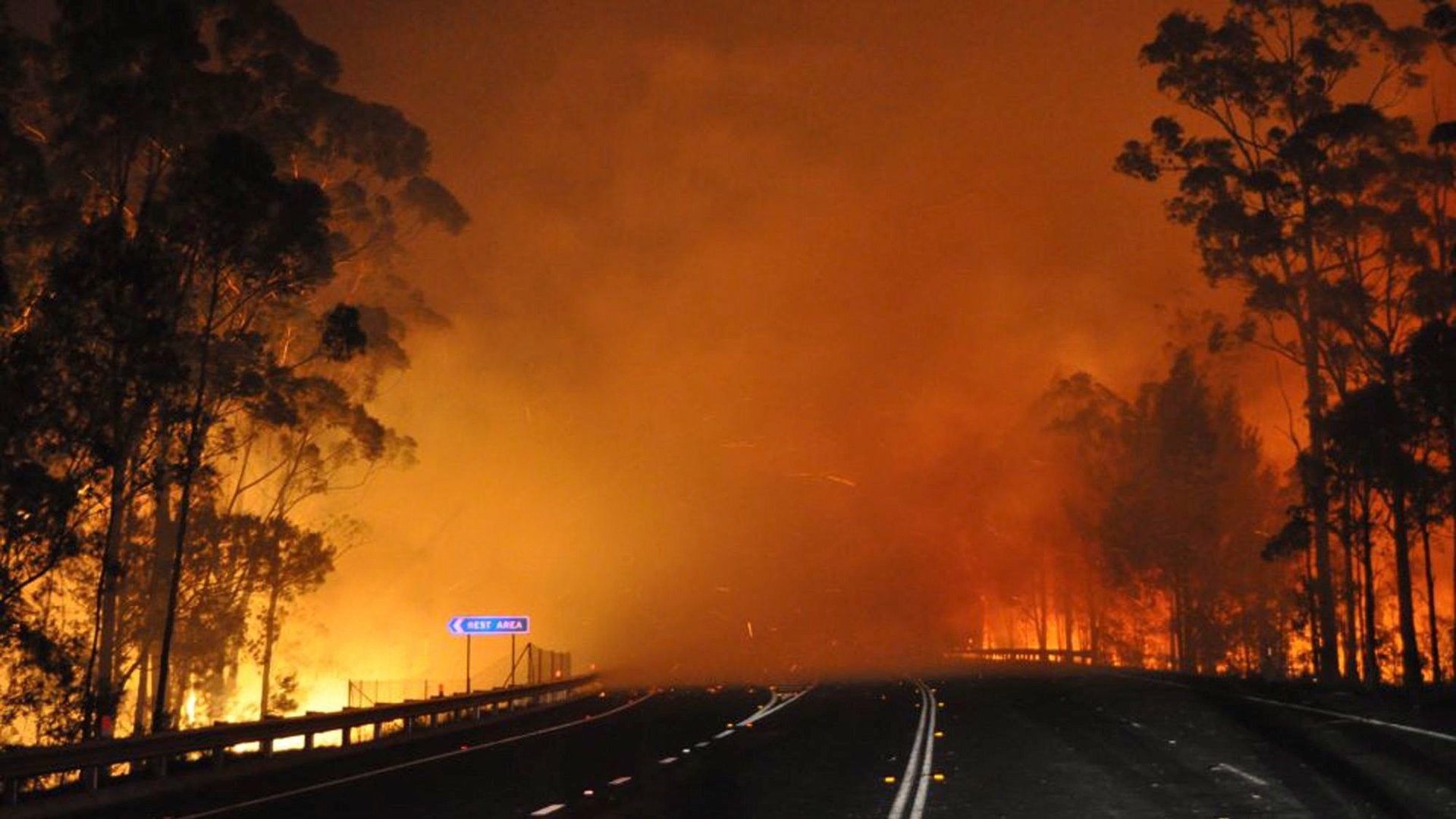
As Australia’s worst bush fires in a half-century threaten to merge into a mega-fire and march on Sydney, new conservative prime minister Tony Abbott’s plans to scrap the country’s carbon tax face growing opposition.

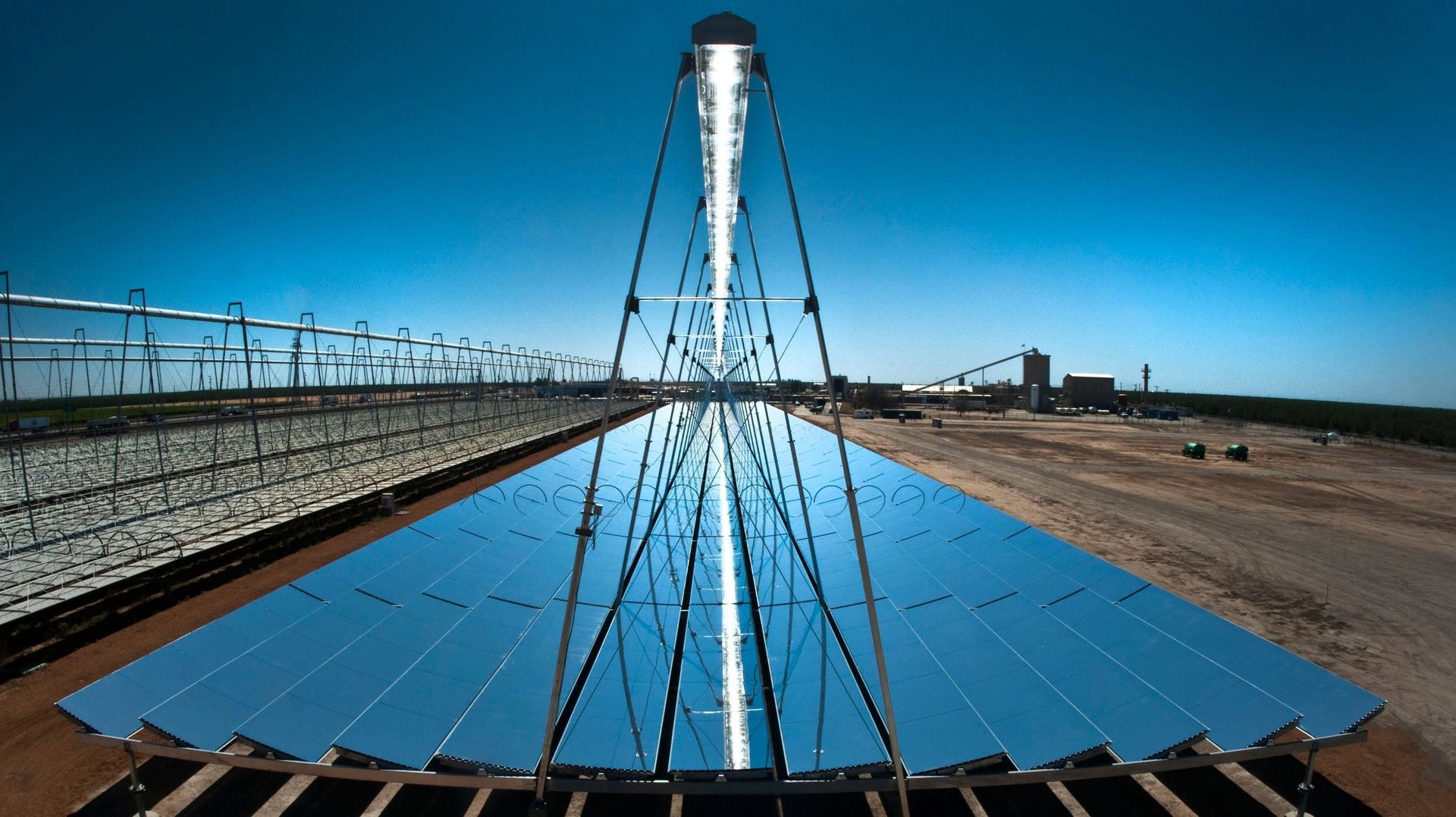
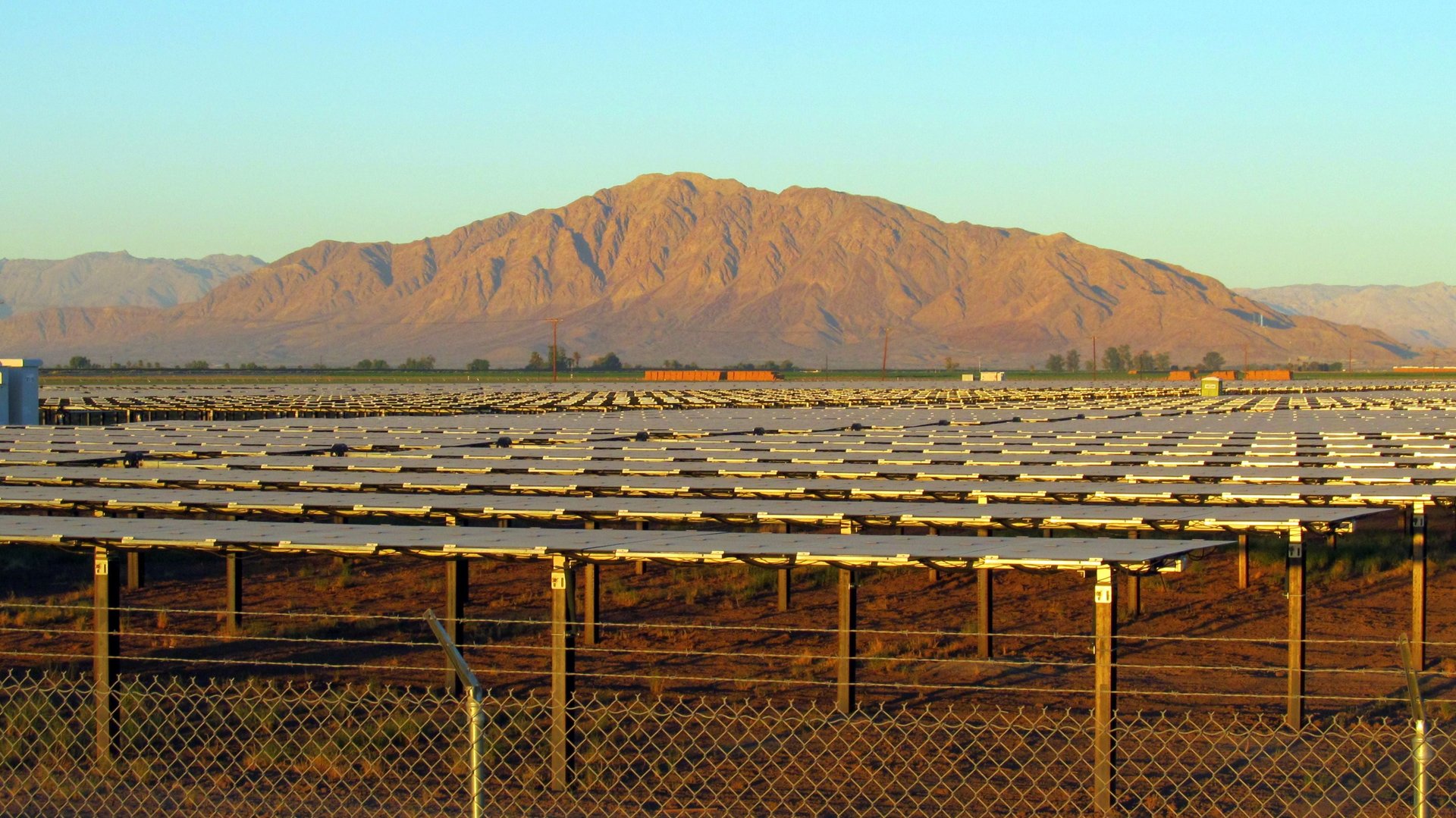
Don’t write Big Solar off yet. With the plunge in photovoltaic panel prices, US utilities that once enthusiastically signed deals for massive solar power plants to be built in the desert began to favor small installations deployed near cities that don’t require the construction of multi-billion-dollar new transmission lines. But a new report shows that so-called utility-scale solar—which supplies more than 10 megawatts (MW) of electricity from a central power plant—hit a new record in the third quarter of 2013.

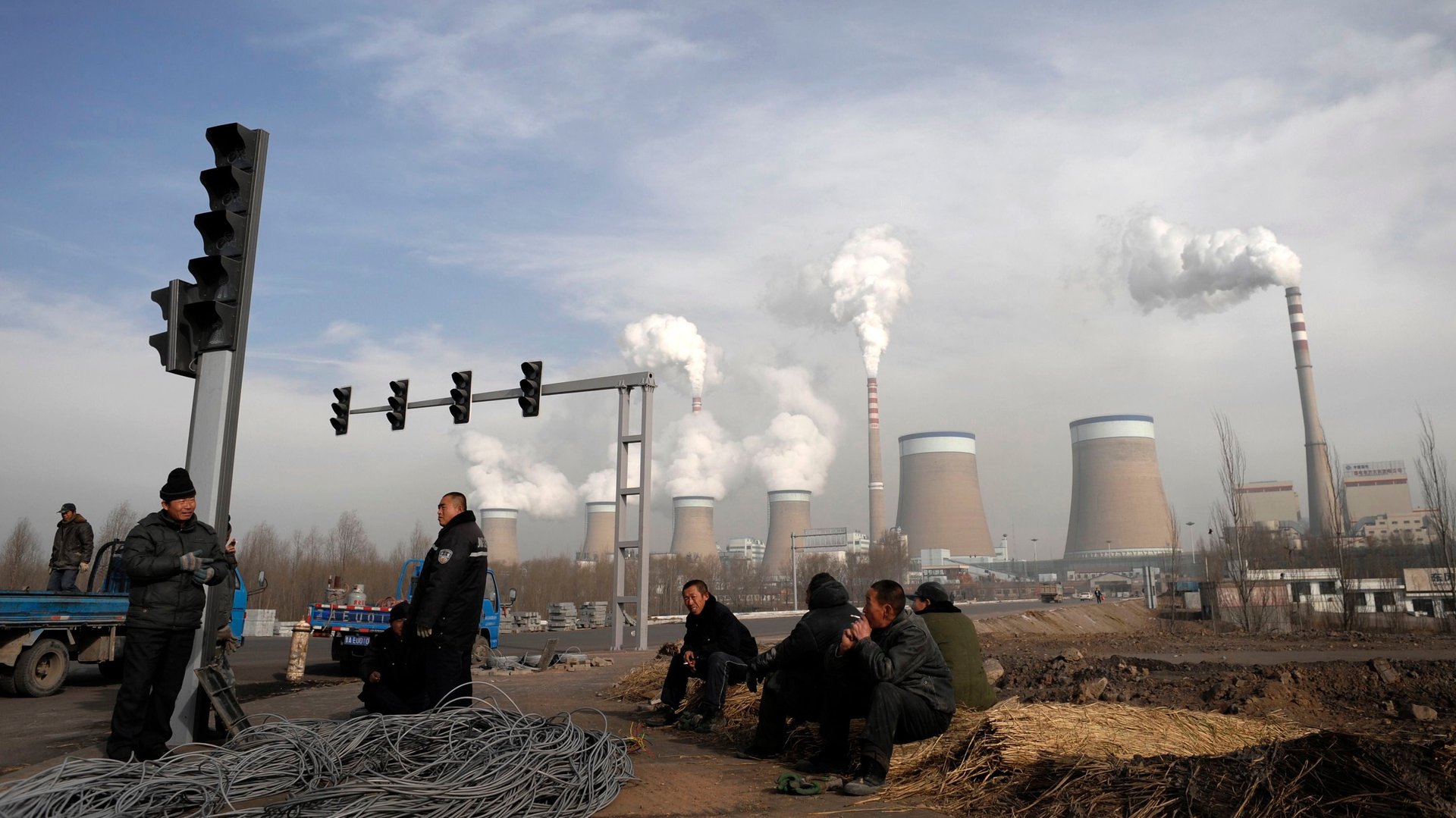
It has not been a good time to own a carbon-spewing power plant in California and today it just got worse. Regulators have approved a first-in-the-nation rule requiring the state’s three big utilities to obtain technology to store 1,325 megawatts (MW) of electricity from wind, solar and other renewable but intermittent sources of energy by 2020.

With the Australian state of New South Wales aflame with the worst bushfires since 2001, scientists are preparing to launch a smartphone and tablet app to help firefighters predict in real time how, where and when a conflagration will spread.

Attention US utility executives: You have a decade at most before the boom in renewable energy makes your century-old business model as relevant as a rotary telephone. In the time it takes to get a transmission line built in California, solar energy production and other new technologies could render obsolete the monopoly business of selling electricity at a fixed price for a fixed profit to a captive audience of consumers.

The news on the green technology front has not been good of late. As we wrote yesterday, funding for new technologies has been declining sharply. But there’s one bright spot for clean energy startups: solar power.

Global investment in clean energy is falling off a cliff, according to a report released today, just as carbon emissions are predicted to skyrocket.

How hard will it be to avoid catastrophic climate change? Really hard if a new report from the Asian Development Bank is any indication.

We’ve written before about how big corporations have become increasingly important to financing green technology startups—on Oct. 10 for example, Google announced it was investing $103 million in a big solar power plant in California.

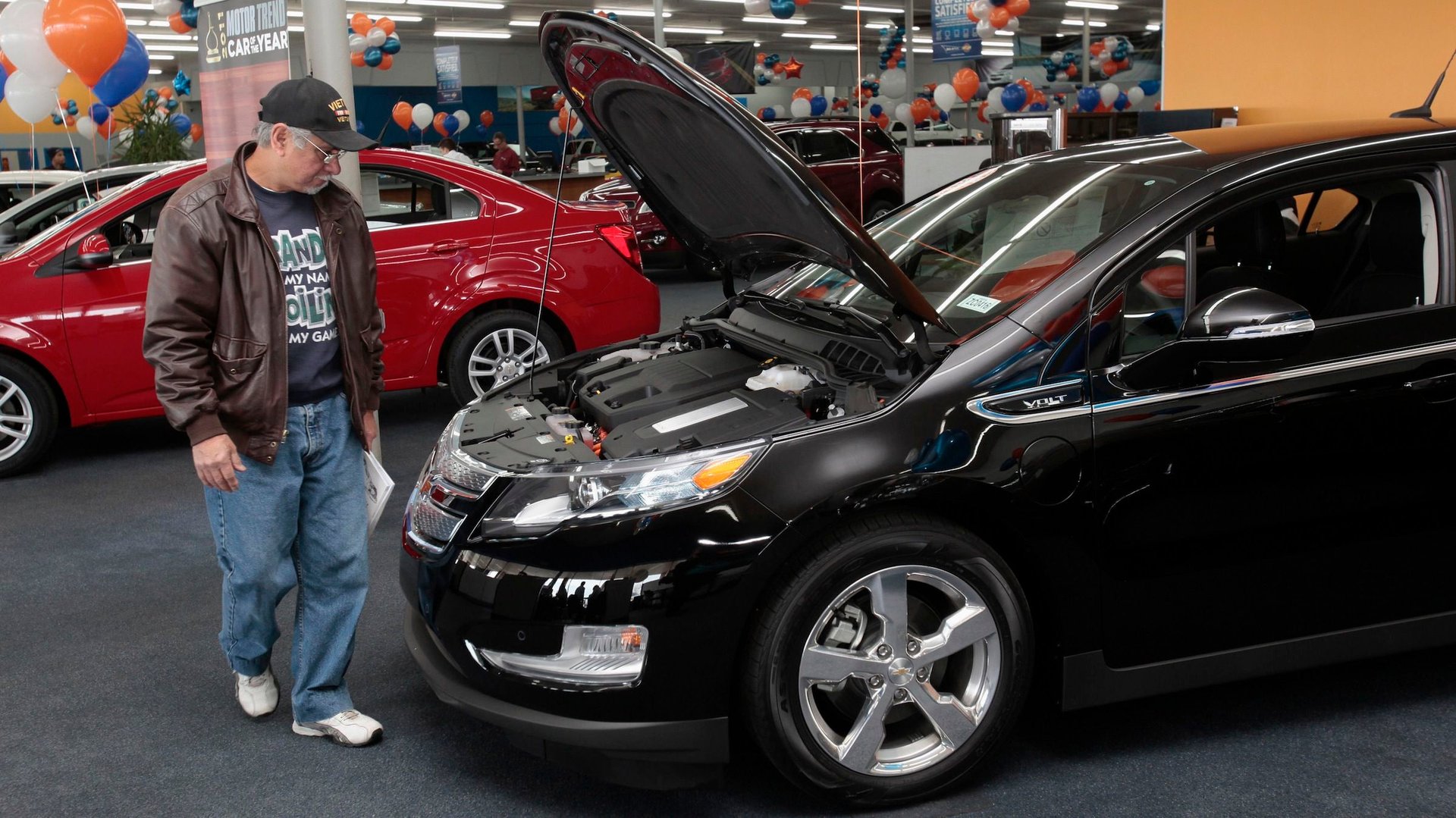
Attention automakers: You’re doing it all wrong when selling your hybrid cars. Those Toyota commercials featuring R&B singer Raphael Saadiq and hipsters grooving in a Prius V? Not your market. At least yet.

As we’ve written, Google is becoming a de facto utility as it signs contracts to buy massive amounts of electricity from wind farms built near its big data centers. But the search giant is also morphing into an investment bank as it takes ownership stakes in renewable energy projects. Today it announced one of its biggest investments, a $103 million share in the 266-megawatt (MW) Mount Signal photovoltaic power plant under construction in the California desert east of San Diego.

It seems a simple enough idea: If you want to deter companies from bad behavior, don’t let them pay the people who are supposed to be checking for bad behavior. Yet that is how it often works. Banks paid rating agencies to rate the creditworthiness of their mortgage-backed securities—we know how well that worked out—while industrial polluters pay the bills of the auditor who measures their greenhouse gas emissions and reports the results to government regulators.

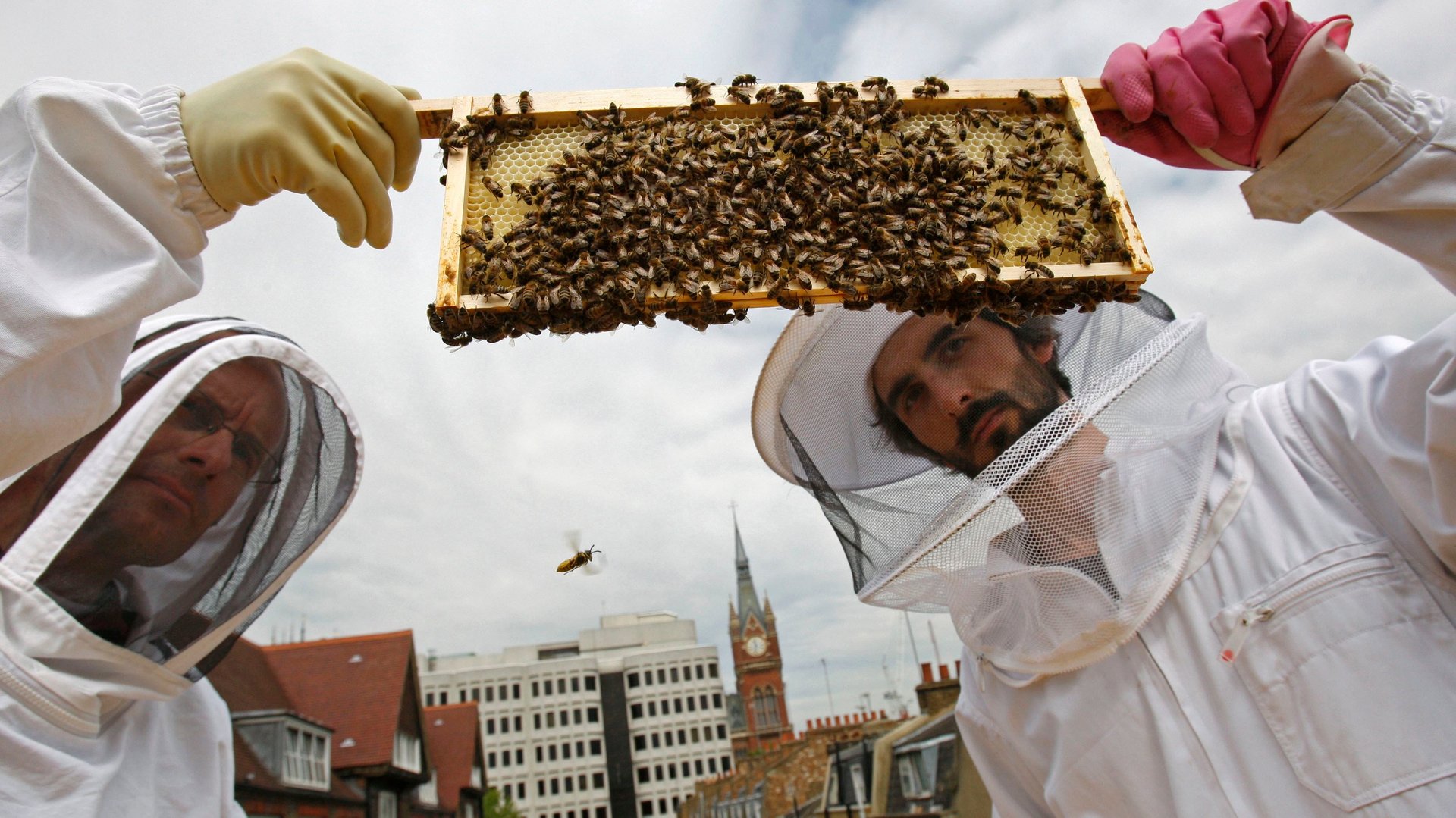
Scientists have struggled for years to pinpoint the cause of the global crash in bee populations, an affliction known as Colony Collapse Disorder. Everything from pesticides to poor nutrition to automotive exhaust has been blamed for the apian apocalypse. But if British scientists are right, bees that pollinate much of the world’s crops are dying because they’re stressed out.

California’s greenhouse gas emissions fell 2.7% between 2000 and 2011—thanks in part to the Great Recession—even as its population grew by 10.5%. That puts the state on track to comply with a mandate to cut carbon emissions to 1990 levels by 2020. But the end game for California, the world’s eighth largest economy, is to slash emissions 80% by 2050, a target climate scientists believe must be met at a global level to avoid catastrophic global warming.

In the future, if you need to charge your iPhone, you might just be able to snatch some energy from the air. Or more specifically, the carbon-free electricity that is generated when charged water droplets repel each other, say scientists at the Massachusetts Institute of Technology.

Here’s another reason to buy an electric car: Automotive exhaust interferes with honey bees’ ability to find flowers and pollinate the crops that the world depends on for much of its food supply, according to a new study.

What’s killing the koalas? Just about everything. Habitat destruction, disease, dogs, wild fires and now climate change poses the latest risk to the survival of Australia’s iconic animal, according to a new study.

The ultimate goal of renewable energy advocates is to get enough solar and wind energy on the grid to force power plants that spew fossil fuels to power down. Until now, that’s been wishful thinking. But for the first time, there’s evidence that the wish can come true.

Efforts to create a national carbon market in the US to cut greenhouse gas emissions may be deader than bipartisanship in Washington. But California today took another step to globalize its cap-and-trade program by signing an agreement with the Canadian province of Quebec to integrate their two carbon markets as of January 2014.

Canadians have a reputation for being nice folks. But their cats are no nicer than anyone else’s.

The time-honored Silicon Valley trajectory of the California technology entrepreneur who scores funding from a fabled Sand Hill Road venture capital firm and then becomes Zuckerberg-wealthy in a Twitter-worthy initial public offering is so 1999 when it comes to green tech.