My first internship was almost 15 years ago. Over the course of a decade, I worked my way up from that position to managing teams of 50 or more.

My first internship was almost 15 years ago. Over the course of a decade, I worked my way up from that position to managing teams of 50 or more.

You probably don’t want to die. Most people don’t. But death takes us all no matter our preference. As children we are taught that one day we’ll have to leave Neverland, grow old, and pass on, but still, inside, most of us don’t generally welcome the permanence of the hereafter.

I’ve never had a concussion, at least not that I know of. There was this one time, when I was about seven, when my sister threw a rock at me and nailed me above my right eye, but I didn’t lose consciousness or forget who I was. My father, a doctor, responded to my screams by asking me to follow his finger and tell him what day it was. When I answered correctly, he handed me a bag of frozen peas to put on my eye and told me to let him know if I started to feel “weirdly tired.”

For years now, the luminaries of Silicon Valley have been putting their minds, money, and machines behind an all-out effort to solve for death. Full of futurists who don’t have enough time in the day to achieve their lofty goals, the Valley has long looked for ways to make those days never-ending. After all, there is just so much left to do (and so much money left to be made).

Your kids will kick and scream and hate you for it, but science says it’s best to take away screens from children in the hours leading up to bedtime.

Opposition to the electric-car revolution has long argued that if one accounts for the well-to-wheel impact—the pollution produced from the entire cycle of power generation to fuel a car, rather than just the gasoline to power it—battery-powered vehicles are not necessarily any cleaner than gas-powered ones because of the dirty ways we produce electricity.

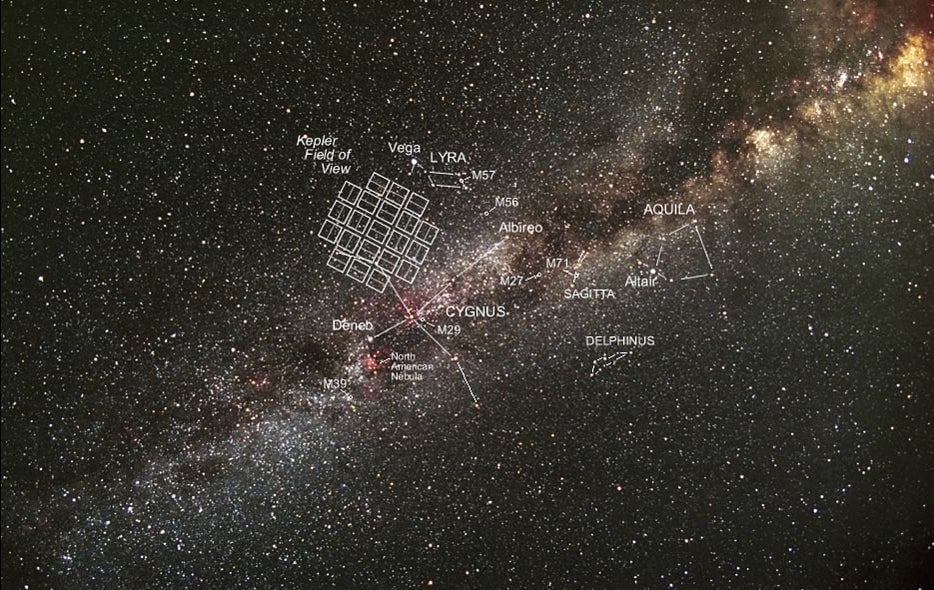
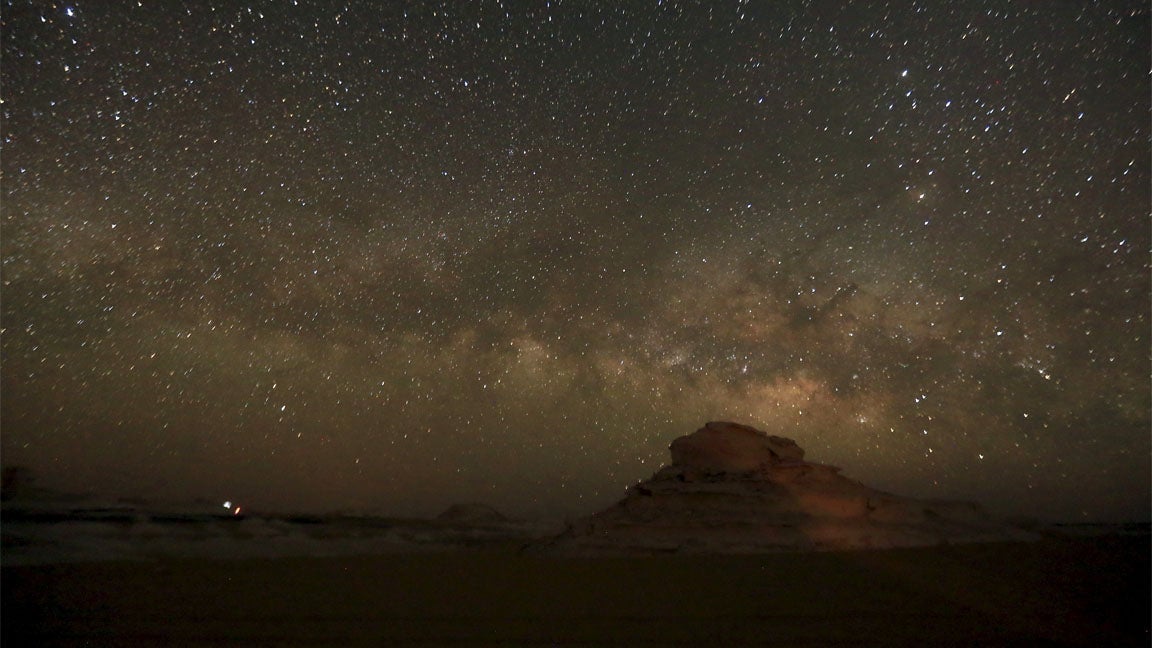
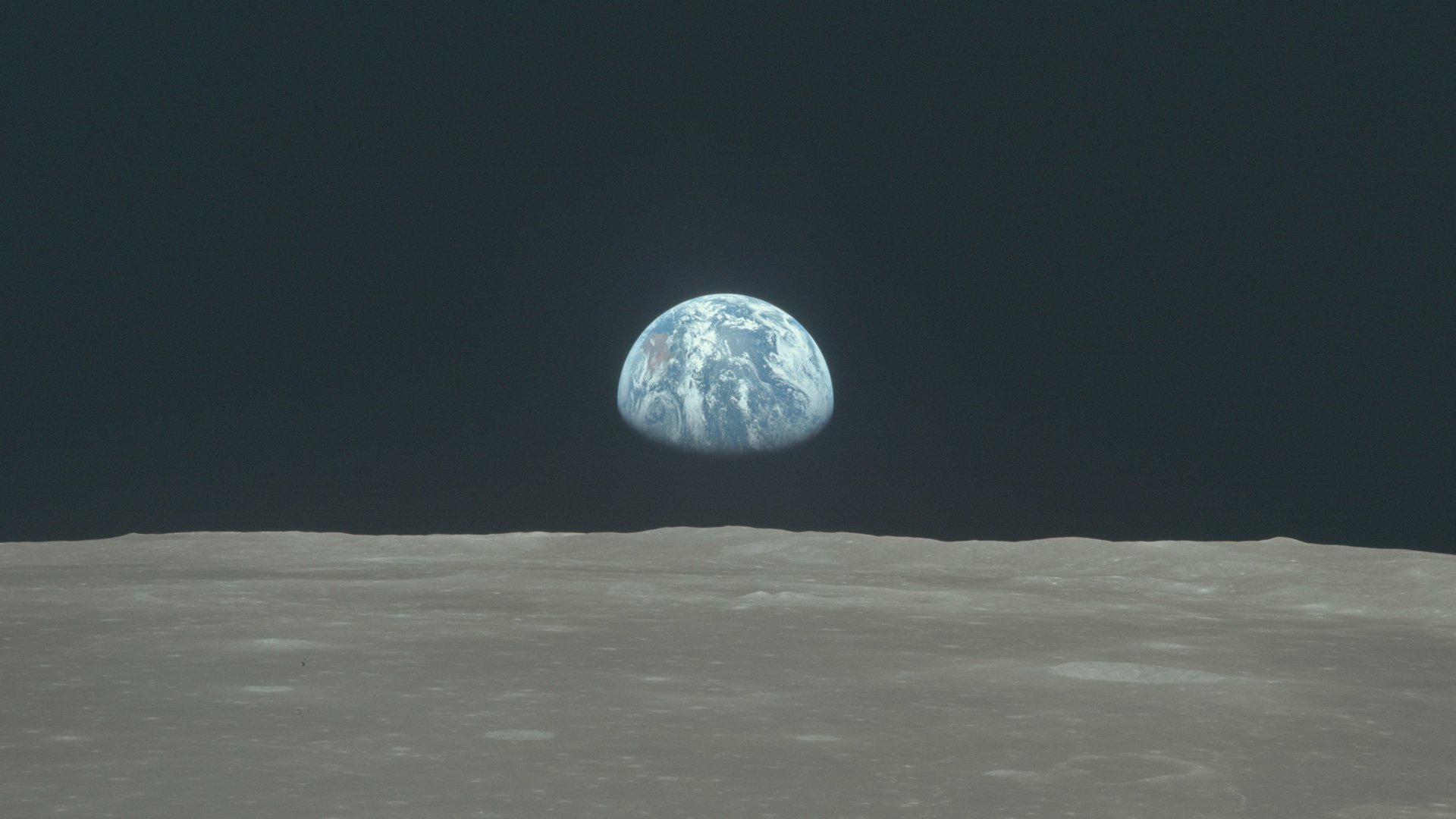
An international team of scientists has found 20 more exoplanets that might sustain human life. If confirmed, this would increase the number of known extrasolar planets thought to be capable of sustaining life, bringing the total number of known, habitable near-Earth-sized exoplanets to around 50.

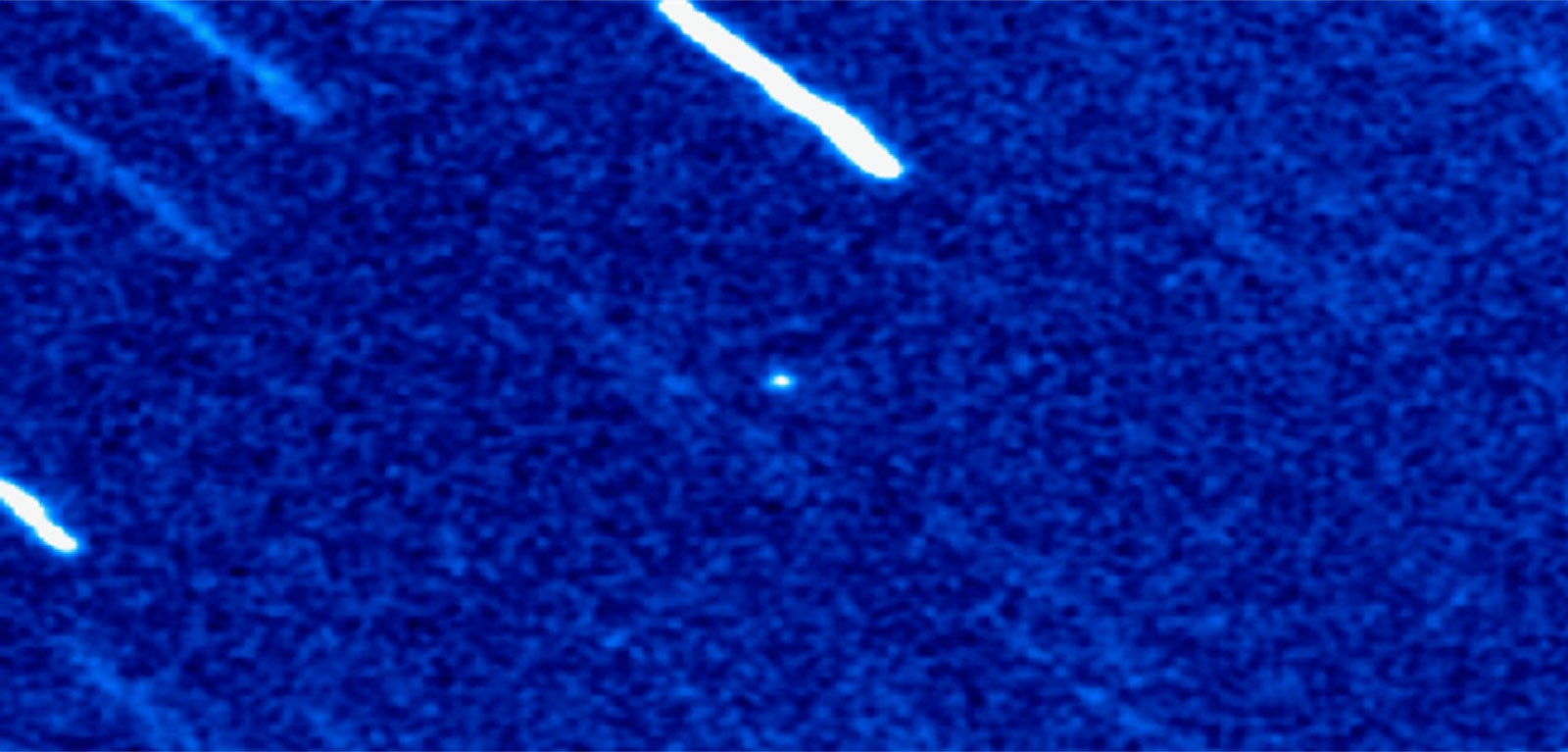
It’s been busy month up there in space. This month began with an asteroid coming within a moon’s throw of our planetary home, then reports of more gravity waves detected at the LIGO Observatory gave researchers enough time to point their instruments at a kilonova, and now, as October draws to a close, astronomers confirmed that we’ve been visited by an object that originated outside our solar system.

Your high-school teacher may have been wrong to tell you off for not paying attention.

For the first time, astronomers have searched the cosmos looking for a key phenomenon using artificial intelligence similar to that used by Google, Facebook, and Tesla.

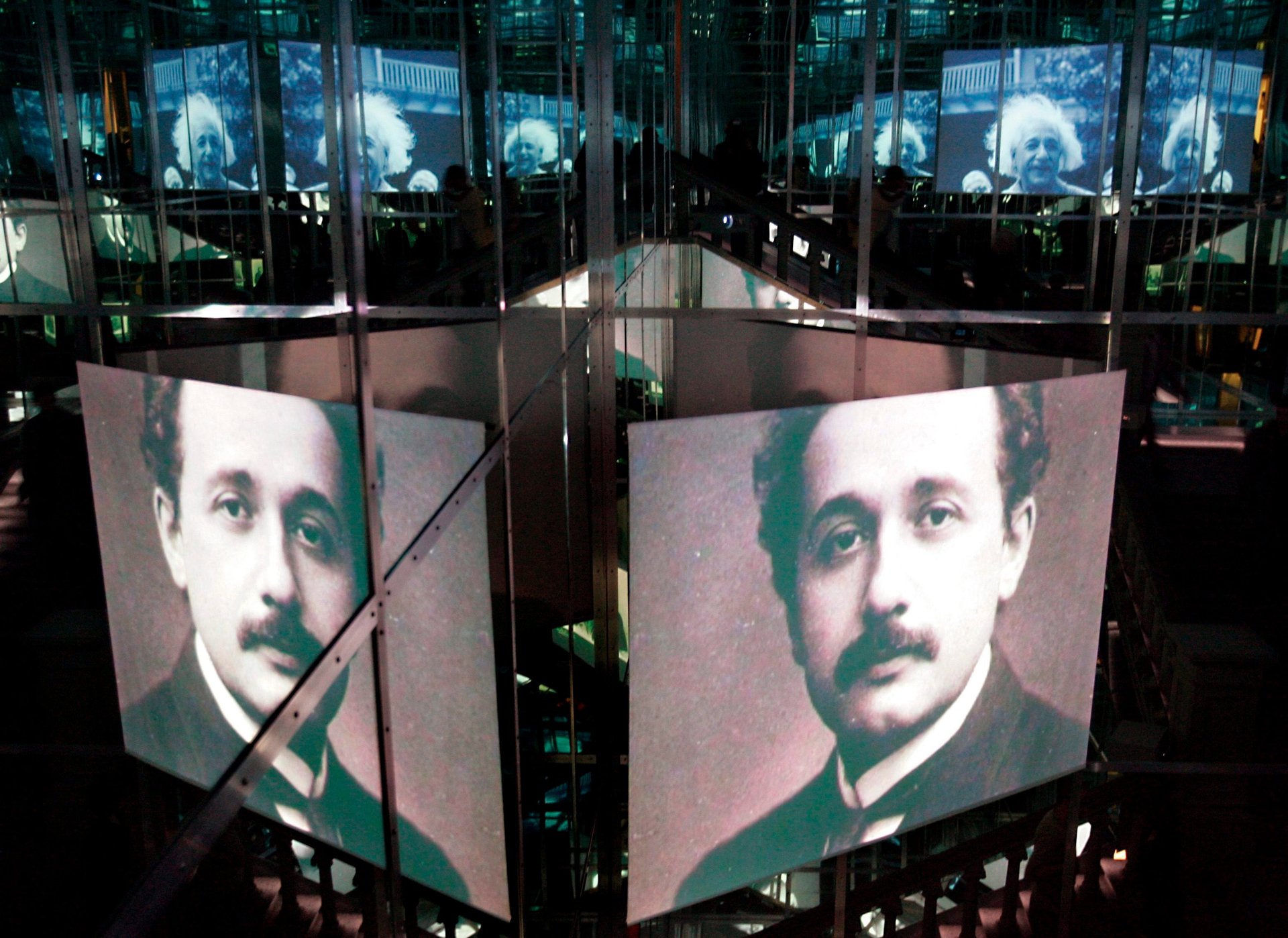
Fresh off the news of hearing that he won the 1921 Nobel prize for physics, Albert Einstein was on a lecture tour of Japan when he was delivered a message by a local courier. For reasons not entirely clear, he tipped the courier not in cash, but in short notes that seemingly contain Einstein’s advice on how to live a happy life.

Cobalt has been unwittingly used since ancient times to provide a blue tint everything from glass to jewelry. But it wasn’t until the 1730s that Swiss chemist George Brandt, convinced there was a hidden element at play, isolated cobalt as the culprit.

No one wants to admit they have them. But there are a lot of private, intimate photos sitting on our phones. And as celebrities like Jennifer Lawrence learned not too long ago, privacy and the internet just don’t go together.

Ptolemaic Egypt—which existed in the years 305-30 BC—was uniquely dependent on the seasonal shifts of the Nile, which in turn made them particularly susceptible to any significant changes to the cycle and mores of the their environment.

Though the leaders of some countries (we won’t name names) feel the Paris accord treats them unfairly, most other world powers are justifiably concerned about rising sea levels, increasingly severe and unpredictable weather patterns, and the chaos that climate change promises to bring.

In space, no one can hear you scream. But maybe they could if you were as loud as the collision of two heavenly bodies, each with a mass that’s 10-20% greater than that of our own Sun.

Renewable energy sources are only as reliable as the natural world that fuels them. A cloud passing overhead cuts off solar power; the wind stops blowing and windmills stop working. In order for us to depend on undependable power sources, we need a grid-sized backup to acts of God.

As we all know, it’s almost impossible to talk to a tiny little baby, or an adorable puppy, and remain in a normal vocal register, or speak in complete sentences. In the presence of chubby little cheeks, big doe eyes, and fat little legs, all but the most cynical succumb to a rapid-fire, swooping cadence, bending down to ask rhetorical questions like “Who’s the cutest little baby in the whole world?” in a lilt seemingly inspired by a lungful of helium.

Earlier today, at 7am BST/2am ET, a small asteroid flew close enough to Earth to buzz the furthest ring of our planet’s communication satellites.

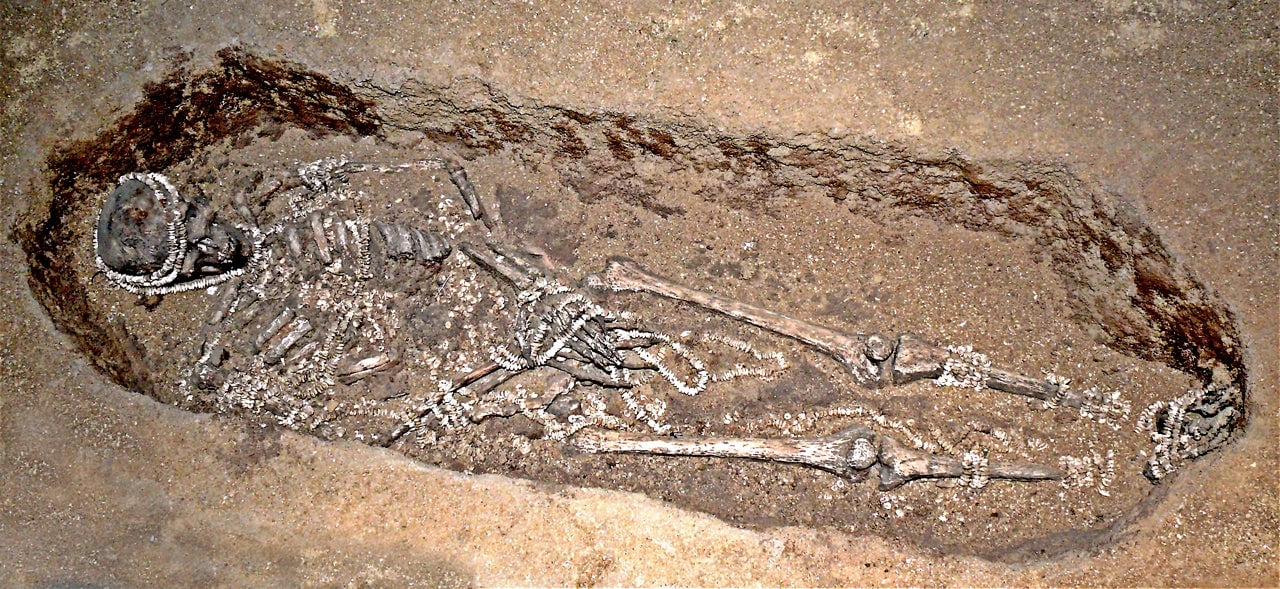
Though there are notable exceptions—Roman Egypt, for example—incest has been really high on the human scale of moral reprehensibility through most of recorded human history. But what about before then?

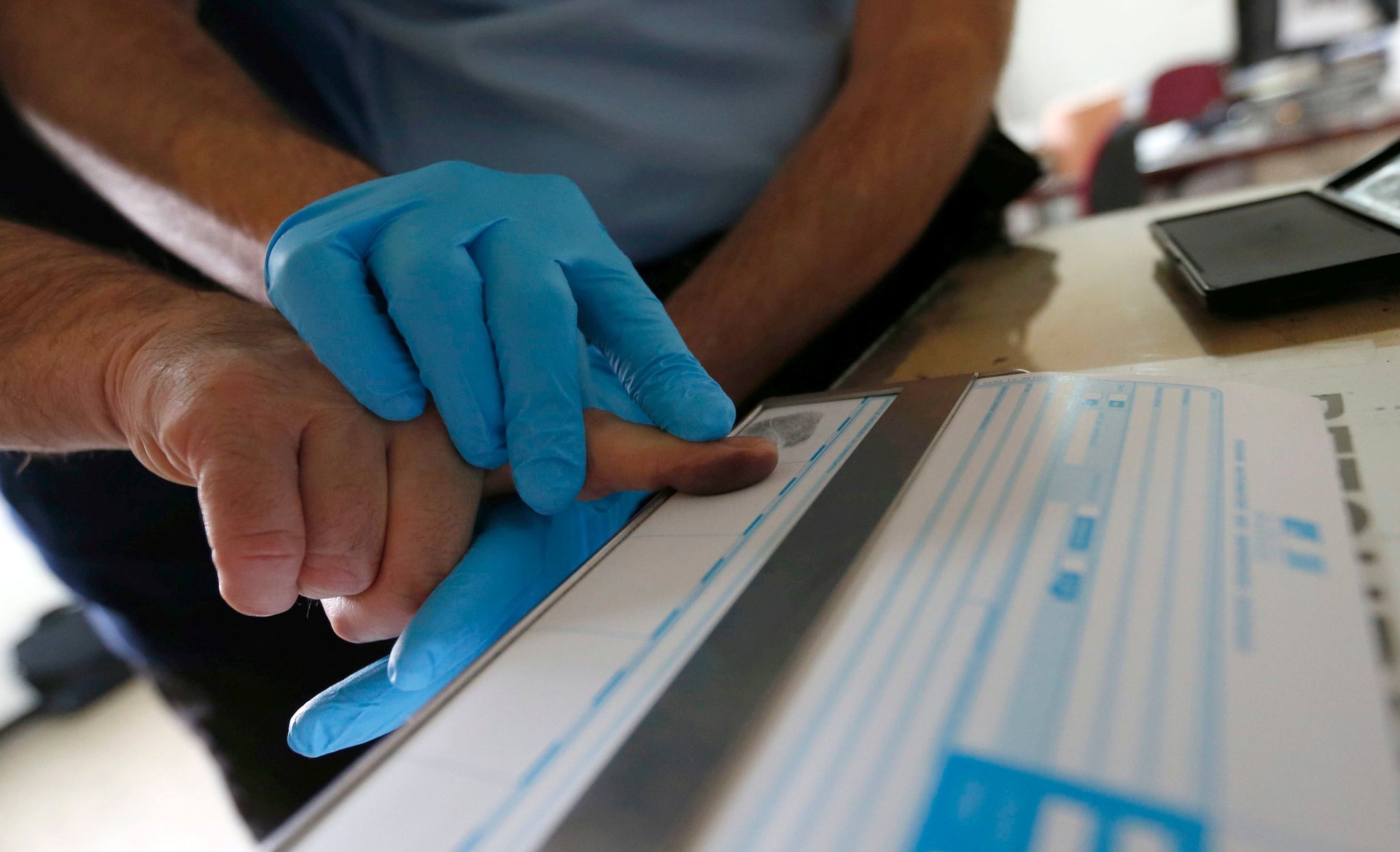
The science of fingerprinting has progressed little since it was first used to convict an Argentine woman for the brutal murder of her two small children in the summer of 1892.

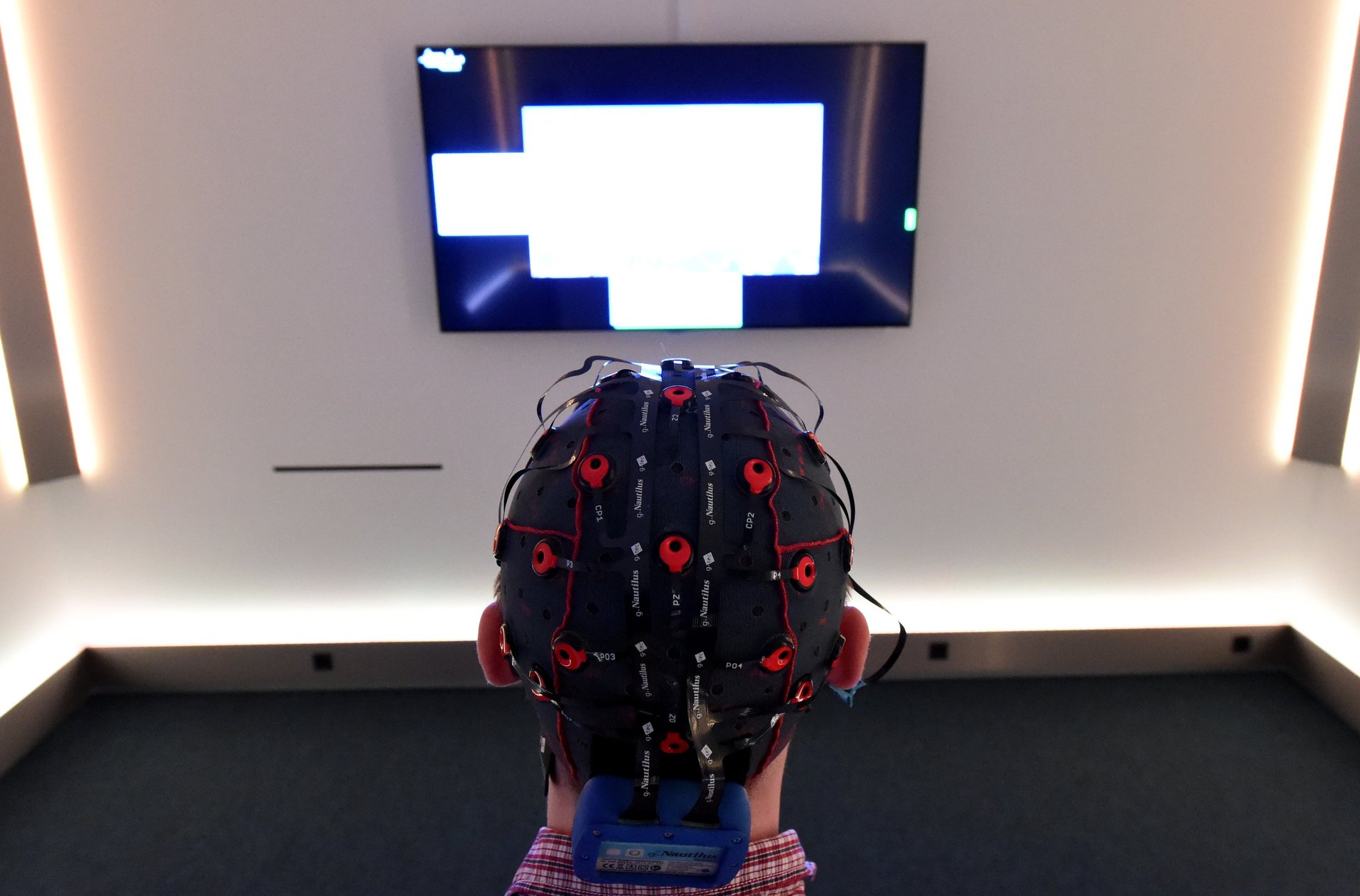
Facebook wants digital assistants like Siri and Cortana to shut up already. Every tech giant has an entrant into the digital assistant market, and early returns are positive. People all over are asking Alexa to play them a song, Google Assistant to set a reminder, and surely someone has asked Bixby—Samsung’s new voice assistant—something, but it turns out that no one wants to PDA (personal digital assist) in public. The Facebook solution: give the assistant direct access to our minds.

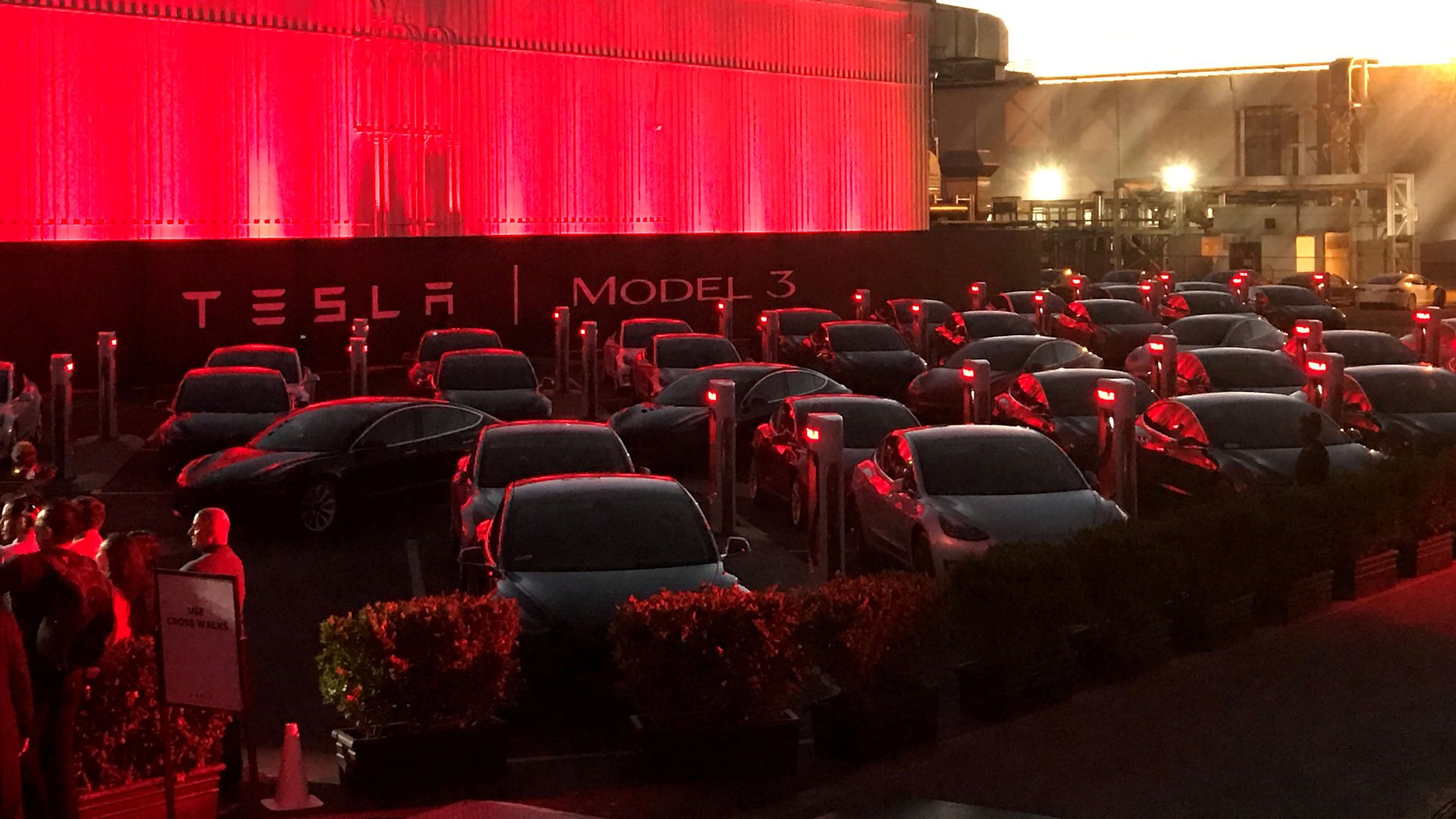
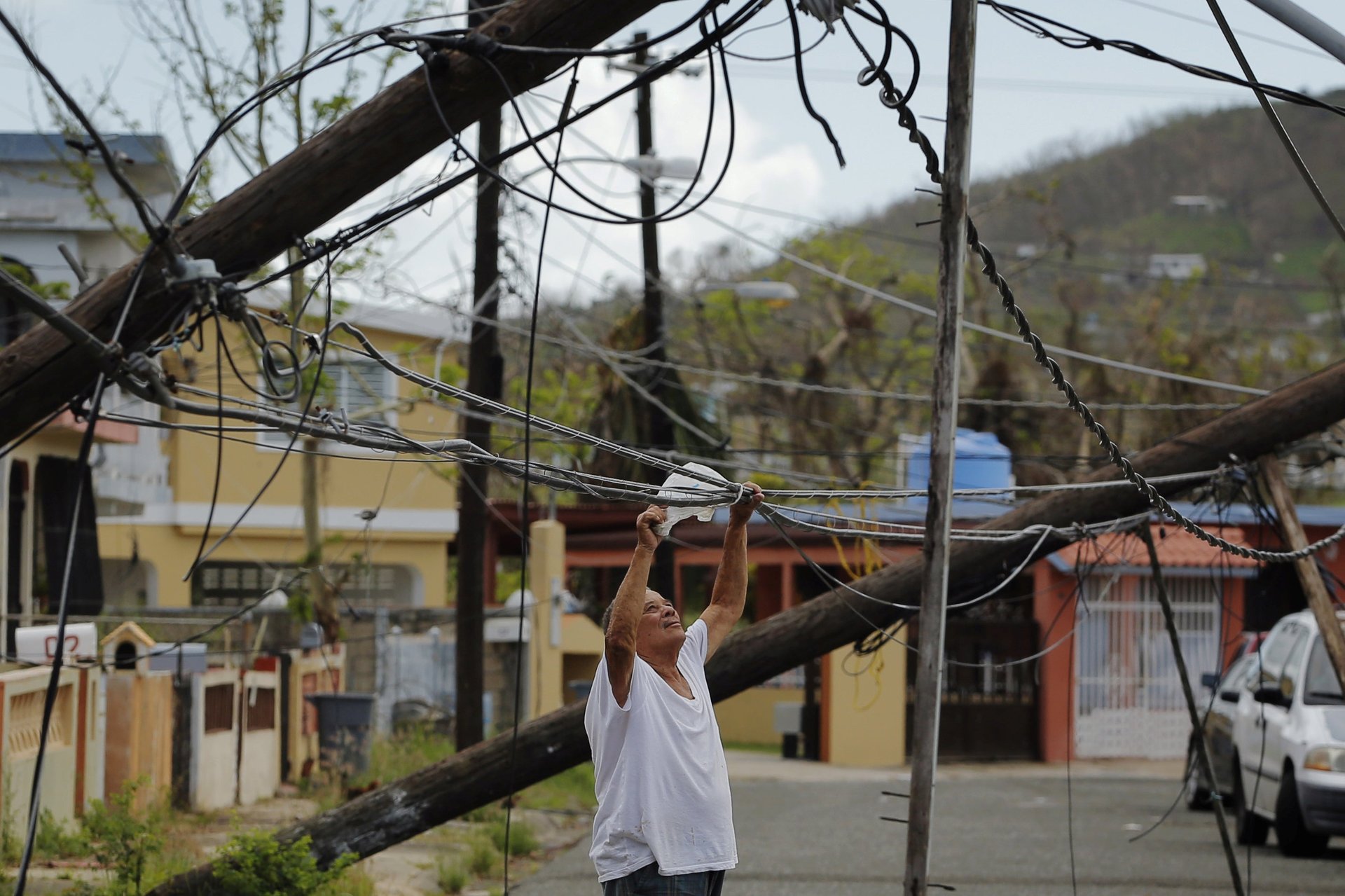
Elon Musk is ready to tackle rebuilding Puerto Rico’s electrical grid.

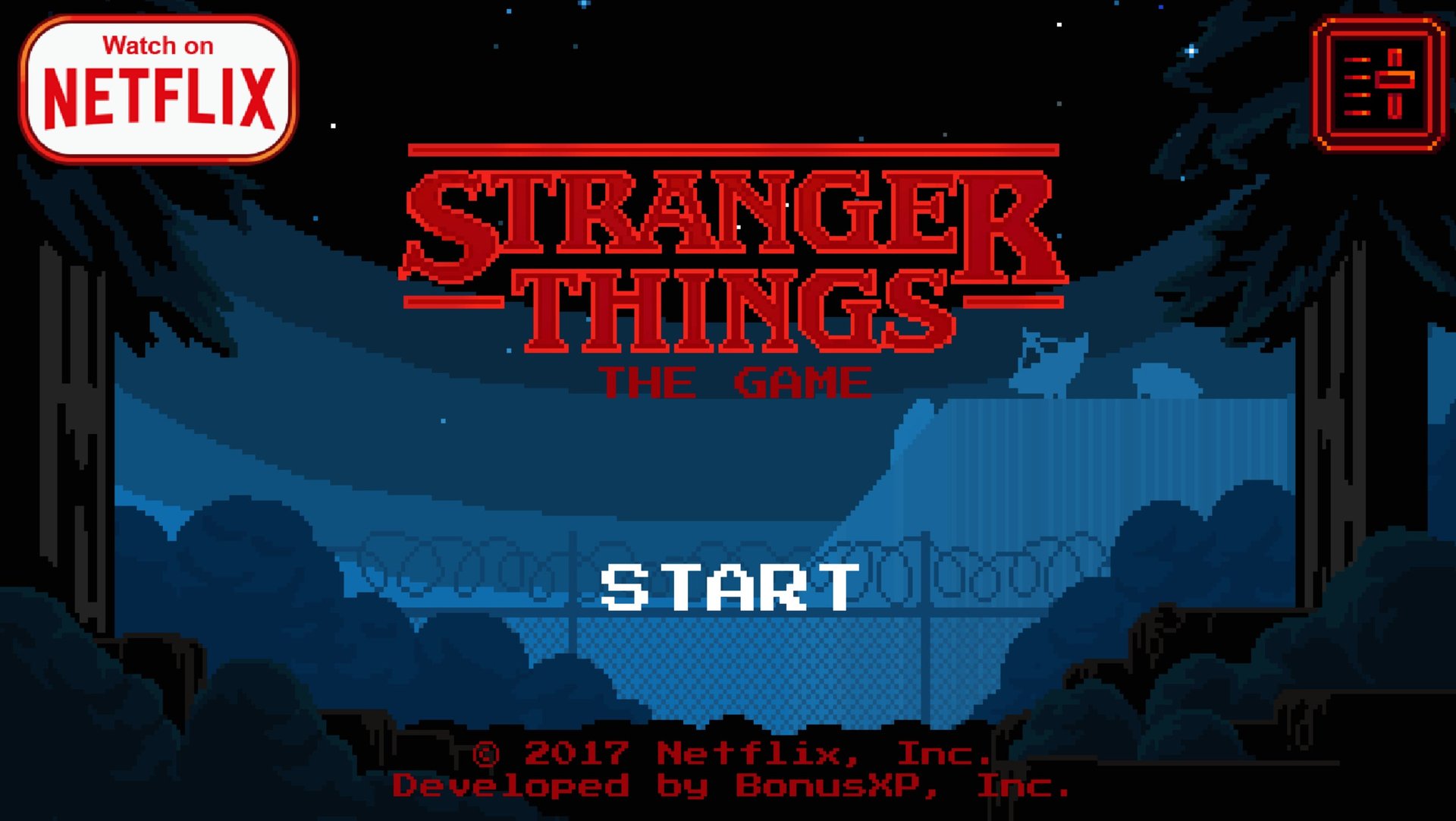
Stranger Things provided the world with the Eighties nostalgia it didn’t know it needed. And yesterday, Netflix and the show’s directors, the Duffer brothers, doubled-down by releasing a video game version of the hit show as an 8-bit—that is, original Nintendo quality—side-scrolling adventure available for both Android and iOS.