There’s been much coverage in recent weeks about the need for developing countries, particularly in Sub-Saharan Africa, to seek debt relief from the multilaterals like World Bank, IMF and other creditors.

There’s been much coverage in recent weeks about the need for developing countries, particularly in Sub-Saharan Africa, to seek debt relief from the multilaterals like World Bank, IMF and other creditors.

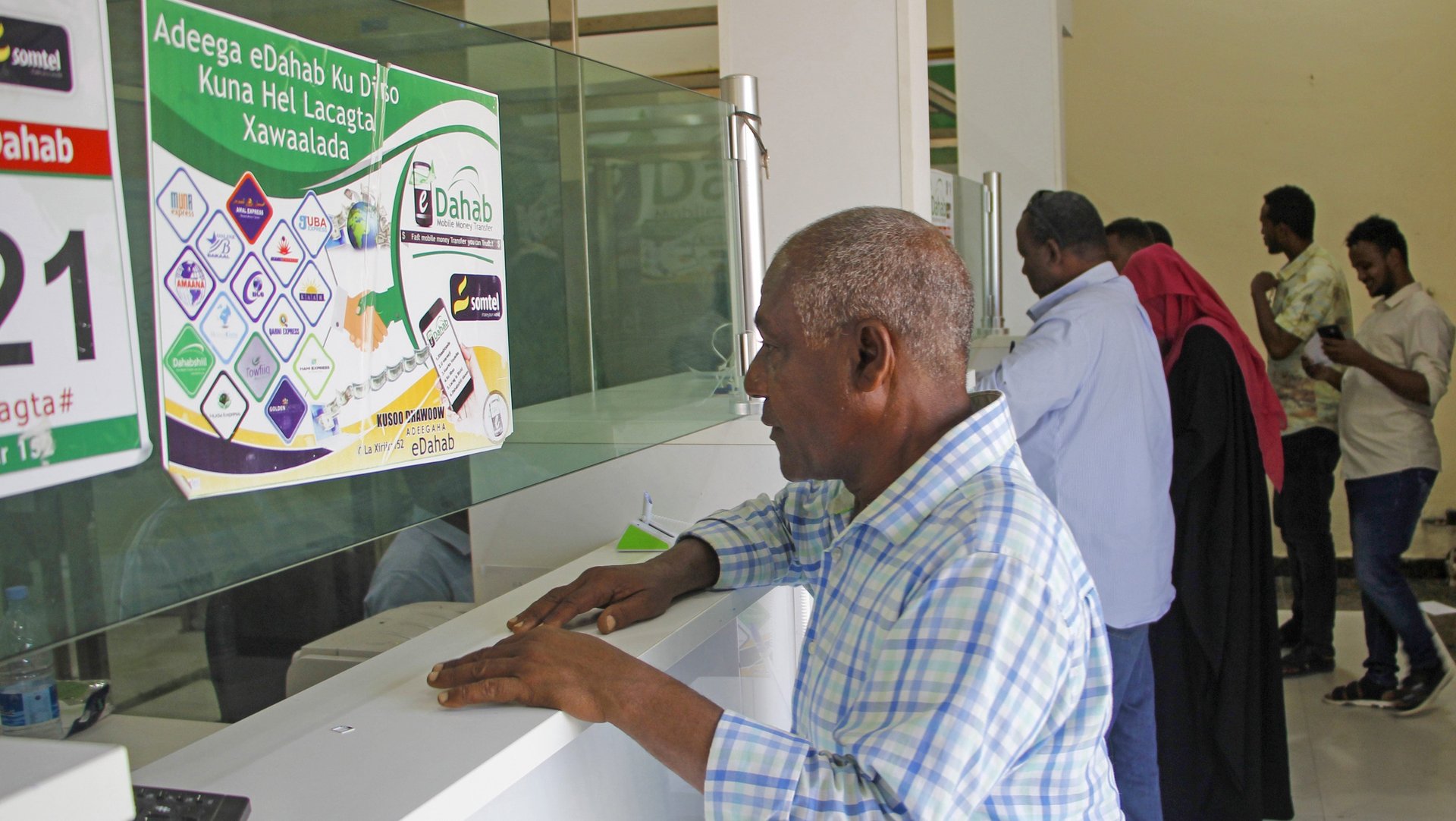
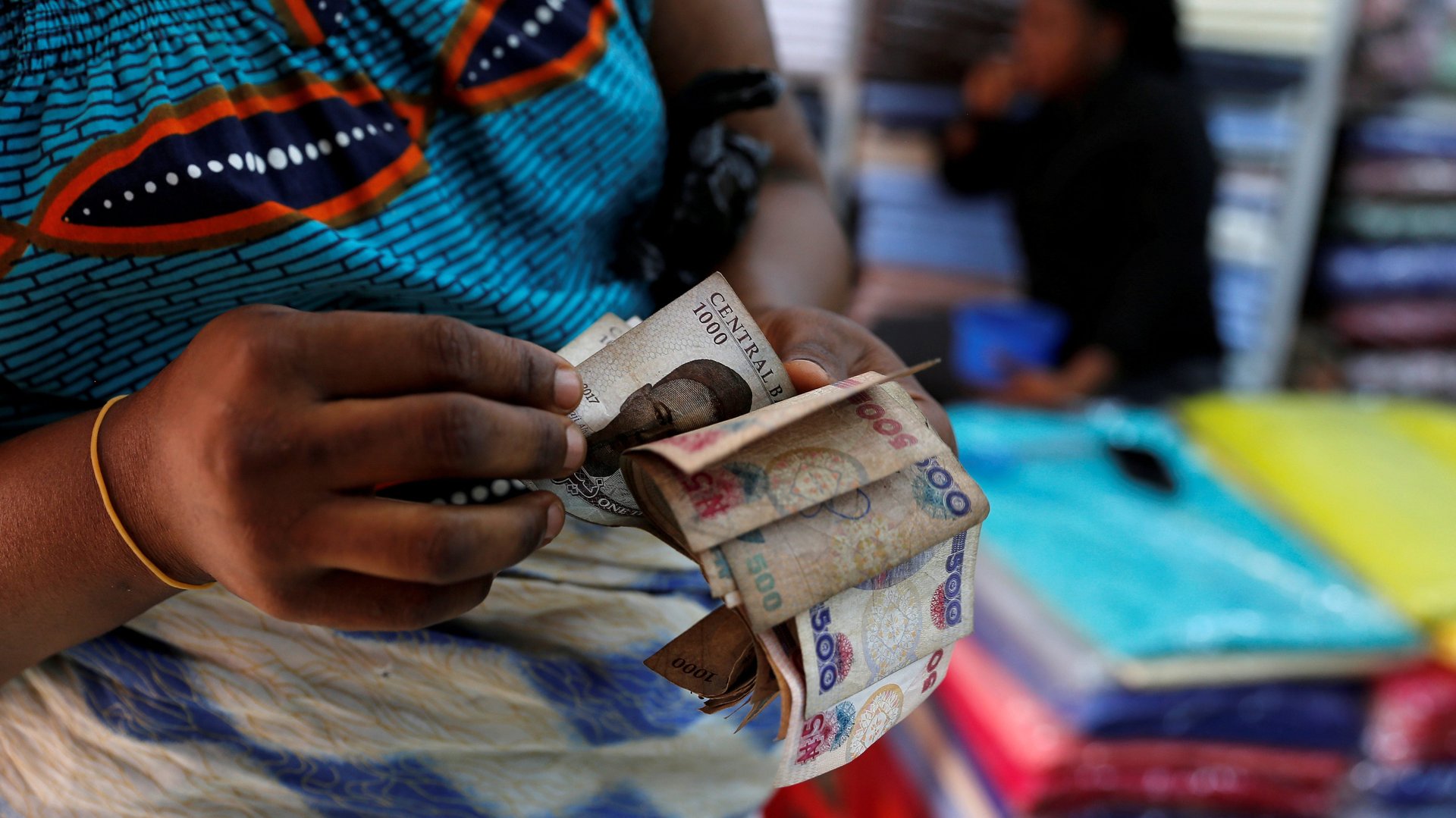
Sub Saharan African countries will see remittance flows drop by 23.1% to $37 billion in 2020 in the wake of the Covid-19 economic crisis, according to a World Bank forecast. In 2019 it dipped by 0.5% to $48 billion.

Uncertainty around the economic fallout from the coronavirus pandemic is still in its early days, but already attention is turning to the piles of debt the world’s poorest countries have amassed over the past decade.

*Updates with confirmed age

The Sub-Saharan Africa region will see economic growth reverse and plunge to between -2.1% to as low as -5.1% this year due to the Covid-19 global crisis. The region will fall into its first recession for 25 years, compared with 2.4% growth last year, according to the World Bank’s Africa’s Pulse, its twice-yearly economic update for the region

There is now almost universal agreement among economists, think tanks, and policymakers that the global economy is heading into a recession due to the coronavirus health crisis. Nowhere is that more clear than in Africa.

More than half of all smartphones sold in Africa in the all-important fourth quarter of 2019 cost the owner less than $100 and was more than likely made in China.

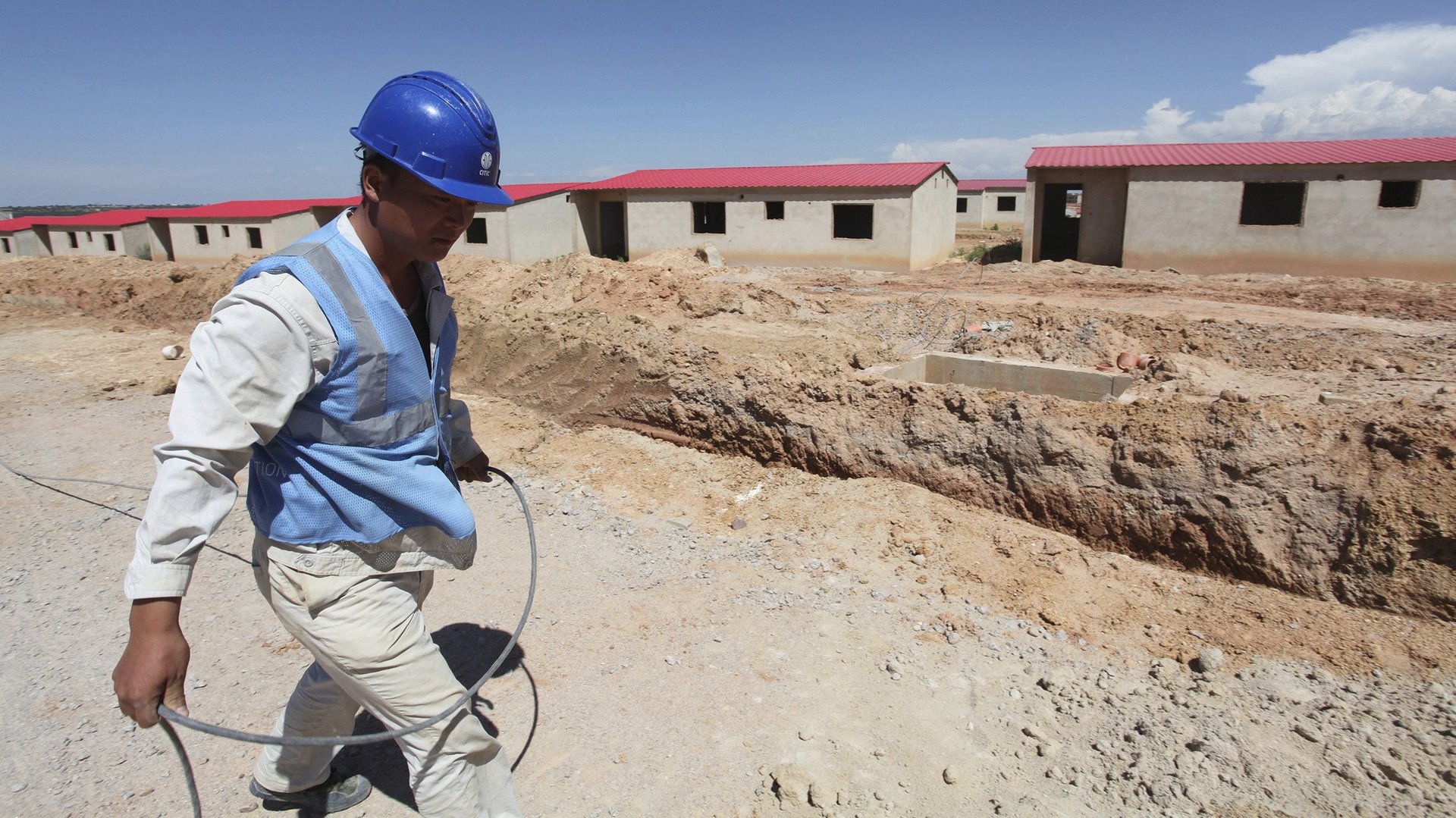
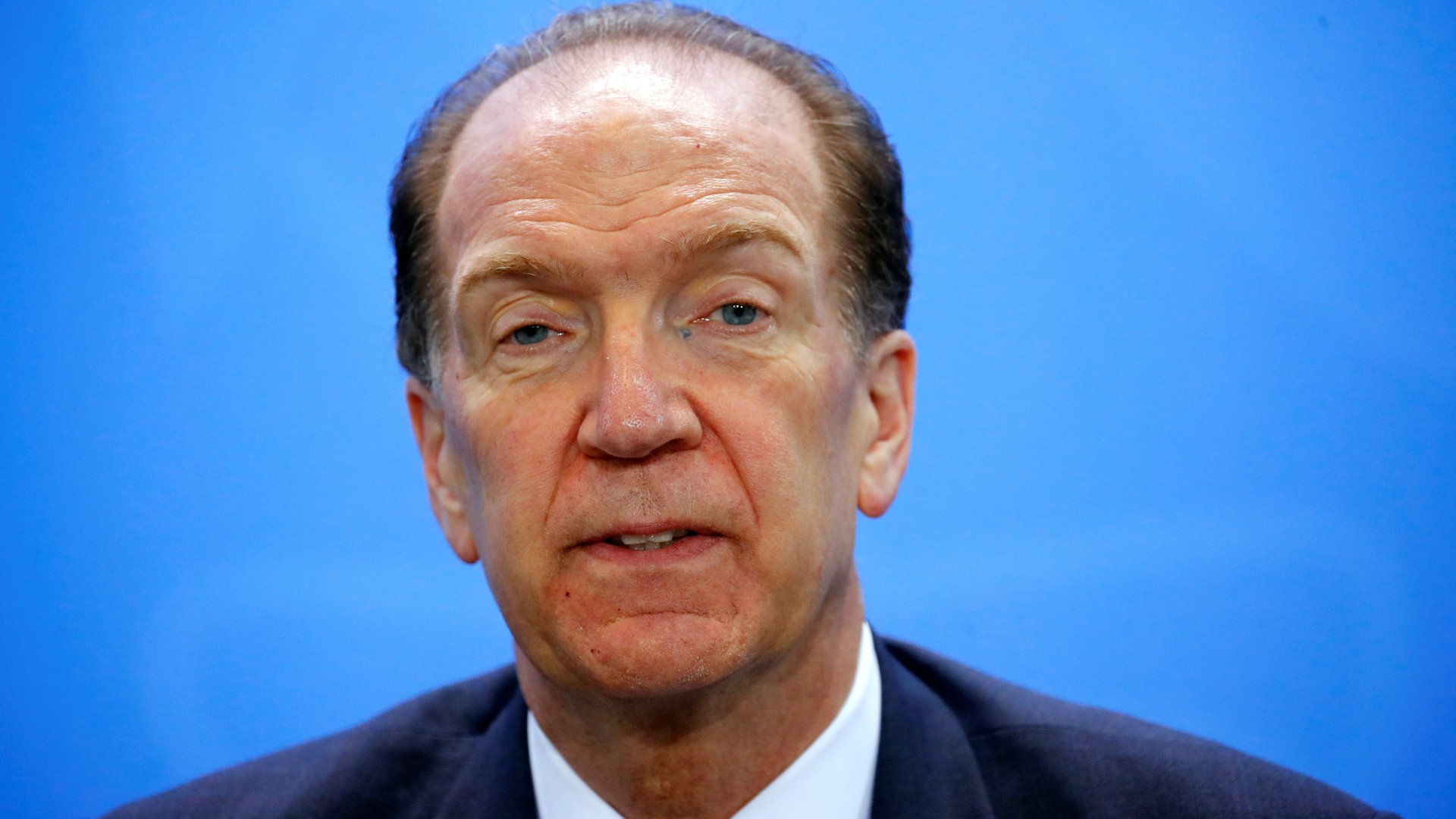
Last month World Bank’s president David Malpass expressed concern about the amount of debt some of Africa’s economies were piling on. In particular, he worried about the lack of transparency in some of the loan deals being struck with China.

Africa’s leading economies are increasingly looking to wind energy to power homes. It’s part of a trend towards varying forms of clean energy across the continent.

Nairobi startup Sokowatch, which has been developing business-to-business (B2B) e-commerce supply chains for retailers in East Africa’s informal markets, has confirmed it has closed a $14 million Series A funding round which it hopes to use to expand.

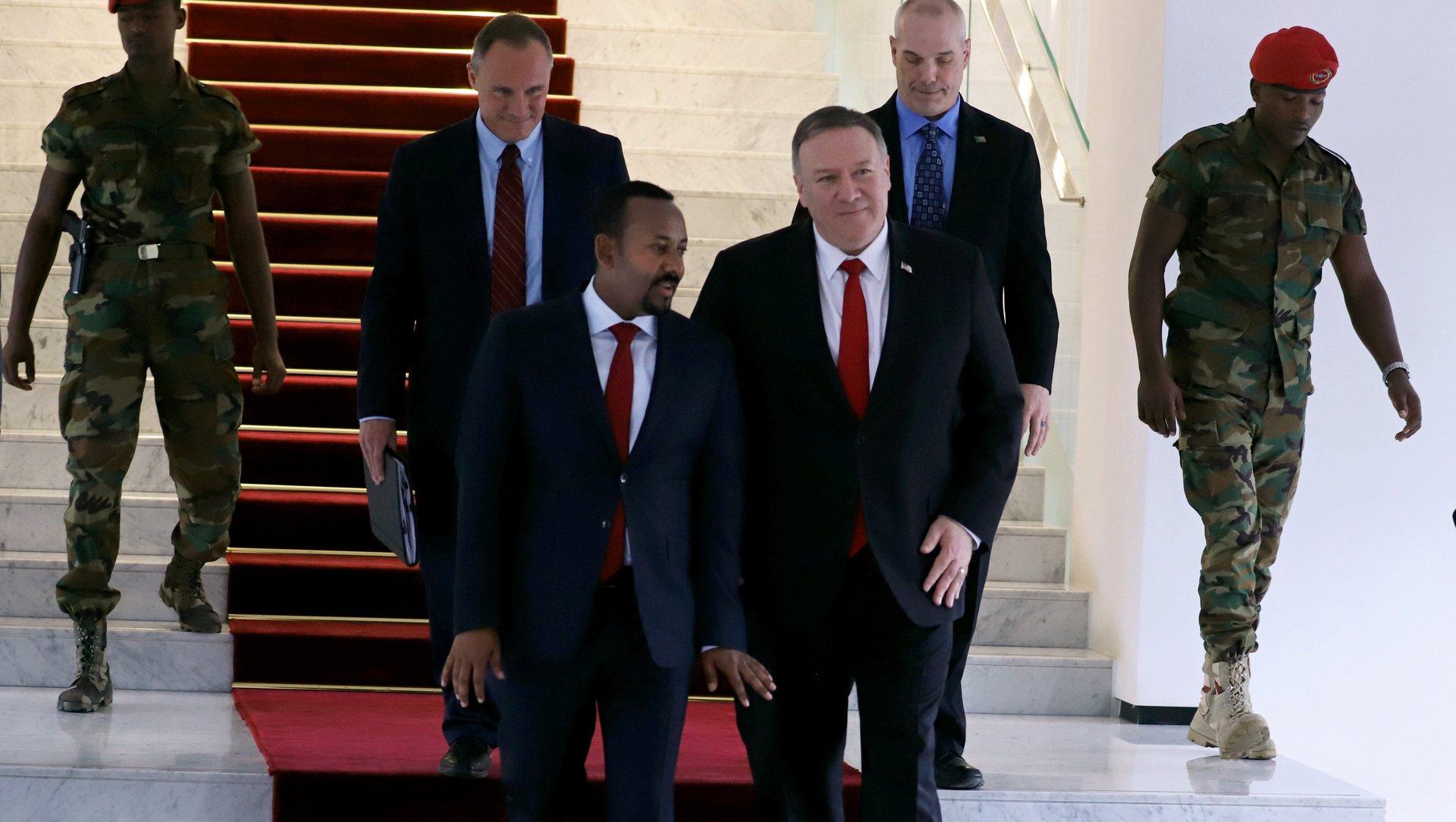
In his first ever trip to Africa, US secretary of state Michael Pompeo’s agenda sent more mixed signals about the Trump administration’s Africa policy.

African debt is on the rise, and that fact is causing tensions to spark in unexpected places.

Last year, Africa had some of world’s fastest-growing economies and 2020 won’t be very different.

Ethiopia launched its first observatory satellite into space on Friday (Dec. 20), according to local reports.

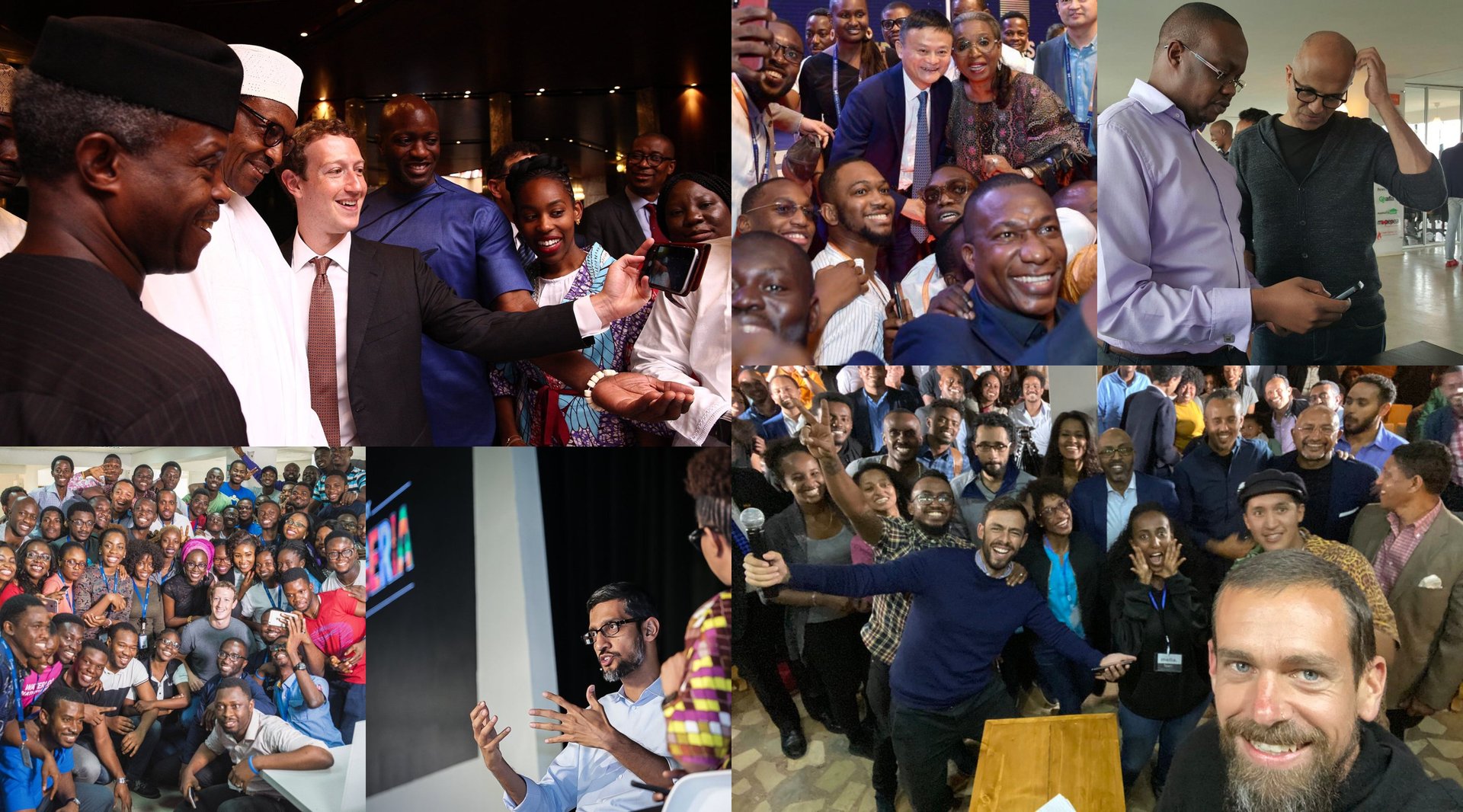
The visit of Twitter founder/chief executive Jack Dorsey to Nigeria, Ghana and Ethiopia last month seemed like a watershed moment when it comes to Big Tech CEO visits to African cities.

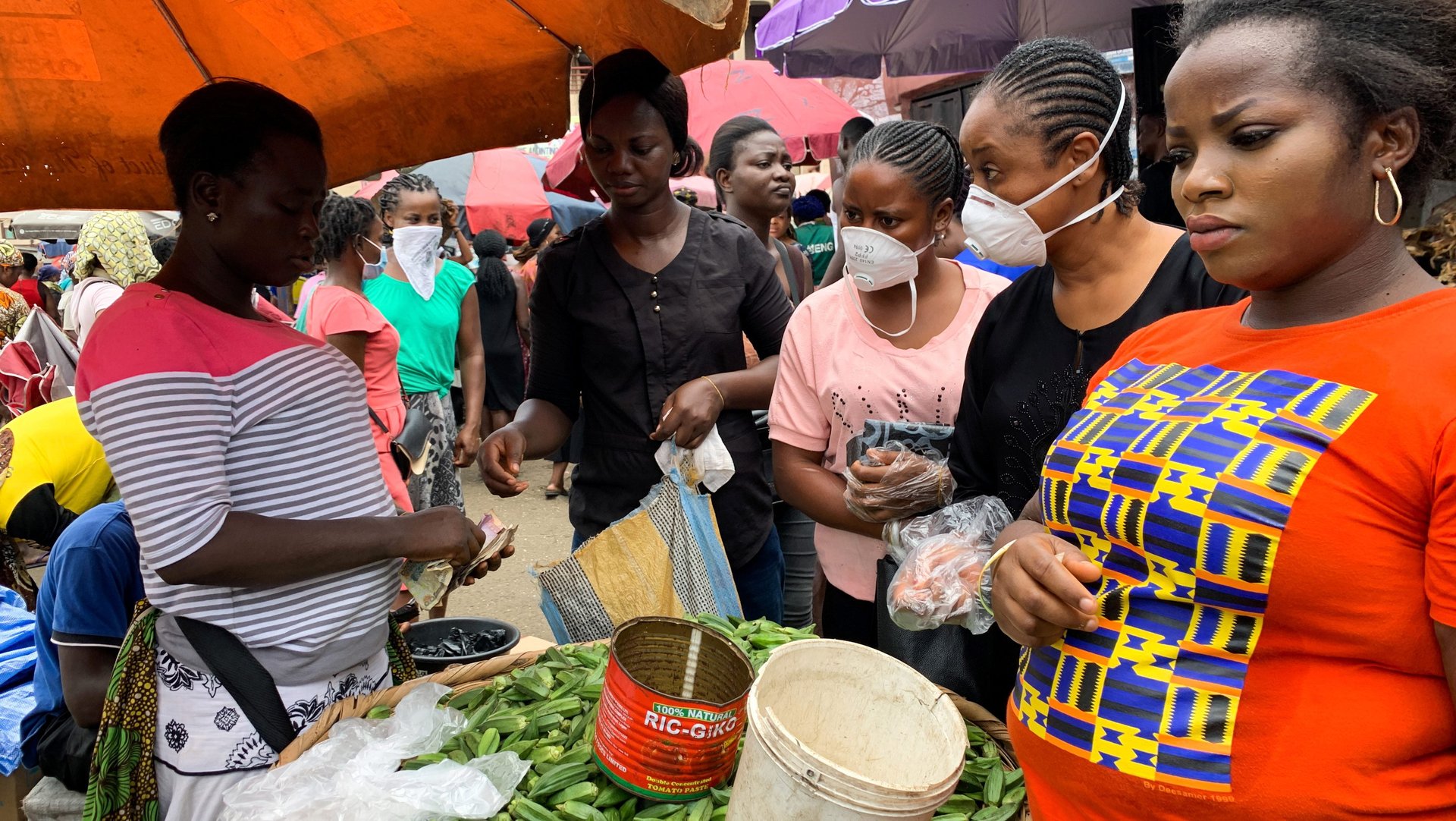
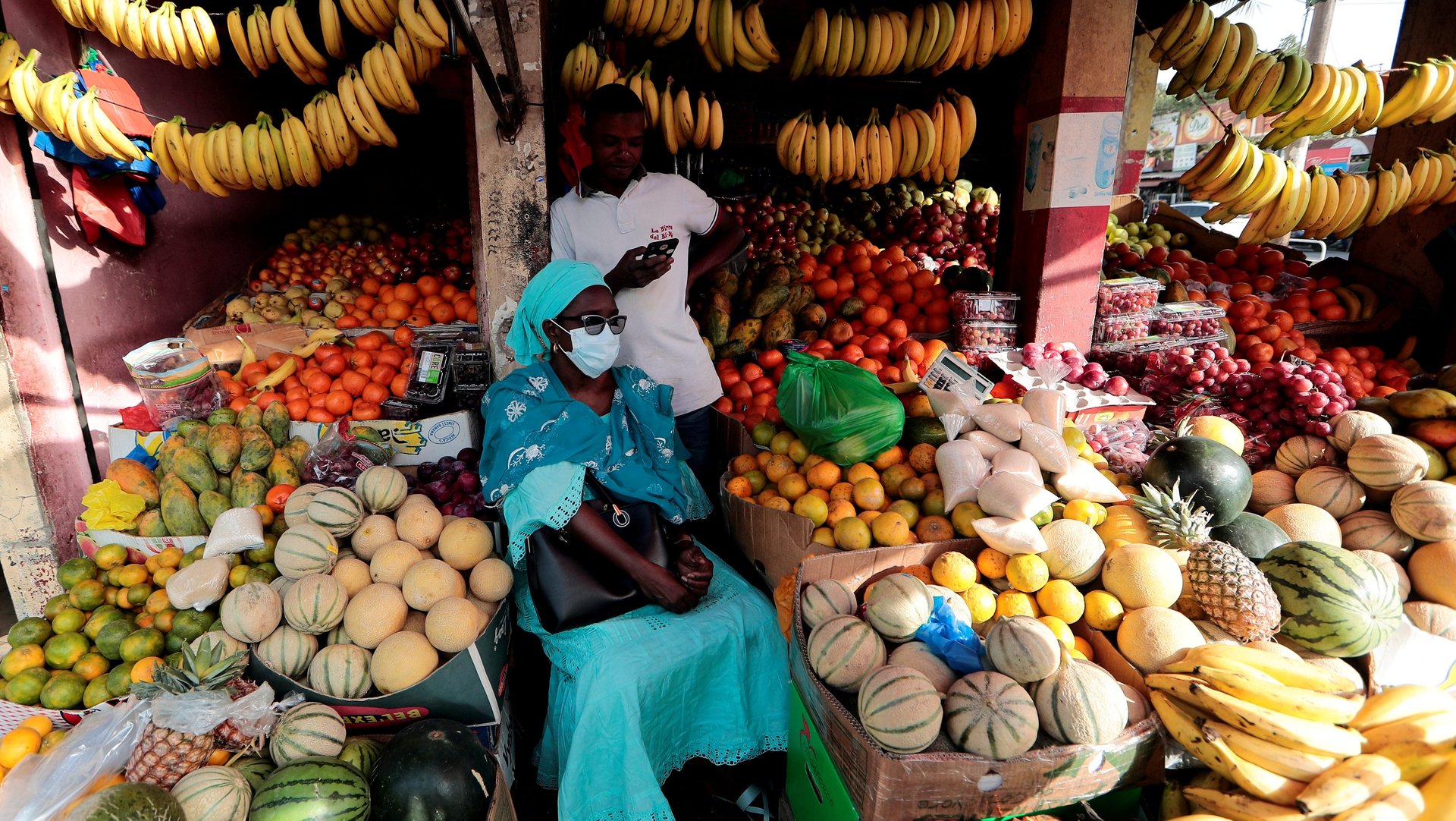
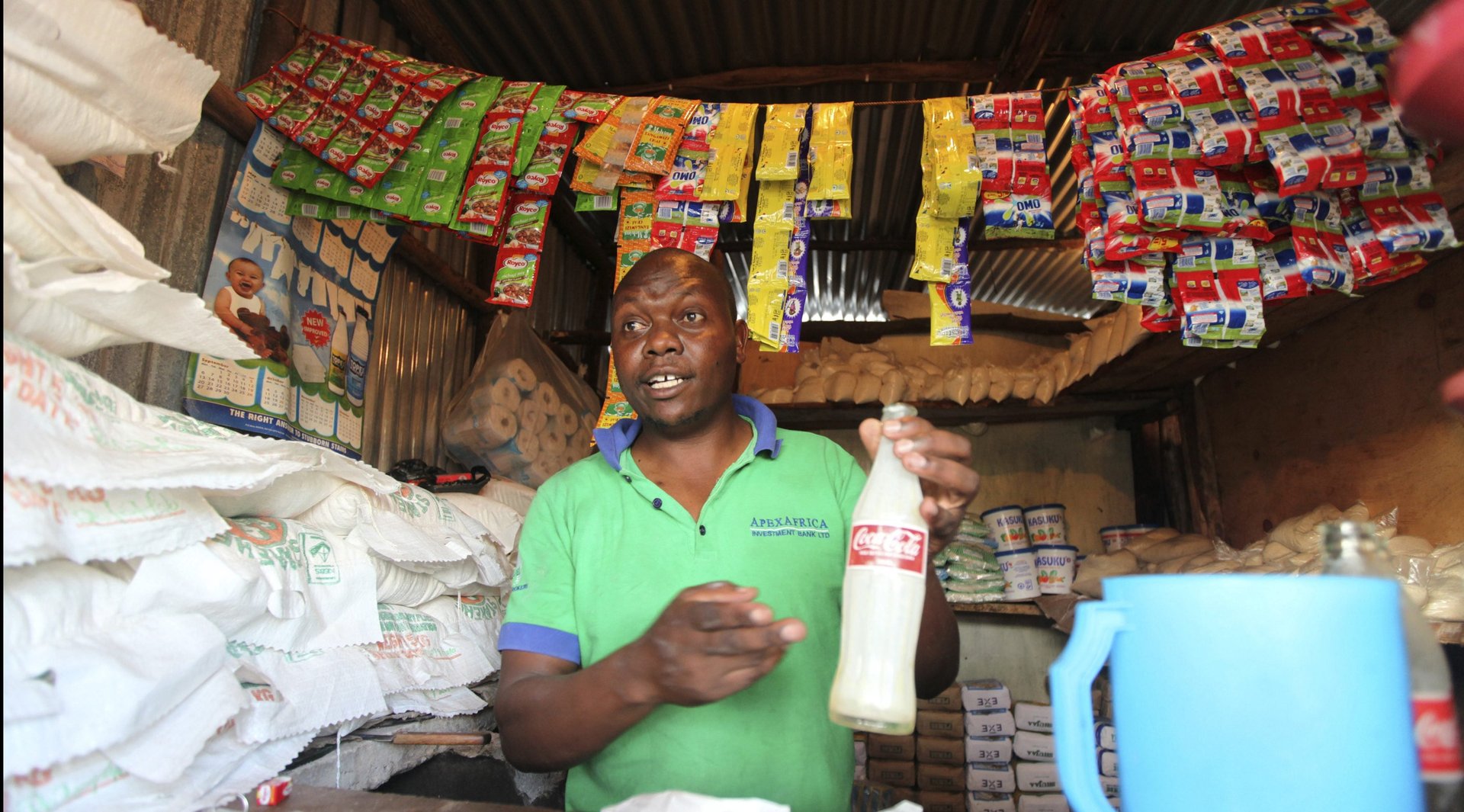
The informal economy, which is economic activity that falls outside the regulated economy and tax system, such as street vending or unregistered taxi drivers, is hard to measure.

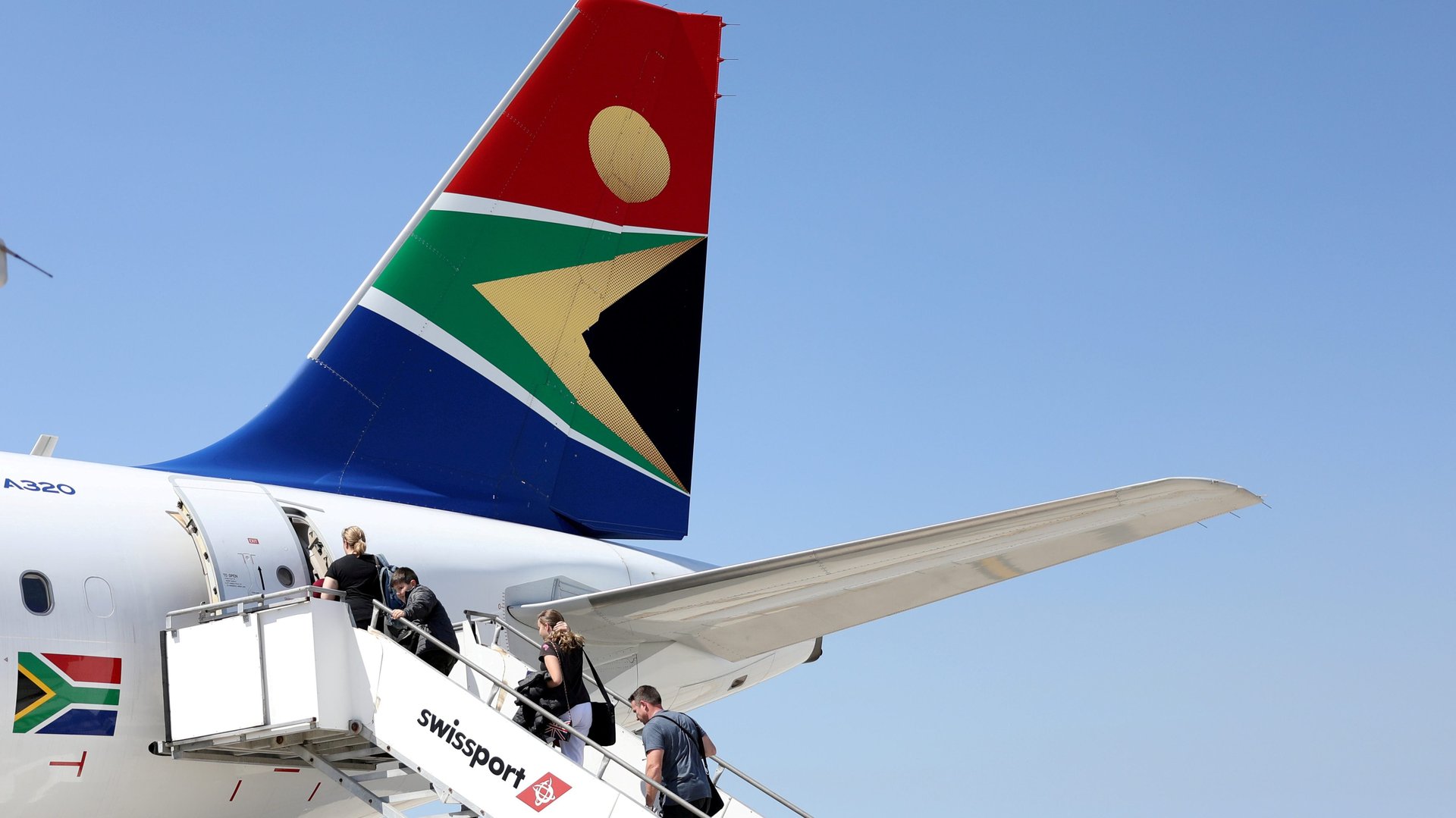
Every year from 1994 to 2015, South African Airways was recognized as Africa’s Leading Airline by the World Travel Awards. Since the last time it won, Ethiopian Airlines has dominated the awards.

In the United States, Europe, and many parts of the developed world, we’ve become accustomed to “free” two-day shipping from nearly every online retailer. That innovation is largely thanks to the ubiquity and sheer efficiency of Amazon Prime. It is the dominant e-commerce sub-brand of our time, along with Alibaba’s Singles Day in China.

Global multilateral institutions like the World Bank, OECD, and the IMF expend a lot of effort trying to understand the scope and size of each country’s informal sectors. While the share of the informal economy in North America is less than 10%, the IMF estimates it’s around 35% across Africa (though many studies suggest that severely underestimates the true reach of the sector).

The number of women founders and co-founders in Africa is on the rise, according to research by Venture Capital for Africa (VC4A), an online community for startups. In 2019 that number was still just at 18%, or fewer than one in five—but it’s still better than in supposedly more “advanced” startup hubs like Silicon Valley.

WhatsApp’s owner Facebook on Tuesday (Oct. 29) filed a lawsuit against an Israeli software company which alleged some 1,400 phones and devices whose users included lawyers, journalists, human rights activists and political dissidents were hacked via its messaging platform. It is believed this was done on behalf of governments.

These days in Nigeria Funmilayo Ransome-Kuti is often remembered as “Mama Fela”, the mother of Afrobeat legend, band leader and activist Fela Anikulapo-Kuti.

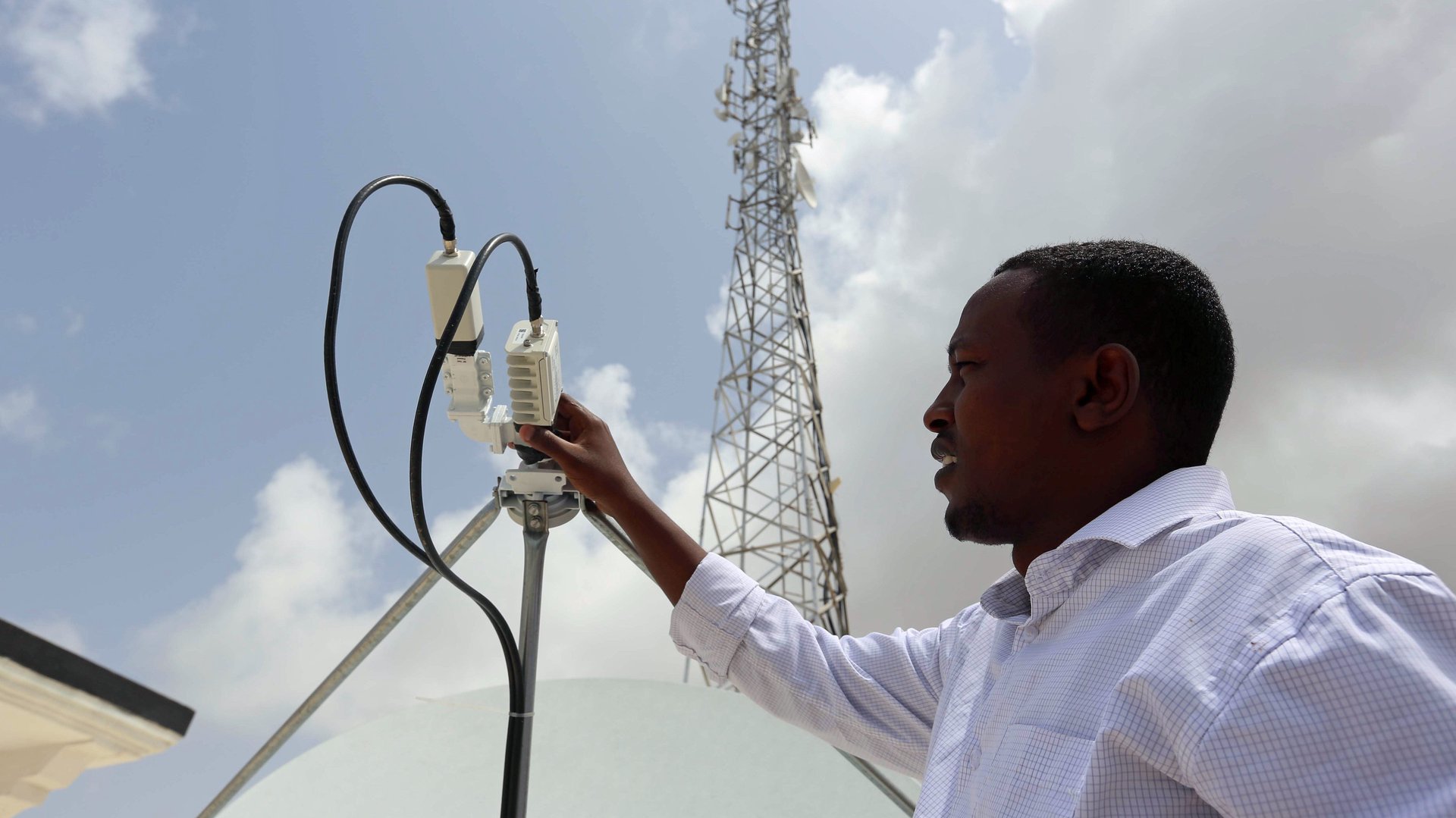
One of the lessons of working with remote teams on the African continent or traveling around Africa is that the internet is not the internet everywhere you go. It is true everyone has Google, Facebook and WhatsApp like elsewhere, but the quality and cost of connections varies widely depending on which city you live or visit. And, if you happen to live or work in many rural areas then you’re probably not reading this till you get to the nearest city.

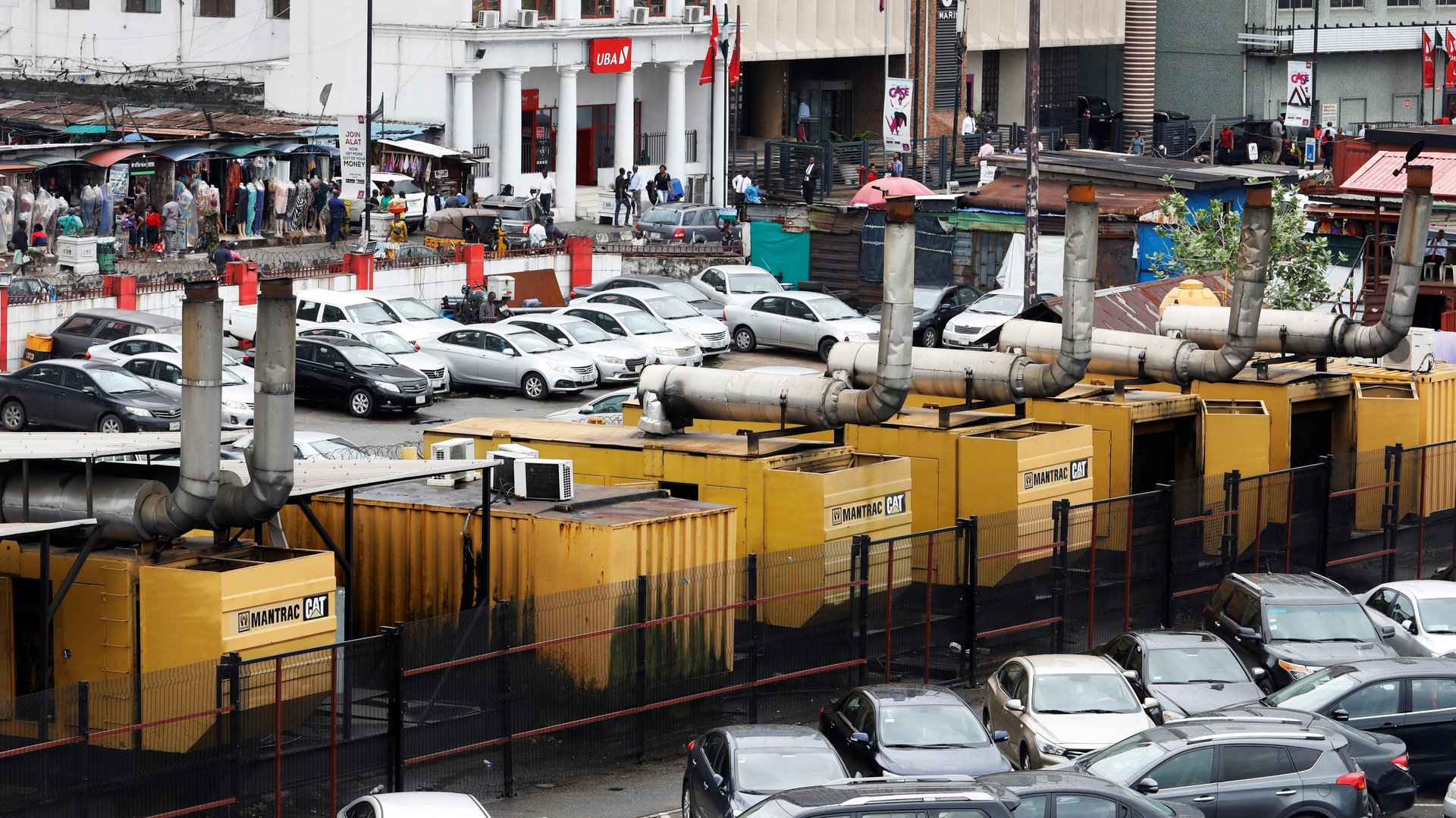
In Lagos, the culture of noisy back-up generators is so ingrained there’s unspoken etiquette about showing consideration for neighbors about how long you leave yours on late into the night. Of course, noise is just one of many of the drawbacks of using generators, especially when the electricity supply is such that the tag “back-up” is something of a misnomer.