
Physical oil shortages are on the way, Chevron $CVX CEO Mike Wirth warned Monday — a consequence, he said, of the closure of the Strait of Hormuz, a chokepoint through which roughly a fifth of the world's crude oil usually moves.
Chevron chief executive Mike Wirth said the impact of the closure could be as significant as the supply disruptions of the 1970s
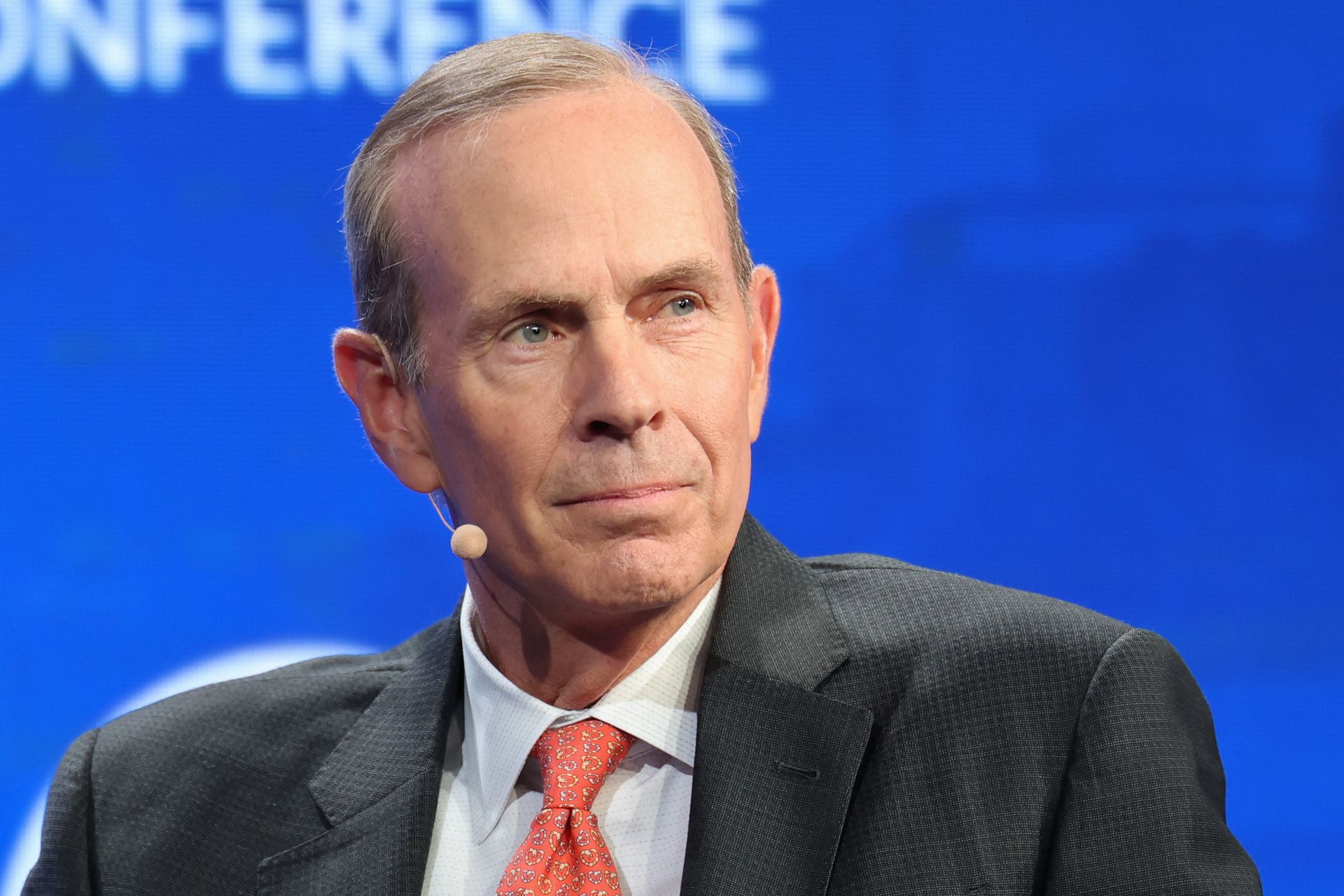
PATRICK T. FALLON / Getty Images
Physical oil shortages are on the way, Chevron $CVX CEO Mike Wirth warned Monday — a consequence, he said, of the closure of the Strait of Hormuz, a chokepoint through which roughly a fifth of the world's crude oil usually moves.
During remarks at a Milken Institute event reported by Reuters, Wirth said the tightening of supply would force demand lower, with Asian economies among the first to feel the contraction. Wirth invoked the twin energy crises of the 1970s — episodes that brought rationing and pump-line gridlock to economies worldwide — as a historical parallel, calling the closure's potential impact "potentially as big as in the 1970s."
Spirit Airlines has become a visible early victim of the supply crunch, shutting down over the weekend after surging jet fuel costs made continued operations untenable.
The Hormuz closure has been in effect since the start of the U.S.-Israeli war with Iran. The strait became a flashpoint for escalating tensions after Iran shut the waterway — a move that sent Brent crude briefly above $126 a barrel in late April. More recently, Iran launched missile and drone attacks against the United Arab Emirates, further rattling energy markets. Brent crude stood at about $115 a barrel on Monday, while U.S. West Texas Intermediate was at roughly $105.
The conflict traces to a campaign that got underway in late February. President Donald Trump announced "Project Freedom" on Sunday — a plan to escort cargo vessels stranded in the Persian Gulf through the strait — which drew threats from Iranian military commanders warning that vessels, and American forces in particular, attempting to pass without prior coordination could be attacked.
Wirth's comments came days after Chevron reported its lowest profit in five years for the first quarter of 2026. The company earned $2.2 billion, or $1.11 per share, down from $3.5 billion in the same period a year earlier, though adjusted earnings came in well ahead of expectations. In a statement at the time, Wirth said Chevron had delivered "solid first-quarter performance" despite "heightened geopolitical volatility and related supply disruptions."
Chevron's operations in the Middle East are limited, accounting for less than 5% of the company's total production, according to Reuters.
Join 500,000+ readers who start their day with Quartz.
By subscribing, you agree to our Terms of Service and Privacy Policy.