
Sales of electric passenger vehicles in China climbed 10.5% last month compared to the same time a year earlier, as automakers continue to slash prices and deepen discounts to entice consumers.
Automakers have been aggressively introducing incentives and slashing prices to strengthen sales
Sales of electric passenger vehicles in China climbed 10.5% last month compared to the same time a year earlier, as automakers continue to slash prices and deepen discounts to entice consumers.
China’s first-quarter sales hit 1.03 million EVs, growing 14.7% compared to a year prior, according to data from the Chinese Passenger Car Association. However, that’s the slowest quarterly growth since the second quarter of 2023.
New energy vehicles (NEV) — a category that includes both plug-in EVs and battery EVs — accounted for nearly 42% of all passenger car sales in March. About 1.71 million passenger cars were sold last month.
Tesla $TSLA was the second biggest seller of EVs last month with 89,064 made-in-China units sold, according to the China Passenger Car Association, up from 60,365 EVs in February. China’s largest EV company, BYD, sold 301,631 units.
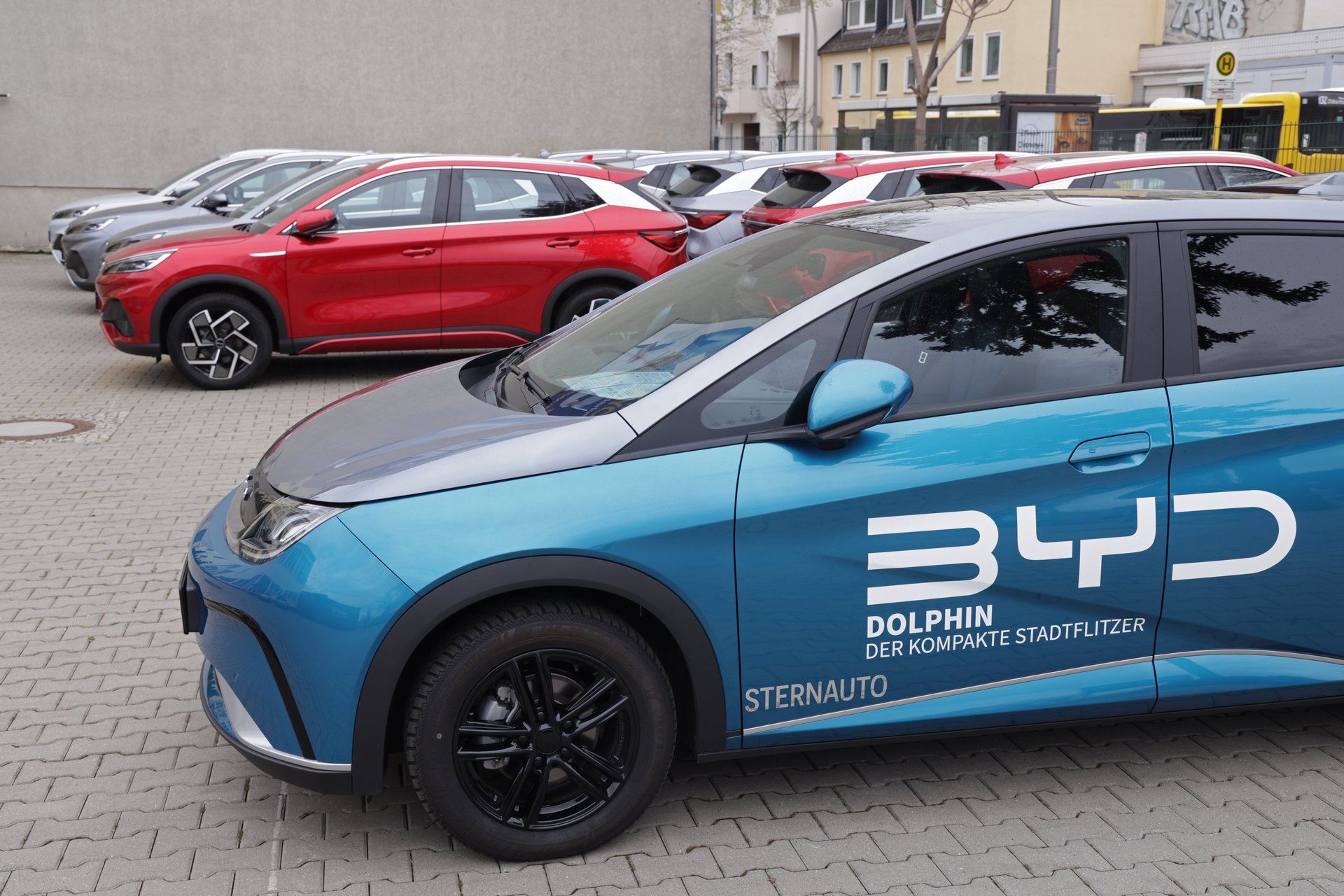
Automakers in China have been embroiled in a price war led by BYD, which has introduced or teased several new models across its brands, such as the $233,000 Yangwang U9 electric supercar and a planned electric pickup truck. It’s also refreshed several models, including the ultra-cheap e2 and Seagull electric hatchbacks.
The rapid introduction of cheaper and new models spurred a slew of price cuts from competitors. That was only exacerbated by the release of Xioami’s SU7, its first-ever EV, which led to new price cuts and subsidies across rival Chinese EV brands, according to Reuters.
In contrast, Tesla on April 1 raised prices along its entire Model Y lineup in China, Europe, and the U.S. The move was announced last month and largely seen as a bid to raise sales amid a poor deliveries record.
Elon Musk’s company has also launched a time-limited zero-interest financing plan for Model 3 EV buyers. Volkswagen and Nio have also offered financing plans with low interest rates,
Overall, China’s car exports hit 406,000 units in March, up 39%. Chinese car exports have surged as its manufacturers have aggressively expanded overseas; Japan — the world’s top exporter of cars since 2017 — lost that title to China in 2023. About 60% of global EV sales come from China’s car industry, according to the International Energy Agency.
European and U.S. government officials have grown increasingly worried about the flood of Chinese goods, especially EVs and lithium-ion batteries. U.S. Treasury Secretary Janet Yellen Monday confirmed that tariffs are still on the table as an option to curb China’s exports.
“China is now simply too large for the rest of the world to absorb this enormous capacity,” Yellen told reporters Monday. “Actions taken by the [People’s Republic of China] today can shift world prices. And when the global market is flooded by artificially cheap Chinese products, the viability of American and other foreign firms is put into question.”
During a meeting with Yellen on Monday, Chinese Premier Li Qiang urged the U.S. to not “politicize” economic and trade issues and instead “look at the capacity issue objectively and dialectically from the perspective of market economy and a global vision,” according to a readout from China’s Foreign Ministry.
Join 500,000+ readers who start their day with Quartz.
By subscribing, you agree to our Terms of Service and Privacy Policy.