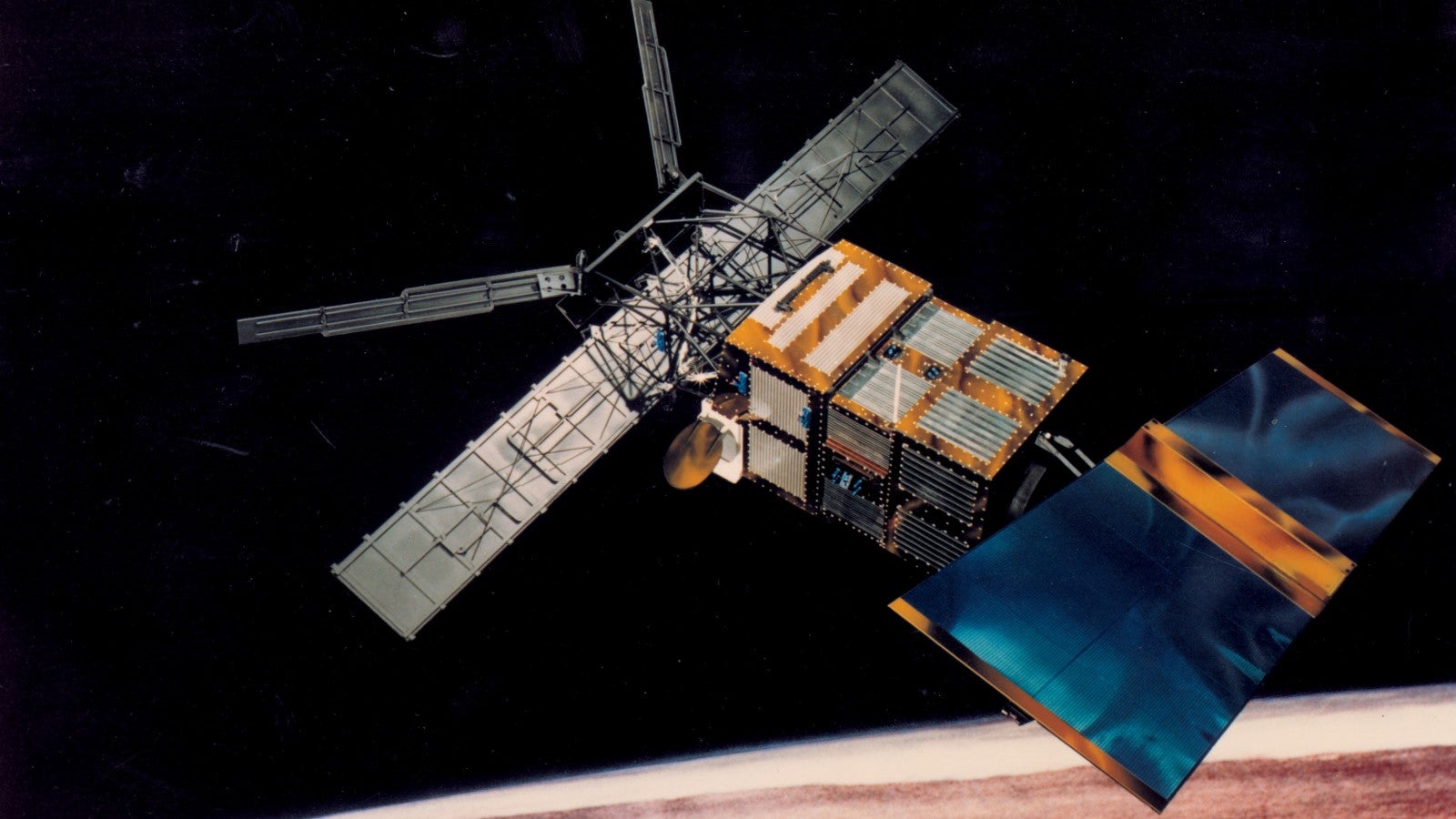
ESA said that the re-entry [of] ERS-2 is expected to take place on Wednesday (Feb. 21) at 10:19 a.m. ET (1519 GMT), plus or minus around 19 hours. This uncertainty is due to the “influence of unpredictable solar activity, which affects the density of Earth’s atmosphere” and can therefore change how much drag pulls on the satellite on its way down, ESA wrote. It’s still too early to tell where it will come down, but we’ll have a better idea as the time of re-entry gets closer.
The craft has reportedly now burned up all its onboard fuel, so is at the mercy of gravity for its return to Earth. However, there isn’t really much to worry about with this crash landing. In fact, the European Space Agency doesn’t project that much of the satellite will actually reach the ground (or sea) later this week.