Trump unveils new tariffs on almost 70 countries, seeking to upend global trade again
The fusillade of tariffs will be applied to countries spanning the globe from the United Kingdom to Laos, with a minimum 10% import tax
By
The fusillade of tariffs will be applied to countries spanning the globe from the United Kingdom to Laos, with a minimum 10% import tax
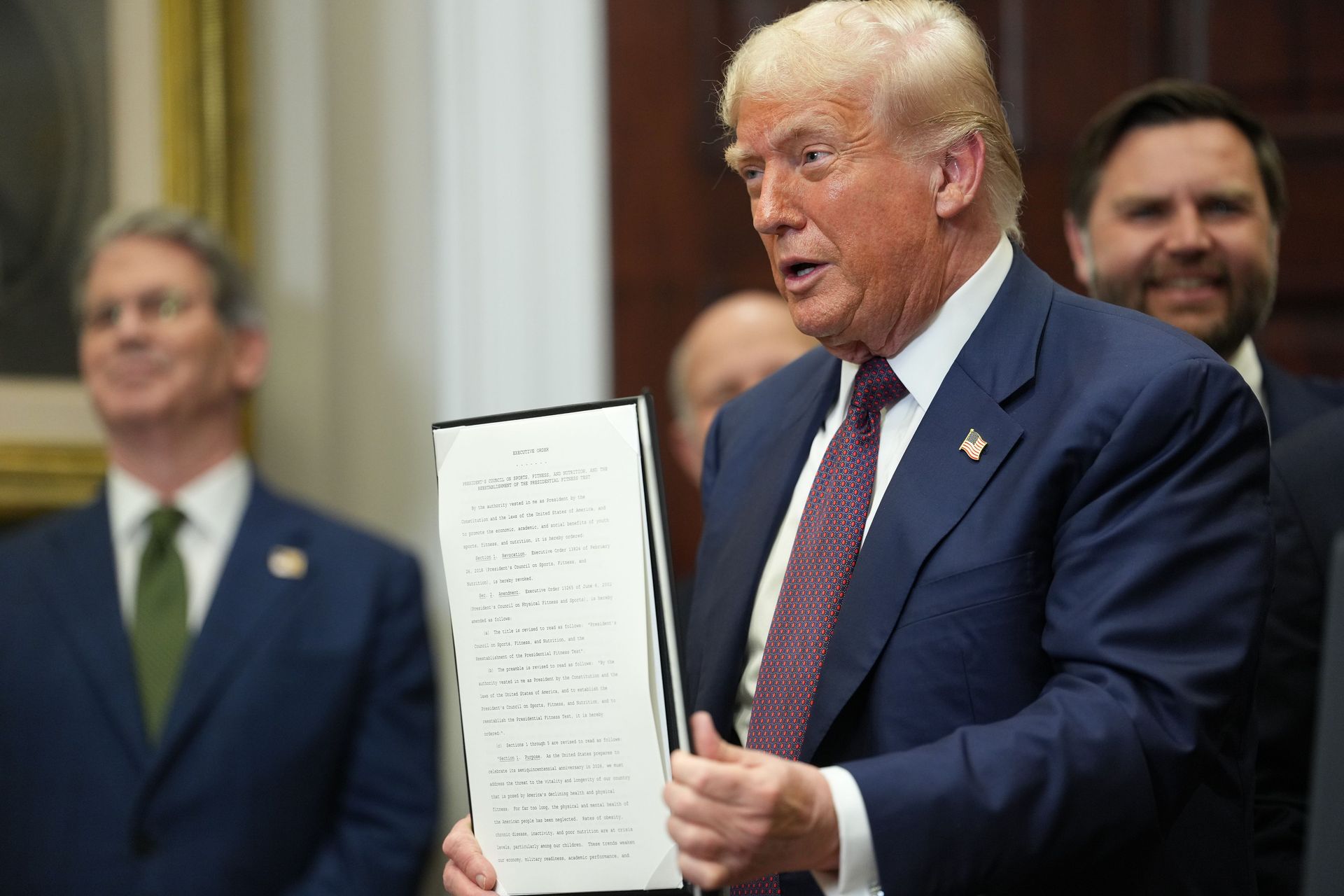
President Donald Trump unveiled a parade of tariffs late Thursday on dozens of countries that will take effect Aug. 7, threatening to upend global commerce and trigger price increases for U.S. consumers.
The White House punted on its self-imposed Friday deadline for the tariffs. Yet if they take effect next week as now planned, the fusillade of new tariffs will be applied on close to 70 countries spanning the globe from the United Kingdom to Laos. A 10% import tax will serve as the bare minimum for nations not assigned a rate. Countries that the U.S. runs a trade deficit with will be hit with a 15% tariff.
U.S. allies didn’t escape steep tariffs: Switzerland will be hit with a 39% tariff under Trump’s new trade regime, the third highest rate on the list. It’s just below a 41% levy on Syria. Brazil faces a 50% tariff.
Markets in the U.S. and overseas reeled after the latest trade war developments. The Dow Jones Industrial Average fell more than 600 points, or 1.4%, while the S&P 500 shed 1.6% and the tech-heavy Nasdaq $NDAQ plunged 2.1%.
The executive order establishing the tariffs said that persistent trade deficits composed “an unusual and extraordinary threat to the national security and economy of the United States.” The order is built on the same legal rationale that triggered an ongoing court fight over Trump’s emergency authority to unilaterally put new tariffs in place.
The moves amount to a replay of Trump’s “Liberation Day” tariffs from April, meant to force countries to deliver big trade concessions to the U.S, though the new ones aren't as sky-high. Those levies greatly unsettled financial markets and led to the president declaring a temporary, three-month pause to provide more time for negotiations. In the meantime, more than two dozen trading partners received letters from Trump assigning new tariff rates if they didn’t strike a sweeping trade deal on terms he deems more fair toward the U.S.
The Trump administration has since forged a string of trade agreements with the United Kingdom, the European Union, Indonesia, and the Philippines, among others. There’s an interim accord with China that U.S. officials say is likely to be extended past Aug 12. Earlier on Thursday, Trump said he reached a deal in “a very successful call” with Mexican President Claudia Sheinbaum not to hike existing tariffs for three months so more breathing room is provided for negotiations.
Canada doesn’t appear on course to be spared. The White House unveiled a separate executive order that’s set to impose a 35% tariff on Canadian imports starting Aug. 1, slamming it for failing to halt the flow of illegal drugs across the U.S. border. Tariffs won't be applied to Canadian exports that meet an earlier trade agreement's definition of North American products while steel and aluminum tariffs will remain in place.
"This is a great deal for the country," U.S. Trade Representative Jamieson Greer told Fox Business host Maria Bartiromo on Friday morning. "[Trump's] view is maybe a tariff is better than a deal. ... We're very focused on making sure we can protect American manufacturing and be able to reduce our trade deficit."
Trump administration officials say that missing Trump's trade deadline doesn't mean foreign governments can't strike an agreement down the road. “If there's not a deal by August 1, I would encourage market participants, corporate America, even the countries, not to panic, because you can still do a deal," Treasury Secretary Scott Bessent said Wednesday.
Trade experts expressed concern about the negative effect of the tariffs on the U.S. economy. "This isn't just protectionism, it is bad protectionism -- and will have all sorts of unintended consequences," Brad Setser, a senior fellow at the Council of Foreign Relations, wrote on X $TWTR.
Major U.S. companies are already reporting significant losses due to the tariffs. Ford $F Motors said it expects to lose $2 billion this year, almost half of it in the second quarter.
“That can only go on for so long because you've got to manage the tug and pull between consumer prices going up and investors not liking you [miss] the margin estimates that you had in the past,” Republican Sen. Thom Tillis of North Carolina told Quartz.
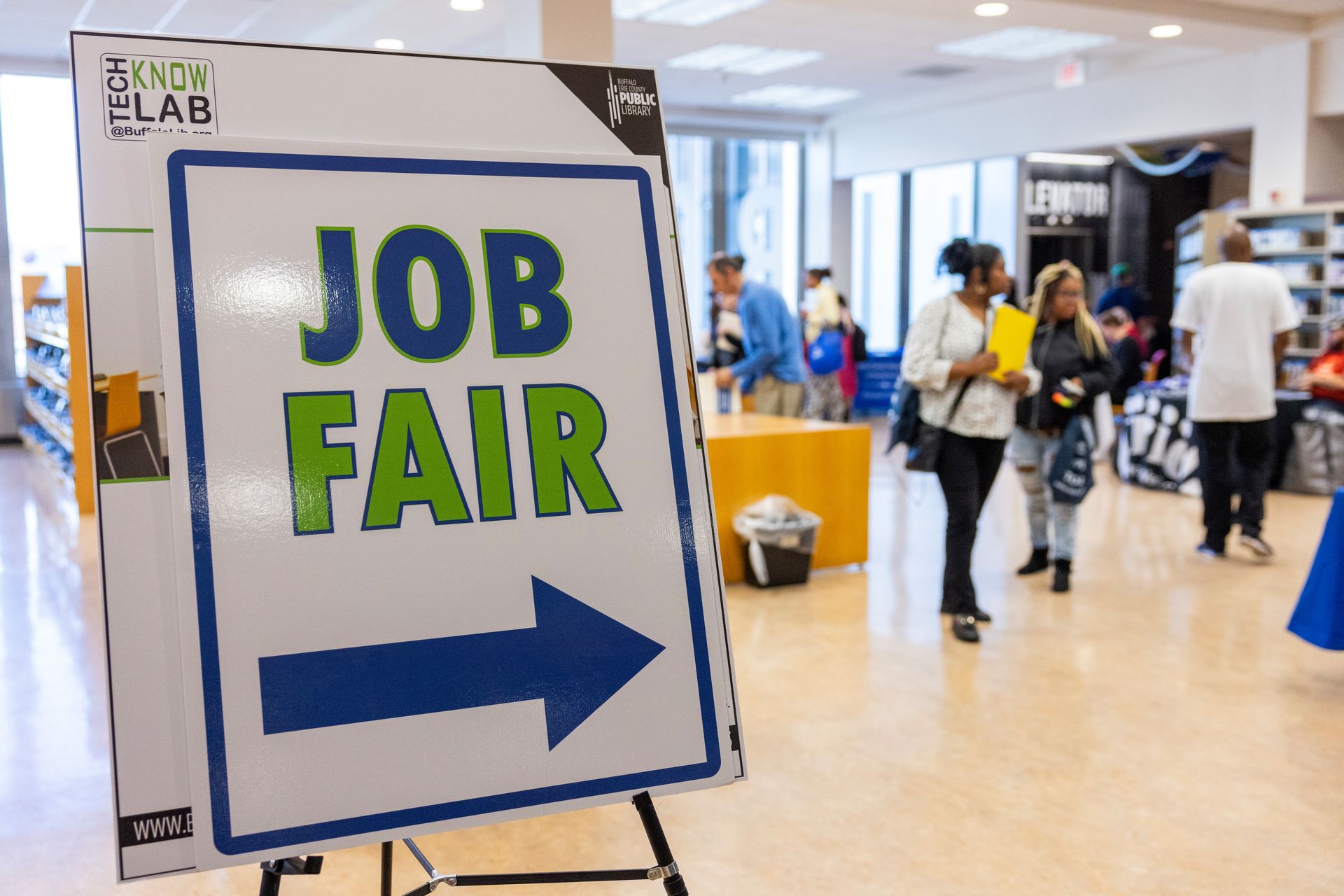
A new federal report on Friday showed the U.S. economy added just 73,000 jobs in July, a fresh sign that uncertainty from tariffs were saddling employers and prompting them to scale back their hiring. The prior two months of post-tariff jobs reports were sharply revised down by 258,000 jobs, making for the weakest stretch of employment growth since the early pandemic.
The Yale Budget Lab has estimated that the average tariff rate for U.S. imports will reach a pre-World War II level of about 18%, the highest since 1933. Some GOP senators acknowledge that U.S. companies and consumers will be on the hook for Trump’s tariffs.
“I recognize there will be revenue brought in, but it's like a sales tax,” Sen. Mike Rounds of South Dakota told Quartz earlier on Thursday. “It's just a sales tax on foreign goods, but the American people will be part of it.”