
Gaslighting is not a new word—but it’s one that people have taken newfound interest in this year.
In 2022, searches for “gaslighting” increased 1740% year-on-year, according to Merriam-Webster
Gaslighting is not a new word—but it’s one that people have taken newfound interest in this year.
In 2022, searches for “gaslighting” increased 1740% year-on-year, according to Merriam-Webster. “In this age of misinformation—of ‘fake news,’ conspiracy theories, Twitter $TWTR trolls, and deepfakes—gaslighting has emerged as a word for our time,” the American publisher, well known for its dictionary, noted while announcing it as the word of the year.
There was no one single event that sparked interest in the term. Instead, there was sustained curiosity. “It was a word looked up frequently every single day of the year,” Peter Sokolowski, Merriam-Webster’s editor at large, told The Associated Press ahead of Monday’s unveiling.
Gaslighting is mostly used in describing abusive relationships, and sometimes in reference to politicians and newsmakers, too.
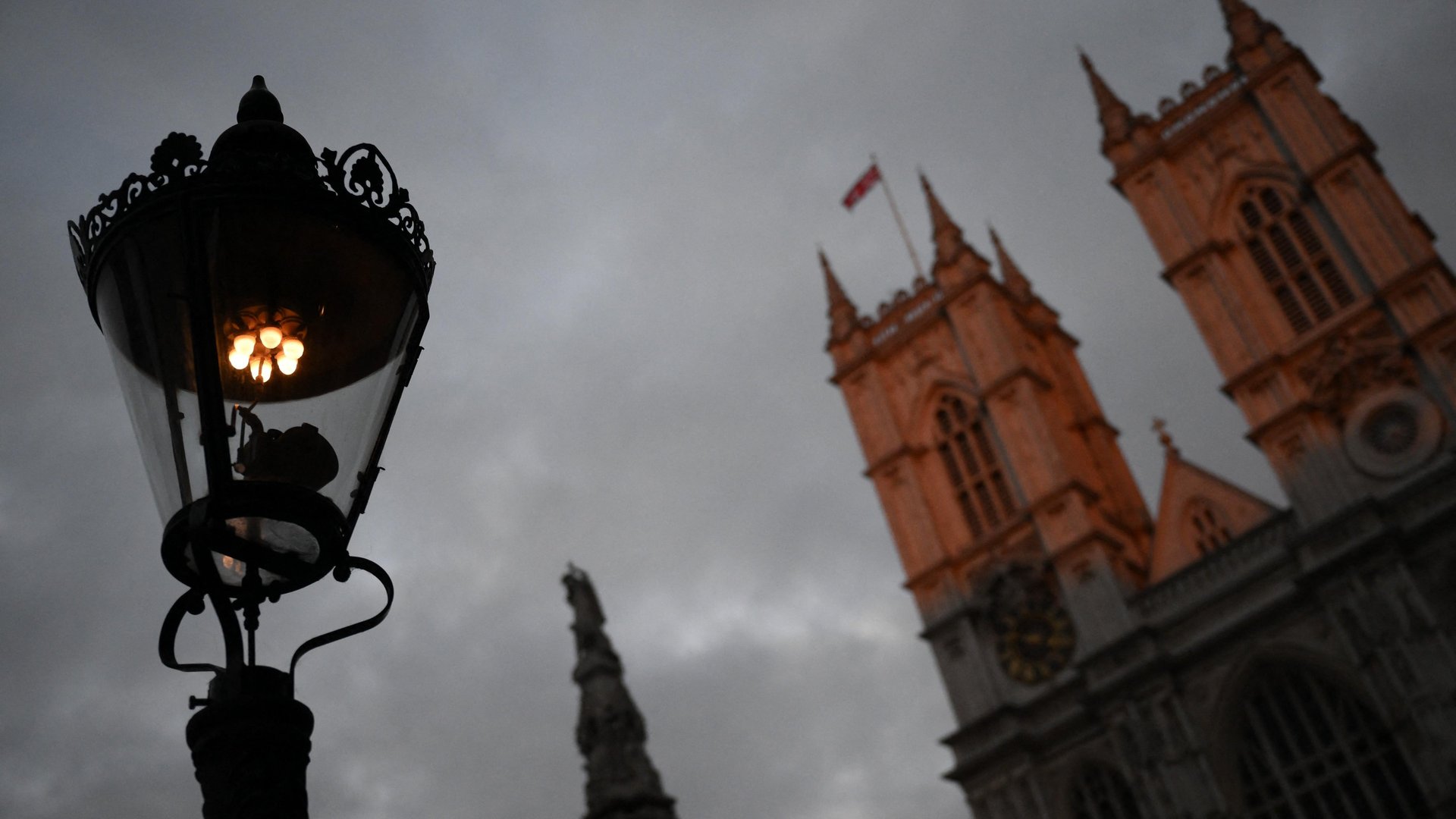
In the most literal sense gas lighting refers to the lighting of street lamps, which dates back a few centuries. But the current form that’s used in conversation more metaphorically now comes for a 1938 Victorian-era thriller play titled Gas Light.
The play is about a husband who attempts to drive his young wife mad by causing her to doubt her own grip on reality. He does it by dimming the gaslights in the house while searching for hidden jewels, and when the wife tells him about the dimming lights and noises upstairs, he claims she is imagining things and going insane.
In 1944, the play was made into a movie starring Charles Boyer and Ingrid Bergman as the distraught wife. The film version apparently prompted the use of gaslight as a verb meaning “to attempt to make (someone) believe he or she is going insane.”
Couple of other words in the running came from the headlines in the year.
Meaning: a noun defined by the UK-based publisher HarperCollins as “an extended period of instability and insecurity, especially one resulting from a series of catastrophic events.”
Why is it the 2022 pick? We’ve bounced from crisis to crisis, including Russia’s invasion of Ukraine, political turbulence, economic crises, and more, according to blog post on the Collins Dictionary website by David Shariatmadari, author of Don’t Believe A Word: From Myths to Misunderstandings–How Language Really Works
Meaning: A noun that is short for “home run, a point scored in baseball when you hit the ball, usually out of the playing field, and are able to run around all the bases at one time to the starting base.”
Why is it the 2022 pick? On May 5, searches for “homer” on the Cambridge Dictionary website spiked to a massive 65,000. The informal American English term for a home run in baseball was the winning word on popular game Wordle that day.
For the first time, Oxford is letting people pick the word of the year. For 2 weeks starting Nov. 21, people can choose between one of three shortlisted words:
Metaverse: From hybrid working in VR, to debates over the ethics and feasibility of an entirely online future, usage of this word has quadrupled in October 2022 compared to the same period last year.
#IStandWith: a social media term people used to align themselves with a side in various instances this year, such as Russia’s war in Ukraine or the Depp v. Heard lawsuit
Goblin mode: the idea of rejecting societal expectations put upon us, in favor of doing whatever one wants to.
Join 500,000+ readers who start their day with Quartz.
By subscribing, you agree to our Terms of Service and Privacy Policy.