It was his love for nature and wildlife that led Aditya Singh to quit his Indian civil services job, leave his well-appointed house in Delhi and settle in a remote corner of Rajasthan, abutting the famous Ranthambore Tiger Reserve, in 1998. Over the last 20 years, Singh has been buying tracts of land adjacent to Ranthambore and simply letting the forest grow back.
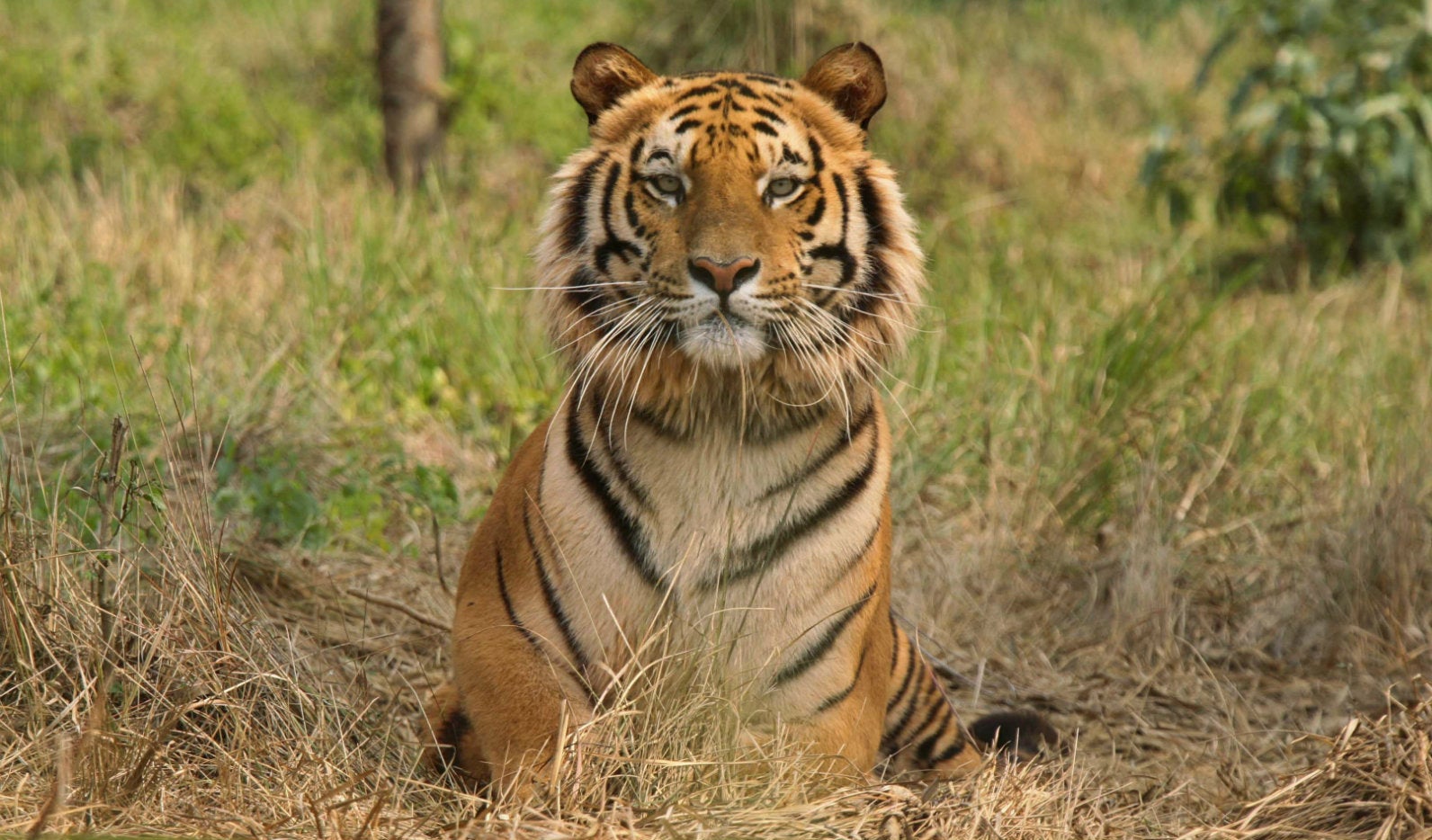
It was his love for nature and wildlife that led Aditya Singh to quit his Indian civil services job, leave his well-appointed house in Delhi and settle in a remote corner of Rajasthan, abutting the famous Ranthambore Tiger Reserve, in 1998. Over the last 20 years, Singh has been buying tracts of land adjacent to Ranthambore and simply letting the forest grow back.
After shifting to Sawai Madhopur, a small city near Ranthambore tiger reserve (RTR), Singh took up photography. His wife Poonam Singh and he opened a tourist resort there to earn their living. Unlike many tourism establishments that want unrestricted access to the wild areas, they slowly started buying land parcels adjacent to each other just outside RTR’s boundary.
Join 500,000+ readers who start their day with Quartz.
By subscribing, you agree to our Terms of Service and Privacy Policy.
“The area is called Bhadlav. I had first gone to this area soon after settling in Ranthambore along with a BBC filmmaker. This area adjacent to the boundary of the Ranthambore reserve was visited by predators like tigers who used to come for prey. As a result, farmers were selling their land,” said Singh.
Poonam remembers how it was love at first sight for her when she visited Ranthambore with Aditya. “My first sighting was a tigress with three cubs on a hill. It was magical. At the end of the trip, I just asked him if we can move to Ranthambore. He wanted it, too, and within months we moved. As far as this land is concerned, it was a dream that we both saw and achieved together to have our own area of wilderness,” she says. Poonam, an artist by profession, managed the resort with Aditya for twenty years until they closed it down in 2019.
They now own about 35 acres of land in Bhadlav, another five acres a few hundred metres away and a strip of land connecting the two.
“I just bought this and did nothing to it except removing the invasive species. We allowed the land to recover and now after 20 years it has become a lush green patch of forest which is frequently visited by all kind of animals, including tigers, leopards and wild boars, throughout the year,” said Singh.
In an aerial shot he had captured, Singh points to their land parcel—a lush green expanse compared to the barren land of the Ranthambore tiger reserve with which his landholding shares the boundary. He has also created several water holes in the landholding to ensure that the wild animals get water even during summers.
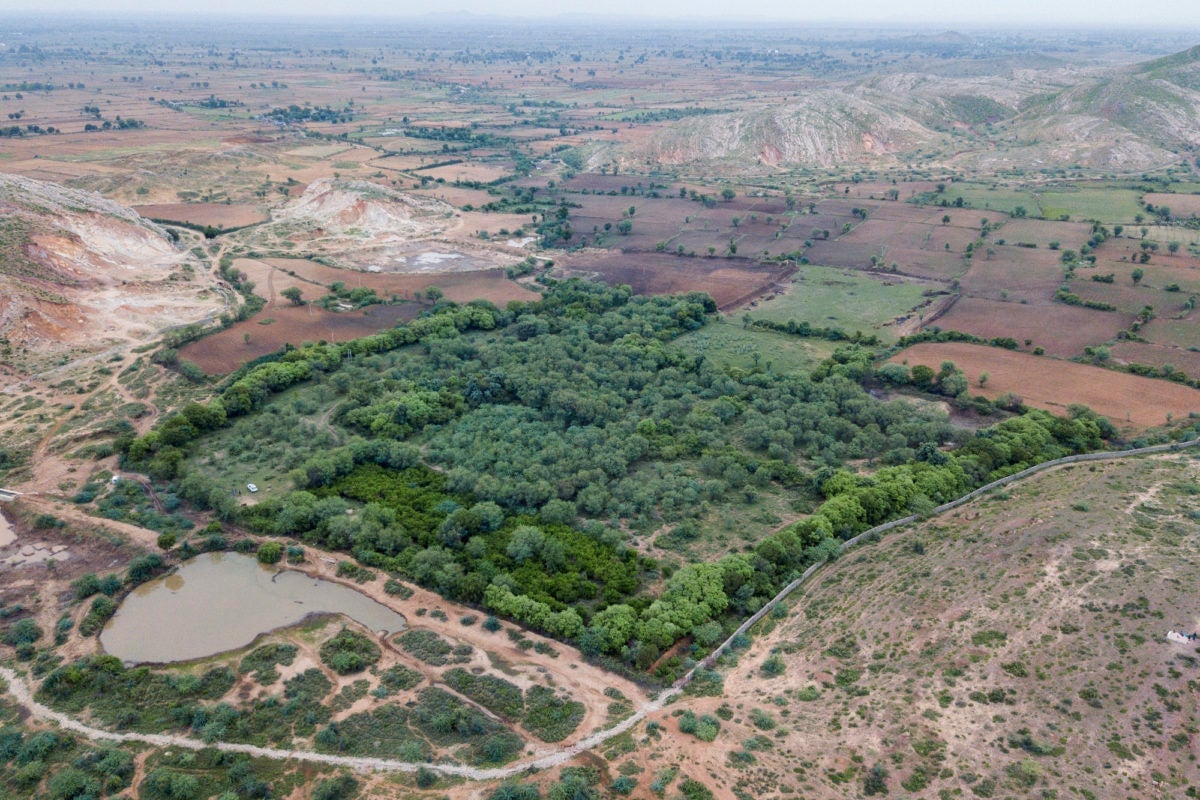
As a result, the pressure of predators like tigers from RTR venturing into fields of farmers has gone down. “It is simply because the animals understand that in this patch of the forest they get prey, water and safe shelter without any disturbance,” chuckled Singh.
At present, India has 50 tiger reserves. Ranthambore is among the country’s biggest and most famous tiger reserves, with an estimated population of about 60 tigers.
Singh admitted that he is often subjected to questions for not carrying out any project on his land which is now well worth over Rs1 crore ($140,000) despite getting so many proposals.
“Money was never the consideration. It is just about my love for nature and wildlife. Instead, these days I am getting queries from people across India who want to replicate a similar model in their state,” he said.
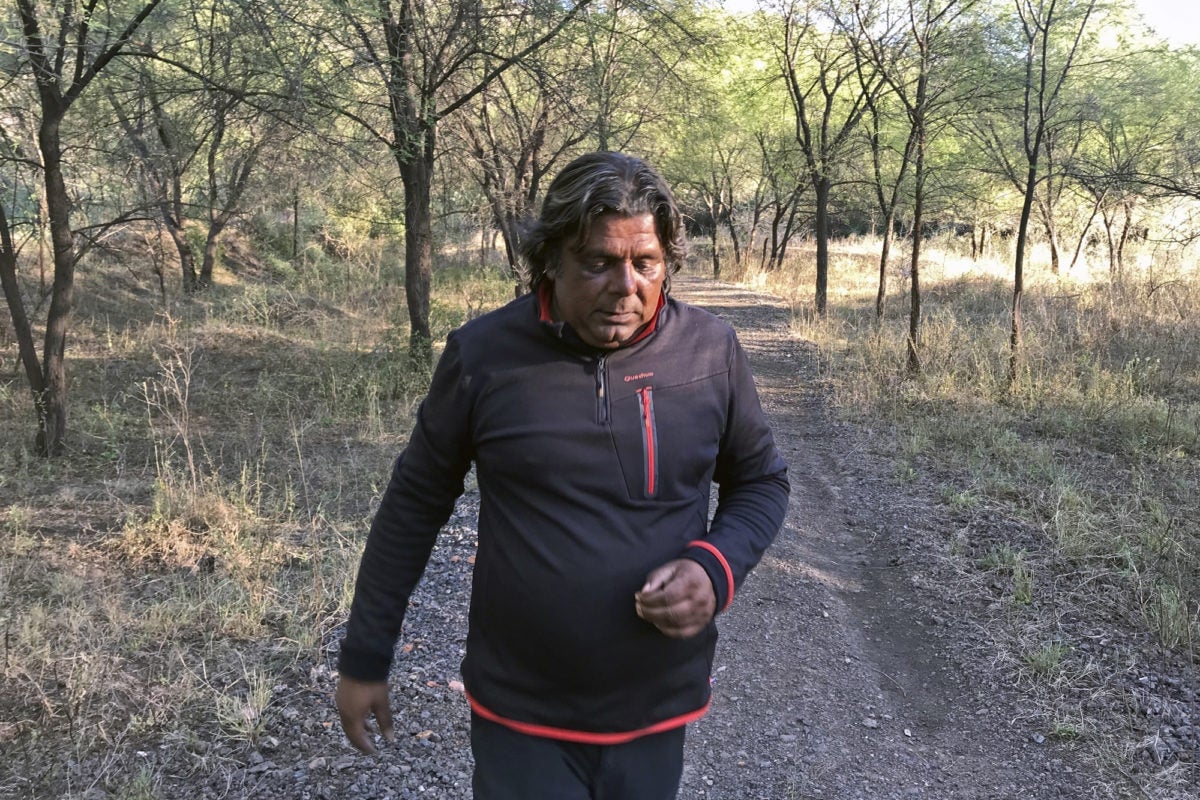
The Singhs are not done with this dream. Singh says he wants to buy more land adjacent to his fields, especially the agriculture field next to his land and inspire others in the area to follow suit.
The couple’s side project, a new home and homestay that’s in progress, is going to run on solar and wind power where too they are creating two small water holes on the fence of the house so that thirsty animals can get water during summers.
This post first appeared on Mongabay-India. We welcome your comments at [email protected].
