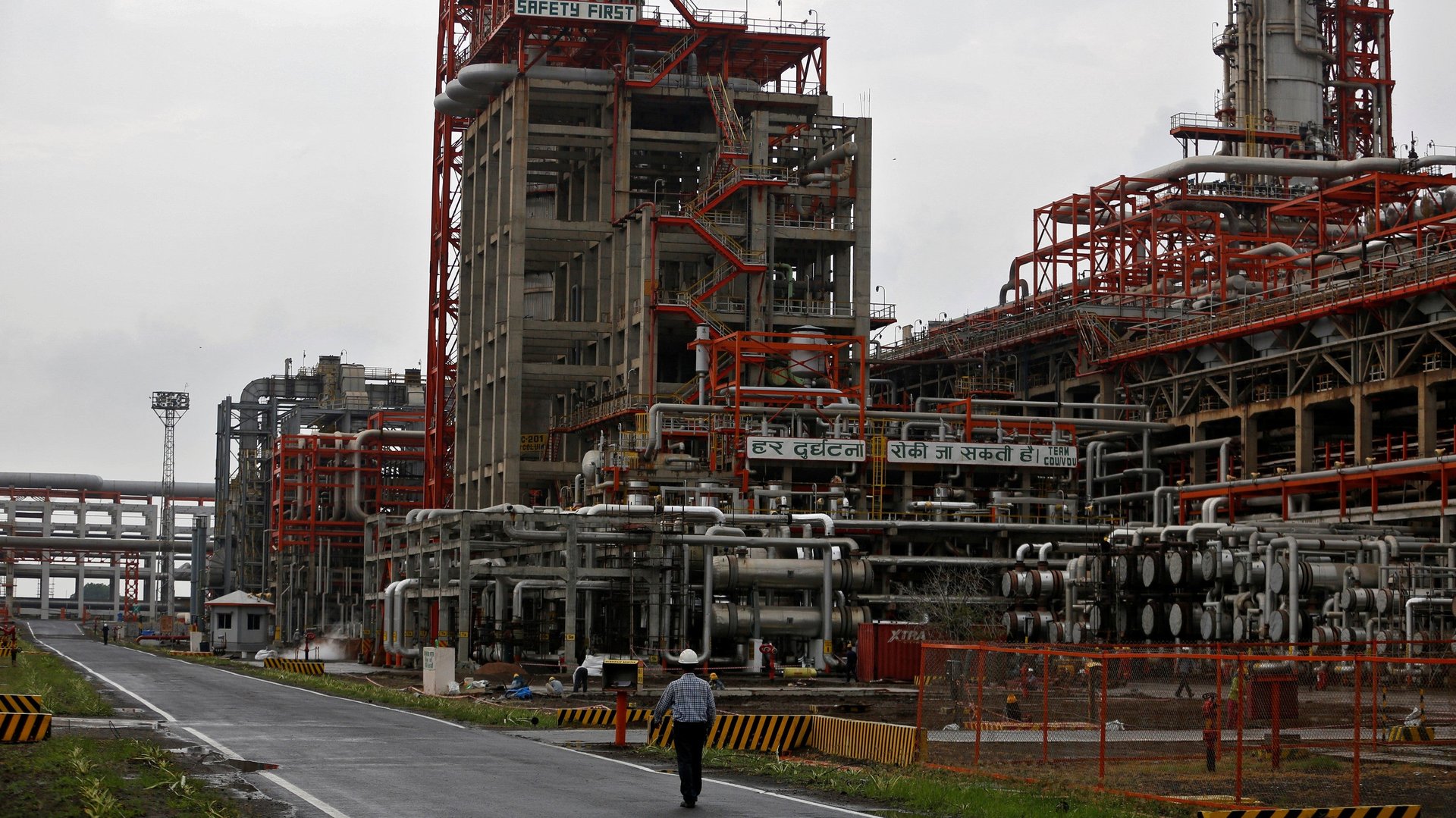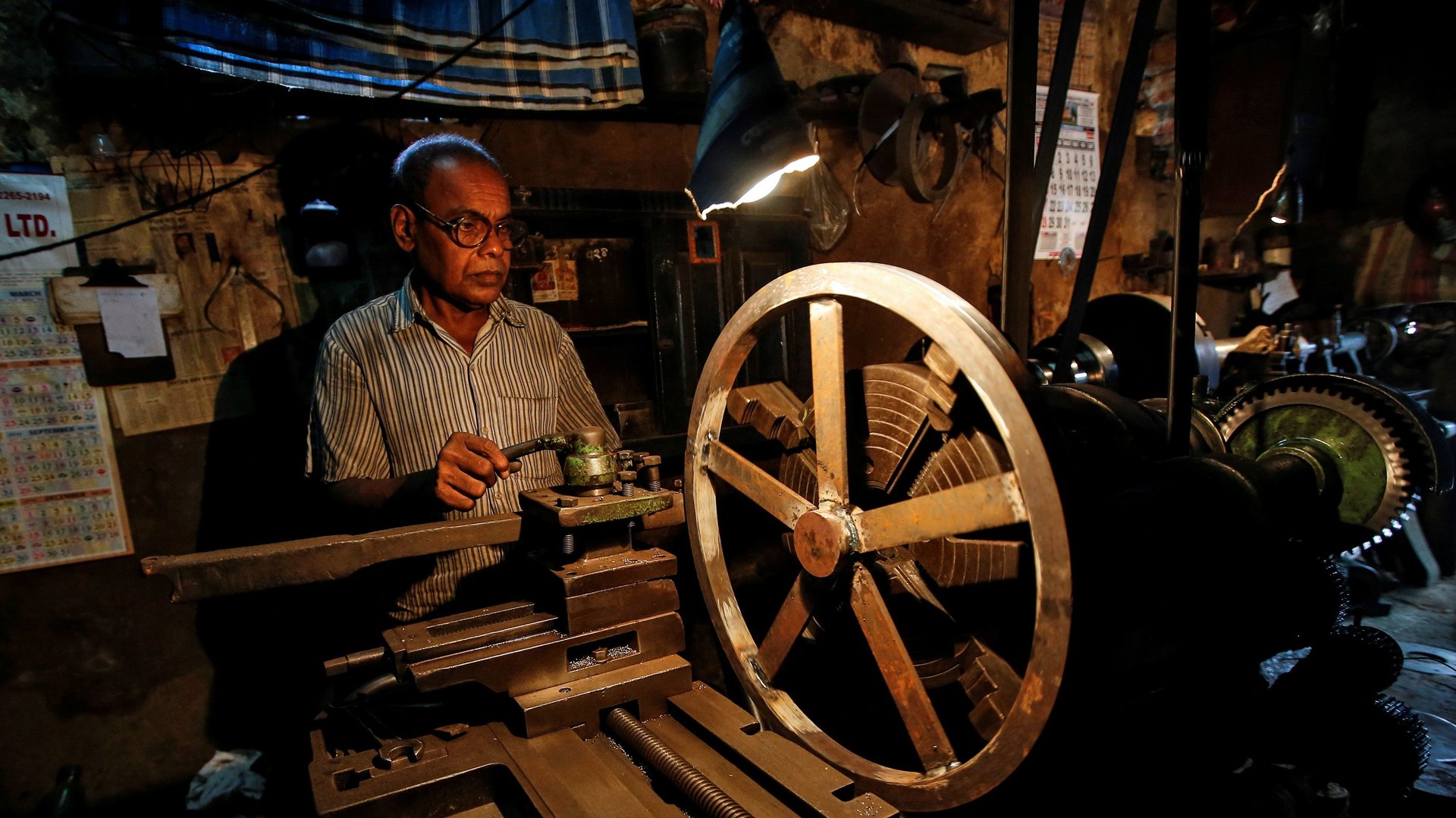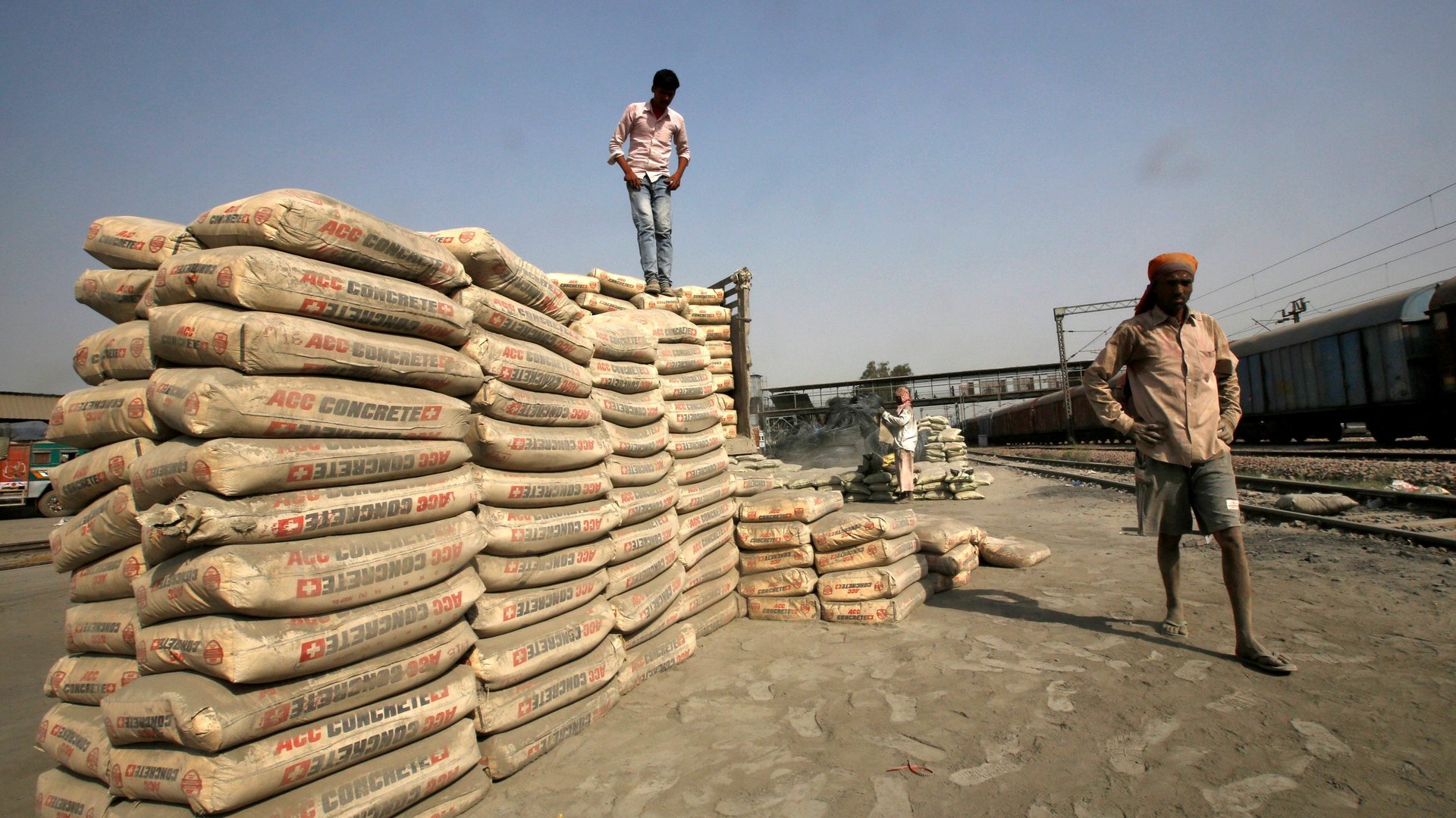
India is a country under construction. Over 250 million people are estimated to be added to the country’s urban population over the next two decades.

India is a country under construction. Over 250 million people are estimated to be added to the country’s urban population over the next two decades.

Over the past few months, India’s Ministry of Environment, Forest and Climate Change (MoEFCC) has proposed amendments to two key legislations—the Wild Life Protection Act 1972 and the Biological Diversity Act 2002 (pdf). While environmentalists and conservationists focus on the changes proposed in the two laws, dubbing them as dilutions, there are some other office orders that the environment ministry has introduced over the past two months, which push for ease of business and could further weaken the country’s green regulations.

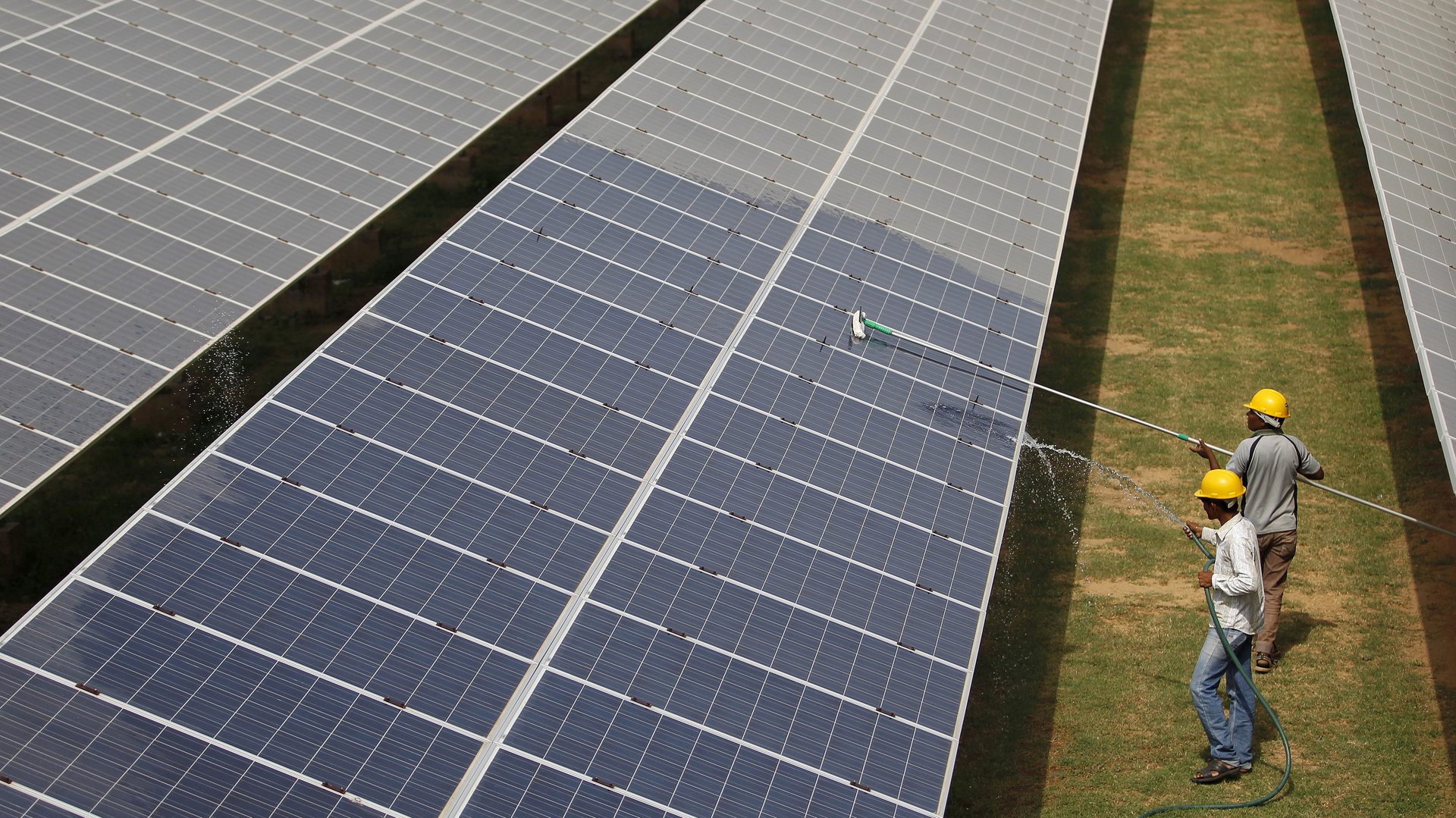
India is targeting about 450 Gigawatt (GW) of installed renewable energy capacity by 2030 and, of that, a lion’s share – 280 GW (over 60%)–would come from solar. For the next 10 years, around 25 GW of solar energy capacity is needed to be installed every year, to ensure the sun continues to shine over the country’s sunrise sector.

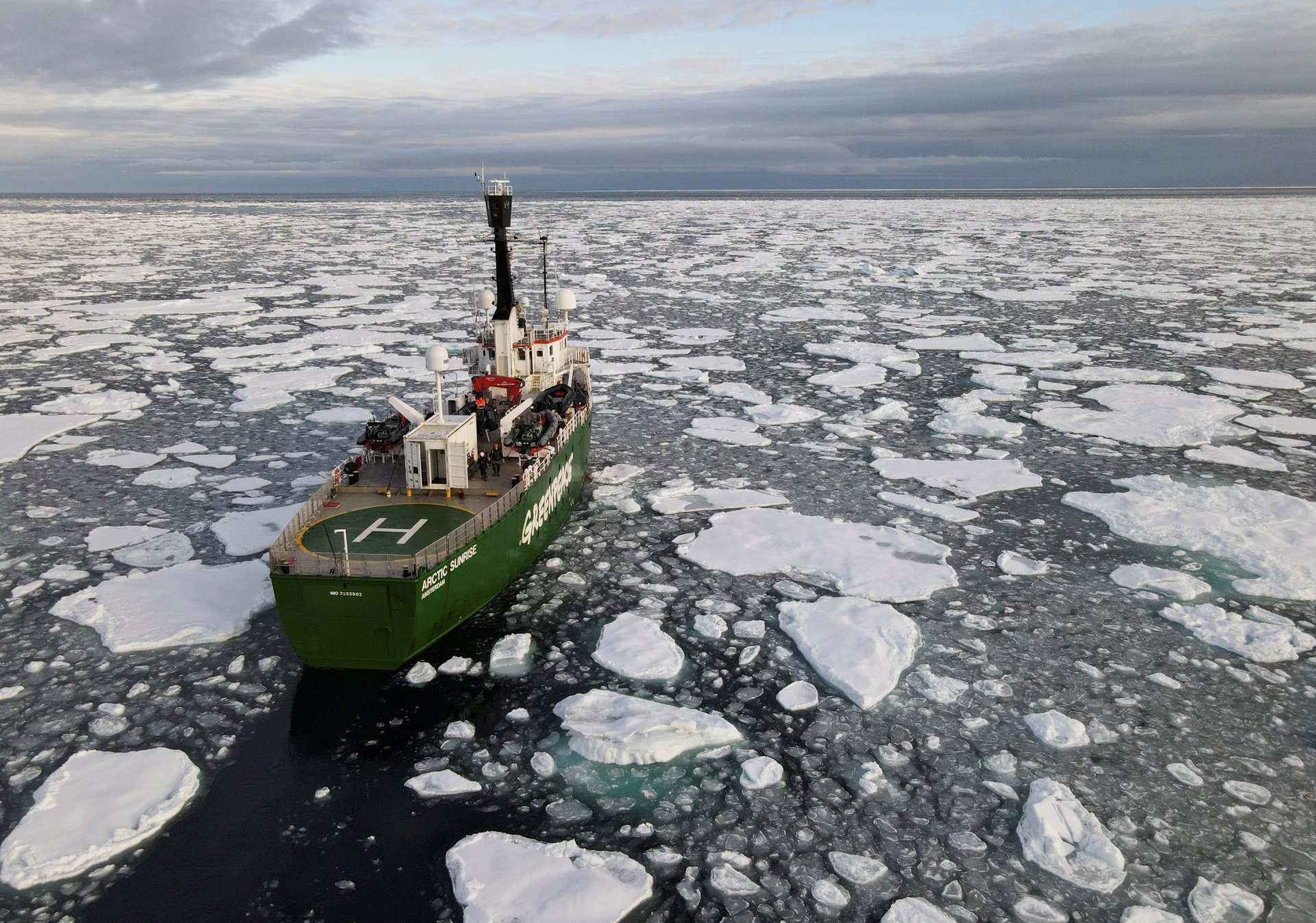
India has been invested in the Arctic region for years and to secure its share of the pie that the region offers in terms of research and resources, including minerals, the Indian government has now unveiled a draft Arctic policy. It envisages India’s engagement in the Arctic region for climate research, environmental monitoring, maritime cooperation, and energy security.

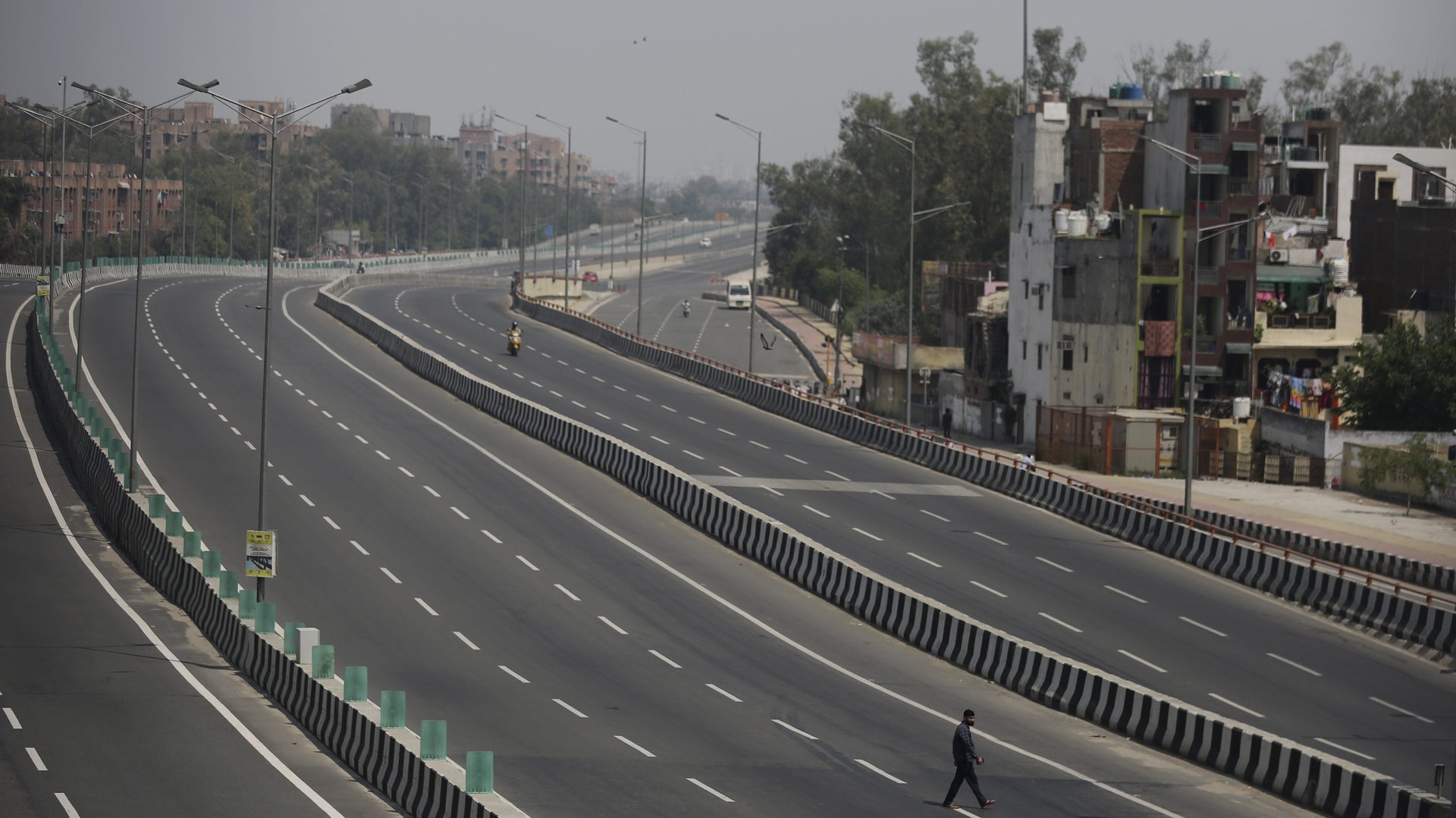
As India completes almost a month of a government-mandated lockdown to control the spread of the coronavirus, cities with poor air quality have been reporting cleaner air and lower pollution—an expected outcome of the nationwide closure. With fewer vehicles on the road, reduction in consumption of petroleum products and reduction in power demand from the commercial and industrial sector, around 78% cities where air quality is recorded have reported “good and satisfactory” levels during the lockdown period, compared to 44% cities with these levels of air quality in the pre-lockdown phase.

While India should prioritise health and economic recovery in the aftermath of the Covid-19 crisis, there will also be an opportunity for clean energy transition as part of coping strategies and support measures, says a report which examines India’s energy policies.

To ensure that businesses in India are responsible, sustainable, and respect basic human rights, the government of India is in the process of finalising its National Action Plan on Business and Human Rights (NAP).

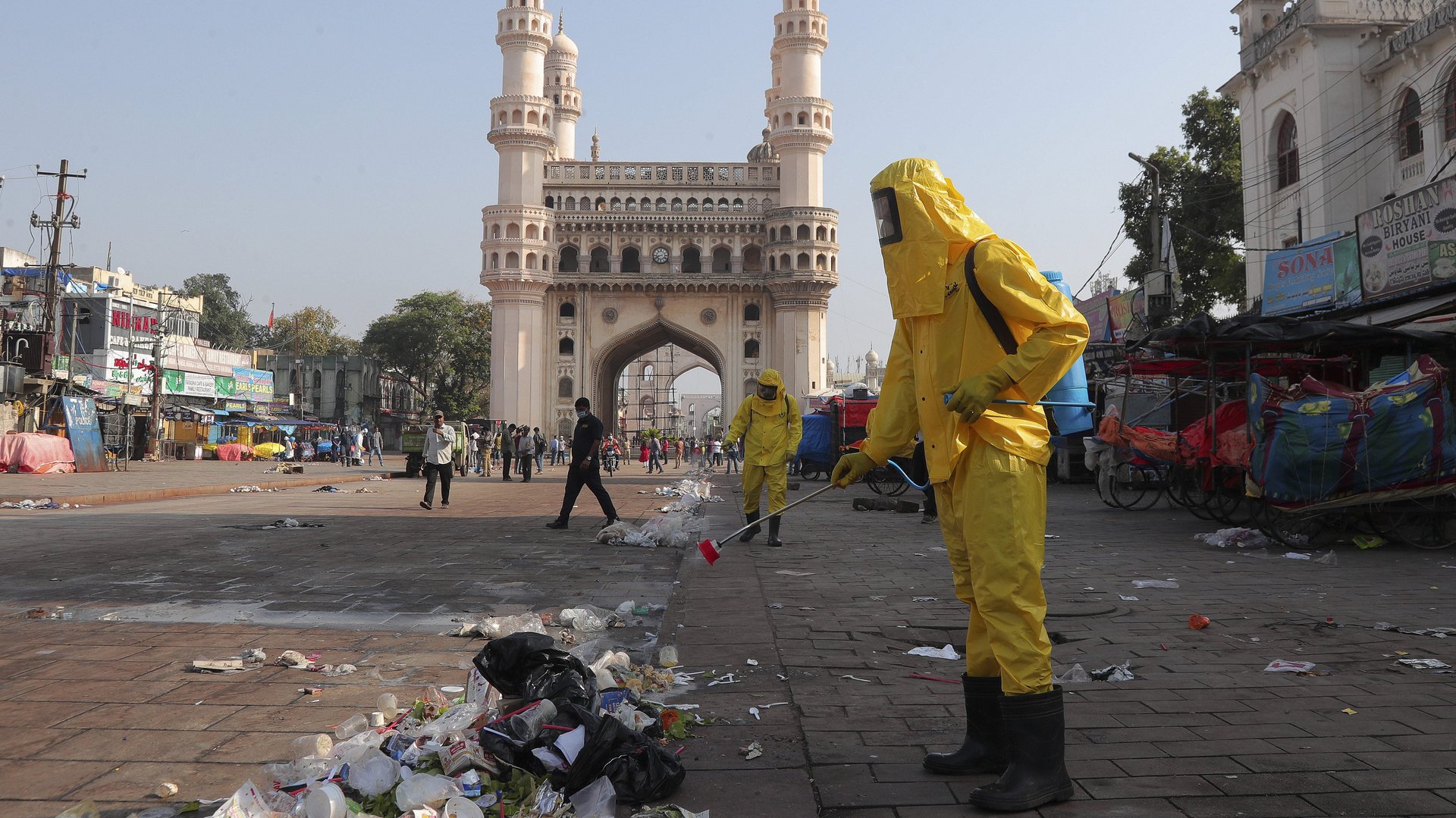
India’s pollution watchdog, the Central Pollution Control Board (CPCB), has released guidelines for handling, treatment and safe disposal of biomedical waste generated during treatment, diagnosis and quarantine of patients confirmed or suspected to have the novel coronavirus disease (Covid-19).

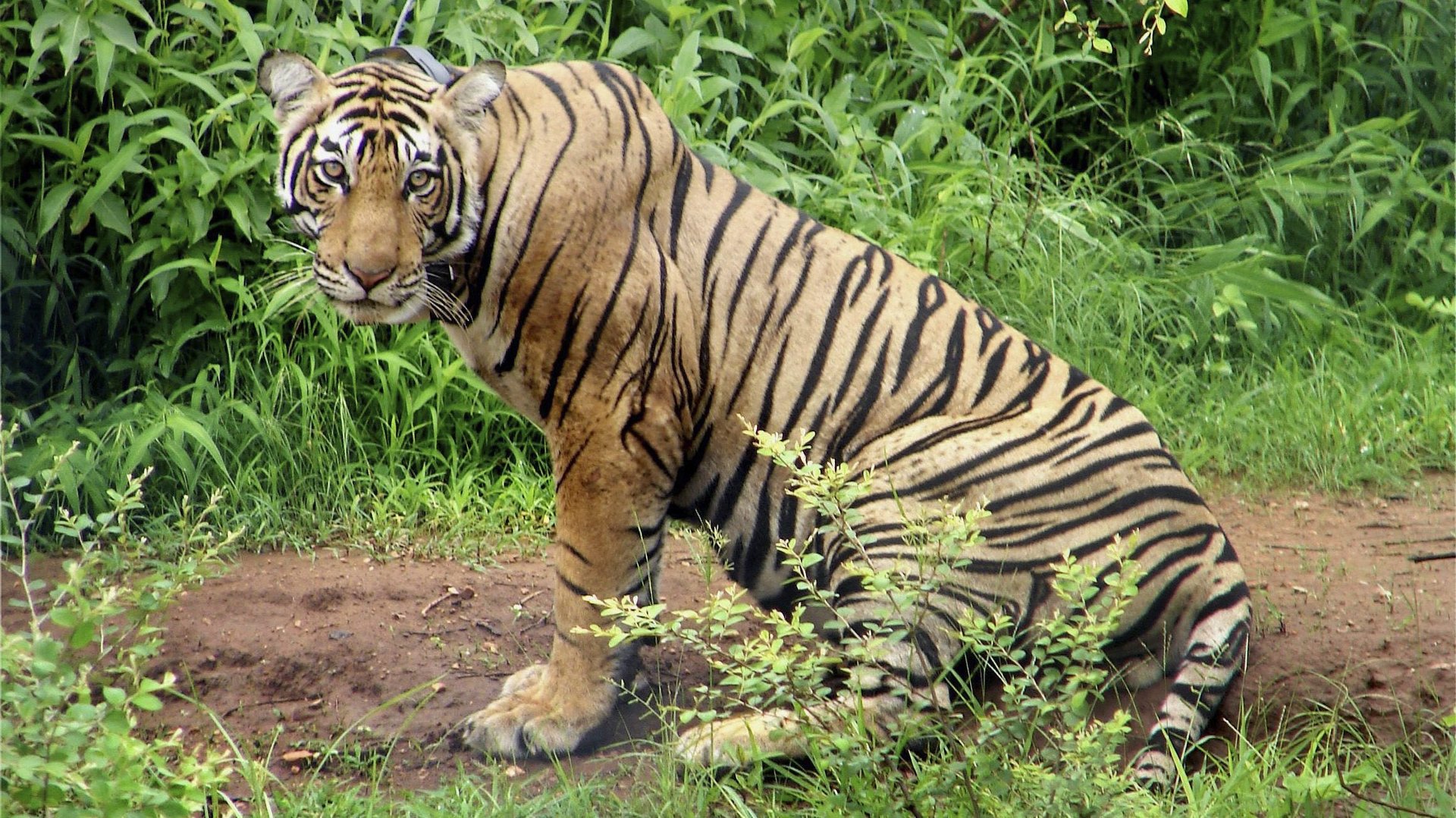
“A tiger was here…and it was not very long ago,” exclaimed Dharm Singh Gurjar looking at pugmarks on the ground, just a kilometre away from village Khohara, on the outskirts of Ranthambore tiger reserve in Rajasthan.

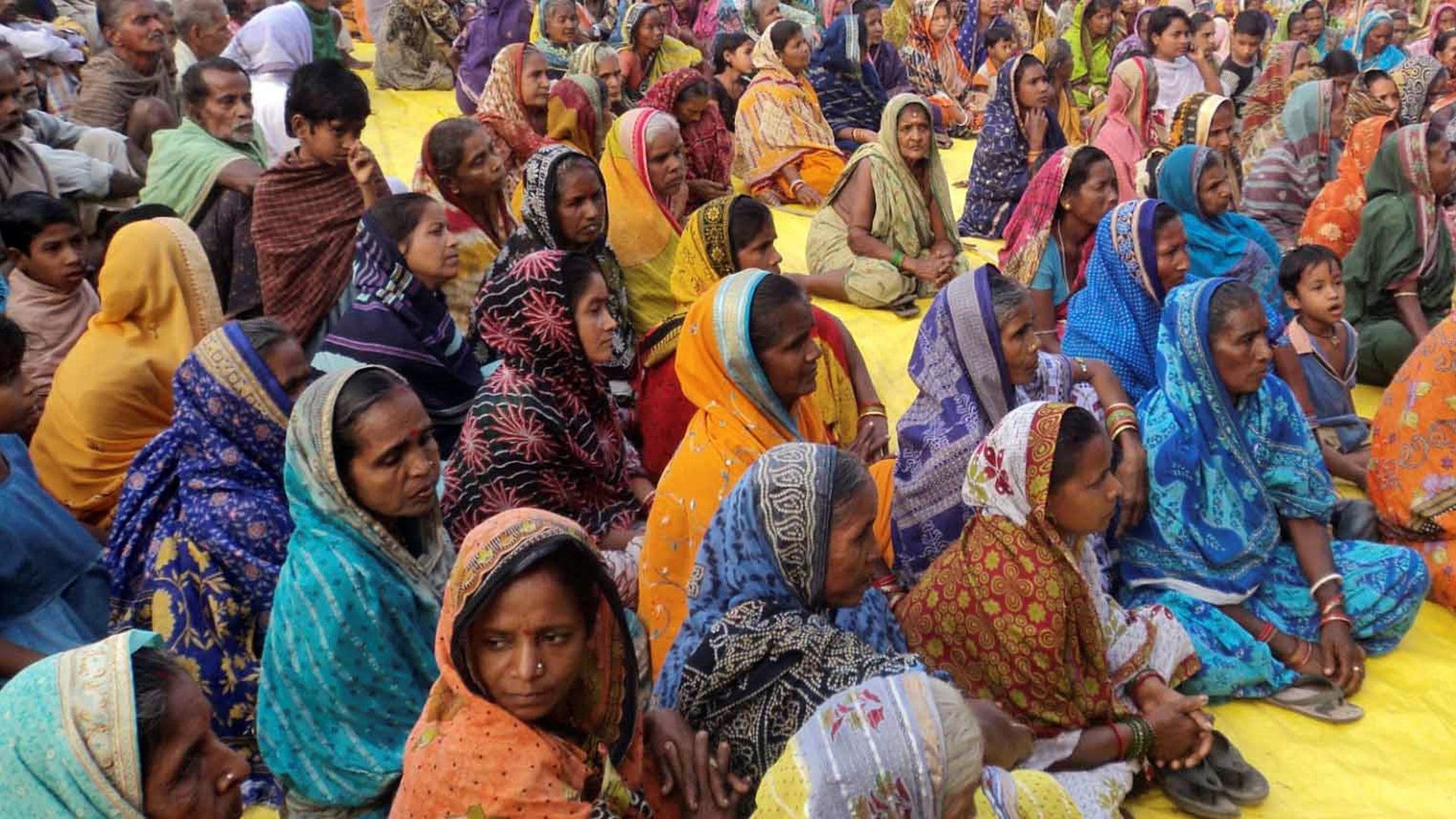
Resistance among villagers in Odisha is brewing again. This resistance had earlier led to the South Korean steel company POSCO pulling out of the 12 million tonnes per annum (MTPA) integrated steel plant with captive power plant project in Jagatsinghpur district of Odisha. Now, the agitation comes after the decision to allow Sajjan Jindal-led JSW Utkal Steel Limited to carry out the project.

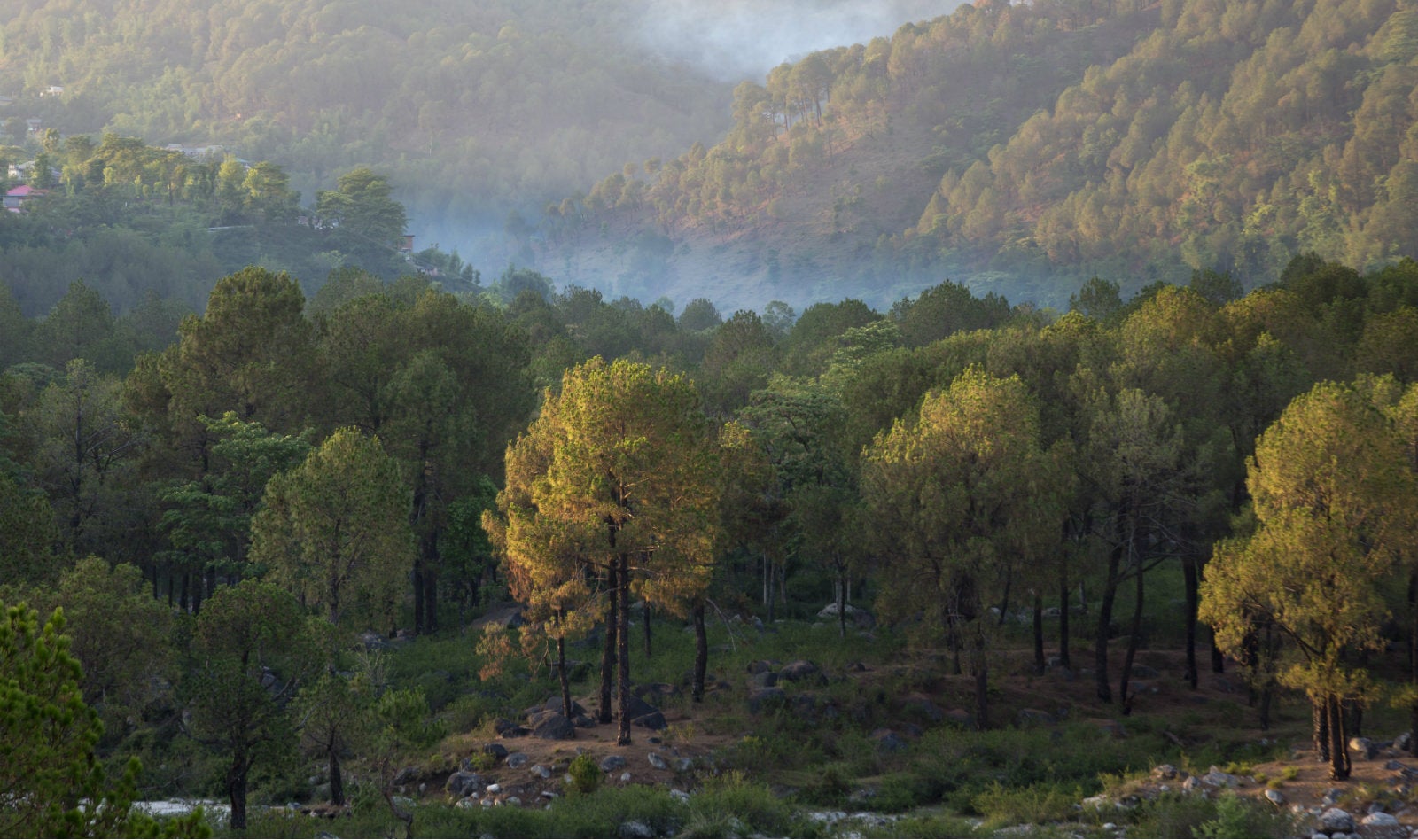
From covering 640,819 square kilometres (19.49%) of India’s total land area in 1987 to covering 712,249 sq km (21.67%) of the country’s geographical area in 2019, India’s forest cover has had a roller coaster journey.

It was his love for nature and wildlife that led Aditya Singh to quit his Indian civil services job, leave his well-appointed house in Delhi and settle in a remote corner of Rajasthan, abutting the famous Ranthambore Tiger Reserve, in 1998. Over the last 20 years, Singh has been buying tracts of land adjacent to Ranthambore and simply letting the forest grow back.

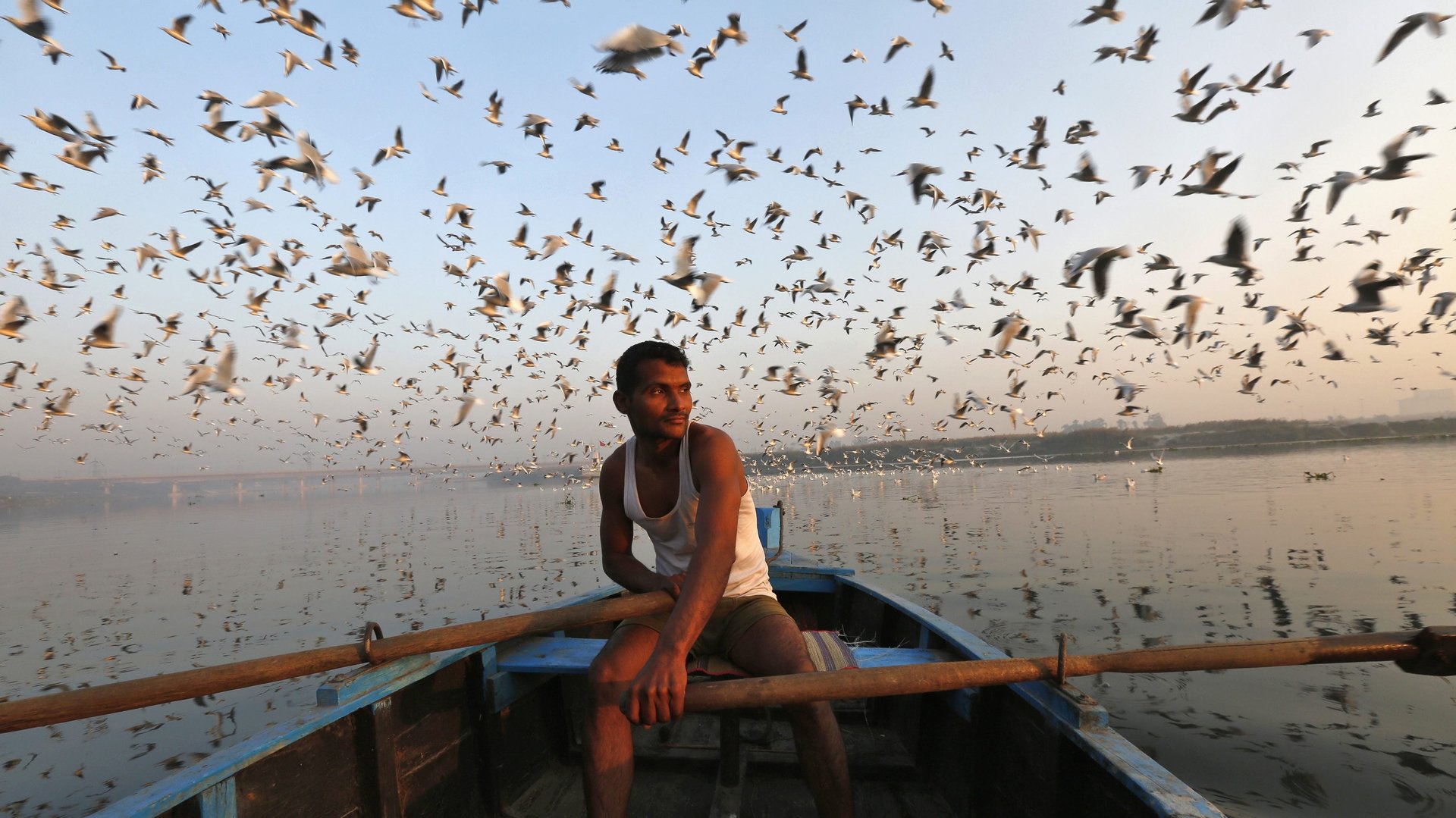
On Feb. 4, images of a rare oriental darter struggling to free its beak from a piece of plastic went viral. The incident was reported from Palwal in Haryana which, according to the news report, has lost more than half of its wetlands in 30 years (1970s-2000) due to land-use change like agricultural expansion. In June 2018, in a similar incident, in a wetland just outside Delhi, a black-necked stork had its beak sealed with a plastic ring around it. Its photo had gone viral. The bird was later rescued after extensive efforts by forest authorities.

Climate change-induced disasters are a new normal across the world. A magic pill that is prescribed to combat these impacts is complete phasing out of coal and transitioning to renewable power.

How do you define a “forest?” What are the rules regarding inviolate forests? And when will India get its new national forest policy? Many questions loom even as India pursues its goal of having 33% of its land under forest cover. While the latest data reveals increasing forest cover in the country, will the uptick continue without a comprehensive and focused forest policy?

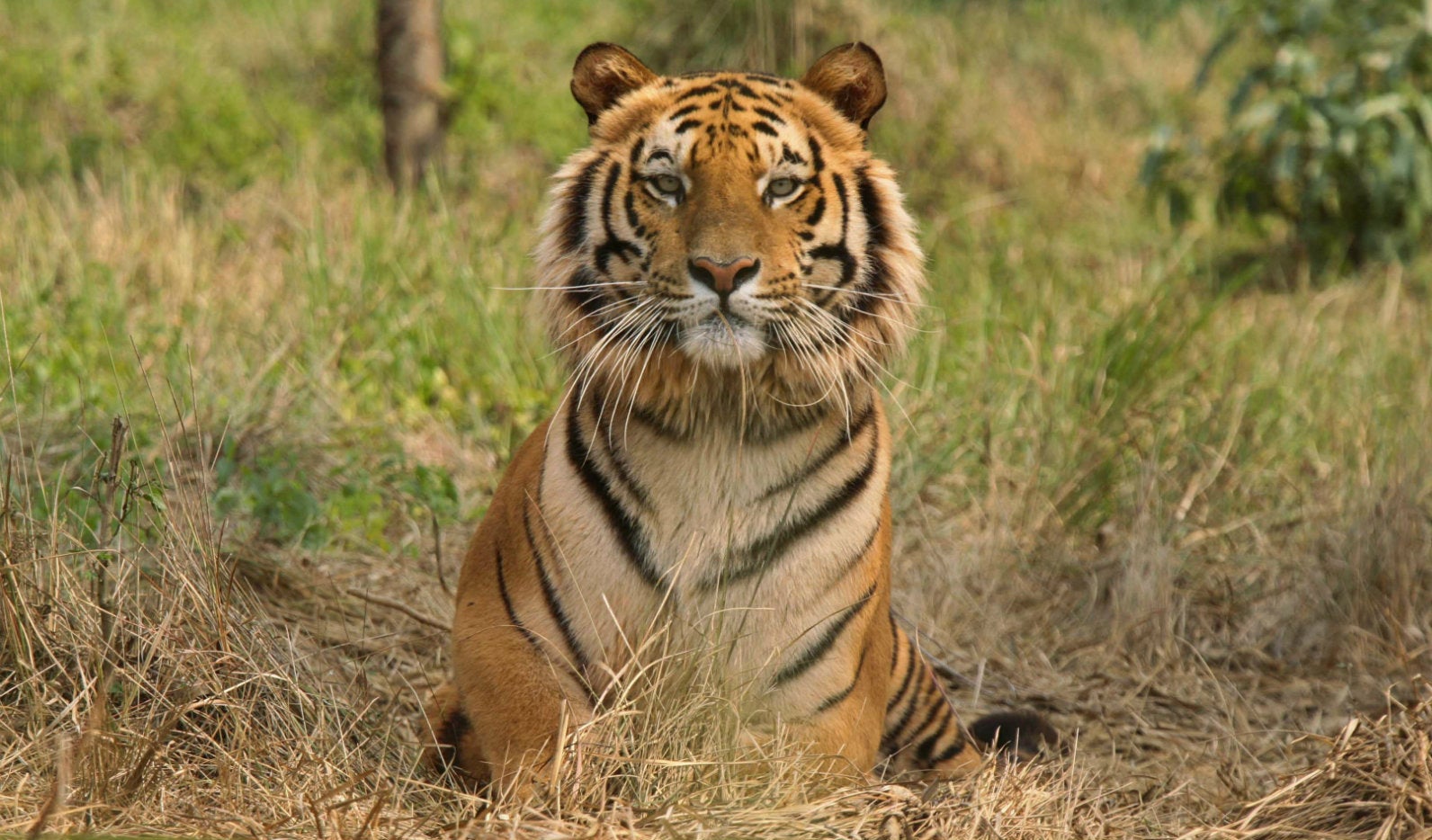
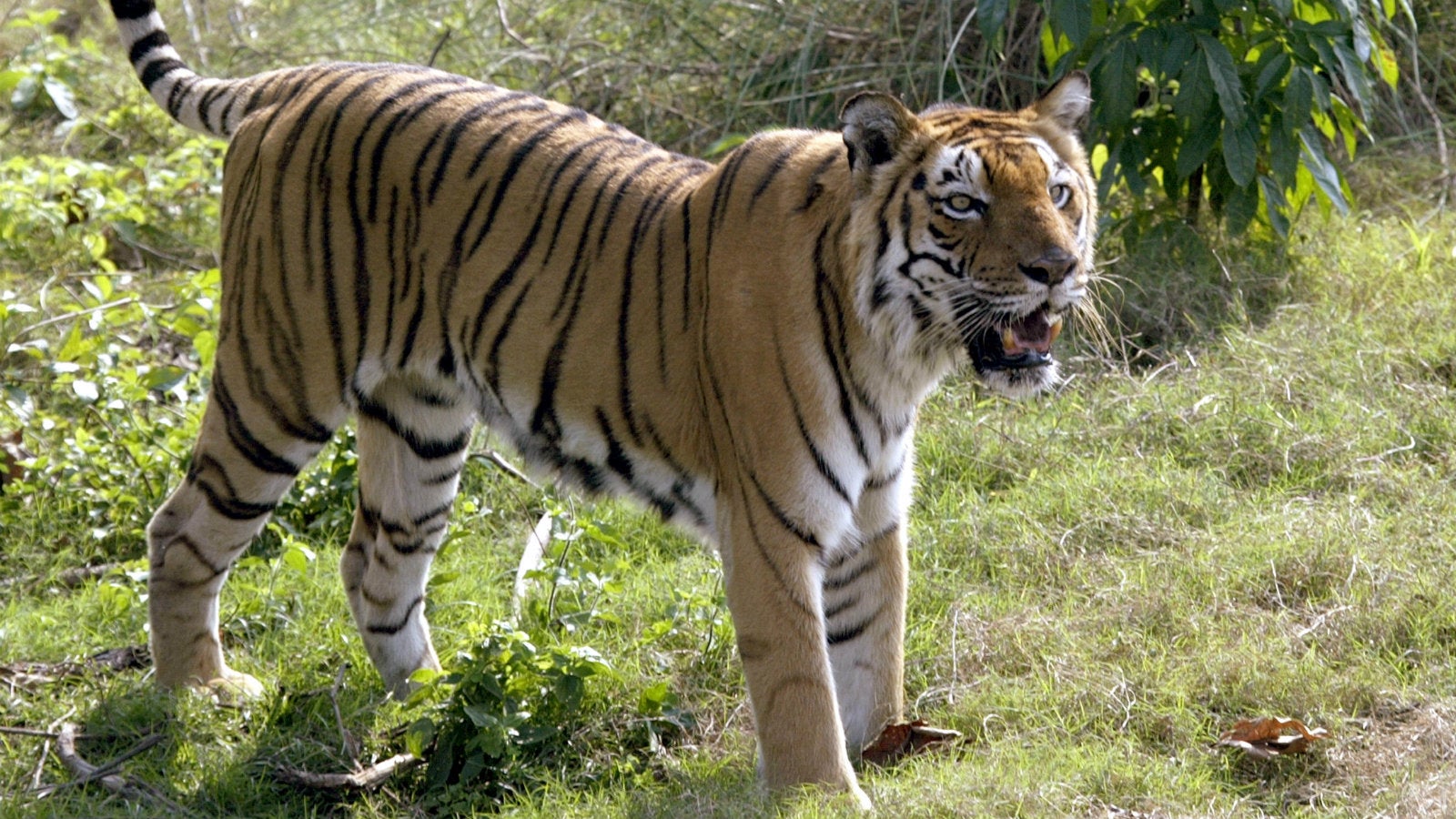
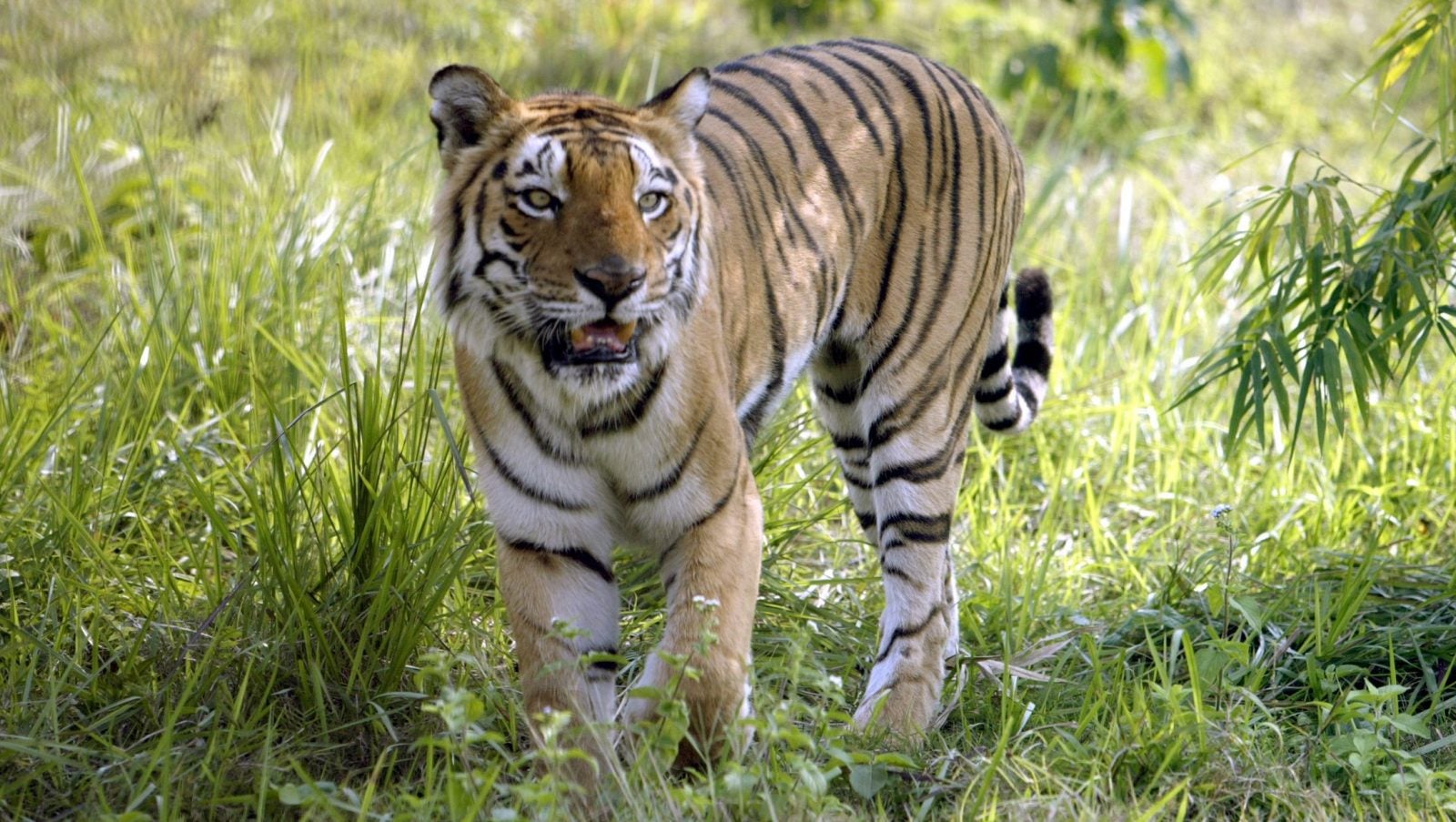
The All India Tiger Estimation–2018 report, released on July 29, pegged the population of the country’s national animal at 2,967. While releasing the report, prime minister Narendra Modi remarked that it is possible to strike a healthy balance between development and environment.

The forest panel of the Indian government’s environment ministry has approved guidelines that would allow private industries to be involved in plantation on degraded forest land.

The quest for uranium deposits to meet India’s nuclear power goals has now reached a tiger reserve in Telangana. An expert panel on forests of the ministry of environment, forest and climate change has recommended in-principle approval for a proposal by the central government’s department of atomic energy (DAE) for survey and exploration of uranium over 83 square kilometres in Telangana’s Amrabad Tiger Reserve.