At the end of the 1800s, ice cream pushcart owners sang little verses “in praise of their lemon ice cream and vanilla too” to attract customers, according to the paper “Ding Ding!: The Commodity Aesthetic of Ice Cream Music,” by the ethnomusicologist Daniel T. Neely.
In 1920, an Ohio parlor owner named Harry Burt invented the Good Humor bar — the first ice cream treat on a stick — and recruited a team of employees to drive around neighborhoods, selling them out of trucks.
To catch the public’s attention, Burt equipped each truck with a set of bobsled bells that jingled when the vehicle drove by. But ringing a bell all day long soon proved to be too manually taxing for drivers.
Around 1929, some Good Humor drivers started replacing their bells with ad hoc mechanical music boxes.
That shift caught the attention of John Ralston, an ice cream truck driver in Los Angeles. By the end of the 1940s, Ralston had rigged up his own music box — a complex contraption involving a bunch of microphones hooked up to a vacuum-tube radio — and started pitching it to manufacturers.
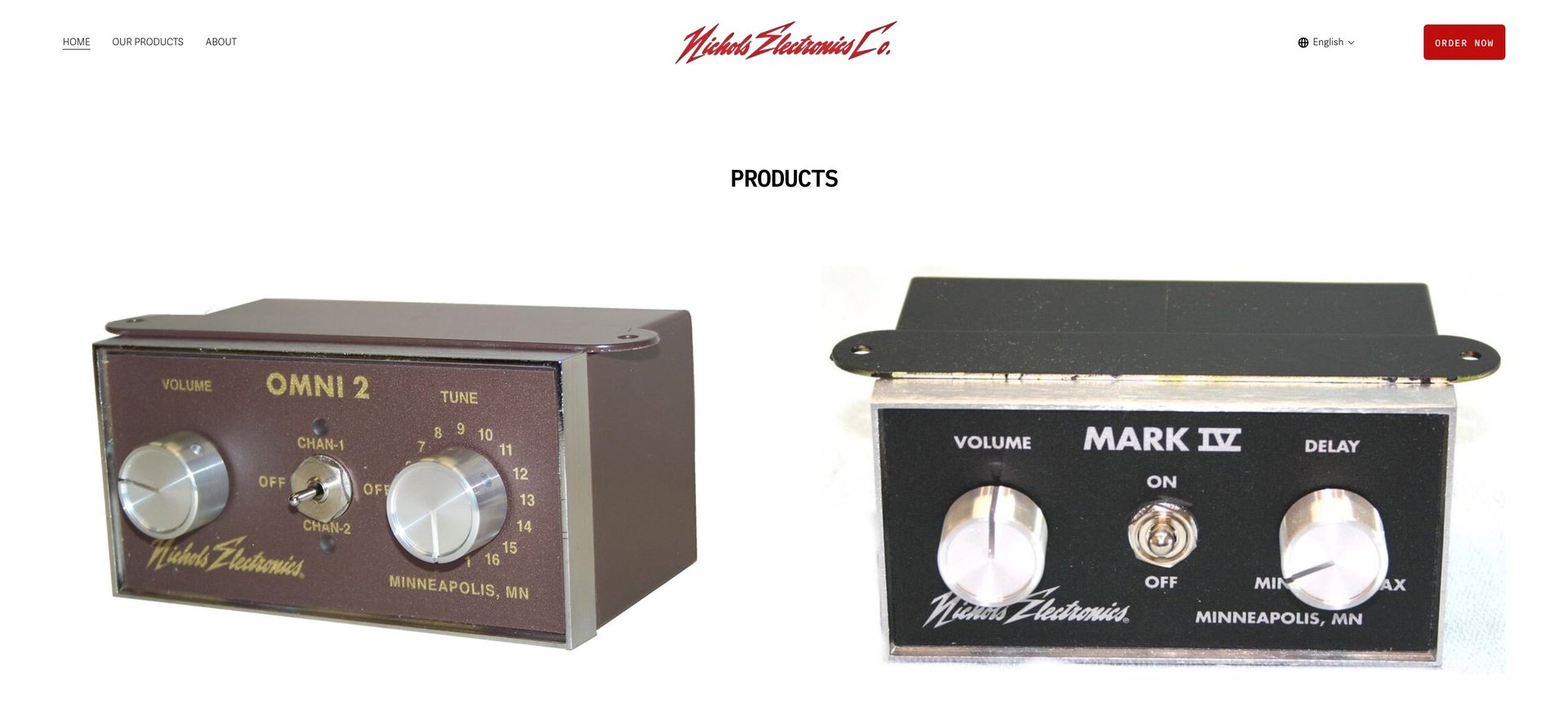
This is when our hero, Bob, comes back into play. Ralston felt manufacturers were too slow to pick up on this great idea, so he turned to his buddy Bobby. He had founded Nichols Electronics in 1957 but didn’t have any experience with music boxes. He was focused on TV and radio parts and manufacturing one-off products like a coin-operated foot massager.