
Artificial intelligence is going to become more ingrained in our day-to-day lives — and OpenAI’s leadership wants the world to know it’s taking the risks seriously after the company shuttered the team responsible for AI’s existential dangers.
The rollout of even more advanced AI models is raising new safety challenges for the artificial intelligence company
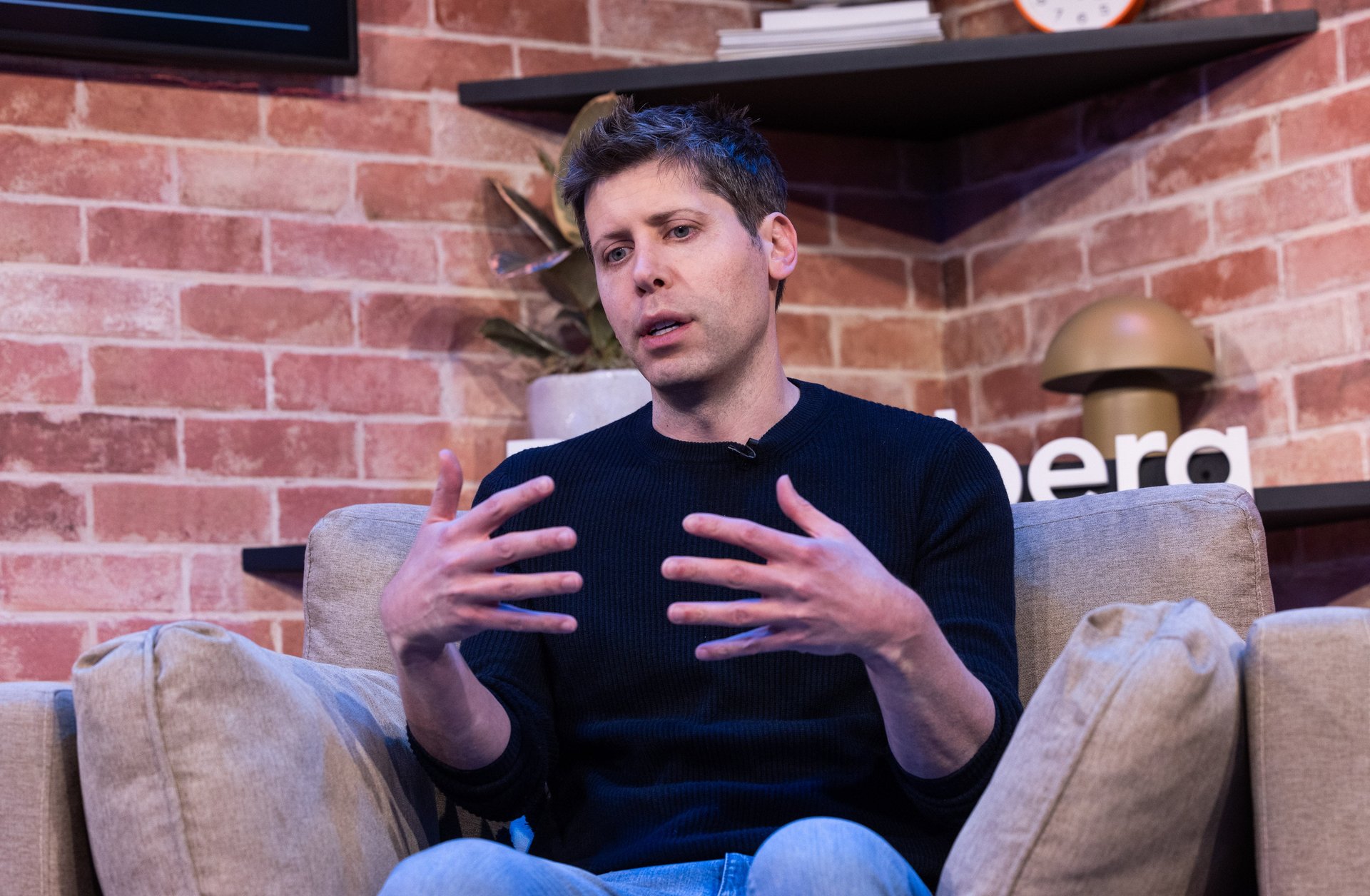
Artificial intelligence is going to become more ingrained in our day-to-day lives — and OpenAI’s leadership wants the world to know it’s taking the risks seriously after the company shuttered the team responsible for AI’s existential dangers.
In a post on X $TWTR co-signed by OpenAI CEO Sam Altman and President Greg Brockman, the executives said they are continuing to lay the groundwork for deploying increasingly capable AI models in a safe way. But, they wrote, the future will be “harder than the past.”
“We need to keep elevating our safety work to match the stakes of each new model,” they said on Saturday.
“We know we can’t imagine every possible future scenario,” they added. “So we need to have a very tight feedback loop, rigorous testing, careful consideration at every step, world-class security, and harmony of safety and capabilities,” including safety research targeting different timescales, and collaborating with governments and “many stakeholders” on safety.
The post came a day after OpenAI told Wired that it had disbanded the “superalignment” team led by co-founder and chief scientist Ilya Sutskever, and Jan Leike, who announced their departures from the company last week. OpenAI said the “superalignment” team’s work will be absorbed by other research efforts across the company.
Upon his departure, Leike wrote in a thread on X that he had reached a “breaking point” over disagreements with the company’s core priorities, adding that “safety culture and processes have taken a backseat to shiny products” in the last few years.
Brockman and Altman wrote Saturday that they know Leike will “continue to contribute to the mission from outside.”
Sutskever — who helped briefly oust Altman from OpenAI’s leadership last year — and Leike join the ranks of several other OpenAI employees who have exited the company recently, including others from the superalignment team and researchers working on AI policy and governance.
The shakeup also came after OpenAI revealed its newest AI chatbot, ChatGPT-4o. Mira Murati, the company’s chief technology officer, said the new chatbot’s advanced capabilities pose “new challenges for us when it comes to safety.”
Join 500,000+ readers who start their day with Quartz.
By subscribing, you agree to our Terms of Service and Privacy Policy.