
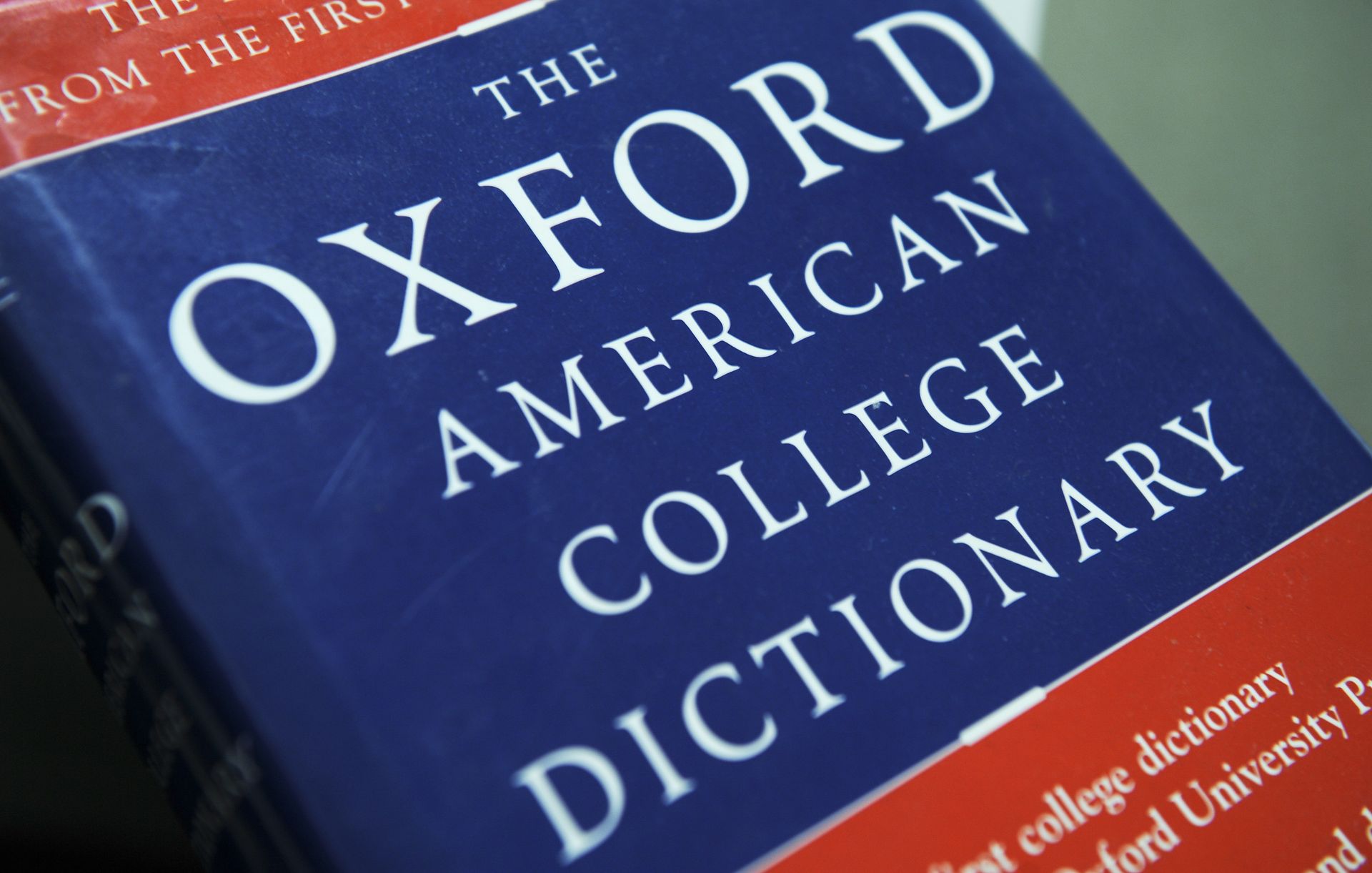
Rage bait is increasingly becoming not just a common phrase, but a common practice online. It's so widespread, in fact, that Oxford University Press has named the expression its word/phrase of the year for 2025.
Online usage of the term has tripled in the past year, the dictionary publisher says, prompting the honor
NICHOLAS KAMM
Rage bait is increasingly becoming not just a common phrase, but a common practice online. It's so widespread, in fact, that Oxford University Press has named the expression its word/phrase of the year for 2025.
If you've been lucky enough to avoid the expression, rage bait is when someone – whether a website trying to lure people to click or a poster looking to gain social media followers or notoriety, will manipulate people with headlines or comments meant to infuriate others to drive engagement. It's a willful attempt to make others outraged. Basically, it's like trolling, though the purpose is a bit different. (Trolls just want to make people angry for their own egos. Rage bait usually has a traffic or engagement incentive.)
Oxford calls rage bait "the internet's most effective hook." And usage of the term has tripled in the past 12 months, it noted.
And yes, the people at Oxford are quite aware that the word of the year is actually two words.
"We’re not rage baiting you by choosing two words — though that would be in keeping with the meaning of the term!," wrote Oxford University Press in a statement. "The Oxford Word of the Year can be a singular word or expression, which our lexicographers think of as a single unit of meaning."
Oxford's not the only dictionary picking a word of the year. Dictionary.com named "6-7" the word of the year. At Oxford, rage bait beat out two other semi-finalists for the word-of-the-year honor: Aura farming and Biohack. The winner was chosen after a public vote.
"The fact that the word rage bait exists and has seen such a dramatic surge in usage means we’re increasingly aware of the manipulation tactics we can be drawn into online," said Casper Grathwohl, president of Oxford Languages. "Before, the internet was focused on grabbing our attention by sparking curiosity in exchange for clicks, but now we’ve seen a dramatic shift to it hijacking and influencing our emotions, and how we respond. It feels like the natural progression in an ongoing conversation about what it means to be human in a tech-driven world — and the extremes of online culture."
Racking your brain trying to remember what 2024's word of the year was? Ironically… that would be "brain rot."
Join 500,000+ readers who start their day with Quartz.
By subscribing, you agree to our Terms of Service and Privacy Policy.